Black Lake New York Fishing Guide
Planning a fishing trip to a large, complex body of water like Black Lake in New York can feel like trying to solve a puzzle with missing pieces – you know there are amazing fish to be caught, but figuring out where to go, what to use, and when to be there is half the battle. This comprehensive guide will cut through the confusion, offering seasoned advice and practical tips to help you maximize your success on this incredible North Country fishery.
Unlocking the Secrets of Black Lake Fishing
Black Lake, nestled in St. Lawrence County, New York, is often overshadowed by the larger Great Lakes, but it holds a special place in the hearts of anglers who’ve discovered its incredible potential. Known for its warmwater fisheries and diverse ecosystem, it's a prime destination, especially for those chasing bass, walleye, and panfish. Its unique character makes it both challenging and immensely rewarding.
Why Black Lake is a North Country Gem
What truly sets Black Lake apart is its remarkable biodiversity and picturesque, sprawling landscape. It's not a deep, clear glacial lake; instead, think of it as a vast, shallow, and fertile aquatic garden. With an average depth of around 12 feet and extensive areas of submerged vegetation, it creates the perfect habitat for a variety of popular game fish. This means constant opportunities for anglers to find cover, structure, and feeding grounds for their target species. The lake spans roughly 10,000 acres, offering endless nooks and crannies to explore, from wide-open bays to narrow, winding channels. It’s the kind of lake where you can spend days and still feel like you've only scratched the surface, always discovering new spots.
Navigating Black Lake's Unique Geography
Black Lake's distinct geography is key to understanding where and how to fish it effectively. The lake is essentially a widened section of the Indian River, and it boasts an irregular shoreline dotted with countless islands, rocky shoals, and expansive weed beds. This labyrinthine quality can be daunting for first-timers, but it's precisely what makes it so productive. The northern end, particularly near the outlet to the Indian River, features deeper channels and stronger currents, while the southern stretches tend to be shallower and more marshy, with dense lily pad fields and submerged timber. Anglers often find success by focusing on the transitions between these different environments—where channels meet shallow flats, or where hard bottom edges up against thick vegetation. Understanding these contours and features, even before you launch your boat, will significantly improve your chances.
Top Fish Species to Target in Black Lake
Black Lake is a warmwater angler's dream, offering an impressive array of species that thrive in its rich, vegetated environment. While you won't find major salmon or trout runs here, the sheer volume and quality of its panfish and predatory warmwater species are second to none in the region.
Legendary Largemouth and Smallmouth Bass
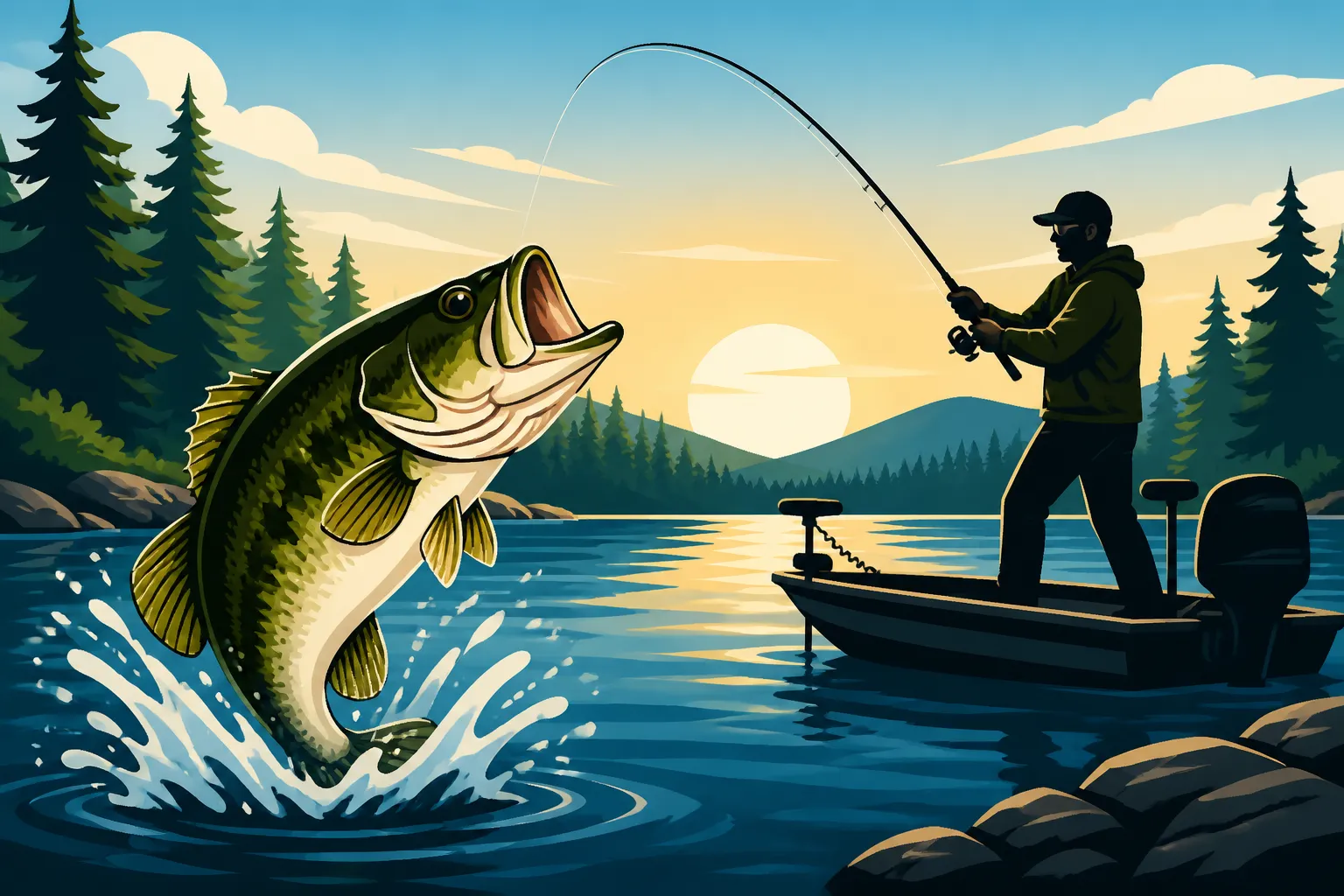
When people talk about fishing Black Lake, bass are almost always at the top of the conversation. The lake is renowned for both its largemouth and smallmouth populations. Largemouth bass absolutely thrive in the lake's extensive weed beds, lily pads, and submerged timber. You'll find them lurking in the dense cover, ready to ambush unsuspecting baitfish. These fish can grow quite large here, offering thrilling battles on appropriate gear.
Smallmouth bass, on the other hand, prefer the clearer, rockier areas, especially around the numerous islands and deeper points. While Black Lake isn't as famous for smallmouth as, say, the St. Lawrence River, there are still some fantastic bronzebacks to be caught, particularly during cooler months or in specific rocky habitats. Targeting these two distinct species often requires different approaches, but Black Lake offers opportunities for both, making it a versatile destination for bass enthusiasts. For more in-depth knowledge on these species, check out our guides on Largemouth Bass in New York and Smallmouth Bass in New York.
Walleye Wonders and Northern Pike Prowess
Beyond bass, Black Lake is an outstanding destination for predatory species like walleye and northern pike. Walleye are highly sought after for their delicious table fare and challenging bite. They tend to congregate around deeper drop-offs, channels, and rocky structures, especially during low-light conditions or after dark. Jigging with live bait or trolling crankbaits are popular and effective methods for targeting these elusive fish. Many anglers specifically visit Black Lake for its reputation as a walleye hotspot.
Northern pike are also abundant and can grow to impressive sizes, offering explosive strikes and powerful fights. They are ambush predators, often found lurking along the edges of weed lines, in shallow bays, or near fallen trees. Large spoons, spinnerbaits, and swimbaits are excellent choices for tempting these toothy critters. Just be sure to bring a good pair of pliers and a wire leader! Our guide on Northern Pike in New York offers more details.
Panfish Paradise
If you're looking for consistent action and a great day out with the family, Black Lake's panfish fishery is simply phenomenal. Black crappie, bluegill, pumpkinseed, and yellow perch are incredibly numerous and can be caught almost year-round. Crappie, in particular, reach impressive sizes, with slabs over a pound being common. They often school up around submerged brush, docks, and weed edges, especially in spring and fall.
Bluegill and pumpkinseed offer continuous fun for anglers of all ages, often found in vast numbers in shallow, vegetated areas. Yellow perch are another fantastic option, providing both sport and excellent eating. You can often fill a cooler with panfish, making Black Lake a perfect spot for those who enjoy a productive day with a high catch rate. Learn more about these species in our guides on Crappie in New York, Bluegill and Sunfish in New York, and Yellow Perch in New York.
Essential Fishing Techniques for Black Lake
Successfully fishing Black Lake often comes down to understanding the environment and adapting your techniques to the conditions and target species. It’s a diverse fishery, so having a range of approaches in your toolkit will greatly improve your chances.
Mastering the Weeds and Structure
Black Lake is characterized by its abundant submerged vegetation, from thick weed beds to expansive lily pad fields. This cover provides crucial habitat for baitfish and predators alike. For largemouth bass, pitching and flipping jigs or soft plastics into dense cover is incredibly effective. Techniques like Texas rigging or using weedless baits are essential to avoid snags. Topwater lures fished over lily pads during low light hours can also lead to explosive strikes. Our article, How to Fish for Largemouth Bass in Weeds, provides a great starting point for these tactics.
Beyond vegetation, the lake also features numerous rocky points, ledges, and channels. These are prime areas for smallmouth bass and walleye. For smallmouth, casting crankbaits, jerkbaits, or tube jigs along rocky banks and island edges can be very productive. Walleye often hold tight to deeper structure, making vertical jigging or slow-trolling bottom-bouncing rigs with live bait an excellent strategy, especially during the day. Don't overlook submerged timber, either, which can hold any of these species depending on depth and proximity to other features.
Seasonal Strategies for Success
Black Lake offers excellent fishing opportunities throughout the year, but the most effective techniques and target species change with the seasons.
- Spring: As the ice melts and water temperatures rise, fish move into shallower areas. This is prime time for pre-spawn bass and pike, which can be found cruising weed lines and sun-drenched flats. Panfish, especially crappie, school heavily in shallow bays and around docks before they spawn. It's a fantastic time for aggressive bites.
- Summer: During the warmer months, fish often retreat to deeper, cooler water or seek refuge in dense cover. Early mornings and late evenings are key for topwater action, while daytime fishing might require punching through heavy mats for bass or targeting walleye in deeper channels. Night fishing for walleye can be incredibly productive as they become more active.
- Fall: As temperatures drop, fish become very active, feeding heavily in preparation for winter. This is a prime season for trophy pike and bass, which will be gorging on baitfish. Walleye fishing also picks up significantly, with fish moving to deeper structures near bait schools. The fall colors around the lake add to the experience.
- Winter (Ice Fishing): Black Lake is a premier ice fishing destination in New York. When the ice is safe, anglers flock here for walleye, northern pike, and a plethora of panfish. Jigging with small spoons or plastics, and setting tip-ups with live minnows, are popular methods. The sheer abundance of fish makes it a family-friendly winter getaway. If you're planning an ice fishing adventure, our guide on How to Ice Fish for Walleye in New York has some great tips.
For a broader understanding of fishing throughout the year, be sure to consult our guide on New York Fishing Seasons Explained.
Best Baits and Lures for Black Lake
Matching your bait and lure selection to the conditions and target species is crucial.
- For Largemouth Bass: Think weedless. Texas-rigged worms, creature baits, jig-and-pig combinations, and soft plastic frogs for topwater action over lily pads are highly effective. Spinnerbaits and chatterbaits are great for working weed edges.
- For Smallmouth Bass: Crankbaits, jerkbaits, tube jigs, and swimbaits mimicking baitfish work well in rocky areas. Drop-shot rigs with small plastics can be deadly on deeper points.
- For Walleye: Live minnows (shiners, fatheads), nightcrawlers, and leeches on jigs or bottom-bouncers are classic choices. Trolling crankbaits (like Rapalas or Berkley Flicker Shads) in deeper channels during low light is also a proven method.
- For Northern Pike: Large spoons (Daredevils, Five of Diamonds), spinnerbaits (Mepps, inline spinners), and large swimbaits are excellent. Don't forget a steel leader to prevent bite-offs.
- For Panfish: Small jigs tipped with Gulp! maggots, wax worms, or even tiny pieces of real worm are irresistible. Tiny spinnerbaits or micro crankbaits can also entice larger crappie and perch.
Planning Your Black Lake Fishing Trip
A successful fishing trip to Black Lake involves more than just knowing what fish are there and how to catch them; it also means being prepared for the practicalities of visiting this unique destination.
Access Points and Boat Launches
Getting onto Black Lake is relatively easy, with several public and private access points. The New York State Department of Environmental Conservation (DEC) maintains a boat launch at Edward I. Gordon Memorial Park in the hamlet of Black Lake. This is a popular and well-maintained ramp suitable for most trailered boats. You'll find ample parking here, making it a convenient starting point for many anglers.
Additionally, several private marinas and fishing camps around the lake offer boat rentals, launches, and docking facilities. Places like Black Lake Marine and The Log Cabin are well-known among locals and visitors for their hospitality and access to the water. Some of these private facilities might also offer bait and tackle, which can be a lifesaver if you forgot something or need local recommendations. Always check ahead for hours and any launch fees.
Finding a Reputable Guide or Charter
For those unfamiliar with Black Lake's intricate waters, hiring a local fishing guide can dramatically increase your success and enjoyment. A good guide knows the lake intimately – where the fish are holding, what they're biting on, and how to navigate the numerous channels and weed lines safely. This is especially true if you're targeting specific species like walleye or muskellunge, which can be elusive.
Services like FishingBooker can connect you with experienced, licensed guides operating on Black Lake and the surrounding St. Lawrence River region. They offer a range of options, from half-day panfish trips perfect for families to full-day excursions targeting trophy bass or pike. A guide can provide all the necessary gear, expertise, and often even clean your catch, allowing you to focus purely on the fishing experience. It’s an investment that often pays off in knowledge gained and fish caught.
Essential Gear and Regulations
Before heading out, make sure you have the right gear and understand the local regulations. Beyond your rods, reels, and tackle, consider bringing:
- Navigational Aids: A reliable GPS with detailed lake maps is invaluable for navigating Black Lake's complex layout, especially given its many islands and channels. Paper maps are a good backup.
- Anchoring System: A sturdy anchor and ample rope are crucial for holding position in windy conditions or over specific structure.
- Safety Gear: Life jackets for everyone on board, a whistle or horn, and a fully charged cell phone are mandatory. If you're fishing from a boat, ensure all required safety equipment is present.
- Bug Spray: The North Country can be buggy, especially during warmer months.
- Sun Protection: Sunscreen, hats, and sunglasses are a must.
Always ensure you have a valid New York Fishing License Guide before casting a line. Black Lake falls under general statewide fishing regulations, but it's always wise to double-check the current New York Fishing Regulations Explained for any specific rules regarding creel limits, minimum sizes, and fishing seasons for your target species. Pay particular attention to the New York Fishing Season Dates and Catch Limits for bass, walleye, and pike, as these can vary.
| Fish Species | Primary Habitat | Best Time to Target | Recommended Lures/Baits |
|---|---|---|---|
| Largemouth Bass | Dense weed beds, lily pads, submerged timber | Spring, Summer, Fall | Texas rigs, Jigs, Topwater frogs |
| Smallmouth Bass | Rocky points, island edges, deeper structures | Spring, Fall, Summer | Crankbaits, Jerkbaits, Tube jigs |
| Walleye | Deeper channels, rock piles, drop-offs | Spring, Fall, Winter | Live minnows, Nightcrawlers, Crankbaits |
| Northern Pike | Weed lines, shallow bays, fallen trees | Spring, Fall, Winter | Large spoons, Spinnerbaits, Swimbaits |
| Black Crappie | Submerged brush, docks, weed edges | Spring, Fall, Winter | Small jigs with plastics/live bait |
| Bluegill/Sunfish | Shallow, vegetated areas | Spring, Summer, Fall | Worms, Tiny jigs, Small artificials |
| Yellow Perch | Weed lines, sandy flats, open water schools | Spring, Fall, Winter | Minnows, Small jigs, Worms |
Black Lake truly is a magnificent fishery, offering diverse opportunities for anglers of all skill levels. With a little preparation and understanding of its unique characteristics, you're sure to have a memorable and successful fishing adventure.
Disclaimer
The information provided in this Black Lake New York Fishing Guide is for general informational purposes only. Fishing regulations, conditions, and fish behavior can change rapidly. Always consult the most current New York State Department of Environmental Conservation (DEC) fishing regulations before your trip and prioritize safety on the water.