Fishing the Delaware River for Trout
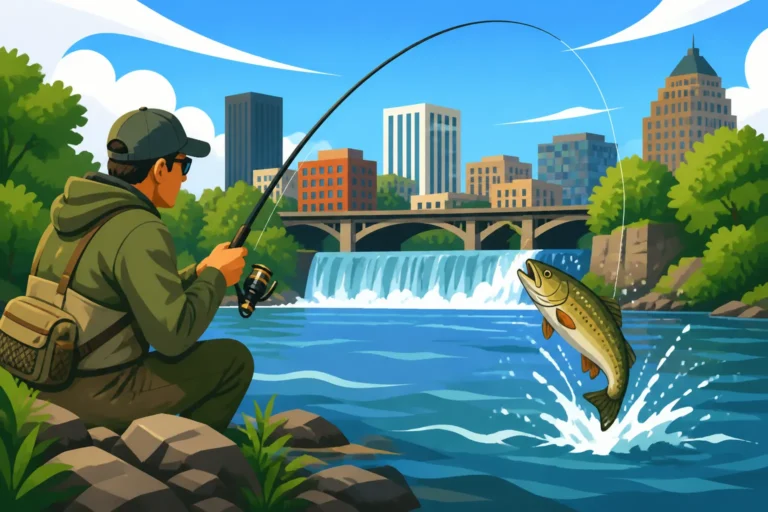
The Delaware River in New York offers some of the most challenging yet incredibly rewarding trout fishing experiences, but it's not a river you can just show up to without a plan. Many anglers, especially those new to this magnificent waterway, find themselves frustrated by the selective nature of its wild trout and the sheer scale of the river itself. This comprehensive guide will peel back the layers, helping you understand the nuances of fishing the legendary Delaware for trout, covering everything from the unique ecosystem to the best techniques and access points, so you can turn those frustrations into unforgettable days on the water.
The Untamed Allure of the Delaware's Trout Waters
The Delaware River, particularly its Upper and West Branches, isn't just another trout stream; it's a true wild trout factory, renowned across the continent. What makes it so special, and frankly, so challenging, is its unique tailwater fishery characteristics. This isn't a fast-flowing, shallow mountain stream you might picture; much of it is a large, cold, nutrient-rich river system. The cold water is a result of deep-water releases from upstream reservoirs like Cannonsville and Pepacton, providing consistent temperatures throughout the year that are absolutely ideal for trout, even in the dog days of summer. This consistent cold flow allows trout to thrive, grow large, and reproduce naturally, creating a wild population that demands respect and skill.
The wild nature of these trout also means they are incredibly wary and selective. They’re not accustomed to easy meals or heavy fishing pressure, so they scrutinize every fly or lure presented. This selectivity is often what throws anglers off. You can see fish rising everywhere, yet they ignore your perfectly tied imitation. It's a game of matching the hatch, understanding subtle currents, and presenting your offering with utmost delicacy. But when you finally fool one of these magnificent wild brown or rainbow trout, the reward is immense – a testament to your patience and skill in a truly wild setting.
The Tailwater Advantage for Trout
The Delaware's status as a tailwater fishery, fed by cold releases from large reservoirs, is its superpower. Unlike freestone rivers that warm significantly in summer and can become too hot for trout, the Delaware maintains a stable, cool temperature that fish adore. This creates an extended fishing season and allows trout to grow larger and healthier than in many other waters. It also means insect hatches can be incredibly diverse and prolific, providing a rich food source that contributes to the trout's robust size and fighting spirit.
However, this advantage also presents a challenge: consistency. The water levels and flow rates can change depending on reservoir releases. A sudden increase in flow can make wading treacherous and fishing difficult, while very low flows can make fish even more spooky and concentrated in specific areas. Always check the river gauges before heading out, as understanding the current conditions is paramount to a successful day. Knowing the optimal flow rates for wading or floating is a critical piece of local knowledge that experienced anglers and guides possess.
Beyond the Fly: A Diverse Ecosystem
While the Delaware is primarily celebrated for its fly fishing, it's a diverse ecosystem that supports more than just classic dry fly action. Its rich invertebrate life forms the backbone of the trout's diet, from tiny midges and mayflies to caddisflies and stoneflies. These hatches are legendary and can occur throughout the year, dictating the trout's feeding patterns and, consequently, your strategy. The river also supports baitfish populations like sculpins and shiners, which provide forage for larger, predatory trout, especially when insect hatches are sparse.
The river banks are often lined with mature trees, providing shade and structure, and submerged logs and rocks create perfect holding lies for trout. This complex habitat is why the Delaware can sustain such a healthy population of wild fish. It’s a complete ecosystem where every element plays a crucial role in supporting the next, making it a genuinely wild and pristine fishery that requires careful consideration from every angler lucky enough to cast a line here.
Key Trout Species and Their Seasons on the Delaware
The Delaware River is predominantly famous for its robust populations of wild brown trout, but you’ll also encounter rainbow trout and, in the higher reaches and tributaries, the elusive native brook trout. Each species has its own habits, preferred feeding times, and prime seasons, making the river a year-round destination for dedicated anglers. Understanding what you're targeting will significantly improve your chances of success.
Brown Trout: The River's Dominant Royalty
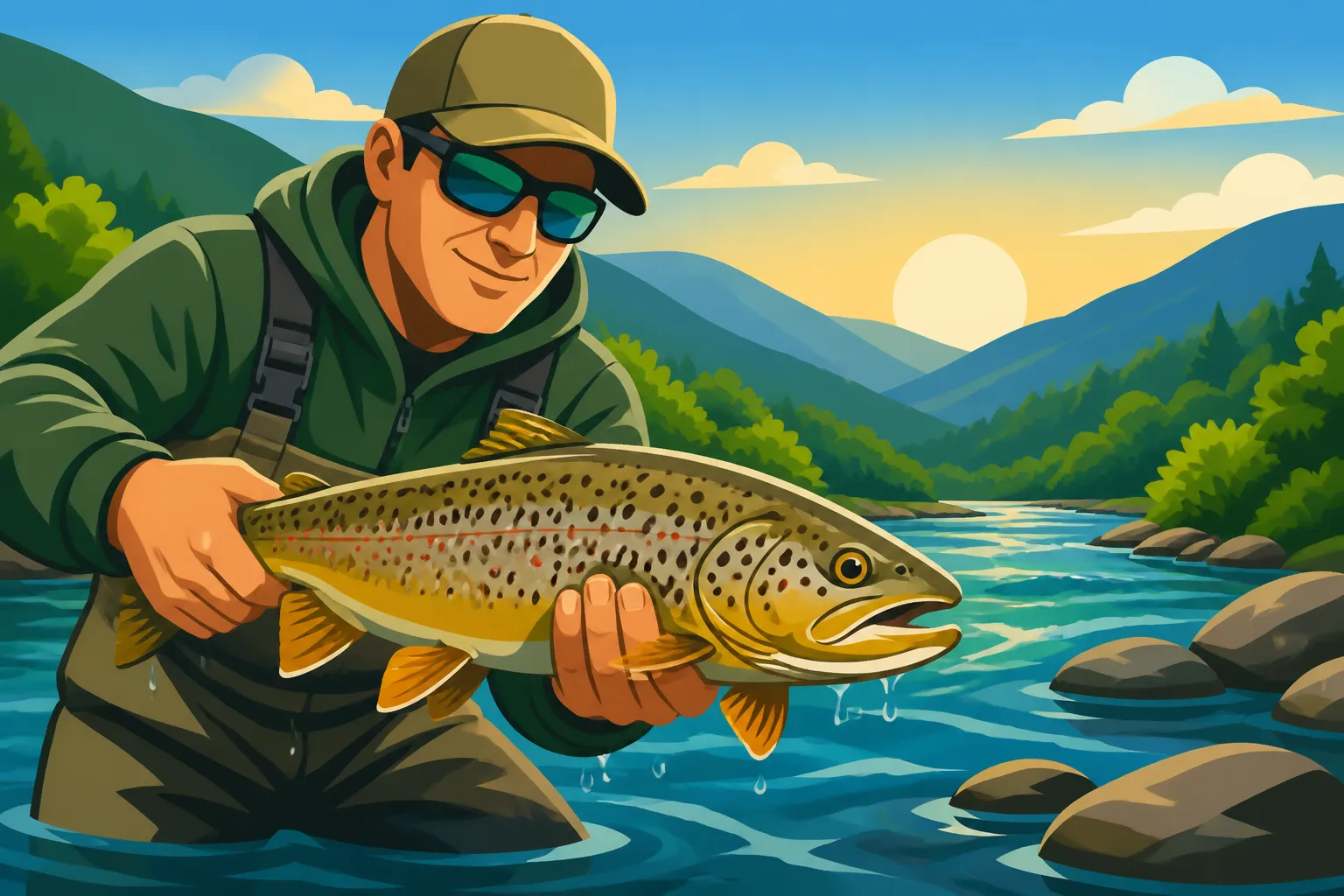
Wild brown trout are the undisputed kings of the Delaware River system. These beautiful, intelligent fish are prolific throughout the West Branch, East Branch, and the Mainstem sections. They are notoriously wary and can be incredibly challenging to catch, often requiring pinpoint presentations and perfectly matched imitations. Brown trout in the Delaware can grow quite large, with fish in the 16-20 inch range being common, and true trophies exceeding 25 inches caught regularly. Their diet is diverse, encompassing everything from microscopic midges and larger mayflies to caddis, stoneflies, and even small baitfish and crayfish.
The best time to target brown trout on the Delaware is often during prolific insect hatches in spring (think Hendrickson, Quill Gordon, March Brown) and fall (BWO, Isonychia). Summer evenings can also be magical with sulfurs and caddis hatches, while winter offers consistent nymphing opportunities in the colder, slower runs. During periods of low insect activity, stripping streamers or drifting large nymphs can be highly effective, especially for larger, more aggressive browns. If you're looking for detailed information on their behavior, our guide on Brown Trout in New York delves deeper into these magnificent fish.
Rainbow Trout: Flashy Fighters
While not as numerous as brown trout, the Delaware River boasts a healthy population of wild rainbow trout, particularly in sections of the East Branch and the Mainstem. These fish are known for their acrobatic fights and can be a thrilling catch. Many of the rainbows are wild, river-spawned fish, showcasing vibrant colors and unmatched vigor. Some stocked rainbows from previous decades have also naturalized, contributing to the healthy population.
Rainbow trout often key into similar hatches as browns, but can sometimes be more aggressive and less selective, making them a fun target during a strong hatch. They tend to prefer faster, oxygenated water, so look for them in riffles, runs, and the heads of pools. Spring and early summer, when larger insects are hatching and water temperatures are ideal, are prime times for rainbows. During winter, they often school up in deeper pools, providing excellent nymphing opportunities.
Brook Trout: The Elusive Natives
While less common in the main stem of the Delaware, native brook trout can be found in the colder, smaller tributaries that feed into the larger river. These beautiful, uniquely colored fish are New York's official state fish and are often a sign of pristine water quality. Targeting brook trout typically involves hiking into these smaller, often brushy streams, requiring a more intimate and adventurous approach.
Light tackle, often a short fly rod or ultra-light spinning gear, is best for these smaller, tighter waters. Terrestrial patterns like ants, beetles, and grasshoppers work well in summer, as do small attractor dry flies and nymphs. Catching a native brook trout is a special experience, connecting you to the wild heart of the watershed. For a broader look at the species, check out A Guide to New York's Trout Species.
Here’s a quick overview of the prime seasons for each species on the Delaware:
| Trout Species | Primary Seasons | Preferred Water | Key Hatches / Diet |
|---|---|---|---|
| Brown Trout | Spring, Fall, Winter | Runs, Pools, Undercut Banks | Mayflies (Hendrickson, Sulphur, BWO), Caddis, Stoneflies, Midges, Sculpins |
| Rainbow Trout | Spring, Early Summer, Fall | Riffles, Runs, Heads of Pools | Mayflies, Caddis, Stoneflies, Midges |
| Brook Trout | Summer (in tributaries) | Cold, Small Tributaries | Terrestrials, Small Nymphs, Attractor Dries |
Essential Techniques and Gear for Delaware River Trout
Fishing the Delaware River effectively requires a blend of skill, patience, and the right equipment. Whether you're a seasoned fly angler or prefer spin fishing, adapting your approach to the river's unique conditions and the trout's selective nature is key. This isn't a place for heavy-handed tactics; subtlety and precision will be your best friends.
Fly Fishing: The Delaware's Signature Style
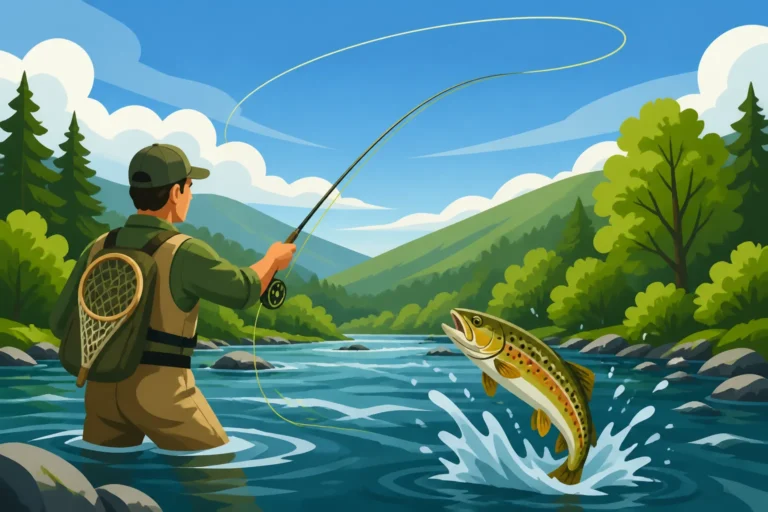
Fly fishing is, without a doubt, the quintessential way to pursue trout on the Delaware. The sheer volume and diversity of insect hatches make it a dry fly angler's paradise, but nymphing and streamer fishing are equally effective at different times. A typical setup for the Delaware would be a 9-foot, 4- to 5-weight fly rod, paired with a matching reel and a weight-forward floating line. A longer leader (9-12 feet) tapered to a fine tippet (5X-7X) is crucial for stealthy presentations to wary fish.
- Dry Fly Fishing: When trout are rising, matching the hatch is paramount. Carry a wide selection of mayfly (Hendrickson, Quill Gordon, Sulphur, BWO, Isonychia), caddisfly (tan, olive, black), and midge patterns in various sizes. Observing what's hatching and how fish are rising will dictate your fly choice. Presentation is everything; a drag-free float is usually required to fool these selective trout. Check out our guide on How to Fly Fish in New York for foundational skills.
- Nymphing: Even when fish aren't rising, they're often feeding subsurface. Nymphing is productive year-round, especially in deeper runs and pools. Popular patterns include Pheasant Tails, Hare's Ears, Princes, and various midge larvae and pupae. Indicator nymphing with split shot is common, but European nymphing (tightline nymphing) has become incredibly effective on the Delaware, allowing for direct contact and subtle strike detection.
- Streamer Fishing: For targeting larger, more aggressive brown trout, especially during high water or when searching for a predatory bite, streamer fishing can be incredibly rewarding. Patterns imitating sculpins, baitfish, or even crayfish, stripped erratically, can induce violent strikes. Look for aggressive fish near undercut banks, log jams, or deeper holding water.
Spin Fishing: An Alternative Approach
While fly fishing dominates the Delaware, spin fishing can also be productive, especially for anglers who prefer this method or when conditions make fly casting difficult (e.g., heavy winds). Light to ultra-light spinning gear is essential, allowing for delicate presentations and protecting the fine lines needed for wary trout. A 6- to 7-foot rod with a fast action, paired with a small spinning reel spooled with 4-6 lb test fluorocarbon or monofilament line, is a good starting point.
- Lure Selection: Small inline spinners (e.g., Mepps, Panther Martin), tiny crankbaits that imitate baitfish, and micro-jigs tipped with a small soft plastic or natural bait can all fool Delaware River trout. Work these lures slowly and deliberately through likely holding water, mimicking natural forage.
- Bait Fishing: While typically less practiced by dedicated Delaware trout anglers aiming for wild fish, bait fishing with worms, corn, or powerbait can be effective, particularly in areas where trout are regularly stocked or for less selective fish. Always check New York Freshwater Fishing Rules regarding bait regulations, as some sections may have restrictions.
- Respecting the Fish: Regardless of your chosen method, always handle wild trout with care. Use barbless hooks, minimize their time out of water, and release them gently to ensure their survival. This goes for all fishing on the Delaware.
Navigating the River: Access Points and Prime Sections
The Delaware River system is vast, flowing through multiple states, but the New York sections, particularly the Upper Delaware River region, are what anglers flock to. Understanding the key branches and their access points is vital for planning your trip. The primary fishing areas in New York are the West Branch, East Branch, and the Mainstem of the Delaware.
The West Branch: Wild Trout Heaven
The West Branch of the Delaware River, flowing from the Cannonsville Reservoir near Deposit, is often considered the heart of the wild trout fishery. This section is famous for its consistent cold water and prolific insect hatches, leading to impressive populations of large brown and rainbow trout. Access points can be found in towns like Deposit, Hale Eddy, and Hancock. Route 17 (now I-86) parallels much of this river, offering numerous pull-offs and public access points.
- Deposit Area: Near the town of Deposit, you'll find several public access points. This section features a mix of riffles, runs, and deeper pools. Wading can be excellent, but always be mindful of sudden changes in water levels due to dam releases. Local bait shops and fly shops in Deposit are great resources for up-to-date conditions and local knowledge.
- Hale Eddy: Further downstream, Hale Eddy offers more public access and is a popular spot for both wade and drift boat anglers. The river here begins to broaden, with long, productive runs and excellent dry fly water during hatches.
- Long Eddy and Hancock: As you approach the confluence with the East Branch at Hancock, the West Branch becomes a larger river, suitable for drift boats and rafts. There are numerous state-owned fishing access sites (PFAS) in this area, offering boat launches and parking. This is a critical zone where migratory fish from the main stem might move.
The East Branch: Scenic and Productive
The East Branch of the Delaware River, flowing from the Pepacton Reservoir near Downsville, offers a different, yet equally rewarding, experience. While also a tailwater, it can be a bit warmer than the West Branch, especially in its upper reaches, but still holds excellent trout. It’s known for its scenic beauty and often fewer anglers than the West Branch. Towns like Downsville, East Branch, and Hancock provide access.
- Downsville Area: Close to the Pepacton Reservoir, this section is a classic small-to-medium-sized trout stream, with good wading opportunities. This is often where you might find more stocked trout in addition to some wild fish, especially in the early season.
- East Branch Town: The town of East Branch provides convenient access, with the river meandering through a mix of agricultural land and wooded areas. Here, the river starts to broaden and deepen, offering excellent nymphing and streamer water.
- Hancock Confluence: The East Branch meets the West Branch in Hancock, forming the Mainstem. Fishing the lower East Branch near Hancock can be fantastic, especially during spring and fall, as fish prepare for or recover from spawning. This area is also popular for drift boating.
The Mainstem: A River of Legend
Below the confluence of the East and West Branches at Hancock, the Delaware becomes the powerful Mainstem, forming the border between New York and Pennsylvania. This is a big river, best fished from a drift boat or raft, though some wading access is available in shallower sections. The Mainstem is known for its large, wild trout and incredible hatches, attracting anglers from all over.
- Hancock to Lordville: This section is legendary. It’s wide, often deep, and features complex current structures that hold large trout. Many guides operate out of Hancock, utilizing their drift boats to cover water efficiently. Public access points and boat launches are available through the NYS DEC and National Park Service. If you're planning a guided trip here, platforms like FishingBooker can help you find experienced guides who specialize in the Mainstem's unique challenges.
- Lordville to Callicoon: As the river continues downstream, it retains its character as a large, wild trout fishery. More varied terrain, including deeper pools and sweeping runs, offers diverse fishing opportunities. Access becomes a bit more spread out, but public launches and designated fishing access sites are still available. It's always a good idea to consult the New York DEC Fishing Regulations Guide to ensure you're fishing legally and responsibly.
Local Knowledge and Guided Trips
For those unfamiliar with the Delaware, or simply looking to maximize their time on the water, a local guide can be an invaluable asset. These seasoned professionals spend hundreds of days on the river, possess intricate knowledge of current conditions, hatches, and trout behavior, and can provide all the necessary gear. Many of them utilize drift boats, allowing access to sections of the river that are difficult or impossible to wade. If you're serious about unlocking the Delaware's secrets, especially if it's your first time, hiring a guide is highly recommended. You can find reputable outfitters and individual guides who specialize in the Delaware via online booking services. Even for experienced anglers, a guide can reveal new techniques or hidden spots. When considering a trip, especially with the variable water conditions, it’s also wise to check the New York Fishing Season Dates and Catch Limits to align your visit with peak activity.
Planning Your Delaware Trout Adventure
A successful trip to the Delaware River for trout is about more than just showing up with a rod. It involves careful planning, respecting the resource, and being prepared for the conditions. Given the river's wild nature, a bit of homework goes a long way.
Essential Regulations and Licensing
Before you even think about casting a line, ensure you have the proper New York State fishing license. The Delaware River, being a border water, has specific rules depending on whether you're fishing the New York or Pennsylvania side. Generally, a New York freshwater fishing license covers you for the New York side of the mainstem and its tributaries within the state. Always carry your license, either physically or digitally on your phone, as DEC officers patrol these waters regularly. You can learn more about securing your permit by reading our guide on the New York Fishing License Guide.
Additionally, pay close attention to special regulations that might apply to certain sections of the Delaware. Some areas may be catch-and-release only, have specific tackle restrictions (e.g., artificial lures only, single barbless hooks), or unique season dates for certain species. These regulations are in place to protect the precious wild trout resource. Consulting the current New York Fishing Regulations Explained before your trip is non-negotiable.
When to Go: Timing Your Trip
The Delaware offers year-round trout fishing, but certain seasons are definitely more popular and productive for specific types of fishing.
- Spring (April-May): This is prime time for many fly anglers, with strong hatches of Hendricksons, Quill Gordons, and March Browns. Water levels are typically higher, and fish are actively feeding after winter.
- Early Summer (June): Sulphur hatches make for incredible evening dry fly fishing. Caddis hatches are also prevalent. Water levels can start to drop, making wading more accessible.
- Mid-Summer (July-August): While challenging due to lower water and sometimes bright conditions, the cold tailwater keeps trout active. Terrestrial fishing (ants, beetles, grasshoppers) can be excellent, and evening hatches of sulfurs and caddis continue. Streamer fishing for larger browns is also an option, especially in the deeper pools.
- Fall (September-November): Another peak season. BWO (Blue Winged Olive) and Isonychia hatches are strong, providing excellent dry fly opportunities. Brown trout begin their pre-spawn activities, making them more aggressive targets for streamers.
- Winter (December-March): Often overlooked, winter fishing can be surprisingly good for hardy anglers. Nymphing with tiny midge patterns in deeper, slower pools is the primary technique. Fish congregate in these areas, and while the bite can be subtle, larger trout are often caught. For tips on battling the chill, check out Best Time to Fish Cold Water in New York.
Choosing the Right Accommodations and Services
The Upper Delaware River region offers a range of accommodations, from quaint bed and breakfasts to rental cabins and motels in towns like Hancock, Deposit, and Roscoe (often called "Trout Town USA" due to its proximity to world-class fisheries). There are also numerous campgrounds for those who prefer to rough it.
You'll find excellent fly shops and bait stores throughout the region, such as Dette Flies or Wulff Fly Fishing in the Catskills, that are invaluable resources. They provide not only gear but also real-time hatch information, river conditions, and local tips that can make or break your day. Don't be shy about stopping in and asking questions – these folks are passionate about the river and happy to share their knowledge. If you're thinking of booking a guide, sites like FishingBooker can connect you with local experts who know these waters intimately, often offering flexible half-day or full-day trips.
The Delaware River is a gem, a testament to conservation and the wild spirit of New York. With the right preparation and a respectful approach, it promises an unparalleled trout fishing experience that will keep you coming back for more.
Disclaimer
Fishing conditions and regulations in New York can change frequently. Always consult the official New York State Department of Environmental Conservation (DEC) website or their most current fishing guide for the latest rules, licensing requirements, and advisories before heading out on the water. This guide is for informational purposes only and should not replace official sources.