How to Fish Egg Sacs for Steelhead
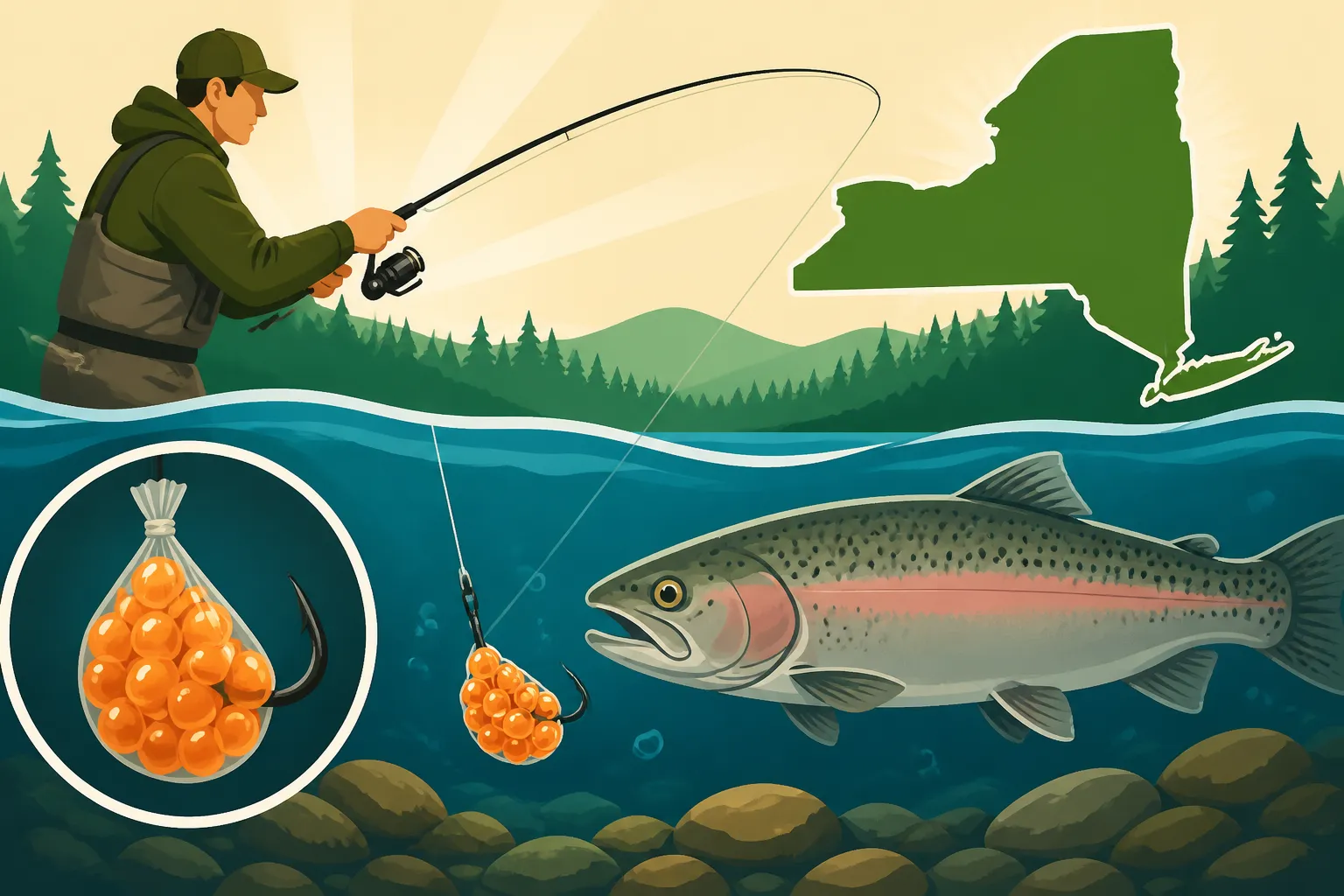
Catching steelhead in New York's renowned tributaries can be one of the most rewarding, yet challenging, experiences an angler can have. These powerful, elusive fish often ignore artificial offerings, especially when natural food sources are abundant. This comprehensive guide will equip you with the knowledge and techniques needed to master the art of fishing egg sacs for steelhead, transforming your approach and significantly increasing your chances of success on the water.
Why Egg Sacs Are a Steelhead Angler's Secret Weapon
When those powerful steelhead migrate into our New York rivers and streams, they're often there for one primary reason: to spawn. This natural instinct makes fish eggs an irresistible, high-protein food source they simply can't ignore. Understanding this biological drive is key to unlocking consistent success, especially when other baits fail.
Mimicking Nature's Buffet
Steelhead, being migratory trout, have an incredible sense of smell and a deeply ingrained predatory instinct. As salmon and trout spawn upstream, loose eggs drift downstream, creating a natural smorgasbord that steelhead are programmed to feed on. An egg sac, when presented correctly, perfectly mimics this natural food source. It's not just about the visual appeal; the scent and texture are equally critical. When you're fishing a tributary like the Salmon River in Pulaski, or even smaller creeks feeding into Lake Ontario, you'll notice many other species also preying on eggs. A well-tied, fresh egg sac stands out from the competition because it delivers exactly what the fish are looking for.
Think about it: after a long journey upstream, navigating currents and obstacles, steelhead are expending massive amounts of energy. They need calories, and fish eggs are packed with them. This is why even on days when the fish are seemingly lock-jawed, a properly presented egg sac can often trigger a strike. It’s an offering they evolved to eat, making it inherently more effective than many artificial presentations, particularly in situations where fish are wary or stressed from fishing pressure.
The Allure of Scent, Color, and Texture
The effectiveness of egg sacs goes beyond just looking like an egg. It's a multi-sensory experience for the fish. The natural oils and amino acids from the eggs create a potent scent trail that steelhead can detect from a distance, even in murky or fast-moving water. This is where quality comes into play; fresh, properly cured eggs release a much stronger, more appealing scent than older, freezer-burned ones.
Color also plays a crucial role. While natural salmon eggs are typically orange or pink, anglers often experiment with various dye colors, from chartreuse to brighter reds and purples. The idea is to find a color that stands out in different water conditions—bright colors for stained water, more natural hues for clear conditions. It’s not uncommon to carry a variety of colors in your vest to adapt to the day's light and water clarity. Sometimes, a subtle shift in hue can make all the difference, especially on high-pressure days when fish have seen a lot of offerings. Finally, the soft, natural texture of a real egg sac feels authentic to a steelhead, leading to longer holds and better hook sets compared to harder, artificial baits.
Sourcing and Curing Your Steelhead Eggs
The journey to effective egg sac fishing starts long before you hit the water. It begins with acquiring high-quality eggs and then meticulously curing them to preserve their potency and make them durable for fishing. This isn't a step to rush; the quality of your cured eggs directly correlates with your success.
Where to Find the Best Roe
The absolute best eggs come from fresh, unspawned salmon or trout that you've caught yourself. If you're targeting salmon on Lake Ontario in the fall, those skeins are pure gold. Chinook salmon roe is particularly prized for its larger size and robust texture. Coho salmon eggs are also excellent, often having a vibrant orange hue. If you don't catch your own, don't despair! Many local bait shops around key fishing areas, especially near the tributaries of Lake Ontario, sell fresh or pre-cured salmon roe. You might even find it at specialty fish markets, though they often cater to culinary uses, so check for freshness.
When selecting roe, look for vibrant, firm eggs with minimal broken membranes. Avoid any that appear milky, shriveled, or have a strong, off-putting odor. The fresher the better, as this impacts both the curing process and the final product's effectiveness. Some anglers even trade or purchase skeins directly from charter captains after a successful salmon trip, ensuring they get top-tier material.
A Step-by-Step Guide to Curing Eggs
Curing eggs is part art, part science. Everyone has their favorite recipe, but the goal remains the same: firm them up, enhance their color, and preserve them. Here’s a basic, effective method:
- Prepare the Skeins: Gently remove the skeins (the sac holding the eggs) from the fish. Lay them out on a paper towel or newspaper. Using scissors, carefully cut open the membrane, exposing the individual eggs. Try to avoid breaking too many eggs in this process.
- Rinse (Optional but Recommended): A quick, gentle rinse under cold water can remove any blood or debris. Pat them very dry with paper towels. Excess moisture is the enemy of a good cure.
- Apply the Cure: You can buy pre-made egg cures from brands like Pautzke or Atlas Mike's, which are widely available at tackle shops and on sites like Amazon. Alternatively, many anglers use a mixture of non-iodized salt, borax, and sometimes a touch of powdered sugar or Kool-Aid for color. Sprinkle the cure generously over all surfaces of the eggs, ensuring every egg is coated.
- Marinate: Place the cured eggs in a non-metallic container, ensuring they are not stacked too deep. Cover loosely and refrigerate for 12-48 hours. During this time, the cure will draw out moisture, firming the eggs. You'll often see liquid accumulate at the bottom—this is normal.
- Drain and Dry: After marinating, drain off any excess liquid. Spread the eggs thinly on screens or newspaper in a cool, well-ventilated area, away from direct sunlight. Let them air dry for several hours, or even overnight, until they are tacky but not wet. This step is crucial for durability.
- Store: Once dried, place the eggs in airtight containers or vacuum-seal them. They can be stored in the refrigerator for several weeks or frozen for several months. Label with the date.
Remember, experimenting with different cures and methods is part of the fun. Some anglers prefer a very soft egg, others a firmer one. The key is consistency and finding what works best for the specific fishing conditions you encounter.
Tying Your Own Egg Sacs
Once your eggs are perfectly cured, the next step is transforming them into fishable egg sacs. Tying your own allows for customization in size, color, and scent, giving you an edge over pre-tied options. It's a simple skill to learn, but practice makes perfect!
Essential Materials for Tying
To get started, you'll need a few key items. Most of these are readily available at your local tackle shop or online retailers.
- Cured Roe: Your beautifully prepared salmon or trout eggs are the star of the show.
- Egg Sac Netting: This specialized netting comes in various colors and mesh sizes. Smaller mesh is good for smaller eggs or when you want a compact sac. Larger mesh allows more scent to disperse. You can find options on Amazon, often in rolls or pre-cut squares. Popular brands include Atlas Mike's, Pautzke, and Beau Mac.
- Sack Tying Thread or Floss: A strong, fine thread or floss is essential for cinching your sacs tightly. White or clear is often preferred, but colored options can add a subtle visual trigger.
- Scissors: Small, sharp scissors for cutting the netting and thread.
- Measuring Spoon (Optional): A 1/4 or 1/2 teaspoon can help you create consistently sized sacs.
- Scent (Optional but Recommended): Fish attractants like those from Pro-Cure or Mike's Liquid Scent can be added directly to the eggs or dabbed on the finished sac for an extra boost, especially in off-color water.
When selecting netting, consider the water conditions you'll be fishing. In clear, low-flow water, a more discreet, natural colored netting might be best. For stained or fast water, a brighter, more visible color like chartreuse or hot pink can draw more attention.
Step-by-Step Egg Sac Tying Tutorial
Tying egg sacs is quite straightforward, but a little finesse goes a long way. Here’s how to do it:
- Cut the Netting: Cut a square of egg sac netting. A good starting size is about 2.5 inches by 2.5 inches (approximately 6-7 cm). You can adjust this based on the desired size of your finished sac.
- Place the Eggs: Lay the netting square flat. Place a small amount of cured eggs (usually 1/4 to 1/2 teaspoon) in the center of the netting. Don't overfill, as this makes it harder to tie and the sac might burst. If using scent, you can add a drop or two now, mixing it gently with the eggs.
- Gather the Netting: Gently gather the four corners of the netting together, forming a small pouch around the eggs. Try to get a nice, tight ball of eggs without crushing them.
- Cinch with Thread: Hold the gathered netting firmly. Take your tying thread or floss and wrap it tightly around the base of the gathered netting, just above the ball of eggs, 3-5 times.
- Secure with a Knot: Tie a secure overhand knot or a surgeon’s knot with the thread to lock it in place. A double knot is always a good idea to prevent unraveling.
- Trim Excess: Carefully trim the excess netting above the knot with your scissors, leaving a small "tag" of netting. This tag can help you thread the sac onto your hook. Trim the excess thread as well.
You'll find that with practice, you can tie sacs quite quickly. Many anglers tie dozens or even hundreds of sacs at home before a trip, storing them in small bait containers. This way, you're always ready to re-bait quickly on the water.
Rigging and Presenting Egg Sacs for Steelhead
Having perfectly tied egg sacs is only half the battle; knowing how to rig and present them naturally is crucial for enticing those wary steelhead. The presentation needs to be subtle, mimicking a natural drift.
The Art of Drift Fishing with Egg Sacs
Drift fishing is hands-down one of the most effective methods for fishing egg sacs in rivers and streams. The goal is to present your sac so it tumbles and drifts along the bottom at the same speed as the current, just like a loose egg would naturally.
- Mainline: Start with a good quality mainline, often 8-10 lb fluorocarbon or monofilament. Fluorocarbon is excellent for its low visibility and abrasion resistance.
- Float/Indicator: A small, sensitive float (often a "pencil" or "noodle" float) is attached to your mainline. The key here is sensitivity; you want to detect even the slightest tap. Adjust the float depth so your bait drifts just above the bottom, tickling it occasionally.
- Split Shot/Weight: A series of small split shots are crimped onto your mainline, typically 12-18 inches above your swivel. The amount of weight depends on the current speed and depth. You want just enough weight to get your sac down to the desired depth quickly, but not so much that it snags constantly or drags unnaturally. A "slinky" weight can also be effective in snaggy conditions.
- Swivel: A small, high-quality barrel swivel (size 10-14) connects your mainline to your leader. This helps prevent line twist, especially when casting or dealing with current.
- Leader: Attach a 2-4 foot section of fluorocarbon leader to the swivel. The leader should be lighter than your mainline (e.g., 6-8 lb test) so if you snag, you only lose your hook and weight, not your entire rig.
- Hook: Use a sharp, small egg hook (size 10-14, often a Gamakatsu or Mustad) designed for holding egg sacs. The small size ensures a natural presentation and better hook sets in the fish's mouth. Thread your egg sac onto the hook, ensuring the hook point is exposed for a solid strike.
When you cast, aim slightly upstream and across the current. Allow your rig to drift downstream, mending your line (lifting and repositioning your rod tip) to control the drift and prevent drag. Watch your float intently; any pause, dip, or unnatural movement could be a steelhead taking your bait.
Other Effective Presentation Methods
While drift fishing is king, there are other situations where alternative presentations shine:
Bottom Bouncing
This method is perfect for deeper runs or when steelhead are holding tight to the bottom, especially in faster currents where a float setup might be difficult to control. Instead of a float, you'll use a heavier weight (like a three-way swivel with a pencil lead or a pyramid sinker) that bounces along the bottom. Your leader, with the egg sac attached, will be shorter (6-18 inches) and float just above the bottom. This allows the scent to disperse effectively right in the steelhead's strike zone. It's a great technique for covering water quickly and getting into those deep pockets where fish are holding.
Under a Bobber (Still Water or Slow Current)
For situations with slower currents, deeper pools, or even some lake environments where steelhead might be cruising near shore, a traditional slip bobber or fixed bobber setup can be effective. This allows you to suspend your egg sac at a precise depth, such as just off the bottom or midway through the water column if you see fish activity higher up. Ensure your bobber is large enough to support the weight of your egg sac and any split shot, but not so large that it creates unnatural resistance when a fish bites. You might use this method in areas where a river widens and slows, or in bays of larger lakes where steelhead might stage before entering a tributary.
Mastering the Retrieve and Hook Set
Once your rig is in the water, the work isn't over. Proper retrieve and knowing when to set the hook are paramount. Steelhead bites can be subtle, almost imperceptible, or they can be an aggressive yank that nearly rips the rod from your hands.
Reading the Bite and Setting the Hook
This is often where anglers make or break their success. A steelhead bite, especially in cold water, can be incredibly gentle. Your float might simply hesitate, twitch slightly, or slowly submerge. Don't wait for a dramatic pull! If your float does anything out of the ordinary, even if you think it might just be the bottom, set the hook. It's always better to set on a phantom bite than to miss a genuine one.
When you do detect a bite, perform a swift, upward, and slightly sweeping hook set. Don't go straight up over your head unless you want to pull your bait directly back at you. Instead, move your rod tip in an arc, sweeping it from about 9 o'clock to 1 o'clock. This motion efficiently drives the hook home without putting excessive stress on your line or tearing the fish's mouth. Maintain steady pressure once the hook is set. Steelhead are famous for their acrobatic jumps and powerful runs, so be ready to let them take line when they need to, and gently reel them back in when they calm down.
Playing and Landing a Steelhead
Once hooked, steelhead will test your tackle and your nerves. They are incredibly strong and will use the current, jump, and head shake to try and throw the hook.
- Keep Your Rod Tip Up: This creates a continuous bend in your rod, acting as a shock absorber and keeping constant pressure on the fish.
- Use Your Drag: Your reel's drag system is your best friend. Set it appropriately before you start fishing—tight enough to put pressure on the fish, but loose enough to allow line to peel off when the fish runs hard. Never try to stop a powerful run by clamping down on your spool.
- Lead the Fish: Try to steer the fish away from snags, downed trees, or heavy current. Use side pressure by pointing your rod tip towards the side you want the fish to go.
- Be Patient: Don't try to horse a big steelhead in too quickly. Let it tire itself out. Bring it to you slowly, especially when it's close to the net.
- Netting: Use a large, wide-mouthed net, preferably one with a rubber mesh to protect the fish. Lead the fish headfirst into the net, then scoop it smoothly. Avoid chasing the fish with the net, as this often spooks it into another run. If you're practicing catch and release, handle the fish minimally and get it back into the water as quickly as possible.
Remember, every battle with a steelhead is unique. Staying calm, trusting your gear, and reacting quickly are the keys to successfully landing these incredible fish.
Advanced Tips and Troubleshooting for Egg Sacs
Even with the best preparation, fishing for steelhead with egg sacs can present challenges. Knowing how to adapt to different conditions and troubleshoot common issues can significantly improve your success rate.
Adapting to Water Conditions
New York's steelhead tributaries are dynamic environments, constantly changing with weather and seasons.
- Clear, Low Water: When water is crystal clear and low, steelhead become incredibly wary. Downsize your leader (e.g., 6 lb fluorocarbon) and use smaller, more natural-looking egg sacs. Subtle colors like natural orange or cream tend to work best. Cast further upstream to avoid spooking fish, and aim for a super-soft, drag-free drift. Consider making your own egg sacs with clear netting, which you can purchase on Amazon, to reduce visibility even further. This is when your presentation needs to be absolutely perfect.
- Stained or High Water: In stained or high water conditions, visibility is reduced, and fish rely more heavily on scent and vibration. This is where larger, brighter egg sacs shine. Hot pink, chartreuse, or even bright orange sacs can be highly effective. You might also increase the size of your egg sac slightly and add extra scent attractant to cut through the murky water. Heavier split shot will be necessary to get your bait down quickly in faster, higher currents. Don't be afraid to experiment with slightly heavier leader in these conditions, as the fish's ability to see your line is reduced.
- Cold Water: When water temperatures drop, steelhead become lethargic and less willing to chase. Slow down your drift considerably. Focus on presenting your egg sac directly in their holding lies, often deeper pools and slower runs. Smaller, softer sacs with potent scent can sometimes tempt a sluggish fish. The bite will likely be very subtle, so pay extra attention to your float.
- Warm Water: While less common for steelhead, if water temperatures rise significantly (typically above 65°F), steelhead become stressed and less active. It's often best to avoid fishing for them in these conditions to minimize stress on the fish. However, in borderline conditions, more active presentations might entice a strike.
Dealing with Snags and Break-offs
Snags are an inevitable part of river fishing, especially when you're trying to tickle the bottom. They can be frustrating, but there are ways to minimize them and recover.
- Minimize Weight: Use only enough weight to get your bait down. Excessive weight will cause more snags.
- High-Quality Swivels: Cheap swivels can fail and lead to lost rigs. Invest in good ones.
- Leaders are Sacrificial: Remember that your leader is designed to break before your mainline. If you feel a snag, try pulling directly from the opposite side of the snag. If it doesn't come free, apply steady, firm pressure until the lighter leader breaks. This saves your mainline and most of your rig.
- Bring Extra Rigs: Always have several pre-tied leaders ready to go. Nothing wastes fishing time like fumbling with knots in cold weather. Having small tackle boxes or wallets specifically for pre-tied leaders, easily found on Amazon, can be a lifesaver.
- Learn Your Water: Over time, you'll learn where the major snags are in your favorite spots and can adjust your drifts accordingly. This knowledge is invaluable for keeping your egg sacs in the strike zone and out of trouble.
By being prepared for varying conditions and common frustrations, you'll spend less time re-tying and more time with your line in the water, increasing your chances of connecting with a magnificent New York steelhead. For more detailed information on specific times to target these fish, check out our guide on the Best Time to Fish for Steelhead on New York's Lake Ontario Tributaries. You might also find our article on How to Drift Fish for Steelhead helpful for refining your technique.
Where and When to Fish Egg Sacs in New York
New York offers incredible opportunities for steelhead fishing, particularly in the tributaries feeding the Great Lakes. Knowing the prime locations and seasons for using egg sacs is essential for success.
Prime Steelhead Rivers and Tributaries
New York's Great Lakes tributaries are world-renowned for their steelhead runs. These fish enter the rivers from Lake Ontario and Lake Erie to spawn, offering fantastic fishing opportunities.
-
Lake Ontario Tributaries:
- Salmon River: Arguably the most famous, the Salmon River in Pulaski is a mecca for steelhead anglers. It sees massive runs of steelhead, often referred to as "chrome" for their bright, silvery appearance. The river offers diverse water, from deep pools to faster riffles, all of which can hold fish. You'll find many access points along the river, and the fish density can be incredible. Many anglers travel from across the Northeast to fish this legendary waterway. For a deeper dive into this fishery, consult our New York's Salmon River Fishing Guide.
- Oak Orchard Creek: Located further west, Oak Orchard Creek is another powerhouse steelhead stream near Lake Ontario. It's known for its consistent runs and productive water, offering excellent bank access in many areas.
- Genesee River: Flowing through Rochester, the Genesee River provides urban fishing opportunities for steelhead, particularly in its lower stretches closer to Lake Ontario.
- Other Tributaries: Smaller tributaries like Sandy Creek, Eighteenmile Creek, and Irondequoit Creek also receive strong steelhead runs. These smaller waters can be less crowded and offer a more intimate fishing experience, though they might be more dependent on recent rain events for good flow.
-
Lake Erie Tributaries:
- Cattaraugus Creek: This is the largest and most significant steelhead stream flowing into Lake Erie in New York. Its sheer size and consistent runs make it a favorite for many anglers.
- Chautauqua Creek, Clear Creek, and Eighteenmile Creek (Lake Erie): These smaller streams also receive good numbers of steelhead, especially after good pushes of rain. They often require more walking to access prime spots but can yield excellent results.
When fishing these rivers, always be mindful of local regulations and private property. Respect landowners and follow all state guidelines, which are clearly outlined in the New York Fishing Regulations Explained guide.
Seasonal Strategies for Egg Sac Success
Steelhead fishing with egg sacs is primarily a fall, winter, and spring affair in New York. Each season presents unique conditions and opportunities.
- Fall (Late September – November): This is when the first major push of steelhead enters the rivers, often following the Chinook and Coho salmon. They are actively feeding on salmon eggs, making egg sacs incredibly effective. Early fall sees aggressive fish, while later in the season, as water cools, they may become more lethargic. Focus on deep pools and current seams where eggs naturally accumulate. For specific timing, refer to our guide on Fall Steelhead Run Timing in New York.
- Winter (December – February): Steelhead remain in the rivers throughout winter, congregating in deeper, slower pools where they conserve energy. Fishing can be challenging due to cold weather and ice, but dedicated anglers can find great success. Egg sacs are still highly effective, especially smaller, more subtle presentations fished slowly and thoroughly. Pay close attention to water temperature and try to fish during warmer spells or after a slight rise in temperature. If you're wondering how these fish cope, our article on How to Fish Cold Water in New York offers some great insights.
- Spring (March – Early May): As water temperatures rise and daylight hours increase, steelhead become very active as they prepare to spawn. This is often considered the peak season, offering incredible action. Fish are more aggressive, and strikes can be more pronounced. Egg sacs are still a top choice, but fish may also start to key in on other food sources like nymphs and worms as insects become more active. Look for fish in staging areas, gravel beds, and transition zones. For more details on the spring season, read our guide on Spring Steelhead Fishing in New York Peaks Into Mid-May.
| Season | Water Conditions | Egg Sac Size | Egg Sac Color | Fishing Strategy |
|---|---|---|---|---|
| Fall | Cooler, can be clear to stained | Medium to Large | Natural, Orange, Pink | Focus on fresh-run fish, intercepting egg drifts |
| Winter | Cold, often clear, possible ice | Small to Medium | Natural, Subtle Pink | Slow, deliberate drifts in deep, slow pools |
| Spring | Warming, variable clarity | Small to Medium | Natural, Chartreuse | Targeting spawning fish, active feeders |
Knowing the habits of steelhead through the seasons and adapting your egg sac presentation accordingly will significantly increase your odds of a memorable day on the water.
Disclaimer
Fishing regulations and conditions in New York can change. Always consult the latest New York State Department of Environmental Conservation (DEC) regulations before heading out. This guide is for informational purposes only and does not supersede official regulations.