Best Time of Day to Troll for Salmon in New York
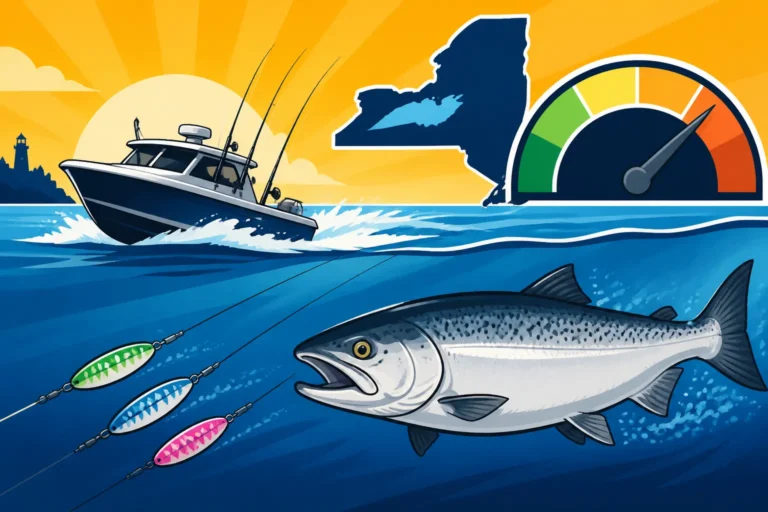
There’s nothing quite like the thrill of chasing salmon in New York, especially on the vast waters of Lake Ontario, where these powerful fish grow to impressive sizes. But if you’ve spent countless hours out on the water, meticulously setting your trolling spread only to come up empty, you’re probably wondering if there’s a secret to timing your efforts. This guide is all about peeling back the layers on salmon behavior to help you understand the best time of day to troll for these magnificent fish, giving you a real edge on your next New York fishing adventure.
Understanding Salmon Behavior and Daily Rhythms
Salmon, particularly the Chinook and Coho that thrive in New York's Great Lakes, are creatures of habit, heavily influenced by their environment. Their daily movements and feeding frenzies are dictated by a delicate balance of light, water temperature, and, most importantly, the presence of their primary food source: baitfish. Ignoring these factors is like trying to guess the winning lottery numbers; you might get lucky, but consistent success comes from understanding the patterns.
Why Time of Day Matters for Salmon
Think about it from a salmon's perspective. They’re predators, but they’re also prey, especially when they’re young. Low light conditions offer them a significant advantage. In the dim glow of dawn or dusk, baitfish are often disoriented and less able to spot an approaching predator. Salmon, with their excellent vision adapted to these conditions, can hunt more effectively. As the sun climbs higher, penetrating the water more deeply, salmon often retreat to deeper, cooler, and darker waters where they feel more secure and comfortable. The constant search for optimal water temperatures and dissolved oxygen also plays a huge role; salmon are cold-blooded and prefer specific thermal bands, often referred to as the "thermocline." Understanding these nuances is crucial for successful trolling.
The Peak Windows for Salmon Activity
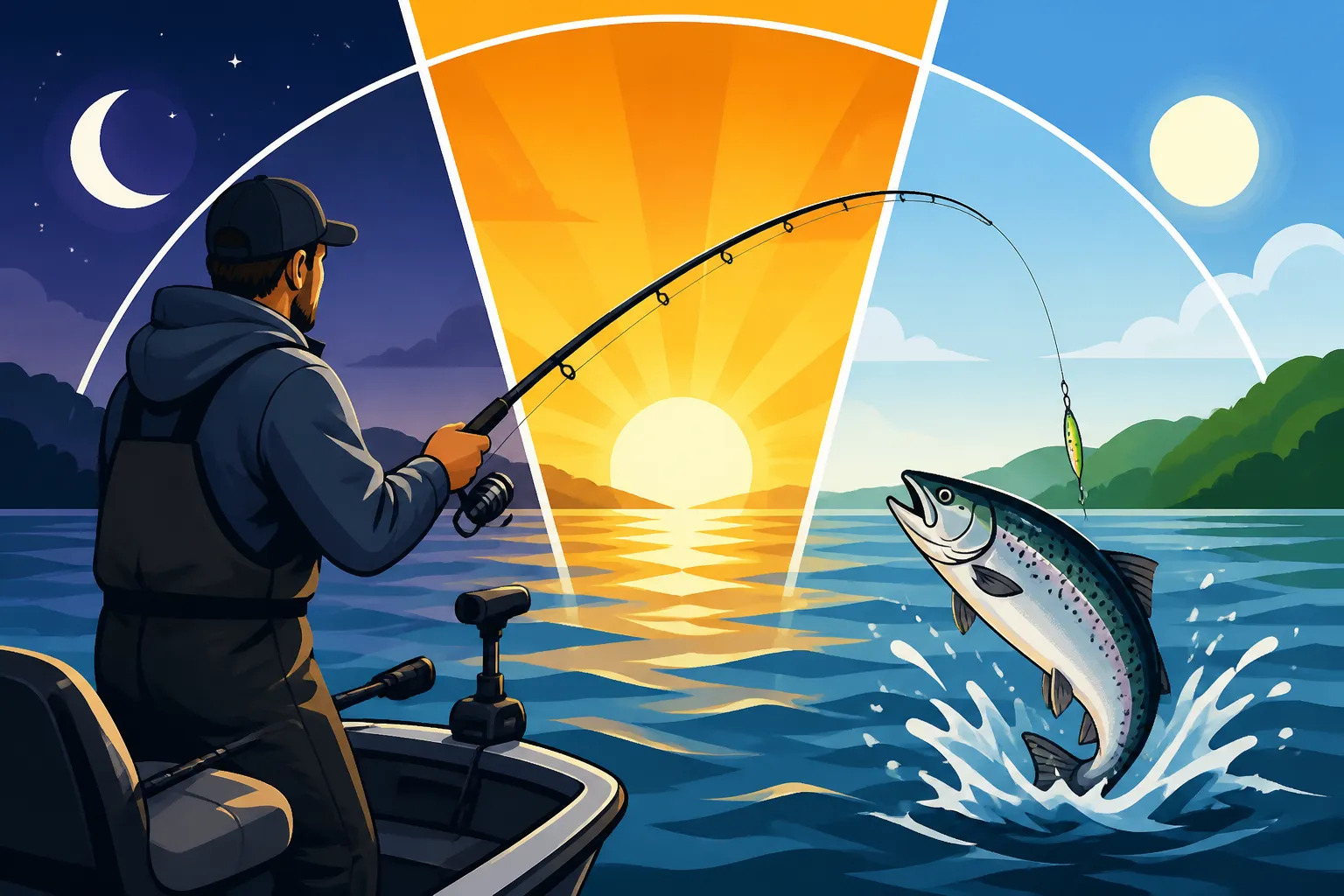
While salmon can, and sometimes will, bite at any time of day, there are undeniably peak windows when their activity ramps up significantly. These are often called the "golden hours" for a reason. Generally, these prime times coincide with low light – that beautiful period just before and after sunrise, and again as the sun begins to dip towards the horizon in the late afternoon and into dusk. During these times, salmon are more likely to move into shallower feeding grounds or suspend higher in the water column, actively chasing baitfish. This heightened activity makes them far more susceptible to a well-presented trolling spread. It's not just about their comfort; it's about opportunity and instinct. They know when the hunting is good, and so should you.
Early Morning: The Golden Hour for Trolling
If you talk to any seasoned salmon angler on Lake Ontario or Lake Erie, they’ll almost certainly emphasize the importance of the early morning bite. There’s a magic that happens just as the eastern sky starts to lighten, a period many anglers live for. This isn't just folklore; it's based on solid biological and environmental factors that align perfectly for aggressive salmon fishing. Getting up before the crack of dawn might sound like a chore, but the rewards are often well worth the effort.
Capitalizing on Low Light Conditions
The pre-dawn twilight and the first hour or two after sunrise are arguably the single best times to troll for salmon in New York. Why? For starters, light penetration into the water is minimal. This creates a natural cover for salmon, allowing them to move more freely and confidently into shallower areas or higher in the water column, where baitfish often congregate overnight. The reduced visibility also makes your lures appear more natural and less suspicious to wary salmon. They’re less likely to shy away from your spread and more likely to strike out of pure predatory instinct.
Beyond light, the water temperature has had all night to stabilize and often reaches its coolest point just before dawn. This can trigger a feeding response, especially during warmer months, as salmon seek out comfortable temperatures and take advantage of the baitfish that are often less active in the cooler water, making them easier targets. It’s a perfect storm of environmental conditions that prime salmon for an aggressive hunt. This is when you want your lines in the water and your eyes peeled for those tell-tale rod bends. Many of the most memorable battles with trophy Chinook Salmon in New York have happened in these serene, early morning hours.
Gear and Tactics for Dawn Trolling
When you’re heading out for that early morning bite, your gear and tactics need to be dialed in. Since light is low, you want to maximize visibility and vibration. Glow-in-the-dark or highly reflective lures are excellent choices. Think about spoons like those from Amazon that feature strong glow paint or UV finishes. These can be irresistible in the dim light. Flashers and dodgers that create extra commotion and flash are also highly effective at attracting salmon from a distance.
As for depth, salmon might be higher in the water column during these hours, so don’t be afraid to run some lures shallower than you typically would during midday. However, always be prepared to adjust. A good fish finder is invaluable for identifying bait balls and suspended salmon, allowing you to fine-tune your depth. Speed is another critical factor. Sometimes a slower troll, just enough to get your lures working properly, is best as salmon might be cruising rather than actively chasing at top speed. Other times, a slightly faster presentation can trigger a reaction strike from a lethargic fish. Experimentation is key, but starting with a slower, more deliberate approach often yields results. You can learn more about specific trolling strategies in our guide on How to Troll Spoons for Chinook Salmon.
Late Afternoon and Dusk: A Second Prime Opportunity
Just as the sun’s ascent triggers a retreat for salmon, its decline ushers in another fantastic window of opportunity for trolling. The late afternoon and dusk hours mirror the conditions of early morning, creating a natural feeding cycle that smart anglers can exploit. Don't pack up your gear too early; the evening bite can be just as, if not more, productive than the morning, especially if you know how to adjust your strategy.
The Evening Feed
As the sun begins its descent and the shadows lengthen, the water gradually cools, and the intensity of light diminishes. These changing conditions signal to salmon that it's time to feed again. Baitfish, which may have dispersed or held deep during the bright midday hours, often begin to migrate back towards shallower feeding grounds or suspend at more accessible depths. This movement creates a buffet for opportunistic salmon. You’ll often find them becoming more active, moving around more, and aggressively pursuing prey.
The transition from bright afternoon sun to dim twilight can also make salmon feel more secure. They’re less exposed to aerial predators and feel more comfortable venturing out of their deeper sanctuaries. This period can sometimes be even more aggressive than the morning bite, especially during hot summer days when the afternoon cooling is a welcome change. It's a prime time to target those trophy fish that were holding deep all day, waiting for the cover of darkness to hunt. Keeping your lines wet through this transition is a tactic that often pays off handsomely.
Adjusting Your Approach for Evening Trolling
Trolling in the late afternoon and into dusk requires some specific adjustments from your midday or even morning tactics. As with the morning, low light means you should lean towards lures with strong visual appeal. Again, glow baits, bright colors, and reflective finishes excel. Some anglers even swear by UV-enhanced lures that really pop in the fading light. Consider brands that offer a wide array of colors on platforms like Amazon, ensuring you have options for different light levels and water clarities.
The depth at which salmon are found can shift dramatically. They might start deep, then progressively move shallower as the light fades. Continuously monitoring your fish finder and adjusting your downriggers or divers is essential. Don't be afraid to experiment with your trolling speed either; sometimes a slightly faster presentation can elicit a strike from a fish that’s actively hunting, while other times a slower, more deliberate approach is necessary if they’re just beginning to stir.
Pay close attention to changes in the weather and water conditions too. A sudden drop in barometric pressure or the onset of a light rain can intensify the evening bite. This is a critical time to be flexible and adaptive, constantly reading the water and the fish finder to pinpoint where the salmon are gathering for their evening feast. For more on seasonal changes that affect fishing, check out our guide on New York Fishing Seasons Explained.
Midday Challenges and Strategies
Let's be honest, those prime early morning and late evening windows are often relatively short. Many anglers find themselves on the water during the bright, often scorching, midday hours. This can be the toughest time to convince a salmon to bite, but it's not impossible. Successfully trolling for salmon during midday simply requires a different mindset and a strategic shift in tactics. You have to understand why they're less active and adjust accordingly.
Overcoming Bright Sun and Warm Water
When the sun is high and blazing, and the surface water temperatures are at their peak, salmon tend to retreat. They're cold-water fish, and they'll seek out the cooler, darker depths where they feel more comfortable and less exposed. This means they often become less active, conserving energy and not expending effort chasing fast-moving prey in uncomfortable conditions. They might still strike, but it’s often a reaction bite or a matter of presenting the lure directly in front of a less enthusiastic fish.
The bright light also makes them warier. Lures can cast unnatural shadows, and fish can more easily spot your boat and lines. This is where stealth and precision become even more critical. You're no longer relying on their aggressive feeding instincts as much as you are on triggering a response from a fish that's in a less active state. It truly tests your patience and your understanding of their refuge zones.
Deep Water and Thermocline Tactics
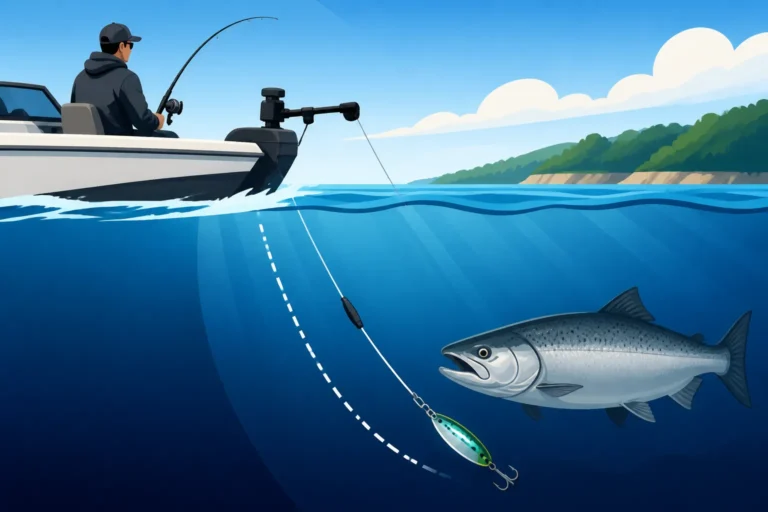
During midday, the name of the game is depth. You need to get your lures down to where the salmon are holding. This usually means targeting the thermocline – the layer of water where there's a significant temperature drop. Salmon will often suspend just above, within, or just below this layer, where the temperature is ideal and baitfish are often concentrated. A good sonar unit is indispensable for identifying the thermocline and locating bait balls and individual fish. Knowing How Deep to Troll for Salmon on New York's Lake Ontario becomes paramount.
Heavy dodgers, larger spoons that put out a lot of flash even at depth, or even flasher-fly combos are effective. Colors that remain visible in low light, like greens, blues, purples, or metallics, tend to do well in deeper water. Some anglers also find success with natural bait presentations, like cut bait rigged behind a flasher. Your trolling speed might need to be adjusted, often a bit slower, to give less active fish more time to react. Downriggers are your best friend here, allowing you to precisely target specific depths. Don't forget that even in midday, there can be brief feeding windows, especially if schools of baitfish move through or if cloud cover provides a temporary reprieve from the intense sun. Learning How to Read a Fish Finder for New York Lakes can dramatically improve your midday success.
Seasonal Variations and Their Impact
While the time of day is crucial, it never exists in a vacuum. The broader context of the fishing season in New York dramatically influences how salmon behave hourly. A spring morning bite might be different from a fall evening bite, even if the general principles of low light hold true. Understanding these seasonal nuances can help you refine your daily strategy, especially when fishing New York's Best Lakes for Fishing like Lake Ontario.
Spring and Early Summer
In the spring and early summer months, as the water gradually warms, salmon are often found shallower than they would be later in the season. The longer daylight hours mean those golden windows of dawn and dusk, while still prime, might be slightly extended. In fact, on overcast or rainy days, salmon might remain active and feeding closer to the surface for much of the day. As the sun gets higher and the surface warms, they’ll still seek refuge in cooler, deeper water, but the thermocline might not be as well-defined as it will be in late summer.
During this period, juvenile baitfish are abundant, and salmon are actively growing after the lean winter months. This can translate to a more aggressive bite overall. Trolling spoons like the popular Dreamweaver or Michigan Stinger brands, available readily on Amazon, in vibrant colors, can be very effective. As the season progresses into early summer, the fish will start to establish more predictable patterns around the developing thermocline. Pay attention to water temperature graphs on your electronics to find those comfort zones.
Late Summer and Fall
Late summer and particularly the fall are when salmon fishing in New York truly shines, especially for Chinook. As the water cools in late summer, and even more so in the fall, salmon begin their annual migration towards their spawning grounds. This transition period sees them become incredibly active and often very aggressive. The time of day still matters, but their instinct to feed heavily before the rigors of spawning can make them bite at almost any hour, provided you find them.
In the fall, when Chinook salmon start running in Lake Ontario tributaries, the early morning and late evening remain stellar. However, due to cooler overall water temperatures and the urgency of their biological clock, salmon might hold in more accessible depths for longer periods, even through midday on cloudy days. Their focus shifts dramatically towards packing on calories. This is also when you might see some of the biggest fish of the year, making those long days on the water even more worthwhile. Lures that mimic large baitfish, and a variety of trolling presentations, from downriggers to divers, are essential. Understanding New York Fishing Seasons Explained gives you a broader picture of when these specific behaviors typically occur.
Best Time of Day for Salmon Trolling in New York
| Time of Day | Salmon Behavior | Ideal Conditions | Recommended Tactics |
|---|---|---|---|
| Pre-Dawn to 2 Hrs After Sunrise | Most active feeding, less wary, move shallower or higher in water column. | Low light, stable or cooling surface temps, baitfish congregating. | Aggressive trolling, focus on glow or UV lures, flashers/dodgers, run some baits shallower (e.g., 20-60 ft), moderate speed. Look for active bait pods. |
| Mid-Morning to Early Afternoon | Less active, retreat to deeper, cooler water (thermocline), warier. | Bright sun, warming surface temps, high light penetration. | Deeper trolling (thermocline focus), subtle lure colors (natural, metallic), slower speeds, precise depth control with downriggers/divers. Focus on structure or temperature breaks. Use sensitive electronics to pinpoint fish. |
| Late Afternoon to Dusk | Increased activity, move shallower or higher, feeding again as light fades. | Fading light, cooling surface temps, baitfish move back up. | Similar to morning: use glow/UV, flashers. Experiment with depths, often starting deep and moving shallower. Vary trolling speed. Be ready for a strong evening bite. This can be a second peak. |
| Night (Less Common for Trolling) | Generally less active for trolling, but can be targeted with specific methods (e.g., mooching). | Very low light, stable temperatures. | Not typically prime for trolling, but some anglers have success with ultra-bright glow lures or stationary fishing methods for specific salmon species or during certain runs. Requires specialized lighting and navigation gear. |
Final Thoughts on Timing Your Salmon Trolling
Ultimately, while there are undeniably prime times of day for trolling for salmon in New York, flexibility and observation are your best friends. The early morning and late afternoon/dusk hours consistently offer the best chances for aggressive bites, thanks to optimal light and temperature conditions that favor salmon feeding. However, don't write off midday entirely; with the right deep-water tactics and a keen eye on your electronics, you can still find success.
Remember that weather, specific locations like Lake Ontario Fishing in New York: Where to Go, and the stage of the salmon's life cycle (especially during their spectacular fall runs) all play significant roles. A cloudy day can extend those golden hours, while a sudden temperature drop can trigger a bite at unexpected times. Always pay attention to your surroundings, watch for bird activity, and keep an eye on your fish finder. The more you learn about these incredible fish and their habits, the more successful your New York fishing adventures will be. Tight lines out there!
Disclaimer
The information provided in this guide is for general informational purposes only and is subject to change. Always consult the most current New York State Department of Environmental Conservation (DEC) fishing regulations and advisories before heading out on the water. Fishing conditions and regulations can vary by location and season.