How to Fish for Northern Pike in Weed Beds
There's nothing quite like the thrilling strike of a Northern Pike, especially when you've managed to coax one out of its weedy lair. But let's be honest, fishing for these toothy predators in dense weed beds can feel less like a relaxing day on the water and more like a frustrating battle with submerged vegetation. Rods get snagged, lures disappear into the green abyss, and sometimes, you wonder if there are even any fish in there! This guide is here to untangle that frustration, offering practical, in-depth strategies to effectively target and catch Northern Pike when they're hiding deep within the weeds of New York's many incredible waterways.
Understanding Northern Pike and Their Weed Bed Love Affair
Northern Pike are true ambush predators, and their entire existence revolves around efficiency. They aren't going to expend excess energy chasing down prey in open water when they can simply lie in wait, perfectly camouflaged, for an unsuspecting meal to swim by. This fundamental aspect of their behavior is precisely why weed beds become their preferred hunting grounds.
Why Pike Live in Weeds
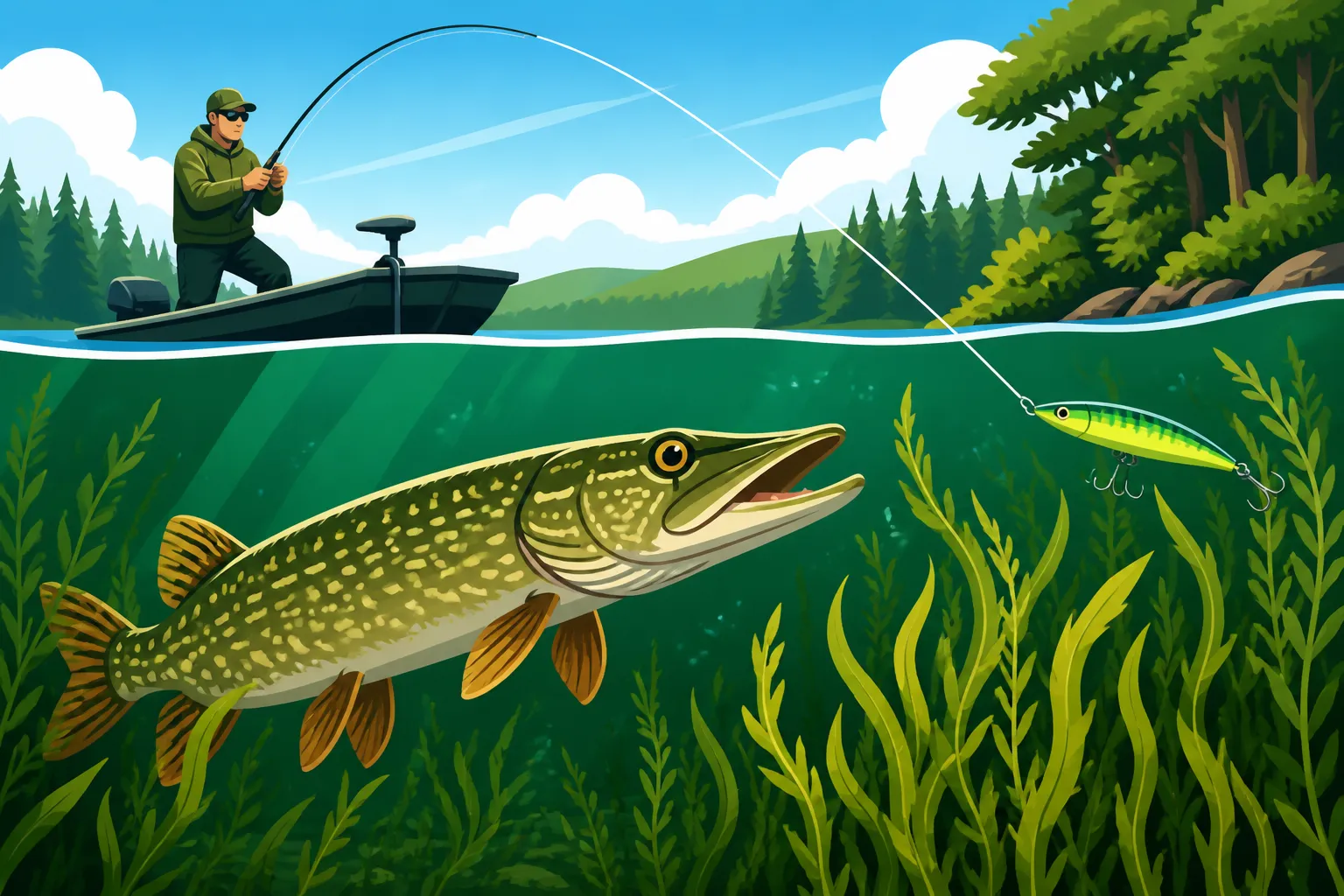
Think of weed beds as underwater supermarkets and fortresses rolled into one for Northern Pike. First, they offer unparalleled cover. A pike's mottled, olive-green camouflage allows it to blend seamlessly into dense vegetation, making it nearly invisible to both its prey and any potential threats. They can lie perfectly still, conserving energy, until the opportune moment strikes. This visual advantage is critical for their predatory success.
Beyond camouflage, weed beds are teeming with life. Smaller baitfish like minnows, juvenile perch, and shiners constantly seek refuge and food within these leafy sanctuaries. These are the pike's primary food source, making the weed beds a veritable all-you-can-eat buffet. Furthermore, healthy weed beds oxygenate the water, providing a comfortable and thriving environment, especially during warmer months when other areas might become less hospitable. It's a full-service ecosystem, providing food, shelter, and comfort, which is why when you're targeting pike, ignoring the weeds is akin to ignoring the fish altogether.
Identifying Prime Pike Weed Beds
Not all weed beds are created equal when it comes to holding pike. While any patch of green might conceal a smaller, opportunistic fish, trophy pike often prefer specific types of cover and structure within these vegetated areas. Look for the "edges"—where a dense weed line meets open water, a drop-off, or a channel. These transition zones are perfect ambush points, allowing pike to dart out quickly and then retreat to cover.
Also, pay close attention to pockets, lanes, and openings within a larger weed bed. These are natural highways for baitfish and ideal spots for a pike to set up an ambush without being completely engulfed by vegetation. Submerged timber, rock piles, or old stumps within or immediately adjacent to a weed bed are absolute gold mines. These added structural elements provide even more concealment and break up the current, creating ideal resting and hunting spots. Look for differences in weed height or density, too; a patch of taller, thicker weeds adjacent to shorter, sparser growth can indicate a prime location where a big pike might be lurking.
Essential Gear for Weed Bed Pike Fishing
Fishing in weed beds requires a specific setup designed to handle the challenges of thick cover and the sheer power of a hooked pike. You can't just throw your ultralight panfish rod out there and expect to come out victorious. Getting the right gear will save you a ton of frustration and dramatically increase your success rate.
Rods, Reels, and Line for the Weeds
When it comes to rods for weed bed pike, think power and backbone. A medium-heavy to heavy power rod, typically 6'6" to 7'6" in length, is your best friend. This kind of rod has the necessary strength to pull fish out of thick vegetation and to cast heavier, weedless lures accurately. A fast or extra-fast action tip will give you the sensitivity to feel subtle bites and the quick hook-setting power needed to drive hooks through a pike's bony mouth.
For reels, a sturdy baitcasting reel is often preferred for its torque and control, especially when paired with heavier lines and lures. Look for one with a strong drag system, as a pike's initial run can be explosive. If you prefer spinning gear, opt for a larger reel size (3000-4000 series) with a robust gear ratio. The most critical component is your line. Braided line, with its superior strength-to-diameter ratio and no-stretch properties, is almost mandatory for weed fishing. A 30-50 pound test braid will cut through weeds better than mono and give you the power to horse a fish out of heavy cover. Always, always, always use a wire or heavy fluorocarbon leader (at least 40-pound test, 12-18 inches long) to prevent bite-offs from those razor-sharp pike teeth. Losing a lure to a pike's bite is a frustrating rite of passage for many anglers, but it's easily avoidable with the right leader. You can find a fantastic selection of these specialized rods, reels, and lines on retailer sites like Amazon, making it easy to gear up before your next outing.
Lures That Conquer the Green Stuff
The key to successful weed bed fishing is using lures that are either naturally weedless or designed to minimize snags. You want to spend your time fishing, not pulling weeds off your hook.
Here are some go-to options:
- Weedless Spoons: Think of classics like the Johnson Silver Minnow. These spoons have a single hook protected by a weed guard, allowing them to glide over and through vegetation relatively snag-free. They cast a mile and have an enticing wobble that pike find irresistible. Vary your retrieve speed; sometimes a slow, steady retrieve over the tops of the weeds is best, other times a faster, more erratic retrieve can trigger strikes.
- Spinnerbaits: These are incredibly versatile. The spinning blade(s) create flash and vibration, attracting pike, while the upturned hook and wire arm act as a decent weed guard. Single Colorado blades or tandem Willowleaf/Colorado combinations work well. Again, retrieve these slowly enough for the blades to spin, but fast enough to keep them from digging too deep into the weeds. Consider colors that mimic local baitfish or vibrant patterns for stained water.
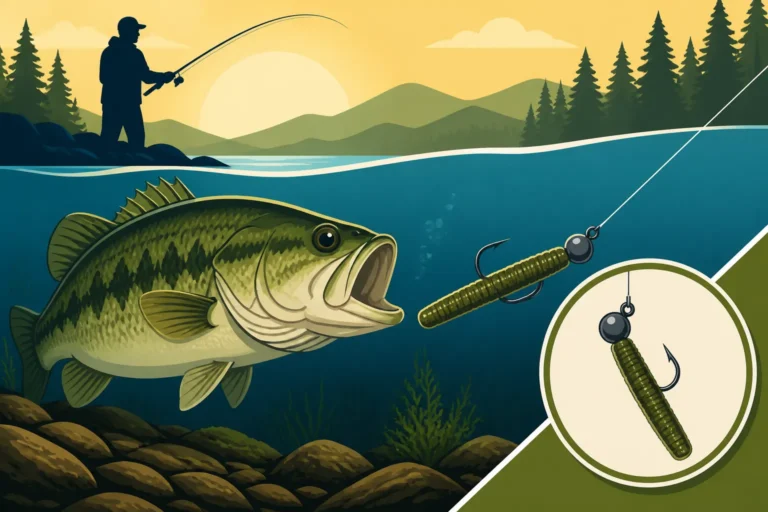
- Soft Plastics (Rigged Weedless): This category is vast, but paddle-tail swimbaits, creature baits, and even large worms can be highly effective when rigged with a Texas rig or a weedless swimbait hook. The Texas rig allows the hook point to be buried in the plastic, making it incredibly snag-resistant. Work these slowly along weed edges or through pockets. The natural action of the soft plastic can be very enticing to a pike hiding in plain sight.
- Topwater Frogs/Pads: For truly dense surface vegetation like lily pads, a weedless topwater frog or mouse imitation is deadly. Twitch it, walk it, or pop it right over the slop. When a pike explodes on a topwater lure, it's one of the most exciting strikes in freshwater fishing. Just be patient on the hookset—wait until you feel the weight of the fish before setting the hook hard.
- Jigs with Weed Guards: A beefy jig, dressed with a grub or chunk trailer, and equipped with a stout weed guard can be worked effectively in open pockets within weed beds or along the deeper edges. These offer a different profile and fall rate than spoons or spinnerbaits, sometimes provoking a strike from a hesitant fish.
When choosing lures, always consider the density of the weeds you're fishing. For truly heavy cover, lean towards the most weedless options. For slightly sparser weeds or edges, you might get away with something a bit more exposed for increased hook-up ratios. You can easily stock up on these specialized pike lures through online marketplaces like Amazon, often finding great deals on bulk packs.
Techniques for Successfully Fishing Weed Beds
Knowing what gear to use is only half the battle; knowing how to use it effectively in challenging weed beds is where the real skill comes into play. It requires a combination of precision, patience, and aggressive retrieval strategies.
Casting and Retrieval Strategies
Accuracy is paramount when casting into weed beds. You're not just casting into the weeds; you're aiming for those specific pockets, lanes, or edges we talked about earlier. Practice your pitching and flipping to drop lures precisely where you want them, with minimal splash, which can spook wary pike. Overhand casts are great for distance, but short, controlled pitches are often more effective for targeting small openings.
Once your lure is in the water, your retrieval strategy needs to be adaptable. For weedless spoons and spinnerbaits, a "slow roll" just above the weed tops is a classic technique. This allows the blades to flash and vibrate while minimizing snags. If you feel weeds on your line, give a quick, sharp snap of the rod tip to clear the lure without pulling it completely out of the strike zone. Another effective strategy, especially with soft plastics or jigs, is to work the lure with a "stop-and-go" retrieve along the edges or through open lanes. This mimics a wounded baitfish, often triggering an aggressive reaction strike. Sometimes, a super-fast, erratic retrieve can also provoke a reaction strike from a pike that's feeling sluggish but can't resist a fleeing meal. Don't be afraid to experiment with retrieve speeds and patterns until you find what the fish are responding to on a given day. Remember that Northern Pike Season Dates and Catch Limits might influence how you approach your fishing in terms of keeping fish.
Navigating Dense Vegetation
Fishing weed beds often means getting your boat or kayak right into the thick of it. This can be tricky and requires careful navigation. If you're using a motorized boat, a trolling motor is invaluable for slowly maneuvering through vegetation, positioning you for accurate casts. Avoid using your main outboard in dense weeds, as it can foul the propeller and damage the ecosystem. For kayak anglers, a paddle is your best friend, allowing silent entry into prime areas.
When you're actively fishing, learn to "read" the weeds. Identify the denser patches, the open pockets, and the lanes. These natural pathways and openings are your best bet for presenting a lure effectively and, more importantly, successfully fighting a fish once hooked. If you're constantly getting snagged, you might be using the wrong lure for the density of the cover, or your casting precision needs refinement. Don't be afraid to adjust your approach, whether it's changing lures, modifying your retrieval, or simply moving to a slightly less dense area within the weed bed. For a broader understanding of fishing regulations, you might want to consult the New York Fishing Regulations Explained.
The Art of the Hook Set and Fight
Hooking a pike in heavy cover is just the beginning of the battle. Pike have incredibly bony mouths, and the weed guard on your lure can sometimes hinder a clean hook set. When you feel a strike, it's crucial to set the hook hard and immediately, often multiple times, to ensure it penetrates. Use your whole body, pulling straight back or to the side with force. This is where your heavy-power rod and no-stretch braided line really earn their keep.
Once hooked, don't let the pike dictate the fight. They will immediately try to dive back into the densest part of the weed bed, wrap your line, and spit the hook. Your job is to keep their head up and pull them out of the weeds as quickly and forcefully as possible. This is often referred to as "horsing" the fish. Keep your rod tip high, maintain constant pressure, and reel aggressively. If the fish does dive into weeds, try to keep tension and slowly pull to break it free. Sometimes a quick slack line can allow the fish to swim out, but usually, it means more pulling. Landing a pike from heavy cover is a test of strength and will, but the reward is a hard-earned catch. Many of these fish become true New York's Trophy Fish Species.
Safety and Conservation When Fishing Pike in Weeds
Responsible angling includes both keeping yourself safe and protecting the fish and their habitat. Northern Pike are a formidable species, and fishing their weedy homes requires attention to both.
Handling Pike Responsibly
Northern Pike are notorious for their sharp teeth—and for good reason! Their mouths are packed with hundreds of razor-like teeth, making direct handling risky. Always carry long-nosed pliers or a jaw spreader to safely remove hooks. Never "lip" a pike like you might a bass, unless you want a trip to the emergency room! Netting a pike is usually the safest way to bring it aboard, but ensure your net is rubberized to protect the fish's slime coat.
If you plan to release the fish, minimize its time out of the water. Handle it gently, supporting its body, especially if it's a larger specimen. Unhook quickly, take a fast photo if desired, and then gently return it to the water, allowing it to swim off on its own power. Large pike are often the most important breeders, so practicing catch-and-release for these bigger fish helps ensure healthy populations for years to come. For more information on fish species, check out our guide on Fish Species You Can Catch in New York.
Navigating Weed Beds Safely
Beyond the fish itself, navigating dense weed beds presents its own set of safety concerns. Submerged obstacles like stumps, rocks, or old fishing gear can create hazards. Always proceed slowly, especially in unfamiliar waters. If you're in a boat, make sure someone is watching the prop and keeping an eye out for floating debris. For kayak or canoe anglers, be mindful of your balance, as getting snagged on a thick patch of weeds can sometimes cause instability.
Also, be aware of your surroundings and other anglers. Thick weed beds can sometimes obscure sightlines, so exercise caution when moving around. Always inform someone of your fishing plans and expected return time, especially when exploring remote or heavily vegetated areas. Understanding New York Freshwater Fishing Rules is crucial before heading out.
| Lure Type | Best Weed Density | Retrieval Style | Advantages | Considerations |
|---|---|---|---|---|
| Weedless Spoon | Medium to Heavy | Slow roll, erratic jerks over weed tops | Highly snag-resistant, casts far, good flash | Can twist line, may miss subtle strikes |
| Spinnerbait | Light to Medium-Heavy | Slow roll, stop-and-go, burn and pause | Vibration/flash, decent weed guard, versatile | Can snag in very dense weeds |
| Soft Plastic (TX Rig) | All densities | Crawl, twitch, hop along bottom/through pockets | Highly natural presentation, very weedless | Slower fishing, requires feel for bites |
| Topwater Frog | Very Heavy (surface) | Walk-the-dog, pop, twitch across mats | Explosive visual strikes, truly weedless | Best for surface activity, delayed hookset needed |
| Jig w/ Weed Guard | Light to Medium (pockets) | Jigging, short hops, drag along bottom/edges | Different profile, good for targeted pockets | Still prone to snagging if not worked carefully |
Fishing for Northern Pike in weed beds can be one of the most exciting and rewarding experiences in New York fishing. It demands patience, the right gear, and an understanding of pike behavior. By embracing the challenge and using these techniques, you'll be well on your way to pulling some impressive pike from the green stuff. Whether you're a seasoned angler or just starting out, remember that the thrill of the chase and the beauty of New York's waters are what truly make it all worthwhile.
Disclaimer
This article is for general informational purposes only and does not constitute professional advice. Laws, prices and regulations vary by location and change over time. Consult a qualified professional for guidance on your specific situation.