Best Time of Day to Catch Crappie
You've been out on the water, excited to reel in some crappie, only to find the bite is completely dead, while your buddy insists they were hammering them just yesterday. It's a common frustration, isn't it? Crappie, those delightful panfish, can be incredibly finicky, and often the difference between a full livewell and an empty cooler isn't your skill, but simply the timing. This guide is dedicated to unlocking the secrets of crappie behavior throughout the day, helping you pinpoint the best times to cast your line and increase your chances of a successful New York crappie outing.
Understanding Crappie Behavior Throughout the Day
Crappie are fascinating creatures, and their daily routines are largely dictated by light levels, food availability, and predatory instincts. Understanding these patterns is your first step to becoming a more effective crappie angler. It's not just about showing up at the lake; it's about showing up at the right time with the right approach.
Dawn and Dusk: The Golden Hours for Crappie
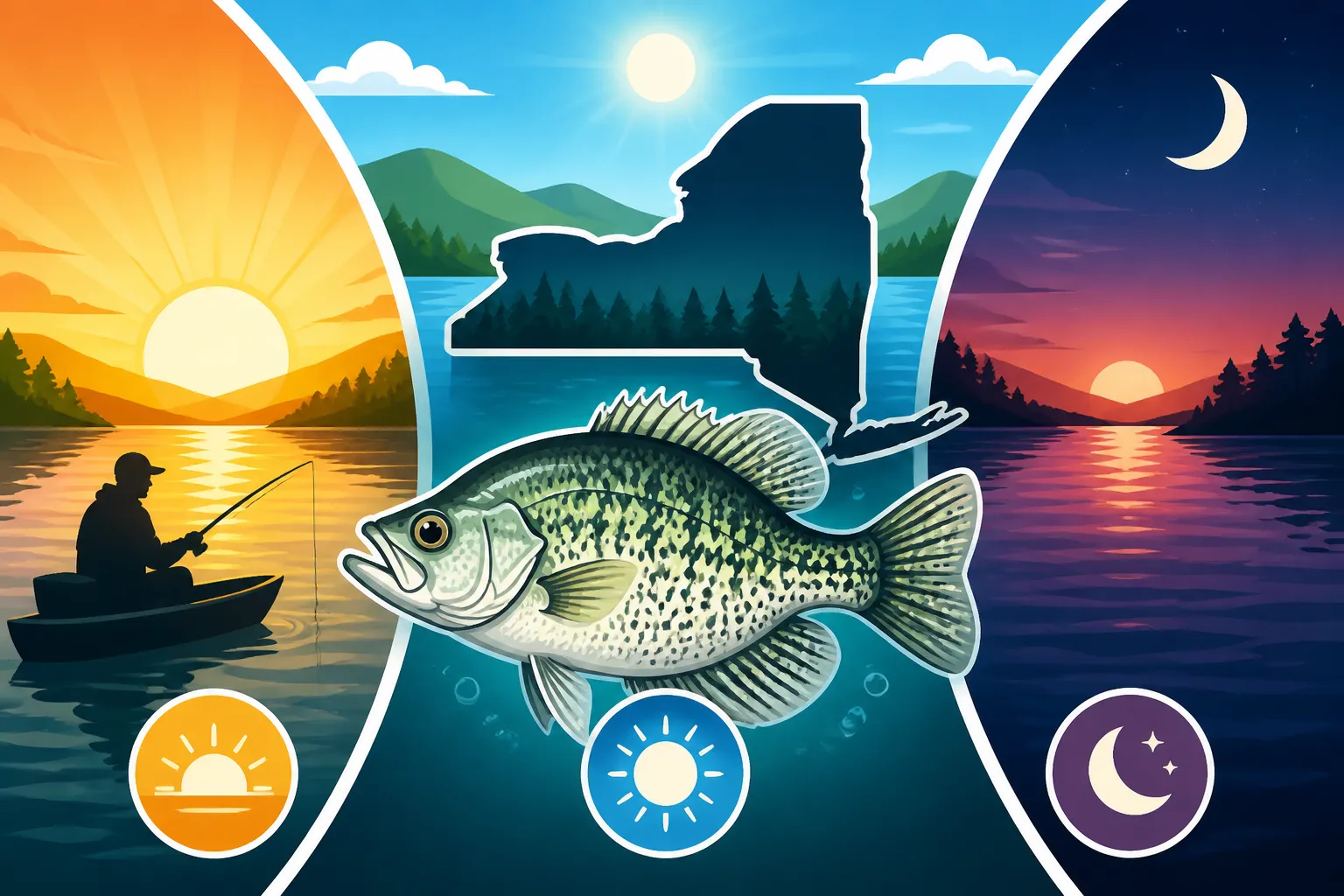
If you talk to any seasoned crappie angler, they'll likely tell you that the periods around sunrise and sunset are prime time. This isn't just an old angler's tale; there's solid biological reasoning behind it. Crappie have large eyes that are well-adapted to low-light conditions, giving them a distinct advantage over their prey, like minnows and insects, when the sun isn't blazingly bright.
During these transitional periods, crappie often move from deeper, more secure haunts to shallower feeding grounds. Think about it: a big bass or pike has a harder time ambushing them in dim light, so they feel safer venturing out. In the pre-dawn hours, as the sky begins to lighten, crappie will slowly begin to rise in the water column and move towards structure near shorelines or submerged vegetation. They're looking for an easy meal before the sun gets too high. Similarly, as the sun dips below the horizon in the evening, they reverse this pattern, emerging from deeper water to actively feed before retreating for the night. This is when you can often find them suspended around brush piles, docks, or weed edges in surprisingly shallow water, making them easier targets for a well-placed jig or live minnow. This active feeding window is often relatively short, so being prepared and on the water before the action starts is crucial.
Mid-Day Crappie: When the Sun is High
So, what happens when those golden hours fade and the sun climbs high in the sky, casting bright, direct light onto the water? Crappie generally become more reclusive. They're not gone, they just change their address. During the brightest parts of the day, crappie will typically retreat to deeper water or seek out dense cover that offers shade and protection from predators. This could mean suspending under a boat dock, nestled deep within a thick brush pile, or hovering over submerged timber.
Fishing for crappie mid-day requires a shift in strategy. You can't just cast a bobber and minnow into the shallows and expect success. Instead, you'll need to focus on vertical presentations, often directly over or into structure. Techniques like spider rigging, where multiple rods are deployed to cover different depths and areas, become very effective. You might find success with a small jig tipped with a minnow dropped straight down into a brush pile, or by tight-lining a minnow beneath a boat directly over a known crappie school. The key is to get your bait right in front of them, as they're less likely to chase during these inactive periods. Don't be discouraged if you're not getting bites on your first few drops; sometimes it takes a bit of persistence and precise placement to coax them out. For finding these deeper spots and submerged cover, a good fish finder is an absolute game-changer. Many affordable models offer excellent clarity for mapping structure and even identifying fish arches, and you can find a wide selection of them on Amazon.
Night Fishing for Crappie
While not as commonly discussed as dawn and dusk, night fishing for crappie can be incredibly productive and offers a unique angling experience. Just like the low-light hours of dawn and dusk, the darkness of night provides crappie with a sense of security and often triggers another feeding frenzy, especially around artificial light sources.
The magic of night fishing for crappie often revolves around attracting them with light. Submersible fishing lights are popular tools, emitting a glow that draws in plankton, which in turn attracts baitfish like minnows, and then, of course, the crappie themselves. Dropping a light off the side of your boat or dock can create a veritable crappie magnet. You'll often see them stack up in the illuminated zone, making for some fantastic fishing. Jigs in lighter colors or those with glow-in-the-dark properties can be particularly effective under these conditions. It's a peaceful way to fish, often with less boat traffic and cooler temperatures, making it a great option during the warmer months. Remember to bring a reliable headlamp and make sure you have everything you need easily accessible before darkness falls.
Factors Influencing Crappie Timing Beyond Just the Clock
While the time of day is undeniably important, crappie don't live by a rigid clock alone. Their daily patterns are constantly being tweaked and adjusted by a variety of environmental factors. Ignoring these elements means you're only seeing half the picture, and that's often why one angler might have a banner day while another struggles in the same spot at the same time.
Weather and Water Conditions
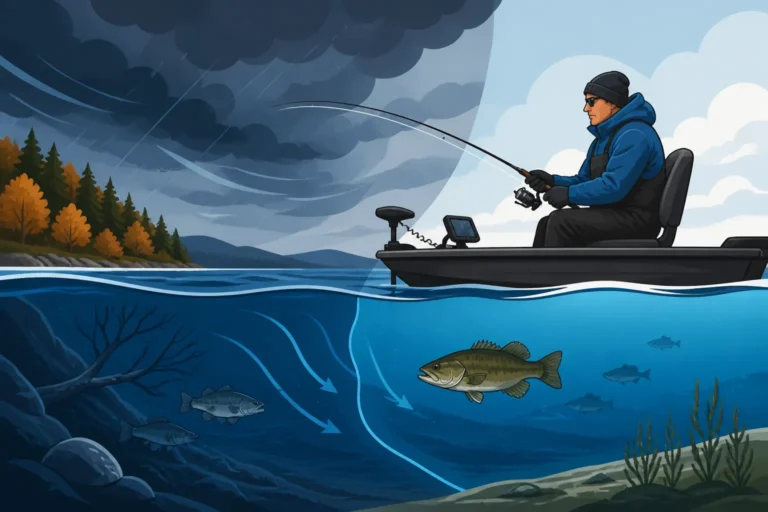
The weather and the resulting water conditions play a monumental role in crappie behavior. Bright, sunny, calm days often push crappie deep, as discussed, making mid-day fishing a challenge. Conversely, overcast days can extend those "golden hours" significantly. Cloud cover essentially creates prolonged low-light conditions, keeping crappie shallower and more active for longer durations. A steady, gentle rain can also be beneficial, as it often washes insects and other food sources into the water, while also breaking up the water's surface, making crappie feel more secure.
Water temperature is another massive factor, especially as seasons change. During a sudden cold front, crappie can become sluggish and move deeper, or hug tighter to structure. Warming trends, especially in spring, can bring them out of their winter doldrums and into shallower, warmer waters to feed and eventually spawn. Water clarity also matters; in very clear water, crappie tend to be warier and stick to deeper or heavily structured areas, while slightly stained water can make them bolder and more active throughout the day, as they feel more camouflaged. Understanding these nuances helps you decide not just when to fish, but where and how. For more on how water conditions affect fishing, you might want to read How to Fish Cold Water in New York.
Seasonal Movements and Spawning Cycles
Crappie's daily timing is heavily influenced by their yearly cycle, particularly their spawning movements. In the spring, as water temperatures rise, crappie move into incredibly shallow water – sometimes only a few feet deep – to spawn. During this period, their daily patterns can be quite intense. They will often be very aggressive and active throughout much of the day, guarding their nests. This is a fantastic time for shore anglers or those in smaller boats to target them, as they are concentrated and relatively easy to find.
As summer progresses and water temperatures peak, crappie will generally retreat to deeper, cooler waters, often suspending over deep structure or thermoclines. Their feeding windows might shrink, and they become more pattern-oriented to early morning and late evening. In the fall, as waters cool again, crappie often go through another aggressive feeding period, stocking up for winter. They'll transition from deeper summer haunts to structure in intermediate depths. Winter sees them in deeper, often lethargic schools, and ice fishing becomes the primary method to target them, where a good fish finder is crucial for locating these schools under the ice. These seasonal shifts mean that the "best time of day" for crappie fishing in April might be very different from the best time in July or December. Don't forget to check Crappie in New York for more species-specific information.
The Impact of Structure and Cover
Crappie are undeniably structure-oriented fish. They love to relate to anything that provides cover, shade, or ambush points. The type and depth of this structure will significantly impact where they are at different times of the day, regardless of the clock.
Think about a hot summer day: crappie aren't just going deep; they're going deep to structure. A submerged brush pile or a cluster of old tires provides both a cooler environment and a sense of security. Similarly, docks and bridge pilings cast shadows that offer refuge from bright sun. During dawn and dusk, these same structures might serve as staging areas where crappie congregate before moving to shallower feeding flats. Understanding how crappie utilize different types of cover – from natural weed lines and fallen trees to artificial fish habitats – is paramount. If you're fishing a lake with lots of docks, for example, you might focus on the shady sides during mid-day and then move to the outer edges or shallower points as the sun gets low. It's about thinking like a crappie and asking yourself: "Where would I feel safe and have access to food right now?" Targeting these specific areas can drastically improve your catch rates.
Essential Techniques and Gear for Each Time Slot
Once you understand when and why crappie are active, the next step is to arm yourself with the right techniques and gear to capitalize on those opportunities. Trying to use a deep-water jigging setup in the spawning shallows, or vice versa, is like bringing a spoon to a knife fight – it just won't work!
Lure and Bait Selection by Time of Day
The type of bait or lure you choose can make a significant difference, especially when adapting to changing light conditions throughout the day.
- Live Minnows: These are arguably the most effective year-round bait for crappie, and they excel during low-light periods (dawn, dusk, night) when crappie are actively hunting for live prey. A lively minnow suspended under a bobber in shallow water during these times is often irresistible. For deeper, mid-day crappie, a minnow dropped vertically on a small hook with a split shot can be deadly.
- Jigs: Small jigs (1/32 oz to 1/8 oz) are crappie staples. The color choice often depends on water clarity and light conditions.
- Low Light (Dawn/Dusk/Night) or Stained Water: Brighter colors like chartreuse, white, or fluorescent orange can stand out more. Jigs with glow-in-the-dark properties are fantastic for night fishing.
- Bright Sun or Clear Water: More natural colors like brown, black, or subtle greens might be more effective, as crappie can be pickier. Small plastic bodies resembling minnows or insects in these natural hues can trick weary fish. The retrieve speed is also critical; slow and subtle often works best, especially for lethargic mid-day fish.
- Scented Baits: Adding a dab of crappie attractant or using scented soft plastics can provide an extra edge, particularly when crappie are less aggressive during bright mid-day hours. The scent can entice them to hold onto the bait longer, giving you more time to set the hook. When it comes to jigs and soft plastics, you'll find an enormous variety to experiment with on Amazon, perfect for figuring out what the crappie prefer on any given day.
Rods, Reels, and Lines for Crappie Fishing
Crappie are not tackle busters, so light, sensitive gear is key to detecting their often subtle bites.
- Rods: A light to ultralight action spinning rod, typically in the 6 to 7-foot range, is ideal. The sensitive tip allows you to feel those faint taps, while the backbone still provides enough power to handle a good-sized slab crappie. For jigging directly over structure, shorter rods (4-5 feet) can be beneficial for precision.
- Reels: A small spinning reel (500 to 1000 series) that balances well with your rod is perfect. Smooth drag is more important than brute strength, as you'll be using light line.
- Line: Light line, generally 4 to 6-pound test monofilament or fluorocarbon, is the standard for crappie. Monofilament offers a bit of stretch and is very forgiving, while fluorocarbon offers less stretch for increased sensitivity and is virtually invisible underwater. Some anglers use braided line with a fluorocarbon leader for ultimate sensitivity, especially when fishing deeper. The lighter line allows your small jigs and baits to behave more naturally in the water, which is crucial for enticing a bite. How to Set Up a Rod for Panfish offers more in-depth guidance on choosing the right components.
Importance of Fish Finders and Mapping
In today's crappie fishing world, a good fish finder isn't just a luxury; it's practically a necessity, especially if you're targeting crappie outside of their shallow spawning runs.
- Locating Deep Crappie: During mid-day or in colder months, crappie often hold in schools over deeper submerged structure or suspend in the water column. A fish finder allows you to scan the bottom and locate these schools and the cover they're relating to without blindly casting. You can see their arches, identify brush piles, and even discern baitfish schools, helping you hone in on productive areas.
- Identifying Structure: Beyond just finding fish, a fish finder helps you map out the underwater topography. You can pinpoint old creek channels, humps, ledges, and timber piles – all prime crappie real estate that you'd never see from the surface. Many units also come with GPS and mapping capabilities, allowing you to mark waypoints for these productive spots and return to them easily. Even basic portable fish finders can be a huge asset, and you can explore various models, including those from brand names like Humminbird or Lowrance, on Amazon.
Practical Tips for Maximizing Your Crappie Catch
Knowing the "what, when, and where" of crappie fishing is fantastic, but combining that knowledge with some practical wisdom will truly elevate your success rate. Crappie fishing is an art as much as a science, and these tips will help you fine-tune your approach.
Scout Your Spots and Observe
Preparation is everything. Don't just show up to the lake hoping for the best.
- Pre-fishing and Reconnaissance: If possible, spend some time scouting an area before you actually fish. Look for visible structure like docks, fallen trees, or weed lines. If you have a boat with a fish finder, idle around and mark submerged brush piles or other structures that could hold fish. Note water temperatures in different areas, as crappie will often gravitate to their preferred thermal zones, especially during seasonal transitions.
- Observe Other Anglers: While you should never crowd another angler, observing successful fishermen (from a respectful distance) can provide valuable clues. Are they fishing shallow or deep? What kind of bobbers or rod actions are they using? This isn't about copying them exactly, but rather gathering data points that might inform your own strategy. Sometimes, just seeing a cluster of boats in a particular area is a strong indicator of where the crappie are holding.
- Pay Attention to Your Own Experience: Keep a fishing log! Note the date, time, weather conditions (cloud cover, wind, temperature), water temperature, location, depth, bait/lure used, and your results. Over time, you'll start to see patterns emerge that are specific to your local waters. This personal data is invaluable for predicting future success.
Adaptability is Key
Perhaps the most important trait of a successful crappie angler is adaptability. Crappie patterns can change within hours, or even minutes, due to shifting light, passing clouds, boat traffic, or sudden temperature drops.
- Don't Be Afraid to Change: If your current method isn't producing bites, don't stubbornly stick to it. Try altering your depth – if you're fishing 10 feet down, try 8 or 12. Change your retrieve speed; sometimes a slower, more subtle presentation is key, while at other times, a slightly faster twitch can trigger a reaction strike. Switch up your bait or jig color. If you're using live minnows, try a small jig or soft plastic.
- Move Around: If a spot that was hot suddenly goes cold, move to another promising piece of structure. Crappie can be nomadic, especially when feeding, or they might get spooked. Having a handful of potential spots mapped out will save you valuable fishing time. Remember, the best time of day might also mean the best spot for that specific time. Flexibility will almost always lead to more fish.
Safety and Comfort Considerations
Fishing, especially during dawn, dusk, or night, involves unique challenges. Staying safe and comfortable ensures you can focus on the fishing and enjoy your time on the water.
- Layered Clothing: Temperatures can fluctuate dramatically from pre-dawn chill to mid-day warmth, or from sunset to night. Dress in layers that you can easily add or remove. A good waterproof outer layer is also wise, even if rain isn't in the forecast, to protect against dew or spray.
- Proper Lighting for Night Fishing: A reliable headlamp or a powerful flashlight is absolutely essential for night fishing. You'll need it for tying knots, baiting hooks, navigating your boat, and staying safe. Always carry extra batteries.
- Sun Protection: If you plan to be out during the brighter parts of the day, bring sunscreen, a wide-brimmed hat, and polarized sunglasses. Sunburn and eye strain can quickly ruin a good day on the water. For various protective clothing, hats, and sunglasses, check out the offerings on Amazon.
- Hydration and Snacks: Always bring plenty of water and some easy-to-eat snacks. Staying hydrated and energized will help you stay focused and comfortable, especially during longer outings. Don't forget that if you're fishing from a boat, you'll need to be aware of Boat Registration Requirements for Anglers. Also, it's always good to be mindful of How Many Fishing Rods Can I Use at Once? when targeting crappie.
By combining an understanding of crappie's daily and seasonal rhythms with smart gear choices and flexible tactics, you'll be well on your way to consistently catching crappie, no matter the time of day.
Crappie Fishing Tactics by Time of Day
Here's a quick overview to help you adjust your approach:
| Time of Day | Typical Crappie Behavior | Recommended Depth | Recommended Lures/Bait | Key Techniques |
|---|---|---|---|---|
| Dawn (Pre-Sunrise) | Moving from deep to shallow; actively feeding near cover. | 3-10 feet | Live Minnows, Small Jigs (chartreuse, white) | Bobber fishing, casting jigs near submerged cover (docks, brush piles, weed edges) |
| Morning (Sunrise-10 AM) | Active feeding, gradually moving deeper as light increases. | 5-15 feet | Live Minnows, Small Jigs (natural colors, white) | Casting jigs, slow trolling jigs or minnows, spider rigging near structure. |
| Mid-Day (10 AM-4 PM) | Retreating to deep, shady cover; less active. | 10-30+ feet (or deepest cover) | Live Minnows, Small Jigs (natural/darker colors, scent) | Vertical jigging, dropping minnows into brush piles, spider rigging, slow trolling deep with sonar guidance. |
| Late Afternoon (4 PM-Sunset) | Starting to move shallower again, becoming more active. | 5-15 feet | Live Minnows, Small Jigs (natural/brighter colors) | Casting jigs, slow trolling, targeting edges of deep cover, then moving shallower. |
| Dusk (Post-Sunset) | Actively feeding near shallow to mid-depth cover. | 3-10 feet | Live Minnows, Small Jigs (white, chartreuse) | Bobber fishing, casting jigs near docks, brush piles, weed edges. |
| Night | Attracted to light, active feeding; often suspend. | Varies (often 5-20 feet) | Live Minnows, Glow-in-the-dark Jigs | Fishing under submersible lights, jigging, using lit bobbers. |
Disclaimer
This article is for general informational purposes only and does not constitute professional advice. Laws, prices and regulations vary by location and change over time. Consult a qualified professional for guidance on your specific situation.