Yellow Perch in New York
Oh, the humble yellow perch! If you've spent any time fishing New York's incredible waters, chances are you've encountered these feisty, delicious little fish. But sometimes, when you're out there on a sprawling lake or a quiet back bay, you might struggle to consistently locate them, or perhaps you're wondering if you're using the right bait to entice those tasty bites. This guide is here to help you understand the ins and outs of fishing for yellow perch in New York, from understanding their habits to mastering the techniques that will fill your cooler.
Understanding Yellow Perch in New York
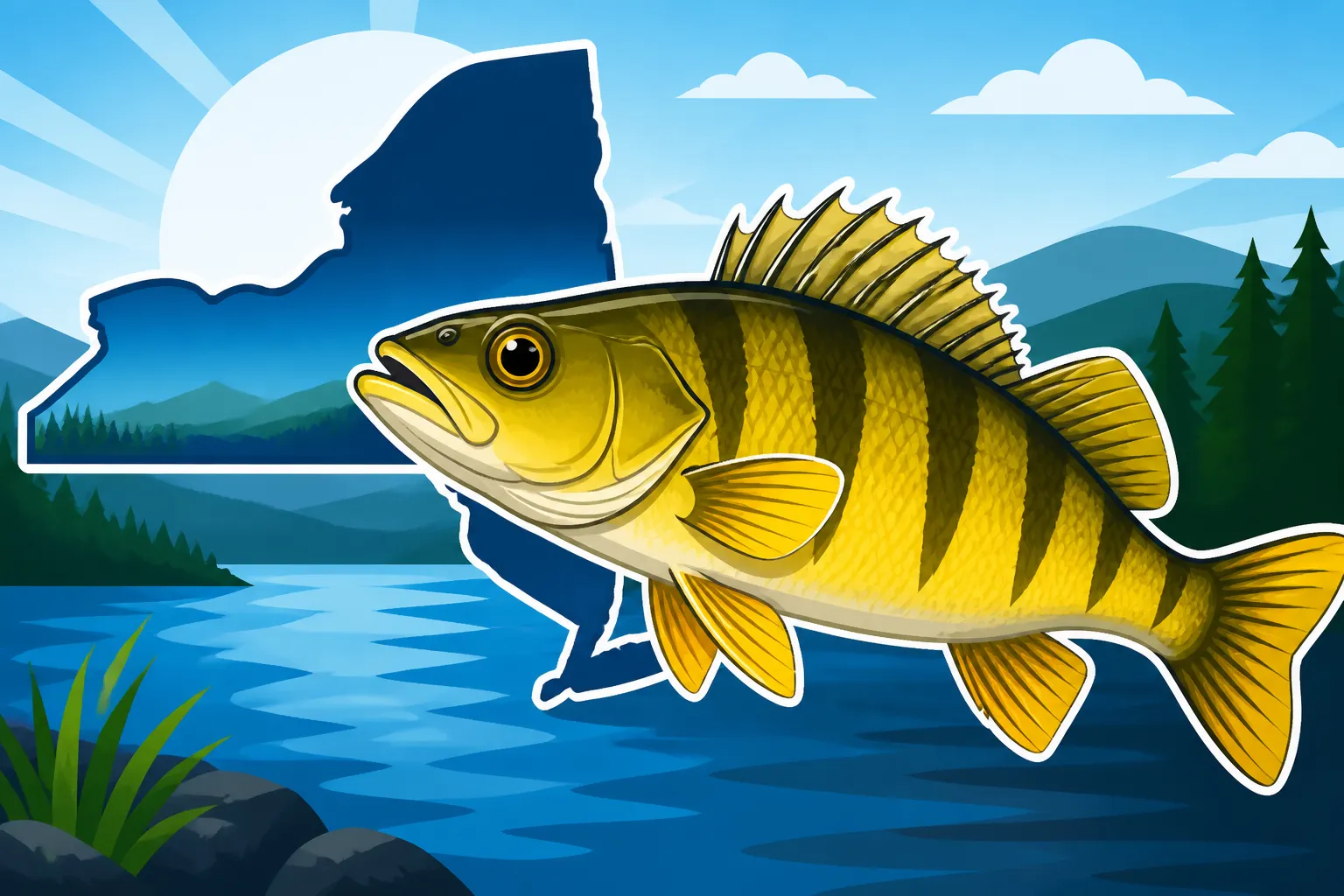
Yellow perch, with their distinctive vertical stripes and often golden hue, are one of New York's most beloved panfish. They're a staple for anglers across the state, from novice kids dropping a worm off a dock to seasoned ice anglers hunkered down over a frozen lake. Their widespread presence and relatively easy-to-catch nature make them a fantastic target, but don't let their commonality fool you – they can still offer a thrilling challenge and are truly a joy to bring home for a fresh meal.
Characteristics and Identification
One of the great things about yellow perch is how recognizable they are. You'll typically find them sporting a greenish-yellow body with six to eight dark, vertical bars along their sides, often fading to a lighter belly. Their fins can have a vibrant orange or reddish tint, especially during spawning season. They have two dorsal fins, the first being spiny and the second soft-rayed. These fish are generally elongated but also quite stout, perfect for their predatory nature. While they don't grow to monstrous sizes, a 10-12 inch perch is a fantastic catch, and anything over a pound is considered a true trophy in many New York waters. They are often confused with their larger cousins, the walleye, but perch lack the prominent canine teeth and typically have more distinct vertical bars.
Beyond their looks, yellow perch are schooling fish. This is crucial to remember for fishing success because if you catch one, you're very likely to catch more! They tend to stick together in groups, making them an excellent target for consistent action once you've located a school. This schooling behavior also means they can quickly deplete an area if overfished, which is why understanding and respecting catch limits is so important.
Why Yellow Perch are So Popular
There are a few key reasons why yellow perch hold a special place in the hearts of New York anglers. First and foremost, they are incredibly widespread. You can find them in everything from small farm ponds to the largest Great Lakes, and almost every major river system in between. This accessibility means you don't have to travel far to find a good perch spot. Secondly, they are relatively easy to catch, especially for beginners or children. They aren't overly finicky and will strike a variety of simple baits and lures, making them perfect for introducing new anglers to the sport. There's nothing quite like seeing a child's face light up with their first yellow perch!
Perhaps the biggest draw, however, is their culinary quality. Yellow perch are, quite simply, delicious. Their white, flaky meat is mild and sweet, making them fantastic for frying, baking, or pan-searing. Many anglers consider them one of the best-tasting freshwater fish available in New York. The promise of a fresh perch fry is often enough motivation to bundle up for a chilly ice fishing trip or head out on a summer evening. Their popularity also stems from their availability throughout the year, as they are a prime target for ice fishing, offering some of the best winter action New York has to offer. For more on the variety of fish New York has, check out New York's Most Popular Freshwater Fish.
Where to Find Yellow Perch in New York
New York is blessed with an abundance of diverse water bodies, and thankfully, yellow perch have made themselves at home in many of them. Knowing where to start looking is half the battle, and different types of water will often dictate slightly different approaches.
Major Lakes and Rivers
When it comes to big water, yellow perch thrive in many of New York's premier fishing destinations. The Great Lakes, particularly Lake Erie and Lake Ontario, are phenomenal perch fisheries. In Lake Erie, the shallow, warmer waters often hold massive schools, and anglers regularly fill coolers with impressive catches. Likewise, the bays and harbors of Lake Ontario can be hotspots, especially during spring and fall. For specific tactics on one of these fishing giants, consider checking out How to Catch Yellow Perch on New York's Lake Erie.
Moving inland, New York's famed Finger Lakes are also excellent perch grounds. Lakes like Oneida Lake, Cayuga Lake, Seneca Lake, and Keuka Lake all have robust populations. These larger, deeper lakes offer plenty of structure and forage, allowing perch to grow to good sizes. The larger river systems, such as the St. Lawrence River and parts of the Hudson River, also contain healthy perch populations, often congregating in calmer bays, backwaters, and near weed lines. Even some of the larger reservoirs, like the Ashokan or Cannonsville Reservoirs, can provide fantastic perch opportunities, especially around submerged timber or rock piles.
Productive Habitats and Structures
Yellow perch are not generally open-water cruisers; they prefer to relate to structure and cover. This means when you're targeting them, you should be looking for specific types of habitat. During warmer months, you'll often find them congregating around weed beds, particularly those with a mix of submergent vegetation. These weeds provide cover from predators, ambush points for their prey, and a cooler, shadier environment. Docks, piers, and boat moorings can also hold schools of perch, as these man-made structures provide shade and attract baitfish.
As water temperatures drop, especially heading into winter, perch will often move to deeper water, seeking out hard bottom structures. Look for rock piles, humps, ledges, and drop-offs. Submerged timber, old foundations, and artificial reefs are also prime locations. During the ice fishing season, these deeper structures become even more critical. Schools will often hold tight to these features, making them predictable targets for anglers. A good depth finder can be an invaluable tool for locating these underwater features, and you can find many reliable models and accessories on sites like Amazon. Knowing how to read your fish finder for New York lakes will definitely improve your perch game.
Best Times to Fish for Yellow Perch
Catching yellow perch can be a year-round affair in New York, but understanding their seasonal patterns and daily habits will significantly improve your success rate. These fish are creatures of habit, and knowing when to find them can be just as important as knowing where.
Seasonal Patterns
Yellow perch exhibit distinct seasonal movements. In spring, as water temperatures rise and ice melts, perch move into shallower waters to spawn. This pre-spawn and spawn period can offer some of the most frantic fishing, as they are actively feeding and concentrated. Look for them in bays, shallow flats, and tributaries. As summer progresses, they often retreat to deeper, cooler waters during the day, particularly on larger lakes, returning to shallower weed lines or structures during dawn and dusk. Night fishing for perch in the summer isn't common, as they generally become less active in darkness.
Fall is another fantastic time to target perch. As waters cool, they become very active, feeding aggressively to build up fat reserves for winter. They'll often school up in large numbers and can be found transitioning between deeper structures and shallower feeding grounds. This is often considered one of the Best Season for Perch Fishing on New York's Lake Erie. Then comes winter, and for many, this is prime yellow perch time. They are a quintessential ice fishing target, often holding in large schools over deep flats, humps, and drop-offs. For more about winter angling, consult New York Ice Fishing Rules.
Time of Day and Weather Considerations
Like many fish, yellow perch tend to be most active during specific times of the day. Generally, the early morning and late afternoon/evening hours are the most productive. These low-light periods offer them a feeding advantage and provide cover from aerial predators. During the brighter, hotter parts of the day, especially in summer, they often move to deeper, shadier areas or become less active. However, this isn't a hard and fast rule; on overcast days, or in stained water, perch can bite throughout the day.
Weather also plays a significant role. Overcast days and periods of stable weather are often excellent for perch fishing. A slight chop on the water can also be beneficial, as it breaks up light penetration and can make perch feel more secure. Rapid changes in barometric pressure, sudden cold fronts, or high winds can sometimes put perch off the bite, making them lethargic and less willing to chase baits. However, in winter, strong winds can make ice fishing uncomfortable, so picking a calmer day is often more about angler comfort than fish activity!
Effective Techniques and Bait for Yellow Perch
You don't need a boatload of fancy equipment to catch yellow perch, which is another part of their charm. Simple presentations often work best, but having a few tricks up your sleeve can certainly increase your catch rate.
Rods, Reels, and Line
For yellow perch, a light to ultralight spinning rod and reel combination is ideal. This setup allows for sensitive feel, which is crucial for detecting subtle perch bites. A rod between 5'6" and 6'6" with a fast action tip will give you the sensitivity to feel light taps and the backbone to handle a decent-sized fish. Paired with a small spinning reel (size 1000 or 2000), spooled with 4-6 pound test monofilament or fluorocarbon line, you'll have a perfectly balanced setup. Braided line can also be used, especially in deeper water or heavy cover, but many prefer the stretch and stealth of mono/fluoro for perch.
When fishing through the ice, you'll want a dedicated ice fishing rod. These are much shorter, usually 24-36 inches, designed for jigging in a confined space. Again, a light or ultralight action is best. The shorter length also helps in feeling those often-subtle bites. Pair it with a small spinning reel or a specialized ice fishing reel.
Lures and Baits
Yellow perch are not particularly picky eaters, which is great news for anglers. Their diet mainly consists of small fish, insects, crustaceans, and aquatic invertebrates. This varied diet means a wide array of baits can be effective.
Live Bait: This is often the undisputed champion for perch.
- Worms: Nightcrawlers or smaller garden worms are always a top choice. Just a small piece on a hook is often enough.
- Minnows: Small shiners or fathead minnows, hooked lightly through the lip or dorsal fin, are irresistible to larger perch.
- Maggots/Grubs: Especially popular for ice fishing, these small baits are often used on tiny jigs.
- Golden Shiners: These are great for attracting a bigger perch in your school.
Artificial Lures:
- Small Jigs: Tiny jigs, often 1/32 to 1/16 ounce, tipped with a small plastic grub, a piece of worm, or a maggot, are incredibly effective. Colors like chartreuse, white, orange, and black are common producers.
- Spoons: Small jigging spoons (like Swedish Pimples or Kastmasters) are excellent, especially for ice fishing or deeper water. The flash and flutter mimic injured baitfish.
- Blade Baits: These vibrating lures can call in perch from a distance and are effective for both open water and ice fishing.
- Small crankbaits: Tiny lipless or shallow-diving crankbaits can work well when perch are actively chasing baitfish in shallower water.
- Soft Plastics: Micro finesse plastics, tiny tubes, or small grubs on a jig head can also entice bites.
When selecting lures or even live bait, don't be afraid to experiment with size and color until you find what the fish are keying in on that particular day. For a good selection of specialized ice fishing jigs or small soft plastics, checking out a large online retailer like Amazon can provide a wide variety of options you might not find in a local bait shop.
| Bait Type | Best Use Cases | Typical Rigging | Notes |
|---|---|---|---|
| Nightcrawlers | Year-round, especially good in open water | Small hook, often on bobber rig | Economical, universally effective. Use small pieces. |
| Minnows | Open water, ice fishing for larger perch | Lightly hooked through lip or back | Requires aerator; attracts more aggressive fish. |
| Maggots/Grubs | Ice fishing, sensitive bites, small presentations | Tiny jig, small hook on a dropper | Great for finicky fish; readily available at bait shops. |
| Small Jigs | Year-round, versatile for jigging or under a bobber | Tipped with bait or small plastic | Highly customizable with color and scent. |
| Jigging Spoons | Ice fishing, deeper open water, vertical jigging | Fished bare or tipped with minnow head | Flash and vibration draw attention. |
| Blade Baits | Active fish, deeper water, attracting from a distance | Vertical jigging | Strong vibration; great for covering water. |
Fishing Techniques
Vertical Jigging: This is a classic for perch, especially through the ice or when fishing from a boat over a school. Drop your jig or spoon to the desired depth, then use short, subtle lifts and drops of the rod tip. Pay close attention on the fall, as many bites occur as the lure descends. A fish finder is invaluable for this, showing you the depth of the school.
Bobber Fishing: A simple bobber rig is incredibly effective, especially from shore or a dock. Use a small slip bobber (to adjust for depth) or a clip-on bobber, a small split shot weight, and a size 6-10 hook with a piece of worm or a minnow. Let the bait dangle just off the bottom or suspend it above a weed bed. This is fantastic for kids and beginners.
Drifting: From a boat, drifting with the wind or current can cover a lot of water and help you locate schools. Use a simple bottom-bouncing rig with a small weight and a live minnow or worm. Let the boat's movement do the work, slowly dragging your bait along the bottom. This is particularly effective on large lakes like Erie or Oneida.
Remember, perch bites can be very subtle – sometimes just a slight tick or a feeling of weight on your line. Stay focused and be ready to set the hook!
New York Regulations for Yellow Perch Fishing
While yellow perch are widespread and generally abundant, it's crucial to be aware of and follow New York's fishing regulations. These rules are in place to ensure healthy fish populations for everyone to enjoy now and in the future. Ignoring them can lead to fines and loss of fishing privileges. For comprehensive information, always refer to the official New York Fishing Regulations Explained and New York Freshwater Fishing Rules from the Department of Environmental Conservation (DEC).
General Statewide Rules
For yellow perch, New York State often has fairly generous regulations, but these can vary by water body. Generally, there isn't a statewide closed season for yellow perch, meaning you can fish for them year-round, including through the ice. This is one of the reasons they are such a popular winter target.
The two main regulations you'll need to pay attention to are size limits and daily creel (bag) limits. While many common panfish species, like bluegill and sunfish, don't have statewide size limits, yellow perch often do in specific waters. The same applies to daily limits. Some lakes might have a 25-fish daily limit, while others might have none, or a much higher limit if the population is particularly robust and management deems it necessary to encourage harvest. Always check the current DEC fishing regulations guide for the specific body of water you intend to fish. This guide is usually available online, at bait shops, or places where you buy your New York Fishing License Guide.
Special Regulations for Specific Waters
It's really important to understand that while general rules exist, many specific lakes, rivers, or even sections of a river, will have their own "special regulations." This is often the case for waters that are heavily fished, have unique ecological considerations, or are part of specific management programs. For example, a particular lake might have a minimum size limit of 8 inches for yellow perch, or a reduced daily limit compared to the general statewide rule. These special regulations supersede the general rules, and it's your responsibility as an angler to know them.
Always double-check the special regulations section of the DEC guide, which is usually organized by county or by major water body. Don't just assume the "general rules" apply to your favorite spot. A few minutes of research can save you a lot of grief and ensure you're fishing responsibly.
Remember that possessing a valid New York fishing license is mandatory for most anglers over the age of 16. Ensure you have yours before heading out! Do Kids Need a Fishing License to Fish in New York? and New York Fishing License Age Cutoff Explained cover the specifics for younger anglers.
Cooking and Enjoying Your Yellow Perch Catch
After a successful day on the water, there's nothing quite like bringing home a fresh catch. Yellow perch are renowned for their delicious flavor, making the effort of cleaning and cooking them truly worthwhile.
Cleaning Your Catch
Cleaning perch is a straightforward process, and with a little practice, you can get quite efficient. Most anglers prefer to fillet perch, removing the meat from the bones.
- Preparation: Lay the fish on a clean, stable surface. You'll need a sharp fillet knife, a pair of fish-cleaning gloves (optional but helpful), and a bowl of ice water for the fillets.
- First Cut: Start behind the pectoral fin, cutting down to the backbone, but not through it.
- Along the Spine: Turn the knife flat and carefully slide it along the backbone towards the tail, separating the fillet from the bones.
- Rib Cage: Once you reach the rib cage, you can either cut through the ribs (if your knife is very sharp and the fish small) or cut around them. Many prefer to cut off the fillet above the ribs, then go back and carefully trim the small strip of meat off the ribs later if desired.
- Skinning: With the fillet removed, lay it skin-side down. Make a small cut at the tail end through the meat, stopping at the skin. Grip the skin firmly and push your knife forward, separating the meat from the skin.
- Rinse and Store: Rinse your clean fillets in cold water and immediately place them in a bowl of ice water. This keeps them cold and firm until you're ready to cook. If you're not cooking them right away, pat them dry and store them in an airtight container in the refrigerator for up to a day or two, or freeze them for longer storage.
Proper cleaning not only makes the fish more enjoyable to eat but also ensures you're getting the best flavor from your catch.
Simple and Delicious Recipes
Yellow perch are incredibly versatile in the kitchen, but simple preparations often highlight their natural sweetness and delicate texture best. Here are a couple of classic ways to enjoy them:
Classic Pan-Fried Yellow Perch: This is arguably the most popular way to prepare them, and for good reason!
- Ingredients: Perch fillets, all-purpose flour, cornmeal (optional, for extra crispness), salt, black pepper, garlic powder, paprika, cooking oil (vegetable, canola, or peanut).
- Preparation: Pat fillets dry. In a shallow dish, mix flour (and cornmeal if using) with salt, pepper, garlic powder, and paprika. Adjust seasonings to your liking.
- Dredge: Lightly dredge each fillet in the flour mixture, shaking off any excess.
- Fry: Heat about 1/4 to 1/2 inch of oil in a large skillet over medium-high heat. Once hot, carefully place fillets in the pan, ensuring not to overcrowd it.
- Cook: Fry for 2-4 minutes per side, or until golden brown and flaky. The exact time depends on the thickness of your fillets.
- Serve: Remove from pan, drain on paper towels, and serve immediately with lemon wedges, tartar sauce, or your favorite sides.
Baked Perch with Lemon and Herbs: For a lighter, healthier option that still packs flavor.
- Ingredients: Perch fillets, olive oil, lemon, fresh dill or parsley (chopped), salt, black pepper, a pinch of garlic powder.
- Preparation: Preheat oven to 375°F (190°C). Lightly grease a baking dish.
- Season: Pat fillets dry. Arrange them in the baking dish. Drizzle with olive oil, then season with salt, pepper, and garlic powder. Sprinkle generously with fresh herbs.
- Bake: Bake for 10-15 minutes, or until the fish is opaque and flakes easily with a fork.
- Serve: Squeeze fresh lemon juice over the top before serving.
Whether you're frying them up after a productive ice fishing trip or baking them for a light summer meal, yellow perch offer a delightful dining experience that connects you directly to the waters of New York.
Disclaimer
This article is for general informational purposes only and does not constitute professional advice. Laws, prices and regulations vary by location and change over time. Consult a qualified professional for guidance on your specific situation.