New York Freshwater Fishing Rules
Navigating the myriad of rules and regulations for freshwater fishing in New York State can feel like trying to untangle a particularly nasty knot in your fishing line – frustrating, time-consuming, and sometimes, you just want to give up and buy new line. But don't you worry, my fellow angler! This comprehensive guide is here to cut through the confusion, helping you understand the essential freshwater fishing rules so you can spend less time worrying about legalities and more time enjoying the beautiful waters and abundant fish New York has to offer.
Why We Have Freshwater Fishing Regulations
It's easy to look at a thick rulebook and feel overwhelmed, or even a little annoyed, wondering why there are so many hoops to jump through just to enjoy a peaceful day on the water. But trust me, these regulations aren't designed to make our lives harder. They are the bedrock of sustainable fishing, crucial for protecting our precious aquatic ecosystems and ensuring that future generations of anglers can experience the same joy and bounty we do today.
Protecting Fish Populations for Tomorrow
Think about it: New York is home to an incredible diversity of freshwater fish, from native brook trout in pristine Adirondack streams to massive lake trout in the Finger Lakes, and hard-fighting bass in countless ponds and rivers. Without careful management, overfishing could quickly deplete these populations. Regulations like daily creel limits and minimum size requirements allow enough fish to reach maturity and reproduce, maintaining healthy stock levels. It’s all about balance – letting us enjoy the harvest while safeguarding the source.
When you adhere to the rules, you're not just avoiding a fine; you're actively participating in conservation. Every fish you release according to best practices, every legal-sized fish you keep, contributes to the long-term health of our fisheries. These rules are developed by the New York State Department of Environmental Conservation (NYS DEC) using scientific data on fish biology, population dynamics, and environmental factors, ensuring they're as effective as possible.
Ensuring Fair and Safe Access for Everyone
Beyond conservation, regulations also play a vital role in ensuring fairness and safety for everyone who enjoys New York's freshwater resources. Imagine if there were no limits on how many lines you could run or how many fish you could take. It wouldn't be long before a few individuals could dominate a spot, leaving little for others. Rules on the number of lines, legal fishing methods, and even prohibitions on certain gear help create a level playing field.
Safety is another huge factor. Regulations regarding bait, tackle, and even boat operation (though we're focusing on fishing rules here, they often intertwine) are in place to prevent accidents and protect both anglers and the environment. For instance, restrictions on certain types of live bait are often about preventing the spread of invasive species, which can decimate native fish populations and habitat. Understanding these rules means you're contributing to a safer, more enjoyable experience for the entire angling community.
Essential Licensing and Registry Requirements
Before you even think about casting a line into any of New York's incredible freshwater bodies, the absolute first step is making sure you have the proper authorization. This usually means a fishing license, and in some cases, an additional registry for specific waters or species. It’s the law, plain and simple, and trying to skirt it will only lead to trouble.
Who Needs a New York Fishing License
Generally speaking, if you're 16 years of age or older and planning to fish in any of New York's freshwater rivers, lakes, streams, or ponds, you need a valid New York State fishing license. This applies whether you're a resident or an out-of-state visitor. There are different types of licenses available, including annual, 7-day, and 1-day options, catering to different needs and durations.
For instance, if you're just visiting for a weekend trip to the Catskills, a 7-day license might be perfect, whereas a resident angler who fishes year-round will typically opt for an annual license. It’s important to remember that these licenses are generally for freshwater fishing. For saltwater fishing in New York, while you don't always need a traditional license, you often need to register with the New York Recreational Marine Fishing Registry. This distinction can sometimes trip people up, especially if they fish both types of water.
Where and How to Get Your License
Getting your fishing license is actually pretty straightforward these days. The easiest and most convenient way for many is to buy your New York fishing license online through the NYS DEC's licensing system. You can print it right at home, or save a digital copy on your phone to show proof of purchase. This is a huge convenience compared to the old days of waiting in line!
If you prefer a more traditional approach, you can also purchase licenses in person at various vendor locations across the state, including many sporting goods stores, town clerk offices, and some bait and tackle shops. Chains like Walmart often have kiosks where you can buy licenses as well. Just be sure to bring proper identification and proof of residency if you're applying for a resident license. Many anglers choose to visit their local bait shop, not just for the license, but for the valuable local fishing reports and advice you can often get there. For a full breakdown of where to pick one up, check out our guide on Where to Buy a New York Fishing License.
Special Considerations and Exemptions
While the general rule is that you need a license if you're 16 or older, there are a few important exceptions and special considerations worth noting. For example, children under the age of 16 do not need a fishing license to fish in New York State. This is a fantastic way to introduce kids to the sport without any bureaucratic hurdles.
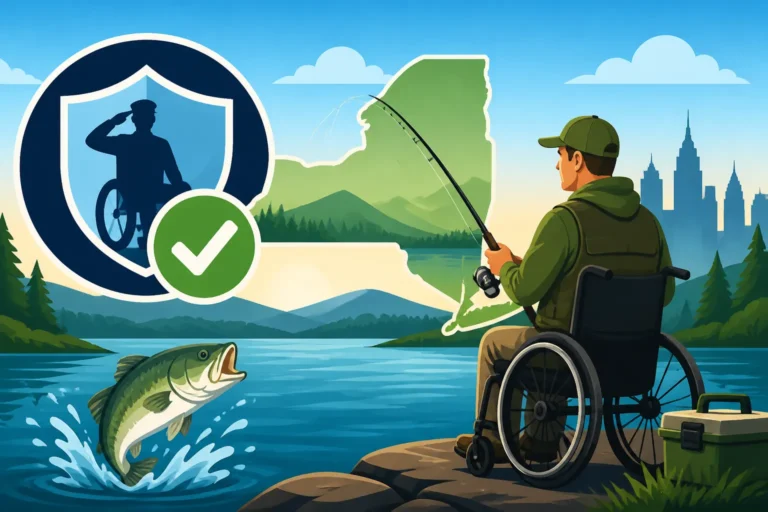
Additionally, there are specific "free fishing days" periodically throughout the year where New York residents and non-residents can fish without a license. These days are usually announced well in advance by the DEC and are a great opportunity for beginners to try fishing or for families to enjoy a day out. Other groups, such as certain disabled individuals or active-duty military personnel, may also qualify for special licensing discounts or exemptions. It's always a good idea to consult the official NYS DEC website or their latest fishing regulations guide for the most current information on any exemptions you might qualify for.
General Statewide Freshwater Fishing Rules
Beyond just having a license, there's a foundational set of rules that apply across most freshwater bodies in New York. These are your baseline guidelines, the ones you should commit to memory before heading out. However, and this is a big however, always, always, always check for specific regulations for the particular body of water you plan to fish. Statewide rules are like the opening chapter; individual lakes and rivers often have their own unique appendices.
Number of Lines and Fishing Methods
One of the most common questions new anglers have is about how many fishing rods they can use at once. In New York's freshwaters, the general rule is that you can fish with up to three lines at any given time. This means three rods, three handlines, or a combination thereof. Each line can have a single hook or a single artificial lure attached.
It's important to understand what constitutes a "line" and a "hook." For instance, a lure with multiple treble hooks is generally considered a single lure. However, if you're using multiple droppers or snelled hooks, this can get tricky, so always refer to the detailed definitions in the official DEC guide. Certain methods, like spearfishing, gigging, or netting (for game fish), are typically prohibited for recreational anglers in most freshwater bodies, except for specific baitfish collection rules. Chumming, the practice of broadcasting bait to attract fish, might also have restrictions depending on the water body, so it’s wise to confirm before you start creating a feeding frenzy.
Live Bait Restrictions and Usage
The use of live bait is a fantastic way to catch many freshwater species, but it comes with some very strict regulations in New York, primarily to prevent the spread of invasive species and fish diseases. You can collect your own baitfish, but only for personal use, and there are limitations on where you can use them. For example, baitfish collected from one body of water generally cannot be transported and used in another.
There are also specific rules about which species can be used as bait and where. Many waters prohibit the use of certain types of minnows or even game fish as bait. The term "bait fish" itself has a specific definition in the regulations. You might find a common type of bait, like fathead minnows, available for purchase from local bait shops. These shops are usually regulated and source their bait legally, but it's still your responsibility to ensure you're using it correctly and in permitted waters. Always double-check if you can use minnows as bait in New York lakes where you plan to fish. You can find essential gear like bait buckets and aerators on platforms like Amazon if you're looking to keep your bait lively.
Size Limits, Daily Creel Limits, and Possession Limits
This is where things can get really specific, and it's perhaps the most critical section for compliance.
- Size Limits: For many game fish, there's a minimum length (and sometimes a maximum length or "slot limit") that a fish must be to be legally kept. This is measured from the tip of the nose to the end of the tail. If a fish doesn't meet the minimum size, it must be immediately released, regardless of its condition. You'll need a reliable measuring device, easily found online or at any tackle shop, to accurately determine if your catch is legal.
- Daily Creel Limits: This refers to the maximum number of fish of a particular species an angler can take in a single day. Once you reach your daily limit for a species, you must stop fishing for that species for the remainder of the day, even if you continue to fish for other species.
- Possession Limits: This is the maximum number of fish of a particular species an individual can have in their possession at any given time, whether on their person, in their cooler, or in their vehicle. Often, the possession limit is the same as the daily creel limit, but not always, especially if you're on a multi-day trip where you might accumulate fish over several days (though this is less common for freshwater).
For example, statewide bass daily limit might be 5 fish with a 12-inch minimum length, but a specific lake might have a 3-fish limit with a 15-inch minimum. It’s absolutely vital to know these numbers for the exact water you're fishing. Penalties for violating these limits can be significant, ranging from fines to confiscation of equipment and even loss of fishing privileges.
Navigating Species-Specific Regulations
While statewide rules provide a general framework, New York's freshwater fishing landscape is incredibly diverse, boasting a wide array of species, each with its own set of tailored regulations. These species-specific rules are designed to protect unique populations, manage spawning cycles, and promote healthy ecosystems in different regions. Ignoring these nuances is a common mistake that can land you in hot water.
Trout and Salmon Species
New York is a trout angler's paradise, from the wild brook trout of the Adirondacks to the stocked brown and rainbow trout in countless streams. However, these prized fish have some of the most intricate regulations. For many trout species, there's a designated "trout season," which typically opens on April 1st for much of the state, but specific streams or sections might have different opening and closing dates or even year-round catch-and-release seasons.
You'll encounter variations in daily creel limits and minimum size requirements depending on the species (brook, brown, rainbow, lake trout) and the specific water body. For instance, the statewide trout daily limit might be a certain number, but a "special regulations water" (often a prime trout stream) could have a lower limit, different size restrictions, or even require artificial lures only. Some larger waters like the Finger Lakes have distinct regulations for lake trout and landlocked salmon that differ from stream trout rules. It’s also important to know the New York Statewide Trout Daily Limit Explained to avoid any missteps.
Then there's the famous Salmon River and its tributaries, which are renowned for their runs of Chinook and Coho salmon. These Pacific salmon species have their own seasons, limits, and specific tackle restrictions, especially during their spawning runs. A common question for new anglers is whether they need a trout stamp. While a trout stamp was once a thing, New York no longer requires it. However, the comprehensive New York Freshwater Fishing Rules guide will detail all the current specifics.
Bass Species: Largemouth and Smallmouth
Bass fishing is incredibly popular across New York, offering thrilling action for both largemouth and smallmouth bass. Like trout, bass have specific seasons and limits, but these are often more uniform across the state than trout regulations. The traditional bass season in most of New York opens in mid-June, usually the third Saturday, and runs through November 30th. However, there's often a "catch-and-release" season outside of these dates where you can still target bass, but they must be immediately released unharmed.
Minimum size and daily creel limits for bass can vary, but a common statewide standard is a 12-inch minimum length and a 5-fish daily limit. Yet, specific lakes, particularly those managed for trophy bass or with unique ecological considerations, might have higher minimum sizes or lower daily limits. For example, some lakes might implement a "slot limit," where only bass within a certain size range can be kept, protecting both juvenile and trophy-sized fish. Understanding these nuances is crucial, and a quick check of the DEC's "Special Regulations by County" is always a smart move before targeting New York Bass Season Dates.
Walleye, Pike, and Muskellunge
These impressive predatory fish offer exciting angling opportunities, from the walleye-rich waters of Lake Erie and Oneida Lake to the monstrous muskellunge of the St. Lawrence River. Their regulations are designed to protect their slower growth rates and ensure their populations remain robust. Walleye, for example, typically have a minimum size limit and a daily creel limit that varies by water body. The New York Walleye Season and Limits vary significantly, with some waters having year-round seasons and others closing for spawning.
Northern Pike also have specific size and creel limits, often with a generous daily limit in many waters, but again, always check for exceptions. Muskellunge, being the apex predators they are, often have the most restrictive regulations. They typically have very high minimum size limits (often 40 to 54 inches) and very low daily creel limits (usually one fish per day), reflecting their slow growth and trophy status. Targeting muskies often means practicing catch and release. Many avid muskie anglers choose specialized gear, which you can find at stores like Bass Pro Shops or even through Amazon, to help manage these large fish properly for release. It's truly a privilege to pursue such magnificent fish, and adhering to their specific rules helps keep it that way.
Understanding Special Regulations Waters
This is arguably the most critical and often overlooked aspect of New York's freshwater fishing rules. While the statewide regulations provide a good starting point, they are not universal. Many of New York's most popular and productive fishing locations are designated as "Special Regulations Waters," meaning they have specific rules that supersede the general statewide guidelines. Failing to check these localized rules is the fastest way to inadvertently break the law.
What Makes a Water "Special Regulations"
A body of water, or even a specific section of a river or stream, can be designated as "Special Regulations" for a variety of reasons. Often, it's about unique ecological factors, a desire to manage a particular trophy fishery, or to protect vulnerable populations. For instance, a pristine brook trout stream in the Adirondacks might have artificial lures-only restrictions and a very low daily limit to preserve its wild population. Conversely, a popular urban pond might have different limits to encourage harvest and control stunted panfish populations.
These special regulations are meticulously detailed in the official New York State Fishing Regulations Guide, often broken down by county and specific water body. They can cover anything from different season dates, altered size and creel limits, bait restrictions (e.g., artificial lures only, no live bait), or even specific fishing hours. It's not uncommon for a single river to have different rules for different stretches, so you need to be very precise about where you are fishing. For instance, the Salmon River, famous for its salmon and steelhead runs, has numerous special regulations for its various sections, which are distinct from generic statewide rules.
How to Find and Interpret Localized Rules
The absolute best way to stay informed about special regulations is to consult the latest edition of the New York State Fishing Regulations Guide. This guide is updated annually and is your authoritative source. You can usually pick up a free physical copy wherever fishing licenses are sold, or access it digitally on the NYS DEC website. Many anglers keep a digital copy on their phone for quick reference while on the water.
When reviewing the guide, pay close attention to the "Special Regulations by County" section. Locate the county and then the specific water body you intend to fish. Read all the associated rules carefully. If a rule for that specific water differs from the statewide regulation, the special regulation takes precedence. It's like a hierarchical system: statewide is the default, but local special rules override it. If you're ever in doubt, reach out to your local DEC fisheries office or a reputable bait shop in the area – they often have up-to-the-minute knowledge of localized nuances. For example, if you're fishing in the Adirondacks, you'll want to review the Best Adirondack Lakes for Fishing guide, and then cross-reference any specific rules for those particular lakes in the DEC's official document.
Here's a simplified table illustrating how statewide rules can differ from special regulations:
| Species | Statewide Rule (Example) | Example of Special Regulation (Specific Water) | Notes |
|---|---|---|---|
| Brown Trout | 5 fish daily, 9" minimum | Artificial Lures Only, 1 fish daily, 15" minimum (e.g., a specific section of Beaverkill River) | Protects wild trout, encourages trophy fish. |
| Largemouth Bass | 5 fish daily, 12" minimum | 3 fish daily, 15" minimum (e.g., specific reservoir) | Manages high fishing pressure or promotes larger fish. |
| Walleye | 5 fish daily, 18" minimum | 3 fish daily, 15-20" slot limit, 1 over 25" (e.g., Oneida Lake) | Protects prime breeding stock, allows harvest of mid-size fish. |
| Northern Pike | 5 fish daily, 18" minimum | 2 fish daily, 22" minimum (e.g., some Finger Lakes) | Specific management goals for pike populations in certain large lakes. |
| Muskellunge | 1 fish daily, 40" minimum | 1 fish daily, 54" minimum (e.g., St. Lawrence River) | Focus on trophy management for these very large, slow-growing fish. |
Disclaimer: These are simplified examples for illustrative purposes only. Always consult the official NYS DEC Fishing Regulations Guide for the most current and accurate information for the specific water body you plan to fish.
Equipment, Handling, and General Conduct Rules
Beyond what you can catch and how many, there are also rules governing your equipment, how you handle fish, and your overall conduct while fishing. These are often about promoting ethical angling, ensuring fish survival, and maintaining the quality of our shared natural spaces.
Proper Fish Handling for Catch and Release
For many anglers, especially those targeting trophy fish or fishing in catch-and-release seasons, responsible fish handling is paramount. The regulations encourage, and in some cases mandate, practices that minimize stress and injury to fish, increasing their chances of survival after release. This includes things like:
- Minimizing Handling Time: Get the fish back in the water as quickly as possible.
- Wet Hands Only: Always wet your hands before touching a fish to protect its protective slime coat.
- Support the Fish: Support the fish horizontally, especially larger ones, to avoid damaging internal organs or its jaw.
- Barbless Hooks: While not always required, barbless hooks make removal much easier and cause less damage. If you're using barbed hooks, a good pair of long-nosed pliers or a dehooker (many reputable brands are available on Amazon) can help with quick removal.
- Avoid Contact with Dry Surfaces: Don't let the fish flop around on rocks, dirt, or a dry boat deck.
Specific regulations might require the use of only artificial lures or barbless hooks in certain waters known for sensitive fish populations. Always check these rules, especially if you're fishing for trout or salmon in a specially designated area. Our article on Catch-and-Release Handling Rules provides even more detailed guidance.
Prohibited Gear and Methods
New York's fishing regulations clearly outline gear and methods that are strictly prohibited for freshwater fishing. These prohibitions are in place to prevent overharvest, protect specific species, or ensure fair chase. Examples of generally prohibited methods include:
- Snagging or Foul-Hooking: Intentionally hooking a fish anywhere other than its mouth is illegal. This is especially relevant during spawning runs when fish are concentrated and can be easily snagged.
- Chemicals or Explosives: Using any chemicals, stupefying substances, or explosives to catch fish is absolutely forbidden and carries severe penalties.
- Electrical Devices: Using any device that transmits an electric current into the water to stun or kill fish is also illegal.
- Netting Game Fish: Using nets to catch game fish (like trout, bass, walleye) is typically prohibited for recreational anglers, though dip nets might be allowed for landing legally caught fish.
- Spearfishing: While spearfishing is permitted for certain rough fish in specific waters, it is generally prohibited for game fish in freshwater.
Knowing these prohibited methods is just as important as knowing what is allowed. Ignorance of the law is not an excuse, and violating these rules can result in significant fines, confiscation of gear, and potential criminal charges.
Waste of Fish and Littering
Responsible angling extends beyond the catch itself to how we treat the environment. New York regulations stipulate that it is illegal to waste fish. This means if you keep a legal-sized fish, you are expected to consume it or prepare it for consumption (e.g., cleaning and freezing). You can't just keep fish to discard them later. This rule reinforces the conservation ethic of only taking what you will use.
Furthermore, littering is a perpetual problem and is strictly prohibited. Leaving behind fishing line, bait containers, food wrappers, or any other trash is not only illegal but also harms the environment and diminishes the experience for other users. Always pack out everything you pack in, and if you see litter left by others, consider doing your part to clean it up. Many parks and fishing access points have specific rules about disposing of fish carcasses as well, often encouraging anglers to take them home or use designated disposal bins to prevent attracting wildlife or creating unsanitary conditions. Keep our beautiful New York waterways clean and healthy for all!
Enforcement and Penalties for Non-Compliance
It's easy to think of fishing regulations as just suggestions, especially if you rarely see a conservation officer on the water. However, the New York State Department of Environmental Conservation (DEC) Environmental Conservation Police Officers (ECOs) are out there, quietly working to protect our natural resources, and they take violations very seriously. Ignoring the rules can lead to consequences far more unpleasant than a tangled line or a lost lure.
Who Enforces Freshwater Fishing Rules
The primary enforcers of New York's freshwater fishing regulations are the Environmental Conservation Police Officers (ECOs) of the NYS DEC. These are fully empowered law enforcement officers with broad authority, similar to state police, but specifically trained in environmental law and conservation. They patrol rivers, lakes, streams, and state lands, both overtly and covertly, to ensure compliance with fishing, hunting, and environmental laws.
In addition to ECOs, local law enforcement (sheriffs, town police) may also enforce some regulations, particularly if a violation involves other offenses like trespassing or disturbing the peace. However, it's the ECOs who possess the specialized knowledge and jurisdiction over fishing regulations. Their role is not just to issue tickets but also to educate the public and investigate more serious environmental crimes. Don't be surprised if an ECO approaches you on the water to check your license, ensure compliance with catch limits, or inspect your gear. They are doing their job to protect the resource we all love.
Common Violations and Their Consequences
The most frequent violations ECOs encounter involve licensing and catch limits. These often include:
- Fishing Without a Valid License: This is one of the easiest tickets to get. If you are 16 or older and don't have a current New York fishing license, you are in violation.
- Exceeding Daily Creel Limits: Keeping more fish than legally allowed for a specific species.
- Keeping Undersized Fish: Retaining fish that do not meet the minimum length requirements.
- Fishing in a Closed Season: Targeting or keeping a species outside of its designated open season.
- Using Prohibited Gear or Methods: This could be anything from using too many lines to illegal bait or snagging.
The penalties for these violations can vary significantly based on the severity of the offense and whether it's a first-time or repeat offense. Common consequences include:
- Fines: These can range from tens to hundreds of dollars per violation, and sometimes even more depending on the species and number of fish involved.
- Confiscation of Equipment: Your fishing rods, tackle, and even your boat (in severe cases) can be seized.
- Revocation or Suspension of Fishing Privileges: You might lose your right to fish in New York State for a period, or even permanently.
- Criminal Charges: More serious offenses, especially those involving intentional harm to protected species or gross negligence, can lead to criminal charges, including jail time.
The DEC has a comprehensive system for tracking violations, so a prior offense, even if minor, will be on record and could lead to harsher penalties for future infractions. It's simply not worth the risk. For more details on what happens if you get caught without a license, see our article on What Happens If You Get Caught Fishing Without a License?.
Staying Informed and Up-to-Date
The world of fishing regulations isn't static. Rules can change from year to year, and sometimes even within a season, due to new scientific data, environmental shifts, or management decisions. As anglers, it's our ongoing responsibility to stay informed. Don't rely on outdated information or what "everyone else does."
Annual Regulations Guides and Digital Resources
The most authoritative and current source of information is always the New York State Fishing Regulations Guide, published annually by the DEC. As mentioned before, you can get a free physical copy at most license vendors, or download the PDF directly from the NYS DEC website. This guide is usually available just before the start of the new license year (typically around February/March).
Beyond the annual guide, the DEC also maintains a robust online presence. Their website is a treasure trove of information, including:
- Up-to-the-minute Regulation Changes: Sometimes, emergency closures or regulation adjustments are made during the season. The DEC website will be the first place these are officially announced.
- Fishing Advisories: Information on fish consumption advisories due to contaminants like mercury in certain water bodies.
- Fishing Reports and Forecasts: Often, regional DEC offices will post local fishing reports, which can sometimes include regulation reminders.
- Mapping Tools: Interactive maps that can show you designated public fishing access sites and sometimes even highlight special regulation zones.
Make it a habit to check the DEC website at the beginning of each fishing season, and even before heading to a new body of water. Signing up for email newsletters from the DEC or following their social media accounts can also help you receive timely updates.
Local Bait Shops and Fishing Clubs
While digital resources are incredibly valuable, don't underestimate the power of local knowledge. Your local bait and tackle shop owners are often pillars of the angling community. They not only sell you gear but are usually deeply immersed in local fishing conditions and regulations. They often hear about changes or nuances before they're widely publicized, and they can clarify confusing rules for specific local waters. Think of them as your hyper-local information hub.
Joining a local fishing club or online forums dedicated to New York fishing can also be a great way to stay informed. Experienced anglers often share their knowledge, discuss current regulations, and highlight areas where special rules apply. Just be sure to cross-reference any information from unofficial sources with the official DEC guide to ensure accuracy. These communities can also be a fantastic resource for learning about New York Fishing Season Dates and Catch Limits for specific regions or species. Being an informed angler is not just about avoiding fines; it's about being a responsible steward of our shared natural heritage.
Disclaimer
The information provided in this guide is intended for general informational purposes only and is subject to change. While we strive to offer accurate and current advice, fishing regulations in New York State are complex and can vary significantly by location and time. It is the angler's sole responsibility to consult the official New York State Department of Environmental Conservation (NYS DEC) Fishing Regulations Guide and any relevant local advisories before engaging in any fishing activities. Failure to comply with current regulations may result in fines or other penalties.