What a Tautog (Blackfish) Is
When you hear about New York fishing, your mind might instantly jump to mighty salmon in Lake Ontario, feisty trout in the Catskills, or even the legendary striped bass of the Hudson. But there's another incredible fish that calls our coastal waters home, one that offers an entirely different kind of challenge and reward: the tautog, often affectionately known as "blackfish." Many anglers don't know much about these cunning bottom dwellers, but if you're looking to expand your saltwater horizons and tackle a truly unique species, this guide is for you.
What Exactly is a Tautog (Blackfish)?
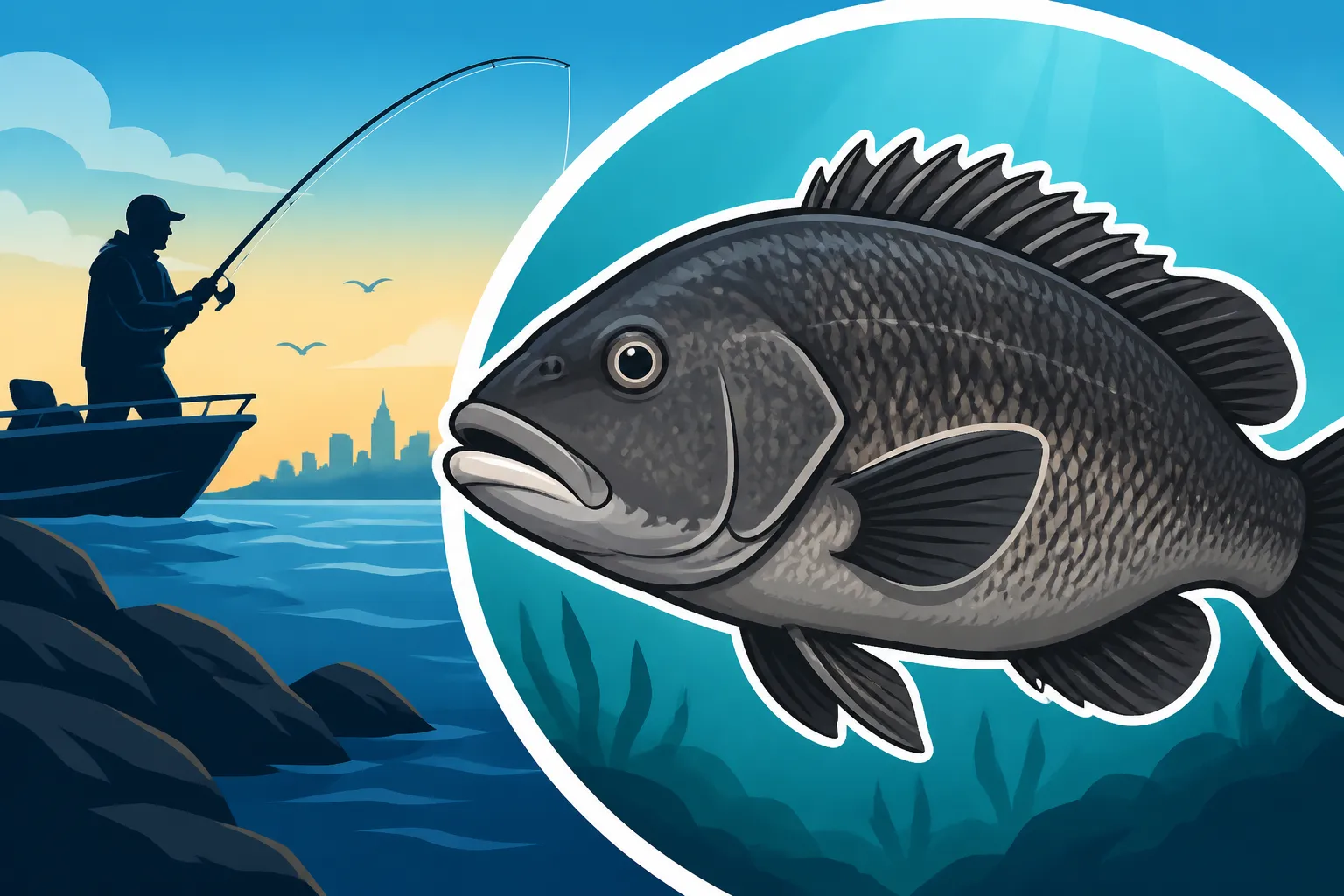
Let's clear up the confusion right off the bat. The tautog, Tautoga onitis, is a fascinating saltwater fish native to the Western Atlantic Ocean, and they are particularly abundant in New York's marine waters. They're often called "blackfish" because of their typically dark, mottled coloration, which helps them blend perfectly into their rocky, often shadowy habitats. These aren't your typical streamlined, schooling fish; tautog are masters of their rugged domain, built for powerful, short bursts and incredibly strong bites.
Physical Characteristics and Identification
Imagine a fish with a rather blunt head, thick lips, and a set of buck teeth that look surprisingly human-like. That's a tautog! Their teeth are perfectly adapted for crushing the shells of their favorite prey – crabs and other crustaceans. Their bodies are stout and compressed, covered in thick scales, and their coloration can vary quite a bit, from mottled dark brown to greenish-gray or even almost black. This chameleon-like ability helps them disappear among rocks and wrecks.
One of the most distinguishing features, beyond those unique choppers, is their dorsal fin, which is long and spiny in the front, transitioning to softer rays in the back. They also have a thick caudal fin (tail) that provides incredible power for maneuvering in strong currents or when trying to pull a crab out of a crevice. Tautog generally grow at a moderate pace, but older, larger fish can be incredibly impressive. It's truly a thrill when you bring a hefty one boatside, seeing its broad shoulders and those powerful fins.
Tautog Habitat and Behavior
Tautog are absolute homebodies when it comes to their preferred environment. They are almost exclusively found in coastal waters, clinging to hard, structured bottoms. Think rocky reefs, mussel beds, submerged wrecks, bridge pilings, jetties, and even oyster beds. These structures provide them with both shelter from predators and an abundant pantry of their favorite foods. They love areas with strong tidal currents, as these currents sweep food past their hideouts.
Their diet is a testament to their powerful jaws. Tautog are primarily mollusk and crustacean eaters, with crabs being a major staple. Green crabs, fiddler crabs, hermit crabs, and even lobsters are all on the menu, along with mussels, clams, and barnacles. They'll use those buck teeth to effortlessly crack open shells, making short work of even well-armored prey. This dietary preference also explains why certain baits are so effective – you're essentially offering them what they already love to eat in their natural environment. They're not particularly fast swimmers over open water, preferring to ambush their meals from the safety of their rocky strongholds. Understanding this behavior is key to successful tautog fishing.
Where Do Tautog Live in New York Waters?
New York's diverse coastline provides ample opportunities to target tautog, from the bustling waters around New York City to the tranquil expanses of Long Island Sound. These fish are pretty predictable in their choice of residence, always seeking out that hard, structured cover. If you know where to look, you can find them.
Prime New York Tautog Haunts
When you're thinking about where to find tautog in New York, you really need to think structure. Our coastal waters are littered with prime tautog habitat. The entire length of Long Island Sound is a fantastic starting point, especially the rocky shores, jetties, and breakwaters along both the Long Island and Connecticut sides. Many anglers find success around the various bridge pilings and rock formations.
Further south, the waters around New York Harbor, including areas off Staten Island and Brooklyn, offer excellent tautog fishing, particularly around shipping lanes with submerged debris, old piers, and rocky edges. Don't forget the popular fishing piers too; many offer fantastic access to tautog grounds, as described in Best Fishing Piers in New York City. For those looking for bigger, offshore fish, Montauk is a perennial hotspot, with its numerous reefs, wrecks, and rocky outcroppings that extend well into the Atlantic. Spots like these often have guides specializing in these areas, and knowing where the "locals" fish is often half the battle. You might even find dedicated advice on Best Spots for Blackfish Near New York Harbor.
Seasonal Movements of Tautog
Tautog are not static residents; their location often depends on the water temperature and their spawning cycles. Generally, you'll find them closer to shore in the spring and fall. In spring, after the colder winter months, they move into shallower waters to feed actively and prepare for spawning. This is a great time for shore anglers or those with smaller boats to target them.
As summer progresses, many tautog will move into slightly deeper, cooler waters, often congregating around offshore wrecks and reefs. They can still be caught inshore, but the action might be slower. The fall run is arguably the most popular time to fish for tautog in New York. As water temperatures drop, these fish become incredibly active, feeding aggressively to build up reserves for winter. They'll be found in a wide range of depths, from shallow rock piles to deeper offshore structures, making for some truly epic fishing days. When winter truly sets in and water temperatures plummet, tautog retreat to deeper, more stable environments, making them harder to target without specialized equipment and knowledge.
How to Catch Tautog in New York
Catching tautog isn't like casting for bluefish or trolling for salmon. These fish are notoriously finicky, incredibly strong, and demand a specific approach. It's a game of patience, finesse, and brute strength all rolled into one. If you're ready for a challenge, the reward is a hard-fighting fish and a delicious meal.
Essential Gear and Tackle
When it comes to tautog, you need gear that can take a beating and give one back. This isn't a job for your ultralight trout rod!
- Rods: A medium-heavy to heavy action rod, typically 6.5 to 7.5 feet long, is ideal. You need a stiff backbone to muscle fish out of structure and a sensitive tip to detect those subtle bites. Many anglers prefer rods designed specifically for jigging or bottom fishing for this reason.
- Reels: A sturdy conventional reel (baitcaster) is often preferred, loaded with heavy braided line. The direct contact and power of a conventional reel are great for feeling light bites and cranking in a strong fish. Spinning reels can work, but make sure it's a robust model with excellent drag.
- Line: Braided line in the 30-50 lb test range is standard. Braid offers incredible sensitivity to feel those delicate "taps" and has no stretch, which is crucial for a quick, powerful hook set. You'll typically tie a fluorocarbon leader of 30-50 lb test to your braid, providing abrasion resistance against sharp rocks and tautog teeth.
- Hooks: Strong, sharp hooks are non-negotiable. Octopus or wide-gap hooks in sizes 1/0 to 4/0 are common. You want hooks that can stand up to powerful jaws and hold firm. Consider using a tautog jig with a single hook, especially if you're fishing in really snaggy areas. You can find a vast array of these specialty items on Amazon, making it easy to prepare for your trip.
- Sinkers/Jigs: Depending on the current and depth, you'll need bell sinkers ranging from 3 to 12 ounces. The goal is to hold your bait firmly on the bottom. Tautog jigs, which combine a weighted head with a hook, have become incredibly popular as they offer a more direct presentation and reduce snags. They're often painted in natural colors like green or brown.
Baits and Techniques That Work
This is where the art of tautog fishing truly comes into play. Their diet dictates their bait preference, and presentation is everything.
- Baits:
- Crabs: Hands down, crabs are king. Green crabs are perhaps the most popular and readily available. Fiddler crabs, though smaller, are also highly effective. Hermit crabs, with their soft bodies, are another excellent choice, but can be harder to find. When using crabs, you'll often break them in half or quarters (depending on size) to expose the meat and make them easier for the tautog to bite and for the scent to disperse.
- Clams: Fresh surf clams or skimmer clams can also work, especially in areas where clams are a natural food source. They're messier to work with but can be very effective when other baits are slow.
- Techniques:
- Bottom Rigging: The most common method involves a basic "tog rig" – a sinker at the bottom, with one or two snelled hooks on dropper loops above it. This keeps your bait directly on the bottom, where tautog feed.
- Jigging: Tautog jigs are a game-changer. You tip the jig with a piece of crab and present it directly to the structure. This method allows for more direct contact, better feel, and fewer snags than traditional rigs if done correctly. It requires a sensitive touch to feel the soft "taps" of a tautog before it commits to a full bite.
- Feeling the Bite: This is the most challenging part. Tautog bites are often incredibly subtle. It might start as a slight tap, then another, before they really commit. You need to be patient, but also quick. Many anglers describe it as a "peck" rather than a strong pull. The moment you feel that definitive "thump" or sustained pressure, set the hook hard and immediately begin reeling to pull the fish away from the snags.
- Patience and Persistence: Tautog fishing can be slow, with long periods of no action followed by furious bites. Stay focused, pay attention to your rod tip, and be ready to react at a moment's notice. Moving between different pieces of structure can also increase your chances.
Regulations and Conservation for New York Tautog
As with any popular fish species, specific regulations are in place to ensure the sustainability of tautog populations in New York. It's not just about catching fish; it's about being responsible stewards of our marine resources. Understanding and adhering to these rules is crucial for preserving this fishery for future generations. For a broader look at saltwater fishing guidelines, check out the New York Saltwater Fishing Registration Guide.
Key Regulations to Know
New York's tautog regulations typically revolve around several key factors:
- Size Limits: There will be a minimum legal length that a tautog must meet before you can keep it. This ensures that fish have a chance to mature and reproduce at least once.
- Bag Limits: This refers to the maximum number of tautog you are allowed to keep per angler per day. These limits are set to prevent overfishing.
- Seasons: Tautog fishing is often regulated by specific seasons, meaning there are designated periods when you can legally target and keep them, and periods when fishing might be restricted or catch-and-release only. These seasons are often designed around spawning periods or to allow populations to recover.
It is absolutely vital to consult the most current regulations issued by the New York State Department of Environmental Conservation (DEC) before heading out. These rules can change from year to year based on stock assessments and management goals. You can usually find the most up-to-date information on their website or by picking up a physical copy of the New York Fishing Regulations Explained or specifically the marine fishing guide. Pay close attention to New York Fishing Season Dates and Catch Limits for tautog, as they can sometimes vary by region within New York waters.
Why Conservation Matters
Tautog are slow-growing and long-lived fish, which makes them particularly vulnerable to overfishing. A large, mature female tautog can lay millions of eggs in a season, playing a critical role in replenishing the stock. When we remove too many of these larger, breeding fish, it can have a significant impact on future populations.
Adhering to size and bag limits helps protect these breeders and allows younger fish to grow. Practicing responsible catch and release, especially for any fish you don't intend to keep or those that exceed the slot limits (if applicable), is another way to contribute. Handle fish gently, minimize their time out of water, and use proper dehooking tools. By following these guidelines, we ensure that the exciting challenge of tautog fishing remains a vibrant part of New York's angling scene for years to come. Remember, learning more about different Fish Species You Can Catch in New York and New York's Most Popular Saltwater Fish will make you a more informed and responsible angler.
Here's a quick look at common tautog baits and their characteristics:
| Bait Type | Description | Pros | Cons |
|---|---|---|---|
| Green Crabs | Small, hardy crabs found in rocky intertidal zones. | Readily available, very effective, tough bait. | Can be expensive, require cracking/cutting. |
| Fiddler Crabs | Smaller crabs, easily identified by large claw on males. | Extremely effective, especially for finicky fish. | Smaller size, can be harder to keep on hook, less durable. |
| Hermit Crabs | Soft-bodied crabs living in discarded snail shells. | Highly prized by tautog, very natural scent. | Hard to find, expensive, delicate, come out of their shell. |
| Clams | Pieces of fresh surf clams or skimmer clams. | Strong scent trail, can be effective in certain areas. | Messy to use, soft bait, can be easily picked off by baitfish. |
Disclaimer
This article is for general informational purposes only and does not constitute professional advice. Laws, prices and regulations vary by location and change over time. Consult a qualified professional for guidance on your specific situation.