Average Tautog Size Near New York Harbor
It can be incredibly exciting to head out fishing in the vibrant waters near New York Harbor, but it’s also easy to feel a little lost when you’re wondering what kind of fish you might actually encounter. When it comes to tautog, or blackfish as many of us call them, you might be dreaming of pulling in a monster, but it's really helpful to know what the average catch looks like. This guide will walk you through what to realistically expect when targeting tautog in this bustling metropolitan area, helping you set expectations and improve your chances of a rewarding trip.
Understanding Tautog in New York Harbor
Tautog, affectionately known as blackfish, are a truly unique and highly sought-after species among anglers in the New York Harbor area. These bottom-dwelling fish are famous for their strong fighting ability and delicious white meat, making them a prime target for many local fishermen. They thrive in rocky, structured environments, which is exactly why the New York Harbor, with its numerous piers, jetties, reefs, and wrecks, provides such an ideal habitat for them. Understanding their preferred environment and habits is the first step to knowing what size fish you might encounter.
The Tautog's Preferred Habitat
If you're looking for tautog, you need to think structure, structure, structure. These fish aren't out cruising open sandy flats; they're hunkered down amidst rocks, pilings, mussel beds, and any other hard-bottomed features that offer protection and a bounty of food. Near New York Harbor, this translates to areas around the Verrazzano-Narrows Bridge, the remnants of old piers, rocky shorelines along Staten Island, and various artificial reefs scattered throughout the bay. They use these spots not just for shelter from currents and predators, but also as their personal buffets, feeding on crabs, mussels, and other crustaceans that cling to these underwater formations. When you hear local anglers talking about a "sticky" bottom, they're usually referring to tautog territory, where snagging is common but so are the fish!
The dynamic nature of the harbor, with its strong tides and constant boat traffic, only reinforces their need for sturdy cover. They're incredibly adept at navigating these complex underwater landscapes, using their powerful jaws and blunt teeth to crush shellfish. This attachment to structure also means that specific locations can hold different populations of fish, some areas favoring smaller, more numerous individuals, while others might occasionally yield a true bruiser. Knowing your chosen spot and its typical structure can really give you a leg up.
Why Tautog are a Popular Target
The popularity of tautog fishing in New York Harbor isn't just about their taste or their fighting spirit; it's also about the challenge. These fish are notoriously finicky eaters, often described as "bait stealers" by frustrated anglers. Their bite is subtle, yet their pull once hooked is formidable, often sending your rod tip deep into the water. This combination of cunning and strength makes landing a nice tautog a genuine accomplishment. It's not uncommon to spend a good portion of a fishing trip trying to detect their light tap, only to be rewarded with a powerful head shake and a determined battle for every inch of line.
Beyond the sport, the accessibility of tautog fishing near New York City is a huge draw. You don't always need a fancy boat to target them; many anglers find success fishing from shore, piers, or small skiffs in accessible areas. This makes it a fantastic option for urban anglers who might not have the means or desire to venture far offshore. Plus, unlike some migratory species, tautog are generally present in the area for a significant portion of the year, providing consistent opportunities, especially during the cooler months when other species might be less active. For more on these amazing fish, check out our article on What a Tautog (Blackfish) Is.
Average Size Expectations for Tautog
When you're out fishing for tautog near New York Harbor, it's natural to wonder what size fish you're likely to catch. While everyone dreams of a trophy, understanding the average size will help you set realistic expectations and appreciate every fish you bring to the boat or shore. Generally, you're looking at a pretty respectable fish, especially compared to some other inshore species.
Typical Tautog Size in New York Harbor
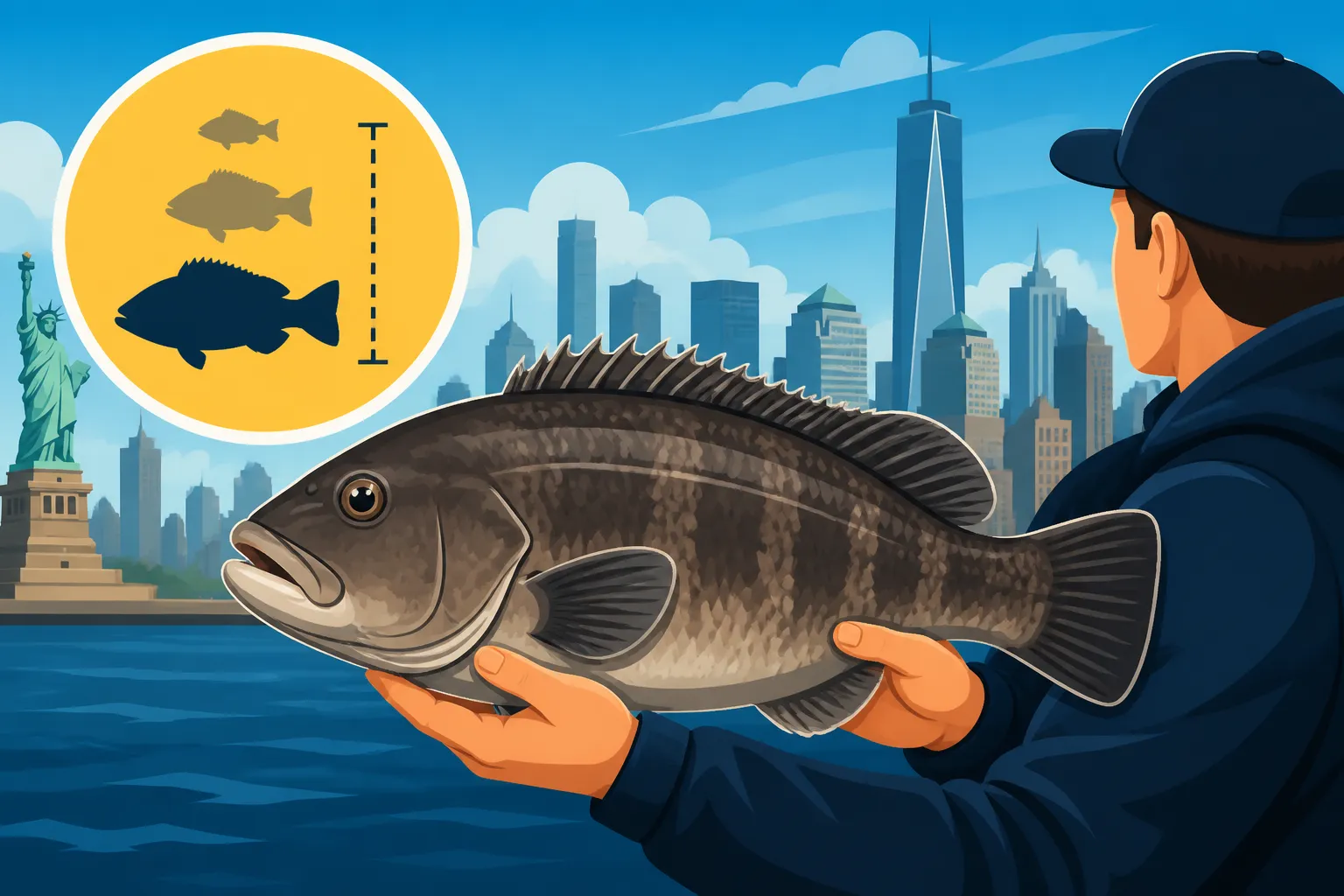
For most recreational anglers in New York Harbor, a "good" tautog typically falls into the 2 to 5-pound range. These fish are common and provide excellent sport. When you hook one of this size, you'll definitely know it's there; they put up a solid fight, especially when they try to wrap you around structure. Many of the tautog you encounter will be within the legal minimum size limit, which is always a relief after patiently waiting for that bite. It's these 2-5 pounders that fill most anglers' coolers and provide the bulk of the fishing action throughout the season.
It's also worth noting that within this average, you'll find plenty of smaller "shorts" (fish below the legal size) that need to be released. These smaller fish are often more aggressive and quicker to bite, sometimes leading to a flurry of activity before you find the keepers. Learning to differentiate their subtle bites from those of larger fish can be a real skill developed over time. Patience is key, as is a willingness to release many fish to grow larger.
How Age and Growth Rates Influence Size
Tautog are relatively slow-growing fish, and their growth rates can be influenced by several factors, including food availability, water temperature, and fishing pressure. In the cooler waters of the Northeast, they can live for quite a long time, with some individuals reaching impressive ages of 20 years or more. However, those really old, large fish are often more elusive and occupy the deeper, less disturbed structures. A 2 to 5-pound tautog is likely several years old, perhaps ranging from 3 to 7 years, having successfully navigated the challenges of juvenile life in the harbor.
The bigger "brutes" – those fish pushing 8, 10, or even 12+ pounds – are often considerably older, sometimes well over a decade. These grander specimens have survived countless fishing seasons and are usually much warier, making them a true prize. Catching one of these larger fish isn't an everyday occurrence for most anglers, but it certainly happens, especially during the peak seasons when larger fish are more active in shallower, more accessible areas. If you're consistently catching smaller fish, it might be worth exploring different spots or trying different techniques to tempt those older, wiser tautog. You can learn more about general regulations in our New York Fishing Regulations Explained guide.
Factors Influencing Tautog Size
While the average tautog size in New York Harbor tends to fall into a common range, there are several key factors that can significantly influence the size of fish you encounter. Understanding these elements can help you refine your fishing strategy and increase your chances of landing larger, more desirable tautog. It’s not just about being in the right place, but also about the right time and technique.
Habitat Depth and Structure
The type and depth of the habitat play a huge role in the size of tautog present. Deeper, more complex structures, like shipwrecks or extensive rock piles that see less fishing pressure, often hold larger, older fish. These areas provide more sanctuary and a more stable environment for tautog to grow to their maximum potential. In contrast, shallower, easily accessible structures like popular piers or jetties, while teeming with tautog, might predominantly yield smaller, juvenile fish because of higher fishing pressure and competition for food.
Think about it: a giant, ancient tautog didn't get that way by hanging out in a spot where it's constantly being fished. They learn, they adapt, and they seek out the best, most protected homes. So, if you're seriously hunting for a trophy, you might need to venture to those spots that are harder to reach or require more specialized equipment, like offshore wrecks or deeper rock formations in the outer harbor. Many local fishing guides who specialize in blackfish spend years developing their knowledge of these secret, productive spots.
Food Availability and Diet
Tautog are primarily bottom feeders with a specialized diet consisting mostly of crustaceans and shellfish. Their powerful jaws are perfectly adapted for crushing crabs, mussels, and barnacles. The abundance and variety of these food sources in a particular area will directly impact the growth and overall health of the tautog population. A rich, diverse ecosystem with plenty of crab species, such as green crabs, Asian shore crabs, or fiddler crabs, will support healthier, larger fish.
Areas with strong tidal currents often present a continuous buffet line for tautog, bringing a steady supply of dislodged crustaceans and other invertebrates. This constant access to food, combined with the energy conservation afforded by hiding in structure, allows them to grow at a better rate. Conversely, areas with limited food or an imbalance in the food chain might result in stunted growth. When you're rigging up for tautog, using fresh, lively bait that mimics their natural diet, like green crabs or hermit crabs, is absolutely essential. Many anglers buy their crabs from local bait shops, but you can also find specialized crab nets and buckets on platforms like Amazon if you want to catch your own.
Fishing Pressure and Regulations
New York Harbor is a heavily fished area, and fishing pressure naturally impacts the average size of tautog. Intense recreational and commercial fishing can thin out the larger, older fish, leaving a population dominated by smaller, younger individuals. This is a common challenge in any urban fishery. To combat this and protect the species, strict regulations are put in place, including minimum size limits, daily creel limits (how many fish you can keep), and specific fishing seasons.
These regulations are crucial for ensuring the sustainability of the tautog population. For instance, the minimum size limit means that all smaller fish must be immediately released, allowing them to grow and potentially spawn multiple times. This management helps maintain a healthy age structure within the population, hopefully leading to more opportunities for anglers to catch larger fish in the future. Always make sure you're up-to-date on the current New York Fishing Regulations Explained to avoid penalties and contribute to conservation efforts.
Here's a quick look at how these factors can influence the tautog you might encounter:
| Factor | Impact on Tautog Size | Typical Location in NY Harbor |
|---|---|---|
| Habitat Depth/Structure | Deeper, complex, less fished structures = Larger fish | Offshore wrecks, deep rock piles |
| Shallower, accessible, heavily fished structures = Smaller fish | Piers, jetties, popular shore spots | |
| Food Availability | Abundant, diverse crustacean/shellfish diet = Larger, healthier fish | Areas with strong currents, mussel beds |
| Limited food sources = Smaller, potentially less healthy fish | Areas with poor bottom habitat | |
| Fishing Pressure/Regulations | Low pressure, adherence to limits = More large fish | Less accessible, remote spots |
| High pressure, disregard for limits = Fewer large fish | Popular fishing spots, high traffic areas |
Tips for Targeting Larger Tautog
Now that you have a good grasp of what influences tautog size, let's talk about how you can actually increase your odds of catching those bigger, more impressive fish. It's not just luck; it's a combination of strategy, patience, and the right gear. Chasing those trophy tautog can be incredibly rewarding.
Choosing the Right Gear and Bait
To tackle larger tautog, you need gear that can withstand their powerful runs and their tendency to dive straight back into structure. A medium-heavy to heavy conventional rod, often 7 to 8 feet long, paired with a robust conventional reel spooled with 40-60 lb braided line is a solid setup. The braid offers superior sensitivity to detect those subtle bites and the strength to pull fish out of snags. A fluorocarbon leader of 30-50 lb test is also essential for abrasion resistance against rocks and sharp barnacles. For hooks, a strong, sharp octopus or snelled hook in sizes 2/0 to 5/0 is common, depending on your bait. You can find a wide array of specialized fishing tackle, including robust lines and strong hooks, readily available on Amazon.
When it comes to bait, fresh is always best. Green crabs are the undisputed king for tautog, especially when targeting bigger fish. Cutting them in half (or quarters for very large crabs) exposes more scent and makes them easier for tautog to grab. Other excellent choices include fiddler crabs, hermit crabs, and even pieces of clam or mussel, though crabs are generally more durable against smaller bait stealers. Ensure your bait is presented naturally and firmly attached to the hook, because tautog are experts at nibbling it off.
Identifying Productive Spots and Structures
Finding where the larger tautog live is perhaps the most critical step. As mentioned, they love structure, but specifically, they love complex structure in deeper water. Look for humps, rock piles, ledges, and wrecks that aren't pounded by every passing angler. Marine charts and fish finders are invaluable tools for identifying these hidden gems. Pay attention to sudden depth changes, areas marked as "rocky bottom," or known artificial reef sites. When fishing from shore, target areas with visible rock jetties, bridge pilings, or natural rock outcroppings where the current sweeps food past.
A great strategy is to start by fishing the edges of known structure and then slowly working your way into the densest parts. Larger tautog are often found deeper within the cover. Don't be afraid to move around if a spot isn't producing keepers. Sometimes, even shifting your boat or position on a pier by a few feet can put your bait right in front of a big fish that was previously hidden. Exploring new spots or returning to less-fished areas can yield fantastic results. Consider our guide on Best Fishing Spots Near New York City for more ideas.
Mastering the Tautog Bite
Catching big tautog often comes down to mastering their notoriously subtle bite. It's not usually a crashing strike; instead, it's more like a series of gentle taps or a slight weight. Many experienced tautog anglers describe it as feeling for the "pressure" of the fish rather than a distinct tug. You'll feel a subtle tap-tap, then a heavier "mush" or "thump" as the fish commits. That's your moment to set the hook with a strong, upward sweep of the rod. Missing this window means your bait is likely gone.
The key is patience and focus. Keep your line as tight as possible without moving your bait too much. Use just enough weight to hold the bottom in the current, allowing your bait to sit naturally. Watch your rod tip intently, and try to differentiate between the gentle nudges of smaller fish or current and the more committed bite of a larger tautog. It takes practice, but once you start getting the rhythm, it becomes incredibly addictive. Many anglers use a technique called "feeling the drop," where they slightly lift their bait and let it fall back down, often provoking a strike as the bait settles.
Respecting Regulations and Conservation
Finally, and perhaps most importantly, always respect the local fishing regulations for tautog. This includes adhering to minimum size limits, daily bag limits, and seasonal restrictions. These rules are in place to protect the species and ensure that future generations of anglers can also enjoy the thrill of catching tautog in New York Harbor. Releasing smaller fish unharmed is crucial for the population's health.
When releasing fish, do so quickly and carefully. Minimize their time out of water, use dehooking tools if necessary, and support their body weight. If you're targeting those larger, older fish, sometimes it's even worth considering a catch-and-release policy for the true giants, allowing them to continue spawning and contributing to the gene pool. Being a responsible angler means not just catching fish, but also contributing to the conservation of the species. For detailed information, consult the New York DEC Fishing Regulations Guide.
Disclaimer
This article is for general informational purposes only and does not constitute professional advice. Laws, prices and regulations vary by location and change over time. Consult a qualified professional for guidance on your specific situation.