Are Round Gobies a Problem in Lake Ontario?
For anyone who spends time casting a line into the vast expanse of Lake Ontario, the mention of "round gobies" can often spark a mix of frustration and curiosity. These small, bottom-dwelling fish have certainly made their presence known, and many anglers are wondering: are they just a nuisance, or are they a serious problem for our beloved fishery? This guide will dive deep into the world of the round goby in Lake Ontario, exploring their impact, what it means for native species, and how we, as anglers, fit into the bigger picture.
Understanding the Round Goby Invasion in Lake Ontario
When you talk about invasive species, the round goby is one that quickly comes to mind for anyone familiar with the Great Lakes. They've really shaken things up, and understanding who they are and how they got here is the first step to grasping the full scope of their impact.
What Exactly Is a Round Goby?
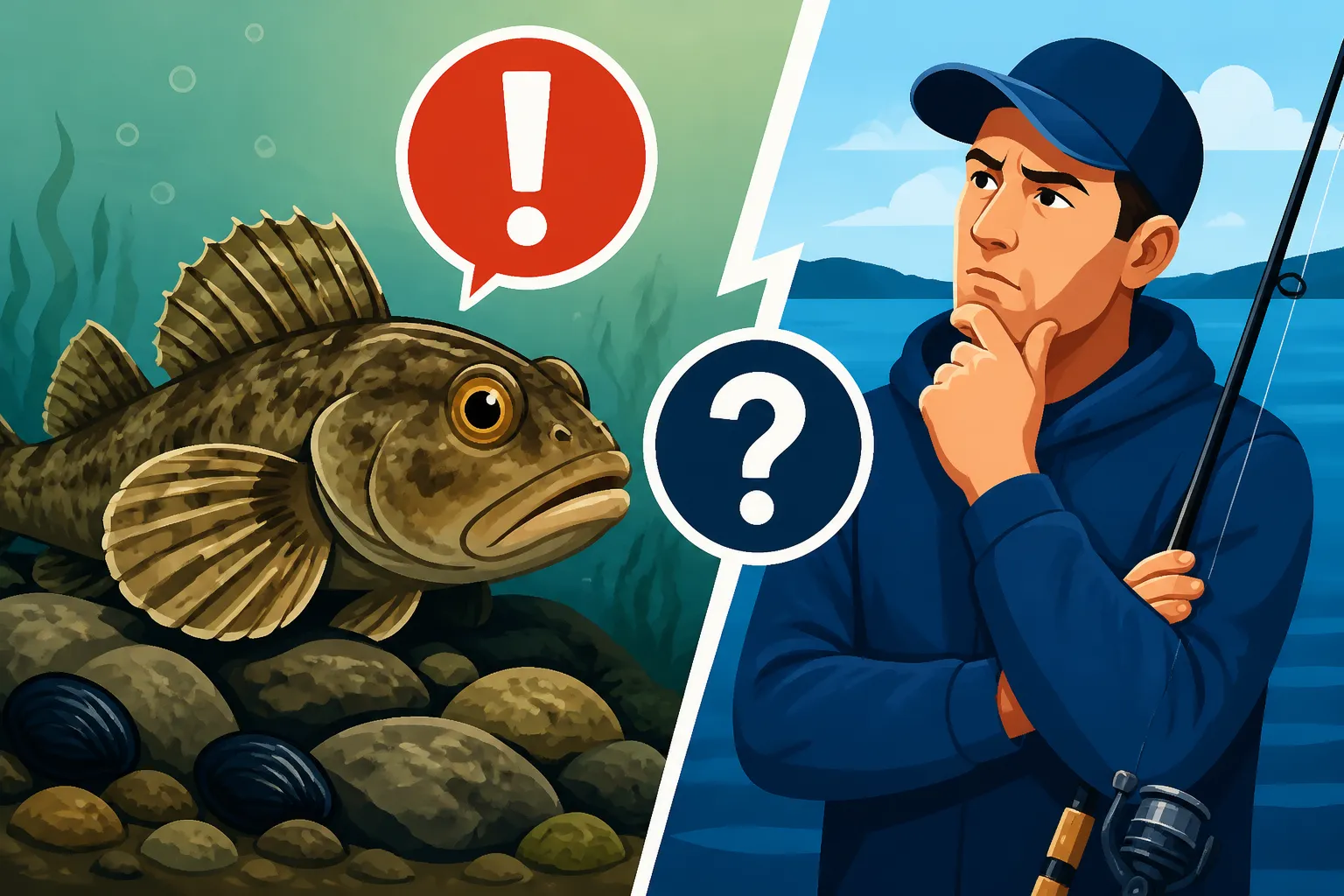
Imagine a small, mottled brown fish, usually no more than 4 to 10 inches long, with bulging eyes and a prominent dorsal fin. That's your typical round goby. What truly sets them apart, though, is their unique pelvic fin, which is fused into a suction cup-like disc on their underside. This allows them to cling to rocks and other substrates, even in strong currents. Originally from the Black and Caspian Seas in Eurasia, these little guys are tough, aggressive, and incredibly adaptable. They can tolerate a wide range of water conditions, which has unfortunately made them perfectly suited for a new life in the Great Lakes. They're primarily bottom-feeders, scooping up insects, mussels, and even the eggs and fry of other fish with their surprisingly large mouths.
How Did They Get to Lake Ontario?
The story of the round goby's arrival in Lake Ontario, and indeed the entire Great Lakes system, is a classic tale of unwitting human introduction. These fish are believed to have hitched a ride in the ballast water of international cargo ships traveling from their native Eurasian waters. When these ships discharged their ballast water into the Great Lakes, the gobies found a new home. They were first detected in the St. Clair River, near Detroit, in 1990. From there, they spread rapidly through the interconnected waterways, including the Erie Canal system, eventually making their way into Lake Ontario. Their resilience and ability to colonize new areas quickly meant that once they were established, there was no turning back. It's a stark reminder of how interconnected our global waterways truly are, and why strict ballast water regulations are so crucial today.
Why Are They So Successful?
Round gobies are, in a word, prolific. Their success in Lake Ontario can be attributed to several key factors that make them formidable invaders. First, they breed like crazy, spawning multiple times throughout the spring and summer. A single female can lay thousands of eggs in a season! Second, they're highly aggressive and territorial, often outcompeting native bottom-dwelling fish for prime spawning sites and food sources. They don't just sit back; they actively push other species out. Third, they have a diverse diet, which means they're not picky eaters. They'll munch on a wide variety of invertebrates, including invasive zebra and quagga mussels (which we'll touch on later), and sadly, the eggs and young of native fish. This adaptability, combined with a lack of natural predators initially, created a perfect storm for their population explosion. They're tough, they multiply quickly, and they eat whatever they can find.
The Negative Impacts of Round Gobies on Lake Ontario's Ecosystem
Now, let's get to the crux of the problem. While it might seem like a small fish couldn't cause that much trouble, the reality is that round gobies have significant ripple effects throughout the Lake Ontario ecosystem.
Competition with Native Fish Species
One of the biggest concerns about round gobies is their direct competition with native fish. Think about species like darters, sculpins, and even juvenile smallmouth bass. These fish rely on similar habitats—rocky bottoms, cracks, and crevices for shelter and spawning. The aggressive nature of the round goby means they often win these territorial disputes, displacing native fish from crucial feeding and breeding grounds. It's like a bully moving into a neighborhood and taking over all the best spots. This competition for resources and space can lead to a decline in native populations, especially those already struggling with other environmental pressures. It can be disheartening to find your favorite fishing spot now teeming with gobies instead of the diverse native species you once encountered.
Predation on Eggs and Fry
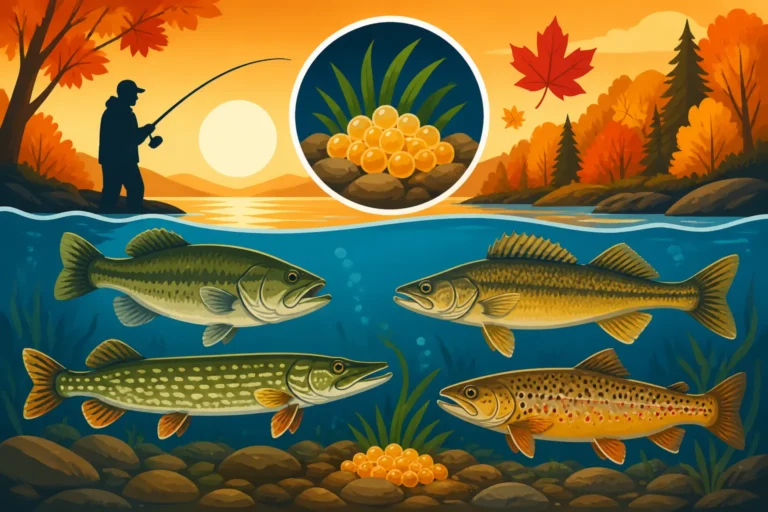
This is perhaps where the round goby's impact hits hardest for many anglers and conservationists. Round gobies are notorious for their voracious appetite for the eggs and fry of other fish. They are cunning predators, sneaking into the nests of species like smallmouth bass, lake trout, and even Walleye in New York, devouring entire clutches of eggs. Imagine a bass guarding its nest diligently, only for a handful of gobies to swarm in and feast when the parent fish is distracted or moves away. This predation can severely reduce the reproductive success of native game fish, directly impacting future generations. When you see fewer young fish in the water, a part of that struggle can often be attributed to the relentless pressure from round gobies. It's a silent threat that chips away at the foundations of our fishery.
Disrupting the Food Web
The round goby's presence doesn't just affect the fish they compete with or eat; it sends shockwaves through the entire aquatic food web. They consume vast quantities of benthic invertebrates, particularly invasive zebra and quagga mussels. While on the surface this might sound like a good thing – gobies eating other invasives – it's not that simple. These mussels filter huge amounts of water, increasing clarity but also shifting nutrient cycles. By consuming these mussels, gobies accumulate toxins from the mussels into their own bodies. When larger fish like Lake Trout in New York or New York's Bass Species Explained then eat the gobies, those toxins are transferred up the food chain, potentially impacting the health of those larger fish and even the safety of consuming them. Furthermore, their sheer numbers mean they're consuming resources that native invertebrates and other bottom-dwelling fish would typically rely on, fundamentally altering the energy flow of the ecosystem. It's a complex chain reaction where one change can trigger many others, making it harder for the ecosystem to find a new balance.
The "Hidden" Upside for Some Anglers and Species
It's not all doom and gloom, however. While the round goby is undeniably an invasive problem, nature has a funny way of adapting, and in some cases, these invaders have inadvertently created new opportunities or food sources for other species.
A New Food Source for Game Fish
Believe it or not, the sheer abundance of round gobies has turned them into a readily available, high-protein snack for many of Lake Ontario's top predators. Large smallmouth bass, lake trout, brown trout, and even Muskellunge in New York have learned that gobies are easy pickings. You'll often hear anglers talk about catching bass with stomachs full of gobies. This new food source might, in some ways, contribute to faster growth rates or fatter fish in certain areas, particularly for those predators that are opportunistic feeders. It's a bittersweet reality: while gobies harm the ecosystem, their presence means a consistent meal for the fish we love to catch. Anglers targeting these predatory species might even find success using lures that imitate the distinct profile of a round goby.
Easier to Catch for Panfish Enthusiasts
If you're out with the kids or just looking for some steady action, gobies can actually provide a surprising amount of fun. They're incredibly aggressive biters and can be caught on almost any small bait or lure. For beginner anglers, or those seeking an easy target, they offer a chance to practice casting and reeling without the frustration of empty hooks. While they aren't traditionally considered a sport fish, their willingness to bite means you're almost guaranteed to get some action. Just remember, if you're catching them for sport, follow local guidelines on whether to release or dispose of them to prevent further spread. For small hooks and basic bait, they're surprisingly cooperative!
Bait Potential and Considerations
Given their abundance and hardiness, it's perhaps no surprise that some anglers have considered using round gobies as bait. And indeed, they can be very effective as live bait for larger predatory fish, precisely because those predators already recognize them as a food source. However, and this is a huge caveat, using live round gobies as bait is strictly regulated and often illegal to prevent their further spread. You absolutely do not want to introduce them to new waterbodies. Always check the latest New York Fishing Regulations Explained before even considering using any fish as bait. The risks of introducing an invasive species to new waters far outweigh any perceived benefit. If you catch a goby and want to use it, the safest approach is often to kill it immediately and use it as cut bait in the same body of water where it was caught. Some anglers even use artificial lures designed to mimic the goby's appearance and action, getting the benefit without the risk. You can find many effective soft plastic goby imitations on platforms like Amazon if you're looking to "match the hatch" without breaking the rules.
Managing the Round Goby Population and What Anglers Can Do
While completely eradicating round gobies from Lake Ontario is likely an impossible task, there are definitely steps we can take, as individuals and as a community, to help manage their impact and prevent their spread to other pristine waters.
Preventing Further Spread
This is perhaps the most critical role an angler plays. The movement of boats and bait is a primary vector for invasive species. Every time you pull your boat out of Lake Ontario, or any waterbody, you must "Clean, Drain, Dry."
- Clean: Remove all visible mud, plants, fish, or animals from your boat, trailer, and fishing gear before leaving the launch. Pay close attention to anchor ropes, fishing lines, and nets where small organisms can cling.
- Drain: Drain all water from your boat's bilge, livewells, and bait buckets before you leave the launch. This includes any water that might be trapped in your motor or other compartments.
- Dry: Allow your boat, trailer, and all gear to thoroughly dry for at least 5 days before launching in another waterbody. If drying isn't possible, a high-pressure wash with hot water can also be effective.
Never transport live bait from one body of water to another. If you catch baitfish, use them in the same water you caught them from, or dispose of them properly on land, far from any waterways. By following these simple but crucial steps, you become a frontline defender against future invasions. It's really up to all of us to be vigilant.
Reporting Sightings and Educating Others
Knowledge is power, and being aware of what's happening in our waters is vital. If you encounter round gobies in a waterbody where they haven't been previously reported, it's important to report your sighting to the relevant authorities, such as the New York State Department of Environmental Conservation (DEC). They track the spread of invasive species and this information helps them develop management strategies. Beyond reporting, simply talking to your fellow anglers and friends about the dangers of invasive species and the "Clean, Drain, Dry" message can make a huge difference. Share what you've learned from articles like this one about New York Freshwater Fishing Rules or New York Fishing Regulations Explained. The more people who understand the issue, the better equipped we all are to protect our natural resources.
Angler's Role in Population Control
While recreational fishing alone isn't going to eliminate the round goby population, anglers can play a small part in managing their numbers. In many areas, there are no specific bag limits on round gobies, and in some instances, anglers are encouraged to keep and dispose of any gobies they catch rather than returning them to the water. Always check the local regulations for the specific waterbody you're fishing. If you do keep gobies, ensure they are dispatched humanely and disposed of properly in the trash, never tossed back into the water or into another body of water. This applies even more so if you're fishing on New York's Great Lakes Tributaries where they might be staging to move upstream. Every goby removed is one less competing with native species or eating their eggs. While it might seem like a drop in the bucket, collective action can have an impact over time. Think of it as doing your part for the ecosystem.
| Impact Category | Round Goby Effect | Notes for Anglers |
|---|---|---|
| Native Fish Comp. | Outcompetes bottom-dwellers for food/habitat. | May see fewer darters, sculpins. Use caution with live bait. |
| Predation | Consumes eggs/fry of bass, trout, walleye. | Contributes to reduced recruitment of game fish. |
| Food Web Disruption | Consumes mussels, bioaccumulates toxins. | Larger predators eat gobies, potentially transferring toxins. |
| New Food Source | Provides high-protein diet for game fish. | Game fish can grow larger; use goby-imitating lures. |
| Catchability | Aggressive biters, easy to catch. | Good for beginners/kids; often no bag limit (check local rules). |
| Spread Risk | Easily moved via ballast water, live bait, boats. | Clean, Drain, Dry your boat/gear; never move live gobies. |
It's clear that round gobies are a complex issue in Lake Ontario, presenting both challenges and a few unexpected silver linings. While they pose a significant threat to native species through competition and predation, they've also become a new, abundant food source for many of our beloved game fish. As anglers, our primary responsibility is to understand their impact and, most importantly, to prevent their further spread. By being diligent with "Clean, Drain, Dry" practices, educating ourselves and others, and adhering to fishing regulations, we can all contribute to the health and future of Lake Ontario's incredible fishery. Every effort, no matter how small it seems, truly counts when it comes to protecting our waters.
Disclaimer
This article is for general informational purposes only and does not constitute professional advice. Laws, prices and regulations vary by location and change over time. Consult a qualified professional for guidance on your specific situation.