Fish Species Considered Endangered in New York Waters
It’s a truly special feeling to cast a line into New York’s incredible waters, whether you’re on a bustling pier in Montauk or a quiet Adirondack lake. But as much as we love the thrill of the catch, there’s a quiet worry many of us share: are we doing enough to protect these precious resources? This guide is all about shedding light on New York’s most vulnerable fish species – those considered endangered or threatened – so you can be a more informed and responsible angler, helping ensure a healthy aquatic future for everyone.
Understanding "Endangered" in New York's Waters
The terms "endangered" and "threatened" get thrown around a lot, and it can be confusing to understand what they truly mean, especially when we're talking about fish that live in vast, interconnected waterways. For anglers who genuinely care about the environment, it's crucial to grasp these classifications. They're not just bureaucratic labels; they're urgent calls to action for species on the brink.
What Does "Endangered" Actually Mean for Fish?
When a fish species is classified as "endangered" in New York, it means its population has declined to such a critical level that it faces an extremely high risk of extinction within the state in the near future. "Threatened" is a step before that, meaning the species is likely to become endangered in the foreseeable future if protective measures aren't taken. These classifications aren't arbitrary; they come from rigorous scientific assessment by the New York State Department of Environmental Conservation (DEC) and, for some species, federal agencies under the Endangered Species Act (ESA).
Experts consider a variety of factors: historical population sizes compared to current numbers, the rate of decline, the severity of threats to their habitat, and the species' reproductive capabilities. For instance, if a fish requires very specific water quality or spawning grounds that are rapidly disappearing due to pollution or development, its risk factor climbs dramatically. It's a complex puzzle, but the bottom line is that these fish are in deep trouble, often through no fault of their own.
Why Should Anglers Care About Endangered Species?
As anglers, we are intimately connected to the health of our waters. The presence of endangered fish often signals broader environmental problems – issues that can affect all fish populations, including the ones we love to pursue. Caring about endangered species isn't just about being a good citizen; it's about protecting the very future of fishing itself. When a species disappears, it's not just that one fish; it’s a loss in the food web, a disruption in the ecosystem balance. This ripple effect can eventually diminish the overall health and productivity of the fisheries we enjoy.
Beyond the ethical considerations, there are also practical implications. Catching, possessing, or harming an endangered species can lead to significant legal penalties, including hefty fines and even imprisonment. Ignorance of the law is generally no excuse. Moreover, demonstrating a collective commitment to conservation can help ensure that our access to fishing remains strong, rather than being restricted due to widespread environmental degradation. We have a unique opportunity to be stewards of these waters, and that responsibility begins with understanding and respecting the vulnerable life within them. You can learn more about rules in the New York Fishing Regulations Explained and consult the New York DEC Fishing Regulations Guide.
Key Endangered and Threatened Fish Species in New York
New York is home to an incredible diversity of aquatic life, from the smallest panfish to the mightiest salmon. However, tucked within this vibrant ecosystem are several species teetering on the edge. Knowing who they are, and why they’re in trouble, is the first step toward becoming a more conscientious angler. While some are rarely encountered by the average angler, others might surprise you.
The Iconic Atlantic Sturgeon
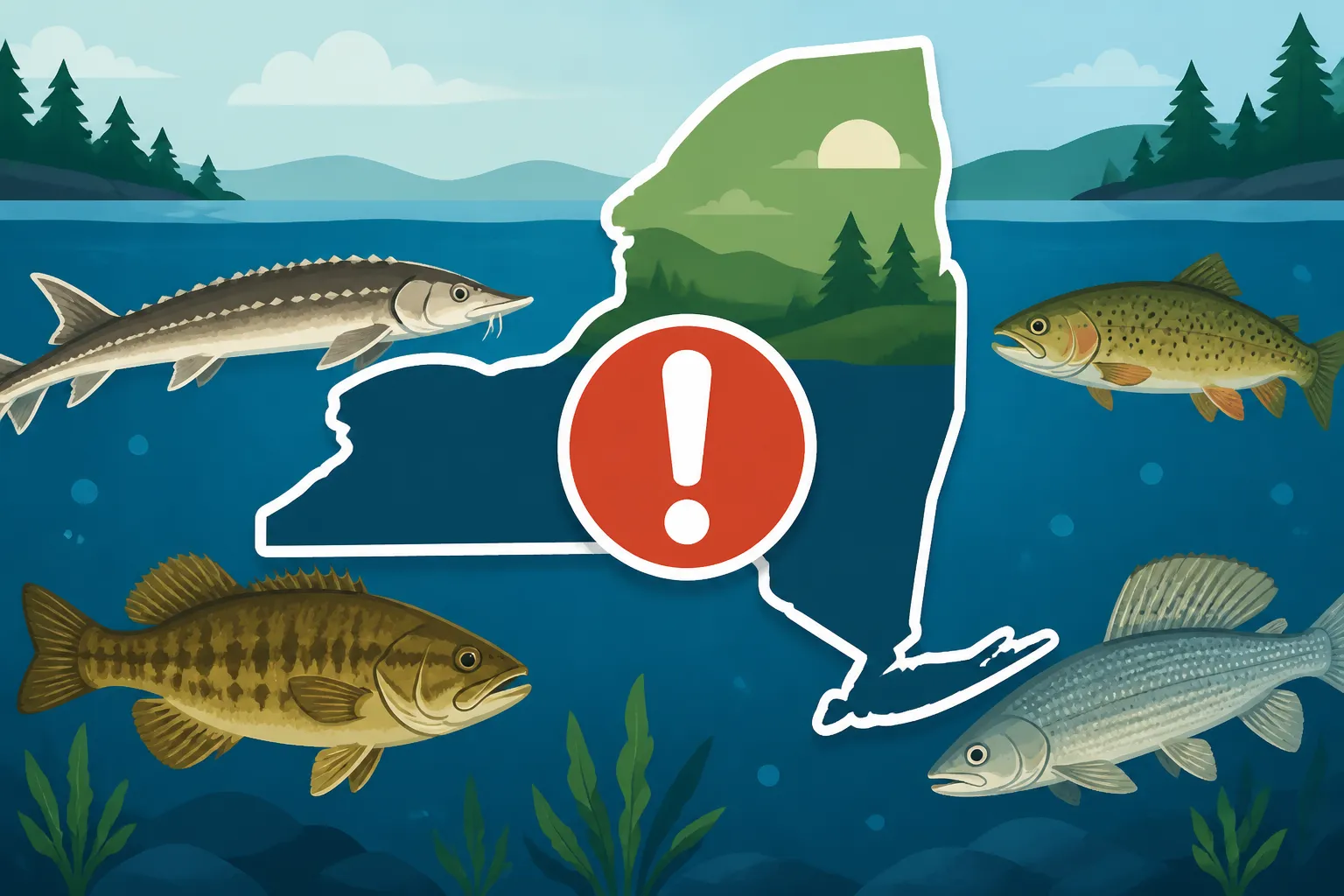
When you think of ancient, massive fish, the Atlantic Sturgeon often comes to mind. These magnificent creatures are truly living fossils, capable of growing over 15 feet long and living for more than 60 years. Historically, they were abundant in many of New York’s major rivers and coastal waters, migrating from the ocean to spawn in freshwater. Their roe was highly prized, and their flesh was a significant food source.
Sadly, centuries of overfishing, particularly for caviar, decimated their populations. Add to that extensive habitat degradation, including the damming of rivers that blocked their migratory routes, pollution, and now, even vessel strikes in busy shipping lanes, and you have a recipe for disaster. Today, the Atlantic Sturgeon is federally protected under the Endangered Species Act, and consequently, is also endangered in New York. While you can still find them, particularly in the lower Hudson River and certain sections of Long Island Sound, they are strictly off-limits to anglers. Any accidental catch must be released immediately and unharmed. Is the Atlantic Sturgeon Protected in New York? delves deeper into their specific protections. Spotting one jump is a rare and thrilling experience, a reminder of the wildness that still persists.
The Elusive Round Whitefish
Moving from the mighty sturgeon to a more subtle but equally important species, the Round Whitefish ( Prosopium cylindraceum) is a cold-water fish that exemplifies the fragility of certain ecosystems. In New York, this species is considered critically imperiled. These fish are typically found in the deep, clear, and cold waters of a few specific Adirondack lakes. They thrive in pristine environments, often preferring depths where oxygen levels are high and temperatures remain low throughout the year.
Their rarity in New York is largely attributed to a combination of factors, including habitat loss due to warming water temperatures (a significant concern for cold-water species), competition from invasive species like rainbow smelt, and historical impacts from pollution and acidification. Unlike the Atlantic Sturgeon, which can cover vast distances, the Round Whitefish's localized populations make them particularly vulnerable to environmental changes within their limited range. Anglers targeting trout or other cold-water species in Adirondack lakes might occasionally encounter a whitefish, but distinguishing it from other species like lake whitefish can be tricky. Should you suspect you’ve caught one, immediate, careful release is paramount. This species is a living indicator of the health and purity of our most pristine northern waters.
Other Vulnerable Species on the Radar
While the Atlantic Sturgeon and Round Whitefish are prominent examples of endangered species, New York has other fish that are classified as threatened or special concern, meaning they are also on a watchlist due to declining populations or specific threats. These include various smaller, less charismatic species that play vital roles in their respective ecosystems.
For instance, the Eastern Sand Darter is a tiny, bottom-dwelling fish found in specific sandy or gravelly habitats of certain rivers and streams. Its existence is threatened by habitat siltation, pollution, and impoundments that alter water flow and substrate. Similarly, the Pugnose Shiner, a small minnow that prefers clear, vegetated lakes and slow-moving rivers, is facing challenges due to habitat loss and degradation, making it a species of special concern.
Many of these smaller, lesser-known species are crucial components of the food web, providing sustenance for larger fish, birds, and other wildlife. Their decline often signals broader problems within the aquatic environment that can eventually affect even the New York's Most Popular Freshwater Fish. Conservation efforts for these species involve protecting and restoring their very specific habitats, which often benefits a host of other aquatic life as well. Being aware that such species exist encourages anglers to appreciate the entire web of life, not just the trophy fish.
Your Role as an Angler: Protecting Vulnerable Fish
As someone who loves spending time on the water, you have a vital role to play in the conservation of New York's endangered fish. It’s not about being an enforcement officer, but about adopting best practices and a mindful approach to your passion. Every single angler can contribute to a healthier future for our fisheries.
Identification and Responsible Handling
One of the most immediate ways you can help is by being able to identify what you’ve caught, and if it happens to be an endangered species, knowing how to handle it properly for immediate release. This might sound daunting, but it starts with a little preparation. Investing in a good fish identification guide (you can find excellent ones on Amazon or at local tackle shops) is a smart move. Familiarize yourself with the species that are rare or protected in the waters you frequent. The DEC provides resources on How to Identify Fish Species in New York.
If you do accidentally hook a protected species, the key is to minimize stress and injury. Here are some critical tips:
- Wet Your Hands: Always wet your hands before touching a fish. Dry hands can remove the fish’s protective slime coat, making it vulnerable to disease.
- Handle Minimally: Avoid handling the fish more than absolutely necessary. Try to keep it in the water as much as possible, especially during hook removal.
- Use De-hooking Tools: Carry needle-nose pliers or a de-hooking tool. These can help remove hooks quickly and cleanly, reducing damage, especially if the hook is deep.
- Cut the Line: If a hook is deeply embedded and cannot be removed without causing significant trauma, it’s often best to cut the line as close to the hook as possible. The hook will eventually rust out, and this is generally less harmful than tearing delicate tissues.
- Support the Fish: If you must lift the fish for a quick photo (and ensure it's allowed for that species), support its full body weight horizontally, especially for larger fish like sturgeon, to avoid organ damage.
- Revive Carefully: Gently hold the fish in the water, facing into a mild current, until it can swim away under its own power. Do not throw it back.
Remember, the goal is for that fish to swim away strong and continue its life cycle. You can learn more with our guide on Catch-and-Release Handling Rules.
Understanding and Adhering to Regulations
Knowing and following the rules is non-negotiable. New York has specific regulations for different fish species, including size limits, bag limits, and season dates. For endangered species, these regulations usually mean a complete prohibition on possession. It's your responsibility to check the current fishing regulations for the specific body of water you're fishing before you cast your line. These regulations can vary significantly even within the same state, with some waters having special rules due to the presence of sensitive populations.
The New York State DEC publishes comprehensive fishing guides annually, often available online, at sporting goods stores, or local town clerk offices. These resources are invaluable. If you witness someone violating regulations or deliberately harming an endangered species, it's important to report it to the DEC. This helps enforcement agencies protect these vulnerable populations. Understanding the rules for general species like those found in New York Freshwater Fishing Rules or concerning New York Fishing Season Dates and Catch Limits also helps you manage your catches responsibly. The consequences of not adhering to these rules can be severe; imagine the scenario outlined in What Happens If You Get Caught Fishing Without a License? – similar, or even harsher, penalties can apply to harming protected species.
Habitat Conservation and Advocacy
Beyond individual fishing practices, you can contribute to the bigger picture of habitat conservation. Healthy habitats are the foundation for all fish populations, especially endangered ones. Consider getting involved in local conservation efforts, such as stream clean-ups, riparian buffer planting projects, or invasive species removal initiatives. These actions directly improve the environment for fish.
Advocacy also plays a role. Supporting organizations dedicated to aquatic conservation, staying informed about proposed environmental legislation, and even simply talking to other anglers about responsible practices can create a larger impact. Responsible boating is another aspect; be mindful of prop wash near shallow spawning beds or submerged vegetation, and always dispose of trash and fishing line properly. Every piece of plastic or stray monofilament can become a hazard to aquatic life. Your passion for fishing can truly translate into a powerful force for good, ensuring that species like the Atlantic Sturgeon continue their ancient journey for generations to come.
Common Misconceptions and FAQs About Endangered Fish
It’s easy to get confused when talking about endangered species, especially given how much information is out there. Let’s clear up some common questions and misunderstandings that anglers often have.
"But I Thought X Species Was Everywhere!"
This is a really common point of confusion, and it’s understandable. You might hear about a species like the Atlantic Sturgeon and think, "Wait, aren't there sturgeon in other parts of the world, or even in other states?" And you'd be right! The critical distinction is that a species can be globally abundant or even common in another region, but endangered specifically within New York State's borders, or a particular watershed.
For example, while there are various sturgeon populations across North America, the specific genetic stock of Atlantic Sturgeon that spawns in New York's Hudson River is recognized as a Distinct Population Segment (DPS) and is federally endangered. This means that even if the species is doing better in, say, Canadian rivers, its specific population that calls New York home is in dire straits. This localized classification reflects the unique threats and population dynamics within our state's specific ecosystems. It highlights why understanding local regulations is so important – what's legal or common elsewhere might be highly protected right here.
Are All Sturgeon Endangered?
No, not all sturgeon species are endangered, though many are protected to some degree across their ranges. In New York, for example, the Lake Sturgeon (Acipenser fulvescens) is another large, ancient fish, but it is listed as "Threatened" by the state, not "Endangered." While still very vulnerable and strictly protected, its status indicates it's a step away from the immediate critical risk of extinction that the Atlantic Sturgeon faces.
The different classifications reflect varying population levels, reproductive rates, and the severity of threats specific to each species. This distinction is vital for anglers because while catching either species in New York typically requires immediate, careful release, the specific conservation strategies and legal frameworks can differ. It reinforces the idea that it's crucial not to generalize but to seek out specific information for the species and location you're concerned about. Knowing your fish, like those detailed in Fish Species You Can Catch in New York, is key.
What if I accidentally keep an endangered fish?
Accidentally keeping an endangered fish, even unintentionally, can lead to serious consequences. While enforcement officers typically consider intent, ignorance of the law is generally not a valid defense, especially if the fish is easily identifiable or if you're fishing in known sensitive areas. The potential penalties can range from significant fines to the confiscation of equipment, and in severe cases, even legal charges.
The best course of action if you realize you've accidentally kept a protected fish is to document it (if safe to do so for identification purposes) and immediately contact the DEC. Do not try to hide it or dispose of it discreetly, as this could lead to more severe charges. Most importantly, prevention is the best strategy. By understanding the species in the waters you fish, utilizing proper identification techniques, and practicing careful catch-and-release, you can avoid this stressful situation altogether. If you are unsure about a fish's identity, always err on the side of caution and release it unharmed.
Here’s a quick overview of some of New York’s vulnerable fish species:
| Species Name | New York State Status | General Habitat (NY) | Key Threats | Angler Action |
|---|---|---|---|---|
| Atlantic Sturgeon | Endangered | Hudson River, Long Island Sound | Overfishing, habitat loss, dams, vessel strikes | Immediate, careful release; no possession |
| Round Whitefish | Critically Imperiled | Cold, deep Adirondack lakes | Warming waters, invasive species, habitat degradation | Careful release; avoid targeting if uncertain |
| Eastern Sand Darter | Threatened | Sandy/gravelly river & stream beds | Siltation, pollution, habitat alteration | Avoid disturbing shallow spawning areas |
| Pugnose Shiner | Special Concern | Clear, vegetated lakes & rivers | Habitat loss, degradation, turbidity | Minimize shoreline disturbance; release carefully |
| Lake Sturgeon | Threatened | Great Lakes, St. Lawrence, some inland lakes | Overfishing, habitat fragmentation, pollution | Immediate, careful release; no possession |
Disclaimer
This article is for general informational purposes only and does not constitute professional advice. Laws, prices and regulations vary by location and change over time. Consult a qualified professional for guidance on your specific situation.