Are Gar Fish Found in New York Waters?
Many anglers in New York, especially those new to exploring our diverse waterways, often wonder about some of the more unusual or lesser-known fish species lurking beneath the surface. One such creature that sparks a lot of curiosity and even a bit of intrigue is the gar. This guide will dive deep into whether these prehistoric-looking fish call New York home, where you might encounter them, and what you need to know about them if you do.
Yes, Gar Fish Are Indeed Found in New York Waters
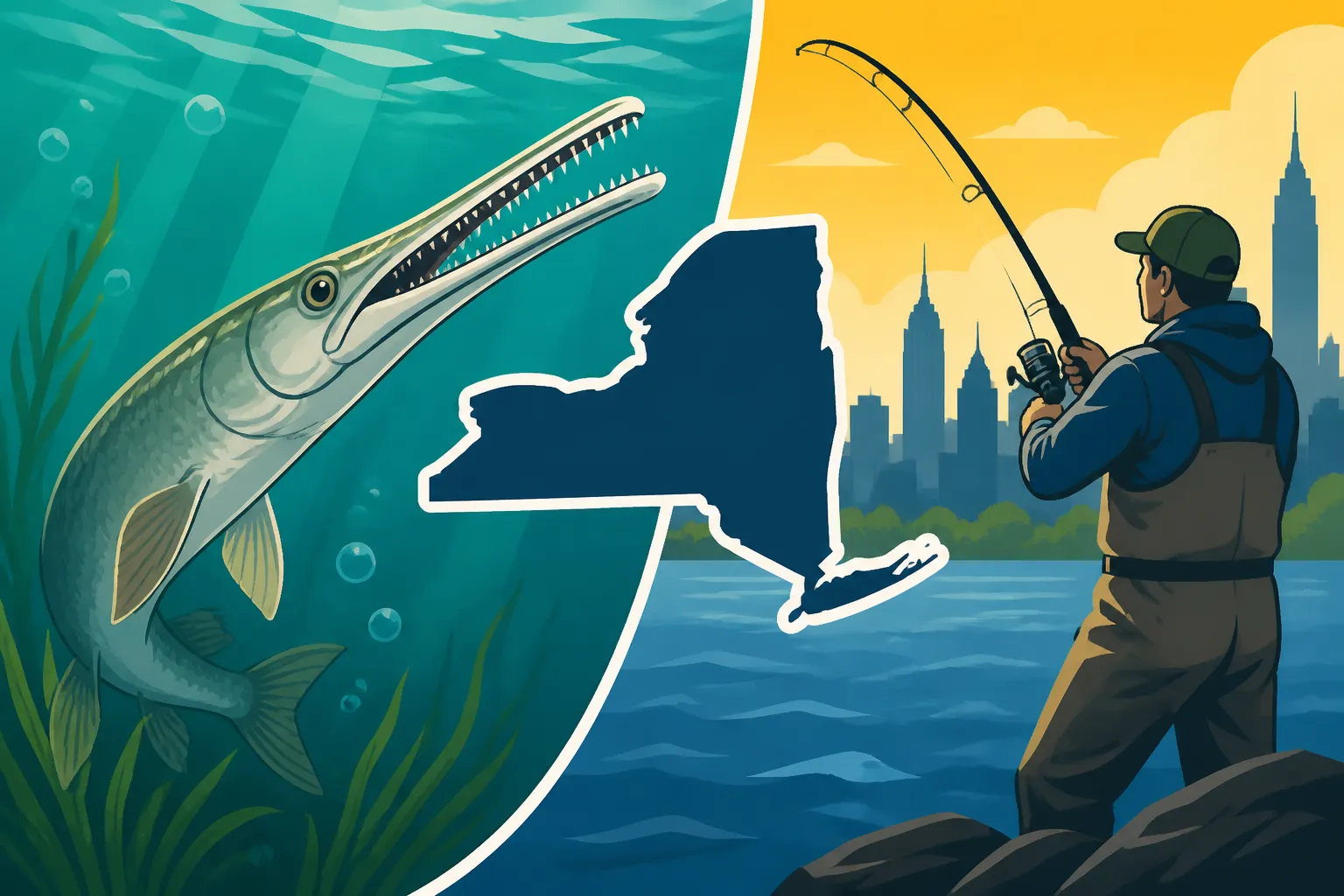
It's true! Those incredibly unique, long-snouted, toothy fish known as gar do inhabit some of New York's lakes and rivers. When people ask about "gar fish" in our state, they are almost always referring to the Longnose Gar. While there are other gar species across North America, the Longnose Gar is the one that has established a presence in the Empire State.
These aren't your typical panfish or trout you might find in every stream. Gar are survivors, an ancient lineage of fish that have changed very little over millions of years. Their distinctive appearance, with that elongated, tooth-filled snout and diamond-shaped, interlocking scales that are more like armor than fish scales, definitely sets them apart. They're a fascinating part of our aquatic ecosystem, often misunderstood but incredibly resilient. Don't be surprised if you've been fishing a body of water for years and never seen one; they can be quite elusive, preferring to hang out in specific habitats.
The Longnose Gar: New York's Resident Ancient Predator
The Longnose Gar (Lepisosteus osseus) is the species you'll most likely encounter, or hear about, in New York. They are truly magnificent creatures, and seeing one for the first time can be a pretty memorable experience. Their bodies are torpedo-shaped, perfectly built for ambush predation, and their long, slender jaws are lined with needle-sharp teeth. While they might look intimidating, they generally pose no threat to swimmers or casual waders. They're primarily piscivores, meaning they mostly eat other fish, and they're incredibly efficient at it.
Beyond their looks, Longnose Gar possess a unique adaptation: they can breathe both in water using gills and, to some extent, air using a primitive swim bladder that acts like a lung. This allows them to survive in oxygen-depleted waters where other fish might struggle, giving them an edge in sluggish rivers or warm, shallow lake sections during the height of summer. This resilience is a testament to their long evolutionary history and helps them thrive in various conditions found across New York. If you're looking for gear that stands up to tough conditions, from lines to lures, you can often find a wide selection of durable options on Amazon.
Where to Find Longnose Gar in New York
While Longnose Gar are present in New York, they're not everywhere. They tend to favor specific types of habitats, which helps narrow down your search if you're keen on finding them. Generally, you'll find them in the larger, warmer, and often slower-moving waters of the state.
Think big rivers and expansive lakes with plenty of submerged vegetation, fallen timber, and rocky areas. These features provide excellent ambush points and cover for their preferred prey. They are masters of camouflage, often looking like a sunken log or a piece of debris as they lie motionless, waiting for an unsuspecting fish to swim by. Understanding their preferred haunts is key to increasing your chances of an encounter.
Major Waterways Known for Gar Populations
Several prominent New York waterways are known to host healthy populations of Longnose Gar. The mighty St. Lawrence River is perhaps one of the most famous, with its vast stretches of diverse habitat. Anglers targeting other species there often report accidental catches of gar, or spot them cruising the clear, shallow flats. You can learn more about fishing this area in our Fishing New York's St. Lawrence River and Thousand Islands guide.
Another significant area is the Hudson River, particularly its lower and middle sections where the water is warmer and slower. The Hudson offers extensive backwaters and coves that gar find very appealing. Lakes connected to these river systems, or large, warm shallow lakes, can also be prime gar territory. Lake Champlain, for example, bordering New York to the east, also has a solid population. Even certain tributaries that feed into these major systems can hold gar, especially during warmer months. Remember to always check the New York Fishing Regulations Explained for any specific rules regarding gar or the waters you plan to fish.
| Waterway/Region | Typical Habitat | Key Features for Gar |
|---|---|---|
| St. Lawrence River | Large river, diverse structure, bays, shallow flats | Abundant baitfish, submerged vegetation, rocky structure |
| Hudson River (lower/mid) | Warm, slow-moving sections, backwaters, coves | Plenty of cover from submerged logs and weeds, prey fish |
| Lake Champlain | Large lake, shallow bays, extensive weed beds | Warm, productive waters, clear sections for ambush |
| Major Tributaries | Slower sections near confluences, weed-lined banks | Transitional zones offering varied prey and cover |
Habitat Preferences: What Gar Look For
Gar are ambush predators, so they love areas where they can blend in and wait. Think about those lazy summer days when the sun heats up the shallows; that's often where you'll find them. They're not usually found in fast-moving, cold, crystal-clear trout streams. Instead, they prefer:
- Weed Beds: Thick submerged vegetation offers perfect camouflage and an abundance of smaller fish that gar prey upon.
- Fallen Timber & Snags: Log jams and downed trees provide excellent cover for both the gar and their food.
- Shallow Flats: Especially those adjacent to deeper channels or drop-offs, allowing them to bask and then quickly retreat or ambush.
- Sluggish Backwaters & Coves: Areas with less current where the water warms up and baitfish congregate.
Understanding these preferences is crucial. If you're exploring new spots, observing the water's features, and thinking like an ambush predator can really help you pinpoint where these incredible fish might be hiding. A good pair of polarized sunglasses, available on Amazon, can also help you spot them lurking in the shallows.
Identifying and Understanding Gar Fish
Identifying a Longnose Gar is usually quite straightforward once you've seen one. Their elongated body and distinctive "beak" are unmistakable. However, there are nuances that make them even more interesting, and knowing these can enhance your appreciation for this unique species.
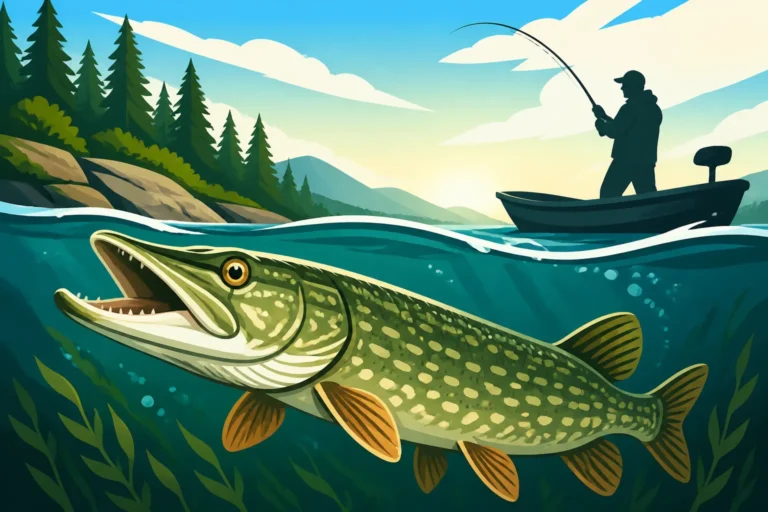
It's important to differentiate them from other long, slender fish you might encounter. For instance, northern pike also have a long body and a mouth full of teeth, but their jaws are broad and duckbill-shaped, not the slender, needle-like snout of a gar. You can find more information about how to tell a muskie from a pike in our Muskellunge vs Northern Pike: Key Differences article, which also helps highlight the unique features of each species. The gar's armor-like scales are another dead giveaway; they are incredibly tough and make them distinct from other fish.
Key Identification Features of Longnose Gar
Let's break down what makes a Longnose Gar look like, well, a Longnose Gar:
- Distinctive Snout: This is their most prominent feature. A very long, slender snout, much longer than the rest of their head, resembling a narrow beak. It's packed with numerous sharp, conical teeth.
- Body Shape: Cylindrical and elongated, almost cigar-shaped, allowing them to glide stealthily through the water.
- Scales: Ganoid scales. These aren't like the flexible, overlapping scales of most fish. Gar scales are hard, diamond-shaped, and interlock to form a protective armor plating. They feel very rough to the touch.
- Dorsal and Anal Fins: Located far back on the body, close to the tail, which is a common characteristic of ambush predators, giving them powerful thrusts for quick attacks.
- Coloration: Typically olive-green to brownish on their backs, fading to lighter shades on their sides and bellies. They often have dark spots on their fins and body.
When you're out fishing, observing these details can help you confidently identify your catch. And remember, handling a gar requires a bit of care due to those teeth! A long pair of pliers or a specialized fish gripper, both readily available on Amazon, are highly recommended to avoid any nicks.
Gar in the Ecosystem and Angler Interactions
Gar play a vital role in our aquatic ecosystems as top predators. They help control populations of other fish, including rough fish species, contributing to the overall health and balance of the waters they inhabit. Their presence is often a sign of a healthy, diverse fishery.
For anglers, catching a gar can be quite a challenge and an exciting fight. Their hard mouths and bony snouts make hook sets difficult, and their powerful runs and thrashing can test your tackle. They're not typically targeted for table fare by most anglers in New York, though in some southern states, gar meat is considered a delicacy. Here in New York, they're more often considered a sport fish or an incidental catch. If you do catch one, practicing responsible Catch-and-Release Handling Rules is crucial for these unique creatures. Remember that a proper fishing license is almost always required, so check out our New York Fishing License Guide if you haven't secured yours yet.
Fishing for Gar in New York
While gar aren't as widely targeted as bass or trout, there's a growing appreciation for them among sport fishermen who enjoy the challenge and the unique fight they offer. If you're looking to specifically target gar in New York, you'll need to adjust your techniques and tackle slightly.
Their bony mouths and propensity to roll and thrash mean that traditional hook sets can be tough. Many anglers use specialized techniques to improve their chances of landing these ancient warriors. It's a different kind of fishing experience, but one that can be incredibly rewarding. Exploring various techniques & seasons can give you an edge no matter what fish you're after.
Tackle and Techniques for Gar Fishing
When pursuing Longnose Gar, heavy-duty tackle is generally recommended. They're strong fish, and their hard mouths can bend lighter hooks. Here’s a basic setup and some techniques to consider:
- Rods and Reels: A medium-heavy to heavy spinning or baitcasting setup with a sturdy backbone is a good choice. You'll want something with enough power to handle their strong runs and headshakes.
- Line: Braided line is often preferred for its strength and lack of stretch, which helps with hook sets. A test weight of 20-50 pounds is usually sufficient. Since gar have sharp teeth, a heavy fluorocarbon or wire leader is absolutely essential to prevent bite-offs. You might want to stock up on some quality leaders and line, which are widely available on Amazon.
- Baits: Live bait is often the most effective. Small to medium-sized minnows, shiners, or suckers work well. Presenting them under a bobber or free-lining them in areas where gar are known to lurk can be very productive. Cut bait can also work, particularly if it's oily or smelly.
- Hooks: Circle hooks are highly recommended, not only because they are often required for certain species (like striped bass in some areas) but also because they tend to hook the fish in the corner of the mouth, making it easier to land and release the fish without harming them. Some anglers even fashion "fray-free" rope lures made of nylon strands, which entangle the gar's teeth without using a hook at all.
- Approach: Patience is key. Gar often strike slowly and may mouth the bait for a while before fully taking it. Let them take the bait and swim off before attempting a hook set, especially with circle hooks.
Remember, targeting any fish species in New York requires you to be aware of the specific regulations for the water body you're fishing, including any special size or bag limits that might apply to gar. While gar are not typically subject to strict regulations in New York due to their abundance and non-game status for many, it's always best to be informed. Our guide on New York Freshwater Fishing Rules can provide a solid overview.
The Thrill of the Gar Fight
Landing a gar is an experience unlike many others. Once hooked, they're known for their acrobatic jumps, powerful tail-walks, and stubborn runs. Their armor-like scales and sharp teeth mean they're not easily subdued. It's a true test of an angler's skill and tackle.
Many find the pursuit of gar to be a captivating challenge, especially given their ancient lineage and unique biology. It's a chance to connect with a truly primeval predator right here in our New York waters. Whether you're actively targeting them or just happen to encounter one while fishing for something else, a gar is a remarkable fish that demands respect and offers an unforgettable angling story. So, next time you're out on those larger rivers or warmer lakes, keep an eye out—you might just spot a living fossil lurking in the weeds!
Disclaimer
This article is for general informational purposes only and does not constitute professional advice. Laws, prices and regulations vary by location and change over time. Consult a qualified professional for guidance on your specific situation.