Longest-Living Fish Species in New York
Have you ever reeled in a truly massive fish in New York waters and wondered just how many seasons that creature has seen? It's a common thought, a moment of connection with a living relic, and it really puts into perspective the incredible journeys these fish undertake. Many anglers are surprised to learn that some of our aquatic residents can live for decades, even crossing generations of human lifespans. This guide will take you on a deep dive into the fascinating world of New York's most venerable fish species, exploring which ones live the longest, what helps them survive, and why their longevity is so important to our angling heritage and the health of our waterways.
Understanding Fish Lifespans in New York Waters
When we think about fish, it's easy to assume they all have relatively short lives, growing quickly and then, well, becoming dinner or simply fading away. But that's a vast oversimplification! Just like animals on land, fish species exhibit an incredible range of lifespans, from those that live only a year or two to true centenarians. In New York's diverse aquatic ecosystems, from the Great Lakes to the smallest Adirondack ponds and the vast expanse of the Hudson River, you'll find fish that defy expectations with their sheer endurance. Their longevity isn't just a biological marvel; it also tells us a lot about the health of their habitat and the pressures they face.
The Science Behind Fish Aging
How do scientists figure out how old a fish is? It's not like they're checking birth certificates! The most common and reliable methods involve examining calcified structures in the fish's body, much like counting tree rings.
- Otoliths (Ear Bones): These small, hard calcium carbonate structures in a fish's head grow in layers throughout its life. When cut in cross-section, these layers appear as rings, with each pair (one opaque, one translucent) representing approximately one year of growth. It's an incredibly precise method, and often the preferred one for long-lived species where scales might be less reliable.
- Scales: Many fish species also exhibit annual growth rings on their scales, called annuli. As the fish grows, new material is added to the edges of the scales, forming distinct rings that can be counted under a microscope. This method is less invasive as it often only requires removing a few scales, but older fish might have scales that are too worn or damaged for accurate counting.
- Fin Rays: For species like catfish that lack scales or have particularly difficult-to-read otoliths, cross-sections of fin rays can also reveal growth rings. The process is similar to otoliths, where layers of calcified tissue accumulate over time.
These methods give us invaluable insights into how long different species typically live and how environmental factors might impact their growth and survival rates. It's a critical tool for fisheries managers trying to understand population dynamics and set sustainable New York Fishing Season Dates and Catch Limits.
Common Misconceptions About Fish Age
It's easy to look at a huge fish and automatically assume it must be ancient. While often true for some species, size isn't always a direct indicator of age. Here are a couple of common misconceptions:
- Big Fish = Old Fish (Always): Not necessarily. Some species, like certain carp or even some bass in highly productive waters, can grow very large relatively quickly if food is abundant and conditions are ideal. Conversely, a fish in a nutrient-poor environment might be quite old but still only of moderate size because its growth was stunted. So, while a trophy muskie is almost certainly an old fish, a giant common carp might be younger than you think.
- Fast Growing Fish Live Short Lives: This is often true, but there are exceptions. Species that grow incredibly fast and reproduce early often have shorter lifespans, focusing their energy on quick proliferation rather than long-term survival. However, some long-lived species, particularly those in cold waters, might grow slowly but steadily for many decades.
Understanding these nuances helps us appreciate the intricate life histories of New York's diverse fish populations. It also reminds us that every fish, regardless of its size, is a testament to survival in its aquatic world.
The Elders of New York's Waters: Top Long-Lived Species
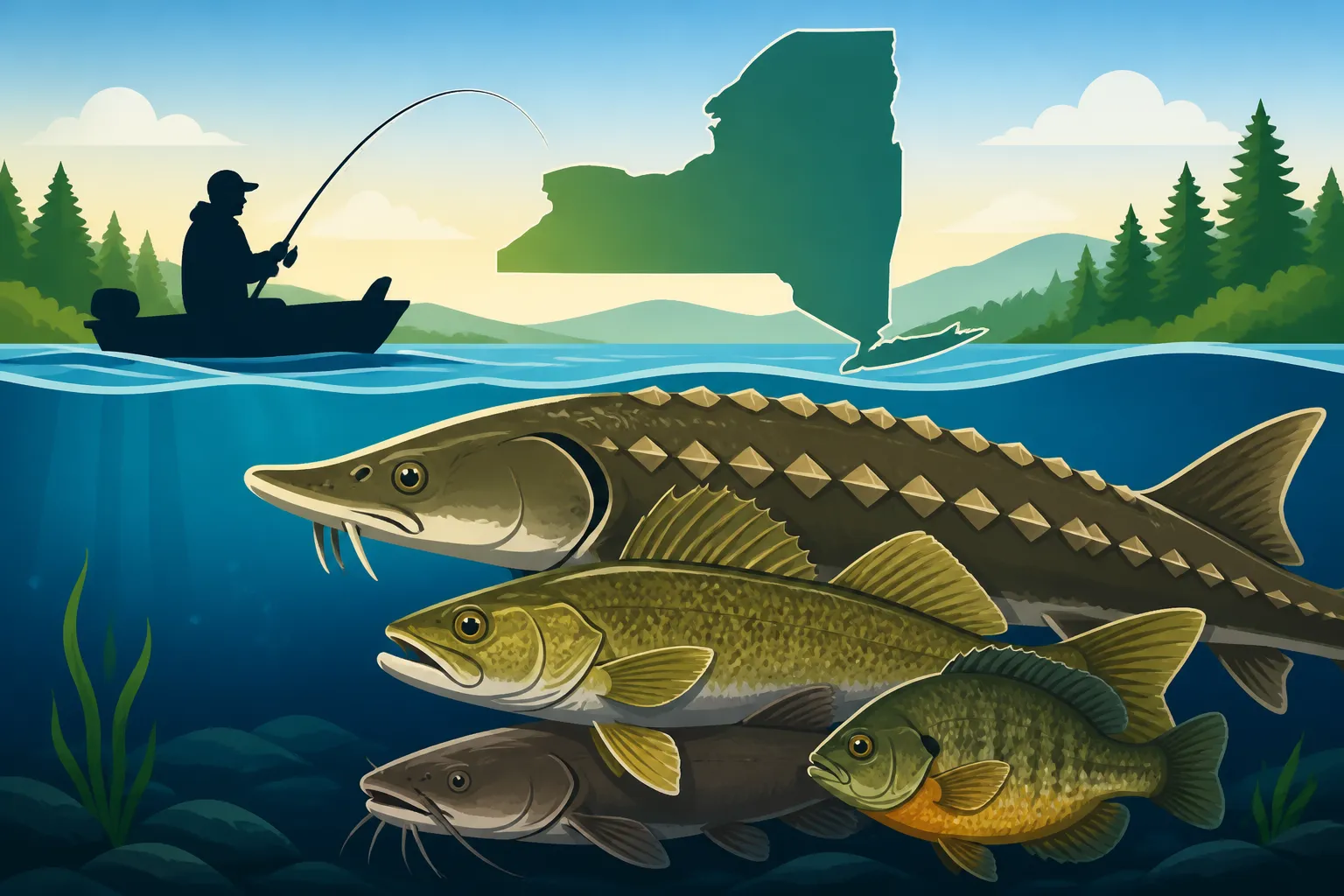
New York is home to some truly ancient aquatic residents. These are the fish that have seen countless winters come and go, outliving many generations of anglers. Their presence is a sign of healthy, stable ecosystems, and catching one is often a once-in-a-lifetime experience. Let's look at some of the longest-living fish you might encounter in the Empire State.
Lake Sturgeon
When we talk about long-lived fish in New York, the Lake Sturgeon is usually the first species that comes to mind, and for good reason! These ancient fish are living dinosaurs, having changed very little over millions of years. They are truly the grandfathers and grandmothers of our freshwater systems.
- Incredible Longevity: Lake sturgeon are famous for their extreme lifespans, with individuals known to live for 80 to 150 years, and sometimes even longer! Females mature much later than males, often not spawning until they are 20-25 years old, which is a significant investment in a long life.
- Habitat and Behavior: In New York, you can find Lake Sturgeon in the Great Lakes (Lake Ontario, Lake Erie, Niagara River), the St. Lawrence River, and parts of the Oswegatchie and Black rivers. They are bottom-dwellers, using their sensitive barbels to find invertebrates, insect larvae, and small fish in the silty substrates of large rivers and lakes. Catching one is often accidental, as they aren't typically targeted by recreational anglers, and they are a protected species. If you do hook into one, it's crucial to release it quickly and gently.
- Conservation Status: Unfortunately, due to overfishing in the past and habitat degradation, Lake Sturgeon populations faced severe declines. Today, they are listed as a threatened species in New York, and strict regulations are in place to protect them. Seeing one is a special privilege, a glimpse into deep time. Their recovery is a slow process, given their late maturity and long reproductive cycles, making every individual incredibly valuable.
Muskellunge (Muskie)
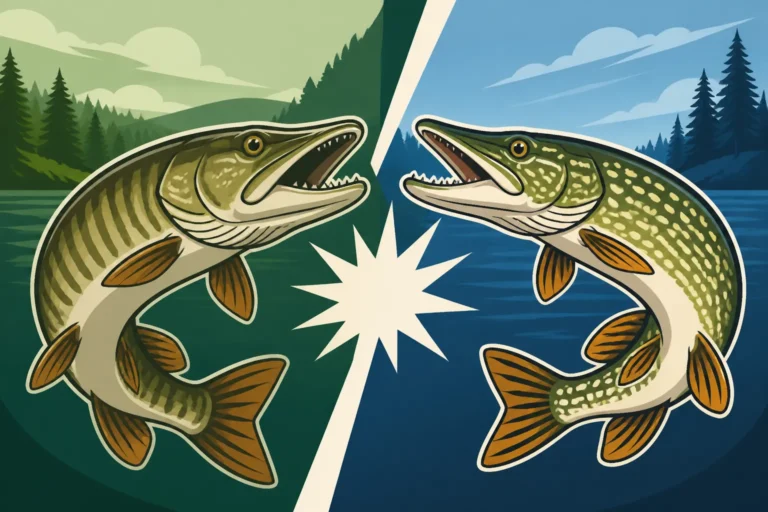
Often called the "fish of 10,000 casts," the Muskellunge is not only a legendary trophy fish but also one of New York's longest-lived game fish. Anglers dedicate years to pursuing these elusive predators, and a big part of their allure is their sheer size and age.
- Long and Lean Lifespans: Muskellunge in New York can commonly live for 15-20 years, with some individuals pushing into the late 20s or even occasionally reaching 30 years old. Imagine a fish that's been stalking prey in the same lake for three decades! These fish grow slowly, especially in colder waters, but they grow to impressive sizes over that long lifespan.
- Where They Thrive: New York is blessed with incredible muskie fisheries, notably in the St. Lawrence River, the Thousand Islands region, Chautauqua Lake, and parts of Lake Ontario. These large, relatively unpressured waters provide the perfect environment for muskie to grow old and massive. The commitment to How to Fish for Muskellunge involves not only patience but also an understanding of their deep-seated habits.
- Trophy Value and Release: The very nature of muskie fishing, often targeting these apex predators with large lures and heavy tackle, means that catch-and-release is a widely practiced ethic. Releasing a 50-inch muskie isn't just about adhering to regulations; it's about respecting a living legend that might be older than you are, ensuring it can continue to contribute to the population and offer future anglers a similar thrill. This commitment to conservation helps these long-lived fish continue to dominate their environments.
Lake Trout
Deep, cold, and mysterious, Lake Trout in New York are another incredibly long-lived species, perfectly adapted to the frigid depths of New York's largest and deepest lakes.
- Decades in the Deep: Lake trout regularly live for 20-30 years in New York, with some verified individuals reaching ages of 40-50 years or even more in pristine, undisturbed habitats. Their slow growth rates in cold water contribute to their remarkable longevity.
- Prime Lake Trout Waters: You'll find these incredible fish in New York's Finger Lakes (like Seneca, Cayuga, and Skaneateles), Lake Ontario, Lake Erie, and many of the deeper Adirondack lakes. They are powerful predators, often found suspended over deep structure or cruising cold thermoclines, feeding on baitfish.
- Management and Cold-Water Needs: The long lifespan of lake trout means that their populations are particularly vulnerable to overfishing and changes in water quality and temperature. Conservation efforts are crucial to maintain healthy stocks of these magnificent, long-lived fish. Anglers targeting them often employ specific deep-water trolling techniques and respect strict catch limits to ensure the sustainability of these slow-growing fish.
Atlantic Sturgeon
While closely related to Lake Sturgeon, Atlantic Sturgeon are anadromous, meaning they spend most of their lives in saltwater but return to freshwater to spawn. They are truly one of the longest-living creatures in New York's marine and estuarine environments.
- Centuries-Old Wonders: Atlantic Sturgeon are renowned for their incredible longevity, with some individuals estimated to live over 60 years, and potentially up to 100 years or more! Like Lake Sturgeon, they are slow to mature, often not reaching reproductive age until their teens or even twenties.
- Hudson River Giants: In New York, the Hudson River is a critical spawning and nursery ground for Atlantic Sturgeon. They migrate upriver from the Atlantic Ocean to reproduce. These colossal fish can grow to impressive sizes, easily reaching 10-15 feet in length and weighing hundreds of pounds.
- Endangered Status: Unfortunately, Atlantic Sturgeon are federally protected and listed as endangered. Historically, they were heavily fished for their meat and roe, leading to drastic population declines. Today, fishing for them is strictly prohibited, and if you accidentally catch one (which does happen, especially during striped bass fishing), immediate and careful release is mandatory. Their long lives and late maturity mean that any impact on their population takes a very long time to recover, making their protection paramount.
Channel Catfish
You might not immediately think of the humble Channel Catfish in New York as a long-lived species, but these whiskered bottom-dwellers can surprisingly outlive many other popular game fish.
- Respectable Lifespans: While not quite in the league of sturgeon or muskie, channel catfish can easily live for 15-20 years in healthy environments, with some exceptional individuals reaching ages of 25-30 years. Their hardiness and adaptability contribute to their longevity.
- Widespread Distribution: Channel catfish are found throughout much of New York, particularly in larger rivers like the Hudson, Mohawk, and St. Lawrence, as well as many lakes and larger ponds. They are opportunistic feeders, thriving in a variety of conditions.
- A Fun and Accessible Catch: Channel cats are a popular target for many anglers, known for their strong fights and excellent table fare. Their relatively long lives ensure a consistent population for recreational fishing, especially in areas with good management practices.
Here's a quick comparison of these long-lived New York fish species:
| Fish Species | Average Lifespan (Years) | Maximum Recorded Lifespan (Years) | Primary Habitat in NY | Key Feature of Longevity |
|---|---|---|---|---|
| Lake Sturgeon | 50-80 | 150+ | Great Lakes, St. Lawrence, large rivers | Slow growth, late maturity, ancient lineage |
| Atlantic Sturgeon | 30-60 | 100+ | Hudson River (spawning), Atlantic Ocean | Slow growth, late maturity, anadromous life cycle |
| Muskellunge | 15-20 | 30+ | St. Lawrence River, Chautauqua Lake, Lake Ontario | Apex predator, slow growth in cold waters |
| Lake Trout | 20-30 | 50+ | Deep, cold Finger Lakes, Great Lakes, Adirondack lakes | Coldwater adaptation, slow metabolism and growth |
| Channel Catfish | 15-20 | 30+ | Large rivers, lakes, ponds statewide | Hardiness, adaptability, diverse diet |
Factors Influencing Fish Longevity
While some species are inherently built for long lives, a fish's actual lifespan in the wild is a complex interplay of various factors. It's not just about genetics; it's about their entire environment and the pressures they face from both nature and humans.
Environmental Conditions
The health and characteristics of a fish's habitat play a huge role in how long it can survive.
- Water Quality: Clean, unpolluted water is paramount. Chronic exposure to pollutants, even at low levels, can stress a fish's system, compromise its immune response, and shorten its life. A prime example is the ongoing efforts to improve the water quality in Fishing the Hudson River in New York: Where to Go to support species like the Atlantic Sturgeon and Striped Bass, which rely on clean water for spawning and foraging.
- Temperature: For many cold-water species like Lake Trout, consistently cold water is essential. Colder temperatures generally lead to slower metabolic rates, meaning fish burn less energy and grow more slowly, but often live longer. Conversely, species in warmer waters might grow faster but have shorter lifespans. Climate change and warming water temperatures are a significant concern for species adapted to cold environments.
- Habitat Structure and Shelter: The availability of suitable habitat, including deep pools, submerged cover (like weed beds, downed trees, or rock piles), and undisturbed spawning grounds, provides protection from predators and places to rest and feed. A lack of such critical habitat can increase stress and vulnerability, ultimately shortening a fish's life. Think about the intricate cover needed for a muskie to ambush prey in the St. Lawrence River Fishing Guides areas.
- Oxygen Levels: Fish need dissolved oxygen to survive, and prolonged periods of low oxygen (hypoxia) can be lethal or severely stressful, reducing growth and longevity. This is especially true in stagnant or highly eutrophic waters.
Predation and Fishing Pressure
The risks a fish faces in its environment, from both natural predators and human anglers, are huge determinants of how long it actually survives.
- Natural Predators: Every fish is part of a food chain. Smaller or juvenile fish face threats from larger fish, birds of prey, otters, and other aquatic predators. Surviving these early years is crucial for reaching an age where they can reproduce and grow large. Even large, long-lived fish aren't entirely immune, though they have fewer natural enemies.
- Fishing Pressure: This is perhaps the most significant human-related factor. In heavily fished waters, even species with the genetic potential for long lives may never reach their maximum age simply because they are caught before they get there. That's why regulations like slot limits, minimum size limits, and daily bag limits are so critical, especially for slow-growing or late-maturing species. Learning about New York Fishing Regulations Explained helps ensure we're all playing a part in sustainable fishing.
- Catch-and-Release Practices: For trophy species like muskie and large trout, effective Catch-and-Release Handling Rules are paramount. Mishandling a fish, especially a large, old one, can cause injury or stress that leads to post-release mortality, even if it swims away seemingly fine. Using proper techniques—like minimal handling, keeping the fish in the water, and using appropriate tools like long-nose pliers or jaw spreaders—can dramatically increase a fish's chances of survival and allow it to continue its long life. Many serious anglers even use specific tools found on Amazon to ensure a quick and safe release for their prize catches.
Food Availability and Growth Rates
A steady and appropriate food supply is fundamental to a fish's health, growth, and ultimately, its longevity.
- Abundant Food Sources: When food is plentiful, fish can allocate more energy to growth and maintenance, bolstering their immune systems and improving their overall health. This generally leads to faster growth rates in their early lives and a better chance of surviving to an older age.
- Nutrient-Poor Environments: Conversely, in waters with scarce food, fish might experience stunted growth and be more susceptible to disease and stress, leading to shorter lifespans even if other conditions are favorable.
- Growth Rate vs. Longevity: As mentioned earlier, species in cold, nutrient-limited waters often grow very slowly but live for many decades. Their slower metabolism helps conserve energy. In contrast, fish in warm, food-rich environments might grow rapidly but have shorter, more intense life cycles. It's a trade-off that nature has optimized for different ecological niches.
Why Does Longevity Matter to Anglers and Conservation?
The existence of long-lived fish species in New York isn't just a curiosity; it has profound implications for both the angling community and the broader health of our aquatic ecosystems. These older fish represent genetic strength, ecological stability, and a living connection to the past.
Ethical Angling and Catch-and-Release
For many anglers, particularly those targeting trophy species like muskellunge or large trout, the pursuit itself is often more important than keeping the catch. The knowledge that a fish might be decades old adds an incredible layer of respect and challenge to the experience.
- Respecting the Elders: Catching a fish that has navigated its watery world for 20, 30, or even 50 years is an extraordinary accomplishment. It represents a survivor, a fish that has outwitted countless predators and overcome numerous environmental challenges. Releasing such a fish isn't just following the rules; it's a profound act of reverence for a truly wild creature. This ethical approach is increasingly common, with many anglers investing in specialized gear like release tools and larger nets, which can often be found on Amazon, designed specifically to minimize harm to large, delicate fish.
- Ensuring Future Generations: Older, larger fish, especially females, are often the most reproductively successful. They produce more eggs, and those eggs are typically of higher quality, leading to more robust offspring. By practicing careful catch-and-release, particularly with these "broodstock" fish, anglers directly contribute to the continuation of the species and the health of the fishery for years to come. This is especially vital for species like Lake Sturgeon and Atlantic Sturgeon, where every mature individual is critical for species recovery. For more on this, you might be interested in New York Fishing License Guide to understand the regulations that support these practices.
- The Thrill of the Encounter: The true value of encountering a long-lived, trophy fish often isn't measured in pounds of meat, but in the memory, the photograph, and the story. These are the fish that become legends, inspiring new generations of anglers to explore New York's incredible waterways. The pursuit fosters a deep connection to nature and an appreciation for its ancient inhabitants.
Conservation Efforts and Ecosystem Health
The presence and health of long-lived fish populations are powerful indicators of overall ecosystem health. They are often the first to suffer from environmental degradation and the slowest to recover, making their protection a priority.
- Bioindicators: Long-lived species serve as critical bioindicators. If populations of Lake Sturgeon or Atlantic Sturgeon are struggling, it often points to larger issues within the ecosystem, such as habitat loss, water pollution, or unsustainable fishing practices. Monitoring their health helps scientists understand the overall well-being of a river or lake.
- Genetic Diversity: Older fish represent a diverse gene pool that has proven resilient. Protecting these individuals helps maintain genetic diversity within a population, making it more robust and adaptable to future environmental changes or diseases. This is particularly important for species that are still recovering from past declines.
- Ecosystem Balance: Apex predators like the Muskellunge, often among the longest-lived game fish, play a vital role in maintaining the balance of their ecosystems by regulating populations of other fish. Their continued presence signifies a healthy food web. Without these large predators, prey species can become overpopulated, leading to unhealthy dynamics within the ecosystem.
- Long-Term Monitoring: Managing populations of long-lived fish requires a long-term perspective. Because they mature slowly and live for decades, the impact of management decisions or environmental changes may not be evident for many years. This necessitates sustained monitoring and research, as highlighted in guides like New York DEC Fishing Regulations Guide, to ensure that these species continue to thrive for future generations. Resources like advanced sonar systems, often reviewed on platforms like Amazon, help researchers track these fish movements and populations more effectively.
- Protecting Unique Natural Heritage: New York's long-lived fish species, especially the sturgeon, represent a unique and irreplaceable part of our natural heritage. They are a testament to the enduring power of nature and remind us of the incredible biodiversity that exists within our own state. Protecting them is not just about the fish themselves, but about preserving the wildness and richness of New York's aquatic environments for all to enjoy.
Disclaimer
This article is for general informational purposes only and does not constitute professional advice. Laws, prices and regulations vary by location and change over time. Consult a qualified professional for guidance on your specific situation.