What Is a Trout Stamp?
It's easy to feel overwhelmed by all the rules and regulations that come with enjoying New York's incredible fishing opportunities. You've got your main fishing license, but then you hear whispers of things like "trout stamps" and suddenly you're wondering if you're missing a crucial piece of the puzzle. This guide is here to clear up exactly what a New York trout stamp is, why it matters, and whether you need one to enjoy angling for those beautiful, elusive trout.
Understanding the New York Trout Stamp: More Than Just a Sticker
When you're gearing up for a fishing trip, especially one targeting trout, it's natural to focus on your gear, bait, and the perfect spot. But overlooking a small, yet significant, detail like a trout stamp could land you in hot water. Let's break down what this often-misunderstood requirement truly entails.
What Exactly Is a Trout Stamp?
At its core, a New York trout stamp is an additional endorsement you purchase alongside your regular freshwater fishing license. It's not a standalone license; think of it as an extra permission slip that specifically allows you to fish for and harvest certain species of trout and salmon in New York's freshwater streams, rivers, and lakes. The official designation for it is often referred to as a "Trout/Salmon Conservation Stamp."
Many anglers initially confuse it with their general fishing license, assuming that if they have one, they're good to go. However, the trout stamp serves a very particular purpose, acting as a direct contribution to the conservation and management of these cold-water species. It’s a dedicated fund, ensuring that the next generation of anglers can also experience the thrill of a trout on the line. Without this additional endorsement, even with a valid fishing license, you could face penalties if you're caught fishing for or possessing trout and salmon in designated waters.
The History and Purpose Behind Trout Stamps
The concept of conservation stamps, like the trout stamp, dates back decades and is rooted deeply in the "user pays, user benefits" principle of wildlife management. These stamps originated as a way for hunters and anglers, who directly benefit from healthy wildlife populations, to contribute financially to the conservation efforts that sustain those populations. In New York, the funds generated specifically from the sale of these Trout/Salmon Conservation Stamps are earmarked for trout and salmon management programs by the New York State Department of Environmental Conservation (DEC).
These crucial funds support a wide array of activities. This includes extensive stocking programs, where millions of young trout and salmon are raised in state hatcheries and released into public waters each year. It also covers critical habitat improvement projects, such as stream bank stabilization, creation of fish ladders, and removal of impediments to fish migration, all designed to ensure robust populations can thrive naturally. Furthermore, these funds contribute to research and monitoring efforts that help the DEC understand fish populations, assess environmental health, and make informed decisions about stocking, regulations, and management strategies. It's a direct investment by anglers into the future of their sport.
Who Needs a New York Trout Stamp?
This is where many anglers get tripped up, and it's a critical detail to understand. In New York, anyone who is required to have a freshwater fishing license and intends to fish for or possess trout and/or Atlantic salmon (landlocked salmon) needs this additional Trout/Salmon Conservation Stamp.
Let's break that down:
- Age: If you're 16 years of age or older and fishing for trout or Atlantic salmon, you need the stamp. Kids under 16 generally don't need a fishing license at all, and therefore don't need a trout stamp either. You can learn more about this in our guide on whether Do Kids Need a Fishing License to Fish in New York?.
- Species: The key here is "trout and Atlantic salmon." This includes brook trout, brown trout, rainbow trout, and lake trout, as well as landlocked Atlantic salmon. If you're targeting other freshwater species like bass, walleye, or panfish, you do not need a trout stamp, even if those fish might accidentally take your trout lure. The requirement is specifically tied to targeting or possessing the designated species.
- Location: The requirement applies to all inland freshwater bodies where trout and Atlantic salmon are found, whether naturally reproducing or stocked. This means if you're fishing in a small Catskill stream for brook trout, or trolling a Finger Lake for lake trout, you'll need that stamp. However, if you're fishing purely saltwater or marine district areas where trout are not present (or are regulated differently), then the stamp is irrelevant.
It’s important to remember that this stamp is separate from your general fishing license. You can purchase a valid New York Fishing License Guide without purchasing a trout stamp, but if your plans involve trout, you'll need both.
Navigating New York's Trout Waters and Regulations
New York State boasts an incredible diversity of trout and salmon fishing opportunities, from pristine Adirondack ponds to world-renowned Great Lakes tributaries. Understanding where and when your trout stamp applies is crucial to a successful and legal outing.
Trout Species Requiring a Stamp
When the New York DEC refers to "trout and salmon" for the purpose of the conservation stamp, they're generally referring to the following species that populate our freshwaters:
- Brook Trout: New York's state fish, often found in cold, clear streams and high-elevation ponds, especially in the Adirondacks and Catskills. These beautiful, native fish are a joy to catch. You can often tell them apart from other species by their distinctive worm-like markings. For a closer look at identification, check out our piece on How to Identify a Brook Trout.
- Brown Trout: A highly prized species, known for its strong fight and ability to grow to impressive sizes. Brown trout are widespread throughout the state's rivers and lakes, including popular destinations like the Genesee River and various Finger Lakes. Anglers often debate the differences between these and other species; our guide on Brook Trout vs Brown Trout: Key Differences offers a great comparison.
- Rainbow Trout (including Steelhead): While technically the same species, rainbows found in smaller streams are often called stream-resident rainbow trout, while those that migrate from the Great Lakes (Lake Ontario and Lake Erie) into tributaries to spawn are famously known as steelhead. All fall under the trout stamp umbrella.
- Lake Trout: These deep-water residents are found in many of New York's larger, colder lakes, including the Finger Lakes, Lake George, and the Great Lakes. They can grow to be very large and offer a unique angling challenge.
- Landlocked Atlantic Salmon: These are not to be confused with Pacific salmon (Chinook, Coho), which are also present in the Great Lakes but are managed differently. Landlocked Atlantic salmon are a distinct species and also require the stamp if you're targeting or possessing them.
If you're unsure about the specific fish you've caught, it's always best to err on the side of caution. Misidentification can lead to inadvertently violating regulations.
Geographic Considerations: Where Trout Stamps Apply
The requirement for a trout stamp isn't limited to just a few specific locations; it's generally statewide for freshwater fishing. However, understanding the nuances of where trout are managed and stocked can help clarify its importance.
- Inland Waters: Any stream, river, pond, or lake within New York that holds populations of brook, brown, rainbow, or lake trout, or landlocked Atlantic salmon, requires the stamp if you plan to fish for them. This includes the famous trout streams of the Catskills, the vast Finger Lakes, and countless smaller waters across the state.
- Great Lakes Tributaries: If you're planning a trip to the Salmon River, Oswego River, or any other tributary flowing into Lake Ontario or Lake Erie to target steelhead or staging salmon (which are also often covered by the same conservation stamp designation, depending on the specific species and regulations), you will absolutely need the trout stamp. These fisheries are incredibly popular, and enforcement is diligent.
- Wild vs. Stocked Waters: It doesn't matter if the trout are wild, naturally reproducing populations or if they've been stocked by the DEC. If it's a trout or Atlantic salmon in freshwater, the stamp is required. The funds from the stamp are vital for both managing wild populations and sustaining stocking programs, ensuring there are fish for everyone. These funds support the New York Statewide Trout Daily Limit Explained and other species-specific rules.
Always consult the most current New York DEC Fishing Regulations Guide for the specific water body you plan to fish, as some areas may have special regulations that supersede general rules.
Special Regulations and Catch Limits for Trout Fishing
The trout stamp is a fundamental part of the overall regulatory framework designed to protect and enhance trout and salmon fisheries. The funds it generates directly contribute to the scientific research and management needed to establish species-specific rules. These rules can vary significantly based on the water body, time of year, and even the type of trout.
For instance, you might encounter:
- Catch-and-Release Only Seasons or Areas: Some streams or sections of rivers are designated as catch-and-release only for certain periods, or even year-round. While you might not be keeping fish, the act of fishing for trout still requires the stamp. Our article on New York Catch-and-Release Trout Fishing Rules delves into this further.
- Varying Daily Limits and Size Restrictions: The number of trout you can keep per day and their minimum size can differ greatly. A small pond might have a general limit, while a specific section of a trophy trout stream could have a lower limit or a higher minimum size. These regulations are designed to sustain fish populations and provide quality angling experiences. For example, knowing How Many Trout Can You Keep Per Day in New York? is vital.
- Terminal Tackle Restrictions: Some special regulation waters might prohibit certain types of bait or hooks to minimize harm to fish, particularly in popular fly-fishing destinations.
The trout stamp supports the biological studies and enforcement necessary to implement and monitor these nuanced regulations, ensuring that trout populations remain healthy and resilient for years to come.
The Practicalities: How to Get and Carry Your Trout Stamp
So, you've decided to embrace the world of trout fishing and understand the importance of this little piece of paper. Now, let's talk about the logistics of acquiring and carrying your New York trout stamp. It's a fairly straightforward process, but knowing the details can save you a headache later.
Where to Purchase a New York Trout Stamp
Getting your trout stamp is just as easy as getting your regular fishing license, as they are usually purchased together. You have several convenient options:
- Online through the DECALS System: The quickest and often most preferred method is to purchase it directly from the New York DEC's online licensing system (DECALS). You can select your annual fishing license and then simply add the "Trout/Salmon Conservation Stamp" as an endorsement. This allows you to print your license and stamp at home immediately.
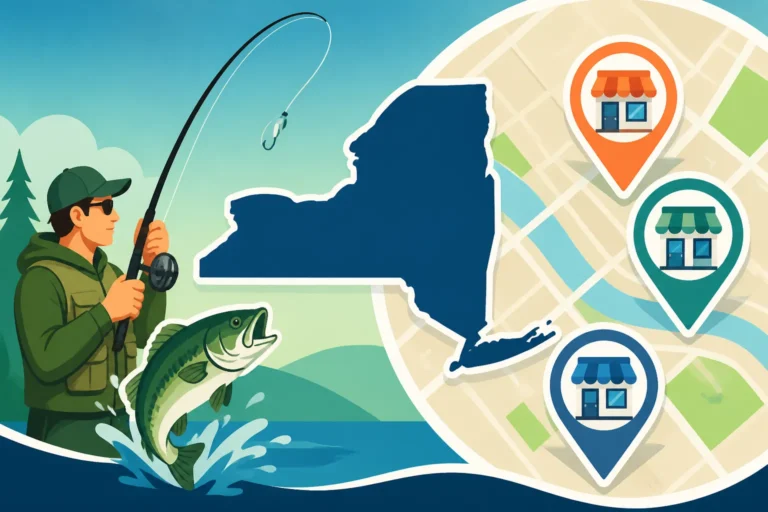
- DEC License Issuing Agents: Many sporting goods stores, bait and tackle shops, Walmart locations, and even some town and county clerk offices are authorized DEC license issuing agents. You can walk in, fill out the necessary paperwork, and walk out with your license and stamp in hand. These agents are typically very knowledgeable about local regulations and can often answer any last-minute questions you might have. If you're looking for gear, many of these stores also have an online presence, much like how you can find fishing equipment and apparel on Amazon.
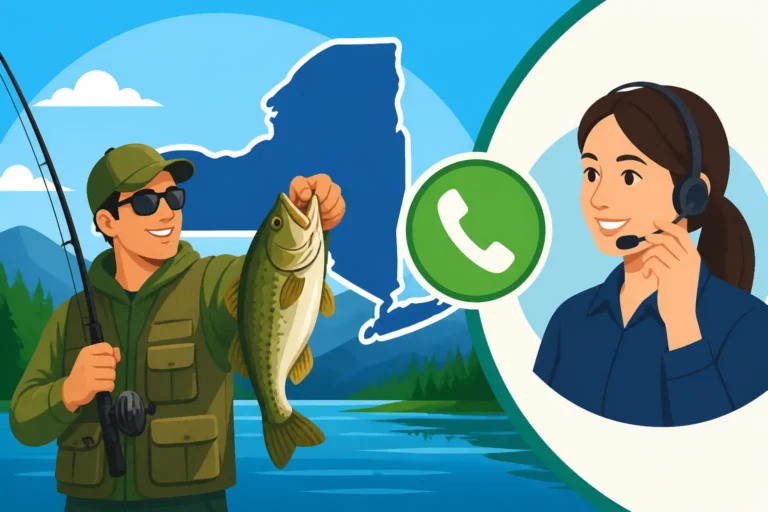
- By Phone: You can also purchase your license and stamp over the phone by calling the DEC’s customer service line. They can process your order and provide you with a temporary authorization, with the physical license mailed to you.
Remember, the trout stamp isn't a separate physical item that you peel off and stick somewhere; it's integrated as an endorsement on your official fishing license document. For a complete overview of purchasing options, check out our guide on Where to Buy a New York Fishing License.
Integrating it with Your Fishing License
The beauty of the New York system is its simplicity in integrating the trout stamp. When you purchase your fishing license, whether online or in person, you'll be given the option to add the Trout/Salmon Conservation Stamp. It will then be printed directly onto your fishing license document, clearly indicating that you have this additional privilege.
This means you don't have to carry multiple pieces of paper or worry about losing a tiny separate stamp. Your single New York fishing license document serves as proof of both your general fishing privileges and your specific trout/salmon endorsement. It's designed to be efficient for both anglers and enforcement officers. When considering your New York Fishing License Costs and Options, remember to factor in the stamp if trout fishing is on your agenda.
Proof of Purchase: Digital vs. Physical
In today's digital age, many states, including New York, have embraced technology to make things easier for anglers.
- Physical Copy: Traditionally, anglers would carry a printed, laminated copy of their license (and integrated stamp). This is always a safe bet, especially if you're in an area with spotty cell service. A durable, waterproof holder for your license is a wise investment, easily found on Amazon or at any sporting goods store.
- Digital Copy: New York allows anglers to carry a digital image of their fishing license on their smartphone or other electronic device. This is incredibly convenient. However, it's crucial that the image is clear, legible, and shows all the required information, including your trout stamp endorsement. Ensure your phone is charged and protected from the elements. If a conservation officer requests to see your license, you need to be able to present it clearly. If your phone is dead, or the screen is cracked and unreadable, it's the same as not having it at all.
Regardless of how you carry it, the key is to have proof of your valid fishing license and trout stamp readily accessible whenever you are fishing for trout or Atlantic salmon. It's a straightforward requirement that helps fund the very resource you're enjoying.
The Cost and Value of a New York Trout Stamp
While the trout stamp is an additional cost on top of your fishing license, it's a minor investment when you consider the significant benefits it provides to New York's trout and salmon populations and the angling community as a whole.
Current Pricing for Trout Stamps
The cost of a New York Trout/Salmon Conservation Stamp is relatively modest. It's a flat fee, regardless of whether you're a resident or non-resident, and it's typically an annual purchase that aligns with your regular fishing license year.
As of the current licensing year (always check the DEC website for the most up-to-date figures, as these can change slightly), the cost is generally around $5.00 for the stamp. This small fee, when multiplied by thousands of anglers, generates a substantial amount of revenue specifically dedicated to conservation. This is separate from the primary fishing license fee, which varies based on residency, age, and duration (e.g., annual, 7-day, 1-day). Understanding the full breakdown of these costs is important, which is why we created a detailed guide on New York Trout Stamp Cost.
How Trout Stamp Funds Are Utilized for Conservation
It’s easy to see the $5.00 fee and think it’s just another government charge. However, the allocation of these funds is transparent and specifically targeted. Every dollar from your trout stamp goes directly into a dedicated account that funds the DEC's extensive trout and salmon management programs. These programs are robust and far-reaching:
- State Hatchery Operations: New York operates a network of fish hatcheries across the state, including key facilities like the Randolph Fish Hatchery and the Caledonia Fish Hatchery. These facilities are responsible for spawning, rearing, and distributing millions of trout and salmon annually. Your stamp helps pay for feed, facility maintenance, and the salaries of the dedicated staff who ensure a healthy stock of fish for public waters.
- Stocking Programs: The DEC stocks a vast number of water bodies, from small streams to large lakes, often in areas where natural reproduction is limited or to supplement existing populations. This ensures widespread angling opportunities and helps maintain sustainable populations in popular fishing areas. These stocking efforts directly impact where and when you can find fish.
- Habitat Improvement and Restoration: Beyond simply stocking, conservation funds are used for crucial habitat work. This can include restoring riparian buffers, stabilizing eroding streambanks, adding in-stream structures for fish cover, and improving water quality. Healthy habitat is the foundation for healthy fish populations.
- Research and Monitoring: DEC biologists conduct ongoing research to understand fish behavior, population dynamics, disease prevention, and the impacts of environmental changes. This scientific data is essential for setting appropriate fishing regulations, like those found in the New York Freshwater Fishing Rules, and for making informed management decisions to ensure the long-term health of the resource.
- Law Enforcement: A portion of the funds also supports the enforcement of fishing regulations by Environmental Conservation Officers (ECOs), ensuring that everyone is playing by the rules and protecting the resource from illegal activities.
The Long-Term Benefits for Anglers and Ecosystems
Investing in a trout stamp is more than just complying with a regulation; it's an investment in the future of fishing in New York. The collective impact of these small fees is immense, providing benefits that stretch far beyond a single fishing trip.
- Sustainable Fisheries: By directly funding conservation, trout stamps help create and maintain sustainable trout and salmon populations. This means better fishing today and ensuring that these opportunities exist for future generations. It’s about ensuring that your children and grandchildren can experience the thrill of catching a wild brook trout or a powerful steelhead.
- Enhanced Angling Opportunities: Robust stocking programs and healthy habitats mean more places to fish and more fish to catch. Whether you prefer fly fishing a secluded stream or trolling a vast lake, the stamp contributes to a richer, more diverse angling experience across the state.
- Healthy Ecosystems: Trout and salmon are indicators of clean, healthy water. The conservation efforts supported by the stamp benefit not only these specific species but also the entire aquatic ecosystem, including other fish, insects, and wildlife that depend on clean water.
- Economic Benefits: Thriving fisheries support local economies, from bait shops and sporting goods stores (many of which are online with partners like Amazon) to guides, charter operators, and hospitality services in popular fishing towns. Your small contribution helps keep these economies vibrant.
It’s a powerful example of how anglers, through a simple purchase, directly contribute to the sport they love and the natural resources that make it possible.
Common Misconceptions and FAQs About Trout Stamps
Despite its clear purpose, the New York trout stamp can still be a source of confusion for many anglers. Let's tackle some of the most frequently asked questions and common misconceptions.
Do I Need a Trout Stamp for Catch-and-Release Fishing?
This is perhaps the most common question, and the answer is a resounding yes, you do need a trout stamp for catch-and-release fishing if you are fishing for or possess trout or Atlantic salmon.
The wording of the regulation specifies "to fish for or possess" trout and Atlantic salmon. Even if your intention is to immediately release every fish you catch, the act of targeting these species with appropriate gear in designated waters still falls under the requirement. The conservation efforts funded by the stamp are designed to sustain populations, regardless of whether individual fish are kept or released. It's about access to the resource, not just harvest. For more details, refer to our specific article on Do I Need a Trout Stamp to Fish for Trout in New York?.
Is a Trout Stamp Required for Lake Trout in the Great Lakes?
This is another area that can cause confusion. Generally, yes, a New York Trout/Salmon Conservation Stamp is required for fishing for or possessing lake trout in the Great Lakes (Lake Ontario and Lake Erie) and their connecting waters. While the Great Lakes are massive, the lake trout in these systems are still considered freshwater trout species under New York State regulations.
It's crucial to always check the specific regulations for Lake Ontario and Lake Erie, as they often have unique rules regarding seasons, size limits, and daily creel limits that are distinct from inland waters due to their vastness and transboundary nature. However, the fundamental requirement for the trout stamp for lake trout usually holds true. Pacific salmon species (Chinook, Coho) in the Great Lakes are also covered under the "Trout/Salmon Conservation Stamp" designation, adding to the importance of having it if you plan to target any of these prized cold-water gamefish.
Penalties for Fishing for Trout Without a Stamp
Ignoring the trout stamp requirement is not advisable and can lead to consequences. Environmental Conservation Officers (ECOs) patrol New York's waters, and checking licenses and endorsements is a routine part of their duties.
If you are found fishing for or in possession of trout or Atlantic salmon without the required Trout/Salmon Conservation Stamp (and assuming you have your general fishing license), you could be subject to fines. While specific penalties can vary based on the officer's discretion and the circumstances, a typical first-offense fine for fishing without the proper endorsement might range from approximately $50 to $250, plus potential court surcharges. Repeat offenses can lead to higher fines and even the suspension of your fishing privileges. It’s simply not worth the risk for a $5.00 stamp. Always ensure you are compliant with all New York Fishing Regulations Explained to avoid any unpleasant surprises on the water.
Quick Reference: New York Trout Stamp Details
To help keep everything straight, here's a handy table summarizing the key aspects of the New York Trout/Salmon Conservation Stamp.
| Feature | Detail |
|---|---|
| What It Is | An additional endorsement (stamp) required on your freshwater fishing license. Officially known as the Trout/Salmon Conservation Stamp. |
| Purpose | Funds dedicated conservation efforts for trout and Atlantic salmon in New York, including stocking, habitat restoration, and research. |
| Who Needs It | Anyone 16 years or older who is required to have a freshwater fishing license and intends to fish for or possess trout (Brook, Brown, Rainbow, Lake) or Atlantic salmon in New York's freshwaters. |
| Cost | Approximately $5.00 (as of current information, always verify with NYSDEC for exact current pricing). |
| How to Purchase | Online via the NYSDECALS system, through authorized license issuing agents (sporting goods stores, Walmart, town clerks), or by phone. It's added directly to your fishing license. |
| Proof Required | Must have your valid fishing license with the Trout/Salmon Conservation Stamp endorsement printed on it, either physically or as a clear digital image on your phone. |
| Applies To | All freshwater bodies in New York where trout and Atlantic salmon are found, including streams, rivers, ponds, lakes, and Great Lakes tributaries. |
| Catch-and-Release? | Yes, the stamp is still required even if you intend to catch and release. |
| Consequences | Fines typically ranging from $50-$250 for a first offense, plus surcharges, and potential suspension of fishing privileges for repeat violations. |
Disclaimer
The information provided in this guide is for general informational purposes only and does not constitute legal advice. Fishing regulations in New York State are subject to change. It is the responsibility of every angler to consult the most current New York State Department of Environmental Conservation (DEC) fishing regulations before engaging in any fishing activity. Always verify specific rules, seasons, limits, and licensing requirements directly with the NYSDEC or an authorized agent.