New York Ice Fishing Season Dates
There’s a common misconception that New York State has a single, official opening day for ice fishing, much like trout season has its April 1st kickoff. The reality is, for those of us who eagerly await the hardwater season, it's far more nuanced and, frankly, a bit more of a waiting game. This guide is here to unravel the mysteries of New York's ice fishing season dates, helping you understand how to safely and legally get out on the ice, year after year.
The Truth About New York's Ice Fishing Season Dates
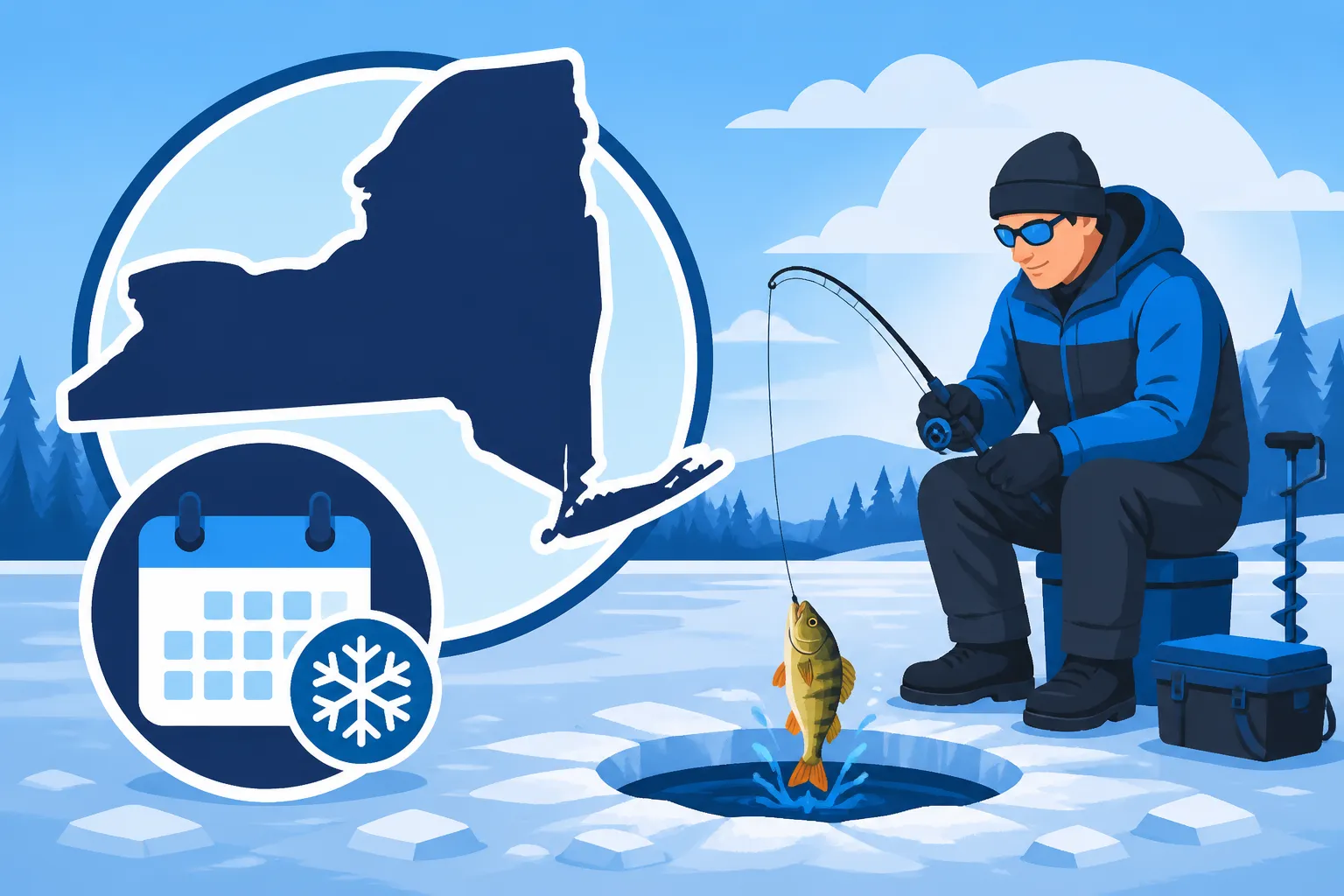
When it comes to ice fishing in New York, the most important thing to understand is this: there isn't one universal, statewide "opening" or "closing" date that the New York State Department of Environmental Conservation (DEC) dictates specifically for ice fishing. Instead, the season is entirely dependent on the safety and presence of ice on individual water bodies, coupled with the existing fishing regulations for specific species in those waters.
Think of it less like a fixed calendar event and more like a natural phenomenon that arrives and departs according to Mother Nature's schedule. In some parts of the state, particularly the higher elevations of the Adirondacks or the colder northern reaches, ice can form reliably as early as late December and persist well into March. Conversely, downstate or on larger, deeper lakes with more current, a safe and consistent ice fishing season might be fleeting, or even nonexistent some years. It’s this variability that keeps us anglers constantly checking weather forecasts and local ice reports, because the prime ice fishing window is truly a gift of winter. The DEC's focus isn't on setting specific dates for ice fishing, but rather on reminding anglers about safe ice practices and that all existing New York Fishing Regulations Explained still apply once the hardwater forms.
Why No Fixed Dates Exist for Ice Fishing
The lack of fixed ice fishing dates is rooted in the simple fact that ice conditions are inherently unpredictable and localized. A small, shallow pond in the Catskills might be locked up with safe ice for weeks, while a large, deep lake like Cayuga or Seneca in the Finger Lakes might only see marginal ice near shore, or none at all, due to its vastness and thermal mass. Factors like ambient air temperature, wind, snow cover, water depth, and even underwater currents all play a critical role in how quickly and safely ice forms. Setting a statewide date would either prematurely open areas to unsafe ice or needlessly restrict anglers in regions that are already prime for fishing.
Moreover, the DEC's approach allows for flexibility. If a particularly mild winter hits, we aren't stuck waiting for an "official" opening that never comes. Likewise, a harsh winter means we can get out earlier, as long as the ice is solid. This dynamic approach puts the onus on the angler to exercise caution and good judgment, which is paramount when dealing with ice. It's not about bureaucracy; it's about common sense and safety on the ice, which is precisely why you'll find comprehensive guidance on how to assess ice conditions yourself, rather than a blanket date from the state.
General Timeline for Ice Formation Across New York
While there are no official dates, we can talk about general trends across the diverse geography of New York.
- Northern New York & Adirondacks: These regions are typically the first to see reliable, fishable ice. Smaller lakes and ponds can start freezing over in late November, with widespread safe ice often present by mid-December to early January. The season here can extend well into March, sometimes even into early April on higher elevation ponds. Popular spots for Ice Fishing in New York: A Complete Guide in these areas, like Lake Clear or Tupper Lake, often boast some of the longest ice fishing windows.
- Central New York & Western New York: Lakes and ponds in these areas, including many of the smaller Finger Lakes and those around the Tug Hill Plateau, typically see safe ice from early to mid-January through late February or early March. The presence of large bodies of water like Lake Erie and Lake Ontario means ice conditions here can be more variable, often only supporting ice fishing in sheltered bays or near shore.
- Southern Tier & Hudson Valley: This region generally experiences the shortest and most inconsistent ice fishing seasons. Safe ice might not appear until late January, and it's often gone by mid-February. Anglers here need to be especially vigilant about checking conditions, as warm spells can rapidly degrade ice. Smaller, shallower ponds are your best bet in this part of the state.
- Long Island: Ice fishing is a rare, almost mythical event on Long Island's freshwater ponds, typically only occurring during unusually severe cold snaps that last for extended periods. When it does happen, it's usually a very short window, often lasting only a week or two, if that.
The key takeaway is that you, the angler, are responsible for monitoring local conditions. There are many local bait shops and online forums where you can get the latest intel on ice thickness for your chosen destination. Always prioritize safety over the urge to be the "first one out."
Understanding Ice Formation and Safety for Your Winter Angling
The critical factor determining your ice fishing season dates is, quite literally, the ice itself. Knowing how ice forms and, more importantly, how to assess its safety is paramount. Without solid, reliable ice, there is no ice fishing season, regardless of the calendar. The DEC cannot stress enough the importance of personal responsibility when venturing onto frozen waters.
How Safe Ice Conditions Are Determined
Safe ice isn't just about thickness; it's about quality. Clear, solid blue ice is generally much stronger than milky or slushy ice. New York DEC recommends a minimum of 3-4 inches of clear, solid ice for walking and ice fishing. However, this is just a guideline, and many experienced ice anglers prefer at least 5-6 inches, especially if they're bringing equipment like an ice fishing shanty or a portable heater. For snowmobiles or ATVs, much thicker ice (7-10+ inches) is required, and even then, caution is urged.
Here’s a quick guide to minimum recommended ice thicknesses for various activities:
| Activity | Minimum Ice Thickness (Clear, Solid Ice) |
|---|---|
| Ice Fishing (single person) | 3-4 inches |
| Small group fishing | 4-6 inches |
| Snowmobile or ATV use | 7-10 inches |
| Light truck or car | 12-15 inches |
Crucial Caveats:
- Ice is never 100% safe. There are always risks.
- Ice thickness can vary dramatically. You might find 6 inches of good ice in one spot and only 2 feet away, it could be 2 inches or less due to springs, currents, or pressure ridges.
- Snow cover acts as insulation. A blanket of snow can prevent new ice from forming or even cause existing ice to melt from the bottom up, creating dangerous slush layers. Snow can also hide weak spots.
- Color matters. Clear blue ice is strongest. White or milky ice is usually weaker (often from frozen snow or slush). Gray or dark ice indicates water underneath, meaning it’s highly unsafe.
Before stepping onto any ice, always check local conditions. A reliable source is often a local bait shop near your chosen water body, as they have direct knowledge from other anglers. You can also refer to our guide on How to Read Ice Thickness for Safe Ice Fishing for more detailed instructions on self-assessment.
Factors That Influence Ice Stability
Beyond just air temperature, several environmental factors influence how stable and safe ice is throughout the season:
- Sunlight: Even on cold days, strong sunlight can weaken ice, especially dark ice that absorbs more heat. Overcast days are often better for maintaining ice stability.
- Snow Cover: As mentioned, a heavy snow cover insulates the ice, preventing it from thickening. It can also cause slush to form between layers of ice, creating dangerous pockets. It's often harder to assess ice under a thick blanket of snow.
- Currents and Inlets/Outlets: Areas with strong currents, near stream inlets or outlets, or around beaver lodges and docks, often have much thinner or unstable ice. Warm water from springs or tributaries can create significant weak spots, even on seemingly solid lakes. Always avoid these areas.
- Pressure Ridges: These are common on larger lakes where ice expands and contracts, causing cracks and ridges. These areas can be very unpredictable and dangerous.
- Wind: Wind can keep open water from freezing or break up thin ice, even in cold temperatures. On larger lakes, strong winds can also create waves that erode ice from underneath.
Being aware of these factors and actively scanning the ice for visual cues of weakness is just as important as knowing the calendar dates. It's part of the Best Winter Fishing Techniques in New York to always be observant of your surroundings and the ice conditions.
Navigating Species-Specific Regulations During Ice Fishing
Just because the water is frozen doesn't mean the rules change for the fish you're targeting. One of the most common mistakes new ice anglers make is assuming a blanket set of regulations applies during the winter. In New York, the regulations for specific fish species—including season dates, minimum size limits, and daily creel (bag) limits—remain in effect whether you're fishing open water or through a hole in the ice. This is a critical piece of information for any angler planning to fish, whether on a vast expanse like Lake Champlain or a local farm pond.
Popular Ice Fishing Species and Their Winter Rules
Many species thrive under the ice, offering fantastic angling opportunities. However, each has its own set of rules. Here are some of the most popular fish targeted by ice anglers in New York and what you need to be mindful of:
- Walleye: These toothy predators are a prime target for ice anglers, especially on lakes like Oneida, Lake Erie, and Chautauqua. While walleye seasons are often open through the ice, specific regulations on bag limits and minimum size vary greatly by water body. For example, some lakes might have a 15-inch minimum and a three-fish daily limit, while others might differ. Checking the current DEC regulations guide is essential before you even drill your first hole, especially if you plan to How to Ice Fish for Walleye in New York.
- Trout (Lake Trout, Brown Trout, Rainbow Trout, Brook Trout): Many New York lakes and ponds offer excellent trout fishing through the ice. Lake trout, in particular, are a favorite in deeper Finger Lakes like Seneca and Cayuga. However, trout regulations are highly diverse across the state. Some waters have year-round trout seasons, while others close in the fall and reopen in the spring, potentially limiting ice fishing opportunities. Size and bag limits for various trout species also fluctuate. Always consult the Special Regulations by County/Waterbody section of the DEC guide, and if you're targeting these species, you'll find great tips in our guide on How to Ice Fish for Trout.
- Perch (Yellow Perch): Yellow perch are perhaps the quintessential ice fishing species, known for their abundance and delicious fillets. The good news is that yellow perch usually have a continuous open season and generous bag limits across most waters. However, it's wise to double-check, especially if you're fishing in a specific lake with unique regulations.
- Panfish (Bluegill, Crappie, Sunfish): These smaller, feisty fish are perfect for family outings and beginners on the ice. Like perch, most panfish species have continuous open seasons and high daily limits, making them an excellent choice for consistent action. Still, a quick look at the regulations never hurts. For more on catching these smaller beauties, check out our guide on Best Ice Fishing Techniques for New York Panfish.
- Northern Pike & Muskellunge: These large, predatory fish offer a true challenge to ice anglers, especially in waters like the St. Lawrence River, Chautauqua Lake, and many Adirondack lakes. Their seasons are often defined by specific start and end dates, which may or may not align with your ice fishing window, and they come with strict minimum size limits. Muskellunge, in particular, often have very high minimum size limits and low bag limits, emphasizing their trophy status.
- Bass (Largemouth & Smallmouth): While bass are not traditionally thought of as primary ice fishing targets, they can certainly be caught through the ice. However, bass seasons in New York typically close in the fall and reopen in mid-June, meaning that during the main ice fishing season, they are generally catch-and-release only, if open at all. Always verify the specific rules for the body of water you intend to fish.
How to Check Current Regulations
The single most reliable source for up-to-date fishing regulations in New York is the official NYS DEC Freshwater Fishing Regulations Guide. This guide is updated annually and can be accessed in a few ways:
- Online: The DEC website has a comprehensive, searchable version of the regulations. This is the fastest way to get current information.
- PDF Download: You can download the entire guide as a PDF to your phone or tablet, which is handy to have on the ice, especially if you don't have cell service.
- Physical Copy: Most sporting goods stores, bait shops, and DEC offices will have free physical copies available. Having a tangible copy you can flip through is always a good idea.
When checking regulations, pay close attention to the General Regulations section, followed by any Special Regulations by County or Water Body. Many lakes and rivers have unique rules that override the statewide general regulations. For example, a lake known for trophy walleye might have a slot limit or a different minimum size. Being caught with an out-of-season fish or an undersized fish can result in significant penalties, so it’s always worth the few minutes it takes to verify. We cover this in depth in our article New York Fishing Regulations Explained if you need more details.
Essential Gear and Preparations for a Successful Ice Fishing Season
Embarking on an ice fishing adventure requires more than just knowing the season dates; it demands the right gear and thorough preparation. Unlike open water fishing, which can be somewhat spontaneous, ice fishing necessitates a focused approach to safety, comfort, and effectiveness. Having the right tools for the job, from drilling holes to staying warm, can make all the difference between a miserable outing and a memorable one.
Must-Have Gear for Any Ice Angler
Before you even think about stepping foot on the ice, ensure your gear locker is stocked. Investing in quality equipment not only enhances your experience but, more importantly, ensures your safety. Many of these essential items can be found conveniently on platforms like Amazon, making it easy to get what you need delivered right to your door.
- Ice Auger: This is your primary tool for creating fishing holes. You have options here:
- Hand Augers: Great for beginners and fishing on thinner ice (under 10 inches). They're quiet, lightweight, and affordable.
- Electric Augers: Powered by rechargeable batteries, these are increasingly popular for their ease of use, quiet operation, and lack of fumes. They're fantastic for drilling multiple holes without breaking a sweat.
- Gas Augers: The workhorses of the ice fishing world, ideal for thick ice and drilling many holes quickly. They are heavier and louder but offer unmatched power. You can find a wide selection of augers, including models from brands like Eskimo and Strikemaster, on Amazon. Our guide on the Best Auger for New York Ice Fishing offers a detailed comparison.
- Ice Fishing Rods & Reels: Specialized rods that are shorter and have faster actions are designed for jigging through a small hole. Match them with small spinning reels or inline reels. Having a variety of rod powers (light for panfish, medium for walleye, heavy for pike) will give you versatility.
- Tip-Ups: These devices allow you to fish multiple lines simultaneously (check local regulations for the number of lines allowed). A flag signals when a fish takes the bait, letting you know to sprint over and set the hook. They are crucial for covering more water and targeting larger, cruising fish.
- Bucket or Sled: A simple 5-gallon bucket serves as a seat and storage for gear. A larger sled is invaluable for hauling your auger, shanty, tackle, and other essentials across the ice, especially if you're fishing far from access points.
- Tackle: Pack a variety of jigs, spoons, and live bait (like minnows or wax worms). The specific baits will depend on your target species and local preferences. Always have a good selection of small, sharp hooks.
- Ice Scooper: Essential for clearing slush and ice chips from your holes to keep them open and fishable.
Safety First: Non-Negotiable Items
Ice fishing, while incredibly rewarding, carries inherent risks. Never compromise on safety gear. These items should be on your list every single time you head out.
- Ice Picks: These are perhaps the most critical safety item. Worn around your neck, ice picks allow you to pull yourself out of the water if you fall through the ice. They are inexpensive and can be found on Amazon. Don't leave home without them.
- Spud Bar: A heavy metal bar with a chisel-like end. Use it to check ice thickness as you walk. If the bar goes through with one solid jab, the ice is too thin.
- Flotation Suit or Life Jacket: A flotation suit offers both warmth and buoyancy in case of a fall through the ice. At a minimum, always wear a U.S. Coast Guard-approved life jacket, even if you’re a strong swimmer. Our guide on Life Jacket Requirements While Fishing covers this in more detail.
- Warm, Layered Clothing: Dress in multiple layers, including a waterproof outer shell, thermal base layers, and insulated boots. Mittens are often warmer than gloves. Protect your head and face from wind and cold.
- First-Aid Kit: A basic kit for minor cuts, scrapes, or other emergencies is always a good idea.
- Navigation & Communication: A fully charged cell phone (in a waterproof bag), GPS, or a compass is vital. Tell someone where you are going and when you expect to return. Never fish alone, especially on new or questionable ice.
Comfort and Practicality for a Longer Stay
While safety and core gear are paramount, comfort can significantly extend your time on the ice and enhance your overall experience.
- Ice Fishing Shanty/Shelter: From lightweight pop-up shelters to more robust flip-over models, a shanty provides protection from wind, snow, and extreme cold. Many models even allow for portable heaters, creating a surprisingly cozy fishing environment. Brands like Clam and Frabill offer various options for sale on Amazon.
- Portable Heater: A small propane heater can make a huge difference in comfort inside a shanty, especially on bitter cold days. Always ensure proper ventilation to prevent carbon monoxide buildup.
- Portable Fish Finder (Flasher/Sonar): A flasher or ice fishing sonar unit helps you locate fish under the ice and see your lure in real-time. This significantly increases your success rate, allowing you to target active fish at specific depths.
- Food & Drink: Pack warm drinks in a thermos, high-energy snacks, and plenty of water. Staying hydrated is important even in cold weather.
By meticulously preparing with the right gear and prioritizing safety, you'll be ready to embrace the unique challenges and immense rewards of New York's variable, yet always exciting, ice fishing season.
Disclaimer
The information provided in this guide is for general informational purposes only and does not constitute legal advice or an official interpretation of New York State fishing regulations. Fishing regulations, including season dates, size limits, and bag limits, are subject to change by the New York State Department of Environmental Conservation (DEC). It is the sole responsibility of each angler to consult the most current official DEC Freshwater Fishing Regulations Guide and any relevant local advisories before engaging in any fishing activity. Always prioritize safety and exercise caution when on or near ice.