Fishing Long Island Sound in New York: A Complete Guide
Fishing Long Island Sound in New York can be an incredibly rewarding experience, offering diverse species and beautiful coastal scenery. However, its vastness and ever-changing conditions can be daunting, leaving many anglers wondering where to start, what to use, and what rules apply. This comprehensive guide will cut through the confusion, providing you with all the insights you need to confidently tackle the Sound's rich waters and maximize your chances of a successful day on the water.
Understanding Long Island Sound's Unique Character
Long Island Sound is far more than just a body of water separating an island from the mainland; it's a vibrant, complex estuary with a unique personality that directly impacts its fisheries. Getting to know its fundamental characteristics is the first step towards becoming a successful Sound angler.
Geographical Overview and Water Dynamics
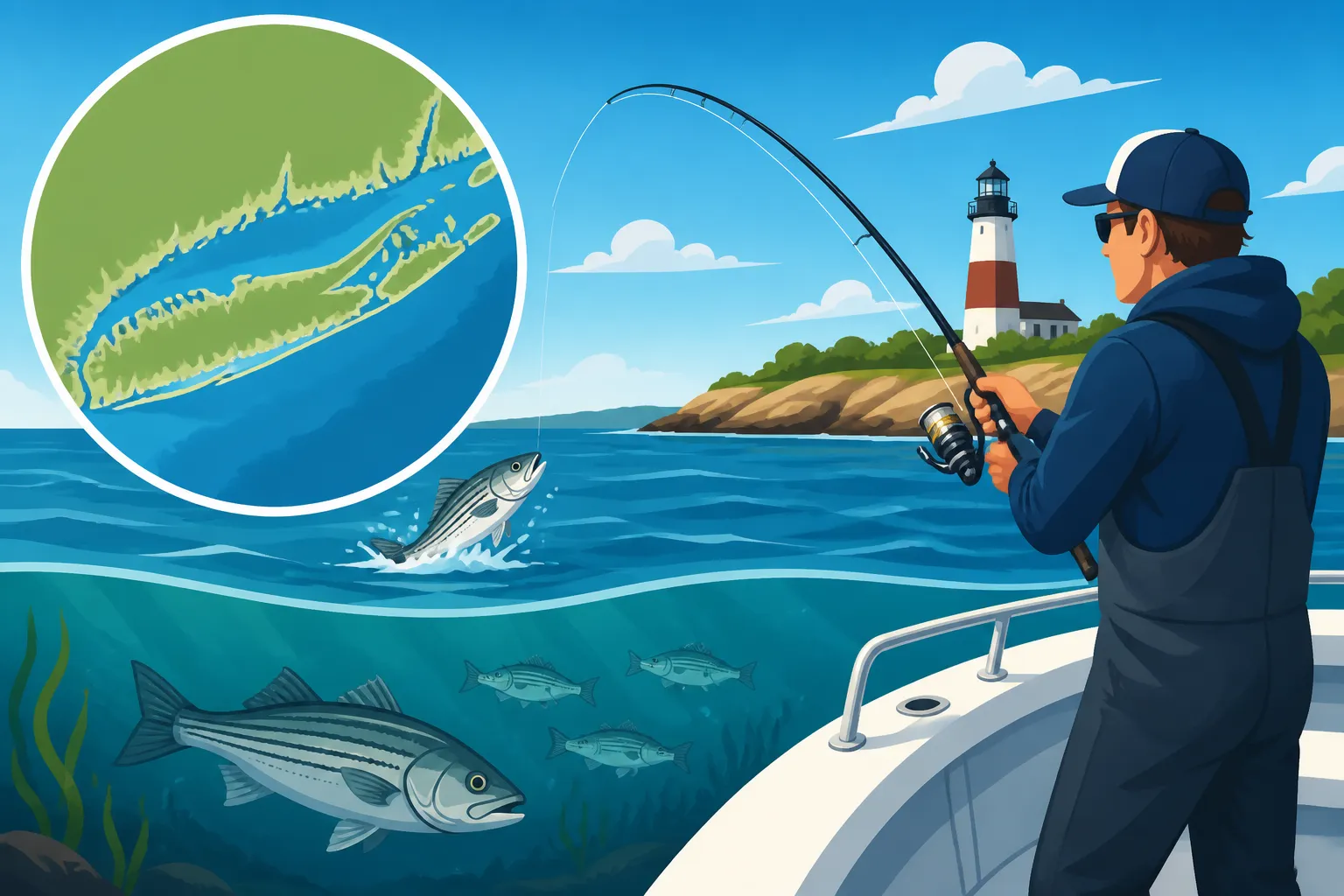
This impressive body of water stretches approximately 110 miles long, varying from 3 to 20 miles wide, bordered by the North Shore of Long Island and the southern coast of Connecticut, with a small but significant portion touching New York's mainland. It's an estuary, meaning it's a semi-enclosed coastal body of brackish water with one or more rivers or streams flowing into it, and with a free connection to the open sea. In the Sound's case, it connects to the Atlantic Ocean at both its eastern (through Block Island Sound) and western ends (via the East River). However, the western connection, while vital for water exchange, is characterized by powerful, often turbulent currents and is generally shallower, making the eastern entrance the primary gateway for major oceanic fish migrations and a larger volume of water exchange.
The Sound's depth is remarkably varied, creating a patchwork of different fishing environments. You'll find extensive shallow mudflats and sandy beaches that gradually slope into deeper water, alongside dramatic drop-offs, underwater humps, and deep channels that can exceed 100 feet. This diverse underwater topography, combined with a significant influx of freshwater from numerous rivers, including New York's Hudson River (indirectly through New York Harbor) and Connecticut's Connecticut and Housatonic Rivers, results in a dynamic mix of salinity and nutrient levels. These constantly shifting conditions, driven by powerful tidal currents, are crucial to understanding where and when different fish species will be present and actively feeding. Anglers must pay close attention to the tide charts, as the ebb and flow dictate feeding windows and fish movement, especially around natural choke points and structural elements.
Habitat Diversity and Ecological Importance
The rich tapestry of habitats within Long Island Sound is what truly underpins its status as a vital fishery. These varied environments provide everything from spawning grounds and nursery areas to foraging zones and protection from predators, supporting a robust and diverse ecosystem. You'll encounter expansive salt marshes and estuaries, particularly in the protected bays and harbors along Long Island's North Shore. These shallow, sheltered areas are ecological powerhouses, serving as critical nurseries for juvenile fish, crabs, and shrimp, and providing abundant food sources for many species. Fishing the edges of these marshlands during tidal exchanges can be incredibly productive for smaller predatory fish.
Beyond the marshlands, vast eelgrass beds carpet many of the shallower, protected bays and coves. These underwater meadows are biodiversity hotspots, offering vital shelter and feeding grounds for a huge array of marine life, including young fluke, porgy, and juvenile striped bass. Learning to identify and fish around these green submarine landscapes, often by carefully drifting over them, can significantly increase your chances of success. Furthermore, the Sound is home to numerous rocky reefs, ledges, and mussel beds, both natural and artificial. These hard structures attract a concentrated bounty of marine invertebrates and baitfish, making them irresistible magnets for species like tautog (blackfish), scup (porgy), and larger striped bass looking for an easy meal. The numerous harbors, docks, and marinas also offer distinct fishing opportunities, as their pilings and nearby channels can hold surprisingly large fish, especially during periods of lower boat traffic or after dark. This incredible habitat diversity not only fuels the recreational and commercial fishing industries but also supports a multitude of bird and marine mammal species, highlighting the Sound's immense ecological significance.
Key Fish Species You'll Encounter
Long Island Sound is a truly angler-friendly body of water, brimming with a diverse array of fish species that appeal to every type of fishing enthusiast. From hard-fighting game fish to delicious panfish, there’s always something exciting to target.
Prized Game Fish: Striped Bass, Bluefish, and Fluke
When most anglers think about fishing Long Island Sound, these three species instantly spring to mind. They are the Sound's rockstars, offering thrilling fights and excellent table fare.
Striped Bass (often affectionately called "stripers") are arguably the most sought-after game fish in the Sound. These powerful, migratory predators frequent both the rocky shorelines and open waters, with some populations being year-round residents. You'll find them feeding voraciously on schooling baitfish like bunker (Atlantic menhaden), spearing (silversides), and eels, often concentrating in areas with strong currents, around submerged structure, or near tidal rips. The early spring and late fall bring the largest migratory fish moving through the Sound, offering opportunities for true trophy catches exceeding 40 or even 50 pounds. Throughout the warmer months, resident populations provide consistent action, particularly for schoolie-sized stripers (under 28 inches). Targeting stripers often involves lures that imitate their natural prey, such as swimming plugs, soft plastics, or topwater poppers, as well as live bait.
Bluefish, famously known as "choppers" due to their razor-sharp teeth and aggressive feeding habits, are another staple of the Long Island Sound fishery. They are notorious for their ferocious strikes and powerful, drag-screaming runs, making them incredibly exciting to catch, even if their table fare isn't always as revered as that of a striped bass. Bluefish typically move into the Sound from late spring through early fall, often hunting in marauding schools that create spectacular surface blitzes as they drive baitfish to the surface. You'll frequently find them mixed in with striped bass during these feeding frenzies. Almost any fast-moving lure or chunk bait will entice a bluefish, but be sure to use a heavy leader and exercise caution when unhooking them – pliers are an absolute must.
Fluke, also known as summer flounder, are an iconic Long Island Sound species, highly prized for their delicious white meat. These flatfish are masters of camouflage, lying in wait on sandy or muddy bottoms, often near structure or subtle changes in depth, ambushing unsuspecting baitfish. They migrate into the Sound as water temperatures warm in late spring, remaining through the summer and early fall. Drifting with bait like spearing, squid, or artificials like Gulp! Swimming Mullets on a bucktail jig is the classic and most effective method for targeting fluke. Look for them in depths ranging from 10 to 60 feet, particularly around channels, shoals, and the edges of eelgrass beds. While their bite can be subtle, the reward of a fresh fluke dinner is well worth the effort. For deeper dives into catching these delicious fish, explore guides like Fluke Fishing on Long Island Sound.
Other Popular Catches: Tautog, Scup, and Weakfish
Beyond the marquee species, Long Island Sound provides a wealth of other fantastic fishing opportunities for dedicated anglers.
Tautog, often called "blackfish," are a unique and highly challenging species, renowned for their incredible pulling power and superb eating quality. They are strictly structure-oriented fish, preferring rocky bottoms, mussel beds, wrecks, and pilings. Tautog are primarily targeted in the cooler months of spring and fall, with a specialized winter season in some areas. Their diet consists almost exclusively of crustaceans, making green crabs, hermit crabs, and Asian crabs the baits of choice. Successfully catching tautog requires a keen sense of touch to detect their subtle bite, patience, and robust tackle to muscle them out of their snag-filled homes before they can break you off. They offer one of the most technical and rewarding fights in the Sound.
Scup, more commonly known as "porgy," are a schooling fish that arrive in massive numbers during the warmer months. These panfish are abundant, relatively easy to catch, and offer excellent eating, making them a fantastic target for beginners, families, or anyone seeking consistent action. Porgies feed on a variety of crustaceans and small invertebrates on sandy, shell-covered, or rocky bottoms. Light tackle with small hooks tipped with clam, squid, or sandworms can lead to non-stop bites. They are often found in the same areas as tautog and fluke, and their aggressive nature makes them a welcome bonus catch. They are a staple of party boats and shore anglers alike.
Weakfish, named for their delicate mouths rather than their fighting ability (though they do put up a spirited fight), are beautiful, iridescent fish that can grow quite large in the Sound. They typically frequent estuaries and tidal rivers, particularly in the western and central Sound, during the warmer months. Weakfish often feed on baitfish, shrimp, and squid. Soft plastics, jigs, and live bait like spearing are all highly effective. While their populations have seen fluctuations over the years, they remain a prized catch for many anglers, known for their dazzling colors and fine eating quality. Their bite can be incredibly subtle, often described as a soft "thump," so sensitive tackle is a significant advantage.
Identifying Your Catch
Being able to properly identify your catch is not just about showing off; it's an absolutely crucial aspect of responsible and legal fishing in New York. Many species have specific size and bag limits, and knowing exactly what you've landed ensures you stay within the law and contribute to the sustainable management of these valuable fisheries. For instance, correctly distinguishing between a legal fluke and a prohibited winter flounder, or between a striped bass and a similar-looking white perch or even a different type of bass, is essential for avoiding penalties. The New York State Department of Environmental Conservation (DEC) provides invaluable resources, including detailed guides on New York Fishing Regulations Explained and comprehensive information on various Fish Species You Can Catch in New York.
One common area of confusion for new anglers involves distinguishing between certain types of bass. A small striped bass might be mistaken for a white perch or even a juvenile largemouth bass if you're not paying close attention to key features like fin count, body shape, and mouth size. For bluefish, their distinctive sharp teeth are an unmistakable giveaway. When it comes to flatfish, careful observation of the eyes (fluke have both eyes on the left side of their head, winter flounder on the right) and the shape of their tail is key. It's always a good practice to keep a current copy of the DEC fishing regulations handbook handy, either physically or digitally on your smartphone, so you can quickly verify your catch if you're ever in doubt. Many online communities and fishing apps can also offer quick fish identification assistance.
Best Fishing Spots on Long Island Sound
Whether you prefer the ease of casting from shore, the adventure of exploring by boat, or the convenience of a public pier, Long Island Sound offers an incredible array of productive fishing locations. Knowing where to go is half the battle won.
Shore Fishing Hotspots for Every Angler
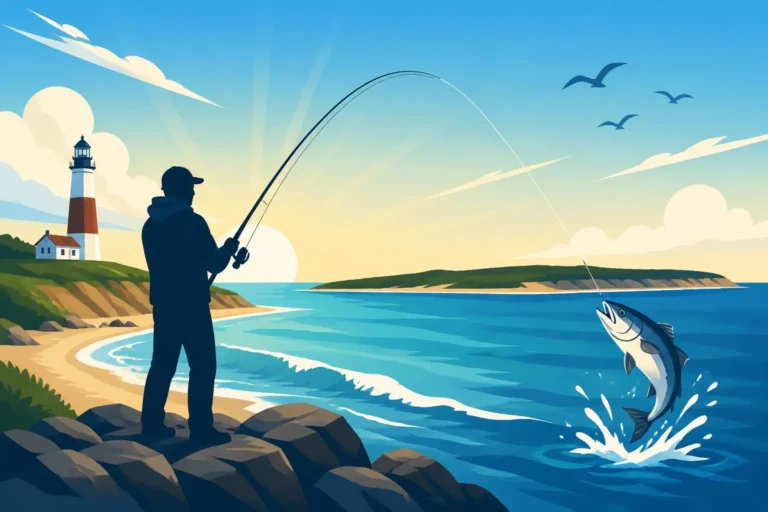
Long Island Sound boasts an impressive number of shore fishing opportunities, making it accessible to anglers even without a boat. From expansive sandy beaches to rugged rocky points and sheltered coves, there's a spot for every preference. One of the most famous and incredibly productive areas, while technically at the very eastern tip of Long Island bordering both the Sound and the Atlantic, is the Montauk Point Lighthouse area. This "Surfcasting Mecca" offers unparalleled opportunities for striped bass and bluefish, especially during their legendary spring and fall migrations. The strong currents and abundant structure here make it a prime location, though it can be a significant drive for many.
Closer to the main body of the Sound, particularly in the western reaches, areas like Flushing Bay and Little Neck Bay in Queens can offer surprisingly good fishing. Here, anglers can target stripers, porgies, and sometimes weakfish, especially around bridges, jetties, and the many city parks offering waterfront access. Further east along the North Shore of Long Island, numerous town beaches and state parks provide excellent shore access. Sunken Meadow State Park in Suffolk County is a fantastic example, with its long beach, extensive tidal marsh system, and accessible shoreline. Anglers here can target fluke, porgy, and schoolie striped bass. Similarly, Wildwood State Park offers bluff-top views and access to rocky shores and beaches, which are ideal for casting lures for bluefish and stripers. Don't overlook the many smaller public access points, such as town docks and designated fishing areas in charming villages like Port Jefferson, Greenport, and Orient Point. These spots often provide easy access to deeper water or current seams that hold fish. Always remember to check local parking regulations and accessibility, as some areas may require a specific town permit or parking fee.
Boat Fishing Paradises
For those with the advantage of a boat, Long Island Sound truly unfolds, presenting an almost limitless expanse of prime fishing grounds. The deeper channels, extensive offshore reefs, and powerful rips become accessible, allowing anglers to target larger migratory fish and explore the Sound's most diverse and productive habitats. The legendary Race and Plum Gut, located at the eastern entrance of the Sound, are renowned for their ferocious currents and immense schools of striped bass and bluefish during their seasonal runs. These spots are not for the inexperienced boater due to the extreme currents and often challenging sea conditions, but the potential rewards in terms of trophy fish can be monumental. Here, techniques like vertical jigging, trolling large plugs, and live-lining bunker are highly effective.
Moving westward, the protected waters and numerous points and ledges around Hempstead Harbor and Oyster Bay offer excellent fishing for fluke, porgy, and striped bass. The deeper channels and shoals off Eatons Neck and Port Jefferson are also highly productive, consistently holding good numbers of stripers and blues, with fluke drifting over the sandy flats. For those targeting tautog, the myriad rocky structures and mussel beds throughout the Sound, such as those found offshore of Mattituck or Wading River, are prime locations. It is absolutely essential to consult nautical charts to identify promising depths, humps, wrecks, and sudden changes in bottom contour that often concentrate fish. Utilizing a chartplotter and a high-quality fish finder will be invaluable tools for pinpointing these boat fishing paradises and understanding the intricate underwater topography. Many anglers rely on specific charter services found through platforms like FishingBooker to discover these prime offshore fishing locations. For a more general overview of where to launch, refer to Best Fishing Spots on Long Island Sound.
Public Piers and Accessible Areas
For anglers without a boat who prefer the convenience and safety of fishing from a solid platform, Long Island Sound offers several excellent public piers and accessible shoreline areas. These spots are fantastic for families, beginners, or anyone looking for a relaxed day of fishing without the need for specialized casting gear or boat expenses. While not directly in the Sound itself, the Captree State Park Fishing Pier on the south shore of Long Island provides access to the Great South Bay, which is part of an interconnected estuarine system that shares many of the same migratory fish species found in the Sound, offering a similar, great family fishing experience.
Closer to the actual waters of Long Island Sound, numerous town docks, small jetties, and accessible bulkheads along the North Shore of Long Island provide ample fishing opportunities. For example, the Port Jefferson Ferry Terminal Pier often provides access to decent depths and currents, attracting a variety of species including porgy, fluke, and occasionally schoolie stripers. Many municipal parks, especially those with waterfront access in towns like Northport, Huntington, and Glen Cove, feature small fishing piers or bulkheads where anglers can easily cast a line. These spots are excellent for light tackle fishing, targeting abundant panfish like porgy and sometimes schoolie striped bass that cruise the shallows. Always be mindful of other users on crowded piers, adhere to any posted park rules, and make sure to keep your fishing area clean. Many of these accessible spots are also well-lit at night, which can be a significant advantage for targeting nocturnal feeders like striped bass.
Essential Gear and Techniques for Long Island Sound
Having the right tools and knowing how to use them effectively are paramount for a successful fishing trip on Long Island Sound. The diverse species and varied conditions demand a versatile approach to tackle and methods.
Rods, Reels, and Line Choices
The ideal fishing setup for Long Island Sound is often a versatile one, capable of handling a range of species and conditions. For general-purpose shore or boat fishing targeting species like striped bass, bluefish, and fluke, a medium-heavy power spinning rod, typically between 7 to 9 feet in length, is an excellent all-around choice. This length provides good casting distance from shore and sufficient leverage from a boat. Pair this with a reliable saltwater-rated spinning reel in the 4000 to 6000 size range, capable of holding 200-300 yards of line. For targeting larger migratory fish, or when fishing in areas with exceptionally strong currents like the Race, you might opt for a heavier surf rod or a more robust conventional (baitcasting) setup. When the target is tautog around heavy structure, a shorter, very stout conventional rod (around 6.5 to 7 feet) with a reel featuring a strong drag system and ample cranking power is often preferred to quickly muscle fish away from snags.
When it comes to fishing line, braided line has become the undisputed standard for most Long Island Sound applications. Its key advantages include incredible strength for its thin diameter, zero stretch for unparalleled sensitivity, and excellent casting performance. For general fishing, 20-30 lb test braided line is a versatile choice, while for tautog or very heavy cover, you might step up to 40-50 lb test. Always, and I mean always, connect a fluorocarbon leader to your braided mainline using a strong, reliable knot like an FG knot or an Albright knot. A fluorocarbon leader, typically 3-6 feet long and in the 20-40 lb test range for stripers/blues/fluke (40-60 lb for tautog), is less visible to fish in the clear Sound waters and offers superior abrasion resistance, which is crucial when fishing around rocks or for toothy bluefish. The extreme sensitivity of braided line allows you to detect even the most subtle bites, a critical advantage when targeting species like fluke or tautog, whose bites can be incredibly light.
Baits, Lures, and Rigs That Produce
Long Island Sound offers a veritable smorgasbord of bait and lure choices, and success often hinges on knowing which to use, when to use it, and where to deploy it. Live bait frequently reigns supreme for many species. Live bunker (Atlantic menhaden) or live eels are top-tier choices for enticing trophy striped bass and large bluefish. They can be slow-trolled, live-lined directly, or fished on a three-way swivel rig. For fluke, live spearing (silversides), peanut bunker, or killifish are highly effective, often presented on a simple bottom rig or tipped onto a bucktail jig. When targeting tautog, green crabs, hermit crabs, or fiddler crabs are almost exclusively the best baits, typically presented on a snelled hook rig designed to minimize snags. Clams and squid are excellent general-purpose baits for porgy, weakfish, and smaller stripers, especially when fished on a hi-lo rig or a simple bottom rig.
Lures also play a massive role in Long Island Sound fishing. Topwater poppers and walk-the-dog style lures provide incredibly exciting action for striped bass and bluefish when they are actively feeding on the surface, especially during a "blitz." Swimming plugs (such as those from Rapala or the popular SP Minnow) and paddle tail swimbaits on jig heads are versatile for a variety of conditions and effectively target stripers and blues. Bucktail jigs, often tipped with a strip of artificial bait like Gulp! or natural bait, are perhaps the most iconic and effective fluke lure, but they also catch stripers and even bluefish. Soft plastic stickbaits (from brands like Zoom or Bass Assassin) on a jig head are excellent for weakfish and stripers, particularly in calmer conditions. Metal jigs and diamond jigs are superb for reaching deeper fish or when you need maximum casting distance from shore. Always carry a diverse selection in your tackle box to be prepared for varying conditions and the ever-changing moods of the fish.
Effective Fishing Techniques for Long Island Sound
Mastering a few key fishing techniques will significantly elevate your success rate on Long Island Sound. Drift fishing is absolutely paramount for fluke. This technique involves allowing your boat to drift slowly over sandy or muddy bottoms, letting your bucktail jig or bottom rig bounce and drag along the seabed. Paying close attention to the current and wind, and adjusting your drift speed with a sea anchor (drift sock) or by making short engine bursts, is crucial to effectively cover ground and present your bait naturally. For striped bass and bluefish, trolling diving plugs, umbrella rigs, or mojos can be deadly in open water or along channel edges, particularly when fish are spread out. Casting and retrieving lures from shore or a boat remains a classic and highly effective method, especially when fish are actively feeding on bait schools. Focus your casts around current rips, rocky points, and areas where baitfish are visibly congregating.
Chunking is a highly effective technique for larger striped bass and bluefish, particularly at night or in deeper waters. This involves anchoring your boat upcurrent and deploying a steady stream of cut bait (often oily bunker) to create a scent trail, while fishing large chunks of bait on the bottom or suspended in the chum slick. For tautog, still fishing precisely over rocky structure is the primary method. Anchor directly over a wreck or rock pile, and present your crab bait vertically, patiently feeling for the distinctive "tap-tap" bite. You need quick reflexes to set the hook before they retreat into their lair. Fly fishing is also gaining significant popularity in the Sound, particularly for striped bass and bluefish in the estuaries and shallower flats, offering an exhilarating challenge. Many of these techniques, especially for striped bass, have parallels with tactics used in other New York waters; you can find more detailed insights by exploring guides like How to Fish for Striped Bass on New York's Hudson River. Remember that the most effective technique on any given day is often dictated by the specific conditions, so being versatile is key.
Navigating New York's Regulations for Long Island Sound
Fishing in Long Island Sound, like anywhere else, comes with a set of rules and regulations designed to protect fish populations and ensure the sustainability of the sport. Understanding and adhering to these guidelines is not just about avoiding fines; it's about being a responsible steward of this incredible resource.
New York State Fishing License Requirements
Before you even think about putting a line in the water in Long Island Sound, you absolutely must ensure you possess the correct New York fishing credentials. The Sound exists at the intersection of fresh and saltwater environments, though for the vast majority of fishing directly in the Sound from New York shores or waters, saltwater regulations are paramount. For saltwater fishing in New York, all residents and non-residents aged 16 and older are required to register for the New York State Recreational Marine Fishing Registry. The excellent news is that this registry is entirely free! However, it is mandatory and must be renewed annually to remain valid. Even if you're fishing from a licensed charter boat, you should still confirm that you are either individually registered or that the charter's blanket registration covers all clients.
If your fishing adventure takes you into any of the freshwater tributaries that flow into the Sound, or if you plan to fish in any freshwater body at any point during your trip, you will also need to obtain a standard New York State freshwater fishing license. This is a separate requirement from the Marine Fishing Registry and does have associated costs. It is always prudent to err on the side of caution and ensure you are compliant with both requirements if there's any ambiguity about precisely where you'll be fishing. You can conveniently obtain your license online through the New York Department of Environmental Conservation (DEC) website, or visit various authorized vendors such as tackle shops or town clerk offices. Don't risk a substantial fine or confiscation of your catch; always verify if you Do I Need a Fishing License to Fish in New York? and make certain your credentials are current before your trip.
Species-Specific Seasons, Size, and Bag Limits
This is where fishing in Long Island Sound often becomes quite detailed, but knowing these specifics is absolutely vital before you head out. Almost every popular game fish in the Sound is subject to precise regulations concerning when you can fish for it (the season), the minimum and/or maximum length it must be to keep (size limits), and how many you are allowed to possess (bag limit). These regulations are not arbitrary; they are meticulously crafted based on scientific assessments to protect fish populations, allow them to reproduce effectively, and ensure sustainable fishing for future generations. For instance, striped bass frequently have a "slot limit," meaning you can only retain fish within a specific size range, such as 28 to 31 inches, and typically only one per person per day. Catching a fish outside this specified slot, whether too small or too large, mandates its immediate and careful release.
Bluefish generally have more liberal limits, but these can and do change. Fluke (summer flounder) also have distinct seasons, a minimum size limit (e.g., 18.5 inches), and a specific bag limit (e.g., 3 per person per day), with their seasons usually running from late spring into the fall. Tautog regulations are often among the most complex, featuring distinct spring, fall, and sometimes even winter seasons, each with potentially different size and bag limits designed to protect spawning and overwintering fish. Porgy (scup) generally offer a generous season and high bag limits, making them a great target for steady action. It is critically important to understand that these rules are subject to annual revisions based on scientific data, stock assessments, and management decisions by both New York State and interstate commissions. Therefore, you must always consult the most current New York DEC fishing regulations guide, which is readily available online or at any license vendor. Ignorance of the law is never a valid excuse, and penalties for violations can include significant fines and even forfeiture of gear. Regularly checking guides such as New York Fishing Season Dates and Catch Limits is highly recommended.
Understanding Catch-and-Release Practices
While the joy of catching fish to bring home for a delicious meal is undeniable, a significant portion of fishing in Long Island Sound involves catch-and-release. This could be due to personal preference, having already met bag limits, or encountering fish that fall outside the legal size limits. Practicing proper catch-and-release techniques is not just an option; it's a moral imperative for the survival and health of the fish you release. This means handling fish gently, minimizing their time out of the water, and using appropriate gear to reduce harm. Whenever possible, utilize single, barbless hooks, as they are much easier and less damaging to remove. Circle hooks, for instance, are often mandated for striped bass when fishing with bait because they significantly reduce the incidence of gut hooking, leading to much higher survival rates for released fish. Understanding the Striped Bass Circle Hook Requirement is crucial for compliance and conservation.
When you're releasing a fish, try your best to keep it in the water as much as possible. If you need to lift it for a quick photograph, ensure you support its entire body horizontally to avoid damaging its internal organs or spine, especially with larger, heavier fish. Avoid gripping fish by the jaw, eye sockets, or gills, as these are very delicate areas. For larger fish that have fought hard, take the time to revive them by gently holding them in the water, facing into the current, until they regain their strength and can swim away under their own power. This revival process is especially important for species like striped bass, which, despite their robustness, can become severely stressed during a prolonged fight. For fish that are deep-hooked, it's often better to simply cut the line as close to the hook as possible rather than attempting to forcibly remove the hook, which frequently causes more damage. Being a truly responsible angler means not only knowing and following all regulations but also actively implementing best practices to ensure the long-term health and vitality of our cherished fisheries.
Chartering a Fishing Trip on Long Island Sound
For many anglers, especially those new to the area, visitors, or groups looking for a hassle-free experience, booking a fishing charter is an excellent way to explore the bounties of Long Island Sound. It offers convenience, expertise, and often the best chance at a productive day on the water.
Benefits of a Guided Long Island Sound Experience
If you're new to fishing Long Island Sound, or even an experienced angler looking to learn new techniques or target specific, elusive species, booking a professional fishing charter is an absolutely invaluable option. The Sound is a vast and intricate body of water, challenging to navigate effectively, with constantly shifting fish populations and powerful tidal currents. A professional charter captain brings years, often decades, of highly localized knowledge to the table. They possess an intimate understanding of where the fish are biting, what specific bait or lures are currently working best, and how to safely and effectively fish the Sound's diverse and often changing conditions. This specialized expertise means significantly less time spent searching and considerably more time actually fishing. Furthermore, charter captains typically provide all the necessary, high-quality gear, from rods and reels to bait and tackle, saving you the considerable expense and hassle of acquiring your own specialized equipment.
Beyond the practical advantages, charters offer a fantastic educational experience. Captains and their experienced mates are often enthusiastic teachers, more than willing to share their extensive expertise, demonstrate new knots, explain effective techniques, and help you understand the subtle nuances of the Sound's dynamic fishery. This accelerated learning curve can transform a novice angler into a more confident and knowledgeable participant in a single trip. Moreover, it's an incredibly hassle-free way to enjoy a memorable day on the water with friends, family, or colleagues, especially if you don't own a boat or aren't familiar with local regulations. The captain adeptly handles all the navigation, understands and adheres to all the complex regulations, and will often even clean and fillet your catch at the end of the day, making for a truly seamless experience. For out-of-state visitors, a charter can also alleviate the need to worry about obtaining a personal New York Fishing License Requirements for Out-of-State Visitors to New York specifically, as many reputable charters operate under a blanket permit for their clients, though confirming this crucial detail beforehand is always a good idea. Many top-rated charters are easily found and booked through services like FishingBooker.
Choosing the Right Charter or Guide
With a multitude of charter operations spanning the entire New York coastline of Long Island Sound, selecting the perfect one can initially feel a bit overwhelming. The very first step in this process is to clearly define your fishing goals and expectations. Are you dreaming of wrestling with a trophy striped bass, aiming to fill a cooler with delicious porgies, or simply looking to enjoy a relaxed, family-friendly outing targeting abundant species like fluke? Different charters specialize in distinct types of fishing and are typically geared towards targeting specific species or offering particular experiences. It's wise to research local marinas and fishing ports along the North Shore of Long Island, such as those in Port Jefferson, Huntington, or Montauk (situated at the eastern tip of Long Island), or even operations based out of City Island in the Bronx for prime access to the western Sound. Online platforms like FishingBooker are exceptionally valuable resources for efficiently finding and comparing a wide array of charters. These platforms allow you to precisely filter your search by location, specific target species, boat size, available dates, and price, and critically, they offer an opportunity to read authentic reviews from previous anglers, providing candid insights into their experiences.
When you're evaluating potential charters, prioritize experienced captains who boast a strong track record of success and positive client feedback, which should be clearly evident in their reviews and testimonials. Always ensure that the boat itself is meticulously maintained, demonstrably safe, and appropriately sized and equipped for your group and your chosen fishing style. Do not hesitate to call the captain directly to thoroughly discuss your expectations, inquire about the typical duration and structure of their trips, and ask specific questions about what is included in the price (e.g., bait, tackle, fish cleaning services, drinks, snacks, etc.). Be sure to clarify all aspects of the pricing, including any potential fuel surcharges, customary tips for the mate (if applicable), and their cancellation policy in the event of adverse weather. A truly reputable and professional captain will be completely transparent about all costs, policies, and what you can anticipate from your trip, helping to ensure a smooth and enjoyable booking process. This diligence ensures you get the best value and experience from Long Island Fishing Charters.
What to Expect on a Charter Trip
Once you've successfully booked your Long Island Sound charter, you might be wondering what exactly to expect on the day of your adventure. Most fishing trips typically commence early in the morning, often around sunrise, to take advantage of prime feeding times, though some charters also offer evening or even dedicated night trips for certain species like striped bass. You'll generally meet your captain and mate at a designated marina or dock, where they will provide a warm greeting and a brief, but essential, safety orientation. They'll also verify any necessary paperwork, such as your Marine Fishing Registry, although many charters will cover this requirement for their clients, a detail you should confirm when booking. While most reputable charters provide all the necessary fishing gear, bait, and tackle, it's always a good practice to double-check this when you make your reservation. You should definitely bring appropriate clothing layers for the variable weather conditions (it can be cooler on the water!), sunscreen, sunglasses, a hat, and any personal snacks or drinks you might desire. A cooler to transport your cleaned catch home is also highly recommended.
During the trip, the captain will expertly navigate to productive fishing grounds, utilizing their extensive experience, deep knowledge of local hot spots, and advanced marine electronics to locate fish. The mate, if one is present, will be an invaluable asset throughout the day, diligently helping you rig your lines, bait hooks, untangle any inevitable snags, and safely land your fish. Do not hesitate to ask questions or request assistance – remember, that's precisely what they are there for, to ensure you have the best possible experience! Depending on the duration of your trip (whether it's a half-day or full-day charter) and the prevailing fishing conditions, you might move between several different spots to maximize your chances of success. Once fish are caught, the mate will typically unhook them and place them securely in a cooler. At the conclusion of your trip, the crew will usually clean and expertly fillet your catch, preparing it for you to take home. It is customary and greatly appreciated to tip the mate (and the captain, if they are the sole crew member) for their hard work and dedication – standard etiquette suggests a gratuity of 15-20% of the trip cost, especially for good service.
Seasonal Fishing Strategies for Long Island Sound
Long Island Sound transforms with each passing season, and so do the fishing opportunities. Understanding these seasonal shifts is key to knowing what species to target and what techniques will be most effective throughout the year.
Spring: Awakening the Waters
Spring on Long Island Sound is a truly exciting time, marking the awakening of the waters as temperatures gradually begin to rise and a fresh wave of migratory fish starts making their way into the region. The fishing action typically begins to pick up noticeably around April and May. Striped bass are a primary target during this period, with eager schoolie-sized fish moving into the estuaries and shallower bays, quickly followed by larger, formidable migratory "cow" stripers pushing into the Sound's main body by mid-May. Early season stripers often key in on the crucial herring and bunker runs as these baitfish enter the Sound to spawn. Shore anglers can achieve great success casting swimbaits or topwater poppers at dawn and dusk, while boat anglers will find success trolling plugs or live-lining bunker in deeper channels and around various structures. You can often find excellent early season striped bass fishing around the mouths of tidal rivers and bays, where baitfish congregate.
Fluke also commence their migration into the Sound in late spring, typically making their appearance by May, as water temperatures consistently hit the mid-50s Fahrenheit. They will initially be found in shallower, warmer bays and more protected areas before gradually spreading out across the vast sandy and muddy bottoms of the Sound. Drifting with bucktail jigs tipped with artificial Gulp! or natural bait such as spearing is the quintessential and highly effective method for targeting fluke during this time. Winter flounder, while less abundant than in past decades, can still be found in the muddy bottoms of protected harbors and bays in early spring, primarily targeted with sandworms or clam baits. This period also witnesses the important herring runs, which serve as a critical baitfish source for larger predatory species. For those eager to get an early jump on the fishing season after the long winter, spring offers incredibly rewarding opportunities, delivering the first vibrant taste of warm-weather angling.
Summer: Peak Action and Warm Water Species
Summer is unequivocally prime time for fishing Long Island Sound, characterized by consistently warm water temperatures and an overwhelming abundance of baitfish that attract a wide variety of sought-after species. From June through August, the Sound is a bustling hub of fishing activity. Striped bass remain a top target, although many of the largest migratory fish might have continued their journey further north or moved into deeper, cooler offshore waters. Nevertheless, plenty of resident stripers and mid-sized migratory fish provide excellent and consistent action, especially during low light conditions (dawn and dusk) or around areas with strong currents. Bluefish are ubiquitous throughout the summer months, often creating spectacular surface blitzes as they aggressively feed on bunker and other schooling baitfish. You'll find them scattered across the Sound, particularly around rips, shoals, and actively feeding schools of bait.
Fluke fishing reaches its peak during the summer. These delicious flatfish will be widely distributed across the Sound's bottom, inhabiting everything from shallow flats to deeper channels. Consistent, controlled drifting over productive grounds is key, often requiring multiple passes over a specific area to locate the most active feeding zones. Porgies (scup) arrive in truly massive numbers and provide fantastic light tackle action, making them an ideal target for families or anglers simply looking to bend a rod with steady bites. They will be found concentrated on rocky bottoms and shell beds. Weakfish also become significantly more active, especially in the western and central Sound estuaries, offering a unique challenge with their subtle bites. While separate from Sound fishing, some charters will venture into the Atlantic for tuna and shark opportunities, but this is distinct from fishing within the Sound itself. The long days and warm evenings make summer fishing incredibly enjoyable, but be prepared for potential crowds, especially on weekends, and always remember to stay hydrated!
Fall: The "Blitz" and Migratory Runs
Fall is, for many, arguably the most exhilarating and productive time to fish Long Island Sound, often lovingly referred to as "the blitz" season. As water temperatures begin their gradual descent and the days noticeably shorten, baitfish instinctively start to school up and migrate out of the Sound and its numerous tributaries, triggering an intense, widespread feeding frenzy among the predatory fish. From September through November, the fishing action can be truly phenomenal and unforgettable. Striped bass and bluefish are the undisputed monarchs of the fall run. Massive schools of bunker, herring, and spearing draw in hordes of ravenous stripers and blues, frequently resulting in spectacular surface feeds that can often be observed from miles away. This is the prime time for casting large topwater plugs, heavy metal jigs, or live-lining bunker for the chance at landing potential trophy catches.
False albacore (often called "albies") and bonito, highly prized by light tackle and fly anglers, also make a thrilling appearance in the eastern Sound during the fall, offering an incredible, blazing-fast fight. These pelagic speedsters test an angler's skill and tackle. Tautog (blackfish) fishing also enters its absolute prime in the fall. As water temperatures continue to cool, these powerful bottom dwellers become incredibly active and aggressive, feeding heavily in preparation for the upcoming winter. This is when dedicated anglers target the big, elusive "white chins" around wrecks, reefs, and intricate rocky structures using crab baits. The cooler, crisp weather and the brilliant, changing fall foliage also provide a breathtaking backdrop for a day of fishing, making this season, though shorter than summer, one of the most memorable and action-packed periods of the entire year.
Winter: Challenges and Unique Opportunities
Winter fishing on Long Island Sound is definitely not for the casual angler; it demands true dedication, specialized gear, and a hearty constitution, but it offers a unique challenge and some distinct opportunities. As water temperatures plummet, most migratory species have departed the Sound for warmer oceanic waters. While the Sound typically remains open water for most of the winter, some of the shallower, more protected bays and harbors might freeze over during prolonged cold snaps, potentially opening up possibilities for New York Ice Fishing Rules if safe ice conditions permit. For open-water winter anglers, the primary target species are tautog (blackfish) and occasionally cod. Tautog can still be found congregating around deeper, offshore structures and wrecks, often in significant numbers, as they aggregate for the colder months. This is a very specialized boat fishery, requiring extremely precise boat positioning and robust gear to withstand the harsh conditions.
Codfish, while not as abundant as in more northern Atlantic waters, can sometimes be found in the deeper, eastern reaches of the Sound or just outside its eastern entrance, especially following severe winter storms that push them closer to shore. This is typically a boat-based fishery, requiring heavy jigs or bait fished directly on the bottom. Occasionally, hardy anglers might also find some holdover striped bass in the deeper, more protected pockets of the western Sound or in tidal rivers, though these are usually smaller fish, and strict catch-and-release practices are strongly encouraged during this vulnerable period. Fishing in winter demands careful attention to constantly changing weather forecasts, strict adherence to safety precautions, and specialized cold-weather clothing and gear. However, for those willing to brave the elements, it can offer a serene and deeply rewarding experience, often with far less competition on the water.
Conservation and Best Practices on Long Island Sound
The long-term health and abundance of Long Island Sound's precious fisheries are not guaranteed; they depend entirely on the collective commitment of every angler to sustainable practices. This means going beyond merely following regulations and adopting a proactive ethos of stewardship and environmental responsibility.
Sustainable Fishing Habits
Embracing sustainable fishing habits is fundamental to ensuring that future generations can enjoy the same rich fishing opportunities that we do today. One of the most impactful habits an angler can adopt is to truly understand and meticulously adhere to all current New York Fishing Season Dates and Catch Limits. These limits are not arbitrarily set; they are carefully determined based on extensive scientific data and stock assessments, specifically designed to protect fish populations, allow them to reproduce successfully, and ensure their long-term viability. Being mindful of your personal catch, even if you are legally permitted to retain more fish, can significantly contribute to the long-term health of the fishery. Consider taking only what you truly need for a meal and conscientiously releasing the rest.
Beyond strictly adhering to regulations, minimizing your overall impact on the marine environment is absolutely critical. This includes making conscious efforts to use lead-free tackle whenever possible, as lost lead sinkers and jigs can inadvertently harm waterfowl and other wildlife through lead poisoning. It is imperative to properly dispose of all fishing line, hooks, and any other trash – never, under any circumstances, leave anything behind on the shore or in the water. Discarded monofilament and braided fishing line can be lethal to birds, marine mammals, and other aquatic animals through entanglement. Actively participate in monofilament recycling programs, which are often available at local bait shops or marinas. Supporting and engaging with reputable organizations dedicated to marine conservation and habitat restoration efforts within the Sound also significantly contributes to its long-term ecological health and resilience. Every single angler, through their individual choices and actions, plays a vital role in protecting this irreplaceable natural resource for all future generations.
Protecting the Sound's Ecosystem
Protecting the delicate ecosystem of Long Island Sound extends far beyond simply ensuring healthy fish stocks; it encompasses the entire complex web of marine life, interconnected habitats, and water quality that collectively define the Sound's vibrancy. One major environmental consideration is the diligent prevention of invasive species. It is absolutely crucial to thoroughly clean your boat, trailers, and all fishing gear after every single outing, especially if you are moving between different bodies of water. This diligent practice effectively prevents the accidental transfer of harmful aquatic invasive species, such as zebra mussels or certain non-native plant species, which can severely outcompete native organisms, disrupt delicate food webs, and ultimately destabilize the ecological balance. For example, the rapid proliferation of species like the Round Goby in other Great Lakes has caused profound ecological shifts, and vigilance is paramount to prevent similar issues from arising in the Sound.
Another crucial aspect of protecting the Sound involves safeguarding its sensitive habitats. Always avoid anchoring in or inadvertently disturbing vital eelgrass beds, which are indispensable nurseries, foraging grounds, and critical shelters for countless marine species. Be acutely mindful of your boat's wake, particularly in shallow areas or near shorelines, as excessive boat wakes can accelerate shoreline erosion and stir up significant amounts of sediment, directly harming aquatic life and water clarity. Actively support and participate in efforts to reduce all forms of pollution, both from land-based sources (stormwater runoff, agricultural chemicals) and from recreational and commercial boats. This includes the proper disposal of all boat waste, utilizing environmentally friendly cleaning products for your vessel, and promptly reporting any observed spills or illicit discharges. By understanding that every individual action, no matter how seemingly small, can have a cumulative impact on the Sound's overall health, anglers can transform into powerful advocates for its continued protection. Make sure to consult respected organizations like the Long Island Sound Study for further in-depth information on how you can actively contribute to preserving this invaluable and cherished estuary.
Table: Long Island Sound Species Quick Reference
| Species | Best Season | Typical Method | Preferred Bait/Lure | Size Limit (NY) | Bag Limit (NY) |
|---|---|---|---|---|---|
| Striped Bass | Spring, Fall | Casting, Live-lining | Live bunker, eels, topwater plugs, swimbaits | 28-31 inches slot | 1 per day |
| Bluefish | Summer, Fall | Casting, Trolling | Metal jigs, poppers, chunk bait | 18-32 inches slot | 3 per day |
| Fluke (Summer Flounder) | Summer | Drifting | Bucktail jig + Gulp!, spearing, squid | 18.5 inches min. | 3 per day |
| Tautog (Blackfish) | Spring, Fall, Winter | Still fishing | Green crabs, hermit crabs | 16 inches min. | Varies by season |
| Porgy (Scup) | Summer | Bottom fishing | Clam, squid, sandworms | 10 inches min. | 30 per day |
| Weakfish | Summer | Jigging, Soft plastics | Soft plastics, live spearing, small jigs | 16 inches min. | 1 per day |
Note: Fishing regulations, including licensing requirements, seasons, and size/bag limits, are subject to frequent change by the New York State Department of Environmental Conservation (DEC). The information provided in this table is for general reference only. It is always your responsibility to consult the most current official DEC regulations before heading out to fish. The table above reflects common regulations but may not be the most up-to-date.
Disclaimer
Please remember that fishing regulations, including licensing requirements, seasons, and size/bag limits, are subject to change by the New York State Department of Environmental Conservation (DEC). While this guide provides comprehensive information, it is always your responsibility to consult the most current official DEC regulations before heading out to fish. Additionally, exercise caution and prioritize safety on the water, especially when dealing with variable weather conditions or strong currents.