Lake Erie Fishing in New York: Where to Go
The vast, shimmering expanse of Lake Erie, especially along New York's western edge, holds a special kind of allure for anglers. However, for newcomers or even seasoned local fishers looking to explore new waters, figuring out where to start, what to target, and how to tackle this immense fishery can feel incredibly daunting. This comprehensive guide is designed to cut through that confusion, giving you the insider knowledge on the best fishing spots, top species, effective techniques, and crucial tips to make your Lake Erie fishing adventure in New York a resounding success.
Why Lake Erie is a Premier Fishing Destination in New York
Lake Erie isn't just one of the Great Lakes; it's a dynamic, rich ecosystem that consistently delivers incredible fishing experiences, drawing anglers from across the region and beyond. Its unique characteristics make it stand out, offering something for every type of fisher, from those casting from shore to seasoned captains heading out into open water.
A Freshwater Colossus with Abundant Life
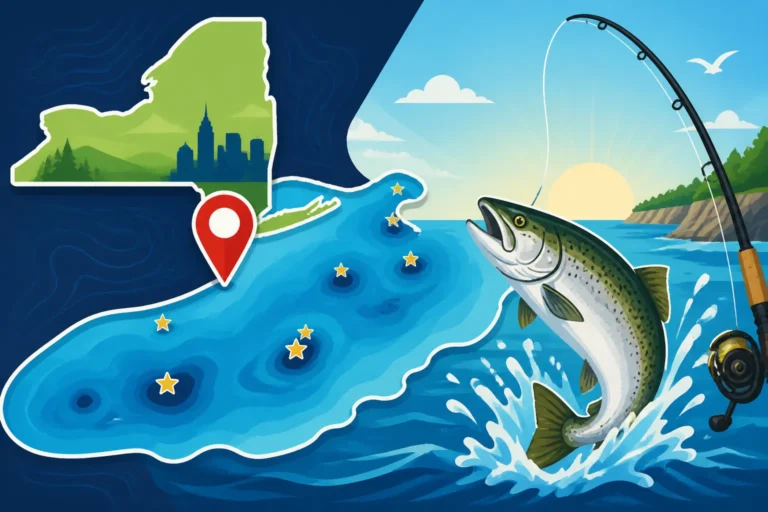
Imagine a body of water so vast it feels like an inland ocean, yet teeming with freshwater fish – that's Lake Erie. As the shallowest of the Great Lakes, it warms up faster than its deeper siblings, leading to incredibly productive waters. This translates directly into a booming forage base for game fish, which in turn means healthy, fast-growing populations of popular species. The New York portion of the lake is particularly renowned for its western basin's rich nutrient flow, contributing to the incredible biomass that sustains its famous fisheries. The sheer size of the lake, stretching over 240 miles long, means there's always new water to explore, new structure to discover, and new challenges to embrace.
Diverse Fish Populations for Every Angler
One of Lake Erie's greatest strengths lies in its incredible biodiversity. It’s not a one-trick pony; instead, it offers a smorgasbord of angling opportunities. While some lakes might specialize in one or two species, Lake Erie boasts thriving populations of several highly sought-after fish. You could spend a morning jigging for a limit of delicious yellow perch, shift gears in the afternoon to chase hard-fighting smallmouth bass, and then dedicate your evening to trolling for trophy walleye. This diversity means you're rarely limited, and if one bite is slow, another species is often ready to cooperate. It truly caters to different preferences and skill levels, ensuring that whether you're a beginner or a veteran, there's always an exciting challenge waiting.
The Thrill of Trophy Catches
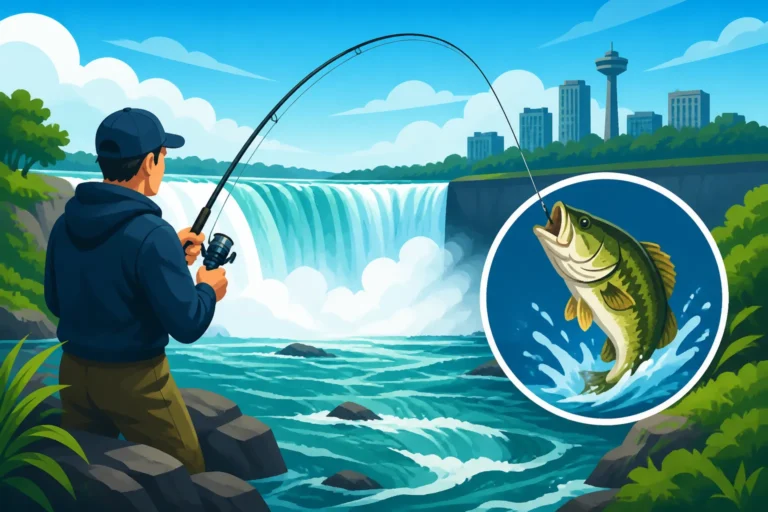
If you dream of reeling in a fish that makes your arms ache and your heart pound, Lake Erie is the place to be. It's not uncommon for anglers here to hook into genuine trophy-sized fish. The lake is especially famous for its enormous walleye, with many fish pushing well into the double digits. These aren't just big; they're often fat and healthy, offering a fantastic fight. Beyond walleye, the smallmouth bass in Lake Erie are legendary for their size and acrobatic leaps. Imagine a bronzeback hitting your lure and immediately launching itself into the air – it's an experience that keeps anglers coming back year after year. Even yellow perch, while smaller, can grow to impressive sizes, offering a substantial meal. The potential for a personal best is always just a cast away on Lake Erie.
Key Fishing Spots on New York's Lake Erie Shoreline
Navigating the vastness of Lake Erie can be a bit overwhelming if you don't know where to drop a line. Thankfully, New York's shoreline offers several fantastic, well-known, and easily accessible fishing locations, each with its own unique charm and angling opportunities. From bustling harbors to tranquil creek mouths, there's a spot that fits your preferred fishing style.
Dunkirk Harbor and Beyond
Dunkirk is often considered the heart of New York's Lake Erie fishing scene, and for good reason. Its protected harbor provides excellent access for both boaters and shore anglers. The Dunkirk Pier, easily accessible from Memorial Park, is a perennial hotspot. Here, you can cast for yellow perch, smallmouth bass, northern pike, and even walleye, especially during the spring and fall runs. It's a fantastic place for families and beginners, offering comfortable casting conditions and often a friendly atmosphere where regulars share tips. For those with boats, the public launches in Dunkirk provide quick access to the open lake, where charter boats and private vessels alike chase walleye, especially in the productive waters around the Dunkirk shoals. You'll find many anglers venturing out from Dunkirk for some Lake Erie Walleye Fishing Near Buffalo, New York The break walls and structures around the harbor mouth also hold fish, making it a versatile spot regardless of whether you’re on foot or on the water.
Buffalo's Inner and Outer Harbors
Further east, the Buffalo area offers a distinctly urban fishing experience, blending industrial scenery with surprisingly good angling. The Outer Harbor boasts numerous public access points along its shoreline, including the popular Tifft Nature Preserve Fishing Access and Gallagher Beach. These areas are excellent for shore anglers targeting smallmouth bass, northern pike, and various panfish. The rocky structures and drop-offs here provide ideal habitat. In the Inner Harbor, particularly around the Buffalo River and navigable canals, you can find a mix of species, including carp, channel catfish, and even some migratory walleye and trout during their runs. The Erie Basin Marina offers another easily accessible pier that can be quite productive, especially for yellow perch. While not always as celebrated for walleye as Dunkirk, the Buffalo harbors offer convenient, diverse fishing opportunities right within the city limits.
Small Towns and Public Access Points
Beyond the major hubs, Lake Erie’s New York shoreline is dotted with numerous smaller towns and dedicated public access sites that offer fantastic, often less crowded, fishing.
- Barcelona Harbor near Westfield is a charming spot known for its historic lighthouse and excellent boat launch facilities. From here, anglers can quickly reach prime walleye and smallmouth bass grounds. The pier and break walls also provide good shore fishing, especially for panfish.
- Sturgeon Point in Evans offers another great public boat launch and a small fishing pier. This area is well-regarded for its smallmouth bass fishing and, like most points, can be excellent for walleye.
- The mouths of tributaries like Cattaraugus Creek and Chautauqua Creek are vital fishing hotspots, especially during the spring and fall when migratory fish like steelhead, brown trout, and salmon stage or run upstream. While Lake Erie is freshwater, these runs attract many anglers looking for a different challenge. Always be sure to check specific regulations for these tributary waters, as they can differ from the main lake. For more details on freshwater fishing rules, check out our guide on New York Freshwater Fishing Rules.
Each of these locations, whether a bustling harbor or a quiet creek mouth, offers a unique window into the rich fishing opportunities available on New York's Lake Erie.
Targeting Lake Erie's Most Popular Fish Species
Lake Erie truly shines because of its incredible productivity, supporting robust populations of several highly sought-after fish. Knowing what you're targeting and how to approach them is key to a successful day on the water.
Walleye: The King of Lake Erie
When most anglers think of Lake Erie, they think of walleye – and for good reason. This lake is arguably one of the best walleye fisheries in the world. These schooling fish are prized for their delicious, flaky white meat and their sometimes elusive, yet aggressive, bite.
- When and Where to Find Them: Walleye are most active during low light conditions, such as dawn, dusk, and at night, though they can be caught throughout the day, especially on cloudy days or in deeper water. In spring, after ice-out, they congregate in shallower waters and around tributary mouths as they prepare to spawn. As summer progresses, they move to deeper, cooler waters, often suspending over structure or along temperature breaks in the open lake. During the fall, they transition back towards shallower areas and harbors as the water cools, feeding aggressively before winter. Major hotspots like the waters off Dunkirk and Buffalo are prime walleye territory.
- Effective Techniques: Trolling is hands down the most popular and effective method for catching walleye in Lake Erie. Anglers use various setups, including planer boards to spread lines, downriggers to reach specific depths, and weighted lines like snap weights or lead core. Popular lures include deep-diving crankbaits (think Bandit Walleye Deep Divers or Reef Runners), spinner rigs tipped with nightcrawlers (often called "worm harnesses"), and spoons. Jigging is also effective, especially in spring and fall, around structure or in tributary mouths using bucktail jigs, blade baits, or soft plastics. Knowing how to troll effectively with various crankbaits is a game-changer, as detailed in our guide on How to Troll Crankbaits for Walleye.
- Bait and Lure Choices: For trolling, natural-colored crankbaits that mimic emerald shiners or perch are always a good bet, but bright colors like chartreuse, orange, and purple can also be deadly. For jigging, white, chartreuse, and perch-patterned soft plastics or blade baits can be very effective. Live bait, particularly nightcrawlers on a worm harness, is a perennial favorite, especially when walleye are finicky.
Smallmouth Bass: Hard-Fighting Fun
If you love a fish that fights dirty, makes powerful runs, and jumps clear out of the water, then Lake Erie's smallmouth bass will be your new favorite target. These "bronze backs" thrive in Erie's clear, rocky waters and are known for their incredible strength relative to their size.
- When and Where to Find Them: Smallmouth bass prefer rocky bottoms, ledges, drop-offs, and clear water. In New York, these habitats are abundant along the entire Lake Erie shoreline. In spring, they move into shallower rocky areas to spawn. During summer, they often hold around deeper rock piles, reefs, and points, though they'll still venture shallow during low light. Fall sees them schooling up and feeding aggressively in preparation for winter. Good areas to target smallmouth include the rocky shores and deeper structure off Dunkirk, Sturgeon Point, and Barcelona. Many consider these among the Best Smallmouth Bass Lakes in New York.
- Effective Techniques: A variety of techniques work for smallmouth. Drop-shotting with soft plastics is incredibly effective for pinpointing fish holding on specific structure. Jigging with tube jigs, swimbaits, or blade baits can entice strikes. Crankbaits and jerkbaits are excellent for covering water and triggering aggressive bites, especially when fish are active. Topwater lures can provide exhilarating strikes during early mornings and evenings.
- Bait and Lure Choices: Soft plastics in various forms (tubes, grubs, swimbaits, worms) in natural colors like green pumpkin, watermelon, or smoke are staples. Small crankbaits and jerkbaits that mimic baitfish are also excellent. Live bait such as shiners, crayfish, or hellgrammites can be irresistible to smallmouth, especially when fished on a simple hook and sinker rig around rocky areas.
Yellow Perch: Delicious and Plentiful
For a relaxing day of fishing that often results in a fantastic meal, targeting yellow perch is a classic Lake Erie pastime. These panfish are abundant, relatively easy to catch, and renowned for their sweet, flaky meat.
- When and Where to Find Them: Yellow perch are typically found in schools, often over mud flats, weed beds, or around structure in shallower to moderate depths. They can be caught year-round, including through the ice in winter where conditions allow. During spring and fall, they often move closer to shore and into harbors. In summer, they might be found a bit deeper, often relating to the same types of bottom structures. Harbors like Dunkirk and Buffalo are consistent producers, as are many smaller bays and protected areas along the coastline.
- Effective Techniques: Perch fishing is often about finding the schools. Once located, simple jigging or still-fishing setups are highly effective. A classic perch rig consists of two small hooks tied above a sinker, allowing you to fish multiple baits at once. You can drift over likely areas or anchor once you find a school. Ice fishing for perch is also popular when conditions permit, using small jigs tipped with bait.
- Bait and Lure Choices: Live bait is king for perch. Minnows (emerald shiners are a local favorite), small worms (like red wigglers), and pieces of nightcrawler are all excellent. Small artificial jigs, especially those tipped with a maggot or a small piece of minnow, can also be very effective, especially through the ice or when the bite is aggressive. Tiny spoons and blade baits also have their moments.
By understanding the habits and preferred methods for these key species, you'll be well on your way to a memorable Lake Erie fishing experience.
Essential Techniques and Gear for Lake Erie Fishing
Lake Erie’s diverse fisheries demand a variety of techniques and a thoughtful approach to gear. Whether you're a seasoned boater or prefer to cast from solid ground, having the right setup and understanding the methods will significantly increase your success rate.
Trolling for Walleye and Salmonids
Trolling is arguably the most iconic and effective method for targeting walleye and migratory salmonids (like steelhead and brown trout that occasionally venture into Erie from its tributaries) in the vast open waters of Lake Erie. It involves dragging lures behind a moving boat, covering large expanses of water to find actively feeding fish.
- Understanding Trolling Setups: There are several ways to troll, each designed to present lures at specific depths and spreads.
- Planer Boards: These devices are essential for spreading your lines out to the side of the boat, covering a wider path and getting lures away from the boat's disturbance. This is particularly effective in clear water. Boards come in inline versions (attached to each line) or mast systems (where lines clip to a main line running to a board).
- Downriggers: For reaching precise depths, especially for fish suspending deep, downriggers are invaluable. They use a heavy cannonball to take your line down, with a release clip that disengages when a fish strikes.
- Lead Core and Copper Line: These specialized lines are weighted to sink on their own, allowing lures to reach significant depths without external weights or boards, though they require specific trolling techniques to manage.
- Snap Weights and Dipsy Divers: These in-line weights and diving planers can be added to standard monofilament or braided lines to achieve depth. Dipsy Divers also help spread lines horizontally.
- Lures and Depths: The choice of lure often dictates the depth you're targeting. Deep-diving crankbaits like Reef Runners, Bandits, and Berkley Flicker Shads are popular for walleye. Spoons are excellent for deeper walleye and any salmonids. Matching lure color to the prevailing baitfish (emerald shiners, perch) is crucial, but don't shy away from bright "attractor" colors. Experimentation with trolling speed, typically between 1.5 to 3 mph, is key to finding what triggers bites on a given day. Modern electronics like fish finders with side-scan and down-scan capabilities are incredibly helpful for identifying baitfish schools, thermoclines, and individual fish at specific depths.
Jigging and Drifting for Bass and Perch
While trolling dominates the open water, active techniques like jigging and drifting are incredibly effective for targeting smallmouth bass and yellow perch, especially when fish are holding tight to structure or in smaller, more defined areas.
- Jigging Techniques: Jigging involves vertically working a lure up and down, mimicking a wounded baitfish or insect.
- For Smallmouth Bass: Drop-shot rigs are phenomenal for presenting a soft plastic bait just above the bottom, allowing for subtle movements that entice wary smallmouth on rocky ledges and humps. Tube jigs, swimbaits on jig heads, and blade baits are also highly effective, especially when hopped or dragged along the bottom. The key is to feel for the subtle "thump" of a bite or the sudden weightlessness as a fish picks up the lure.
- For Yellow Perch: Small jigs (1/16 to 1/8 oz) tipped with live bait (minnows or spikes) or small soft plastics are deadly. A classic method involves dropping a jig to the bottom, reeling up a foot or two, and gently jigging, often with a small "dead stick" rod nearby rigged with a minnow under a bobber. When ice fishing, vertical jigging through the hole is the primary method.
- Drifting Strategies: Drifting allows you to cover structure or open areas more subtly than trolling, letting the wind or current move your boat over potential hotspots.
- For Bass and Perch: Anglers often use bottom-bouncer rigs with live bait (worms or minnows) or spinner harnesses while drifting. This keeps your bait near the bottom where these fish often feed. A sea anchor or drift sock can be used to control your drift speed, ensuring your bait stays in the strike zone longer. This method is particularly effective when fish are scattered or when you're exploring new territory. Knowing How Many Fishing Rods Can I Use at Once?, especially when drifting, can optimize your coverage.
Shore Fishing and Pier Angling Strategies
You don't need a fancy boat to enjoy Lake Erie fishing. The shoreline, especially around harbors and public access points, offers excellent opportunities for anglers without boats.
- Pier Fishing: Piers like the Dunkirk Pier and Erie Basin Marina Pier in Buffalo are fantastic starting points. Here, you can cast for yellow perch using simple bottom rigs with minnows or worms. Smallmouth bass can also be caught near rocky sections, and during migratory runs, you might even hook into a walleye or trout. Popular tackle includes medium-light spinning rods (6-7 feet) with 6-10 lb test line, small hooks, and sinkers appropriate for the current.
- Breakwalls and Jetties: These structures provide excellent habitat and ambush points for a variety of species. Cast crankbaits, swimbaits, or jigs along the edges and out into deeper water for smallmouth and northern pike. For perch, drop a baited rig directly alongside the wall. Always be mindful of slippery surfaces and potential waves.
- Creek Mouths and Tributaries: As mentioned before, the mouths of creeks like Cattaraugus Creek are prime locations, especially in spring and fall. These spots attract migratory steelhead, brown trout, and sometimes walleye. Fly fishing, spin casting with spoons or inline spinners, and float fishing with bait (egg sacs or worms) are all productive methods here. Always check specific regulations for these unique waters, as they often have different rules than the main lake.
Regardless of your chosen method, having a good pair of polarized sunglasses to spot structure and fish, and a landing net, are indispensable tools for any Lake Erie angler.
Understanding Lake Erie's Seasons and Weather Patterns
Lake Erie is a dynamic fishery, and its productivity often hinges on the time of year and the prevailing weather conditions. Understanding these cycles is crucial for planning successful trips and knowing what to expect.
Spring: Awakening and Early Runs
Spring on Lake Erie is a time of awakening and incredible opportunity, though it can also be notoriously unpredictable with its weather. As the ice recedes, the water begins to warm, triggering significant fish movements.
- Walleye: This is prime time for walleye spawning. They move into shallower waters, harbors, and tributary mouths. Anglers often target them by jigging with blade baits or soft plastics in these staging areas or by slowly trolling small crankbaits just outside the harbors. The period just after ice-out and into May is legendary for big walleye.
- Steelhead and Brown Trout: The tributaries flowing into Lake Erie, like Cattaraugus Creek and Chautauqua Creek, experience significant runs of steelhead and brown trout from late winter into spring. These fish move upstream to spawn, offering incredible opportunities for fly anglers and spin fishers alike. Techniques include float fishing with egg sacs, worms, or beads, and casting small spoons or inline spinners.
- Smallmouth Bass: As the water warms, smallmouth bass become more active, moving onto rocky flats and shallow structures for their pre-spawn and spawning phases, typically from May into June. Jerkbaits, crankbaits, and tube jigs can be deadly in these areas.
- Weather Considerations: Spring weather on Lake Erie can be volatile. Expect cold fronts, strong winds, and sudden temperature drops. Always monitor marine forecasts closely, dress in layers, and be prepared for rapidly changing conditions. Safety on the water is paramount during this time.
Summer: Prime Time for Offshore Action
Summer on Lake Erie is characterized by warmer water, more stable weather (though pop-up storms are common), and a shift in fish locations. This is when the open lake truly shines.
- Walleye: As the surface water warms, walleye generally move to deeper, cooler waters, often suspending offshore. This is the peak season for trolling, with boats covering vast areas using planer boards, downriggers, and a variety of crankbaits, spoons, and worm harnesses. Depths vary depending on light conditions and the thermocline, but 20-50 feet is a common range. Early mornings and late evenings can still produce excellent bites closer to structure.
- Smallmouth Bass: While some smallmouth remain shallow, many will move to deeper rock piles, humps, and structural elements in 15-40 feet of water. Drop-shotting, jigging with heavy tubes or football jigs, and deep-diving crankbaits are effective. Finding isolated rock piles or submerged reefs can be incredibly productive.
- Yellow Perch: Perch schools can be found over mud flats and structure in moderate depths. Anglers often locate them using sonar and then drift or anchor, jigging with minnows or worms. Summer is often when you can catch large quantities of perch for a family fish fry.
- Weather Considerations: Summer offers some of the most pleasant fishing conditions, but heat and humidity can be intense. Thunderstorms can develop quickly over the lake, so always keep an eye on radar and be ready to head for safety. Hydration and sun protection are essential.
Fall: Trophy Hunt and Seasonal Transitions
Fall is a favorite season for many Lake Erie anglers, offering some of the best opportunities for trophy fish as cooling waters trigger aggressive feeding binges.
- Walleye: As lake temperatures drop, walleye move back into shallower waters, harbors, and nearshore structures, gorging themselves in preparation for winter. This can be an incredible time for both trolling and casting, with many anglers reporting their biggest fish of the year. Night fishing for walleye can be especially productive with crankbaits or blade baits.
- Steelhead and Salmon: The fall tributary runs of steelhead and some salmon (like Chinook and Coho that stray into Erie from Lake Ontario systems or are stocked locally) are in full swing. These fish provide phenomenal action in the creeks and staging areas at their mouths. Fishing for these hard-fighting anadromous fish is a highlight for many anglers.
- Smallmouth Bass: Smallmouth activity peaks in the fall. They school up on deep rock structures and feed heavily, providing some of the best action of the year for big fish. Jigs, crankbaits, and live bait are all excellent choices.
- Weather Considerations: Fall weather can be glorious with crisp air and calm water, but it can also quickly turn cold and windy. Be prepared for chilly mornings and keep an eye on rising winds, which can make the lake very rough.
Winter: Ice Fishing Opportunities
While the New York side of Lake Erie doesn't consistently freeze over to the extent of its shallower western basin in Ohio, sheltered harbors and shallow bays can offer ice fishing opportunities in colder winters.
- Walleye and Perch: When safe ice forms, anglers target walleye and yellow perch. Jigging with small spoons, blade baits, or live bait is the standard method. Always prioritize safety and check local ice conditions with extreme caution. How to Ice Fish for Walleye in New York, for those brave enough, details more.
- Safety First: Ice thickness can vary dramatically, and the open nature of Lake Erie makes stable ice a rare commodity on the main lake. It is crucial to check local conditions and never venture out alone.
Understanding these seasonal patterns, coupled with diligent weather monitoring, will significantly enhance your Lake Erie fishing success.
Navigating Regulations and Safety on Lake Erie
Fishing on Lake Erie, while incredibly rewarding, comes with its own set of rules and safety considerations. Understanding and adhering to these is not just about avoiding fines; it's about protecting yourself, your fellow anglers, and the valuable fishery itself.
New York Fishing Regulations Specific to Lake Erie
Before you even wet a line, it's paramount to be familiar with the fishing regulations set forth by the New York State Department of Environmental Conservation (DEC). These regulations are designed to manage fish populations sustainably and ensure a fair and safe angling experience for all.
- Fishing License Requirements: First and foremost, anyone aged 16 or older needs a valid New York State fishing license to fish in Lake Erie. This applies to both residents and non-residents. You can purchase these online, at DEC offices, or through various license vendors like tackle shops and sporting goods stores. Our New York Fishing License Guide, provides all the details you need.
- Species-Specific Regulations: Lake Erie has very specific rules for its most popular species, particularly walleye, smallmouth bass, and yellow perch. These include:
- Minimum Size Limits: Fish must reach a certain length before they can be legally kept. This allows younger fish to grow and reproduce, contributing to a healthy population.
- Daily Catch Limits (Creel Limits): There's a maximum number of fish of a particular species you can keep per day. This prevents overharvesting.
- Open Seasons: Many species have specific open and closed seasons. For example, smallmouth bass often have a closed season or a catch-and-release only season during their spawning period to protect them. You absolutely need to consult the current New York Fishing Season Dates and Catch Limits.
- Tributary Regulations: Remember that the rules can change drastically once you move from the main lake into its tributaries like Cattaraugus Creek. These smaller waters often have special regulations, especially during trout and salmon runs, which might include different gear restrictions, catch limits, or even mandatory catch-and-release periods. Always check the specific signage and the DEC's current fishing guide for the waters you plan to fish. For a deeper dive, review the New York Fishing Regulations Explained.
Ignorance of the law is not an excuse. Always carry a copy of the current DEC fishing regulations or have access to them digitally.
Essential Safety Measures on Open Water
Lake Erie can be as unforgiving as it is beautiful. Its vastness and potential for rapid weather changes demand a serious approach to safety, especially if you're venturing out in a boat.
- Life Jackets (PFDs): This is non-negotiable. Ensure you have a properly fitting, Coast Guard-approved personal flotation device for every person on board your vessel. Children under 12 are required to wear them at all times when underway. It's always a good idea for everyone to wear one, regardless of age or swimming ability, especially in cold water or rough conditions.
- Weather Monitoring: Lake Erie is infamous for its ability to go from calm to treacherous in a short amount of time. Always check the marine weather forecast before heading out, and continually monitor conditions while on the water. Look for signs of changing weather (darkening skies, shifting winds, distant lightning). A marine radio or weather app is essential. Don't hesitate to cut a trip short if conditions deteriorate.
- Vessel Readiness: Ensure your boat is in good working order. Check engine fluids, battery charge, navigation lights, and emergency equipment (flares, air horn, first-aid kit). File a float plan with someone on shore, letting them know where you're going and when you expect to return. Consider carrying a GPS and a reliable means of communication beyond a cell phone, as coverage can be spotty.
- Cold Water Safety: Even in summer, Lake Erie's deeper waters can be surprisingly cold. Immersion in cold water can quickly lead to hypothermia. Dress in layers, wear waterproof outerwear, and understand the dangers of cold water shock.
- Navigation: Be aware of commercial shipping lanes, designated no-wake zones, and potential hazards like submerged structures or shallow areas. Use up-to-date navigation charts (physical or electronic).
Avoiding Invasive Species and Protecting the Ecosystem
As responsible anglers, we all have a role to play in protecting Lake Erie's delicate ecosystem from invasive species. These non-native plants and animals can outcompete native species, alter habitats, and damage the fishery.
- Clean, Drain, Dry: This is the golden rule.
- Clean: Inspect your boat, trailer, waders, and fishing gear for any visible plants, mud, or organisms. Remove them before leaving the boat launch.
- Drain: Drain all water from your boat (livewells, bilge, motor) before leaving the access site.
- Dry: Allow all equipment to thoroughly dry for at least 5 days before using it in another body of water. If you can't dry it, wash it with high-pressure hot water (140°F) or a diluted bleach solution.
- Dispose of Bait Properly: Never release unused live bait into Lake Erie or any other water body. Dispose of it in the trash. Many invasive species, or their pathogens, can hitchhike in bait buckets.
- Report Sightings: If you encounter a suspected invasive species, especially a new one in an area, report it to the DEC.
By diligently following these regulations and safety guidelines, you ensure that Lake Erie remains a fantastic and sustainable fishing destination for generations to come.
Hiring a Fishing Charter for a Lake Erie Adventure
For many, the thought of navigating a massive lake like Erie, with its complex fish movements and specialized techniques, can be intimidating. This is where a professional fishing charter truly shines, offering an invaluable experience, especially for those new to the lake or looking to maximize their chances of a trophy catch.
Benefits of a Guided Trip
Deciding to book a fishing charter on Lake Erie comes with a host of advantages that can turn a good fishing trip into an exceptional one.
- Expertise and Local Knowledge: Charter captains are intimately familiar with Lake Erie's changing moods, fish patterns, and hotspots. They spend hundreds of days a year on the water, tracking fish movements, understanding baitfish migrations, and knowing which techniques are working best on any given day. This local insight is something a casual angler can't easily replicate. They know where the fish were yesterday, where they're likely to be today, and how to get them to bite. This removes the guesswork and drastically increases your chances of success.
- Top-Notch Equipment: A reputable charter boat will be outfitted with high-quality, specialized gear perfectly suited for Lake Erie fishing. This includes state-ofthe-art sonar and navigation electronics, a full spread of rods and reels for trolling and jigging, and a vast arsenal of effective lures and baits. You won't need to invest thousands in gear or worry about bringing your own – it's all provided. This is particularly beneficial if you're new to specific techniques like walleye trolling, which requires a lot of specialized equipment.
- Access to Prime Waters: Charter boats are typically larger, more stable vessels capable of safely reaching prime offshore fishing grounds that smaller boats might struggle with, especially when the lake gets a bit choppy. They can get you to the deep-water walleye schools or the remote smallmouth reefs that might be out of reach otherwise. This access to productive areas is a huge advantage.
- Learning Opportunity: A charter trip is essentially a hands-on fishing clinic. Captains are often happy to share their knowledge, explaining techniques, reading electronics, and even filleting your catch. You'll likely learn more in one day with a seasoned captain than in a dozen solo trips.
Choosing the Right Charter
Not all charters are created equal, and selecting the right one can make all the difference in your Lake Erie experience. Here’s what to look for and what questions to ask:
- Reputation and Reviews: Start by researching captains and their operations. Online platforms like FishingBooker are excellent for finding reputable Lake Erie fishing charters in New York, complete with customer reviews and ratings. Pay attention to comments about the captain's demeanor, the condition of the boat, and the overall fishing success.
- Specialization: Many charters specialize in certain species or techniques. If your heart is set on catching trophy walleye, look for a captain known for their walleye expertise. If you want to target smallmouth, find someone who focuses on that. However, most Lake Erie charters are versatile and can adapt to what's biting best.
- Boat and Safety: Inquire about the boat itself. Is it well-maintained? Does it have proper safety equipment? All legitimate charter captains will be Coast Guard licensed and insured. Don't hesitate to ask about their safety protocols.
- Inclusions and Exclusions: Understand what's included in the price. Does it cover bait, tackle, and fuel? What about fish cleaning? Will you need to bring your own New York Fishing License Guide? Most charters do not include your fishing license, so ensure you have yours ready. Ask if there are any hidden fees.
- Communication: A good captain will be clear and communicative before, during, and after the trip. They should be willing to answer your questions and manage expectations regarding potential catch and conditions. You can find many options for Lake Erie Fishing Charters in New York, which simplifies the comparison process.
What to Expect on a Charter
Once you've booked your Lake Erie charter, here's a general idea of what your trip might look like:
- Meeting and Departure: You'll typically meet your captain at a designated dock, often in Dunkirk or Buffalo, early in the morning. After a brief safety talk and introductions, you'll head out onto the lake.
- The Fishing Experience: Depending on the target species and conditions, you'll either head to specific jigging spots or set up for trolling. The captain and mate (if applicable) will handle most of the rigging and boat operation, leaving you free to focus on fishing. They'll help you reel in fish, net them, and ensure your lines are always in the water. It’s an active, hands-on experience, but with all the hard work taken care of for you.
- Comfort and Amenities: Most reputable charters have a comfortable cabin for shelter from the elements, a head (marine toilet), and plenty of space for your group. Many offer amenities like bottled water and snacks, but it's always a good idea to bring your own food and drinks.
- Fish Cleaning: Upon returning to the dock, many charters offer fish cleaning and packaging services for your catch, often for a small additional fee or as part of the initial cost. This means you go home with delicious fillets ready for the pan.
- Tipping Etiquette: It's customary to tip your captain and mate, usually 15-20% of the trip cost, especially if they worked hard and put you on fish. They work long hours, and tips are a significant part of their income.
Whether you're celebrating a special occasion, introducing kids to fishing, or simply want to learn from the best, a Lake Erie fishing charter provides an unparalleled opportunity to experience this incredible fishery.
Conservation and Responsible Angling on Lake Erie
The abundant fisheries of Lake Erie are a precious resource, and as anglers, we have a profound responsibility to protect them. Practicing responsible angling ensures that future generations can enjoy the same incredible fishing experiences we do today. This goes beyond just following regulations; it's about a mindset of stewardship and respect for the environment.
Practicing Catch and Release
While keeping a legal limit of Lake Erie's delicious fish is a cherished part of the experience, voluntarily releasing some or all of your catch, especially larger fish or those not intended for the dinner table, contributes significantly to the health of the fishery. Catch and release helps sustain robust populations, especially for species like trophy walleye and smallmouth bass.
- Minimize Fight Time: The longer a fish fights, the more exhausted it becomes, reducing its chances of survival. Use appropriate tackle that can handle the fish without overly prolonging the fight.
- Handle Fish Carefully: When you land a fish you intend to release, handle it gently and as little as possible. Avoid touching its gills or eyes. If possible, keep the fish in the water while removing the hook.
- Use Barbless Hooks: Barbless hooks, or hooks with crushed barbs, are much easier and quicker to remove, causing less damage to the fish.
- Proper Hook Removal: Use needle-nose pliers or a de-hooking tool to quickly and cleanly remove hooks. If a fish is deeply hooked, it's often better to cut the line as close to the hook as possible rather than tearing internal organs trying to remove it.
- Revival: If a fish seems sluggish after being caught, hold it gently in the water, facing into a gentle current, until it regains its strength and can swim away on its own. Never throw a fish back; always release it with care. Learning proper Catch-and-Release Handling Rules, is crucial for fish survival.
Respecting the Environment
A pristine environment is essential for a healthy fishery. As anglers, we must always strive to leave our fishing spots better than we found them.
- Leave No Trace: Pack out everything you pack in, including all trash, discarded fishing line, and any leftover bait. Even biodegradable items should be packed out, as they can take time to decompose and look unsightly. Fishing line, in particular, can be deadly to wildlife.
- Avoid Littering: This seems obvious, but even small pieces of plastic or food wrappers can end up in the lake, polluting the water and potentially harming fish and wildlife.
- Stay on Designated Paths: When accessing shore fishing spots or tributaries, stick to established trails to prevent erosion and damage to delicate riparian habitats.
- Be Mindful of Noise and Disturbances: While on the water, be considerate of other anglers, boaters, and shoreline residents. Minimize excessive noise and avoid disturbing wildlife.
Understanding Fish Consumption Advisories
While Lake Erie fish are delicious, it's important to be aware of and adhere to fish consumption advisories issued by the New York State Department of Health (NYSDOH). These advisories are based on scientific studies of contaminants found in fish, such as PCBs, mercury, and dioxins, which can accumulate in fish tissue.
- Why Advisories Exist: Contaminants, often from historical industrial activity, can settle in lake sediments and enter the food chain. Larger, older fish tend to accumulate higher levels of these contaminants.
- Who is Affected: Advisories often provide specific recommendations for different populations, such as women of childbearing age, pregnant women, nursing mothers, and children under 15, who may be more vulnerable to the effects of contaminants. They also often differ for various fish species and sizes. For example, advisories might recommend limiting consumption of older, larger walleye or bass.
- Where to Find Information: Always consult the most current New York State Health Department advisories, which are typically found in the annual DEC fishing regulations guide or on the NYSDOH website. These advisories are updated regularly based on ongoing monitoring.
By embracing these conservation practices and staying informed, we can all contribute to the long-term health and enjoyment of Lake Erie's extraordinary fishing opportunities.
Disclaimer
Please remember that fishing regulations, conditions, and advisories can change. Always consult the most current New York State Department of Environmental Conservation (DEC) regulations and advisories from the New York State Department of Health (NYSDOH) before planning your fishing trip. This guide is for informational purposes only and should not be considered a substitute for official sources.