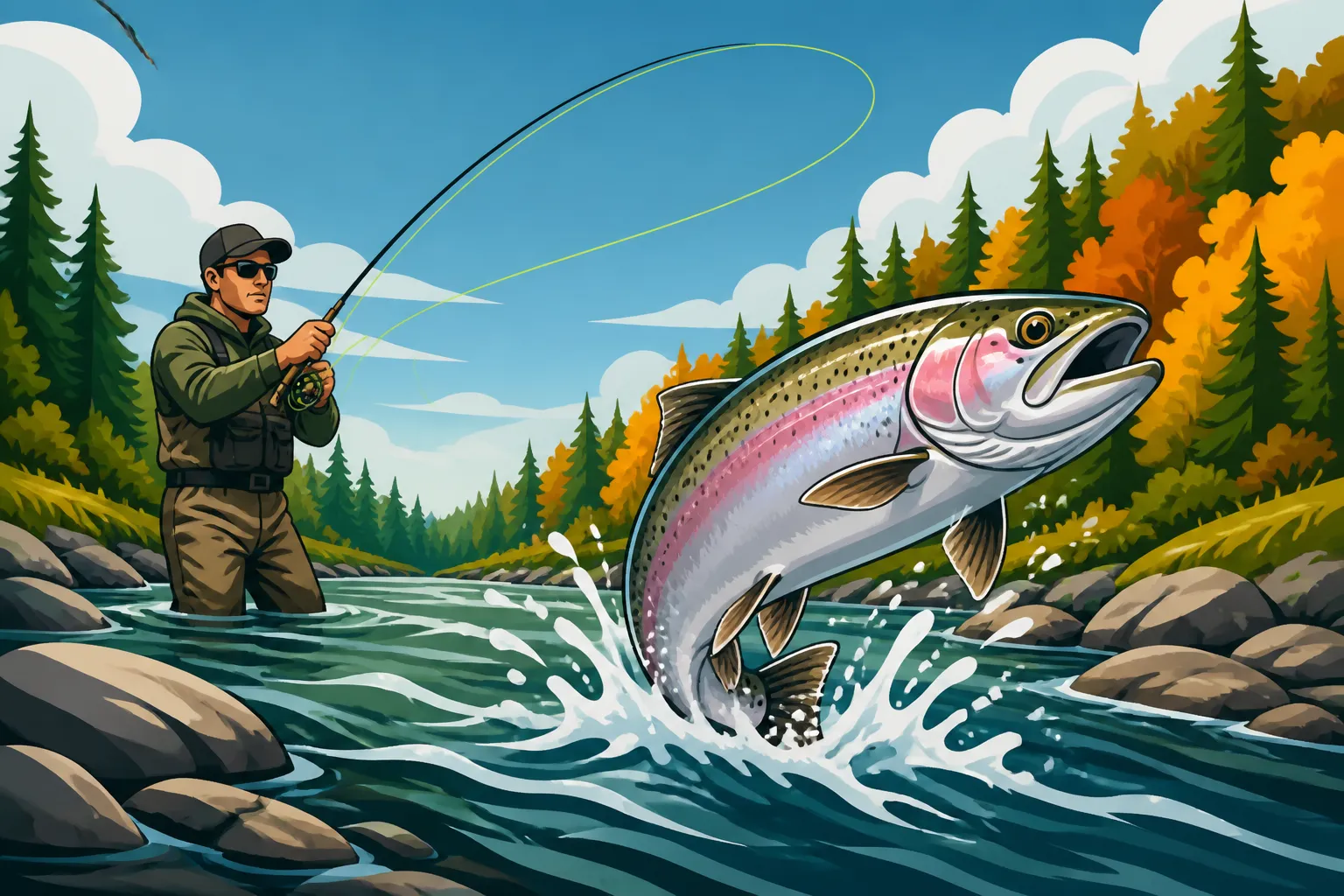
Sandy Creek Steelhead Fishing
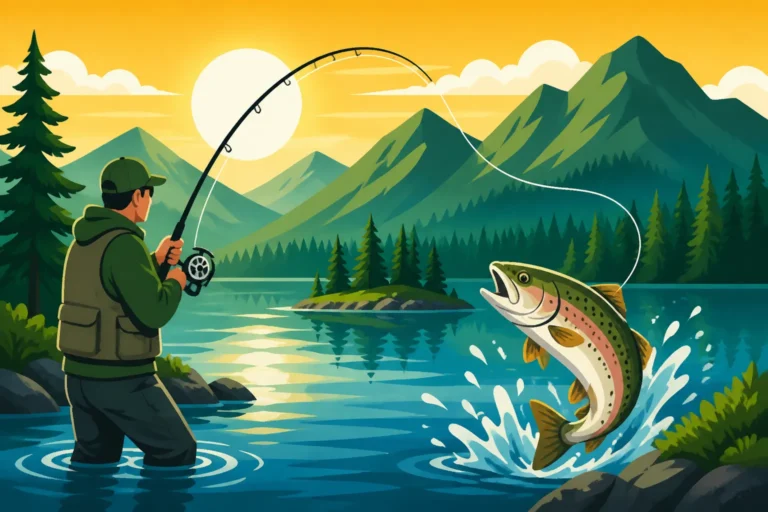
There's nothing quite like the electrifying tug of a powerful steelhead on your line, especially after enduring a long, cold New York winter or the dog days of summer. But finding that perfect tributary where these chrome beauties congregate, navigating ever-changing water conditions, and knowing the right tactics can feel like a daunting puzzle. This comprehensive guide is here to untangle the mysteries of Sandy Creek, one of New York's premier steelhead destinations, offering you the detailed insights you need to confidently pursue these incredible fish.
Understanding Sandy Creek's Allure for Steelhead
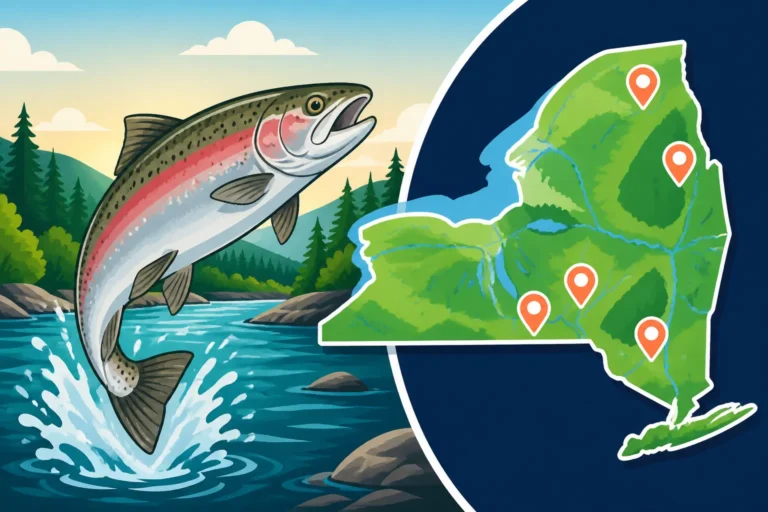
Sandy Creek, nestled in Western New York, holds a special place in the hearts of many Great Lakes anglers. It's one of the key tributaries feeding into Lake Ontario, acting as a vital migratory pathway for steelhead, brown trout, and salmon. What makes it so attractive to these powerful anadromous fish, year after year? It boils down to its unique geological features and abundant forage.
The Unique Ecosystem of Sandy Creek
Sandy Creek, located primarily in Monroe County, flows into Lake Ontario east of Rochester, near Hamlin. Unlike some of the larger, more turbulent rivers, Sandy Creek offers a more intimate fishing experience. It’s characterized by a mix of gravel runs, deeper pools, and slower, meandering sections, especially further upstream. The gradient isn't as steep as some other major tributaries, creating a diverse range of holding water that provides both refuge and feeding opportunities for migrating fish. The creek bed is typically a mix of gravel, cobble, and some bedrock, providing excellent spawning habitat for steelhead in the spring. During periods of heavy rain or snowmelt, the water levels can fluctuate dramatically, transforming the creek from a gentle flow into a roaring torrent, which is crucial for fish migration but also poses challenges for anglers.
The surrounding landscape is a blend of agricultural fields and wooded areas, which contributes to the nutrient load and insect life in the creek. These natural inputs create a rich food web, supporting baitfish populations and a healthy macroinvertebrate community. This biological richness is a huge draw, offering plenty of sustenance for migrating fish as they move from the vastness of Lake Ontario into the tributary. Anglers often find success by understanding how these micro-habitats change with water flow and temperature.
Why Steelhead Choose Sandy Creek
Steelhead, which are migratory rainbow trout, possess an incredible homing instinct, returning to the streams where they were stocked or naturally reproduced. Sandy Creek provides ideal conditions throughout much of the year for their lifecycle. In the fall, as Lake Ontario's waters cool, the first push of steelhead begins to enter the creek, often following the earlier salmon runs, eager to feed on loose eggs. This early run is incredibly exciting, offering anglers a chance to catch aggressive fish.
As winter settles in, Sandy Creek's varied structure—including its deeper pools and undercut banks—offers critical thermal refuge and protection from harsh weather conditions. These fish will hold in these slower, deeper sections, conserving energy. Finally, as spring arrives and the water temperatures rise, the urge to spawn becomes undeniable. The gravel runs of Sandy Creek become prime real estate for spawning steelhead, leading to some of the most intense and rewarding fishing opportunities of the year. The creek's consistent flow, even in dry periods (though less robust than larger rivers), usually ensures enough water for successful migration and spawning. Understanding this annual cycle is key to timing your trip and increasing your chances of success.
Prime Seasons and Optimal Timing for Sandy Creek Steelhead
Timing is everything when it comes to steelhead fishing, and Sandy Creek is no exception. While steelhead can technically be found in the creek for many months of the year, certain periods offer significantly better chances of success due to fish migration patterns, water temperatures, and spawning behaviors. It’s a dance with nature, and knowing the steps can make all the difference.
Fall Run: Chinook and Early Steelhead
The fall run on Sandy Creek typically kicks off around late September and extends through November, sometimes even into early December depending on weather. This is when the mighty Chinook and Coho salmon make their way up the tributaries to spawn. While many anglers focus on the salmon themselves, it's the steelhead that often provide incredible ancillary action. As salmon clear gravel beds to lay their eggs, many of these eggs drift downstream, becoming an irresistible protein source for opportunistic steelhead. These early steelhead are often called "egg eaters" or "drop-back" steelhead if they are returning from a summer spent in the lake, and they are notoriously aggressive.
The water levels in the fall are crucial. After a dry summer, the creek might be low, requiring significant rain to trigger a strong migration. Once those rains hit and the water color becomes stained but not blown out, the fishing can be phenomenal. Look for steelhead holding behind spawning salmon, in deeper pools, or along current seams where eggs might collect. The crisp air, changing leaves, and vibrant colors of both the fish and the scenery make fall an unforgettable time to be on Sandy Creek. For more on when these powerful fish start their journey, check out our guide on Fall Steelhead Run Timing in New York Once the salmon spawn tapers off, a dedicated wave of fall-run steelhead often enters, moving up the creek with an eye towards wintering-over spots.
Winter Steelhead: Ice and Open Water Challenges
Winter steelhead fishing on Sandy Creek can be one of the most rewarding, yet challenging, experiences. From December through March, temperatures plummet, and parts of the creek may freeze over. However, many sections, especially those with faster currents or groundwater inputs, remain open, offering pockets of fishable water. The key to winter success is understanding that steelhead metabolism slows down in cold water; they become less active and tend to hold in deeper, slower pools, often close to cover. They won't chase a bait far, so presentation needs to be slow, deliberate, and right in their strike zone.
Access can be difficult in winter with snow and ice, but dedicated anglers are often rewarded with larger, chromer fish that have spent more time in Lake Ontario. Warmer spells or thaws can trigger mini-runs, bringing fresh fish into the system or rousing resident steelhead from their lethargy. Anglers must be diligent in checking local reports for ice conditions and water levels, as a sudden cold snap can lock up sections of the creek overnight. This is also a time when proper layering of clothing and safety equipment for wading in cold water are paramount. Despite the harsh conditions, the solitude and the chance at a true trophy make winter steelhead fishing a unique adventure on Sandy Creek.
Spring Run: Peak Action and Spawning Aggression
Spring is arguably the most exciting time for steelhead fishing on Sandy Creek. As daylight lengthens and water temperatures begin their slow ascent from March through May, steelhead that have wintered over, along with fresh waves of new fish, become highly active as they prepare to spawn. This is when you'll find fish actively moving onto gravel beds to participate in the ancient ritual of reproduction. The steelhead become incredibly aggressive, territorial, and focused on spawning, making them more willing to strike at a well-presented fly or bait. Our guide on Spring Steelhead Run Timing in New York provides a deeper dive into this dynamic period.
The spring run often coincides with increased water flows from snowmelt and spring rains, which can both aid migration and occasionally make fishing challenging if the water gets too high or muddy. Ideal conditions involve stable or slowly dropping water levels with good clarity. During this period, you'll see fish in various stages of their spawning cycle: some fresh from the lake, bright and chrome; others "colored up" as they approach spawning; and "drop-backs" returning to the lake after spawning, often still aggressive and feeding heavily to regain energy. The sheer numbers of fish, combined with their spirited fights, make spring an absolute must for any serious steelhead angler targeting Sandy Creek.
Essential Gear and Tackle for Sandy Creek
Success on Sandy Creek's often challenging waters hinges on having the right tools for the job. Steelhead are powerful fish, and the environment demands sturdy, reliable gear that can withstand cold temperatures, strong currents, and intense battles. Getting your setup dialed in beforehand will significantly increase your chances of landing these magnificent trout.
Rods, Reels, and Line Choices
For steelhead fishing on Sandy Creek, versatility is key, as conditions and preferred techniques can vary. Most anglers lean towards longer rods, typically 9 to 13 feet in length, especially for float fishing or drift fishing. A longer rod allows for better line control, easier mending, and softer presentations, helping to keep your bait or fly drifting naturally without drag. For float fishing, a rod in the 11-foot range with a medium-light to medium action is a popular choice, providing enough backbone to fight a strong fish but enough flex to protect light leaders. Fly anglers often opt for 8-weight to 10-weight fly rods, usually 10-11 feet long, for swinging flies or nymphing. Spey or switch rods are also becoming popular for covering larger sections of water with less effort.
When it comes to reels, a quality spinning reel in a 2500-4000 size or a centerpin reel is ideal for conventional setups, offering smooth drag systems essential for battling powerful steelhead. Fly reels should have a strong, smooth drag and enough backing capacity, especially if you hook into a large, hot fish. Your main line for spinning or centerpin setups is often 8-12 lb test monofilament or braided line, with a fluorocarbon leader of 6-10 lb test attached. Fluorocarbon is less visible in the water and more abrasion-resistant, a real advantage when fishing around rocks and debris. Remember, a long leader helps keep your bait separate from your main line, further enhancing a natural drift.
Baits, Lures, and Fly Patterns That Produce
Steelhead can be particular, but having a diverse array of baits, lures, and flies can help you adapt to their changing moods and water conditions. For conventional anglers, egg sacs are often the top choice, especially during and after the salmon spawn. These are typically mesh bags filled with cured salmon or trout eggs, mimicking the natural food source. Various colors and sizes can be effective, from bright chartreuse to natural orange. Another popular option is trout beads, small plastic or glass beads that imitate individual salmon eggs. Drifting these under a float is incredibly effective. For more specific insights, you might find our guide on How to Fish Egg Sacs for Steelhead quite helpful. Small jigs tipped with wax worms, minnows, or plastic grubs can also entice bites, particularly in slower pools during colder weather.
Fly anglers have a wide arsenal. In the fall, egg patterns (glo-bugs, estaz eggs) are indispensable. During winter and spring, nymphs mimicking stoneflies, caddis larvae, or mayflies (e.g., stonefly nymphs, prince nymphs, pheasant tails) are excellent when dead-drifted. Streamers like Woolly Buggers, Sculpzillas, or egg-sucking leeches can be effective when swung through deeper runs or stripped to provoke a reactionary strike. Don't forget brighter, flashier patterns like "intruder" style flies for aggressive fish, especially when the water has a bit of color. Always check local bait shop reports and online forums to see what’s been working most recently, as steelhead preferences can shift with water conditions and time of year.
Effective Techniques for Sandy Creek Steelhead
Catching steelhead in Sandy Creek isn't just about showing up with the right gear; it's about understanding and applying effective techniques tailored to the environment and the fish's behavior. Steelhead are wary and powerful, demanding precision and patience from the angler. Mastering a few key methods will significantly boost your success rate.
Drift Fishing and Float Fishing Strategies
Drift fishing and float fishing are arguably the most popular and effective techniques for steelhead in Sandy Creek. The goal is to present your bait or fly in a natural, drag-free drift that mimics how food would naturally flow down the current.
Float fishing, also known as "indicator fishing," involves suspending your bait or bead beneath a bobber or float. The float helps you detect subtle bites and allows your offering to drift at the same speed as the current, at the precise depth where fish are holding. This is particularly effective in runs, riffles, and seams where steelhead lie in wait. A long, sensitive rod (10-13 feet) is a huge advantage here, allowing for excellent line control and long, precise drifts. As your float moves downstream, you "mend" your line—lifting and repositioning it upstream—to eliminate drag. When the float dips, pauses, or shoots sideways, it's often a bite, and a quick, firm hookset is required. Common baits for float fishing include cured egg sacs, beads, or small jigs. Our guide on How to Drift Fish for Steelhead offers a more detailed explanation of these techniques.
Bottom bouncing is another form of drift fishing, often employed in deeper or faster water where floats might be difficult to manage. This technique uses pencil lead or slinky weights to keep your bait or lure near the bottom, bouncing along with the current. The key is to use just enough weight to maintain bottom contact without snagging excessively. This method is excellent for getting your presentation into the deeper pockets and crevices where steelhead often hold, especially during colder periods. Both methods require an intimate understanding of the creek's contours and current patterns to present your offering effectively.
Fly Fishing Tactics for Tributary Steelhead
Fly fishing for steelhead on Sandy Creek is an art form, offering a unique and incredibly rewarding challenge. There are two primary approaches: nymphing and swinging.
Nymphing is essentially fly fishing's version of drift fishing. It involves presenting subsurface fly patterns (nymphs, egg patterns, small streamers) under an indicator or using a tight-line (Euro-nymphing) technique. Like float fishing, the goal is a drag-free drift at the fish's level. Indicators help detect subtle takes, much like a bobber. Tight-line nymphing, on the other hand, relies on direct line contact and feel to detect strikes, allowing for more precise depth control and sensitivity, especially in complex currents. This method is fantastic for targeting steelhead holding in riffles, runs, and the heads of pools. Understanding how to read the water and identify holding lies is crucial for effective nymphing.
Swinging flies is a more active and often more aggressive way to target steelhead, particularly with spey or switch rods, but it can also be done with single-handed rods. It involves casting a fly (typically a larger streamer, intruder, or traditional wet fly) across the current and allowing it to swing downstream, covering a wide swath of water. The movement of the fly as it sweeps across the current can trigger aggressive strikes from fish that might not respond to a dead drift. This technique often works best in broader, uniform runs and when fish are actively moving or feeling particularly aggressive. The take while swinging is often a distinct, solid tug, and the ensuing fight is unforgettable. For those looking to learn more, our guide on How to Fly Fish for Steelhead provides comprehensive details on various techniques and patterns.
Navigating Access Points and Wading Safely
Sandy Creek offers various public access points, but understanding them and wading safely is paramount. Many sections run through private property, so always be mindful of signage and respect landowners' rights. Key public access points often include bridge crossings, public fishing rights (PFR) easements, and state land parcels. The New York State Department of Environmental Conservation (DEC) provides maps of PFR access, which are invaluable resources.
When wading, always wear appropriate waders and wading boots with good felt or studded soles for traction. A wading staff is not optional; it's a critical safety tool, especially in unfamiliar water or during higher flows. Steelhead streams can have slippery, uneven bottoms, with deep holes and strong currents that can catch you off guard. Always test the depth and stability of the bottom before taking a step. Never wade alone if possible, and always let someone know where you are going and when you expect to return. The water can be deceptively cold, so dress in layers and consider insulated waders and socks. Good judgment and caution will ensure a safe and enjoyable day on Sandy Creek.
Regulations, Conservation, and Responsible Angling
Being a responsible angler on Sandy Creek means more than just catching fish; it means understanding and adhering to the regulations set forth by the New York State Department of Environmental Conservation (DEC) and practicing strong conservation ethics. These rules are in place to protect the valuable fishery and ensure its health for future generations of anglers.
Understanding New York DEC Regulations
New York's fishing regulations can be complex, especially on tributary systems like Sandy Creek, where rules might vary by species, season, and even specific sections of the creek. Before you even cast a line, you need a valid New York State fishing license. You can find comprehensive details in our New York Fishing Regulations Explained guide. For Lake Ontario tributaries, there are usually specific rules that govern seasons, size limits, and daily creel limits for steelhead, brown trout, and salmon. For instance, there are often specific dates for catch-and-release only periods, or bait restrictions (e.g., artificial lures only, or single-hook restrictions during certain times of the year).
It's critical to check the current year's New York State Fishing Regulations Guide published by the DEC, which is available online or at most license vendors. This guide will outline:
- Season Dates: When specific species can be targeted and kept.
- Size Limits: Minimum or maximum lengths for keeping fish.
- Daily Creel Limits: How many fish of a particular species you can legally keep in a day.
- Gear Restrictions: Rules on the number of lines, type of hooks (e.g., single point, barbless), and bait usage.
- Special Regulations: Some sections of Sandy Creek might have unique rules. Pay close attention to these.
Failure to comply with these regulations can result in hefty fines and the loss of fishing privileges, so always be informed.
Practicing Catch and Release for Sustainability
Steelhead are a precious resource, and many anglers on Sandy Creek opt for catch and release, even when keeping fish is legal. This practice is vital for maintaining healthy populations, especially for a species that undergoes such a strenuous migration and spawning process. If you intend to release a fish, doing so properly is just as important as the catch itself.
Here are key principles for effective catch and release:
- Minimize Fight Time: Bring the fish in as quickly as possible to reduce stress and exhaustion.
- Use Barbless Hooks: Barbless hooks greatly reduce tissue damage and make hook removal much faster and easier. You can often crimp the barb on a standard hook with pliers.
- Keep Fish in Water: Avoid removing the fish from the water entirely if possible, especially if you plan to photograph it. Keeping it submerged or partially submerged helps protect its slime coat and gills.
- Handle Gently: Support the fish horizontally, never vertically by the jaw or tail, which can damage its internal organs or spine. Use wet hands to avoid removing the protective slime coat.
- Quick Hook Removal: Use hemostats or pliers to quickly and carefully remove the hook.
- Revive Before Release: If the fish appears stressed, hold it gently upright in the current, facing upstream, until it regains its strength and can swim away on its own.
By following these practices, you contribute directly to the health and longevity of Sandy Creek's incredible steelhead fishery, ensuring that these powerful fish will continue to thrill anglers for years to come. Remember, the future of fishing depends on the actions we take today.
Planning Your Sandy Creek Steelhead Adventure
A successful steelhead trip to Sandy Creek involves more than just knowing where and how to fish; it requires thoughtful planning, especially concerning logistics, accommodation, and potentially enlisting local expertise. Being prepared will make your adventure much more enjoyable and productive.
Finding Accommodations and Local Services
Sandy Creek is located in a relatively rural part of Western New York, but it's within a reasonable driving distance of several towns that offer various amenities. The closest larger city is Rochester, which has a wide array of hotels, motels, and dining options. Closer to the creek itself, you'll find smaller towns like Hamlin, Brockport, or Spencerport, which might offer more quaint bed-and-breakfasts, local diners, and smaller shops for bait and tackle.
When booking accommodations, consider how close you want to be to your primary fishing spots. Early morning starts are common for steelhead anglers, so minimizing travel time can be a huge benefit. Many anglers also opt for vacation rentals through platforms like Airbnb or VRBO, which can be ideal for groups and often offer kitchen facilities to prepare your own meals. Always check reviews, especially for smaller, local establishments. For last-minute needs, local sporting goods stores or bait shops are not just places to grab supplies; they are invaluable sources of up-to-date information on water conditions, recent catches, and what baits are working best.
Hiring a Local Guide for an Edge
For many anglers, especially those new to Sandy Creek or steelhead fishing, hiring a local guide can be the single best investment. A good guide offers an unparalleled advantage: they know the water intimately, understand the current conditions, and can put you on fish faster than you could on your own. They typically provide all the necessary gear, expertise, and often even lunch, leaving you free to focus solely on the fishing experience. Our Steelhead Guides on Lake Ontario Tributaries post explores this option in more detail.
When looking for a guide, platforms like FishingBooker are an excellent resource. You can search for local guides operating on Sandy Creek or other nearby Lake Ontario tributaries, read reviews from past clients, and compare services and prices. A reputable guide will not only help you catch fish but also teach you valuable techniques, explain the nuances of the creek, and help you understand New York Fishing Seasons Explained for various species. They can take away the guesswork of finding productive water and save you precious fishing time. Whether it's a full-day trip focusing on float fishing or a specialized fly-fishing excursion, a local expert can transform your outing from a hopeful endeavor into a memorable and successful adventure. Many guides are booked months in advance, especially during peak seasons, so plan to book well in advance of your desired fishing dates.
Disclaimer
Please note that fishing regulations, conditions, and fish populations can change. Always consult the most current New York State Department of Environmental Conservation (DEC) regulations before planning your fishing trip to Sandy Creek or any other New York waterway. This guide is for informational purposes only and does not supersede official government regulations.