Best Walleye Fishing Spots in New York
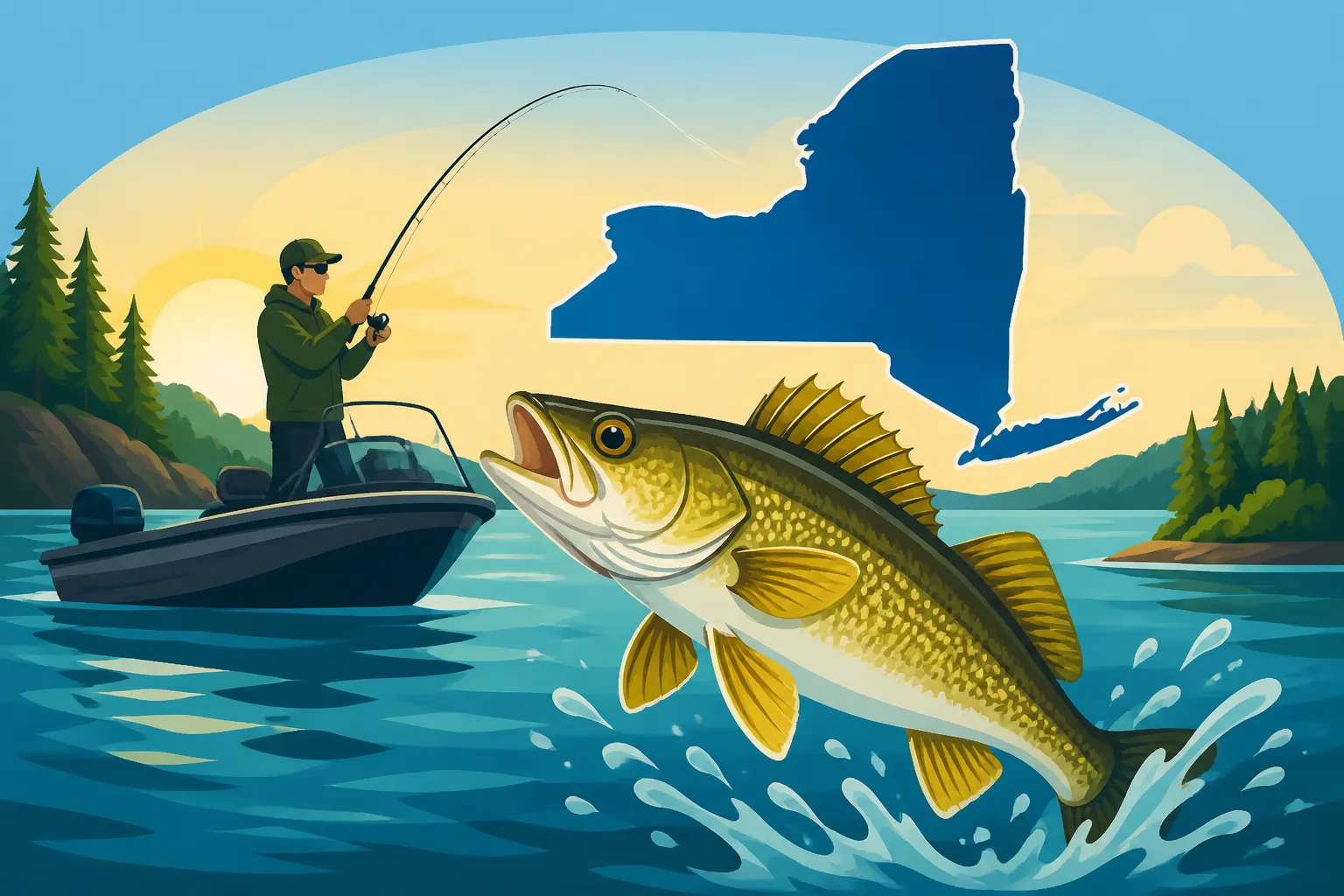
For many anglers, the pursuit of walleye in New York can feel like searching for a ghost. These finicky, light-sensitive predators are notorious for their elusive nature, often leading to frustrating days on the water for those who don't know where or how to find them. But don't let their reputation deter you! This comprehensive guide is dedicated to revealing New York's best walleye fishing spots, equipping you with the knowledge to consistently put these delicious fish in your cooler.
The Elusive Appeal of New York Walleye Fishing
There’s something uniquely captivating about walleye fishing. Maybe it’s their beautiful, golden-flecked scales, their reputation as incredible table fare, or perhaps the sheer challenge they present. Unlike some other species that might bite anything that moves, walleye demand patience, strategy, and a deep understanding of their habits. They are masters of their environment, preferring low light conditions and often holding to specific structures, making them a true trophy for any angler.
Why Walleye Present a Rewarding Challenge
Walleye aren't just any fish; they're intelligent, opportunistic predators that react strongly to environmental changes like light penetration, water temperature, and current. This means you can't just blindly cast a line and expect success. You need to think like a walleye, understanding where they'll be staging, feeding, or resting at any given time. This mental chess match, combined with the often explosive fight of a good-sized walleye, is precisely what makes them so rewarding to pursue. There's a profound satisfaction that comes with cracking the code on a tough bite and finally bringing a beautiful walleye to the net.
Understanding Walleye Distribution Across New York
New York State is surprisingly diverse when it comes to walleye habitat, offering everything from vast Great Lakes expanses to smaller inland lakes and major river systems. While they thrive in cool, clear waters, their adaptability means you can find them in a variety of settings. The key is knowing which bodies of water consistently hold healthy, catchable populations. From the colossal waters bordering Canada to the more intimate settings of the Finger Lakes, New York truly offers a walleye fishery for every preference, each with its own quirks and secrets waiting to be uncovered. You might be surprised at the sheer number of Fish Species You Can Catch in New York, with walleye ranking high on many anglers' target lists.
Lake Erie: New York's Premier Walleye Fishery
When you talk about walleye fishing in New York, Lake Erie almost immediately springs to mind. This colossal Great Lake isn't just one of the best walleye fisheries in the state; it’s consistently ranked among the top walleye lakes in the entire world. The sheer volume of fish here is astounding, with robust populations that support both recreational and commercial fishing. Its expansive waters and abundant forage base create an ideal environment for walleye to grow big and plentiful.
Hotspots and Productive Zones from Buffalo to Dunkirk
Lake Erie's New York shoreline stretches for miles, offering countless opportunities, but certain areas consistently stand out. The waters off Dunkirk are legendary, often considered the heart of New York's Lake Erie walleye scene. Here, the depths and submerged structures create perfect feeding lanes. Further east, towards Buffalo, the angling can also be exceptional, especially as fish move into shallower waters during certain seasons. The area around the Niagara River mouth, for example, can be a fantastic staging ground. When considering a trip, you can often find a wide array of options and local knowledge from guides on platforms like FishingBooker, which makes planning much easier. For more localized intel, check out guides focused on Lake Erie Walleye Fishing Near Buffalo, New York.
Anglers often target the deep-water humps, reefs, and sharp breaks that characterize Lake Erie’s bottom. Good electronics are absolutely crucial here to identify these structures and locate schools of fish. The fishing can extend far offshore, with boats often traveling many miles to reach the most productive grounds. Nearshore, especially during spring and fall, the bays and points closer to shore can also hold impressive numbers of walleye as they follow baitfish or prepare for spawning runs. Knowing the lake's contours and staying flexible with your depth is key to consistent success.
Seasonal Tactics for Different Times of the Year
Walleye fishing on Lake Erie is a year-round affair, each season demanding different approaches.
- Spring (April-May): This is prime time for shallow-water walleye as they move in to spawn. Trolling crankbaits in depths of 10-25 feet, often close to shore or river mouths, can be incredibly effective. The post-spawn bite can be furious as fish recover and feed aggressively.
- Summer (June-August): As temperatures rise, walleye typically move to deeper, cooler waters. This is when offshore trolling becomes the dominant tactic. Depths of 40-70 feet are common, often using planer boards to cover a wider swath of water. Dawn and dusk are prime times, but good fishing can be had all day, especially on overcast days.
- Fall (September-November): Walleye again begin to move shallower, feeding heavily in preparation for winter. The bite can be fantastic, often resembling spring patterns. Trolling and casting stickbaits in 20-40 feet of water can be very productive.
- Winter (December-March): Ice fishing for walleye on Lake Erie can be very productive, especially in shallower, protected bays and harbors. Jigging spoons and tip-ups baited with minnows are go-to methods.
Understanding these seasonal movements is critical. Factors like water clarity, baitfish presence, and even wind direction play a huge role in determining where walleye will be holding. Keep an eye on local fishing reports and forums, as conditions can change rapidly on such a large body of water.
Essential Gear and Techniques for Lake Erie Walleye
When tackling Lake Erie, you'll want robust gear capable of handling potentially large fish and covering vast amounts of water. For trolling, long, medium-heavy rods (8-10 feet) with line counter reels spooled with 15-20 lb monofilament or braid are standard. A variety of crankbaits, spoons, and crawler harnesses are essential. Brands like Rapala, Reef Runner, and Bandits are popular choices for crankbaits, while spoons from Dreamweaver and Michigan Stinger excel. Knowing How to Troll Crankbaits for Walleye is a fundamental skill here.
Jigging, particularly for vertical presentations, requires medium-light to medium-heavy spinning rods (6'6" – 7'0") with sensitive tips. Spool up with 8-10 lb braid and a fluorocarbon leader. Blade baits, jigging spoons, and soft plastic swimbaits on jig heads are highly effective, especially when you've marked fish directly below. A good fish finder is not optional; it's a necessity for locating bait balls, bottom structure, and of course, the walleye themselves. Investing in quality electronics will dramatically increase your success rate.
Oneida Lake: A Central New York Walleye Powerhouse
Move further east into Central New York, and you'll encounter Oneida Lake, another legendary walleye destination. Often called "The Walleye Capital of New York" by locals, Oneida is the largest lake entirely within New York State, spanning nearly 80 square miles. It's relatively shallow, with an average depth of 22 feet, but its complex bottom structure, abundant weed beds, and numerous shoals make it a prime walleye factory. This lake is incredibly productive, boasting an excellent population of healthy, eager-to-bite walleye.
Key Areas and Structural Elements to Target
Oneida Lake is known for its extensive shoals and rock reefs, which are magnets for walleye. Places like Shacks Island, Three Mile Bay, and the various humps and bumps near Brewerton are consistent producers. The deep weed lines, particularly those along the northern shore and around Sylvan Beach, also hold significant numbers of fish. In spring, the shallower bays and the mouth of the Oneida River (near Brewerton) are key staging areas for spawning walleye. Knowing these structural elements and how to interpret your electronics to find them is critical for success on Oneida. To delve deeper into this specific fishery, consider reading a dedicated Oneida Lake Walleye Fishing Guide.
During the warmer months, walleye will often relate to the deeper edges of weed beds and the many gravel and rock shoals scattered throughout the lake. These areas provide both cover and access to baitfish like yellow perch and alewives, which are plentiful in Oneida. Pay close attention to changes in bottom composition and depth, as walleye will often stack up on these transitions. Fishing over the "humps" or "ledges" that rise from the lake bed can be particularly fruitful, especially during low light periods when walleye move up to feed.
Year-Round Tactics for Oneida Walleye
Oneida offers phenomenal walleye fishing throughout the year, each season requiring specific tactics.
- Spring (April-May): Post-spawn walleye are often found in shallow bays and around the mouths of tributaries. Casting stickbaits (like Rapala Husky Jerks or Smithwick Rattlin' Rogues) or drifting with live bait (minnows or nightcrawlers) are highly effective.
- Summer (June-August): As water warms, trolling with planer boards becomes a dominant technique, targeting walleye over the deeper shoals and along distinct weed edges. Spoons, crankbaits, and crawler harnesses are popular. Night fishing with stickbaits is also incredibly productive during summer.
- Fall (September-November): Walleye activity picks up again as they feed aggressively. Trolling remains effective, but casting blade baits or jigging on humps and breaks can also yield impressive catches, especially closer to dusk.
- Winter (December-March): Oneida is a legendary ice fishing destination. Jigging with spoons (e.g., Swedish Pimples, Do-Jiggers) or small soft plastics, often tipped with a minnow head or wax worm, through holes over known shoals or deep weed lines, is the primary method. Tip-ups with live minnows are also incredibly popular and effective.
The walleye bite on Oneida can be very good even on bright, sunny days, particularly when you target deeper water or fish during low-light periods. The relatively stained water often allows walleye to be more active during daylight hours compared to clearer lakes.
Access Points and Local Insights
Oneida Lake offers excellent public access with numerous boat launches and shoreline fishing opportunities. Popular launches include Oneida Shores Park (south shore), South Bay (southeast), and Godfrey Point (north shore). Many local bait shops and marinas can provide up-to-the-minute fishing reports and bait suggestions. Engaging with local anglers or even booking a trip with a guide through a platform like FishingBooker can offer invaluable insights into current patterns and hotspots. Remember, a valid New York Fishing License Guide is always required, and it's essential to understand all local regulations.
Beyond boat launches, there are often public fishing piers and shoreline access points in towns like Sylvan Beach and Brewerton. These can be great for bank anglers, especially during the spring and fall when walleye might move closer to shore to feed. Local knowledge is truly king on Oneida, so don't hesitate to strike up a conversation at the bait shop—anglers are often happy to share general patterns, even if they keep their exact secret spots to themselves!
Chautauqua Lake and the St. Lawrence River: Western and Northern Walleye Gold
While Lake Erie and Oneida get a lot of the spotlight, New York is home to other fantastic walleye destinations. Two more distinct fisheries that offer excellent opportunities are Chautauqua Lake in the far west and the mighty St. Lawrence River in the north. Both present unique challenges and rewards for the dedicated walleye angler.
Unlocking Chautauqua Lake's Walleye Potential
Chautauqua Lake, nestled in Western New York's beautiful landscape, is a fascinating fishery. It's divided into two distinct basins: a shallower North Basin and a deeper South Basin. This offers a variety of habitats for walleye, from extensive weed beds to deeper, open-water areas. While it’s renowned for its muskellunge, Chautauqua also boasts a healthy walleye population, especially during certain times of the year. Walleye here can grow quite large, offering the chance for a true trophy.
Anglers often target the deeper portions of the South Basin, especially around structure and points. The weed lines, particularly in the North Basin and along the edges of the South Basin, are also prime walleye habitat. Trolling crankbaits and crawler harnesses are very popular and effective methods here, allowing anglers to cover water and locate active fish. During low light conditions, casting jerkbaits or blade baits along the weed edges can produce aggressive strikes. Understanding the specific New York Walleye Season and Limits for Chautauqua is crucial, as regulations can vary by body of water.
Chautauqua Lake is a great place to hone your skills in adapting to different water types. The shallower northern end, with its dense vegetation, demands a different approach than the deeper, more open southern end. Early morning and late evening often provide the best action, as the walleye emerge from cover to feed. This lake also has some excellent tributaries that can be productive during spring spawning runs. Local bait shops in towns like Mayville and Bemus Point are excellent resources for current conditions and effective baits.
Navigating the Walleye Waters of the St. Lawrence River
The St. Lawrence River, forming part of New York’s border with Canada, is another immense and incredible walleye fishery. This powerful river system offers a unique challenge due to its strong currents, diverse bottom structure, and numerous islands (the famous Thousand Islands region). Walleye thrive in these oxygen-rich, moving waters and can be found relating to current breaks, shoals, deep eddies, and the edges of navigation channels.
River walleye tend to be strong fighters, given their constant battle against the current. Trolling deep-diving crankbaits or using heavier jigs tipped with live bait (like a minnow or worm) are common and effective strategies. Drifting with a jig and grub or a bait rig is also productive, allowing you to present your offering naturally with the current. Targeting the mouths of tributaries, where baitfish often congregate, can be very rewarding. Areas near Clayton and Alexandria Bay are particularly well-known for their excellent walleye fishing. The fishing can be challenging but highly rewarding.
When fishing the St. Lawrence, understanding the current and how it affects bait presentation is paramount. You often need to use heavier weights or jigs than you would in a still lake to keep your bait in the strike zone. Pay close attention to depth finders to identify underwater humps, rock piles, and sharp breaks where walleye will ambush passing bait. The sheer vastness of the river can be daunting, but concentrating on areas with distinct structural changes or current breaks will often lead you to the fish. Guides on the St. Lawrence, many of whom can be found on sites like FishingBooker, specialize in these unique river conditions and can significantly shorten your learning curve.
Beyond the Giants: Lesser-Known Walleye Opportunities
While the Great Lakes and Oneida dominate the conversation, New York has many other excellent walleye fisheries that fly a bit more under the radar. Exploring these smaller lakes, reservoirs, and even certain river stretches can lead to fantastic angling experiences, often with less pressure than the more famous spots. These locations might require a bit more legwork in terms of scouting, but the reward of a personal walleye honey hole is well worth the effort.
Finger Lakes Walleye: Canandaigua, Seneca, and Others
Several of New York's beautiful Finger Lakes host respectable walleye populations, though they might not be as abundant as Erie or Oneida. Canandaigua Lake and Seneca Lake are two prime examples. These deep, clear lakes can be challenging, as walleye often suspend or relate to deep structure. Trolling with downriggers or lead core line to present baits at specific depths is a common tactic, especially during the warmer months when walleye move into deeper, cooler water. Jigging blade baits or spoons can also be effective when you mark schools of fish.
Success on the Finger Lakes often comes down to adapting to their clearer water and greater depths. Walleye in these lakes might be more sensitive to light, so dawn, dusk, or even night fishing can be incredibly productive. Focus on targeting thermal clines and areas where baitfish (like alewives or ciscoes) are abundant. While the numbers might not rival Lake Erie, the size of the walleye caught in the Finger Lakes can be impressive, with fish often growing larger in these less pressured environments.
Exploring Smaller Lakes and Reservoirs
Beyond the major players, numerous smaller lakes and reservoirs across New York provide excellent walleye fishing. Places like Lake Champlain (on the eastern border), Saratoga Lake, and even some of the Adirondack lakes (where walleye have been successfully introduced) can offer rewarding experiences. These smaller bodies of water often mean less boat traffic and a more intimate fishing experience. Tactics here might include casting crankbaits or jigs along weed lines, trolling small stickbaits, or drifting with live bait.
Reservoirs, with their distinct underwater topography, can be particularly good. Look for submerged roadbeds, old foundations, and standing timber – these are all classic walleye hideouts. Again, using a good fish finder to locate these structures and any associated baitfish is key. Always consult the New York State Department of Environmental Conservation (DEC) regulations for specific waters, as New York Fishing Regulations Explained can vary significantly from one lake to another regarding season dates, size limits, and daily creel limits. These smaller spots are perfect for a weekend getaway or a quick evening trip, offering a peaceful alternative to the hustle and bustle of larger lakes.
Mastering the Hunt: Walleye Fishing Techniques and Gear
Catching walleye consistently isn't just about knowing where they are; it's also about understanding how to entice them to bite. Walleye are often particular about presentation, and mastering a few key techniques can dramatically increase your success rate across all of New York's top walleye waters. Whether you're a seasoned pro or just starting out, there's always something new to learn or refine in the art of walleye fishing.
The Art of Trolling for Deepwater Walleye
Trolling is undeniably one of the most effective methods for catching walleye, especially on larger bodies of water like Lake Erie, Oneida, and the Finger Lakes. It allows you to cover vast amounts of water, locate schools of fish, and present baits at precise depths. The key to successful trolling lies in understanding speed, depth, and bait selection. Different baits have different diving curves, and adjusting your line out, line type (monofilament, fluorocarbon, braid, lead core), and adding weight can fine-tune your presentation.
For deepwater trolling, especially on Lake Erie, using planer boards is a game-changer. These devices allow you to spread your lines away from the boat, covering a much wider swath of water and avoiding spooking wary walleye directly under the boat. Downriggers are essential for presenting baits at specific, consistent depths in very deep water, like on the Finger Lakes. Experiment with different colors and sizes of crankbaits, spoons, and crawler harnesses. Walleye can be very color-sensitive, so having a variety in your tackle box is a must. If you're wondering about the specifics, a guide on How to Troll Crankbaits for Walleye can really help.
Jigging, Drifting, and Casting for Active Fish
While trolling is a workhorse, other techniques excel when walleye are concentrated in specific areas, relating to structure, or actively feeding.
- Jigging: This is an incredibly versatile method, especially effective for vertical presentations over structure or schools of fish. Blade baits, jigging spoons, and soft plastics on jig heads are popular. The motion of the jig imitates a struggling baitfish, often triggering aggressive strikes. This technique is particularly deadly for ice fishing or when fishing current breaks in rivers. Learn more about it with a guide on How to Jig for Walleye.
- Drifting: On lakes like Oneida or in river systems, drifting with the current or wind can be a highly effective way to present live bait or jigs naturally. Using bottom bouncers with crawler harnesses or a simple slip-sinker rig with a minnow or nightcrawler allows your bait to move slowly and enticingly across the bottom.
- Casting: In shallower waters, especially during spring and fall, casting stickbaits, lipless crankbaits, or even swimbaits can be very productive. Target weed edges, rocky points, and shallow flats. This active style of fishing allows you to explore different depths and retrieve speeds until you find what the walleye are keying into.
Selecting the Right Tackle and Baits
Choosing the right gear is paramount for walleye success. For general walleye fishing, a sensitive medium-light to medium-action spinning rod (6'6" to 7'6") paired with a reliable spinning reel spooled with 8-10 lb braided line and a fluorocarbon leader is a great all-around setup. This provides the sensitivity to detect subtle bites and the backbone to fight a good fish.
When it comes to baits, variety is key. Live bait such as nightcrawlers (on a crawler harness), minnows (shiners or fatheads), and leeches are often irresistible to walleye. For artificials, your tackle box should include:
- Crankbaits: Deep-diving, shallow-diving, and suspending models in various colors.
- Jigs: From 1/8 oz to 1 oz, paired with soft plastic grubs, paddle tails, or creature baits.
- Spoons: Jigging spoons and casting spoons for vertical and horizontal presentations.
- Blade Baits: Excellent for vertical jigging or casting and retrieving.
Remember, the walleye's diet often depends on the available forage in a specific lake, so matching the hatch (or the baitfish) with your lure size and color can make a huge difference. Don't be afraid to experiment! Knowing How to Read a Fish Finder for New York Lakes will also drastically improve your ability to target fish with these various techniques.
New York Walleye Fishing Regulations and Best Practices
Before you even think about casting a line for walleye, it's absolutely crucial to familiarize yourself with New York's fishing regulations. These rules are in place not just for your safety and to ensure fair chase, but more importantly, to protect and sustain the incredible walleye populations we have in our state for future generations. Ignoring these regulations can lead to hefty fines and loss of fishing privileges.
Adhering to Seasonal Limits and Sizes
The New York State Department of Environmental Conservation (DEC) sets specific regulations for walleye, which can vary by body of water. Generally, you'll find rules concerning:
- Season Dates: When you are legally allowed to fish for and keep walleye. These dates are designed to protect fish during critical spawning periods. It’s always a good idea to check the current New York Walleye Season and Limits before heading out.
- Minimum Size Limits: The smallest length a walleye must be to be legally kept. This ensures that younger fish have a chance to mature and reproduce. Always carry a measuring device! For specific details, check the Walleye Minimum Size Limit for your target water.
- Daily Creel (Bag) Limits: The maximum number of walleye you can keep in a single day. This helps prevent overfishing and ensures a sustainable population. Don't forget to review the Walleye Daily Limit in New York before your trip.
It's your responsibility as an angler to know and follow these rules. The DEC publishes a comprehensive fishing guide annually, which you can often pick up at bait shops, DEC offices, or view online. Ignorance of the law is not an excuse, and game wardens are often patrolling, especially on popular walleye waters. Obtaining a New York Fishing License Guide is your first step before hitting the water, and remember that New York Fishing Regulations Explained covers all species and bodies of water.
Conservation and Responsible Angling
Beyond just following the letter of the law, responsible angling practices are vital for walleye conservation. Catch-and-release is a powerful tool for maintaining healthy populations, especially for larger breeding fish. If you plan to release a walleye, handle it with care:
- Minimize Time Out of Water: Get the fish back in the water as quickly as possible.
- Wet Hands: Always wet your hands before handling a fish to protect its protective slime coat.
- Support the Fish: Support the fish horizontally, especially larger ones, to avoid damaging its internal organs or spine.
- De-hook Quickly: Use pliers or a de-hooking tool to remove hooks cleanly and quickly. If a fish is deeply hooked, it's sometimes better to cut the line as close to the hook as possible rather than risk further injury.
Practicing ethical angling ensures that New York's incredible walleye fishing spots remain productive for generations to come. It’s a small effort that makes a huge difference.
Disclaimer
Fishing involves inherent risks. Always prioritize safety, wear appropriate personal flotation devices, and be aware of weather conditions. Regulations and conditions can change; always consult the latest New York State Department of Environmental Conservation (DEC) fishing regulations before engaging in any fishing activity. This guide is for informational purposes only and does not guarantee fishing success.