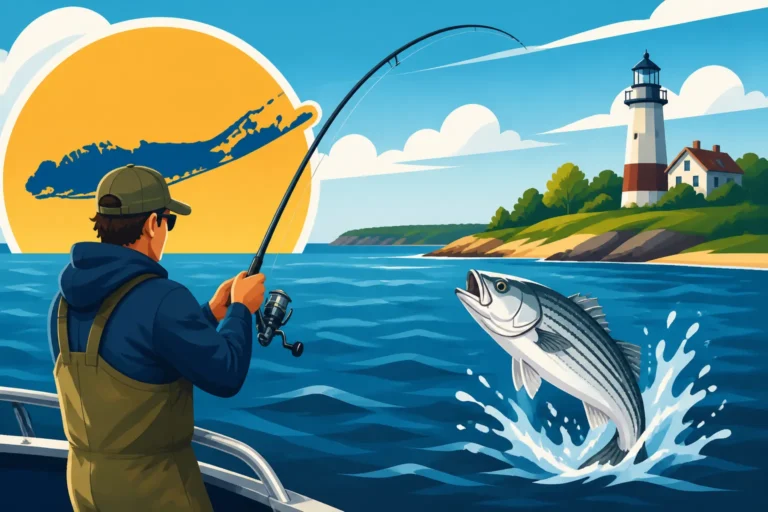
Fishing at Fire Island, New York
There’s something truly special about the call of the ocean, especially when it comes to fishing the captivating waters around Fire Island, New York. For many anglers, the thought of this beautiful barrier island conjures images of pristine beaches and teeming fish, but the reality can sometimes be a bit more daunting. Knowing where to go, what to target, and how to approach the diverse conditions can feel like a puzzle. This guide is here to break down everything you need to know to make your Fire Island fishing adventure a success, taking the guesswork out of your next trip.
The Unique Allure of Fishing Fire Island's Diverse Waters
Fire Island, a narrow strip of land off the southern coast of Long Island, offers an incredibly rich and varied fishing experience. It's not just one type of fishing; it's a dynamic interplay of ocean surf, calmer bay waters, and a bustling inlet that acts as a highway for migrating fish. This geographical diversity is precisely what makes it such a sought-after destination, but also why understanding its nuances is key.
Understanding Fire Island's Geography for Anglers
From the eastern reaches near Smith Point to the western tip at Robert Moses State Park, Fire Island presents a mosaic of habitats. The Atlantic Ocean side, with its crashing waves and sandy bottoms, is a surf caster's paradise. Here, you're constantly battling the elements, reading the rips and troughs for signs of feeding fish. The Great South Bay side, in stark contrast, offers shallower, more protected waters, ideal for light tackle, fly fishing, or even just relaxing with the family. And then there's the Fire Island Inlet, a deep, fast-moving channel connecting the bay to the ocean, which acts as a major migration route for many species. Each section demands a different approach, different gear, and a different mindset. It's this beautiful complexity that keeps anglers coming back, always learning, always adapting.
Prime Access Points and Their Offerings
Getting onto Fire Island to fish involves a few main strategies, each with its own advantages. For many, the most accessible entry is via Robert Moses State Park on the western end, where you can park and walk directly onto the beach, including access to the Fire Island Lighthouse area. This offers fantastic surf fishing opportunities and is also a popular spot for accessing the inlet. Further east, you can reach communities like Kismet, Saltaire, or Ocean Beach via passenger ferries from the mainland, though fishing directly from these crowded public beaches during peak season can be challenging due to swimmers and boat traffic.
The Fire Island National Seashore manages much of the island, and spots like Watch Hill or Sailors Haven, accessible by ferry or private boat, provide excellent access to both the surf and the bay. These spots often feature calmer bay-side docks and marinas perfect for targeting species like blowfish, snappers, or even small fluke, especially for those with kids. For dedicated surf anglers, more remote stretches of beach, often requiring a 4×4 permit, are where the true solitude and large fish are found. These permit-only zones stretch for miles, offering endless possibilities for exploring sandbars, sloughs, and cuts. If you're looking for Best Shore Fishing Spots on Long Island, New York, Fire Island truly offers some of the best.
Navigating the Tides and Currents of the Inlet
The Fire Island Inlet is a dynamic force that every angler needs to respect and understand. Its strong currents, constantly shifting sandbars, and deep channels make it a prime hunting ground for many predatory fish, particularly striped bass and bluefish. The incoming and outgoing tides dictate where fish will be positioned and how they'll feed. A strong outgoing tide can pull baitfish from the bay into the ocean, concentrating predators at the mouth. Conversely, an incoming tide pushes bait into the bay, often creating feeding frenzies along the edges of the channel.
Understanding the timing of these tides, and more importantly, the "slack" tides when the water movement briefly slows, is critical. Slack tide can be an excellent window for bottom fishing for species like fluke or blackfish, as your bait will sit more naturally. For boat anglers, navigating the inlet requires vigilance due to the strong currents and often rough conditions, especially on a windy day. It's a place where local knowledge or a good chart plotter can be invaluable. Don't underestimate the power of these waters; always prioritize safety.
Target Species and When to Find Them on Fire Island
Fishing Fire Island is a seasonal dance, with different species making their appearance throughout the year. Knowing what's biting when is half the battle, helping you plan your trip for maximum success and ensuring you're using the right gear for the right fish.
The Thrill of Striped Bass and Bluefish Surfcasting
Ah, the iconic striped bass. These powerful fish are arguably the most sought-after species by Fire Island surf casters. They move along the beaches and through the inlet in waves, often following schools of baitfish like bunker (Atlantic menhaden) or sand eels. The spring run, typically from April through early June, sees stripers migrating north, eager to feed after their winter dormancy. This is often when the biggest "cow" striped bass are caught. The fall run, from September through November, is another epic time, as fish aggressively feed to build reserves for their migration south.
Bluefish, known for their aggressive nature and razor-sharp teeth, are also plentiful around Fire Island, often mingling with the striped bass. While they might not have the same prestige as stripers, they offer an incredible fight and are fantastic sport. You'll often find them chasing bait right into the surf, creating chaotic, exhilarating scenes. For those serious about catching these fighters, mastering Best Bait for Striped Bass and throwing large poppers or metal jigs into the surf is the name of the game.
Fluke, Weakfish, and Other Bottom Dwellers
While the surf often steals the show, the bay and nearshore ocean waters around Fire Island are brimming with other delicious and fun-to-catch species. Fluke, also known as summer flounder, are a popular target from late spring through early fall. They're ambush predators that lie on the bottom, often in sandy or muddy areas, waiting for baitfish or crustaceans to swim by. You can target them from piers, boats, or even by drifting along the edges of the inlet.
Weakfish, with their distinctive lavender sheen and delicate bite, are another welcome catch, especially in the Great South Bay. They tend to prefer calmer, structured areas, often feeding on shrimp, squid, or small baitfish. Porgies (scup) and sea bass can also be found around deeper structures, jetties, or artificial reefs offshore. These species offer consistent action and make for excellent table fare. Keep an eye on local reports; a good day of fluke fishing on Long Island Sound or in the bay can be just as exciting as a trophy striper.
Seasonal Rundown for a Successful Trip
Understanding the seasonality is paramount for successful fishing at Fire Island. Here's a quick breakdown to help you plan:
- Spring (April – June): This is prime time for the striped bass run, especially the larger migratory fish. Bluefish also start to show up. Fluke season kicks off, offering good opportunities in the bay and inlet.
- Summer (July – August): While the biggest stripers might have moved north, there are still plenty of "schoolie" stripers and bluefish around, particularly at dawn and dusk. Fluke fishing is excellent, and you'll find plenty of snappers, blowfish, and kingfish in the bay, making it perfect for family fishing. Weakfish are often abundant during this period.
- Fall (September – November): The fall run is legendary. Striped bass and bluefish aggressively feed as they migrate south, often in huge schools. This can be one of the most exciting times for surfcasting. Blackfish (tautog) fishing also gets into full swing around rocky structures.
- Winter (December – March): While not entirely devoid of fish, this is the slowest time for most recreational angling. Some hardy anglers might target holdover stripers in the back bays or venture offshore for cod or sea bass when conditions allow. Ice fishing is not a factor here due to the open bay and ocean conditions.
If you're wondering about the Best Time of Year to Fish in New York, the spring and fall runs on Fire Island are hard to beat for sheer excitement and potential for big fish.
Here’s a handy table summarizing what you can expect:
| Species | Best Season | Primary Location | Common Baits/Lures | Notes |
|---|---|---|---|---|
| Striped Bass | Spring, Fall | Surf, Inlet, Bay | Live bunker, clams, worms, poppers, bucktails | Dawn/Dusk are prime; target rips, cuts, structure. |
| Bluefish | Spring, Summer, Fall | Surf, Inlet, Bay | Cut bait, metal jigs, poppers, noisy lures | Aggressive fighters; often school with stripers. |
| Fluke | Late Spring, Summer, Early Fall | Bay, Inlet, Nearshore Ocean | Minnows, squid strips, Gulp! artificials, bucktails | Drift fishing is highly effective; target sandy bottoms. |
| Weakfish | Summer | Bay, Inlet | Shrimp, squid, small jigs, soft plastics | Best in calmer waters, often around structures. |
| Porgies (Scup) | Summer, Fall | Bay, Nearshore Ocean | Clams, worms, squid | Excellent for consistent action, good for kids. |
| Blackfish (Tautog) | Fall, Late Fall | Jetties, Rocky Reefs | Green crabs, fiddler crabs | Requires specialized tackle and precise technique. |
| Kingfish | Summer | Surf, Bay | Clams, worms | Smaller, delicate fighters, great eating. |
Essential Techniques and Gear for Fire Island Angling
Approaching Fire Island with the right techniques and gear will significantly boost your chances of success. From casting into the pounding surf to exploring the calmer bay waters or even venturing offshore, each scenario has its own best practices.
Mastering the Art of Surf Fishing
Surf fishing is arguably the most iconic way to fish Fire Island. It's a truly immersive experience, requiring patience, skill, and an understanding of the ocean's moods. You'll need a stout surf rod, typically 9 to 12 feet long, paired with a large, saltwater-resistant spinning reel capable of holding hundreds of yards of 30-50 lb braided line. This setup allows you to cast heavy lures or bait rigs far beyond the breaking waves, reaching potential feeding zones.
Key techniques include "reading the beach" – identifying sloughs (deeper troughs parallel to the shore), rips (outward currents), and sandbars where fish might hold or ambush prey. Casting into these features, especially during changing tides, can be incredibly productive. Popular lures include metal jigs, poppers, and subsurface swimming plugs for active fish, while bait like fresh bunker, clam, or worms on a fish-finder rig can entice less aggressive feeders. Remember to always bring a sand spike to hold your rod, a headlamp for night fishing, and a sturdy cooler for your catch. For more detailed insights, check out guides on Best Surf Fishing Beaches on Long Island.
Pier and Bay Fishing Strategies
If surfcasting isn't your speed, or you're looking for a more relaxed experience, Fire Island's piers and bay access points offer fantastic opportunities. Many of the communities, particularly those accessible by ferry, have public docks or bulkheads where you can fish. The Robert Moses State Park pier (though it's technically a jetty/pier structure) is also a great option. For bay fishing, lighter tackle is usually preferred – think 7-foot medium-action spinning rods with 15-20 lb braided line.
From a pier, you can bottom fish with bait for fluke, porgies, blowfish, or kingfish. A simple hi-lo rig with squid, clam, or worms is often all you need. If you're targeting snappers (small bluefish) in late summer, small metal jigs or Kastmasters can be incredibly effective. Boat anglers in the bay can drift clam or squid strips for fluke, or troll small crankbaits for weakfish. Kayak fishing has also grown in popularity, allowing anglers to explore the shallower bay flats for species like weakfish and smaller striped bass. Remember that the New York Recreational Marine Fishing Registry is often a requirement for saltwater anglers, even from shore.
Chartering a Trip for Offshore Adventures
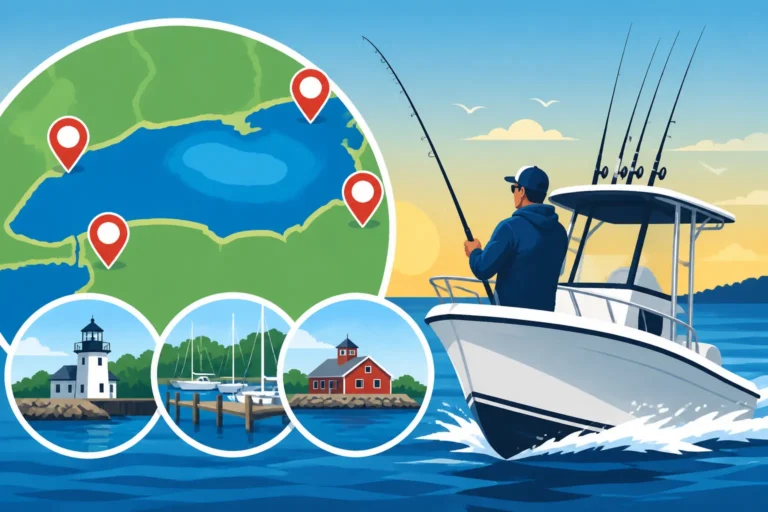
While shore and bay fishing on Fire Island can be fantastic, sometimes you want to take your adventure to the next level. That's where chartering a fishing boat comes in. Numerous charter boats operate out of ports on the mainland side of the Great South Bay (like Captree State Park) or even from marinas within Fire Island communities. These charters are typically full-day or half-day trips designed to take you to prime offshore fishing grounds.
On an offshore charter, you could be targeting larger striped bass and bluefish, especially if you're venturing just beyond the Fire Island Inlet. Further out, you might find tuna, mahi-mahi, or even shark depending on the season and how far offshore you're willing to go. Charters provide all the necessary gear, bait, and most importantly, the expertise of a seasoned captain who knows the local waters and where the fish are biting. This is often the best way to experience big game fishing or target specific species like blackfish or sea bass around offshore wrecks and reefs. Websites like FishingBooker can be a great resource to find reputable charters operating in the Fire Island area, helping you compare options and book a trip that suits your style and budget. They list various captains specializing in different trips, making it easy to see what’s available.
Navigating Regulations and Responsible Fishing Practices
Fishing Fire Island, like anywhere else in New York, requires adherence to specific regulations. These rules are in place to ensure sustainable fish populations and to protect the marine environment for future generations of anglers. Ignoring them can lead to significant penalties, so it's always best to be informed.
Understanding New York's Marine Fishing Requirements
Before you even wet a line, you need to make sure you're legally prepared. For saltwater fishing in New York, most anglers over the age of 16 are required to register with the New York State Department of Environmental Conservation (DEC) Recreational Marine Fishing Registry. The good news? It's generally free and relatively easy to do online. This registry helps the state track angler participation and gather vital data for fisheries management, so it's an important step. While on Fire Island, remember that fishing licenses are not typically required for saltwater, but the marine registry is. However, if you venture into any freshwater ponds or streams on the island (which are rare and not common fishing destinations), a separate freshwater fishing license would be necessary. Always confirm your specific needs before heading out.
Adhering to Size and Bag Limits
New York DEC sets strict size and bag (possession) limits for nearly every species you might encounter around Fire Island. These limits can change annually based on scientific assessments and conservation needs, so it's critical to check the most current regulations before each fishing season. For example, striped bass often have a slot limit, meaning you can only keep fish within a specific length range, while fluke, bluefish, and others have minimum size requirements and daily creel limits.
Failure to comply with these rules can result in hefty fines and potential confiscation of your catch and gear. The DEC publishes a comprehensive guide that outlines all New York Fishing Regulations Explained, which is available online and at many tackle shops. It's not just about avoiding a penalty; it's about being a responsible steward of our marine resources. Take the time to measure your fish accurately, and if it doesn't meet the legal requirements, release it carefully and quickly to ensure its survival. This also applies to species like New York Striped Bass Length Requirements.
Protecting Fire Island's Delicate Ecosystem
Fire Island is a beautiful and fragile barrier island, and its unique ecosystem deserves our utmost respect. Practicing responsible fishing goes beyond just following the rules; it's about minimizing your impact on the environment. Here are a few key considerations:
- Leave No Trace: Pack out everything you pack in. This includes discarded fishing line, bait containers, and any other trash. Ghost fishing gear can continue to harm wildlife long after you've left.
- Handle Fish with Care: If you're practicing catch-and-release, minimize the time the fish is out of the water. Use de-hooking tools, and handle the fish gently, supporting its body weight, especially for larger specimens.
- Be Mindful of Wildlife: Fire Island is home to various bird species, deer, and other animals. Do not disturb nesting birds or other wildlife. Give seals their space, especially if they're hauling out on beaches or rocks.
- Respect Private Property: While much of Fire Island is public, some areas are private. Be aware of signage and respect property boundaries. Accessing some areas may require specific permits, like 4×4 beach driving permits through the Fire Island National Seashore or Suffolk County Parks. Always check ahead.
By adhering to regulations and embracing a conservation-minded approach, we can all help ensure that Fire Island remains a premier fishing destination for years to come. Whether you're casting from the surf, fishing from a bay-side dock, or booking a charter through a platform like FishingBooker, your actions contribute to the health of this incredible environment.
Disclaimer
The information provided in this guide is for general informational purposes only and is subject to change. Fishing regulations, seasons, and limits are determined by the New York State Department of Environmental Conservation (DEC) and can be updated at any time. It is the responsibility of each angler to consult the most current official New York DEC fishing regulations prior to engaging in any fishing activities. We recommend checking the DEC website or obtaining the latest fishing guide for the most accurate and up-to-date information.