Fishing the Neversink River
Fishing the Neversink River in New York can feel like stepping back in time, but its legendary status also comes with its challenges. Anglers often struggle with the river's technical demands, specific regulations, and the sheer pressure of trying to catch trout in such a hallowed waterway. This guide is here to demystify the Neversink, offering practical advice and insights to help you navigate its waters and find success on one of America's most iconic trout streams.
The Storied History and Unique Character of the Neversink
The Neversink River isn't just another beautiful trout stream; it's a foundational piece of American fly-fishing history. Often referred to as the "Birthplace of American Dry Fly Fishing," this Catskill gem has captivated anglers for generations. Its clear, cold waters, tumbling through forested valleys and quiet hamlets, have inspired countless writers and served as the proving ground for many fly-fishing innovations.
This deep history means the river carries a certain mystique, and often, a lot of angling pressure, especially on public access points. While the river's reputation is well-earned for its abundant wild and stocked trout, it's also known for being a technically demanding fishery. Don't expect to simply show up and start hauling in fish; the Neversink demands respect, patience, and a keen understanding of trout behavior and specific fly-fishing techniques.
What makes the Neversink so unique is its diverse character throughout its length. From its smaller, more intimate upper reaches to its wider, more powerful lower sections, the river offers a variety of experiences. This diversity, combined with its challenging, often wary trout, is precisely what makes it such a rewarding destination for those willing to put in the effort. It’s a river that truly tests an angler’s skill, forcing you to think about your presentation, your fly choice, and your approach with every cast.
Why the Neversink is a Fly-Fishing Icon
The Neversink River's iconic status isn't just about its natural beauty; it's deeply rooted in the pioneering efforts of early American fly anglers. In the late 19th and early 20th centuries, figures like Theodore Gordon, considered the father of American dry fly fishing, spent countless hours on its banks, developing new fly patterns and techniques that revolutionized the sport. His imitations of local insects, designed to float realistically on the water's surface, became the standard for generations of fly tiers.
This rich heritage means that when you fish the Neversink, you're not just casting a line; you're participating in a living tradition. The river's consistent insect hatches, from prolific mayflies to caddis and stoneflies, provided the perfect laboratory for these early innovators. Even today, understanding these hatches and matching them with the right fly is paramount to success. It’s a place where historical knowledge merges with modern angling, making every trip a journey through fly-fishing's past and present.
The clear, often gin-clear waters also played a significant role in the river's legend. Such clarity forces anglers to be incredibly stealthy and precise. Trout in these waters are often more discerning, requiring delicate presentations and accurate casts. This challenge, rather than deterring anglers, has only added to the river's allure, cementing its reputation as a destination where true mastery of the craft can be achieved.
Navigating the Neversink: Key Sections and Access Points
Understanding the different sections of the Neversink River is crucial for planning a successful fishing trip. The river changes dramatically as it flows from its headwaters in the Catskill Mountains down to its confluence with the Delaware River. Each section presents its own challenges, opportunities, and unique character, influencing the types of fish you'll find and the best methods to catch them.
Public access can be somewhat limited compared to some other well-known rivers, so knowing where to go is key. Many areas are privately owned, and respecting property rights is absolutely essential. Always look for designated public fishing easements or state lands. Utilizing resources like the New York State Department of Environmental Conservation (DEC) maps and guides is invaluable, or you might consider booking a trip with a local guide found on platforms like FishingBooker, who can provide expert local knowledge and access to prime spots.
When planning your visit, keep in mind that parking can be limited in popular areas, especially during peak seasons. Arriving early can make a big difference, not just for securing a good spot on the river but also for finding a convenient place to park. Always remember to pack out everything you pack in, leaving no trace behind, to help preserve the pristine nature of this historic waterway.
The Upper Neversink: Wild Trout and Seclusion
The upper reaches of the Neversink, generally above the Neversink Reservoir, are characterized by smaller, freestone streams flowing through dense forests. These sections are where you'll find more wild brook trout and smaller, stream-bred brown trout. The water is often colder, faster, and features a mix of riffles, small pools, and pocket water. Access here can be more challenging, often requiring some hiking, which contributes to its secluded feel.
Fishing these upper sections is a more intimate experience. The tight quarters and overhanging branches demand precise casting and often require a shorter, lighter rod. While the fish might not be as large as those found downstream, the reward of catching a wild, vibrantly colored brook trout in its native habitat is unparalleled. It's a true wilderness experience, far from the crowds that can sometimes gather in the more accessible lower sections.
These headwater streams are particularly susceptible to changes in water levels and temperature, so checking conditions before you go is always a good idea. During periods of low flow, the fish can be exceptionally spooky, demanding the utmost stealth. Conversely, after heavy rains, the water can become high and off-color, making fishing difficult. Focus on slower seams, undercut banks, and the tails of small pools where fish might hold out of the main current.
The Middle Neversink: Classic Catskill Trout Waters
Below the Neversink Reservoir, the river takes on its classic Catskill character, with a more defined riverbed, a mix of deeper pools, runs, and riffles. Towns like Claryville and Liberty offer some of the most famous and heavily fished stretches. Here, you'll encounter a mix of wild brown trout, stocked brown trout, and increasingly, rainbow trout. This section is generally more accessible, with several designated public fishing rights (PFR) areas managed by the DEC.
The middle Neversink is where the river's legendary hatches truly shine. During peak periods, you might witness incredible dry fly action, with trout rising to everything from Hendrickson mayflies in the spring to trico swarms in late summer. This is the section that truly tests a fly angler's ability to "match the hatch" and present a fly with finesse. Patience and observation are key, as trout can be incredibly selective, often refusing anything but the most accurate imitation.
The flow in the middle river can be significantly influenced by releases from the Neversink Reservoir, so it's wise to check the current flow rates before heading out. Too low, and the fish might be concentrated and easily spooked; too high, and wading can become dangerous and fishing challenging. This balance makes conditions variable, and adapting your approach is crucial. Many experienced anglers often consult local fly shops or guide services to get real-time intel on water conditions and the most effective patterns.
The Lower Neversink: Bigger Water, Diverse Opportunities
As the Neversink flows further downstream, especially as it approaches its confluence with the Delaware River, it becomes a wider, more powerful waterway. The character shifts to larger pools, stronger currents, and broader riffles. While still primarily a trout fishery, these lower sections can hold larger brown and rainbow trout, often including some impressive holdovers that have grown quite large.
Access in the lower river can still be a mix of public and private, with various bridges and state land parcels offering entry. Because of the wider nature of the river, techniques like nymphing and streamer fishing can be particularly effective, especially when trout aren't actively rising. Casting larger flies and getting them down to the fish in deeper runs or under strong currents is often the name of the game here. You might also find other species mixed in, especially closer to the Delaware, though trout remain the primary target.
Wading the lower Neversink requires extra caution due to the stronger currents and potentially deeper water. A sturdy wading staff is highly recommended, and knowing your limits is crucial. This section provides an excellent opportunity to cover more water, blind casting to likely holding spots, and searching for those larger, more elusive trout that prefer the safety of deeper pockets and faster flows. It's a different kind of challenge, but equally rewarding for those who learn to read the water effectively.
Trout Species, Seasons, and Essential Regulations on the Neversink
The Neversink River is renowned for its trout fishery, primarily offering opportunities for brown trout, rainbow trout, and native brook trout. Each species has its own characteristics, preferred habitats, and feeding behaviors, making the river a dynamic environment for anglers. Understanding the specific regulations governing fishing on the Neversink is not just important for conservation, but it's legally required. New York's fishing rules, especially for renowned trout waters like the Neversink, can be quite specific and deviate from general statewide regulations. You'll want to review the full details in the New York Fishing Regulations Explained before heading out.
The primary season for trout fishing generally aligns with the statewide opening day, which is April 1st, and continues through the fall. However, many sections of the Neversink are designated as "Special Regulations Waters," meaning they have unique rules regarding seasons, tackle, and catch limits that supersede general statewide rules. This is why knowing the specific stretch you plan to fish is so important. Make sure to consult the New York Special Regulations Waters List to ensure you're compliant.
For those planning to fish, a valid New York fishing license is always required for anyone 16 years of age or older. You can easily obtain one online, through a licensed vendor, or at a DEC office. For detailed information on costs and options, check out our New York Fishing License Guide and learn Where to Buy a New York Fishing License.
Brown Trout, Rainbow Trout, and Brook Trout
Brown Trout: Brown trout are the most prevalent species in the Neversink, making up the bulk of both wild and stocked populations. They are known for their adaptability and hardiness, thriving in varying water conditions. Browns are often found in deeper pools, undercut banks, and areas with good cover, such as submerged logs or boulders. They can be incredibly wary, especially larger specimens, making them a true challenge for fly anglers. Their diet is diverse, ranging from aquatic insects to baitfish, which means they can be targeted with a wide array of flies and techniques.
Rainbow Trout: While not as numerous as brown trout, rainbow trout offer an exciting fight with their acrobatic leaps and strong runs. Many rainbows in the Neversink are stocked, but some wild populations can be found, particularly in cleaner, faster-flowing sections. They tend to prefer faster riffles and runs, actively feeding on drifting insects. Rainbows can be a bit more opportunistic than browns, sometimes willing to chase a well-presented nymph or streamer even when not actively rising. Their presence adds another layer of excitement to fishing the Neversink.
Brook Trout: The native brook trout is a true jewel of the Neversink, particularly in its colder, higher-elevation tributaries and smaller headwater streams. These beautiful fish, with their worm-like markings and vibrant colors, are often smaller than their brown and rainbow cousins but offer an incredibly rewarding catch for those seeking a purer wilderness experience. They thrive in pristine, oxygen-rich waters and are highly sensitive to habitat degradation. Fishing for brook trout often involves more hiking and exploring into remote areas, presenting a quiet, introspective angling challenge.
Understanding Special Regulations
Many stretches of the Neversink are subject to special regulations designed to protect and enhance its trout populations. These regulations often include:
- Catch-and-Release Only: Certain sections are strictly catch-and-release, meaning all fish caught must be immediately and carefully returned to the water. This conserves the fishery and allows fish to grow to larger sizes.
- Artificial Lures/Flies Only: To minimize harm to trout and promote responsible angling, bait fishing is often prohibited in special regulation zones. Only artificial flies or lures with single, barbless hooks may be used. This encourages proper fish handling and reduces mortality rates.
- Specific Season Dates: While the general trout season might run long, some special regulation areas might have shorter open seasons or even year-round catch-and-release opportunities, but with specific tackle restrictions during the off-season. Always consult the official DEC regulations guide or our article on New York Trout Season Dates and Catch Limits for the most current information.
- Size and Bag Limits: Even in sections where keeping fish is allowed, there will be strict minimum size and daily bag limits. These limits are in place to ensure a sustainable population and prevent overfishing. Misinterpreting these rules can lead to significant penalties, so thorough review is crucial.
These special regulations are paramount to preserving the Neversink's world-class trout fishery. They are not arbitrary; they are carefully crafted by fisheries biologists to ensure the long-term health and vitality of the ecosystem. Respecting and adhering to these rules is every angler's responsibility, and enforcement by environmental conservation officers is common.
Mastering the Neversink: Techniques, Flies, and Essential Gear
Fishing the Neversink River successfully is less about brute force and more about finesse, observation, and adaptability. Given its legendary status and the often-wary nature of its trout, a thoughtful approach to techniques, fly selection, and gear is essential. Whether you're a seasoned fly angler or looking to try your hand at this challenging sport, understanding the nuances of Neversink fishing will significantly improve your chances. If you're new to the area, considering a local guide through platforms like FishingBooker can be an invaluable investment, as their expertise can fast-track your learning curve on these intricate waters.
The river's clear waters and consistent insect hatches make fly fishing the dominant and most effective method. Trout in the Neversink are often highly selective, keying in on specific insect stages or sizes. This means carrying a diverse fly box and being prepared to switch patterns frequently based on what the fish are telling you. Stealth and presentation are often more important than the exact fly pattern, but a good match certainly doesn't hurt. For an overview of general strategies, read our guide on How to Trout Fish in New York.
Beyond the flies, your equipment choices, from your rod to your line, can make a tangible difference in your ability to present your offerings delicately and fight fish effectively in the Neversink’s varied currents. Don't underestimate the importance of polarized sunglasses for spotting fish and reading the water, and good quality waders and wading boots for navigating the often-slippery streambed.
Essential Fly Fishing Techniques
The Neversink demands a range of fly-fishing techniques, and being proficient in all three main categories—dry flies, nymphs, and streamers—will make you a more versatile and successful angler.
-
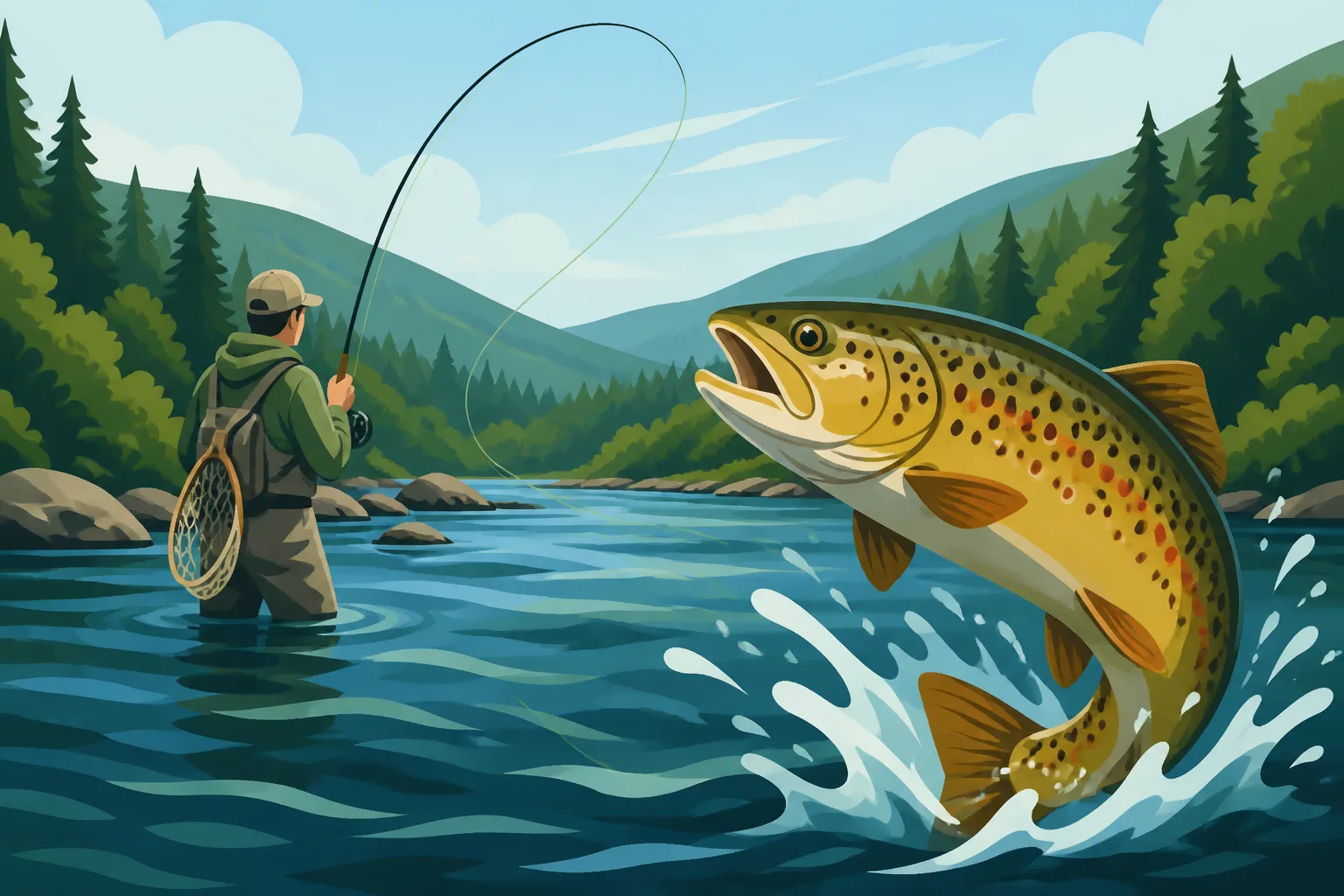
Dry Fly Fishing: This is arguably the most iconic technique on the Neversink, especially during a hatch. When trout are actively rising to feed on insects on the surface, presenting a dry fly that accurately imitates the natural bug is exhilarating. Success hinges on a drag-free drift, achieved through accurate casting and mending your line to counteract conflicting currents. Pay close attention to rise forms; a subtle sip might call for a tiny midge, while an aggressive splash might indicate a larger caddis or stonefly. Mastering delicate presentations with your dry flies is key on these wary waters. You might find our piece on How to Fly Fish in New York helpful for foundational knowledge.
-
Nymph Fishing: Often the most consistent producer, nymphing involves presenting subsurface imitations of insect larvae and pupae. Since trout spend the vast majority of their time feeding below the surface, nymphing is effective even when no rises are visible. Techniques range from indicator nymphing, where a floating indicator signals strikes, to tight-line or Euro nymphing, which offers direct contact with your flies. Getting your nymphs down to the fish’s feeding zone and achieving a natural drift are critical. Understanding the nuances of subsurface presentation is crucial, and our guide on How to Nymph Fish for Trout can offer more insights.
-
Streamer Fishing: While often associated with larger rivers or lakes, streamer fishing can be highly effective on the Neversink, particularly for targeting larger, predatory brown trout. This technique involves casting imitations of baitfish, leeches, or other larger prey and stripping them through pools, under banks, or across current seams. Streamer fishing can be more active and aggressive, often triggering reaction strikes from trout that wouldn't respond to smaller flies. It's particularly productive during periods of higher or slightly off-color water, or during low light conditions like early morning or late evening.
Recommended Flies and Gear
Building a well-stocked fly box is crucial for the Neversink. You'll want a good selection of flies covering various insect stages and sizes. For specific patterns, consult our article on Best Fly Patterns for Catskills Trout.
Dry Flies:
- Mayflies: Hendrickson, Quill Gordon, March Brown, Sulfur, Isonychia, Blue-Winged Olive (BWO), Light Cahill, Green Drake.
- Caddis: Elk Hair Caddis, CDC Caddis (various colors and sizes).
- Midges: Griffith's Gnat, tiny parachute patterns.
- Terrestrials: Ants, beetles, hoppers (during summer months).
Nymphs:
- Classic Patterns: Pheasant Tail, Hare's Ear, Prince Nymph, Stonefly imitations (e.g., Kaufmann's Stone).
- Baetis/BWOs: Small, slender olive nymphs.
- Caddis Larva/Pupae: Green Weenie, LaFontaine's Emergent Sparkle Pupa.
- Emergers: CDC Comparaduns, Sparkle Duns, Soft Hackles.
Streamers:
- Woolly Buggers (black, olive, brown), Sculpzillas, Sex Dungeons (for bigger fish).
When it comes to gear, precision and light tackle are often preferred. A 9-foot, 4- or 5-weight fly rod is a versatile choice for most of the river. The length helps with line control and mending on complex currents. For the smaller, tighter headwater streams, a 7.5 to 8.5-foot, 2- or 3-weight rod might be more enjoyable. Our guide on Best Rod Weight for New York Trout Streams can help you choose. Floating line is standard, with a weight-forward taper for easier casting. You'll also need leaders and tippet ranging from 4X to 7X, depending on the fly size and the wariness of the fish. A good pair of nippers, forceps, and a landing net are also essential. A wide-brimmed hat and polarized sunglasses are indispensable for spotting fish and protecting your eyes.
Table: Neversink River Fly Selection Guide by Season
| Season | Key Hatches / Conditions | Recommended Dry Flies | Recommended Nymphs | Notes |
|---|---|---|---|---|
| Early Spring (Apr-May) | Cold water, Hendrickson, Quill Gordon, Blue Quill | Hendrickson, Quill Gordon, Blue Quill, BWO | Pheasant Tail, Hare's Ear, Stonefly Nymphs | Look for mid-day hatches; fish slow, deep pools. |
| Late Spring (May-Jun) | March Brown, Sulfur, Caddis, Isonychia | March Brown, Sulfur, Elk Hair Caddis, Parachute Adams | Copper John, Prince Nymph, Caddis Larva | Prolific hatches, fish actively rising; focus on riffles and runs. |
| Summer (Jul-Aug) | Tricos, Light Cahill, Terrestrials | Trico Spinners, Light Cahill, Ants, Hoppers | Pheasant Tail (small), Midge Nymphs | Early morning & late evening dry fly; nymph deeper during day. |
| Fall (Sep-Oct) | BWO, Isonychia, October Caddis, Olives | BWO, Isonychia, October Caddis, Parachute Adams | Green Weenie, Rubber Leg Stonefly | Excellent streamer fishing; fish are aggressive before winter. |
| Winter (Nov-Mar) | Midges, Sparse hatches | Small Midges (size 20-24) | Midge Nymphs, Eggs (restricted areas) | Focus on slow, deep pools; fish tight to bottom. |
Always remember that conditions can change rapidly on the river. Be prepared to adapt your strategy, switch flies, and adjust your approach based on what the trout are telling you. The Neversink isn't just about catching fish; it's about the entire experience of connecting with a historic waterway and honing your skills.
Disclaimer
Fishing regulations, conditions, and access points can change. Always consult the most current New York State Department of Environmental Conservation (DEC) regulations guide before fishing. This guide is for informational purposes only and should not replace official sources or professional advice. Angling carries inherent risks; please exercise caution and prioritize safety on the water.