Best Spots for Winter Flounder in New York
Winter flounder, with their subtle bites and delicious fillets, offer a fantastic angling challenge, especially as the colder months set in across New York. If you've ever felt the chill of anticipation, wondering where exactly to drop your line to hook into these elusive flatfish, you're not alone. This comprehensive guide is designed to cut through the guesswork, sharing the best spots, essential techniques, and crucial regulations to help you find success targeting winter flounder in New York waters.
Understanding Winter Flounder in New York
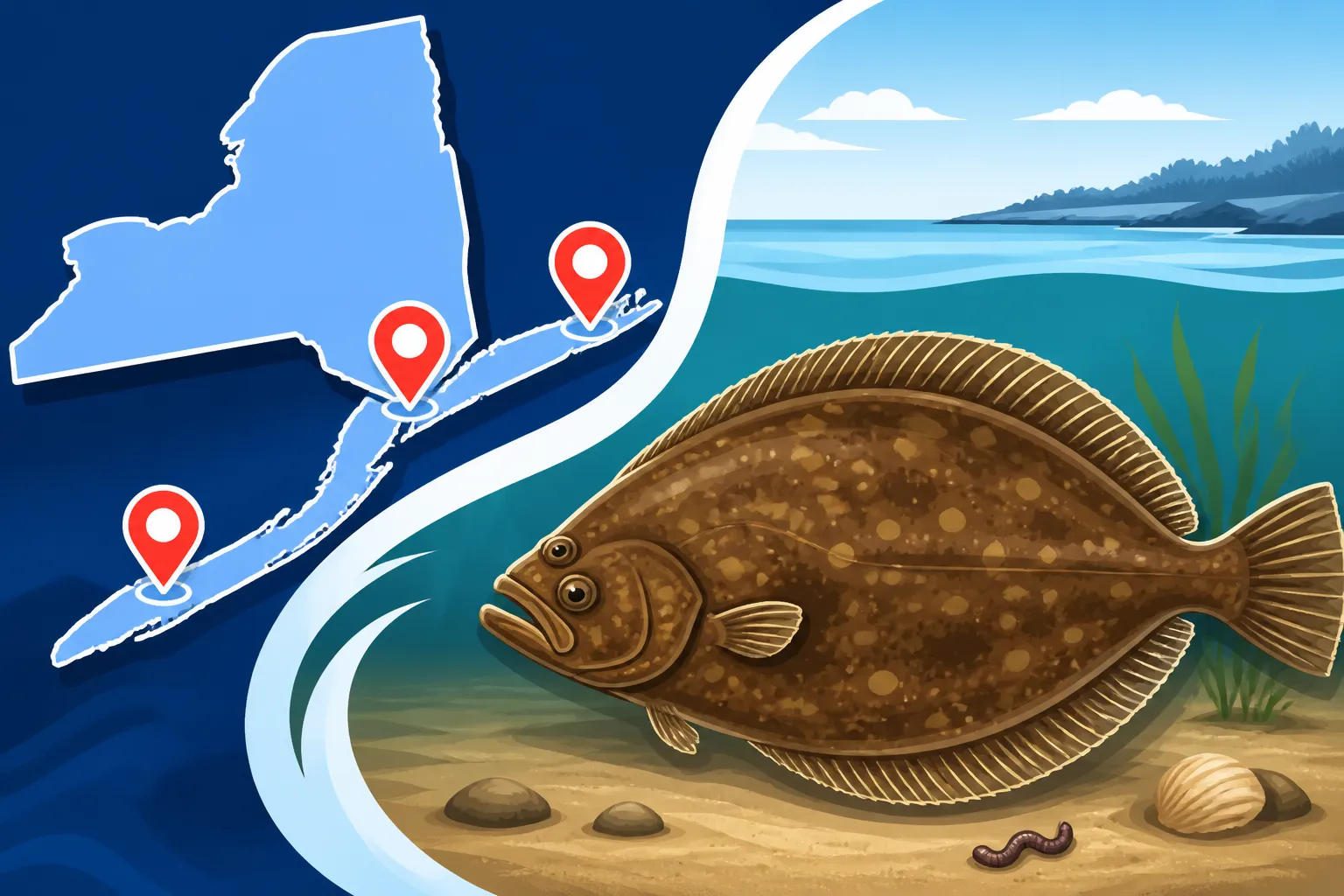
Winter flounder, often simply called "flounder" by many New York anglers, are a beloved species that provide excellent fishing opportunities, particularly when other species have migrated away. They’re a classic cold-water target, known for their distinctive olive-brown coloring and ability to blend seamlessly with the sandy or muddy bottoms they inhabit.
The Appeal of Winter Flounder Fishing
There’s something genuinely satisfying about targeting winter flounder. Unlike the aggressive strikes of a striped bass or the powerful runs of a salmon, flounder fishing is often a more patient, subtle affair. It requires a keen sense of touch, detecting those almost imperceptible "taps" on your line as a flounder mouths your bait. When you finally set the hook and feel that distinct head shake, it’s a rewarding feeling. Plus, their mild, flaky white meat makes for some of the finest eating among New York’s fish species. Many seasoned anglers cherish the quiet solitude of a chilly morning spent in pursuit of these bottom dwellers, often finding that the crisp air and calmer waters add to the experience. It’s a chance to connect with the subtle rhythms of the sea, even when most of the boating crowd has packed up for the season.
Key Characteristics and Habitat
Winter flounder ( Pseudopleuronectes americanus ) are fascinating creatures. They're part of the flatfish family, meaning they start life swimming upright like other fish, but then undergo a metamorphosis where one eye migrates to the other side of their head, and they settle onto their side, becoming bottom-dwellers. They typically grow to about 12-18 inches in length, though larger specimens are certainly caught. Their diet consists mainly of small crustaceans, marine worms, and shellfish, which they root out of the soft bottom.
In New York, you'll find winter flounder in various environments. They thrive in bays, estuaries, and coastal waters with soft, muddy, or sandy bottoms, often near channels, mussel beds, and grass flats. As their name suggests, they prefer colder water, often moving into shallower, warmer areas of bays and estuaries in late winter and early spring to spawn, before retreating to deeper, cooler waters as summer approaches. This movement pattern dictates when and where you’ll find them. Understanding these habits is key to successful fishing. For a broader look at the amazing variety of marine life, check out our guide on Fish Species You Can Catch in New York.
Top Winter Flounder Fishing Spots in New York
New York offers a plethora of excellent locations for targeting winter flounder, particularly along its extensive coastline and within its rich bay systems. Success often hinges on finding those protected, nutrient-rich areas with soft bottoms.
Long Island's South Shore Bays
The south shore of Long Island is arguably the most consistent producer of winter flounder in New York. The interconnected bay systems here offer vast stretches of ideal habitat.
- Great South Bay: This expansive bay, stretching from Jones Beach to the Hamptons, is a winter flounder paradise. Its relatively shallow depths and numerous channels, flats, and inlets provide prime feeding and spawning grounds. Areas like the State Boat Channel, sections near Fire Island Inlet, and deeper pockets off Bellport and Patchogue are particularly productive. Anglers often find success drifting through these channels with the tide, presenting bait near the bottom. Public access points and boat ramps are numerous, making it relatively easy to get out on the water.
- Moriches Bay: East of the Great South Bay, Moriches Bay is another hotbed for winter flounder. The bay is characterized by shallower water but benefits from significant tidal flow, especially around the Moriches Inlet. Target the edges of channels, particularly where there's a transition from sand to mud or near clam and mussel beds. The bay’s smaller size can make it easier to pinpoint flounder concentrations compared to the vastness of Great South Bay.
- Shinnecock Bay: Further east, Shinnecock Bay is famous for its productive waters, especially for various bottom fish. Winter flounder here can be found in similar habitats: channel edges, depressions, and areas with soft mud. The waters around the Shinnecock Inlet are always a good bet due to the strong current bringing in food. Many local bait shops in Hampton Bays can offer up-to-the-minute intel on where the flounder are biting. For those who prefer to fish from shore, there are still some great options, as detailed in our guide to Best Shore Fishing Spots on Long Island, New York.
Long Island Sound
While often celebrated for its striped bass and bluefish, Long Island Sound also holds a healthy population of winter flounder. The Sound’s deeper, cooler waters can be especially appealing to flounder seeking refuge from warmer inshore temperatures later in the season.
- Western Long Island Sound (Near NYC): Closer to the city, the western reaches of the Sound, particularly around City Island, Throgs Neck, and even into the East River, can yield good winter flounder catches. Look for areas with a soft, silty bottom, often in deeper channels or near structured areas. The tidal currents here are robust, so heavier sinkers might be necessary to hold your bait on the bottom. These areas are accessible to anglers departing from Queens and the Bronx.
- Central and Eastern Long Island Sound: As you move east, areas off Port Jefferson, the Nissequogue River mouth, and around Mattituck offer promising grounds. Deeper pockets and depressions where nutrients accumulate are key. Charter boats specializing in bottom fishing often target these zones. While we have a specific guide for Fluke Fishing on Long Island Sound, many of the principles of bottom fishing apply to winter flounder as well.
Peconic Bays and Gardiners Bay
The unique geography of Eastern Long Island, with its fork-like shape, creates the beautiful and productive Peconic Bays and the expansive Gardiners Bay. These areas are known for their pristine waters and diverse fisheries, including excellent winter flounder opportunities.
- Peconic Bays (North and South): These twin bays, separated by Shelter Island, are characterized by a mix of shallow flats and deeper channels. The extensive eelgrass beds and abundant shellfish make them prime feeding grounds for flounder. Target areas near Shelter Island, Greenport, and Sag Harbor. Drifting is a popular and effective method here, allowing you to cover ground and locate schools. The water clarity in these bays can be exceptional, sometimes requiring a more subtle presentation.
- Gardiners Bay: East of the Peconics and sheltered by Gardiners Island, this bay offers deeper, cooler waters that can hold larger winter flounder. Look for channel edges and the transition zones where soft mud meets harder sand. The bay’s proximity to Block Island Sound means strong currents, which can concentrate bait and, in turn, flounder. This is a favorite spot for many experienced captains, and if you’re considering hiring a pro, platforms like FishingBooker can help you find local guides familiar with these specific grounds. They can put you on the fish even in unfamiliar waters.
New York Harbor and Raritan Bay
Don't overlook the waters closer to New York City. While often busy, New York Harbor and Raritan Bay have undergone significant environmental improvements and now host a respectable winter flounder fishery.
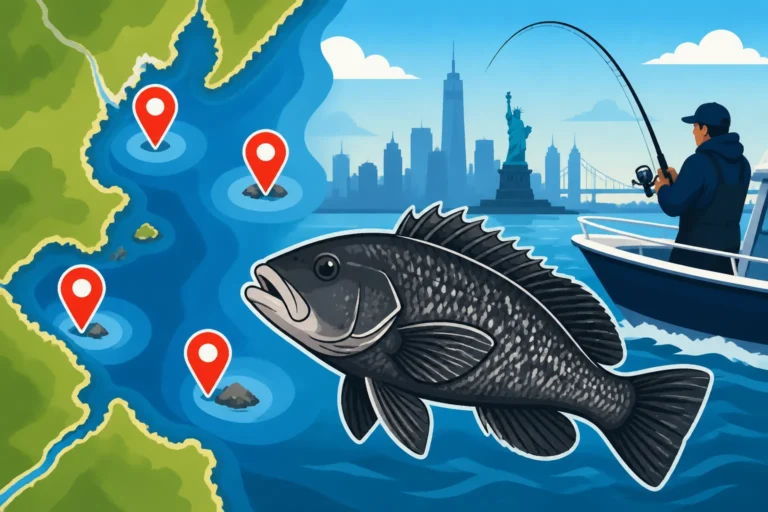
- New York Harbor: Areas just inside the Verrazzano-Narrows Bridge, particularly around Hoffman Island and Swinburne Island, offer decent flounder habitat. The main shipping channels also have adjacent shallower flats where flounder gather. The Fishing at Coney Island Pier in New York might also yield some winter flounder, especially during the colder months when they move into shallower areas to spawn.
- Raritan Bay: Located at the mouth of the Raritan River, this bay on the border of New York and New Jersey is a historical hot spot for winter flounder. Its muddy bottom and extensive shoals create ideal conditions. Look for success around the "flounder grounds" known to local captains, particularly near the Raritan Bay channel and the Keyport area. Access from Staten Island is convenient, and numerous bait and tackle shops can provide current information on what's biting.
Essential Tips for Successful Winter Flounder Fishing
Catching winter flounder often comes down to attention to detail and patience. They aren't usually aggressive feeders, so presenting your bait correctly and detecting their light bites are paramount.
Best Baits and Rigging
Winter flounder are bottom feeders, so your bait presentation needs to be right on the deck.
- Clams: Steamed clams, especially the tougher pieces of the foot or neck, are arguably the number one bait for winter flounder. Their scent plume travels well, attracting flounder from a distance. Cut them into small, bite-sized pieces and make sure they're securely hooked. Many anglers will purchase fresh clams from a local fish market or tackle shop.
- Sandworms and Bloodworms: These natural baits are incredibly effective. Their wriggling action and natural scent are irresistible to flounder. Thread a whole worm onto your hook, ensuring some of it dangles enticingly. They can be more expensive than clams but are often worth the investment for their consistent performance.
- Chumming: A critical component of winter flounder fishing is chumming. A chum pot filled with crushed clams or mussels, slowly releasing scent and particles into the water, creates an irresistible feeding zone directly around your boat. Place your chum pot on the bottom, often tied to a separate line, to maximize its effectiveness. Many tackle shops sell frozen clam chum logs, making it easy to deploy.
- Rigging: A simple, effective rig is a "flounder rig" or "high-low rig" with a sinker at the bottom and one or two snelled hooks (usually size 4 to 8, depending on bait size) spaced above it. Use light leader material, typically 10-20 lb monofilament, to avoid spooking the fish. Make sure your hooks are sharp! Presentation is everything; you want your bait to sit right on the bottom, gently wafting in the current.
Timing and Tides
Timing is crucial for winter flounder. They are very much influenced by the movement of water and the changing seasons.
- Season: While called "winter" flounder, the prime season in New York generally runs from late March through May, as they move into shallower bays and estuaries to spawn. Some localized fisheries can extend into early summer, but the bite typically slows as waters warm too much. The "winter" in their name refers to their preference for cold water, not necessarily that they are only caught in the dead of winter. Always check the New York Fishing Season Dates and Catch Limits for specific species.
- Tides: Flounder fishing is heavily tide-dependent. The incoming tide, especially the latter half, and the beginning of the outgoing tide are often the most productive. The moving water brings in food and stirs up the bottom, making flounder more active. Slack tide can be slower, as the lack of current means less scent dispersion from your chum and baits. Pay close attention to local tide charts for your chosen fishing spot.
- Time of Day: Early mornings and late afternoons are often best, as these are generally cooler and can coincide with prime tidal movements. However, if the tide is right in the middle of the day, don't hesitate to go! For a general overview of peak activity, refer to our Best Time of Year to Fish in New York guide.
Gear and Techniques
Light tackle is the name of the game for winter flounder, as it allows you to feel those subtle bites.
- Rods and Reels: A sensitive, light-action spinning rod around 6-7 feet long, paired with a small to medium spinning reel (2500-3000 series), is ideal. You want a rod tip sensitive enough to detect the lightest tap, but with enough backbone to set the hook.
- Line: Spool your reel with 10-15 lb braided line for its sensitivity, or 10-12 lb monofilament if you prefer a bit of stretch. If using braid, a short monofilament or fluorocarbon leader (2-3 feet) can be beneficial for abrasion resistance and reduced visibility.
- Bottom Fishing: The primary technique is bottom fishing. Cast your rig out, let it sink to the bottom, and then slowly retrieve it or drift with the current, keeping your bait in contact with the seabed. When you feel a bite – often a gentle tap or a slight increase in pressure – don't set the hook immediately. Give the flounder a moment to mouth the bait, then gently lift the rod tip to check for weight. If you feel resistance, set the hook with a smooth, upward sweep. This patient approach is key to success.
- Drifting: If you're on a boat, drifting with the current over productive flats or channels is a highly effective method. It allows you to cover a wider area and present your bait naturally. Ensure your sinker weight matches the current strength to keep your bait on the bottom without dragging excessively fast.
Regulations and Conservation for Winter Flounder
As with all fishing in New York, understanding and adhering to the current regulations is not just important for avoiding penalties but also crucial for ensuring the long-term health of our fisheries.
Current DEC Regulations
The New York State Department of Environmental Conservation (DEC) sets the rules for recreational fishing, including winter flounder. These regulations cover season dates, minimum size limits, and daily possession limits.
- Season: Winter flounder seasons can vary slightly by region within New York and are subject to change annually based on stock assessments. Typically, there's a spring season, and sometimes a fall season. It's imperative to consult the most recent New York Marine Recreational Fishing Regulations guide published by the DEC, or visit their website, before heading out. Don’t rely on old information, as rules can change from one year to the next.
- Minimum Size Limit: There will be a legal minimum length that a winter flounder must meet to be kept. Fish shorter than this limit must be immediately released back into the water. Carry a measuring device to ensure your catch is legal.
- Daily Possession Limit: This specifies the maximum number of winter flounder you are allowed to keep in a single day. Once you reach your limit, you must stop fishing for that species.
- New York Saltwater Fishing Registration: Remember that if you're 16 years or older, you need to register annually with the New York State Recreational Marine Fishing Registry to fish in marine waters, which includes all the prime winter flounder spots. Good news – it's typically free! You can learn all about it in our New York Saltwater Fishing Registration Guide. Staying informed on all rules, including those covered in New York Fishing Regulations Explained, is your responsibility as an angler.
Sustainable Fishing Practices
Beyond simply following the rules, responsible anglers practice sustainable fishing to help preserve fish populations for future generations.
- Catch and Release: For fish that are undersized or if you’ve already reached your bag limit, proper catch and release techniques are vital. Handle the fish gently, minimize its time out of water, and use de-hooking tools if possible to reduce harm. Wet your hands before touching the fish to protect its slime coat.
- Using Circle Hooks: While not always mandated for flounder, circle hooks are excellent for promoting catch and release, especially when bait fishing. They are designed to hook fish in the corner of the mouth, reducing gut hooking and increasing survival rates.
- Avoiding Overharvest: Even if you're within the legal limit, consider only keeping what you plan to eat. Releasing healthy fish, especially larger breeding-size flounder, helps ensure a robust population for years to come.
- Respecting Habitat: Avoid disturbing fragile habitats like eelgrass beds or mussel reefs. These areas are crucial for flounder and many other marine species.
By adhering to these regulations and embracing sustainable practices, we can all contribute to the health and vitality of New York's fantastic winter flounder fishery. If you're ever in doubt about the latest rules, the New York DEC Fishing Regulations Guide is your go-to resource.
Comparing Top Winter Flounder Fishing Locations in New York
To help you plan your next outing, here's a quick comparison of some of New York's best winter flounder spots:
| Location | Key Characteristics | Best Time of Year (Peak) | Ideal Bottom | Typical Depth (feet) | Access Difficulty | Notes |
|---|---|---|---|---|---|---|
| Great South Bay | Expansive, many channels & flats, good tidal flow | Late March – Mid-May | Mud, Sand | 5-15 | Moderate | Requires a boat; numerous launch sites. Can be very productive but vast. |
| Moriches Bay | Shallower, strong inlet currents, rich feeding grounds | Early April – Mid-May | Mud, Sand | 4-12 | Moderate | Boat access is best. Smaller than Great South Bay, can be easier to locate fish if you know the hot spots. |
| Shinnecock Bay | Productive, strong inlet currents, diverse bottom | April – Late May | Mud, Sand | 5-20 | Moderate | Excellent opportunities, especially near the inlet and deeper channels. Good charter options available. |
| Western Long Island Sound | Deeper channels, often silty bottom, close to NYC | April – Early June | Silt, Mud | 10-30 | Easy to Moderate | Boat required, but many municipal launches and marinas. Can be heavily trafficked. |
| Peconic Bays | Eelgrass beds, extensive flats, sheltered | April – Early June | Sand, Mud | 5-20 | Moderate | Calmer waters often. Drifting is highly effective. Good for a more tranquil fishing experience. |
| Gardiners Bay | Deeper, cooler water, strong currents, close to ocean | April – Early June | Sand, Mud | 15-40 | Moderate | Can hold larger flounder. Excellent for experienced boat anglers and charters. |
| New York Harbor | Improving fishery, near historical grounds, structured areas | Late March – Mid-May | Silt, Mud | 10-25 | Easy to Moderate | Convenient for NYC anglers. Can fish from some piers (e.g., Fishing at Coney Island Pier in New York), but boat offers more versatility. Strong currents. |
| Raritan Bay | Muddy bottom, historical hot spot, prolific | Late March – Late May | Mud, Sand | 8-20 | Easy to Moderate | Excellent for boaters departing from Staten Island or nearby NJ. Known for consistent action. Consider hiring one of the many Long Island Fishing Charters to get on the best spots without the guesswork. |
Remember, local knowledge is golden. Don't hesitate to visit a local bait and tackle shop; they're often the best source for current conditions and what's biting. If you're new to an area or want to maximize your chances, booking a trip with a local guide is invaluable. Websites like FishingBooker can help you find reputable guides who specialize in winter flounder and know the intricate contours of these New York waterways. They can provide all the gear and expertise needed for a fantastic day on the water, whether you're targeting the Great South Bay or the eastern reaches of Long Island Sound.
Disclaimer
Please note that fishing regulations, seasons, and limits are subject to change by the New York State Department of Environmental Conservation (DEC). Always consult the latest official DEC regulations before heading out on the water. This guide is for informational purposes only and should not be considered a substitute for official legal guidance.