How to Fish New York’s Great Lakes Tributaries
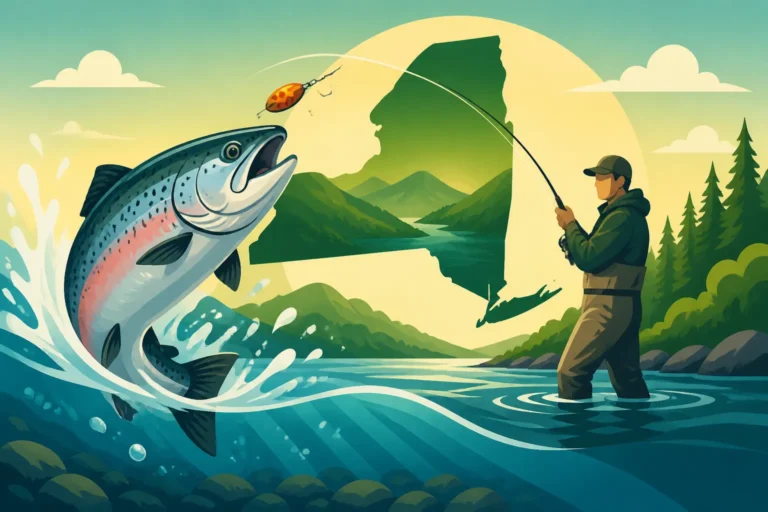
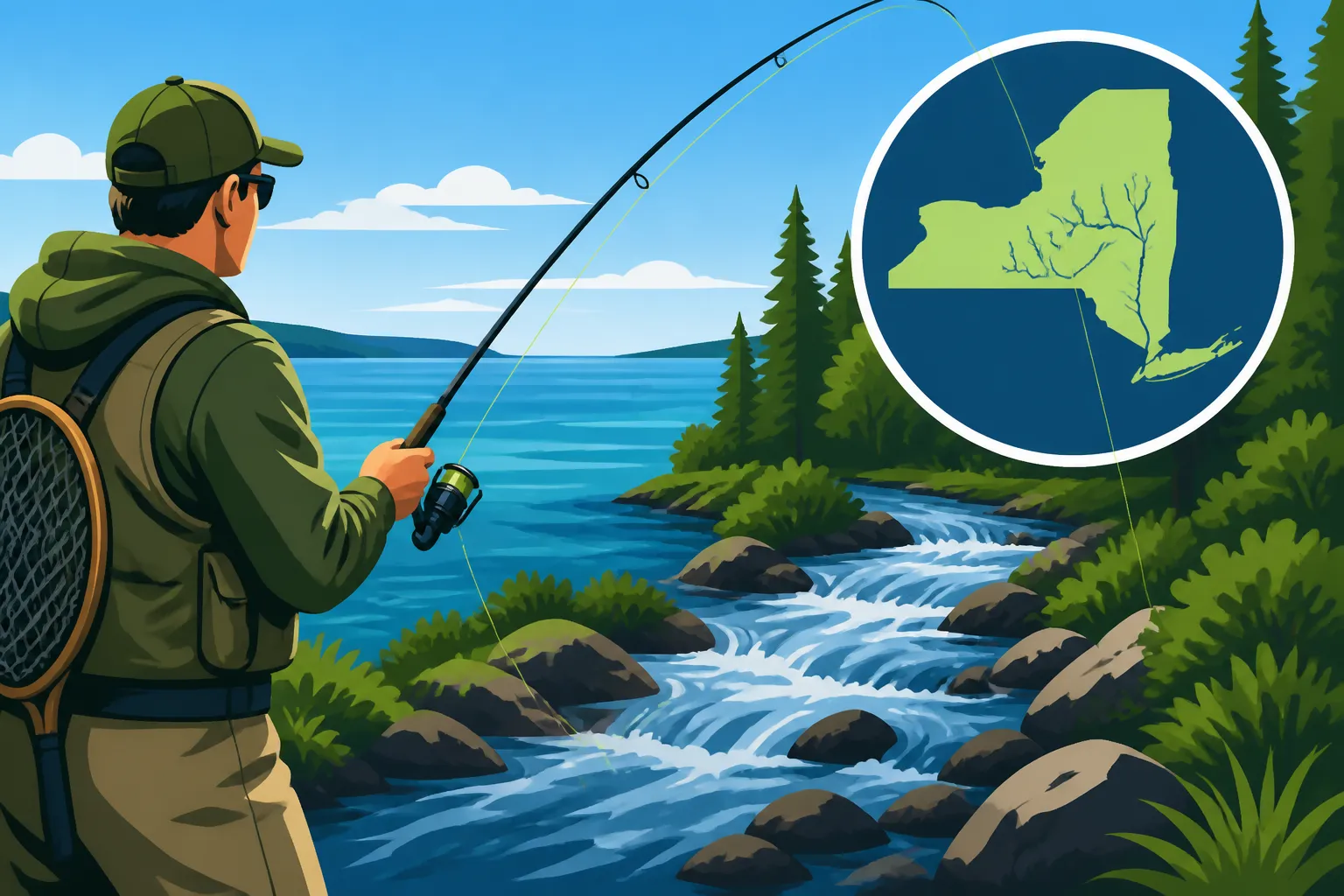
Oh, the allure of New York's Great Lakes tributaries! It's a dream for many anglers, but let's be honest, figuring out where to go, what to use, and when to even bother can feel like trying to solve a complex puzzle with a blindfold on. From the mighty Salmon River to the smaller, hidden gems, these waters offer incredible fishing, but they demand a bit of insider knowledge. This comprehensive guide is here to strip away the confusion, offering a realistic look at how to tackle these incredible fisheries, maximize your chances, and truly enjoy the experience without all the guesswork.
Understanding New York's Great Lakes Tributary Fisheries
Fishing the tributaries of Lake Ontario and Lake Erie in New York State is an experience unlike any other, primarily because you're targeting what are known as "anadromous" fish. These are species that spend most of their lives growing large in the vast, food-rich waters of the Great Lakes, only to return to the freshwater rivers and streams to spawn. This cyclical migration creates incredible opportunities for anglers, but it also means the fishing is highly seasonal and dependent on specific conditions. It’s not your typical lake or pond fishing where fish are always present; here, you're waiting for the perfect window when these majestic creatures decide it's time to head upstream.
The Anadromous Migration Cycle
The magic of tributary fishing truly lies in understanding the life cycle of these incredible fish. Think about it: a Chinook salmon or a steelhead trout might spend three to five years bulking up in Lake Ontario, feeding on alewives and other baitfish, growing to impressive sizes. Then, when the biological clock ticks, typically triggered by changes in water temperature and flow, they stage near the mouths of their natal rivers or streams. This staging can be a bit of a waiting game, both for the fish and for us anglers. Once conditions are just right – usually a good rain that brings up the water levels and drops temperatures – they make their move.
This migration isn't a single, uniform event; it happens in waves. You'll often hear about "early runs" and "main runs" for different species. For instance, the first king salmon might start showing up in late August, but the real push, often referred to as the main run, typically kicks off in mid-September and continues through October. Steelhead, on the other hand, will follow the salmon, gorging on their eggs, and then continue to run throughout the fall, winter, and into spring. This staggered approach means there's almost always something happening on the tributaries, provided you know what to look for and when to expect it.
Key Species You'll Encounter
When you hit the Great Lakes tributaries in New York, you're primarily targeting a few magnificent species, each with its own quirks and challenges.
First up, the mighty Chinook Salmon, also known as King Salmon. These are the giants of the tributaries, often exceeding 20 pounds, with some absolute monsters pushing 30 or even 40 pounds. They are powerful, aggressive, and provide an incredible fight, especially in the swift currents of a river. They enter the tributaries in late summer and fall, primarily to spawn, and after they do, they complete their life cycle. If you're looking to wrestle with a true heavyweight, the Chinook is your fish. You'll find a lot of discussion about them in guides on How to Fish for Salmon in New York.
Then there are the acrobatic Coho Salmon. While generally smaller than Chinooks, usually in the 5-15 pound range, they are renowned for their aerial displays and spirited fights. They share similar run timings with Chinooks but can often be found higher up in the systems, sometimes even after the main Chinook run has subsided. They’re a fantastic sportfish and a welcome sight for any angler.
Steelhead Trout, which are essentially sea-run rainbow trout, are arguably the most iconic tributary fish in New York. They enter the rivers in the fall, often following the salmon to feed on their eggs, and then continue to run throughout the winter and into spring to spawn. They are incredibly strong, fast, and notorious for their acrobatic jumps. A fresh steelhead, chrome-bright from the lake, is one of the most beautiful and challenging fish you can hook. Understanding Steelhead vs Rainbow Trout: What's the Difference? can help you appreciate their unique characteristics.
You'll also encounter Brown Trout that make similar spawning runs from the lakes. These can be absolute bruisers, often weighing well into the double digits. While not as numerous as steelhead or salmon in many systems, catching a big lake-run brown is a prized experience, known for their powerful, deep runs. Sometimes, you'll also find smaller numbers of Pink Salmon and even Atlantic Salmon in specific tributaries, adding to the diverse opportunities. Beyond these primary targets, you might also pick up resident trout, smallmouth bass, or even the occasional northern pike, especially in the slower, lower sections of these rivers.
Prime Seasons and Timing for Tributary Fishing
Timing is absolutely everything when it comes to fishing New York's Great Lakes tributaries. You can have the best gear, the perfect technique, and a honey hole picked out, but if the fish aren't there, you're just casting into empty water. These fisheries are highly seasonal, dictated by the anadromous runs, and understanding these cycles is your biggest advantage. It's not just about the month, but often the specific weeks, days, and even hours, that can make or break your trip.
Fall Salmon Runs September-November
Ah, fall. For many, this is the quintessential time to hit the Great Lakes tributaries. The air gets crisp, the leaves turn vibrant shades, and the massive Chinook and Coho Salmon begin their epic journey upstream. This is when the rivers truly come alive, teeming with powerful, lake-fed fish.
The first salmon start showing up in late August, typically staging near river mouths. However, the real spectacle, the "main run" of Chinook Salmon, usually kicks off in mid-September and continues strongly through October. This period sees thousands of fish pushing into rivers like the Salmon River, the Oswego River, and the Niagara River. Conditions are paramount: a good rain event that raises water levels and cools the water can trigger a massive push of fish. Without that rain, fish can stack up in the lower sections, waiting. Anglers often find the best fishing shortly after these rain events, as fresh, aggressive fish enter the system. Coho salmon usually intermingle with the Chinooks, offering slightly lighter, but still incredibly acrobatic, fights. By November, the Chinook run starts to taper off, and the post-spawn fish begin to die, but this isn't the end of the action. This is precisely when the first big waves of steelhead and brown trout arrive, eager to feast on the abundance of salmon eggs, signaling a new chapter in the tributary season.
Winter Steelhead and Brown Trout Fishing December-March
Many fair-weather anglers pack up their gear when winter arrives, but those in the know understand that some of the most rewarding and least crowded fishing happens when the temperatures drop. Winter offers a unique challenge and a unique reward: chrome-bright steelhead and powerful brown trout that have been in the river since fall, or fresh ones just entering.
After the salmon spawn, their eggs become a vital food source for opportunistic steelhead and browns. As winter sets in, these fish hunker down in deeper pools, slower runs, and areas with cover, conserving energy. The fishing can be slower than the frenetic pace of the fall salmon run, but the fish you hook are often pristine and incredibly strong. Success in winter often hinges on reading the water correctly and understanding how fish behave in cold conditions. Focus on those deeper, slower sections, and don't be afraid to fish small baits or flies very slowly. Ice can be a factor, especially in shallower sections or on smaller tributaries, but the main flows of larger rivers like the Salmon River and the Niagara often remain open. The solitude of winter tributary fishing, often surrounded by a pristine, snow-covered landscape, adds another layer of magic to the experience. For a deeper dive, check out Winter Fishing Techniques in New York.
Spring Steelhead Runs April-May
Just when you think the long winter has claimed all the good fishing, spring bursts forth with renewed energy, and so do the steelhead! This is often considered the peak of the steelhead season for many anglers, as the fish become highly active and aggressive, preparing for their own spawn.
As water temperatures begin to rise in March and April, steelhead that have overwintered in the rivers start to move to gravelly sections to spawn. Fresh waves of steelhead also push in from the lakes, drawn by the warming water and the instinct to reproduce. This can lead to incredible days of fishing, with multiple hook-ups. The fish are often more willing to chase a swung fly or a drifted bait, making for exhilarating fights. The spring run typically peaks in April and continues strongly into May, often coinciding with the vibrant blooms of spring foliage along the riverbanks. Early spring can be cold and wet, so layering up is crucial. As May progresses, the steelhead gradually drop back into the lake, but some can linger, especially after a prolonged cold spell. This period offers some of the last chances to tangle with these magnificent fish until the next fall run begins.
Essential Gear and Tackle for Great Lakes Tributaries
Stepping onto a Great Lakes tributary without the right gear is like showing up to a heavyweight fight with boxing gloves on your feet. You're just not going to have a good time, and you'll likely go home frustrated. These aren't your average pond or lake fish; they're strong, often large, and live in fast-moving water. Having the correct rod, reel, line, and terminal tackle is absolutely critical for success and, more importantly, for safely landing and releasing these incredible fish. It’s an investment, yes, but a necessary one to truly enjoy the experience.
Rods, Reels, and Line Choices
Let's talk about the backbone of your setup: your rod and reel. For tributary fishing, you're going to want something robust, yet sensitive enough to detect subtle bites.
For drift fishing (using floats or bottom bouncing), a longer spinning rod is your best friend. I'm talking 9 to 11 feet in length, with a medium-light to medium power and a fast action. The extra length helps with line control, mending, and keeping your drift natural, especially in swirling currents. Popular choices include rods specifically designed for float fishing or steelhead rods. Paired with this, a quality spinning reel in the 2500-3000 size range will be perfect. You want a smooth drag system, because when a 20-pound king salmon or a lightning-fast steelhead decides to run, a sticky drag will cost you that fish every time.
When it comes to line, a braided mainline in the 15-20 lb test range is a common choice for its strength and sensitivity. You'll then tie a fluorocarbon leader (6-12 lb test, depending on water clarity and target species) to your braid using a strong knot like an FG or Alberto knot. Fluorocarbon is nearly invisible underwater and has excellent abrasion resistance, which is vital when fishing around rocks and snags. For some techniques, like indicator nymphing or spey fishing, fly rods are the preferred choice, typically 10-11 foot 7 or 8 weight single-hand rods, or 12-14 foot 7-9 weight two-hand (spey) rods. These specialized setups provide incredible control and presentation for various fly-fishing techniques.
Terminal Tackle and Baits
Now, onto the business end of your line – the terminal tackle and baits. This is where your presentation makes all the difference.
For salmon and steelhead, the most common natural baits include salmon eggs (either fresh, cured, or in skein form), natural worms, and various soft plastic eggs or beads. Cured egg skein, often dime or quarter-sized pieces, is deadly when drifted under a float. Beads, which imitate single salmon eggs, have also become incredibly popular, especially in clear water conditions. Make sure your hooks are sharp, strong, and sized appropriately for your bait – typically an Owner SSW in size 6-10 for beads/single eggs, or a Gamakatsu octopus hook in size 4-1/0 for skein. Many anglers stock up on these essentials from places like Amazon before hitting the water.
Beyond natural baits, small crankbaits, spoons, and spinners can be effective, particularly for aggressive, fresh-run fish or in larger, deeper pools. Popular spoon brands include Little Cleos or Koho spoons, while Rapala or Kwikfish style plugs can entice strikes when retrieved or even drifted. For steelhead and brown trout, small jigs tipped with a maggot or a piece of worm, drifted under a float, can be incredibly productive, especially in colder water. Remember, matching the hatch (or in this case, the available food source) and presenting it naturally is key. Always have a variety of options on hand, as fish preferences can change throughout the day and with varying water conditions.
Waders, Footwear, and Safety Gear
You can't fish these rivers effectively without getting in the water, which means good waders are non-negotiable. Breathable chest waders are the standard, offering comfort in warmer weather and allowing for layering in colder conditions. Make sure they fit well – too tight, and you're uncomfortable; too loose, and you're dragging excess material.
Paired with your waders, you need wading boots with felt or studded rubber soles for superior grip on slick, rocky river bottoms. There's nothing worse than slipping and falling in a cold river. A wading belt is also critical; it not only keeps water out if you do take a tumble but also provides crucial support.
Beyond the basics, think about safety. A wading staff is incredibly helpful for maintaining balance and probing unknown depths, especially in swift current or murky water. A sharp pair of line clippers, forceps or pliers for hook removal, and a quality landing net (rubberized mesh is best to protect fish slime and prevent hooks from tangling) are also must-haves. Don't forget polarized sunglasses to cut glare and spot fish, a hat for sun protection, and a fishing vest or pack to keep all your terminal tackle organized and easily accessible.
It’s also smart to carry a small first-aid kit and know the local emergency numbers. Cell service can be spotty in some remote areas. Being prepared not only makes your trip more enjoyable but also much safer.
Top Techniques for Targeting Anadromous Fish
Okay, you’ve got your gear sorted, and you know when the fish are supposed to be there. Now comes the art of actually catching them. Tributary fishing isn't just about casting and hoping; it involves precise presentations, careful observation, and a good understanding of fish behavior. These techniques have been refined over decades by successful anglers, and mastering them will significantly boost your catch rate. Each method has its time and place, often depending on water conditions, species targeted, and even the specific pool you're fishing.
Float Fishing (Centerpin and Spinning)
Float fishing, also known as "indicator fishing" or "trotting," is hands down one of the most effective ways to target salmon, steelhead, and brown trout in the tributaries. The basic premise is simple: you suspend your bait or fly under a highly visible float, allowing it to drift naturally downstream at the same speed as the current. This presentation is incredibly deadly because it mimics the natural drift of food items.
While it can be done with a standard spinning reel, many dedicated float anglers opt for a centerpin reel. A centerpin reel is essentially a free-spooling reel that allows your line to unspool with absolutely no resistance, enabling incredibly long, drag-free drifts. This is crucial in clear water or for wary fish. A centerpin setup typically uses a long (11-13+ foot) float rod. For those sticking with spinning gear, a longer spinning rod (9-11 feet) with a larger float (often a Drennan Piker or Raven style) is equally effective, just requiring a bit more effort in line management. You’ll be casting upstream and mending your line to keep it ahead of your float, ensuring a drag-free presentation over the fish. This method is particularly effective in runs and seams where fish hold, allowing your bait to be presented right in their strike zone.
Bottom Bouncing and Drift Fishing
Before the widespread adoption of float fishing, or in situations where floats aren't practical (like very shallow water, extremely fast current, or snags), bottom bouncing and traditional drift fishing reign supreme. This technique involves using just enough weight to bounce along the riverbed, keeping your bait or fly in constant contact with the bottom where many fish are holding.
With bottom bouncing, you typically use a "slinky" (a lead core encased in paracord) or pencil lead rig, which snags less often than traditional split shot. Your bait is usually on a short leader (12-24 inches) trailing behind the weight. The idea is to feel the weight tapping along the bottom. When that tap feels different – a slight pause, a heavy thud, or a sudden pull – you set the hook! This method is often employed with a medium-action spinning rod (7-9 feet) or a baitcasting setup, allowing for precise casts and good feel. It's particularly effective when fish are tight to the bottom in deep pockets or when water levels are fluctuating, and fish are holding defensively. It requires a keen sense of feel, often relying on the subtle resistance of a fish mouthing the bait rather than an aggressive tug.
Fly Fishing Techniques
Fly fishing on the Great Lakes tributaries is an art form, and it's incredibly rewarding. There are several key techniques, each designed for different conditions and fish behaviors.
Indicator Nymphing is probably the most popular and effective fly-fishing method. It's very similar to float fishing, but instead of a bobber, you use a small, buoyant indicator to suspend weighted nymphs (imitating aquatic insects) or egg patterns (imitating salmon or steelhead eggs). The indicator shows you subtle takes. You cast upstream and allow your flies to drift naturally downstream, mending your line to achieve a drag-free presentation. This is excellent for targeting steelhead and brown trout throughout the fall, winter, and spring.
Swinging Flies (using spey or single-hand rods) is another classic. This involves casting a fly (often a large streamer or an intruder-style fly) across the current and allowing it to swing downstream and across the river, mimicking a baitfish or a larger aquatic insect. Steelhead often aggressively attack a swung fly. This method requires a bit more active fish and is often most effective in faster runs or when fish are on the move. Many anglers find the rhythmic casting of spey rods incredibly meditative.
Finally, while less common for anadromous runs, Streamer Fishing can be effective for aggressive fish, especially brown trout or fresh-run steelhead. This involves casting large baitfish imitations and stripping them back, mimicking a wounded baitfish. Fly fishing on these tributaries is a lifelong learning journey, with endless nuances in fly selection, leader construction, and presentation. For those interested in this specific discipline, our guide on How to Fly Fish in New York offers more in-depth information.
| Technique | Primary Target Species | Ideal Water Conditions | Pros | Cons |
|---|---|---|---|---|
| Float Fishing | Steelhead, Salmon, Brown Trout | Moderate to fast current, clear to slightly stained water, depths 3-10 ft | Excellent natural presentation, high visibility of bites, versatile | Requires good line control, can be cumbersome in snaggy areas |
| Bottom Bouncing | Salmon, Steelhead, Brown Trout | Varied depths, fast current, murky water, snaggy bottoms | Gets bait to fish holding tight to bottom, good for probing structure | Easy to snag, requires practice to distinguish bites from bottom taps |
| Indicator Nymphing | Steelhead, Brown Trout | Clear to slightly stained water, moderate current, varied depths | Highly effective for wary fish, diverse fly patterns, subtle takes | Requires specific fly casting skills, indicators can be tricky in wind |
| Swinging Flies | Steelhead, Brown Trout | Moderate to fast current, wider runs, active fish | Aggressive strikes, engaging presentation, covers lots of water | Less effective for lethargic fish, requires specialized gear/skills |
| Streamer Fishing | Brown Trout, aggressive Steelhead | Varied, often stained water, active fish, searching for predators | Can entice aggressive strikes, covers water quickly | Not always the most productive for salmon or less active fish |
Navigating Regulations and Conservation
Fishing New York's Great Lakes tributaries isn't just about catching fish; it's also about doing so responsibly and legally. The New York Department of Environmental Conservation (DEC) has specific regulations in place to protect these valuable fisheries, ensure sustainable populations, and manage angler impact. Ignorance of the rules is never an excuse, and violations can lead to hefty fines, loss of fishing privileges, and a significant blow to your wallet. It’s crucial to know the ins and outs of these regulations before you even wet a line, and to practice ethical angling at all times.
Understanding New York Fishing Regulations
The first and most fundamental step is to acquire a valid New York State fishing license. There's no way around it. Whether you're a resident or an out-of-state visitor, you'll need one. You can find detailed information on getting yours in our comprehensive guide, How to Get a Fishing License in New York. Keep in mind that costs and options vary, so it's worth checking out New York Fishing License Costs and Options to pick the right fit for your trip.
Beyond the license, you must be intimately familiar with the specific regulations for the waters you plan to fish. Great Lakes tributaries often have unique rules that differ from general statewide regulations. These might include:
- Season Dates and Catch Limits: These are critical. For example, some sections of a river might have a specific season for salmon, followed by a different season for trout. Daily bag limits and minimum size limits are rigorously enforced. A common mistake is not realizing that while a specific species might be abundant, the season to keep it might be closed, or the daily limit might be lower than anticipated.
- Special Regulations Waters: Many tributaries, especially popular ones, are designated as "special regulations waters." This could mean catch-and-release only, specific gear restrictions (e.g., artificial lures only, single-hook artificials only, no bait), or even specific times when certain sections are open or closed to fishing. Always check the DEC's fishing regulations guide, specifically the sections pertaining to Lake Ontario and Lake Erie tributaries, as well as any regional regulations. These are available online or at most license vendors.
- Bait Restrictions: Some waters might prohibit certain types of bait, especially live bait, to prevent the spread of invasive species or protect wild populations. Always double-check before you use anything that isn't explicitly allowed.
- Hook and Line Restrictions: There might be rules on the number of hooks per line, the type of hook (e.g., circle hooks for certain species), or even the number of lines you can fish at one time.
- Snagging and Foul-Hooking: Intentionally snagging fish is illegal and unethical. The DEC defines foul-hooked fish, and you need to know the rules for what to do if you accidentally hook a fish outside the mouth. Generally, these fish must be immediately released.
These regulations are dynamic and can change annually, so always consult the latest DEC Freshwater Fishing Regulations Guide. It's not optional; it's your responsibility as an angler.
Ethical Angling and Fish Care
Beyond the legal requirements, ethical angling is paramount, especially when targeting wild or stressed spawning fish. These are powerful creatures, but they are also vulnerable during their spawning runs.
- Catch and Release Best Practices: Many anglers practice catch and release for a significant portion of their tributary fishing, especially for steelhead and brown trout. If you plan to release fish, handle them with extreme care. Keep them in the water as much as possible, use a rubberized net to minimize slime loss and scale damage, and remove hooks quickly with forceps or pliers. Avoid gripping fish by the gills or squeezing their internal organs. If you need a photo, do it quickly with the fish mostly submerged, and get it back into the current to revive as soon as possible.
- Minimize Stress: Fighting a large fish on light tackle for too long can exhaust it to the point where it cannot recover. Use appropriate gear to land fish efficiently.
- Respect Other Anglers: Tributary fishing can be crowded, especially during peak salmon runs. Practice good etiquette: respect personal space, avoid loud noises, and don't "high-hole" (move directly in front of another angler). Everyone is there to enjoy the water.
- Leave No Trace: Pack out everything you pack in, including discarded fishing line, bait containers, and any other trash. Do not leave behind foul-hooked or dead fish unless it is legally required or part of a cleaning station. We are stewards of these incredible resources.
- Avoid Spawning Beds: Fish are often highly vulnerable when they are actively spawning on redds (gravel nests). Avoid wading through or directly casting to fish that are actively spawning, as this can disrupt the process and damage future generations.
By adhering to these ethical principles, we ensure that these incredible fisheries remain healthy and vibrant for future generations of anglers.
Specific Tributaries and Their Unique Challenges
New York's Great Lakes region boasts an impressive network of tributaries flowing into both Lake Ontario and Lake Erie. While they all share the common thread of anadromous fish runs, each river and stream has its own personality, offering distinct challenges and rewards. Knowing these differences can help you plan your trip, understand what to expect, and tailor your approach for the best possible success.
Lake Ontario Tributaries: The Salmon River and Beyond
When most people think of Great Lakes tributary fishing in New York, their minds immediately jump to the Salmon River in Pulaski, Oswego County. And for good reason! This river is legendary for its prolific runs of Chinook and Coho salmon, and then followed by massive numbers of steelhead and brown trout.
- The Salmon River: This is truly the crown jewel. It's a large, powerful river with a diverse bottom structure, featuring deep pools, fast runs, and extensive gravel beds perfect for spawning. Access is generally excellent, with numerous public access points managed by the DEC. However, its popularity means it can get incredibly crowded, especially during the peak salmon run in September and October. Anglers need to be prepared for shoulder-to-shoulder fishing in some sections. The challenges here include managing crowds, dealing with snagging issues (both intentional and unintentional), and understanding the river's flow, which is controlled by dams. The lower sections near Pulaski and the Douglaston Salmon Run (a private, fee-access section) are particularly famous. Fishing the Salmon River often means adjusting your techniques based on river flow, water clarity, and how far upstream the fish have progressed. You'll find specific advice on fishing the Salmon River in New York.
- Oswego River: Flowing through the city of Oswego, this large river offers exceptional fishing opportunities. It's often one of the first rivers to get a strong salmon run due to its size and direct connection to Lake Ontario. The lower sections are easily accessible, including urban areas with piers and breakwalls. The challenge here is the sheer power of the river and navigating urban fishing scenarios. It's a great spot for both boat and shore anglers.
- Genesee River: Flowing through Rochester, the Genesee offers a unique urban fishing experience. Salmon and steelhead make significant runs up this river, especially in the lower sections below the cataracts. Access can be more challenging here, but persistent anglers can find some incredible fishing.
- Oak Orchard Creek & Niagara River: These tributaries are also critical. Oak Orchard Creek, west of Rochester, is another extremely popular destination, known for its consistent steelhead runs. The Niagara River, while technically a connecting channel between Lake Erie and Lake Ontario, hosts incredible runs of salmon, steelhead, lake trout, and brown trout, especially in its lower sections below Niagara Falls. Its immense size and powerful currents present unique challenges and often require specialized boats or guides. Anglers often look to Niagara River Fishing Guides in New York for assistance.
Each of these rivers, while offering fantastic fishing, requires anglers to adapt to different conditions, from battling crowds on the Salmon River to navigating the urban landscape of the Genesee or the vastness of the Lower Niagara.
Lake Erie Tributaries: Smaller Streams and Stealthier Approaches
The tributaries flowing into Lake Erie in New York are generally smaller and different in character compared to their Lake Ontario counterparts. These streams often have shorter runs and are more intimate, requiring a stealthier approach. They are primarily known for their excellent steelhead runs.
- Cattaraugus Creek: This is the undisputed king of Lake Erie tributaries in New York. It's a larger stream compared to others in the region, known for its excellent steelhead runs from fall through spring. It has good public access, though some sections are privately owned. Fishing here often involves navigating slippery shale bottoms and understanding where steelhead hold in the various pools and riffles. Its larger size also means it can handle more fishing pressure than smaller streams.
- Eighteen Mile Creek: Located closer to Buffalo, Eighteen Mile Creek is another popular steelhead stream. It's smaller than the Cattaraugus but still offers excellent fishing opportunities. Access can be a bit more challenging, with more walking involved in some sections. Anglers here often employ lighter tackle and more finesse due to the smaller water and potentially warier fish.
- Chautauqua Creek, Silver Creek, and Walnut Creek: These are smaller, often brushier streams that offer fantastic, more intimate steelhead fishing. They tend to be more sensitive to water levels, blowing out quickly after heavy rain and dropping clear just as fast. Fishing these streams often means more bushwhacking and finding unpressured pockets. The challenges here are often stealth, dealing with overgrown banks, and adjusting to rapidly changing water conditions. These smaller streams are often perfect for anglers who prefer solitude and a more natural setting, rather than the bustling atmosphere of larger rivers.
Across all these tributaries, whether large or small, the key is always adaptability. Water levels, clarity, and temperature dictate fish movement and behavior. Being prepared for these variations, and willing to move and try different approaches, is what truly separates successful tributary anglers.
Safety on the Water and Bank
Fishing New York's Great Lakes tributaries is an exhilarating experience, but it’s crucial to remember that these are dynamic, powerful environments. Safety should always be your top priority. Swift currents, slippery rocks, rapidly changing weather, and cold water temperatures can all pose significant risks. Being prepared, understanding the hazards, and making smart decisions will ensure your trip is not only successful but, more importantly, safe.
Navigating Swift Currents and Slippery Terrain
The very nature of tributary fishing means you'll be dealing with moving water, often quite swift. This is where most accidents happen.
- Wading Safely: Never underestimate the power of moving water. Even seemingly shallow water can sweep you off your feet if the current is strong. Always use a wading staff, especially when exploring new sections of the river or when water clarity is poor. The staff acts as a third point of contact and allows you to probe the bottom before committing your weight.
- Footwear is Key: As mentioned earlier, quality wading boots with felt or studded rubber soles are non-negotiable. The bottom of these rivers is often slick with algae, moss, and loose rocks. Investing in good boots is an investment in your safety.
- Wading Belt: Always wear a wading belt, cinched snug. If you fall and your waders fill with water, the belt can significantly slow the ingress of water, giving you precious seconds to recover or get to shore without being completely swamped.
- Know Your Limits: Don't wade deeper or into faster current than you are comfortable with or capable of handling. There's no fish worth risking your life for. If a spot looks too dangerous, find another way to access it or simply choose a different location.
- River Flow Awareness: Rivers like the Salmon River are controlled by dams. Always check the planned releases or current flow rates before heading out. A sudden increase in flow can quickly turn a safe wading area into a dangerous one. Websites for the DEC or local power authorities often provide this information.
Always tell someone where you are going and when you expect to return. If you're fishing alone, consider carrying a whistle or other signaling device.
Hypothermia and Cold Water Hazards
Great Lakes tributary fishing often takes place in colder months, exposing anglers to the risk of hypothermia. Even in fall or spring, a sudden dip in water temperature or extended exposure to cold, wet conditions can be dangerous.
- Layer Up: Dress in layers, avoiding cotton, which loses its insulating properties when wet. Wool or synthetic base layers, fleece mid-layers, and a waterproof, breathable outer shell are ideal. A good hat and gloves are also essential, as a significant amount of body heat is lost through your head and extremities.
- Stay Dry: Your waders and rain gear are your first line of defense against the cold. Check them for leaks before you go. Even a small leak can lead to significant discomfort and a higher risk of hypothermia.
- Pack Warm Drinks and Snacks: A thermos of hot coffee, tea, or soup can be a lifesaver on a cold day. High-energy snacks help keep your metabolism up and generate body heat.
- Recognize the Symptoms: Be aware of the signs of hypothermia: shivering, confusion, slurred speech, clumsiness, and apathy. If you or your fishing partner experience these symptoms, get out of the cold, change into dry clothes, and seek warmth immediately. In severe cases, emergency medical attention is necessary.
- Avoid Solo Fishing in Extreme Cold: Fishing alone in very cold or icy conditions significantly increases your risk. If something goes wrong, there's no one to help. Always fish with a buddy when temperatures drop.
Remember, the weather in New York, especially near the Great Lakes, can change rapidly. What starts as a mild day can quickly turn cold, windy, and wet. Being prepared for all conditions is not just smart, it's essential.
Planning Your Ultimate Tributary Fishing Trip
Embarking on a fishing trip to New York's Great Lakes tributaries is an adventure. To make it truly unforgettable (for all the right reasons!), a little planning goes a long way. From choosing your destination to packing your bags, thoughtful preparation can turn a good trip into a great one, minimizing stress and maximizing your time on the water.
Choosing Your Destination and Timing
With so many incredible tributaries to choose from, selecting your perfect spot is the first exciting step.
- Research, Research, Research: Start by deciding what species you're most eager to target. If it's big Chinook salmon, the Salmon River or Oswego River in the fall are prime choices. For acrobatic steelhead, the Salmon River, Cattaraugus Creek, or even the smaller Lake Erie tribs from fall through spring are fantastic. Consult online fishing forums, local bait shop reports, and the DEC website for up-to-date conditions and run information. Many anglers rely on real-time river gauges and weather forecasts from sites like USGS or AccuWeather to predict fish movements.
- Consider the Crowds: Be realistic about fishing pressure. The Salmon River during the peak of the salmon run can be a bustling place. If you prefer solitude, consider smaller tributaries or targeting less popular times (e.g., mid-week, or during a less intense run phase). Places like the smaller Lake Erie tribs often offer more peace and quiet, but they also require more legwork.
- Accessibility: Think about how you'll access the water. Do you prefer easy roadside parking and well-maintained paths, or are you up for some bushwhacking to find a secluded spot? Some sections are private (like parts of the Douglaston Salmon Run), requiring a fee. Public access points are often marked by DEC signs.
- Travel and Accommodation: New York is a big state. If you're traveling from afar, book accommodations well in advance, especially during peak seasons. Towns like Pulaski, Oswego, and Dunkirk cater to anglers and offer various lodging options, from hotels to rental cabins. Consider how far you're willing to drive each day to get to your chosen fishing spots.
Your choice of destination and timing directly impacts the type of experience you'll have, so weigh these factors carefully to align with your fishing goals and preferences.
Packing Essentials and Backup Plans
Once you've nailed down the where and when, it's time to pack, and for tributary fishing, being prepared for anything is key.
-
The "Must-Haves":
- Valid NY Fishing License: This is non-negotiable.
- Proper Rods, Reels, and Line: Spooled with fresh line.
- Terminal Tackle: Hooks, weights (split shot, pencil lead, slinkies), floats/indicators, swivels, and plenty of leader material (fluorocarbon in varying strengths). Consider purchasing a variety of these from a reputable online retailer like Amazon before your trip.
- Baits/Flies: A diverse selection of what's working (cured eggs, beads, nymphs, streamers, small crankbaits).
- Waders & Boots: Tested for leaks! Don't forget your wading belt.
- Layered Clothing: Wool or synthetics, waterproof outer shell, hat, gloves.
- Polarized Sunglasses & Hat: Essential for spotting fish and eye protection.
- Landing Net: Rubberized mesh is best for fish care.
- Pliers/Forceps & Line Clippers: For hook removal and quick rigging.
- Wading Staff: For safety.
- First-Aid Kit: Basic emergency supplies.
- Water & Snacks: Stay hydrated and energized.
- Map/GPS & Phone: Even if service is spotty, good for navigation.
-
Consider a Backup Plan: What if the river blows out and becomes unfishable due to heavy rain? What if it freezes up? Having a backup plan, whether it's another tributary nearby known to fish well in different conditions, or even a different type of fishing entirely (like lake fishing if you have a boat), can save your trip from disappointment. Some anglers even keep a spare rod or reel in their vehicle, because accidents do happen! Flexibility is often rewarded in fishing.
By meticulously planning and packing, you set yourself up for a smoother, more enjoyable, and ultimately more successful fishing adventure on New York's incredible Great Lakes tributaries.
Disclaimer
Please be aware that fishing regulations are subject to change. Always consult the most current New York State Department of Environmental Conservation (DEC) fishing regulations guide before heading out on the water. This article is intended for informational purposes only and does not supersede official regulations.