Best Time to Fish for Chinook Salmon on New York’s Lake Ontario
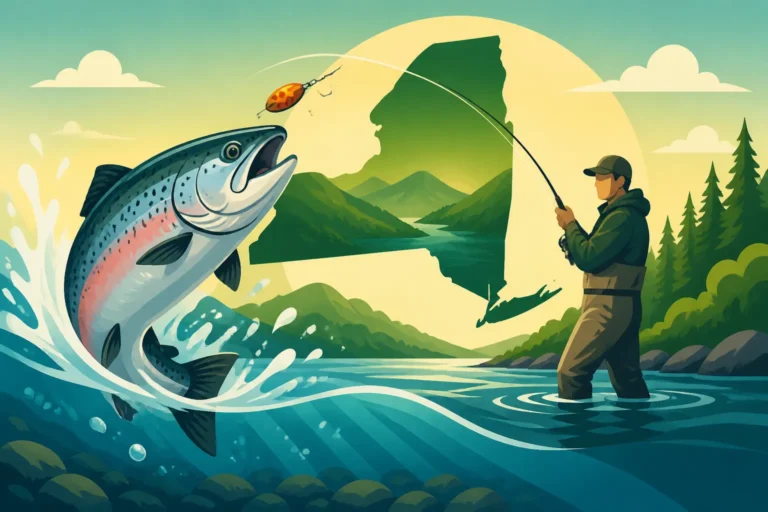
For many anglers, the thrill of hooking into a powerful Chinook salmon on New York's Lake Ontario is the stuff of dreams. These magnificent fish, often called "Kings" for their impressive size and fighting spirit, present a truly exhilarating challenge. However, figuring out the absolute best time to pursue them can feel like an overwhelming task, as their movements are influenced by a myriad of factors throughout the year. This guide will meticulously break down the seasonal patterns, behaviors, and optimal strategies for targeting Chinook salmon, ensuring you’re well-equipped to maximize your chances of a successful and memorable outing.
Understanding the Chinook Salmon Life Cycle in Lake Ontario
To truly master Chinook salmon fishing on Lake Ontario, you first need to appreciate their fascinating life cycle. Unlike their wild Pacific counterparts that complete their life cycle in rivers and then return to the ocean, Lake Ontario's Chinook are part of a thriving stocking program, reproducing in the lake's vast freshwater system and its tributaries. Their journey from tiny fingerlings to massive adults dictates where and when they are most accessible to anglers.
The Offshore Realm: Early Life and Growth
After being stocked by the New York State Department of Environmental Conservation (DEC) or naturally reproduced in the lake, young Chinook salmon spend their initial years out in the vast, deep waters of Lake Ontario. This offshore period, sometimes lasting three to five years, is where they grow rapidly, feasting on abundant alewives and other baitfish. They are pelagic creatures, meaning they live in the open water column, constantly roaming to find food and optimal water temperatures.
During this stage, Chinook are elusive and spread out across the lake. Their movements are largely dictated by the thermocline – the layer where warm surface water meets colder, deeper water – and the location of their primary food source. They can be found anywhere from just below the surface to depths of 100 feet or more, making them a challenge to locate for anglers without proper gear. These fish are strong, fast, and primarily focused on feeding, building up the energy reserves they’ll need for their eventual spawning migration. Understanding their reliance on the offshore environment for growth is key to grasping why summer trolling is so productive.
The Instinctive Pull: The Spawning Run
As Chinook salmon approach maturity, usually in their third or fourth year, an undeniable instinct pulls them from the deep, open waters towards the shallower nearshore areas and eventually into the tributary rivers to spawn. This migration is the highlight for many anglers, as it concentrates large numbers of fish in more accessible locations. The timing of this run is influenced by several factors, including lake water temperatures, prevailing winds, and even lunar cycles.
The spawning run isn't a sudden rush; it's a gradual process. Fish begin to stage near river mouths and harbors, transitioning from their open-water feeding habits to a more focused, migratory behavior. Their appearance changes too; the brilliant silver of their lake-dwelling phase gives way to darker, often mottled coloration as they prepare to fulfill their reproductive purpose. While they largely stop feeding once they enter the rivers, their aggressive territorial nature means they will still strike at lures and flies, making for some incredibly exciting fishing. This makes the late summer and fall seasons particularly legendary for those chasing these majestic fish.
The Prime Seasons for Chinook Salmon Fishing
When it comes to Chinook salmon on Lake Ontario, timing is everything. While you can catch them throughout much of the year, there are specific windows that offer the absolute best opportunities, driven by their life cycle and feeding patterns.
Spring Coaxing: The Re-Awakening (April-May)
Spring fishing for Chinook salmon can be a bit of a mixed bag, but it offers some fantastic early-season opportunities, especially for larger, hungry fish. As the ice recedes and the lake begins to warm, mature Chinook that have overwintered often become quite active, moving into shallower areas where baitfish are starting to congregate. Water temperatures are still quite cold, which means the fish tend to be slower-moving but incredibly powerful when hooked.
Anglers often target these early-season Kings in depths ranging from 30 to 80 feet, particularly near river mouths and offshore structure that might hold bait. The key during this time is to find the warmest water pockets or areas with active bait schools. These fish are aggressively feeding after the winter lull, making them susceptible to a variety of presentations. Trolling with spoons, stickbaits, and even cut bait can be highly effective. While the numbers might not be as high as during the peak fall run, the quality of the fish can be exceptional, with many true giants being caught. Remember, conditions can change rapidly in the spring, so staying flexible with your depth and lure choices is crucial.
Summer Offshore Giants: The Peak Trolling Season (June-August)
Summer is arguably the most consistent and productive time for targeting Chinook salmon on Lake Ontario if you have a boat capable of trolling offshore. From June through August, these fish are in their prime feeding mode, spread across the open lake, following schools of alewives and other forage fish. They are fat, strong, and incredibly active, making for epic battles on the open water. This is when you truly experience the power of a "King."
During early summer (June), Chinook might still be found in slightly shallower waters, transitioning from their spring haunts. However, as the summer progresses and the thermocline sets up, they'll primarily reside in the cooler, deeper waters, often 60 to 150 feet down, depending on the day and the location of bait. Anglers will employ sophisticated trolling setups, often running multiple lines at various depths using downriggers, Dipsy Divers, and planer boards. Ports like Oswego, Wilson, and Olcott become bustling hubs for charter boats and private vessels alike, all chasing these magnificent fish. The sheer size and fighting ability of summer Kings are legendary, often leading to some of the biggest fish of the season. To learn more about specific tactics, check out our guide on Trolling Techniques for New York's Lakes.
The Epic Fall Run: Tributary Thrills (September-October)
The fall run is what many anglers associate most strongly with Chinook salmon fishing on Lake Ontario. This is when mature salmon, driven by their ancient spawning instinct, begin to stage near river mouths and eventually enter the tributaries that feed the lake. The concentration of fish during this period is phenomenal, offering opportunities for both boat and shore anglers. The intensity of the fishing, often referred to as the "salmon run," is unmatched.
Starting in late August, and peaking from mid-September through October, huge numbers of Chinook will congregate in the nearshore waters, particularly around popular tributary systems like the Salmon River, Oswego River, and Oak Orchard Creek. These staging fish are still somewhat active feeders, but as they move closer to the rivers and eventually ascend them, their feeding drive diminishes, replaced by the urge to spawn. However, their aggressive nature means they'll still strike at lures, flies, and egg imitations out of territoriality or annoyance. This is a time of incredible action, with many anglers braving the cold waters to wade or drift these famed rivers. The sight of massive Chinook battling their way upstream is a bucket-list experience. For a deep dive into this period, you might want to read Chinook Salmon Run Peaks in Early October on Lake Ontario Tributaries.
| Season | Typical Months | Primary Location | Main Tactic | Key Considerations |
|---|---|---|---|---|
| Spring | April – Early June | Nearshore, River Mouths | Trolling (Spoons, Stickbaits) | Cold water, hungry fish, can be spread out |
| Summer | June – August | Offshore, Open Lake | Deep Trolling (Downriggers) | Fish are active feeders, follow the thermocline, large fish |
| Fall Run | September – October | Tributary Mouths, Rivers | Trolling (Nearshore), Drift Fishing (Tributaries) | High concentration, spawning colors, aggressive strikes |
| Late Fall | November | Tributaries | Drift Fishing, Fly Fishing | Fewer fish, post-spawn, challenging but rewarding |
Seasonal Hotspots and Tactics for Chinook Salmon
Knowing the best time is only half the battle; you also need to know where to go and what to do once you're there. Chinook salmon movements are quite predictable once you understand their seasonal patterns.
Trolling the Open Waters: Summer Dominance
During the summer months, trolling is the undisputed king of Chinook salmon fishing on Lake Ontario. The fish are widely dispersed, actively hunting baitfish, and a trolled spread allows you to cover vast amounts of water to locate them. Successful trolling requires a combination of factors: speed, depth, lure selection, and presentation.
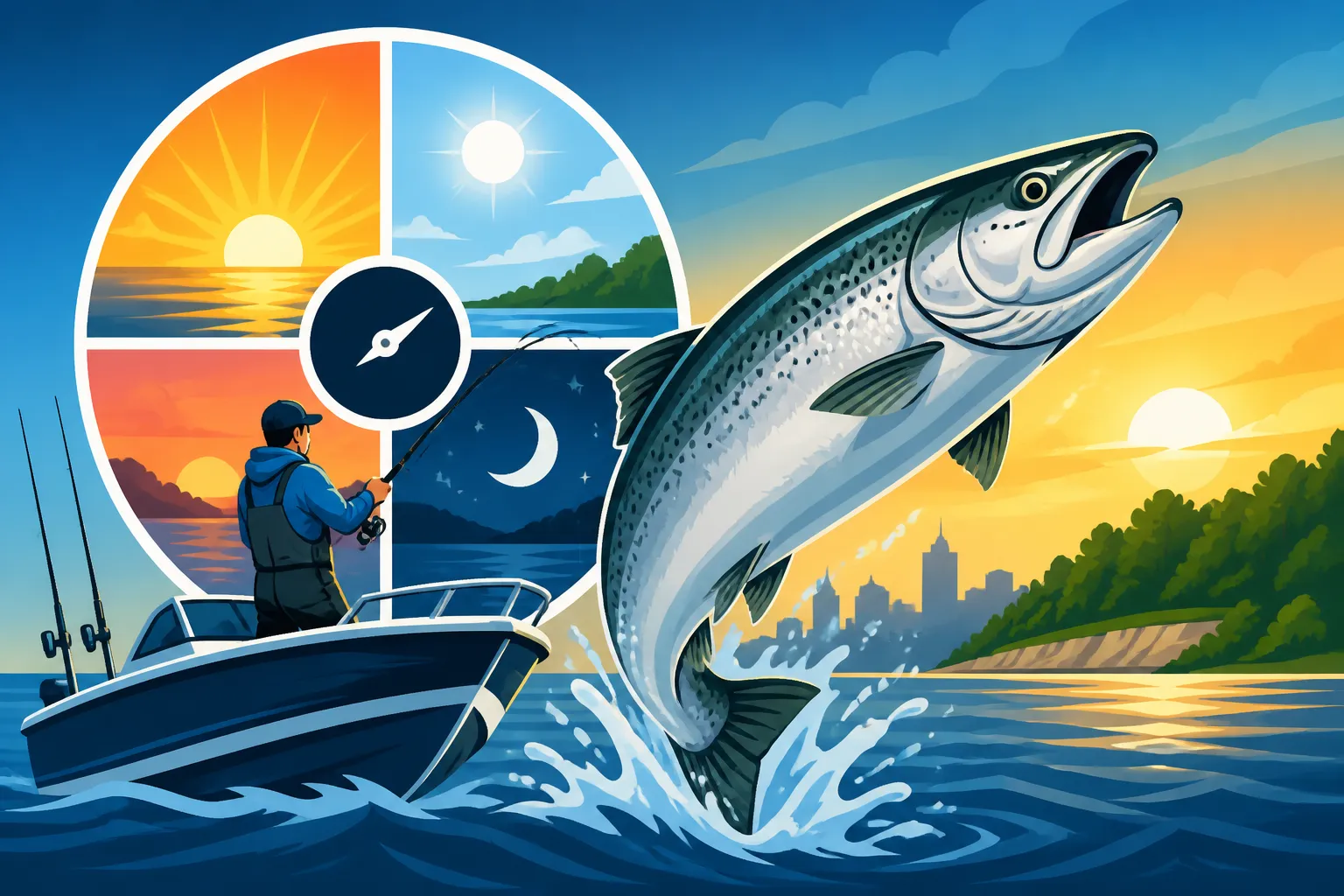
Anglers typically use boats equipped with multiple downriggers, often running four to eight lines, each set at different depths and distances from the boat. Planer boards extend lines out to the sides, covering an even wider path. Lures of choice include large spoons (like those from Dreamweaver or Stinger), flasher-fly combinations, and even some deep-diving crankbaits. The precise depth can vary daily, sometimes even hourly, based on sunlight penetration, water clarity, and the depth of the baitfish schools. A good fish finder is invaluable for identifying bait and marking salmon. Early mornings and late evenings often provide the best bites, as the fish move higher in the water column under lower light conditions. Fishing at sunrise or sunset can be especially productive. Don't be afraid to experiment with different colors and sizes until you find what the fish are keying in on. For more specific lure advice, check out Best Lures for Chinook Salmon.
Tributary Fishing Strategies: Fall Excitement
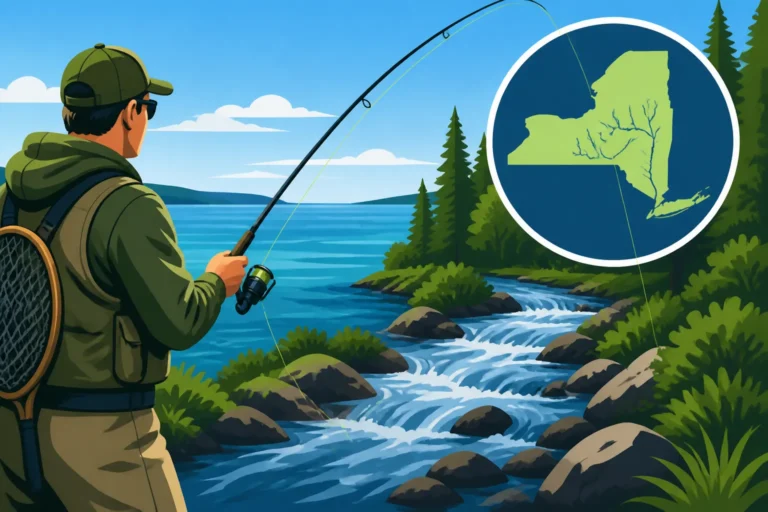
As fall approaches, the action shifts dramatically to the numerous tributaries flowing into Lake Ontario. This is where the mighty Chinook come to spawn, and anglers flock to rivers like the Salmon River in Pulaski, the Oswego River, and the Genesee River. Fishing these rivers requires a completely different approach, typically involving wading, drift fishing from small boats, or casting from shore.
In the lower stretches of the rivers, especially near the mouths, boat anglers can still troll, but they'll often be using shallower presentations or focusing on areas where fish are staging before entering the main river currents. Once in the rivers, Chinook salmon, while not actively feeding, will strike out of aggression or instinct. Popular tactics include drift fishing with egg sacs, beads that imitate eggs, or small artificial baits. Fly anglers have incredible success swinging large streamers or nymphing with egg patterns. The sheer power of a fresh-run Chinook in a river current is something every angler should experience. It's important to remember that river fishing can be very crowded during peak season, so respecting other anglers and local etiquette is paramount.
Shore and Pier Fishing Opportunities: Accessible Thrills
You don't always need a boat to catch Chinook salmon on Lake Ontario. During the spring and especially the fall, shore and pier fishing can be incredibly productive, particularly in areas near river mouths, harbor entrances, and deep-water piers. These locations often act as natural funnels for salmon moving into shallower waters or tributaries.
In the spring, shore anglers might cast spoons or crankbaits from piers and breakwalls where colder lake waters meet slightly warmer protected areas. As fall progresses, the action really picks up. Popular spots include the Oswego Lighthouse Pier, the piers in Rochester (like at Irondequoit Bay), and various harbor walls along the lakefront. Anglers often cast large spoons, heavy stickbaits, or even bottom-fish with egg sacs or cut bait. Long casting rods are a must to reach the deeper channels where the salmon might be holding. Early morning and late evening are prime times, as the fish are often more willing to move into shallower casting range under low light. It's an accessible way to experience the thrill of Chinook fishing, and often, you'll be fishing alongside a friendly community of fellow "King" enthusiasts. Remember to always be aware of your surroundings and any local regulations. You can find excellent gear, including specialized long casting rods and heavy-duty reels suitable for shore salmon fishing, on Amazon.
Factors Influencing Chinook Salmon Runs
Predicting the exact timing and intensity of Chinook salmon runs isn't an exact science. Several environmental factors play a crucial role, and understanding them can give you a significant advantage in planning your trips.
Water Temperature is King
Perhaps the most critical factor influencing Chinook salmon movement is water temperature. These fish are cold-blooded and will seek out their preferred temperature range, typically between 45 and 55 degrees Fahrenheit (7-13 degrees Celsius). In the summer, this means they're often found deep, below the thermocline, where the water is coldest. As the lake cools in the fall, they'll push into shallower areas and eventually into rivers where temperatures might be warmer than the main lake, or where the change in temperature triggers their spawning drive.
A sudden change in lake temperature, either a rapid cool-down in late summer or a warm-up in spring, can accelerate or delay movements. For instance, an early cold snap in late August can sometimes kickstart the early stages of the fall run, drawing fish closer to shore and river mouths. Conversely, a prolonged warm spell can keep fish scattered in the deeper, cooler parts of the lake. Successful anglers pay close attention to real-time water temperature charts and reports to pinpoint where the fish are likely to be holding.
The Role of Baitfish Abundance
Chinook salmon are predatory fish, and their primary food source in Lake Ontario is the alewife. The abundance and location of these baitfish directly influence where and when salmon will be found. If baitfish schools are concentrated in certain areas, the salmon won't be far behind. This is especially true during the summer offshore season.
A strong year-class of alewives can mean healthier, larger salmon and more widespread feeding activity. Conversely, a decline in baitfish populations can lead to salmon being more dispersed and harder to locate. Anglers often use their electronics not just to mark salmon, but also to find baitfish schools. If you're marking dense clouds of bait, especially near the thermocline, you're likely in the right area for Chinook. Understanding the baitfish movements throughout the year is an often-overlooked but vital piece of the Chinook salmon puzzle.
Weather Patterns and Water Levels
While not as critical as temperature or bait, weather patterns and water levels can certainly impact Chinook salmon behavior and angler success. Strong winds, especially those blowing onshore (east or west on Lake Ontario), can push warm surface water away from shore, allowing colder, deeper water to upwell closer to the shoreline. This can draw salmon into more accessible areas for a short period, creating a "shore bite."
Conversely, sustained offshore winds can push warm water further out, making nearshore fishing tougher. Heavy rains in the fall can raise river levels and increase flow, which is often a strong trigger for salmon to make their final push upriver. Low, clear river conditions, however, can make fish wary and difficult to approach, especially for fly anglers. Paying attention to long-range weather forecasts and current conditions is always a good practice before heading out.
Gear and Preparation for Optimal Chinook Salmon Fishing
Catching Chinook salmon requires robust gear and thoughtful preparation. These fish are not to be underestimated; they demand quality tackle and a solid understanding of local regulations.
Essential Trolling Gear for Lake Ontario
For summer trolling on Lake Ontario, your gear needs to be up to the task of handling powerful runs and potentially large fish. A typical setup includes:
- Rods and Reels: Medium-heavy to heavy action trolling rods, often 7 to 10 feet in length, paired with conventional reels spooled with 20-30 lb monofilament or braid. Look for reels with a strong drag system and high line capacity.
- Downriggers: These are almost essential for consistently reaching the depths where summer Chinook reside. You'll typically use two to four downriggers, each allowing you to present a lure precisely at a chosen depth.
- Dipsy Divers/Planer Boards: These tools help spread your lines out wider, covering more water and preventing tangles, especially when running multiple lines.
- Lures: A diverse selection of spoons (e.g., Magnum size spoons in various colors like green/silver, blue/silver, orange/gold), flasher-fly combinations, and maybe some deep-diving crankbaits. The best colors can change daily, so having options is key. You can stock up on a wide array of effective trolling lures through retailers like Amazon.
- Electronics: A good fish finder with GPS is crucial for marking bait, fish, and navigating to productive areas. Many modern units offer side-scanning or down-imaging capabilities that greatly enhance your ability to locate fish.
- Net: A large, sturdy landing net with a deep basket is essential for safely landing a thrashing King salmon.
- Cooler: You'll need a large cooler with plenty of ice to keep your catch fresh throughout the day.
Tributary and Shore Angling Essentials
Fishing the rivers and shorelines requires a different, often lighter, but still robust setup:
- Rods and Reels: For river fishing, a medium-heavy spinning rod (8.5-10.5 feet) or a longer float rod is common, paired with a reliable spinning reel spooled with 10-15 lb fluorocarbon or monofilament line. Fly anglers will use 8-10 weight fly rods, often 9-10 feet long, with a strong reel and appropriate sinking or floating lines.
- Lures/Baits: In rivers, focus on egg imitations (roe bags, beads), small jigs, inline spinners, or larger flies (streamers, egg patterns). Shore anglers often prefer heavy casting spoons, stickbaits, or even larger jigs.
- Waders and Boots: If you're wading rivers, quality breathable waders and sturdy wading boots with good grip are a must for safety and comfort in cold, slippery conditions.
- Net: A long-handled, wide-mouthed net is crucial for landing fish in river currents.
- Pliers/Forceps: Essential for safely removing hooks from feisty fish.
- Layered Clothing: New York weather, especially in fall, can be unpredictable. Dress in layers to adapt to changing temperatures.
Licensing and Regulations
Before you even think about casting a line, ensure you have the proper New York fishing license. For freshwater fishing in Lake Ontario and its tributaries, you'll need a New York State freshwater fishing license. If you're fishing near the mouth of the lake where it meets the Niagara River or other border waters, be aware of any potential reciprocity agreements, though generally, a NY license is sufficient for Lake Ontario.
Always consult the most current New York DEC fishing regulations guide for specific rules regarding catch limits, minimum size requirements, and special regulations for different bodies of water, especially the tributaries during the fall run. Regulations can change annually, so it's vital to stay informed. Many fishing tackle shops and bait stores carry the printed guides, or you can find them online. Don't forget, if you're not planning to keep your catch, understanding New York Catch-and-Release Trout Fishing Rules can give you good insights into ethical fish handling for all species. Getting caught Fishing Without a License in New York: What Happens can lead to hefty fines and a ruined day, so always be prepared! For a complete overview, see our New York Fishing License Guide.
Common Misconceptions and Pro Tips for Chinook Salmon Success
Even with all the right information, fishing for Chinook salmon can throw curveballs. Let's address some common pitfalls and offer a few insider tips to help you succeed.
Don't Chase the Hype; Trust Your Instincts
A common mistake, especially during the fall run, is to blindly follow the crowds. While popular spots are popular for a reason (they hold fish!), sometimes the most crowded areas are also the most pressured, making the fish wary. Instead of solely relying on "hot spot" reports from the previous day, try to understand why those spots were hot. Was it water temperature? Bait presence? Current flow?
Develop your own understanding of salmon behavior and trust your instincts. If a spot feels off, or if the fish aren't biting where everyone else is, don't be afraid to move and explore. Sometimes, finding a less pressured stretch of river or a slightly different depth offshore can lead to incredible success. Pay attention to subtle cues from the environment and your electronics. Flexibility and adaptability are often more valuable than simply being in the most crowded area.
Patience and Persistence are Your Best Allies
Chinook salmon fishing, especially for the truly large ones, isn't always a non-stop action fest. There will be slow periods, times when you doubt your lure choice or depth, and moments when you feel like giving up. This is where patience truly pays off. These powerful fish can be finicky, and conditions can change rapidly.
Stay persistent, keep adjusting your presentation, vary your trolling speed, or try different drifts. Keep your lines in the water. Often, the bite can turn on unexpectedly, and those who have stuck it out are rewarded. Don't get discouraged by a slow start; the next bite could be the biggest fish of your life. Always remember that even seasoned pros have their slow days. The joy is in the pursuit and the challenge, not just the catch.
Prioritize Safety and Ethical Angling
Finally, always prioritize safety, whether you're out on the vastness of Lake Ontario or wading a swift-moving tributary. Check marine forecasts before heading out, wear appropriate safety gear (like life vests), and let someone know your float plan. On rivers, be mindful of changing water levels and slippery rocks.
Beyond personal safety, practice ethical angling. Understand and adhere to all fishing regulations. If you're planning to release fish, learn proper catch-and-release techniques to minimize stress and maximize their survival rate. Handling powerful fish like Chinook salmon requires care. Use a large net, keep the fish in the water as much as possible, and revive it gently before release. These magnificent fish are a precious resource, and responsible angling ensures future generations can enjoy the same incredible experiences. The thrill of catching a Chinook salmon on Lake Ontario is truly unmatched, and by understanding their seasonal movements, behaviors, and the best techniques, you'll be well on your way to a memorable adventure. Good luck out there!
Disclaimer
Fishing conditions, regulations, and fish behavior can change rapidly. While this guide provides comprehensive information based on current knowledge and common practices, it is always the angler's responsibility to consult the most up-to-date regulations from the New York State Department of Environmental Conservation (DEC) before fishing. Always prioritize safety on the water and practice responsible angling.