Best Bait for Striped Bass
There’s nothing quite like the thrill of chasing striped bass, especially here in New York. You’ve probably spent countless hours on the water, tried every lure in your tackle box, and still found yourself scratching your head wondering why those elusive stripers aren't biting. It’s a common frustration, believe me, because what works one day might not even get a sniff the next. This guide is here to unravel the mystery of the best baits for striped bass, helping you understand their preferences so you can hook into more of these magnificent fish.
The Undisputed Kings: Live Baits for Striped Bass
When it comes to putting big striped bass in the boat or on the shore, fresh, lively baitfish are often your best bet. Stripers are opportunistic predators, and they simply can't resist a struggling, natural meal swimming right in front of them. The movement, the scent, the undeniable presence – it's all a powerful attractant. However, knowing which live bait to use, and when and where to use it, makes all the difference. It's not just about tossing a fish in the water; it's about understanding the striper's natural forage.
Live Bunker (Menhaden) – The Striper's Favorite Meal
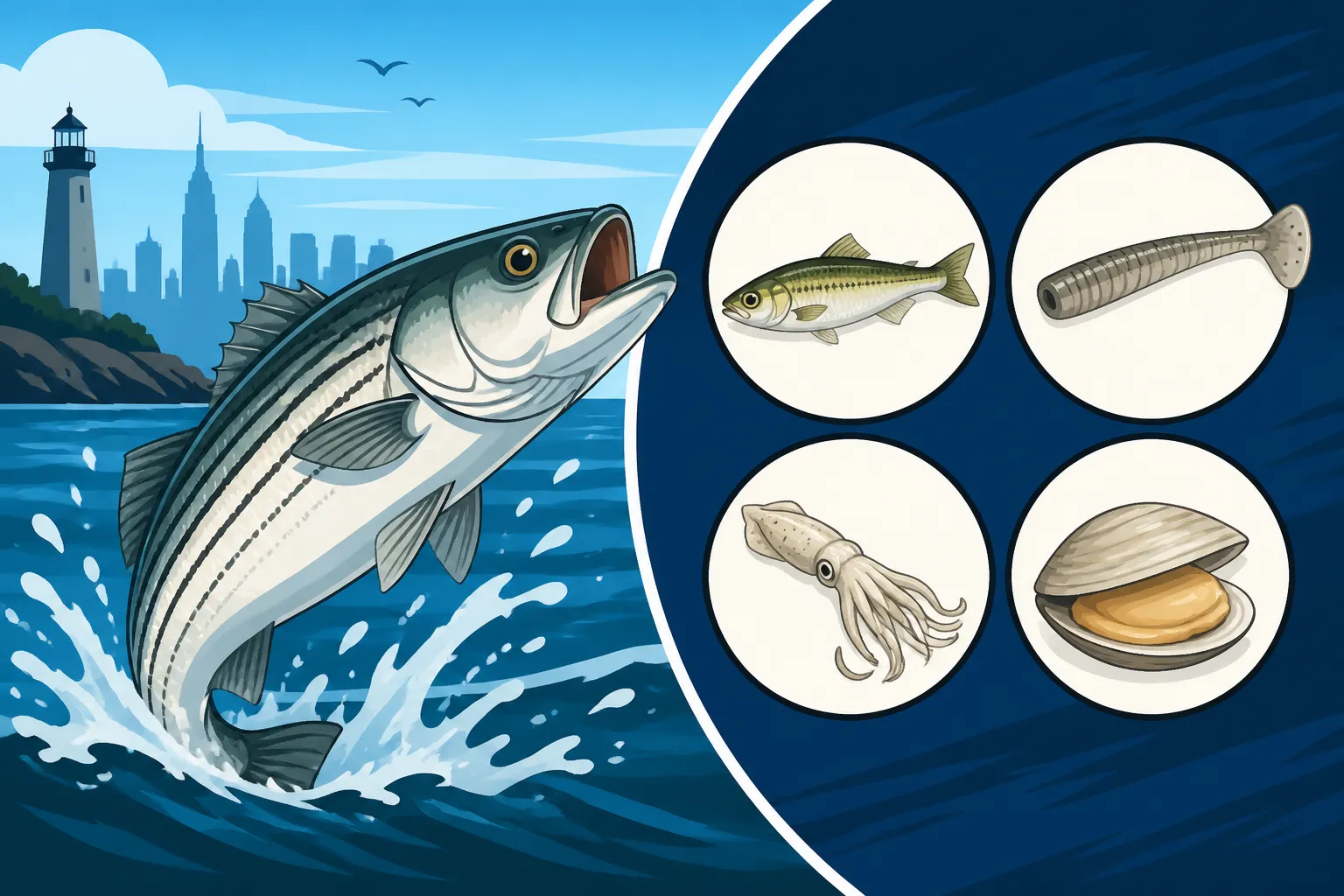
If there's one bait that's synonymous with big striped bass on the East Coast, it's live bunker, also known as menhaden or pogies. These oily, schooling fish are a primary food source for stripers, especially in our coastal waters, the Long Island Sound, and even up the Hudson River during their migrations. When the bunker are in, the stripers are usually not far behind, making them an incredibly effective choice.
Catching live bunker can be an adventure in itself, often requiring a good cast net or snagging trebles. You’ll usually find them schooling near the surface, often congregating in harbors, bays, and along the coastline. Once you have them, keeping them alive in a well-aerated livewell is crucial. A sluggish bunker isn't nearly as appealing as one darting around. When fishing with live bunker, you can drift them in current, troll them slowly, or anchor up and let them swim naturally. They’re particularly deadly when stripers are actively feeding on large schools of bait, creating those frothing "blitz" scenarios we all dream about. Think about fishing the deep channels and rips of the Long Island Sound or near the jetties around Montauk when these baitfish are abundant. For a deeper dive into targeting these fish, check out our guide on How to Fish for Striped Bass on New York's Hudson River.
Eels – A Nighttime Assassin's Delight
Eels might look a bit intimidating, even slimy, but they are absolutely deadly for striped bass, especially after dark. There's something about their serpentine movement that stripers find irresistible, making them a top choice for trophy fish hunters. Eels are particularly effective in rocky areas, around bridge pilings, jetties, and other structures where stripers ambush their prey.
Fishing with live eels is pretty straightforward. You typically hook them through the lips or eye socket with a stout circle hook (which, by the way, are often required when fishing with natural bait for stripers to promote conservation, as discussed in our Why Are Circle Hooks Required for Striped Bass Bait Fishing? article). The key is to let the eel swim naturally. You can cast them out and let them drift with the current or slowly retrieve them, allowing their natural movements to do the work. Many anglers swear by eels when fishing the tidal waters of the Hudson River at night or along the rocky shores of Block Island and Montauk. They're resilient little creatures, making them easy to keep alive for an evening's outing, and can often be found at local bait shops or even caught with specialized eel traps.
Mackerel, Herring, and Shad – Regional Delights
While bunker and eels often steal the spotlight, other live baitfish can be incredibly effective, especially depending on the region and time of year. Mackerel, herring, and shad are prime forage for striped bass in different parts of New York's waters. Mackerel, for instance, are a staple in the colder, saltier waters further offshore and along the coast, particularly in early spring and late fall. Their speed and oil content make them a high-energy meal for migrating stripers.
Herring, including river herring like alewives and blueback herring, are crucial baitfish in many of New York's river systems, including the Hudson River and its tributaries, during their spring spawning runs. Stripers follow these schools upstream, creating incredible fishing opportunities. Similarly, shad, like gizzard shad or American shad, also undertake spring migrations and provide a protein-rich meal for hungry stripers. Anglers often catch these baitfish themselves using sabiki rigs or small casting lures. Fishing with live mackerel, herring, or shad is similar to bunker – typically drifted or slow-trolled, often with a simple fish-finder rig or a three-way swivel rig that keeps the bait near the bottom but allows it to swim freely. These baits truly shine when you're fishing in an area where they are the dominant forage.
The Potent Power of Cut Baits
Sometimes, a live, struggling baitfish isn't what the stripers are looking for, or perhaps you can't get your hands on them. This is where cut bait shines. The beauty of cut bait lies in its scent trail. As the bait sits on the bottom or drifts in the current, it slowly releases oils and blood into the water, creating an irresistible aroma that can draw in stripers from a significant distance. It’s a more passive way of fishing but incredibly effective, especially when stripers are being sluggish or feeding in murkier water.
Cut Bunker – Scent Trails That Drive Stripers Wild
Just as live bunker are dynamite, cut bunker are equally effective, particularly in situations where stripers are less actively chasing or you're fishing a strong current or structure where a live bait might get tangled. The sheer oiliness of bunker makes them fantastic scent producers, and when you cut them up, you maximize that dispersal.
Typically, a bunker is cut into chunks – head, midsection, and tail. The midsection, being the fattest and oiliest, is often considered the best piece. You'd usually rig these chunks on a fish-finder rig, allowing the bait to lie naturally on the bottom while your sinker holds steady. This presentation is excellent for fishing deep channels, strong rips, or even from shore, where you want to cast out and let the scent do the work. Places like the deeper sections of the Hudson River or tidal estuaries on Long Island often yield great results with cut bunker, especially during the tide changes when stripers are waiting to ambush prey. You can buy pre-cut frozen bunker at many tackle shops, and having a supply on hand, perhaps from a brand you trust found on Amazon, is always a good idea.
Mackerel and Bluefish Chunks – Oily Temptations
Similar to bunker, mackerel and bluefish are incredibly oily fish, and their cut sections make for fantastic striper bait. Mackerel, with their firm flesh and distinct odor, are particularly good when fishing in areas where they are naturally present, such as along the Atlantic coast. A fresh chunk of mackerel, especially from the belly section, can be a magnet for hungry stripers.
Bluefish, while often seen as a competitor for stripers, actually make excellent cut bait. Their intensely oily flesh and strong scent travel far in the water, attracting predators. Plus, if you've caught a few small bluefish, you already have prime bait at your disposal. Again, these chunks are best presented on a fish-finder rig. The key is to use fresh bait. While frozen works, freshly cut bait will always have a stronger scent profile and be more appealing. Consider this approach when you're fishing deeper water or during a slower bite, allowing the scent to propagate and draw in cautious fish.
Clams – A Surprisingly Effective Choice
You might not immediately think of clams when you imagine striped bass bait, but for shore anglers, especially, clams can be incredibly effective, particularly in sandy or muddy bottom areas. Stripers are known to cruise shallow flats and estuaries, rooting for crabs, worms, and, yes, clams that have been dislodged by currents or storms. The soft, fleshy interior of a clam, especially a fresh one, releases a potent scent that stripers readily identify as food.
Surfcasters often have great success with "clam bellies" (the soft, juicy part) or whole opened clams. These are usually fished on a simple bottom rig, sometimes with a float to keep the bait just off the bottom, or a fish-finder rig to allow it to move naturally with the current. You'll want to use bait thread to secure the clam to the hook, as it’s quite soft and can easily fly off during a cast. This is a particularly good choice when fishing beaches or calmer bay waters, where the stripers are likely to be cruising for easy meals. While not as universally used as bunker or eels, a fresh bucket of clams can often save a slow day, especially when the water is cooler, or the fish are keyed into bottom-dwelling prey.
The Art of Deception: Artificial Lures for Striped Bass
Sometimes, watching a lure get smashed by a striper is one of the most exhilarating experiences in fishing. Artificial lures allow for active fishing, covering more water, and often enticing a more aggressive bite. The variety available is astounding, each designed to imitate different forage or elicit specific reactions from the fish. From topwater explosions to deep-diving presentations, artificials offer incredible versatility for the savvy angler.
Plugs and Topwater Lures – Explosive Surface Action
There’s nothing quite like a big striper blowing up on a topwater lure. These lures, designed to float or swim just beneath the surface, mimic injured baitfish or actively feeding schools, triggering aggressive predatory strikes. Poppers, walkers, and pencils are some of the most popular types. Poppers create a "chugging" splash, walkers "walk the dog" with a side-to-side motion, and pencils skim across the surface.
These lures are most effective during low-light conditions – dawn, dusk, or even throughout the night – or on overcast days. They're particularly thrilling when stripers are actively feeding on baitfish near the surface. Casting these lures into rips, around jetties, or over rocky structures where stripers ambush prey can lead to heart-stopping strikes. Topwater fishing is incredibly visual and addictive. Popular brands like Heddon Super Spook, Tsunami Talkin Popper, and various custom wooden plugs can be found in local tackle shops or online at places like Amazon. For tips on when to best target these surface feeders, our guide on How to Fish for Striped Bass in the Spring Run offers some great insights.
Soft Plastics and Jigs – Versatile and Productive
Soft plastics and jigs are arguably the most versatile artificial baits for striped bass, capable of imitating a wide range of forage and being fished in nearly any water column. From small sand eel imitations to large shad bodies, the options are endless. Soft plastics are typically paired with a lead-head jig, which determines the depth and action. The weight of the jig head can be adjusted based on current, depth, and desired retrieve speed.
These baits excel in almost all conditions. You can cast and retrieve them, jig them vertically in deep water, or bounce them along the bottom. Paddle tail shads like the popular Storm Wildeye Shad or the larger Tsunami Holographic Swim Shad are deadly when stripers are feeding on baitfish like bunker or herring. Smaller grub tails or jerk shads on light jig heads are fantastic for catching stripers in calmer bay waters or estuaries. The key is to match the size and color to the local forage. The beauty of soft plastics is their realism and subtle action, often enticing strikes when flashier lures fail. Many anglers stock up on a variety of colors and sizes, finding them indispensable for nearly every striper situation.
Spoons and Bucktails – Classic and Deadly
Some lures are timeless for a reason, and spoons and bucktail jigs definitely fall into that category for striped bass. These classics have been catching stripers for generations and remain incredibly effective. Spoons, with their wobbling, flashing action, perfectly imitate injured baitfish. Larger metal spoons like the Kastmaster or Hopkins Shorty are ideal for long casts into strong currents or from shore, especially when stripers are busting bait on the surface or near the bottom.
Bucktail jigs, on the other hand, are the workhorse of many striper anglers. A bucktail is essentially a lead head dressed with deer hair, often tipped with a pork rind, soft plastic trailer, or a strip of natural bait for added scent and action. They are incredibly versatile, capable of imitating everything from shrimp to crabs to small baitfish. You can bounce them along the bottom, jig them vertically, or cast and retrieve them through current. Bucktails are particularly effective in fast-moving water, around rocky structures, and in areas with a lot of current, like the inlets and rips of the Long Island Sound or the Niagara River. Their compact profile and ability to cut through the water make them excellent choices for deep-water presentations or when a subtle, realistic offering is needed. Mastering the bucktail jig is a rite of passage for many serious striper anglers.
Matching the Hatch: Choosing Your Bait Wisely
Deciding on the "best" bait isn't a one-size-fits-all answer; it's about making informed choices based on a multitude of factors. Striped bass are adaptable predators, but they are also creatures of habit, often keying in on the most abundant and easiest-to-catch food source available. This is often referred to as "matching the hatch" – ensuring your bait or lure closely mimics what the stripers are currently feeding on.
Seasonal Considerations and Migratory Patterns
The time of year dramatically influences what bait you should be using. In early spring, as stripers migrate north into New York waters, they are often hungry and keying in on smaller baitfish or worms and clams found in estuaries. As the water warms, larger schools of bunker and mackerel move in, and stripers shift their focus to these more substantial meals. During the fall run, stripers are aggressively feeding to build up fat reserves for their southward migration, often chasing massive schools of baitfish.
For example, during the spring run up the Hudson River, smaller herring or even artificial lures that mimic them will be highly effective. Later in the summer, on the coast of Long Island, big live bunker or large topwater plugs might be the ticket. Understanding the annual migrations of both the stripers and their forage is crucial. Our guide on When Do Striped Bass Run Up New York's Hudson River? provides excellent details on these seasonal movements, which directly impact bait choice. It's a continuous learning curve, but paying attention to the calendar and local conditions will always put you ahead.
Location, Water Conditions, and Forage Availability
Where you're fishing and what the water looks like also plays a massive role. Are you in a calm, shallow bay with a muddy bottom? Clams, sandworms, or small soft plastics mimicking shrimp might be best. Are you in a deep, fast-moving channel with rocky structures? Live eels, large bucktail jigs, or heavy cut bait could be the answer. Is the water clear or murky? In clear water, realistic imitations and subtle presentations are often preferred, while in murky water, scent-laden cut bait or noisy, vibrating lures can be more effective.
Most importantly, observe what's happening around you. Are there birds diving? Are baitfish jumping? If you see bunker schools being harassed, then live or cut bunker are your obvious choice. If you're fishing a sandy beach and seeing small crabs scurrying, a clam bait might be worth a shot. The "forage base" – what food is naturally available in that specific area – is paramount. Sometimes, it's a matter of looking at what’s inside the stomach of the first striper you catch; that’s the ultimate clue!
Fishing from Shore vs. Boat – Different Approaches
Your fishing platform also dictates your bait choices and presentation. Shore anglers, especially surfcasters, often rely on baits that can be cast a long distance and withstand powerful waves, such as pyramid sinkers with natural baits like clam or bunker chunks on a fish-finder rig. Accessibility to live bait can be a challenge, so fresh cut bait or durable artificial lures are often the go-to.
From a boat, you have more flexibility. You can chase down schools of bunker for live bait, drift eels over deep structures, or troll large plugs and spoons. A boat allows you to reach offshore rips, deep channels, and other areas inaccessible from land, expanding your bait options significantly. When fishing from a kayak, for instance, you might prioritize lures or smaller live baits that are easy to manage. The best bait for fishing from a boat often differs from the best bait for shore anglers simply due to the reach and mobility afforded by a vessel.
Rigging and Presentation: Maximizing Your Chances
Having the right bait is only half the battle; how you rig it and present it to the striped bass is equally crucial. A perfectly selected bait poorly presented might as well stay in the cooler. Stripers are savvy, and a natural, enticing presentation can make all the difference between a frustrating skunk and a banner day. This section will cover some fundamental rigging techniques and how to work your chosen bait effectively.
Essential Rigs for Live and Cut Bait
When using natural baits, the goal is often to make it look as natural as possible, or to ensure the scent travels far while the hook-up ratio remains high.
- Fish-Finder Rig: This is a staple for both live and cut bait, especially when fishing on the bottom from shore or an anchored boat. It involves a main line tied to a swivel, with a leader (often fluorocarbon for stealth) attached to the other end of the swivel, and then your hook. A sinker slide is threaded onto the main line above the swivel, allowing the sinker to move freely. This setup ensures that when a striper takes the bait, it feels minimal resistance from the sinker, allowing it to swim off naturally with the bait before feeling the hook. This rig is fantastic for cut bunker, clams, or even live bunker that you want to keep near the bottom.
- Three-Way Swivel Rig: Often used when drifting live bait (like bunker or eels) in current. One eye of the three-way swivel is tied to your main line, another to a short leader with a sinker (often a bank sinker), and the third to a longer leader (several feet) with your hook and bait. This keeps your bait at a controlled depth just above the bottom or in the current, allowing it to swim enticingly. It's particularly effective in areas with strong current or when you want to cover water by drifting.
- Simple Leader & Hook: For very active live bait like eels, sometimes the simplest rig is best. Just a good quality circle hook tied directly to a stout fluorocarbon leader, which is then tied to your main line. This allows the eel maximum freedom of movement, which is its primary appeal. The less hardware, the more natural the presentation. Remember to keep a good stock of various hook sizes, from trustworthy manufacturers, which you can always find readily available on Amazon.
Techniques for Working Artificial Lures
Unlike natural bait, artificial lures demand active participation from the angler. Your retrieve, jigging motion, and overall technique bring the lure to life.
- Cast and Retrieve: For plugs, spoons, and soft plastics, a consistent cast and retrieve is fundamental. Vary your retrieve speed and incorporate pauses or jerks to imitate an injured or fleeing baitfish. For topwater lures, rhythmic twitches of the rod tip combined with reeling create the "walk-the-dog" action or the "chug" of a popper. Experiment with fast retrieves to provoke aggressive reaction strikes, or slow, steady retrieves when fish are sluggish.
- Jigging: This technique is primarily used with bucktail jigs or soft plastics on jig heads. It involves dropping the lure to the bottom and then lifting the rod tip sharply (a "jig"), letting the lure fall, and repeating. This mimics a bottom-feeding creature or an injured baitfish. The rhythm and height of your jigging motion can make a huge difference. In strong currents, you might simply lift and drop, letting the current do most of the work to impart action.
- Trolling: For boat anglers, trolling plugs, spoons, or even large soft plastics can be incredibly effective, especially for covering large areas of water or targeting stripers suspended at specific depths. Different lures have different diving depths, and often planer boards or downriggers are used to get lures to the desired depth and spread them out behind the boat. This method is often employed on large bodies of water, like Lake Ontario or parts of the Long Island Sound, though for salmon and trout more commonly.
Proper Hook Selection and Handling
Beyond the bait and rig, the hook itself is paramount. For natural baits, circle hooks are highly recommended and often legally mandated for striped bass fishing in New York. They significantly reduce gut-hooking, leading to higher survival rates for released fish. Ensure your circle hook is appropriately sized for your bait and the potential size of the fish. For artificial lures, J-hooks are standard, but check your local regulations, as some areas may have treble hook restrictions or require crushed barbs.
Proper fish handling is also vital for conservation. When you catch a striper, especially if you intend to release it, handle it gently. Minimize its time out of water, support its body weight horizontally, and use de-hooking tools to remove hooks quickly. For more details on safe handling and conservation, consider reviewing our Catch-and-Release Handling Rules for New York. The health of our striped bass population depends on all of us doing our part.
| Bait Type | Pros | Cons | Ideal Conditions | Target Striper Size |
|---|---|---|---|---|
| Live Bunker | High appeal, irresistible action | Hard to keep alive, can be difficult to obtain | Active feeding, strong currents, offshore | Large |
| Live Eels | Deadly for large stripers, especially at night | Slimy, harder to rig for beginners | Night fishing, rocky structure, current | Large |
| Cut Bunker | Strong scent trail, attracts from afar | Can attract bait stealers, less active | Murky water, bottom fishing, slower bite | Medium to Large |
| Cut Mackerel | Oily, good scent, durable | Can be less effective than fresh bunker | Varied, especially when mackerel are present | Medium to Large |
| Clams | Excellent for shore, specific situations | Soft, difficult to cast, attracts smaller fish | Sandy/muddy bottoms, bays, cooler water | Small to Medium |
| Topwater Plugs | Exciting strikes, covers water easily | Less effective in choppy water/deep | Low light, active surface feeding | Medium to Large |
| Soft Plastics | Versatile, realistic, many options | Can be torn easily, requires skill to impart action | All conditions, matching specific forage | All sizes |
| Bucktail Jigs | Highly versatile, cuts current well | Requires practice to work effectively | Strong current, rocky bottoms, deep water | Medium to Large |
Disclaimer
Fishing regulations and best practices can change. Always consult the latest New York State Department of Environmental Conservation (DEC) regulations before heading out on the water. This guide is for informational purposes only and should not be considered a substitute for official regulations. Be safe, fish responsibly, and always prioritize conservation.