How to Fish for Muskellunge
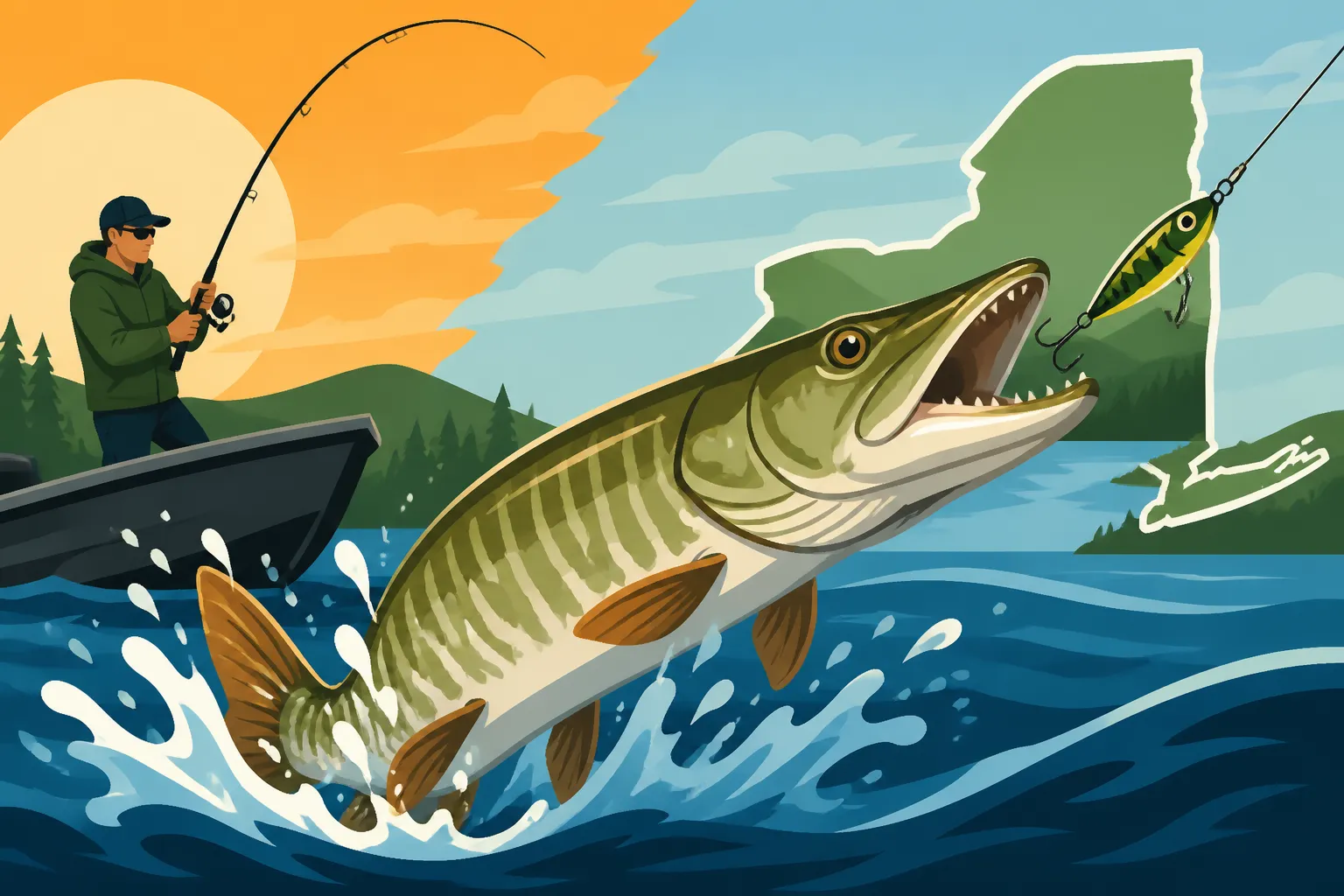
Muskellunge fishing in New York can feel like chasing a ghost, often earning it the moniker "the fish of 10,000 casts." It’s a pursuit that tests patience, skill, and dedication, leaving many anglers feeling frustrated by the sheer elusiveness of these apex predators. But with the right approach, equipment, and a deep understanding of their habits, you can significantly increase your chances of connecting with one of these magnificent fish. This guide will meticulously break down everything you need to know to successfully target muskellunge in the Empire State, turning those thousands of casts into triumphant battles.
Understanding the Elusive Muskellunge in New York
The muskellunge, or "muskie" as it's affectionately known, is truly the undisputed king of New York's freshwater predators. Known for its ferocious strikes, incredible size, and challenging nature, catching a muskie is often considered the pinnacle of freshwater angling. But to even begin to pursue these giants, you first need to understand their unique biology, how to tell them apart from their pike cousins, and where they prefer to call home.
Muskie Biology and Behavior in New York
Muskies are freshwater apex predators, renowned for their long, powerful bodies, razor-sharp teeth, and incredible bursts of speed. In New York, these fish typically inhabit large lakes and rivers, often preferring areas with extensive weed beds, submerged timber, and rocky drop-offs. They are ambush predators, lying in wait for unsuspecting prey like suckers, perch, and even waterfowl. Their behavior is highly influenced by water temperature, light conditions, and forage availability. During warmer months, they might be more active in shallower, weedier areas, while in cooler water, they tend to move deeper or concentrate around structure. They are also known for their moody and unpredictable nature; one day they might be aggressively striking anything that moves, and the next they seem to vanish entirely, making the pursuit even more exhilarating. Successfully understanding the nuances of their behavior is paramount, which is why diligent observation and keeping a detailed fishing log can be incredibly helpful.
Identifying Muskellunge vs. Northern Pike
One of the most common questions, especially for anglers new to muskie fishing, is how to differentiate a muskellunge from its close relative, the northern pike. Both are formidable toothy predators, but there are distinct characteristics that set them apart. The easiest way to tell them apart is by examining the scales on their cheek and gill covers, and by their tail fin shape. Muskellunge typically have scales only on the upper half of both their cheek and gill cover, leaving the lower half bare. Northern pike, on the other hand, have scales fully covering their gill covers, but their cheeks may be fully scaled or scaled only on the upper half. Another tell-tale sign is the markings on their body; muskies generally have dark spots or bars on a lighter background, while pike usually have light spots or bean-shaped markings on a darker background. Their tail fins also differ subtly: a muskie's tail is usually more pointed, whereas a pike's is more rounded. For a detailed visual guide and more tips, check out our post on "Muskellunge vs Northern Pike: Key Differences".
Typical Muskie Habitats in New York Waters
Muskies thrive in diverse aquatic environments across New York, but they generally seek out clear, cool waters with ample cover and a healthy forage base. You'll often find them lurking at the edges of weed lines, particularly milfoil or cabbage beds, where they can ambush prey. Submerged timber, rock piles, sudden depth changes (drop-offs), and current breaks in rivers are also prime muskie real estate. In larger lakes, they might relate to deep humps or points that extend into open water. They are territorial fish, often holding to a specific piece of structure or cover for extended periods. When you find one muskie in a spot, it's worth thoroughly working that area, as they sometimes group up, or another fish may move in after one is caught. Pay close attention to current patterns in rivers; muskies will often position themselves just out of the main current, waiting for food to be swept by.
Essential Gear for Muskie Fishing
Chasing muskies isn't like panfishing; it demands specialized, heavy-duty tackle that can withstand the immense power of these fish and the violent strikes they deliver. Skimping on gear is a surefire way to end up with broken rods, snapped lines, or lost fish. Investing in quality equipment is not just about catching fish; it's about having the confidence that your gear can handle the challenge.
Rods, Reels, and Line for Serious Muskie Anglers
For muskellunge fishing, your rod and reel setup needs to be robust. You'll want a heavy or extra-heavy power baitcasting rod, typically between 8 to 9.5 feet in length. The extra length provides leverage for casting large lures, making long sweeps for the figure-eight maneuver, and controlling a powerful fish. Look for rods with a fast or extra-fast action, which allows for quick hook sets. Reels should be high-quality baitcasters with a strong drag system and a high line capacity, capable of holding 80-100 yards of heavy braided line. A low gear ratio (around 5.1:1) is excellent for cranking large, high-resistance lures, while a slightly higher ratio (6.4:1 or higher) can be beneficial for quickly taking up slack or working jerkbaits.
When it comes to line, braided line is the only way to go. Its zero stretch provides unparalleled sensitivity for detecting subtle strikes and immense strength for pulling fish out of heavy cover. A minimum of 80-pound test braided line is recommended, with many anglers opting for 100-pound test, especially when fishing around unforgiving structure or with oversized lures. Brands like PowerPro or Sufix are popular choices among muskie anglers for their durability and knot strength. You can find a wide selection of these specialized rods, reels, and braided lines on Amazon, ensuring you're ready for any muskie encounter.
The Importance of Heavy-Duty Leaders and Terminal Tackle
This cannot be stressed enough: do not fish for muskies without a heavy-duty leader. Their teeth are incredibly sharp and will sever monofilament or fluorocarbon line in an instant. Your leader needs to be either heavy-gauge fluorocarbon (100-200 lb test) or, more commonly, a multi-strand wire leader. Wire leaders, often made of titanium or stainless steel, come in various lengths (12-18 inches is common) and breaking strengths (100-150 lb test is standard). They're designed to withstand sharp teeth and violent head shakes. Swivels and snaps on your leader should also be appropriately sized and heavy-duty, rated for at least 150-200 pounds. These components are critical not just for landing the fish, but also for ensuring the safety of the fish (preventing break-offs with lures still attached) and the angler. Always check your leader for nicks or kinks after every fish or snag, and replace it if there's any sign of wear.
Selecting the Right Muskellunge Lures
The world of muskie lures is vast and exciting, with specialized baits designed for various conditions and fishing techniques. Your tackle box should be a diverse collection, ready for any scenario.
- Bucktails: These are classic muskie killers, especially effective when muskies are aggressive. They consist of a spinning blade (or multiple blades) and a skirt, often made of deer hair, creating a lot of flash and vibration in the water. Sizes vary greatly, from smaller single-blade bucktails to massive double-10 or double-12 models.
- Jerkbaits: These lures are designed to be worked with a series of jerks and pauses, mimicking a wounded baitfish. They can be incredibly effective when muskies are finicky or during colder water periods. Look for both dive-and-rise (floaters) and gliders (side-to-side action).
- Crankbaits: Deep-diving crankbaits are essential for trolling or covering deeper water. They come in various sizes and diving depths, designed to imitate larger forage fish.
- Topwater Lures: Surface baits like walk-the-dogs, prop baits, and noisy plopper-style lures offer some of the most exhilarating muskie strikes you'll ever witness. They're best for low-light conditions, calm water, or when muskies are feeding aggressively near the surface.
- Soft Plastics: Large swimbaits, grubs, and soft plastic jerkbaits rigged on heavy jig heads or weighted hooks can be deadly, offering a more subtle presentation when conditions call for it.
- Spinnerbaits: Similar to bucktails but often with a more compact profile and rubber skirt, muskie-sized spinnerbaits can be great for fishing through weeds.
The key is to have a variety, paying attention to color (natural baitfish patterns, bright colors for stained water, dark silhouettes for low light), size, and action. For a deeper dive into lure choices, our guide on "Best Lures for Muskellunge" offers excellent insights.
Top Techniques for Targeting Muskellunge
Muskie fishing is a highly active sport that demands specific techniques, not just random casting. From the powerful sweeps of a figure-eight to meticulous trolling patterns, each method is designed to provoke a strike from these often-hesitant predators.
Mastering the Art of Casting for Muskellunge
Casting for muskies is a physically demanding but highly rewarding technique. It involves systematically covering prime habitat features with repetitive casts. The goal is to present your lure in a way that triggers an aggressive reaction strike.
- Fan Casting: Start by casting to cover every angle around your boat or position. Think of it like slicing a pie; cast from one side, retrieve, then move your cast a few degrees over and repeat. This ensures you cover the entire area thoroughly.
- Targeting Structure: Cast directly to, or slightly past, visible cover like fallen trees, dense weed pockets, or rocky outcroppings. The idea is for your lure to "surprise" a lurking muskie as it enters or exits their strike zone.
- Varying Retrieves: Don't just reel in at a constant speed. Experiment with different retrieve speeds, pauses, and twitches. Many muskie strikes occur during a pause or a sudden change in retrieve. With bucktails, a fast, steady retrieve is often key to keeping the blades spinning and creating maximum flash. For jerkbaits, a rip-pause-rip cadence is effective.
- Reading the Follow: Muskies are notorious for "following" a lure right to the boat without striking. This is where the figure-eight comes into play. If you see a follow, do not pull your lure out of the water!
Effective Trolling Strategies for Big Muskies
Trolling is an excellent method for covering large expanses of water, especially in big lakes and reservoirs like Lake Ontario or the St. Lawrence River. It allows you to present multiple lures at varying depths and speeds, increasing your chances of intercepting a cruising muskie.
- Speed and Depth: Experiment with trolling speeds, typically between 2.5 to 5 mph. Adjust your speed to get the desired action from your lures. Use planer boards to spread out your lines and cover a wider path, and consider using downriggers or lead core line to get lures down to specific depths, especially when muskies are holding deeper in the water column.
- Lure Selection for Trolling: Deep-diving crankbaits, large minnow baits, and sometimes even larger bucktails are popular choices for trolling. Ensure your lures are tracking correctly and running true at your chosen speed.
- Contouring and Structure: Troll along contour lines, over submerged humps, around points, and along the edges of deep weed lines. Using your depth finder to identify these key structural elements is crucial. A good GPS system with detailed lake maps will be your best friend, helping you stay on course and mark productive areas. Many New York fishing guides specializing in areas like the St. Lawrence River and Thousand Islands rely heavily on precise trolling techniques.
The Critical Figure-Eight Maneuver
The figure-eight is perhaps the most famous and vital technique in muskie fishing. Because muskies so frequently follow a lure right to the boat without striking, the figure-eight is your last chance to provoke a strike. It involves keeping your lure in the water and creating a large "figure-eight" pattern beside the boat with your rod tip. For a comprehensive demonstration and detailed instructions, refer to our guide on "How to Figure-Eight a Muskie Boatside".
When you see a muskie following your lure, maintain your retrieve until the lure is just inches from your rod tip. Without lifting the lure out of the water, quickly plunge your rod tip into the water and begin sweeping it in a wide figure-eight motion. Make the loops as large as possible, keeping the lure moving fluidly. This sudden change in direction and speed often triggers the muskie's predatory instinct, leading to a strike right at the boat. Be prepared! Keep your rod tip submerged throughout the maneuver, and always have your net ready.
Best Times and Seasons for Muskie Fishing in New York
Timing is everything when it comes to muskie fishing. Understanding their seasonal movements and feeding patterns in New York can dramatically improve your success rates. Each season presents unique opportunities and challenges. If you're looking for the absolute best window, our article on "Best Season for Muskellunge Fishing in New York" goes into more depth.
Spring Muskellunge Fishing Opportunities
In New York, muskies typically spawn in late spring, usually from April to June, depending on water temperatures. Shortly after the spawn, they enter a post-spawn recovery period where they can be incredibly hungry and aggressive. This early season can be an excellent time to target them, especially in shallower bays, weed flats, and around spawning areas (once legal seasons open and they've had time to recover). Look for warming water temperatures, usually in the mid-50s to low-60s Fahrenheit. Lures like smaller bucktails, jerkbaits, and even large spinnerbaits can be very effective as muskies patrol for easy meals after their strenuous spawning activities. Remember to check the New York fishing regulations, as specific season dates for muskellunge vary by water body.
Summer Heat and Muskie Activity
As water temperatures rise through the summer, muskie behavior shifts. They may move deeper during the heat of the day, seeking cooler, more oxygenated water, often relating to deep structure or thermoclines in larger lakes. Early mornings, late evenings, and overcast days often provide the best fishing during this period. Muskie activity can also be influenced by moon phases, with new and full moons often triggering more aggressive feeding. During summer, faster retrieves with larger bucktails, topwater presentations during low light, and trolling deep-diving crankbaits are popular and effective. Don't be afraid to fish through dense weed beds with weedless presentations or heavy spinnerbaits, as these areas provide both cover and ambush points for baitfish.
The Prime Fall Muskie Run
Hands down, fall is widely considered the best time to target trophy muskies in New York. As water temperatures drop, muskies enter their "fall feed" or "bulking up" period in preparation for winter. They become incredibly active and aggressive, often feeding heavily on large baitfish. This is when many of the biggest muskies are caught.
Look for water temperatures between the high 40s and low 60s Fahrenheit. Muskies will often be found near deeper structure, rocky points, offshore humps, and the remaining green weed beds. This is the time to throw your biggest lures—massive bucktails, oversized jerkbaits, and large soft plastics. The fish are looking for substantial meals, and they're not shy about attacking large offerings. Fishing can remain excellent well into late fall, even into early winter, until ice-up. This is also when many anglers seek out the "World Record Catch-and-Release Muskie Caught on the St. Lawrence River" type of fish.
Key Locations and Habitat Features to Focus On
New York is blessed with several world-class muskie fisheries, each offering unique challenges and opportunities. Knowing where to go and what specific features to look for can drastically cut down on your "casts per muskie" ratio.
Premier New York Muskie Waters
When it comes to muskellunge fishing in New York, a few locations stand out as true trophy destinations:
- St. Lawrence River: Without a doubt, the St. Lawrence River, particularly the Thousand Islands region, is legendary for its muskie fishing. It consistently produces some of the largest muskies in the world. The river's vastness, diverse structure (including numerous islands, shoals, and deep channels), and abundant forage create an ideal environment. Many anglers hire experienced "New York's St. Lawrence River Muskie Guides" to navigate its complexities. You can find detailed information on fishing this iconic waterway in our "Fishing New York's St. Lawrence River and Thousand Islands" guide.
- Chautauqua Lake: Located in Western New York, Chautauqua Lake is another renowned muskie fishery, known for both its sheer numbers of muskies and its potential for trophy-sized fish. It's a shallower, nutrient-rich lake with extensive weed beds and excellent forage. Our "Chautauqua Lake Muskellunge Fishing" article highlights its potential.
- Niagara River: Both the upper and lower Niagara River hold a strong population of muskies, especially the powerful Great Lakes strain. The swift currents and diverse structure make for exciting, albeit challenging, fishing.
- Upper Hudson River: While perhaps not as famous for muskies as the St. Lawrence, sections of the upper Hudson River, particularly in the Saratoga/Washington County areas, offer good muskie fishing opportunities.
- Other Lakes: Smaller lakes such as Black Lake, Cassadaga Lake, and even parts of the Great Sacandaga Lake also have viable muskie populations and are worth exploring.
When planning your trip, consider checking out the "Best Fishing Spots on the St. Lawrence River" for specific areas.
Reading the Water: Structure and Cover
Muskies are structure-oriented predators. Learning to "read the water" and identify key structural elements is a skill that will serve you well in any muskie fishery.
- Weed Lines and Beds: These are prime ambush points. Look for healthy, green weed beds (like milfoil, coontail, or cabbage) that extend from shallow to deeper water. The edges, pockets within the beds, and areas where different weed types meet are often hot spots.
- Drop-offs and Ledges: Sudden changes in depth provide muskies with an excellent vantage point to survey passing prey while remaining hidden in deeper water. Troll or cast along these contours.
- Submerged Timber and Rock Piles: Fallen trees, stumps, and rocky reefs offer excellent cover and structure. Muskies will often position themselves in or near these areas, especially in rivers with current.
- Points and Humps: Any point extending into a lake or river, or offshore humps, can concentrate baitfish and, consequently, muskies. Fish both the shallow and deep sides of these features.
Using a good quality depth finder with GPS and mapping capabilities is invaluable for locating these subtle underwater features. Many top muskie anglers spend more time looking at their electronics than casting!
Navigating Weed Beds and Drop-offs
Fishing weed beds and drop-offs effectively requires specific lure choices and boat control.
- For Weed Beds: When fishing over or through weeds, choose lures that are relatively weedless or can be worked efficiently. Spinnerbaits, topwater lures that clear weeds, and shallow-running crankbaits are good options. Precision casting is key to landing your lure just outside or in pockets within the weed growth. If fishing very dense cover, consider using heavy weedless soft plastics.
- For Drop-offs: Position your boat parallel to the drop-off and cast towards the shallower side, retrieving your lure down the face of the drop. Alternatively, troll deep-diving crankbaits along the edge of the break. Pay attention to how the muskie is relating to the depth – sometimes they are right on top, other times halfway down, or even at the very bottom. Adjust your lure and presentation accordingly. Remember, muskies are often found at the point where cover meets a depth change, providing them with both security and a strategic ambush location.
Muskie Fishing Etiquette and Conservation
Muskies are a precious resource, and their survival depends on responsible angling practices. These fish grow slowly, are relatively few in number, and are highly susceptible to stress, especially during warmer months. Practicing proper catch-and-release techniques is not just a recommendation; it's a critical component of muskie fishing ethics.
Practicing Responsible Catch and Release
The phrase "Muskie are too valuable to only be caught once" rings especially true. Most muskie anglers practice catch and release exclusively, recognizing the importance of preserving these trophy fish.
Here are the key principles:
- Minimize Fight Time: Use heavy tackle to bring the fish in quickly. A prolonged fight exhausts the fish and significantly reduces its chances of survival.
- Stay in the Water: Whenever possible, unhook the muskie while it's still in the water, especially during warmer periods when air exposure can be particularly stressful.
- Use Proper Tools: Have a large, rubberized net (knotless mesh is gentler on fins and scales), long-nose pliers, and jaw spreaders readily available. Never use your bare hands to remove hooks from a muskie's mouth.
- Support the Fish Horizontally: If you must remove the fish from the water for a quick photo, support its body horizontally with two hands—one under the belly and one supporting the tail. Never hold a large muskie vertically by its jaw alone, as this can severely damage its internal organs and spine.
- Limit Air Exposure: Keep the fish out of the water for the absolute minimum time possible, ideally less than 30 seconds for photos.
- Revive the Fish: After unhooking and any quick photos, gently hold the muskie upright in the water, facing into any current, until it regains its strength and can swim away under its own power. Sometimes this means holding it for several minutes.
Handling and Reviving a Trophy Muskie
Handling a large, thrashing muskie can be intimidating, but with practice and the right tools, it becomes second nature. A large, deep, rubberized landing net is your most important tool. Once netted, ensure the muskie is secure and calm before attempting hook removal. If the hooks are deep, use jaw spreaders to safely open its mouth and long-nose pliers or a hook remover to extract the hooks. For fish that are deeply hooked or bleeding, it's often best to cut the line as close to the hook as possible rather than prolonging the struggle.
When reviving a muskie, cradle it gently, supporting its belly and tail, and allow water to flow over its gills. If there's no current, gently move the fish back and forth in the water to force water through its gills. Look for signs of revival: gill movement, fin twitching, and an attempt to swim away. Do not release the fish until it can swim strongly on its own. Releasing a stressed or unrevived muskie is almost certainly a death sentence. New York's state record muskie, a true behemoth, was likely released many times before it reached its incredible size, thanks to careful handling.
New York Muskellunge Minimum Size Limit and Regulations
Understanding and adhering to New York's fishing regulations for muskellunge is not just about avoiding penalties; it's about contributing to the health of the fishery. Regulations can vary significantly by water body and often include specific season dates, minimum size limits, and daily creel limits.
As a general guideline, the statewide minimum size limit for muskellunge in New York is often around 40 inches, with some waters having even larger minimums. For example, the St. Lawrence River has a 54-inch minimum, which is a testament to its trophy potential and the commitment to allowing these fish to reach their full growth. Daily limits are typically one fish per angler. It is absolutely crucial to consult the most current New York Freshwater Fishing Rules Guide published by the New York State Department of Environmental Conservation (DEC) before every fishing trip. This guide will provide precise, up-to-date information for the specific body of water you intend to fish. Our "New York Muskellunge Minimum Size Limit" guide can also help provide a general overview, but always double-check the official DEC regulations.
Remember, violating fishing regulations can result in significant fines and penalties, and more importantly, it can negatively impact the long-term health of our cherished muskie fisheries.
Muskellunge Fishing at a Glance: Lure Types
To help you get started with lure selection, here's a quick overview of popular muskie lure types and their typical applications. This table summarizes common choices and conditions, but remember that experimentation is always key.
| Lure Type | Best Application | Retrieve Style | Key Characteristics | When to Use |
|---|---|---|---|---|
| Bucktails | Covering water, eliciting reaction strikes | Fast, steady retrieve; sometimes with pauses | Flash, vibration, natural hair skirt | Aggressive fish, faster search, varying depths |
| Jerkbaits | Targeting specific structure, finicky fish | Jerk-pause-jerk; varied cadences | Erratic side-to-side or dive-and-rise | Cooler water, subtle presentations, around structure |
| Crankbaits | Trolling, deep water, covering open expanses | Steady retrieve (trolling); varied speeds | Wobble, deep diving bill | Trolling for suspended fish, deep weed lines |
| Topwater Lures | Surface action, low light, calm conditions | Walk-the-dog, slow retrieves, popping | Surface disturbance, noisy components | Low light, calm water, over shallow weeds |
| Soft Plastics | Finesse presentation, heavy cover | Jigging, slow swim, weedless rigging | Realistic profile, subtle action | Finicky fish, heavy cover, vertical jigging |
| Spinnerbaits | Weed beds, rocky areas, varied depths | Steady retrieve, slow roll, stop-and-go | Flash, vibration, weedless design | Fishing through weeds, moderate retrieve speeds |
Disclaimer
Fishing regulations and conditions in New York are subject to change. Always consult the latest New York State Department of Environmental Conservation (DEC) regulations before heading out on the water. This guide is for informational purposes only and does not constitute legal advice. Safe boating practices and personal safety should always be your top priority.