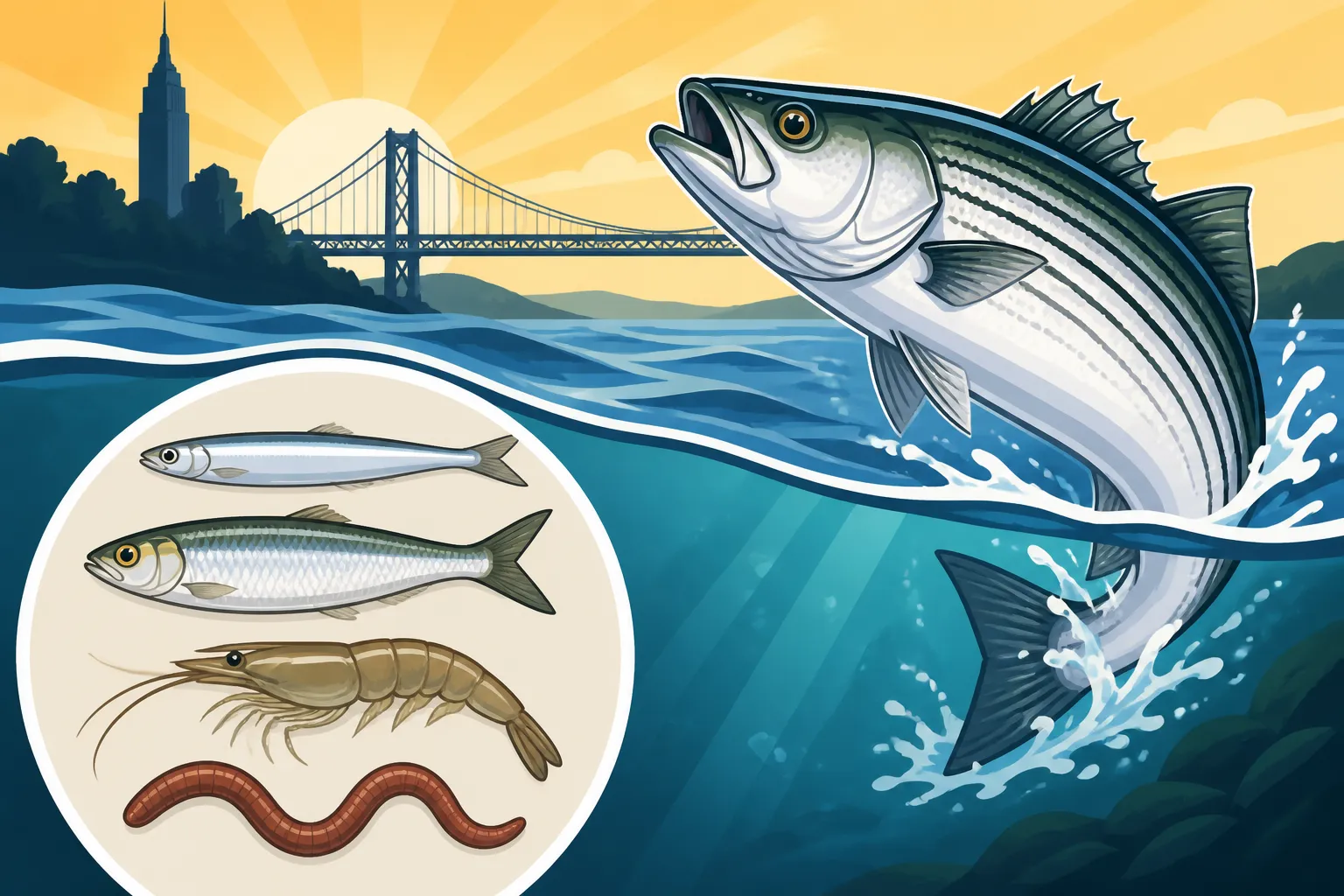
Best Live Bait for New York’s Hudson River Striped Bass
There's nothing quite like the thrill of a hard hit from a powerful striped bass, especially when you're fishing the mighty Hudson River. But let's be honest, getting those linesiders to commit, particularly the really big ones, can feel like a guessing game sometimes. You try lures, you try chunks, and sometimes it just feels like you're throwing spaghetti at the wall. If you've ever felt that frustration, wondering if you're using the right bait to entice those elusive Hudson River striped bass, then this guide is for you. We're going to dive deep into the world of live bait, exploring the best options and how to use them to stack the odds in your favor for a successful day on the water.
Unpacking the Striped Bass's Dynamic Diet in the Hudson
Catching striped bass consistently in the Hudson River isn't just about dropping a line; it's about understanding what makes these incredible fish tick, especially when it comes to their dinner plate. Stripers are apex predators, but they're also incredibly opportunistic, meaning their diet is constantly shifting based on what's available and easy to catch. You might think they're always after the same thing, but the truth is, the Hudson is a dynamic ecosystem, and the stripers' menu changes right along with it.
During certain times of the year, especially in the spring, the river teems with migratory baitfish like river herring. These smaller, oily fish are like candy to stripers, who follow them eagerly upriver to spawn. Then, as the seasons progress, other baitfish like Atlantic menhaden, commonly known as bunker, become more prevalent. These larger, even oilier fish provide a substantial meal, making them a prime target for bigger bass looking to pack on weight. It’s a constant game of supply and demand in the food chain, and if you can match the natural forage, you’re already one step ahead.
Beyond the schooling baitfish, Hudson River striped bass also feast on a variety of other creatures that call the river home. White perch, eels, and even crabs or worms can make up a significant portion of their diet. This varied palate means that sticking to just one type of bait might limit your success. Knowing their natural prey is absolutely key to choosing the most effective live bait. The challenge for us anglers, of course, is figuring out what they're keyed into on any given day and then getting our hands on that specific, lively offering. This constant adaptation is what makes live bait fishing for stripers so exciting and, when done right, incredibly rewarding. For more on what these fish munch on, check out our guide on What Striped Bass Eat in the Hudson River.
Top Live Bait Selections for Hudson River Stripers
When it comes to tempting a trophy striped bass in the Hudson, live bait is often the undeniable champion. The natural movement, scent, and struggling vibration of a live offering can trigger an instinctual strike that artificial lures just can't always replicate. But not all live baits are created equal, and knowing which ones to deploy, and when, can make all the difference.
Atlantic Menhaden (Bunker): The King of Baits
If there's one bait that's synonymous with big striped bass on the East Coast, it's the Atlantic menhaden, or bunker. These oily, silvery fish are an absolute powerhouse of nutrition for stripers, and their presence in the Hudson River, especially during warmer months, makes them an irresistible meal. Whether you're targeting a school of hungry fish or trying to pick out a lone lunker, a live bunker is often your best bet.
Bunker come in various sizes, from "peanut bunker" which are smaller, palm-sized baitfish, to full-sized adult bunker that can be over a foot long. The larger the bunker, generally, the larger the striped bass you're likely to attract. Their oily flesh releases a powerful scent trail in the water, drawing stripers from a distance. Plus, their broad, flapping bodies create significant vibrations that curious bass simply can't ignore.
Acquiring live bunker can be a bit of an art form in itself. Many dedicated bait shops along the Hudson, particularly those south of Albany, will carry them, but it’s always wise to call ahead. For the truly dedicated, cast netting your own bunker can be an exhilarating and cost-effective way to get the freshest bait possible. Just be sure to check local regulations regarding cast net use and baitfish possession limits. If you're going this route, having a good, heavy cast net is essential, and you can find excellent options for various sizes and weights on Amazon to suit your needs.
When it comes to rigging a live bunker, keeping it lively and presenting it naturally is paramount. Bridling a bunker, where the hook goes through the nasal cavity without piercing the brain, allows the fish to swim freely and stay alive longer. Alternatively, a simple hook through the nose or eye socket can work. The most critical point here, especially in New York waters, is the use of circle hooks. These hooks are designed to catch in the corner of the fish's mouth, significantly reducing gut-hooking and improving the chances of a healthy release for any undersized or non-keeper fish. Learn more about this important regulation in our guide on Why Circle Hooks Are Required for Striped Bass Bait Fishing?.
Once rigged, live bunker can be fished in several ways. Drifting with the current near known striper haunts like bridge pilings, channel edges, or submerged structures is incredibly effective. You can also slow troll them with minimal weight, or anchor up in a productive area and let your bunker swim naturally, perhaps even deploying a light chum slick with cut bunker pieces to draw fish in. Finding bunker schools on your fish finder and then fishing around them is a classic tactic for a reason.
River Herring (Alewives & Blueback Herring): Springtime Delights
As spring breathes new life into the Hudson River, so too does the annual migration of river herring, including alewives and blueback herring. These smaller, schooling baitfish make their way upriver from the ocean to spawn, and the striped bass are right on their heels, creating one of the most anticipated fishing events of the year. When these herring are running, they are, without a doubt, one of the best live baits you can use.
River herring are typically smaller than adult bunker, often ranging from 6 to 10 inches, making them a perfect bite-sized meal for actively feeding stripers. Their silvery flanks flash in the water, mimicking the natural schools that stripers are already preying upon. The key here is timing – if you're fishing during the spring run, and you can get your hands on live herring, you're tapping into the primary food source for migratory bass.
A significant hurdle with river herring, however, often lies in their legal acquisition. Regulations on harvesting river herring can be quite stringent, and in many areas, they are prohibited from being harvested at all due to conservation efforts. It is absolutely crucial to consult the latest New York Fishing Regulations Explained before attempting to catch or possess river herring. In many cases, if you want to use them, you'll need to purchase them from a licensed bait dealer who has obtained them legally.
If you are able to legally source live river herring, rigging them is straightforward. A single circle hook through the soft part of their nose or just behind the dorsal fin works well. The goal is to allow the herring to swim as naturally as possible. Drifting them with the current, especially in tidal eddies, deeper pockets, or along current seams where stripers lie in wait, is highly effective. The natural swimming action of a live herring struggling against the hook is a potent attractant.
Eels: Nighttime Assassins
When the sun sets over the Hudson and darkness takes hold, a different kind of live bait rises to prominence: the humble eel. While they might not be everyone's first choice during the day, live eels are absolutely unparalleled for targeting large, nocturnal striped bass. There's something about their slithery, wriggling action that big stripers find utterly irresistible, especially when they're hunting in low light conditions.
Eels are incredibly tough bait, capable of enduring prolonged periods on a hook, and their vigorous, serpentine movements send out powerful vibrations that predatory bass can detect from afar. Many of the true trophy-sized striped bass caught in the Hudson are taken on live eels, particularly in the deeper, rockier sections of the river. If you're serious about hooking into a giant after dark, an eel is a non-negotiable part of your arsenal.
Sourcing eels is typically done through well-stocked bait shops. They're not always easy to catch yourself, and many anglers opt for the convenience of purchasing them. Keeping eels alive requires a cool, aerated environment, but they are generally more resilient than many other baitfish. Many anglers store them in buckets with just enough water to keep their skin moist, changing the water frequently.
Rigging a live eel is often done through the lips with a strong, sharp circle hook. Some anglers prefer to rig them through the eye socket for a more secure hold, but always ensure the hook point is fully exposed. The idea is to let the eel swim freely and naturally. When fishing with eels, target deeper holes, prominent rock formations, bridge pilings, and other significant structures where large stripers are known to hold, especially during strong tidal flows or after dark. Their ability to burrow and hide in structure makes them a natural meal that stripers readily seek out.
White Perch and Other Panfish: Accessible Alternatives
Sometimes, the primary live baits like bunker or herring aren't readily available, or perhaps you're looking for a more accessible option you can catch yourself right on the Hudson. This is where locally abundant panfish, primarily white perch, really shine as a fantastic alternative. They might not be as oily as a bunker, but their natural presence in the river makes them a familiar and attractive meal for striped bass.
White perch are plentiful throughout the Hudson River system and are relatively easy to catch. You can often jig for them with small baits like worms, pieces of clam, or even small artificial lures near docks, shorelines, or submerged structures. This means you can often catch your bait on-site, ensuring maximum freshness and liveliness. Besides white perch, other small, local panfish like sunfish can also be effective, especially for medium-sized stripers.
Once you’ve caught your bait, rigging them is simple: a single circle hook through the nose or just behind the dorsal fin is all you need. The goal, as with any live bait, is to allow them to swim as naturally and freely as possible. Fishing white perch involves drifting them along current seams, near bridge foundations, or over any underwater structure where stripers might be lurking. The natural panic of a struggling perch is often enough to entice a strike. This method is particularly popular among anglers who prefer to keep their bait acquisition local and fresh.
Here's a quick comparison of these top live bait choices:
| Bait Type | Availability (Hudson) | Effectiveness | Best Conditions | Rigging Tip (Circle Hooks) |
|---|---|---|---|---|
| Atlantic Menhaden (Bunker) | Good (Spring/Summer/Fall) | Excellent for large stripers, strong scent | Strong tides, deeper channels, structure | Bridle or through nose |
| River Herring | Limited (Spring Run, Regulated) | Exceptional during spring migration, natural prey | Spring, moving water, migratory paths | Through nose or behind dorsal fin |
| Eels | Good (Year-round, best at night) | Outstanding for large, nocturnal stripers | Nighttime, rocky bottoms, deep holes | Through lips |
| White Perch | Excellent (Locally abundant) | Good alternative, readily available | Anywhere local forage is present | Through nose or behind dorsal fin |
Maximizing Your Live Bait Presentation
Having the right live bait is only half the battle; knowing how and where to present it effectively in the dynamic environment of the Hudson River is crucial for consistent success. The Hudson is a tidal river, and understanding its currents and structures is paramount to putting your bait in the strike zone.
Understanding the Hudson's Currents and Structure
The Hudson River is heavily influenced by tides, which means the current can be your best friend or your worst enemy. Striped bass are masters of using current to their advantage, positioning themselves in ambush points where they can expend minimal energy while waiting for baitfish to be swept past them. This means paying close attention to the incoming and outgoing tides, as well as the brief periods of slack tide. During periods of strong current, stripers will often hold tight to structure or in eddies, waiting for a meal to be washed to them. For specific information on tides, our guide on Best Tides for Striped Bass Fishing on New York's Long Island Sound can offer transferable principles to the Hudson.
Key structures in the Hudson include deep channels, sudden drop-offs, bridge pilings (like those under the Tappan Zee Bridge or the Rip Van Winkle Bridge), submerged rock piles, and even the mouths of feeder creeks and tributaries. Stripers use these features as current breaks, ambush points, and holding areas. Learning to identify these spots, either through electronic navigation charts, personal experience, or local knowledge, will dramatically increase your chances. A good Hudson River Fishing Guides service can teach you these nuances firsthand.
The art of live bait presentation involves positioning your boat or casting from shore in such a way that your bait drifts naturally into these ambush points. You want your live bait to appear as if it's struggling or disoriented, making it an easy target. This often means casting upstream and allowing your bait to drift down with the current, or positioning your boat to allow the current to carry your bait along a channel edge or past a structure. Experiment with different weights to keep your bait in the strike zone without anchoring it unnaturally, allowing it to swim and move as much as possible.
Essential Gear for Live Bait Fishing
Live bait fishing for Hudson River striped bass isn't about finesse; it's about power and reliability. You'll be dealing with strong currents, potentially large fish, and vigorous live baits, so your gear needs to be up to the task. Skimping on tackle can lead to heartbreak.
Start with a medium-heavy to heavy action rod, typically 7 to 8 feet long, capable of handling lines in the 20-50 pound class. This gives you the backbone needed to cast larger baits and effectively fight a powerful striper. Pair this with a robust conventional or spinning reel spooled with high-quality braided line, which offers superior sensitivity and strength. A 40-50 lb braid mainline is a good starting point, often connected to a fluorocarbon leader of 30-60 lb test for abrasion resistance and invisibility.
Terminal tackle is where precision comes in. As mentioned earlier, Why Circle Hooks Are Required for Striped Bass Bait Fishing? is a critical regulation, and choosing the right size is important – typically 7/0 to 10/0 for bunker and eels, and slightly smaller for herring or perch. Use high-quality swivels to prevent line twist, and select appropriate sinkers (egg sinkers, bank sinkers) to get your bait down to the desired depth. The amount of weight will depend entirely on the current strength and depth you're fishing. You can find a vast array of quality tackle components, including various sinker styles and circle hooks, on Amazon for competitive prices.
Finally, and perhaps most importantly for live bait, is your bait pen or livewell setup. A portable aerated bait bucket is absolutely crucial for keeping your bait lively and healthy throughout your fishing trip. If you’re on a boat, a larger livewell with a pump system is ideal. Healthy, energetic bait is exponentially more effective than a sluggish, dying one. Ensure your aerator is running constantly, and keep the water temperature consistent with the river water as much as possible. You can find excellent portable aerators and bait wells, from simple battery-powered units to more elaborate systems, on Amazon to help maintain your bait's vitality.
Sourcing, Handling, and Legality Considerations
The journey to successfully fishing live bait for Hudson River stripers doesn't begin on the water; it starts with how you acquire and manage your bait, and critically, how you navigate the rules and regulations set forth by New York State.
Where to Get Your Live Bait
For many anglers, the most convenient way to get live bait, especially bunker and eels, is through local bait shops. Places like The Bait Place in Catskill or several tackle shops around Kingston and Poughkeepsie often stock fresh, lively bait, particularly during peak seasons. Calling ahead is always a good idea to check availability, as good live bait can sell out quickly. These shops put in a lot of effort to keep bait healthy, making it worth the investment.
For those with a penchant for self-sufficiency, catching your own bait can be a rewarding experience. Cast netting is the primary method for acquiring bunker and peanut bunker. It requires practice and the right equipment, but catching a fresh haul of bait just before your trip is unmatched. Small sabiki rigs are also excellent for catching smaller baitfish like white perch, which are abundant in the Hudson. However, before you cast a net or drop a sabiki, it is absolutely imperative to understand and follow all local and state regulations regarding baitfish harvesting, including species-specific restrictions and possession limits. Some areas may have specific rules about what can and cannot be used as bait, and ignorance of the law is not an excuse for breaking it.
Regardless of your source, the freshness and liveliness of your bait are non-negotiable. A baitfish that's sluggish, discolored, or missing scales is unlikely to attract a striper. Always aim for the liveliest bait you can get; it makes a profound difference in your success rate.
Keeping Bait Alive and Thriving
Keeping your hard-earned live bait alive and kicking is an art form in itself. The moment your bait comes out of the water, its clock starts ticking. A proper livewell setup is not a luxury; it's a necessity. This means having a generously sized bait tank with a reliable aeration system that continuously pumps oxygen into the water. Overcrowding your bait is a surefire way to kill it quickly, so be mindful of how many fish you're trying to keep in a given space.
Water quality is also paramount. Regularly changing the water in your livewell, or at least circulating fresh river water through it, helps remove metabolic waste products that can quickly foul the water and stress your bait. Maintaining the water temperature as close as possible to the ambient river temperature is also crucial; sudden temperature shocks can quickly kill baitfish. For boat anglers, a good bilge pump or dedicated livewell pump can circulate fresh river water. Shore anglers or those in smaller boats will benefit greatly from portable, battery-powered aerators and insulted bait buckets. You can find a wide range of these essential items, from basic bubblers to advanced portable livewells, on Amazon to help you keep your bait in prime condition. Don't underestimate this challenge; lively bait is your most effective tool.
Navigating Regulations and Seasons
Fishing in New York, especially in a storied waterway like the Hudson River, comes with a set of rules designed to protect the fishery for future generations. Ignoring these rules can lead to significant penalties, so staying informed is crucial. Your first step should always be to consult the New York Fishing License Guide and the comprehensive New York Fishing Regulations Explained published by the Department of Environmental Conservation (DEC). These resources provide the most up-to-date information on licenses, seasons, and bait restrictions.
When it comes to striped bass, there are specific regulations you must adhere to. This includes the Striped Bass Season on the Hudson Runs April Through November, minimum and maximum New York Striped Bass Length Requirements, and daily possession limits. As previously highlighted, the requirement for Why Circle Hooks Are Required for Striped Bass Bait Fishing? when fishing with bait is a non-negotiable rule aimed at promoting catch-and-release survival.
Furthermore, pay close attention to regulations concerning baitfish harvesting. Some species may be protected, or there may be limits on the size and quantity you can possess. For example, the collection of river herring is often restricted or prohibited. Always ensure that any baitfish you use are legally obtained and, if caught yourself, conform to all size and possession limits, even if their ultimate purpose is bait. Knowing the Fish Species Found in the Hudson River will help you understand what you're working with. These regulations are in place to ensure that we all can enjoy the fantastic fishing opportunities the Hudson River offers for years to come.
Disclaimer
Fishing regulations, seasons, and licensing requirements can change. Always consult the latest New York State Department of Environmental Conservation (DEC) official publications and local advisories before heading out on the water. This guide is for informational purposes only and should not be considered a substitute for official regulations.