How to Flip and Pitch for Bass in Heavy Cover
There's nothing quite as frustrating as seeing a prime piece of bass habitat – a dense mat of lily pads, a submerged log, a thick stand of cattails – and knowing the big bass are probably hunkered down in there, completely inaccessible with a conventional cast. It feels like they're taunting you! But don't despair, because this guide is all about equipping you with the precise, stealthy techniques of flipping and pitching, designed specifically to pull those stubborn bucketmouths out of their fortress-like cover in New York's abundant waters.
Understanding Why Bass Love Heavy Cover (and You Should Too!)
Before we even get into the mechanics of casting, let's talk about why flipping and pitching are so effective. It all comes down to understanding the bass's natural instincts and habitat preferences. They don't just hang out in heavy cover for fun; it's a matter of survival and opportunity.
What Constitutes "Heavy Cover" in New York Waters?
When we talk about "heavy cover" in New York, we're not just talking about a lone stump. We're referring to anything that provides dense protection and concealment for a bass. Think about the bustling waterways of New York State. You'll find these bass havens in countless places, from the quiet backwaters of the Finger Lakes to the extensive weed lines of Lake Champlain, or even oxbows along rivers like the Hudson.
Here's a rundown of what to look for:
- Dense Vegetation: This is classic heavy cover. We're talking about thick lily pad fields that stretch for acres, vast expanses of emergent vegetation like cattails and bulrushes, or submerged weed beds that create literal underwater forests. These areas offer shade, ambush points, and often hold plenty of baitfish that bass feast upon. In some of New York's shallower lakes, these weed beds can be incredibly dense, almost forming a floating mat on the surface.
- Fallen Timber and Brush Piles: Old, decaying trees that have toppled into the water, log jams, and brush piles are absolute magnets for bass. These structures provide excellent cover, creating dark hiding spots where bass can feel secure and wait to ambush unsuspecting prey. You'll find these often along riverbanks or in the flooded timber sections of reservoirs.
- Docks and Man-Made Structures: Don't overlook the obvious! Docks, boat lifts, pontoon boats left moored for the season, and even bridge pilings offer overhead cover and shaded retreats. These can be particularly good during bright, sunny days when bass seek refuge from the harsh sun. The pilings and crossbeams also create vertical structure that bass relate to, providing perfect ambush points.
- Rocky Outcroppings and Boulders: While not "soft" cover, dense arrangements of large rocks or submerged boulders can create deep crevices and shadowed areas that bass use as cover, especially in clearer lakes or rivers. These spots often hold crayfish, a favorite bass meal.
The Bass's Perspective: Why They Hide There
From a bass's point of view, heavy cover is home sweet home. It offers a multitude of benefits that cater directly to their survival and predatory nature.
First and foremost, it's about security and protection. A bass hiding deep in a thick weed mat or under a log feels safe from predators like ospreys, eagles, or even larger fish. They can relax, conserving energy, knowing they're largely invisible. This sense of security is vital, especially for larger, more cautious bass.
Secondly, heavy cover provides prime ambush points. Bass are opportunistic predators. They're not keen on chasing prey across open water if they don't have to. Instead, they prefer to lie in wait, concealed, and dart out for a quick, energy-efficient strike. A dense patch of weeds with a small opening, or a log with a dark shadow beneath it, is the perfect setup for a sudden attack on a passing minnow or crayfish. Understanding what bass eat is key to choosing your bait.
Then there's the thermal regulation aspect. On bright, sunny days, shallow waters can heat up quickly. Heavy cover, especially dense lily pads or thick overhead timber, casts deep shadows, offering cooler water temperatures. Conversely, during colder periods, some dense cover might retain a slightly warmer temperature than open water, offering a slight thermal advantage.
Finally, heavy cover often equates to food sources. Many baitfish, frogs, and insects live within or around dense vegetation and submerged structures. This means a bass doesn't have to travel far for a meal. The ecosystem within heavy cover is often bustling, providing a constant buffet for hungry bass. When you cast your lure into these areas, you're not just presenting a meal; you're presenting a meal in their kitchen.
Decoding the Techniques: Flipping vs. Pitching
Okay, now that we know why bass love the thick stuff, let's get into the nitty-gritty of how we actually get our lures into those tight, overgrown spaces. This is where flipping and pitching shine, offering a level of precision and stealth that standard casting just can't match. Many anglers use the terms interchangeably, but there are distinct differences that, once mastered, will elevate your heavy cover game.
The Precision of Flipping: Close-Quarters Combat
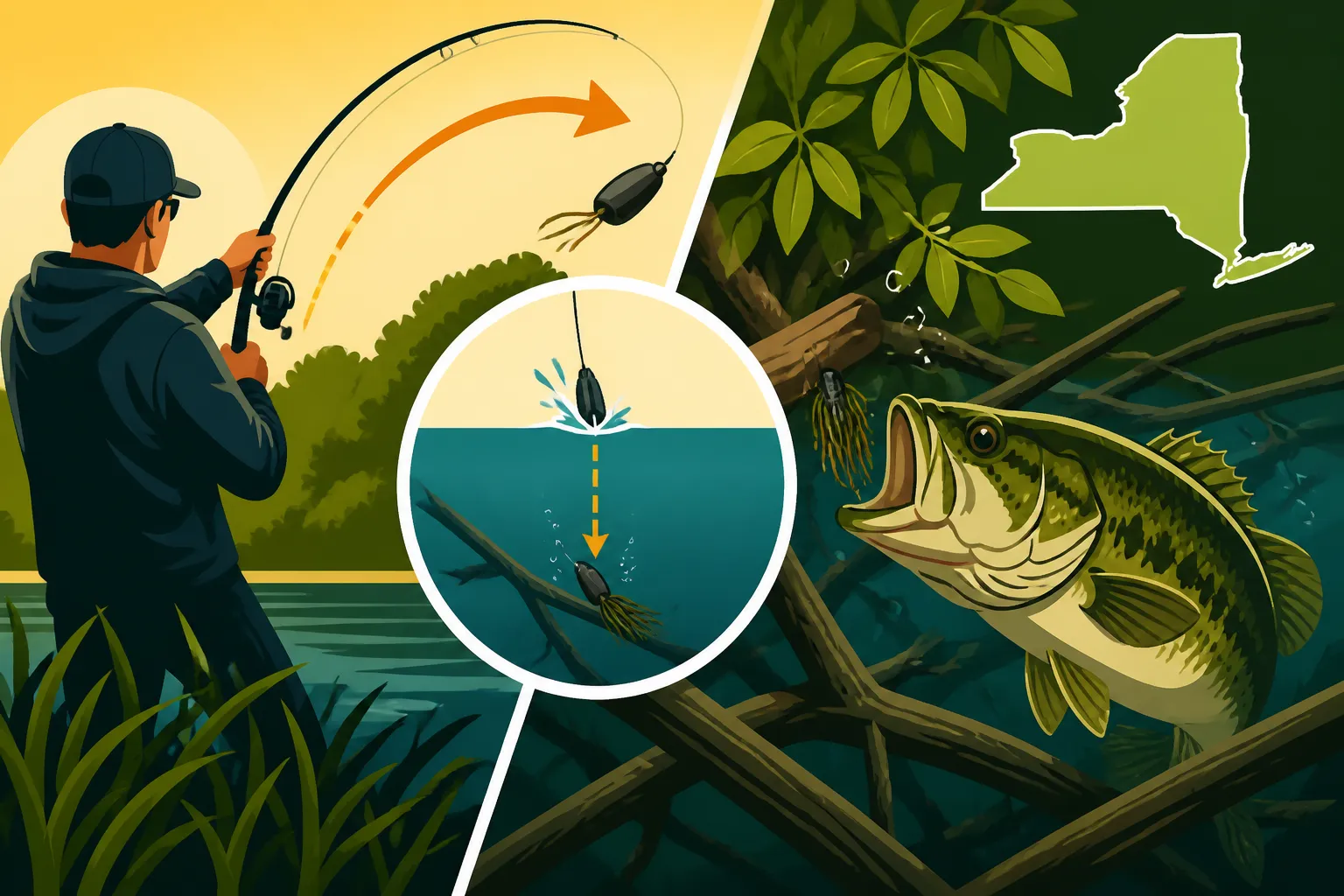
Flipping is the ultimate close-quarters technique. It's designed for targeting very specific, often visible, pieces of cover that are within a rod's length or a bit further. Think about working a boat dock, a small pocket in a weed mat, or the immediate edge of a fallen tree. The key here is absolute control and a quiet, vertical entry of your bait.
Here's how it works:
- Preparation: Hold your rod tip high, pointed towards the target. Let out just enough line from your reel so that your bait is dangling about 6-10 feet below the rod tip. This length gives you the pendulum swing you need without excessive line management.
- The Swing: Hold the line with your free hand (your "line hand") between the reel and the first guide, essentially locking the bait in place at the desired distance. Now, use the rod tip to gently swing the bait forward, like a pendulum.
- The Release: As the bait swings forward and approaches its apex, release the line from your line hand. The momentum will carry the bait forward, underhand, towards your target. The goal is a controlled, low trajectory cast.
- Guiding the Fall: Immediately after releasing the line, follow the bait's descent with your rod tip. This allows you to maintain tension on the line and feel for bites on the fall, which are incredibly common when flipping. The bait should enter the water with a minimal splash, dropping almost vertically into the cover.
Flipping is all about stealth and accuracy in tight spaces. You're essentially presenting your bait vertically into small openings, dropping it right onto a bass's head. It's less about casting distance and more about soft presentation and immediate contact.
The Stealth of Pitching: Reaching Further Undetected
Pitching allows you to reach those slightly further-out pieces of cover – maybe 10 to 30 feet away – with the same stealthy, low-trajectory presentation as flipping, but with a bit more distance and a slightly different motion. It's perfect for reaching that isolated clump of reeds a bit further from the boat or working a long weed line without getting too close and spooking fish.
Here’s the pitching breakdown:
- Setup: Again, hold your rod tip up, but this time, let out a bit more line, allowing the bait to dangle maybe 2-4 feet below the rod tip. Feather the spool with your thumb on your baitcasting reel.
- The Scoop: Lower your rod tip towards the water, bringing the bait close to the surface, almost "scooping" it forward.
- The Backward Arc: In one fluid motion, bring the rod back up, creating a gentle arc. This generates momentum for the lure. As the rod comes forward, you'll release your thumb from the spool, allowing the line to peel off.
- The Forward Drive: As the rod moves forward, use your non-dominant hand (your "line hand") to pull a small amount of line off the reel. This "shooting" of the line adds distance and control. The bait should fly in a low, controlled arc, hitting the water with a soft entry.
- Thumb Control: Your thumb is crucial throughout the entire pitching motion, feathering the spool to prevent backlashes and guide the bait precisely.
Pitching is a beautiful, quiet way to present a lure. It minimizes the splash and unnatural presentation of a conventional overhead cast, making it ideal for wary bass in clear or heavily fished waters. Both techniques emphasize a soft entry, which is critical because a loud splash can send a cautious bass scrambling deeper into cover.
Key Differences and When to Choose Which
While both techniques aim for precise, quiet presentations into heavy cover, their primary differences lie in proximity to the target and the casting motion itself.
| Feature | Flipping | Pitching |
|---|---|---|
| Distance | Very close range (within 5-15 feet) | Medium range (10-30+ feet) |
| Casting Motion | Pendulum swing, mostly arm/rod tip movement | Scoop-and-drive, more wrist/forearm engagement |
| Line Control | Line held by free hand, then released | Spool feathered by thumb, line shot with free hand |
| Bait Entry | Almost vertical, minimal splash | Low arc, soft splash |
| Best Used For | Tight pockets, individual stumps, dock pilings | Edge of weed lines, scattered brush, slightly deeper cover |
| Stealth Level | Extremely high | Very high |
Choosing between flipping and pitching largely depends on how far away your target cover is and how dense it is. If you're right on top of a tiny hole in a weed mat or directly beside a dock post, flipping is your best bet for ultimate control and a perfect drop. If you need to reach a bit further, perhaps to the other side of a fallen tree or along a dense cattail line, pitching gives you that extra distance while maintaining the critical stealth factor.
Gearing Up for Heavy Cover Domination
You can't go to war without the right weapons, and bass fishing in heavy cover is certainly a battle. Trying to flip and pitch with a light spinning rod and 8-pound test is like bringing a butter knife to a sword fight – it's just not going to cut it. The right gear makes all the difference, allowing you to not only present your bait effectively but also to extract that stubborn bass from its woody or weedy lair once it bites.
Rods and Reels: Power and Performance
This is where you absolutely cannot skimp. Your rod and reel are the backbone of your heavy cover setup.
- Rods: For flipping and pitching, you need a rod with serious backbone. We're talking heavy or extra-heavy power ratings. This isn't about sensitivity for light bites; it's about brute force. The heavy power allows you to drive a stout hook through the bony mouth of a bass and then winch that fish out of whatever tangled mess it's living in. As for length, most anglers prefer rods in the 7' to 8' range. A longer rod offers better leverage for fighting fish, helps manage longer pitches, and provides more casting accuracy for flipping, especially when you're trying to drop a bait into a tight spot. Look for a fast action tip, which means the top third or quarter of the rod bends easily, giving you the sensitivity to detect subtle bites and making accurate short casts, but quickly transitions to a stiff backbone for power. A great option would be a rod specifically designed for flipping and pitching, which many manufacturers now offer.
- Reels: A reliable baitcasting reel is non-negotiable for these techniques. Spinning reels just don't offer the line control or power needed. When choosing a baitcaster for heavy cover, prioritize a low gear ratio (e.g., 6.4:1 or even 5.X:1) or a mid-range gear ratio (7.X:1). A lower gear ratio provides more torque, which is crucial for pulling big fish out of thick cover. A higher gear ratio can be beneficial for quickly taking up slack line after a cast or for moving your bait faster if needed, but torque is often more important here. Ensure the reel has a strong drag system that can withstand the strain of a heavy hookset and a powerful fight. You want a reel that feels solid and doesn't flex under pressure. You can find excellent options for these on sites like Amazon.
Line Selection: Breaking Through the Jungle
Your fishing line is your direct connection to the fish, and in heavy cover, it's often subjected to immense abuse. Choosing the right line can mean the difference between landing a trophy and a heartbreaking break-off.
- Braided Line: This is the undisputed king for flipping and pitching heavy cover. Why? Because braid has virtually no stretch, which translates to immediate hooksets and incredible power. When a bass bites in heavy cover, you need to drive that hook home instantly and then start pulling. Braid allows you to do that without losing energy to line stretch. Furthermore, its abrasion resistance is superior to monofilament, and while it's not indestructible, it holds up much better against sharp branches, dense weeds, and rough docks. For most heavy cover applications, a 50-65 lb test braided line is standard. This might sound like overkill, but remember, you're not just fighting the fish; you're fighting the fish and the structure it's trying to bury itself in.
- Fluorocarbon Leader (Optional but Recommended): While braid is fantastic for strength and no-stretch properties, it can be quite visible in clear water, and some anglers prefer a bit more stealth. In these situations, tying on a short fluorocarbon leader (12-20 lb test, about 12-24 inches long) with a strong knot like an FG or Alberto knot can be beneficial. Fluorocarbon is nearly invisible underwater and offers good abrasion resistance. However, be mindful that the knot creating the braid-to-fluoro connection is a potential weak point, and fluoro does have some stretch, which can slightly dampen your powerful hookset. It's a trade-off many make for finicky fish in clear water.
Essential Lures and Terminal Tackle
The right lure and terminal tackle ensure your bait gets into the cover, stays weedless, and hooks fish effectively.
- Jigs: Flipping and pitching jigs are iconic for this technique. They come in various weights (often 3/8 oz to 1 oz or more) and skirt colors. The key features are a heavy-duty weed guard to prevent snagging and a strong, sharp hook. Pair them with a soft plastic trailer (craws, chunks, or beaver-style baits) to add bulk and action. Jigs imitate crayfish or baitfish perfectly.
- Creature Baits and Soft Plastics: These are incredibly versatile. Think beaver-style baits, crawfish imitations, or straight-tail worms. They are often rigged Texas-style with a worm hook (heavy wire, wide gap) and a bullet weight pegged directly in front of it. This weedless setup slides through thick cover effortlessly. Amazon offers a vast selection of these baits. The weight is crucial; you want a tungsten weight (denser than lead, allowing for a smaller profile and better feel) that's heavy enough (often 1/4 oz to 1 oz) to penetrate the cover and quickly get your bait down to the bass. Pegging the weight with a toothpick or a bobber stop prevents it from sliding up the line and keeps the presentation compact and weedless.
- Heavy-Duty Hooks: No matter your lure choice, ensure your hooks are stout. Bass in heavy cover will often try to rip free, and a cheap, flimsy hook will straighten out or break. Look for heavy wire, sharp, wide-gap hooks, especially when rigging soft plastics.
- Swinging Jigs/Bladed Jigs: These offer a slightly different action. A swinging jighead allows the soft plastic trailer to move more freely, mimicking a crawfish or baitfish swimming. Bladed jigs (like the popular ChatterBait) can be surprisingly effective around the edges of heavy cover, providing flash and vibration to call fish out. However, they can be more prone to snagging deep in the densest stuff.
By investing in and properly setting up this specialized gear, you're not just preparing to fish; you're preparing to conquer the challenging world of heavy cover bass fishing.
Mastering the Execution: Step-by-Step Approach
Having the right gear is only half the battle; knowing how to use it effectively is the other, more critical half. Flipping and pitching aren't just about getting the lure into the water; it's about the entire process, from the initial entry to the powerful hookset and retrieval. Each step is a puzzle piece contributing to a successful catch in demanding conditions.
Perfecting Your Cast: Accuracy and Entry
The hallmark of a great flipper or pitcher isn't just getting the bait out there, but how it gets there. A quiet, precise entry is paramount when targeting wary bass.
- Spot Selection: Before you even swing your rod, take a moment to identify your precise target. Is it a small opening in the lily pads? The dark shadow under a dock? The crevice in a fallen log? Envision where you want your bait to land. Remember, you're often targeting an area no bigger than a dinner plate, sometimes even smaller. This pinpoint accuracy is what sets these techniques apart.
- The Pendulum (Flipping): As described earlier, for flipping, your bait swings gently like a pendulum. The goal is to release the line at the exact moment that allows the bait to travel in a low, controlled arc, barely clearing any overhead obstacles. The bait should touch down with the softest possible "plink" – no big splash. A loud entry can instantly spook a bass lying right beneath the surface.
- The Scoop and Drive (Pitching): For pitching, the upward "scoop" motion followed by the forward "drive" is designed to keep the lure's trajectory low and stealthy. Your rod tip acts like a catapult, propelling the bait forward. Again, strive for a gentle landing. Imagine dropping a pebble into a still pond; that's the kind of subtle entry you're aiming for. Too much splash and the bass might think it's an intruder and flee, or simply ignore it.
- Practice, Practice, Practice: Seriously, spend time in your backyard or a local park. Set up targets – a five-gallon bucket, a hula hoop, a small piece of cardboard – and practice. The muscle memory you build here will translate directly to increased accuracy and confidence on the water.
Working Your Bait: The Fall and Retrieve
Once your bait lands, the work has only just begun. The presentation and how you manipulate your lure can trigger a strike or send the bass packing.
- The Initial Fall (Crucial!): Many bites happen on the initial fall, especially with a heavy jig or Texas-rigged plastic. As soon as your bait enters the water, maintain light tension on your line and watch it like a hawk. Any twitch, jump, or sudden slack could indicate a bite. Bass often grab a bait on the fall because it looks like something injured or stunned dropping into their zone. The weight helps it penetrate the cover and fall quickly, getting into the strike zone faster.
- Hopping and Shaking: Once your bait hits the bottom or the top of a submerged structure, gently hop it a few inches, let it fall, and repeat. Sometimes, a subtle quiver or "shaking" of the rod tip can make a soft plastic look alive, mimicking a crawfish foraging or a baitfish struggling. Don't be afraid to let it sit still for a few seconds (a "dead stick" retrieve) – sometimes that's all it takes for a cautious bass to commit.
- Reading the Line: Since you're using braided line with minimal stretch, you'll feel every bump and tick. But sometimes, a bite will be incredibly subtle – just a slight weight, a momentary "mushy" feeling, or your line simply moving sideways. If anything feels "different," set the hook! It's always better to set on a stump than to miss a fish.
- Short Retrieves: Unlike crankbait fishing where you're covering vast amounts of water, flipping and pitching involve short retrieves. Once you've worked your bait through a small patch of cover or around a specific structure, reel it in and make another precise cast to a new piece of cover, or a slightly different angle on the same spot. This allows you to meticulously dissect a productive area.
The Hookset: Power Through the Obstacles
This is perhaps the most critical moment in heavy cover fishing. A weak hookset will lose you fish.
- Feel the Bite, Then React: The moment you detect a bite – whether it's a solid thump, a subtle tick, or your line moving – don't hesitate.
- The Sweep Set: With a heavy rod and braided line, you don't need a massive, overhead "rear back" hookset like you might with mono. Instead, perform a powerful, sweeping motion with your rod. If the fish bites while the rod tip is low, sweep it horizontally to the side or upwards. If the rod tip is already high, sweep it further up or to the side. The key is to keep the line tight and apply immense pressure to drive that hook deep. The lack of stretch in braid means all that power goes directly to the hook.
- Immediate Winch: Once the hook is set, don't give the fish an inch. Bass in heavy cover have one goal: to get back into that cover and wrap your line around something, essentially breaking you off. You need to immediately start reeling and pulling. Use your rod to steer the fish out of the cover and towards open water. This is where your heavy rod and strong reel truly earn their keep. It’s a delicate balance of maintaining pressure and physically moving the fish.
- No Slack: During the entire fight, never allow slack in your line. If the fish jumps, drop your rod tip towards the water to maintain tension and keep it from throwing the hook. Keep the pressure on until the fish is in your hands or net. Mastering your How to Fish Cold Water in New York strategies often emphasizes slow presentations and precise hooksets in sluggish conditions.
By focusing on these steps, from the stealthy entry to the decisive hookset, you'll dramatically increase your success rate and land more of those elusive heavy cover bass.
Advanced Strategies and Common Pitfalls
Once you've got the basic mechanics down, it's time to refine your approach and learn to think like a bass. Heavy cover fishing isn't just about repetition; it's about observation, adaptation, and anticipating the fish's next move.
Reading the Cover: Where to Target in the Jungle
Not all cover is created equal. While bass might use any dense structure, certain spots within that cover are more productive than others. This is where "reading the water" comes into play.
- Edges and Transitional Zones: Bass love edges. This could be the edge of a lily pad field where it meets open water, the point where a submerged weed bed transitions to a drop-off, or where a log jam ends and a sandy bottom begins. These edges offer easy access for ambushing prey that moves between the open water and the safety of the cover. They don't have to venture far from their hiding spots. Pay close attention to these seams.
- Pockets and Holes: Look for any openings, no matter how small, within a dense mat of vegetation. A small "hole" in a thick patch of weeds or a pocket created by a unique branch in a brush pile can be a prime ambush point. Bass will often position themselves in these small clearings, waiting for bait to pass by. A precise flip or pitch right into these pockets is often met with an aggressive strike.
- Shadow Lines: During sunny days, bass will seek shade. Pay attention to how the sun hits the cover and where shadows are cast. Fish the shady side of docks, trees, or large weed mats. These cooler, darker areas provide comfort and concealment. The fish will often position themselves right on the edge of the shadow, ready to dart out into the brighter water.
- Isolated Cover: Sometimes, a single stump, a small patch of reeds, or an isolated boulder sits slightly apart from the main body of cover. These isolated pieces are often prime targets because they offer a bass exclusive domain – less competition and often a first shot at passing food. Don't overlook these smaller, seemingly insignificant pieces of structure.
- Depth and Water Column: Don't just assume bass are always on the bottom. Depending on water temperature, time of day, and baitfish location, bass might be suspended in the middle of a submerged weed column or right under the surface canopy of lily pads. Adjust your bait's fall and retrieve depth accordingly. For example, How to Fish Deep Water Lake Trout in Summer on New York's Finger Lakes offers insights into targeting specific depths, a principle that can be adapted for bass in complex cover.
Dealing with Snags and Break-offs
Snags are an inevitable part of heavy cover fishing. Anyone who tells you they don't get snagged is either lying or not fishing dense enough cover! However, there are ways to minimize them and recover when they happen.
- Weedless Rigging: Always use weedless presentations. Texas-rigged soft plastics with the hook point buried, jigs with stout weed guards, and even some spinnerbaits designed to deflect off cover are your friends. This significantly reduces snags.
- Heavy Line: Your heavy braided line isn't just for fighting fish; it's for pulling your lure free. Often, with 50-65lb braid, you can simply pull hard and straighten the hook or break a small branch, recovering your lure.
- The "Pop" Technique: If you get snagged, point your rod tip directly at the snag. Reel down until your line is taut, then quickly and sharply "pop" the line by pulling it like a bowstring. Often, the lure will come free. If not, try letting some slack into the line – sometimes the lure will float up and away from the snag.
- Don't Go Overboard: While you want to get your lure into the thickest stuff, sometimes the risk outweighs the reward. If a particular spot looks like an absolute "lure graveyard," consider if it's worth the potential loss. However, remember that often the densest, most difficult-to-fish cover holds the biggest, least pressured fish. It's a calculated risk.
Adapting to Conditions: Water Clarity, Wind, and Light
Bass behavior in heavy cover is also influenced by environmental factors. Being able to adapt your approach to these conditions will make you a more successful angler.
- Water Clarity: In clear water, bass tend to be more wary. You'll need to emphasize stealth even more. Opt for natural bait colors, a fluorocarbon leader, and extremely quiet entries. Your fishing license gives you access to some of New York's clearest waters, so learning to adjust is key. Conversely, in stained or murky water, bass rely less on sight and more on vibration and scent. You can use brighter, more contrasting lure colors, larger profiles, and baits that displace more water. The splash of your lure might even attract them rather than spook them.
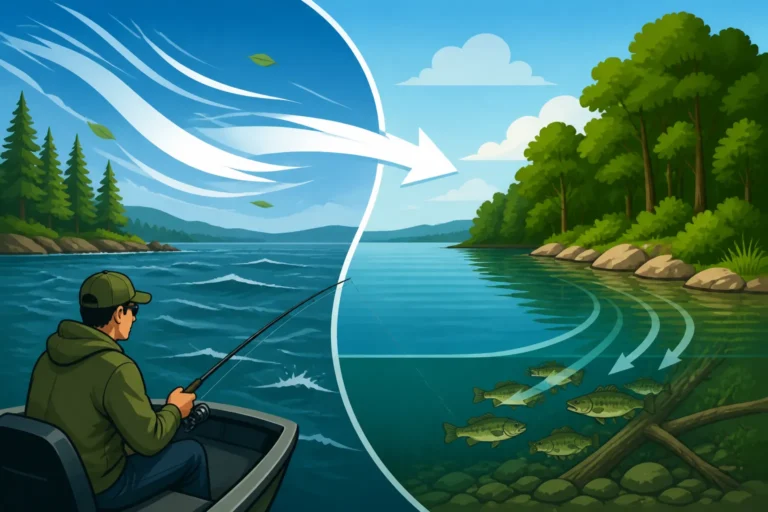
- Wind: Wind can be a blessing and a curse. A light chop on the water can break up the surface, making it harder for bass to see you and your boat, increasing your stealth factor. It can also push baitfish into certain areas of cover. However, strong winds make boat control and accurate casting incredibly difficult. On windy days, try to position your boat so the wind is at your back, helping propel your casts, or fish the downwind side of cover where bait might be accumulating.
- Light Conditions: Bright, sunny days generally push bass deeper into the thickest, shadiest parts of the cover. This is when your precision flipping and pitching into dark pockets become paramount. Overcast days or low-light conditions (dawn/dusk) can encourage bass to move to the edges of cover or even out into slightly more open water. In these conditions, you might find success working the periphery with a slightly faster retrieve or a bladed jig, before moving into the densest areas. Knowing Best Time of Day to Fish in New York will give you an edge.
By understanding these nuances and adjusting your tactics accordingly, you'll transform from simply casting into cover to intelligently dissecting it, greatly increasing your chances of finding and landing those elusive heavy cover bass.
Disclaimer
This article is for general informational purposes only and does not constitute professional advice. Laws, prices and regulations vary by location and change over time. Consult a qualified professional for guidance on your specific situation.