Can I Fish Without a License on Free Fishing Days?
It’s a common scenario: you hear about New York's "Free Fishing Days" and immediately think, "Great, I can just grab a rod and go!" But hold on a second. While these days are indeed a fantastic opportunity to hit the water without purchasing a fishing license, there's a crucial detail often overlooked: all other fishing regulations still apply. This guide will clear up the confusion, ensuring you enjoy these special days legally and responsibly.
Understanding New York's Free Fishing Days
The idea of "free fishing" sounds liberating, especially for those new to the sport or just looking to try it out without the upfront commitment of a license. But it's important to understand the specifics so you don't inadvertently run afoul of the law.
What Exactly Are "Free Fishing Days"?
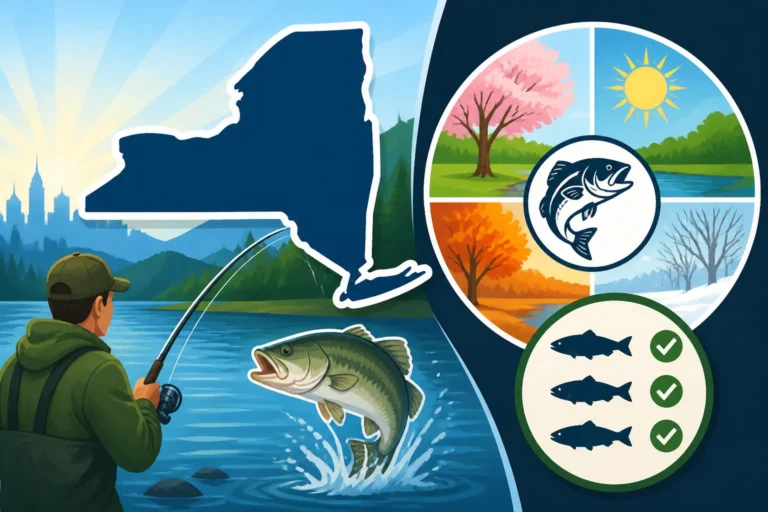
Simply put, New York's Free Fishing Days are specific, designated days each year where the requirement for a valid New York State fishing license is waived for all anglers, resident and non-resident alike. The New York State Department of Environmental Conservation (DEC) created these days to encourage more people to experience the joy of fishing, introduce newcomers to the sport, and allow lapsed anglers to reconnect with their passion without the initial hurdle of a license purchase. It's a wonderful initiative to get more folks out enjoying our incredible waters, from the tranquil Catskill streams to the expansive Great Lakes.
Think of it as a trial run. You don't need to worry about the usual fees, which can vary depending on whether you're a New York resident or an out-of-state visitor, or if you're looking for an annual or a shorter-term license. For instance, if you’ve been wondering about the New York Resident Annual Fishing License Cost 2026 or the New York Nonresident Annual Fishing License Cost 2026, these free days let you skip that decision for a bit.
When Do These Special Days Occur in New York?
New York typically offers several Free Fishing Days throughout the year, strategically placed to take advantage of different seasons and popular fishing times. While the exact dates can shift slightly from year to year, you'll often find them occurring on weekends in late winter or early spring (like February), mid-summer (often June), and sometimes in the fall (such as National Hunting and Fishing Day in September, or Veterans Day in November).
For example, in recent years, New York has offered free fishing during weekends in February, June, September, and November. These dates are publicly announced well in advance by the DEC. It’s absolutely vital to check the official New York Free Fishing Days Calendar on the DEC website before you plan your trip. Don't rely on old information or hearsay, as showing up on a non-free day without a license will land you in hot water. Always confirm the current year's dates directly with the source.
What Rules Still Apply on Free Fishing Days?
This is where many anglers, particularly those new to the scene, get tripped up. The "free" aspect only applies to the fishing license requirement itself. Every other regulation, restriction, and requirement remains firmly in place. Ignoring these can lead to significant penalties, even on a free fishing day.
All Other Fishing Regulations Remain in Effect
Imagine you're out on a Free Fishing Day, casting your line into Lake Ontario, feeling great because you didn't need to buy a New York Fishing License Guide. You hook into what you think is a beautiful Chinook salmon, but you decide to keep it even though you haven't checked the size or daily bag limits. This is precisely where you can run into trouble.
On Free Fishing Days, you must still adhere to all rules regarding:
- Species-Specific Season Dates: You can't fish for a species that is out of season. For instance, knowing the New York Bass Season Dates is still critical, even if you're not paying for a license.
- Daily Catch and Possession Limits: Just because fishing is free doesn't mean you can keep as many fish as you want. Each species has a specific daily limit, and exceeding it is a violation. You'll need to know the New York Fishing Season Dates and Catch Limits for whatever you're targeting.
- Minimum and Maximum Size Limits: Many fish species have length requirements to protect juvenile fish or breeding adults. Keeping an undersized or oversized fish is illegal.
- Gear Restrictions: This includes the number of rods you can use at one time, specific bait restrictions for certain waters (like using live bait where only artificials are allowed), and requirements for specific hook types, such as the Striped Bass Circle Hook Requirement in some areas.
- Special Regulations for Specific Waters: Some lakes, rivers, or even sections of rivers have unique rules that differ from statewide regulations. These might include catch-and-release only zones, fly-fishing-only sections, or restrictions on motorboats. Always check for "Special Regulations Waters List" if you're heading to a lesser-known spot.
It can feel overwhelming, especially for beginners. My best advice is to grab a copy of the official Where to Pick Up the New York Fishing Regulations Guide (often available at bait shops, sporting goods stores, or DEC offices) or download the current regulations booklet from the DEC website. Having this information handy, perhaps even on your phone, is crucial. For a broader understanding, our article on New York Fishing Regulations Explained can also be a great resource.
The Importance of the Marine Fishing Registry (Even if Free!)
This is another point of confusion for saltwater anglers. If you're planning to fish in New York's marine waters, such as Long Island Sound, the Atlantic Ocean, or tidal portions of rivers like the Hudson, you typically need to enroll in the New York State Recreational Marine Fishing Registry.
Here's the kicker: this registry is usually free anyway, but it's still a separate requirement from the freshwater fishing license. On Free Fishing Days, the license is waived, but the requirement to be enrolled in the New York Recreational Marine Fishing Registry is often still in effect. It's not a license you buy; it's a registration you complete. The reason for this registry is to collect vital data on saltwater fishing effort, which helps with conservation and fisheries management.
So, if you're planning a trip to the coast, don't assume that a Free Fishing Day completely absolves you of all paperwork. Always double-check the specific announcements for the Free Fishing Days to see if the Marine Fishing Registry requirement is also explicitly waived. More often than not, it is not, and you'll still need to be registered. It’s a quick and free process online, so it’s better to be safe than sorry.
How to Make the Most of Free Fishing Days in New York
Free Fishing Days are truly a golden opportunity. They lower the barrier to entry, making it easier for anyone to discover or rediscover the peace and excitement of angling. To ensure a smooth, enjoyable, and legal experience, a little preparation goes a long way.
Planning Your Free Fishing Adventure
Before you even think about packing a cooler, take some time to plan. Where are you going to go? What kind of fish do you hope to catch? New York has an incredible diversity of fishing opportunities, from the famous Salmon River in Oswego to the serene ponds in the Adirondacks, or the bustling piers along Long Island Sound.
- Research Your Spot: Consider beginner-friendly locations. Many state and local parks offer easy access to lakes and ponds that are regularly stocked or have healthy populations of panfish, which are great for kids and new anglers. Our guide on the Best Fishing Spots for Beginners in New York can give you a head start. If you're fishing with family, looking into How to Fish With Kids in New York will also provide valuable tips.
- Target Species and Regulations: Once you have a spot in mind, look up the specific fish species that inhabit that waterbody. Then, confirm the current season dates, size limits, and daily bag limits for those species. This information is paramount for staying legal. You definitely don't want to get caught with a fish that's out of season or undersized, even if you didn't need a license to catch it!
- Basic Gear: You don't need fancy equipment to enjoy fishing, especially on Free Fishing Days. A simple spinning rod and reel combo, some line, a few hooks, sinkers, and bobbers, along with some bait like worms or corn, will get you started. If you're looking to put together a basic kit, you can often find affordable options on platforms like Amazon, or at local sporting goods stores such as Dick's Sporting Goods or Walmart. For lures, a small selection of spinners, jigs, or soft plastics can be very effective for a variety of species.
Essential Gear and Safety Considerations
Fishing is generally a very safe activity, but like any outdoor pursuit, it comes with a few inherent risks. Being prepared and mindful of your surroundings will ensure everyone has a great time.
- Safety First: Life Jackets: If you're going to be on a boat, kayak, or canoe, make sure everyone has a properly fitted life jacket. Children are often required by law to wear them when on the water. Even if you're shore fishing near deep water or strong currents, it's wise to have one for younger children. Our article on Life Jacket Requirements While Fishing provides more detailed information.
- Sun Protection: Even on cloudy days, UV rays can be intense. Pack sunscreen, a wide-brimmed hat, and sunglasses.
- Appropriate Clothing: Dress in layers, especially in spring and fall, as weather can change quickly in New York. Waterproof outerwear is always a good idea.
- First Aid Kit: A basic first aid kit with band-aids, antiseptic wipes, and pain relievers is always smart for minor scrapes, cuts, or hook pricks.
- Proper Fish Handling: If you plan on practicing catch and release, learn how to handle fish carefully to maximize their chances of survival. Wet your hands before touching fish, support their body weight, and use appropriate tools like needle-nose pliers for hook removal. The Catch-and-Release Handling Rules are important to review. Even if you're keeping your catch, knowing how to dispatch and store it humanely and safely is key.
- Consider a Cooler: If you intend to keep your catch, a cooler with ice is essential to preserve the fish properly. This is especially true for longer trips or on warmer days.
By paying attention to these details, Free Fishing Days can be an excellent introduction to angling, helping you to decide if investing in a full New York Fishing License Guide is the right next step for you.
Quick Reference: License vs. Regulations on Free Fishing Days
To make it even clearer, here's a quick summary of what you do and do not need on New York's Free Fishing Days.
| Requirement/Action | On Regular Days (Non-Free) | On Free Fishing Days | Important Notes |
|---|---|---|---|
| New York Fishing License | REQUIRED | NOT REQUIRED | This is the main benefit! |
| Marine Fishing Registry | REQUIRED (for saltwater) | USUALLY REQUIRED (for saltwater) | It's free, but typically still mandatory for marine waters. Always confirm specific waivers. |
| Species Season Dates | MUST FOLLOW | MUST FOLLOW | Check the current DEC regulations for target species. |
| Daily Catch Limits | MUST FOLLOW | MUST FOLLOW | Do not exceed the number of fish allowed per day. |
| Minimum/Maximum Size | MUST FOLLOW | MUST FOLLOW | Measure your fish to ensure they meet legal requirements. |
| Gear Restrictions | MUST FOLLOW | MUST FOLLOW | Adhere to rules on bait, number of lines, hook types (e.g., circle hooks for striped bass). |
| Special Water Regs | MUST FOLLOW | MUST FOLLOW | Some specific lakes/rivers have unique rules; always check. |
| Personal Safety Gear | HIGHLY RECOMMENDED (e.g., life vest) | HIGHLY RECOMMENDED (e.g., life vest) | Safety is paramount regardless of license status. Life Jacket Requirements While Fishing should always be reviewed. |
| Fish Handling Practices | BEST PRACTICE | BEST PRACTICE | Practice proper catch-and-release or harvest techniques. Refer to Catch-and-Release Handling Rules. |
Understanding this table is key to a worry-free and legal fishing experience on these fantastic free days.
Disclaimer
The information provided in this article is for general guidance and informational purposes only and does not constitute legal advice. Fishing regulations in New York State can change, and specific rules may vary by waterbody, season, and species. Always consult the official New York State Department of Environmental Conservation (DEC) website or their current fishing regulations guide for the most accurate and up-to-date information before engaging in any fishing activities. Compliance with all applicable laws and regulations is the sole responsibility of the angler.