When Do New York’s Finger Lakes Usually Freeze Over?
New York Finger Lakes ice formation patterns depend on lake depth, immense volume, wind agitation, and changing winter temperature swings.
Match the method to the moment.
Seasonal patterns, proven tactics, rigging and presentation basics, bait choices, and how to adapt as conditions change.
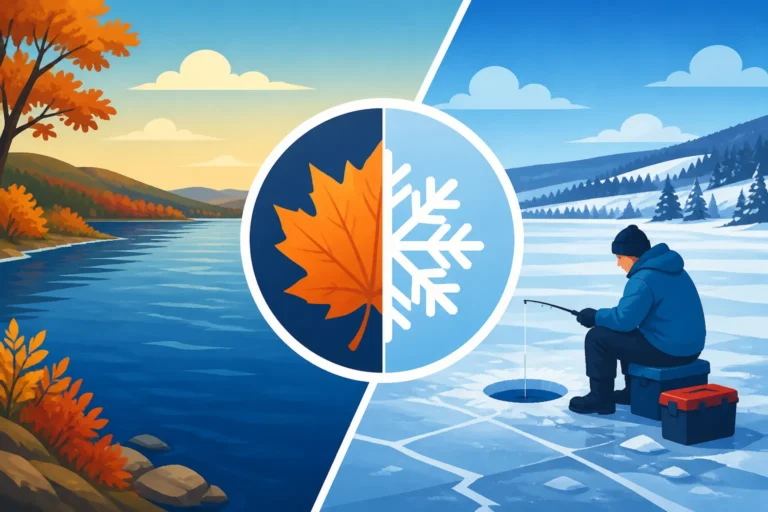
New York Finger Lakes ice formation patterns depend on lake depth, immense volume, wind agitation, and changing winter temperature swings.
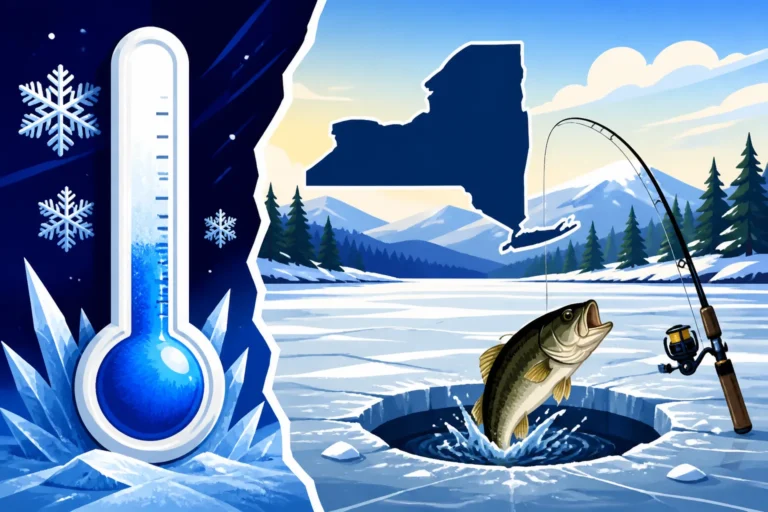
Water freezing temperatures, density at 39 degrees Fahrenheit, and latent heat of fusion determine when New York lakes freeze.
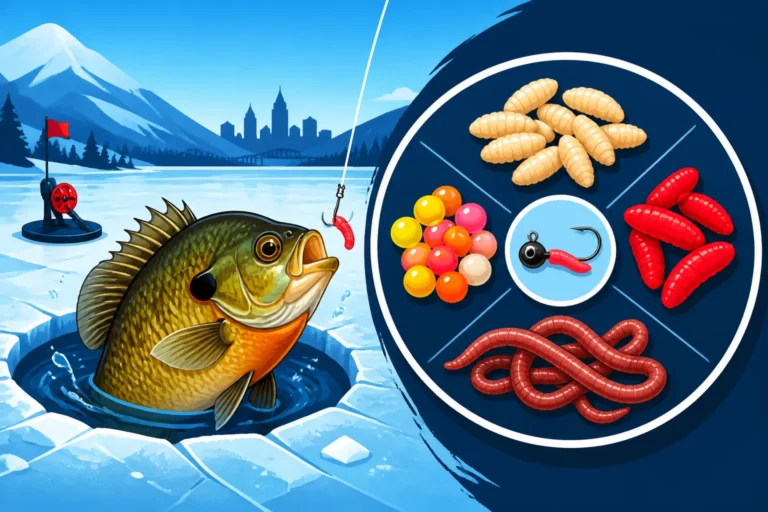
The best bait for ice fishing panfish helps New York anglers catch yellow perch, crappie, and bluegill through winter ice.
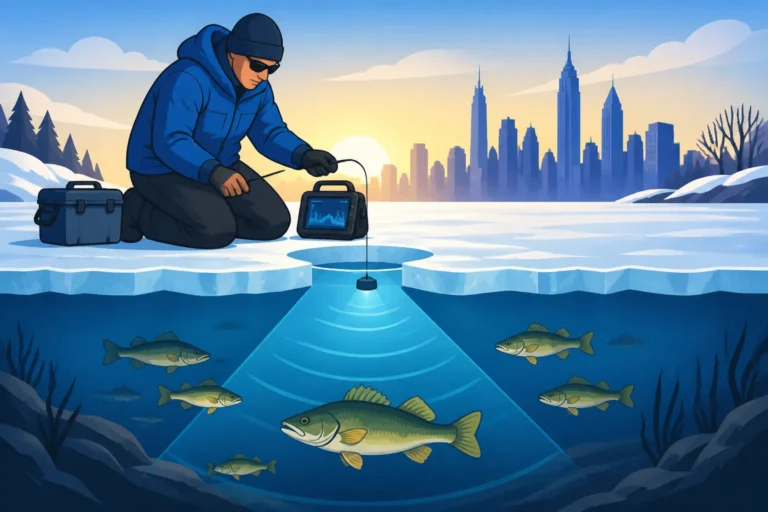
Ice fishing methods explain how water temperature, oxygen levels, and seasonal movements help locate fish under winter ice.
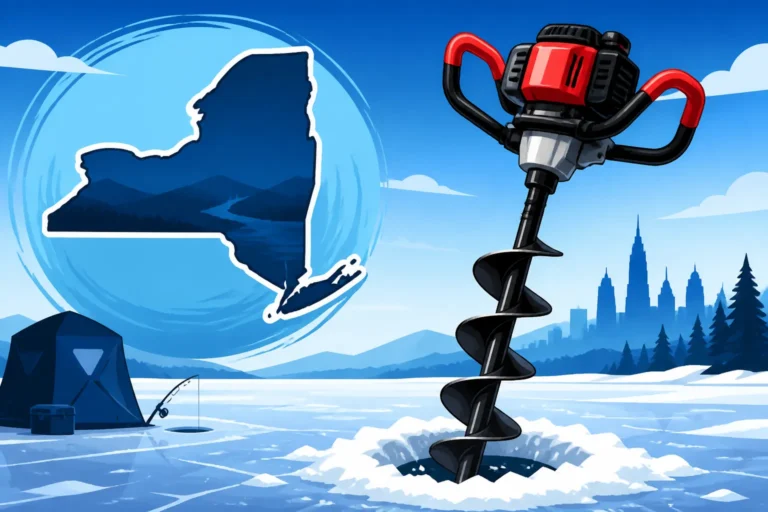
Ice auger selection for New York lakes helps anglers choose models matching conditions from Lake Erie to Adirondack ponds.
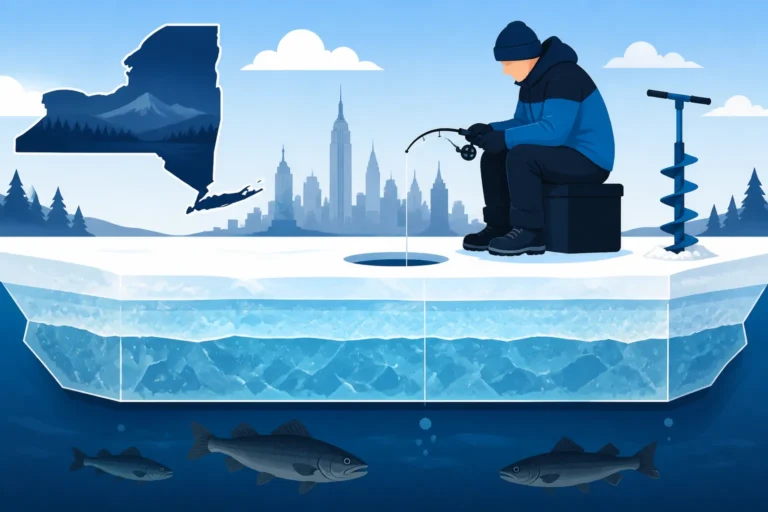
New York ice fishing safety guidelines require four inches of clear solid ice for individual foot travel and testing holes.
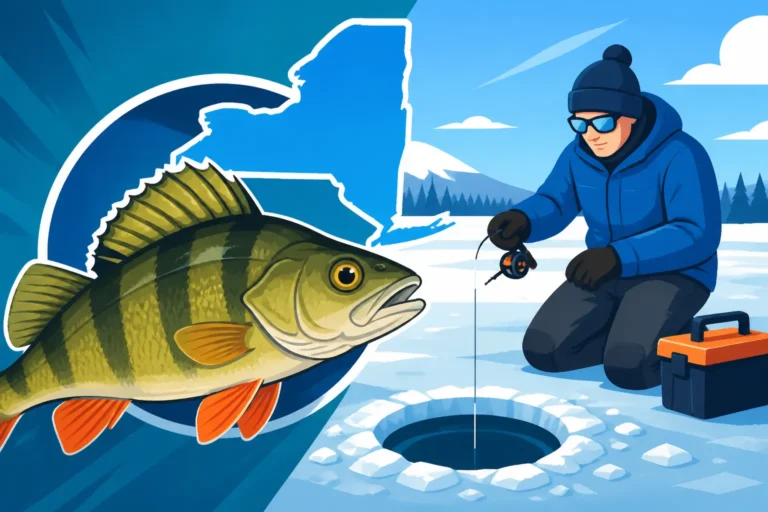
Yellow perch ice fishing in New York involves targeting deep drop-offs and using subtle winter jigging techniques to catch fish.
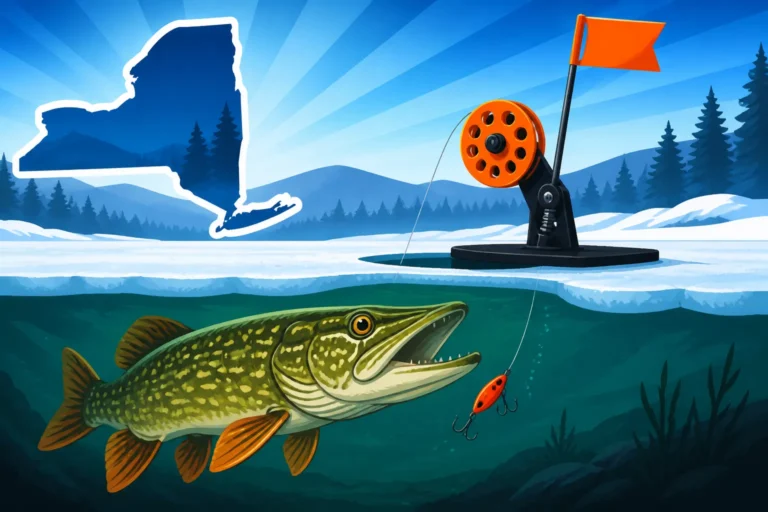
Northern pike ice fishing setups help anglers target ambush predators near weed lines and drop-offs using six to eight inch live bait.
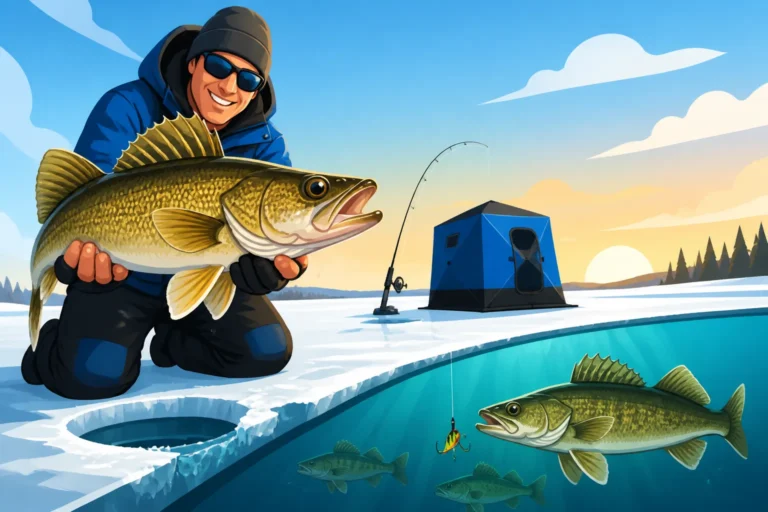
Ice fishing strategies for Oneida Lake explain winter walleye behavior, rod selection, and bait choices for New York anglers.
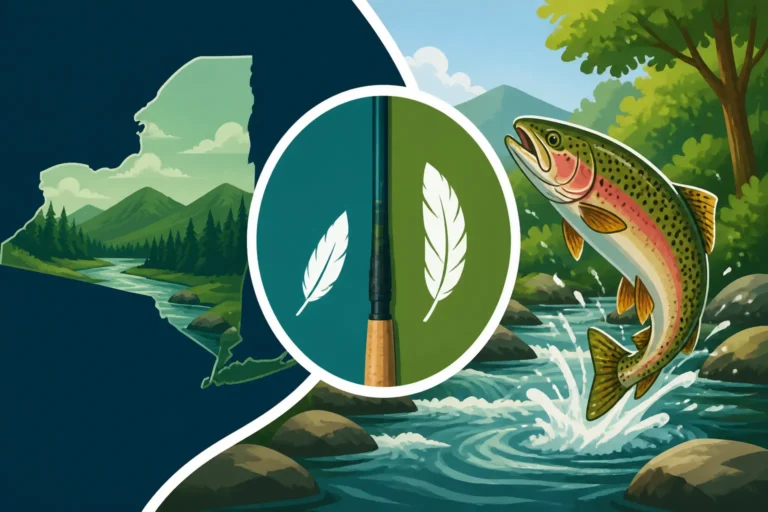
Fly rod weights for New York trout streams range from one to nine, helping anglers match lines to dry flies, streamers, and fish size.