How Many Hours Is a Typical Half-Day Charter?
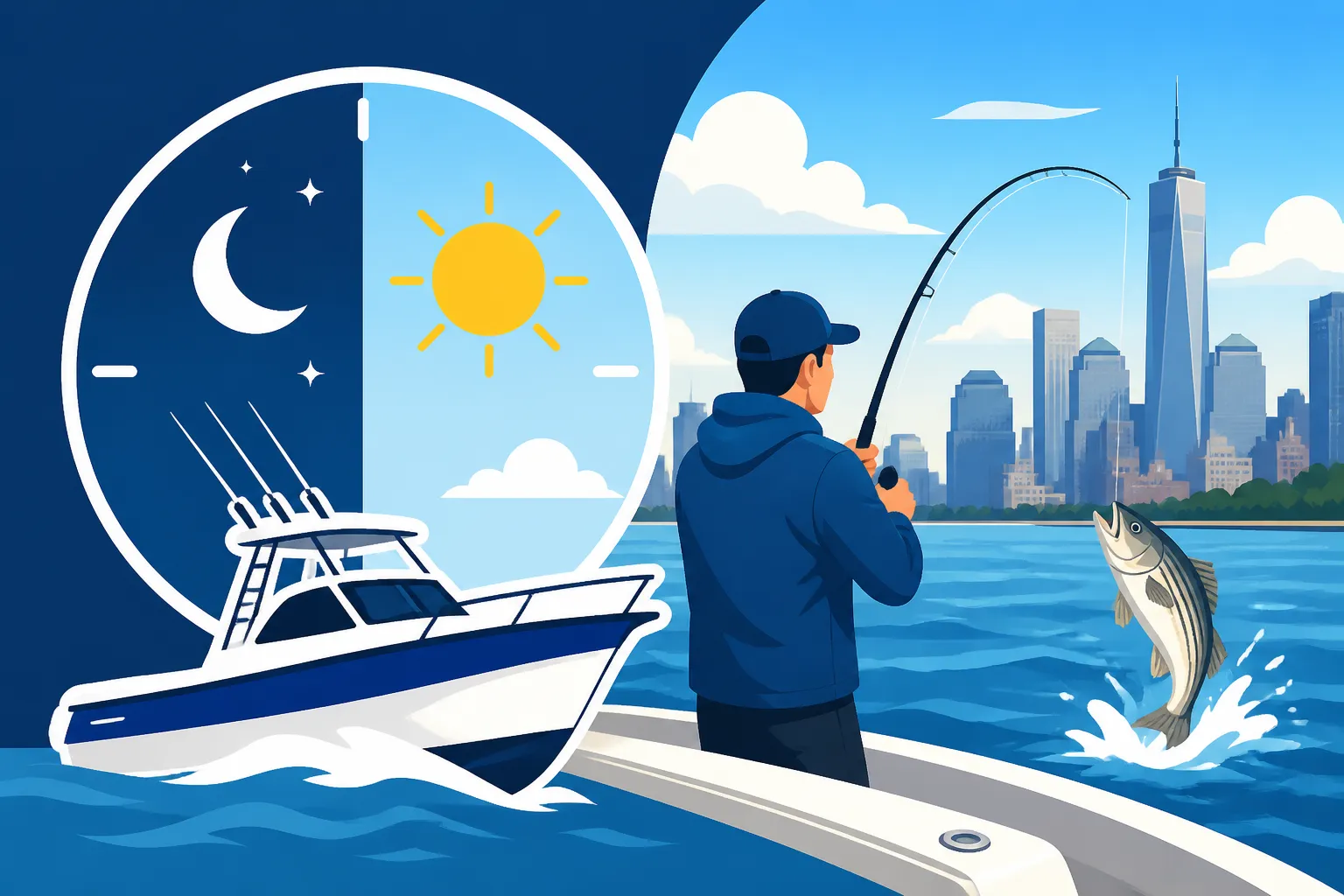
One of the most common questions I hear from folks new to booking a New York fishing charter, or even seasoned anglers trying a new type of trip, is "Exactly how long is a half-day trip, anyway?" It's not a silly question at all! You're paying good money and investing your precious time, so you want to know what you're getting. Generally, a half-day fishing charter in New York is designed to give you a solid taste of the action without committing to a full day, typically lasting about 4 to 5 hours from the moment you leave the dock until you return.
Understanding the "Half-Day" Standard in New York Fishing
When you see "half-day charter" advertised, that 4-5 hour window is pretty standard across the diverse fishing grounds of New York, whether you're chasing striped bass on the Hudson, targeting walleye on Lake Erie, or searching for fluke off Long Island. It's the sweet spot that allows for travel to a productive fishing spot, ample fishing time, and the return trip, all while fitting neatly into a morning or afternoon slot.
Why the 4-5 Hour Window?
This seemingly arbitrary timeframe isn't just pulled out of a hat; it's a practical balance. Think about it: a shorter trip wouldn't give you enough time to get to prime fishing locations, set up, and actually fish without feeling incredibly rushed. A longer trip, on the other hand, starts to creep into "three-quarter day" territory or even a full day. Captains have refined their half-day offerings to maximize your chances of success within a manageable duration. They know the local waters, where the fish are likely to be at certain times of day, and how long it takes to get there and back, factoring in things like current and boat speed.
For instance, if you're out on Lake Ontario looking for salmon, a captain might need a bit of travel time to get to deeper, cooler waters where those big fish are holding. Lake Ontario Salmon Charter Cost in New York could be a factor in your choice, but the time on the water is also critical. A 4-hour trip usually means about 3 hours of actual fishing once travel is accounted for. A 5-hour trip might give you closer to 4 hours of lines in the water, which can make a big difference, especially if the bite is slow to start. It's all about making the most of the limited time, and good captains are masters at this.
Regional Variations and What to Expect
While 4-5 hours is the general rule, the specific structure of a half-day trip can vary slightly depending on where you're fishing in New York and the species you're targeting.
For example, a half-day bay fishing trip on Long Island Sound targeting porgies or bluefish might involve less travel time than a deep-sea fluke trip, meaning more fishing minutes. On the flip side, if you're heading out from Dunkirk for Lake Erie walleye, the captain might have a specific offshore hump or reef in mind that takes a solid 45 minutes to an hour to reach, cutting slightly into the prime fishing window. It’s always a great idea to confirm the exact duration and what that entails with your chosen charter before booking, especially if you're using a platform like FishingBooker where captains often detail their trip lengths.
In the freshwater realm, like a half-day trip on one of the Finger Lakes for lake trout, the captain might focus on specific depths and structures, which also dictates travel time. You’ll want to have a clear understanding of the itinerary. Will it be a morning trip, getting you out on the water as the sun rises, or an afternoon excursion, perhaps catching the evening bite? Both have their advantages depending on the season and target species.
What to Expect During Your Half-Day Charter Experience
So, you've booked your half-day trip. What happens once you step aboard? It's not just 4-5 hours of non-stop casting; there's a flow to the experience. Understanding this flow will help you manage your expectations and enjoy every minute.
The Breakdown of a Typical Half-Day Trip
A typical half-day charter usually includes:
- Meet-and-Greet & Safety Briefing (10-15 minutes): This happens right when you get to the boat. Your captain or first mate will welcome you, introduce themselves, and go over essential safety information – where life jackets are, how to use them, boat rules, and so forth. This is crucial for everyone's well-being and is standard practice on all reputable charters.
- Travel to Fishing Grounds (30 minutes to 1.5 hours, round trip): This is the cruise out to where the fish are. The exact time depends heavily on your departure point and the target species. A river trip on the Hudson for Striped Bass Fishing on New York's Hudson River might have shorter travel times than an offshore trip. During this time, you can usually relax, enjoy the scenery, and chat with the crew. Many captains use this time to give you a rundown of the day's plan and answer any questions.
- Active Fishing Time (2.5 to 4 hours): This is the core of your trip! Once at the spot, the crew will get lines in the water, explain the techniques they're using, and help you bait hooks, cast, or operate trolling gear. This is where you'll be actively trying to catch fish. Depending on the bite, you might move to several different spots during this period.
- Return to Dock & Fish Cleaning (15-30 minutes): After the fishing concludes, you'll head back to the dock. Most New York fishing charters include basic fish cleaning and bagging as part of their service. This is a huge perk, as it means you take home ready-to-cook fillets! Don't forget to ask about Tipping Etiquette for New York Fishing Charters for your hard-working crew.
Example Scenario: A Morning Striped Bass Half-Day
Imagine you're booked on a half-day striped bass charter departing from a port on Long Island.
- 6:30 AM: Arrive at the dock, meet Captain Mike and his mate. Quick chat, safety rundown.
- 6:45 AM: Lines away! The boat heads out of the harbor, cruising toward a known striper hotspot in the bay, maybe a 30-minute ride.
- 7:15 AM: Engines slow, lines go in. You're handed a rod, and the mate shows you how to drop your bait or work a lure. First fish on!
- 7:15 AM – 10:45 AM: Active fishing. You might drift, anchor up, or slowly troll depending on the conditions and where the fish are. The captain is constantly watching the sonar and the action, adjusting as needed. You catch a few keepers, maybe release some smaller ones. The sun is getting higher, and the bite starts to slow down.
- 10:45 AM: "Lines up!" Captain Mike calls. Time to head back to the dock.
- 11:15 AM: Back at the dock. The mate expertly cleans your catch while you pack up your gear and share stories of the morning's adventure. You grab your fillets, thank the crew, and head home, ready for a fresh fish dinner.
This breakdown shows how quickly those 4-5 hours fly by when you're having fun on the water.
Half-Day vs. Full-Day: Which is Right for You?
Deciding between a half-day and a full-day charter often comes down to budget, time commitment, and your personal fishing goals. While a half-day is typically 4-5 hours, a full-day trip usually runs for 8 hours or more.
The Case for the Half-Day Charter
- Perfect for Beginners: If you're new to fishing or new to charter fishing, a half-day trip is a fantastic introduction. It allows you to experience the thrill without getting overwhelmed or tired. It's a great way to learn Best Beginner Fishing Techniques for New York Lakes or saltwater environments.
- Family-Friendly: Kids often have shorter attention spans. A half-day trip is ideal for families with young children who might not last a full 8-hour day on the water. Many charters specifically offer Family-Friendly Fishing Charters in New York.
- Time-Efficient: Only have a morning or an afternoon free? A half-day trip lets you squeeze in some fishing without sacrificing your entire day, leaving time for other activities or commitments.
- Budget-Friendly: Generally, half-day charters come at a lower price point than full-day trips, making them a more accessible option for many anglers. While I can't give specific figures, the difference in cost can be quite significant.
- Less Exposure to Elements: For those sensitive to sun, wind, or seasickness, a shorter trip reduces exposure to these elements, making for a more comfortable experience.
When a Full-Day Might Be Better
- Targeting Specific Species or Distant Spots: Some trophy fish or certain species require more travel time to reach their habitats, making a full-day trip essential. If you're dreaming of a massive Muskellunge in New York or offshore tuna, a full-day trip or even longer is often necessary.
- Serious Anglers: If you're an experienced angler who wants maximum time to hone skills, try different techniques, or simply spend as much time as possible on the water, a full-day trip offers that extensive opportunity.
- Challenging Conditions: On days when the bite is tough, a full day gives the captain more time to move around, try different tactics, and wait for the fish to turn on.
- Variety of Fishing: A full-day trip might allow for targeting multiple species or exploring different types of fishing, like trolling in the morning and bottom fishing in the afternoon.
The key differences are summarized in this table:
| Feature | Half-Day Charter (Typically 4-5 hours) | Full-Day Charter (Typically 8+ hours) |
|---|---|---|
| Duration | Shorter, fits into half a day | Longer, typically an entire day |
| Cost | Generally lower price point | Higher price point |
| Target Audience | Beginners, families with kids, those with limited time or budget | Experienced anglers, those targeting specific trophy fish, serious fishing enthusiasts |
| Travel Time | Limited, usually to closer fishing grounds | Allows for travel to more distant, potentially more productive grounds |
| Fishing Time | Good amount of active fishing (2.5-4 hours) | More extensive active fishing (6-7+ hours), more opportunities to move spots |
| Comfort | Less exposure to sun/weather, less chance of seasickness | More exposure, potentially more physically demanding |
| Flexibility | Leaves time for other activities in the day | Full-day commitment, usually the primary activity |
| Species Range | Often focuses on common, local species accessible within travel time | Can target wider range, including those requiring more travel or specialized techniques |
Making the Most of Your Half-Day Fishing Adventure
Regardless of whether your half-day charter is 4 hours or 5, you want to make the absolute most of every minute. Preparation and communication are your best friends here.
Communicate with Your Captain
Don't be shy! Before you even book, or certainly once you've secured your trip (perhaps through a service like FishingBooker), take a moment to communicate with your captain. Ask about the typical duration and what it usually includes for the specific type of trip you're interested in. You can ask:
- "For a half-day striped bass trip, how much of that is travel time vs. fishing time?"
- "What are the target species, and are there any specific regulations I should know?" (Though a good captain will always keep you compliant with New York Fishing Regulations Explained).
- "What should I bring on a New York fishing charter?"
Clear communication helps avoid any misunderstandings and ensures you're all on the same page for a fantastic day on the water.
Pack Smart, Not Heavy
Since a half-day trip is shorter, you don't need to bring a massive cooler or a ton of gear. Focus on essentials:
- Sun Protection: Hat, sunglasses, sunscreen (even on cloudy days!).
- Appropriate Clothing: Dress in layers. Even on a warm day, it can be cooler on the water. A rain jacket is never a bad idea.
- Snacks and Drinks: While some charters provide water, bringing a small bag with your favorite snacks and drinks is always a good call.
- Medication: If you're prone to seasickness, take medication before you get on the boat. It's much less effective once symptoms start.
- Camera: To capture those memorable catches!
- A Small Cooler: For your cleaned fillets on the way home.
Remember, most charters provide all the necessary fishing gear, bait, and tackle, so you don't need to worry about bringing your own rods unless you specifically clear it with the captain.
Be On Time and Ready to Go
Time is precious on a half-day charter. Arrive at the dock a little early, ready to go. This means having your belongings organized, using the restroom before boarding, and listening attentively to the captain's instructions. Every minute spent waiting or organizing is a minute less for fishing.
Respect the Crew and the Environment
The captain and mate are there to ensure you have a safe, fun, and productive trip. Listen to their guidance, follow boat rules, and be respectful. Also, always practice good conservation. Adhere to all catch limits and size restrictions, and if you're practicing catch-and-release, handle the fish carefully to ensure their survival. Being a responsible angler contributes to healthy fish populations for future generations.
A half-day charter in New York offers a fantastic opportunity to get out on the water, enjoy the beautiful scenery, and hopefully reel in some impressive fish. Knowing that it typically spans 4 to 5 hours helps you plan your day, manage expectations, and get ready for an enjoyable adventure.
Disclaimer
This article is for general informational purposes only and does not constitute professional advice. Laws, prices and regulations vary by location and change over time. Consult a qualified professional for guidance on your specific situation.