Top Sandy Pond Fishing Spots in New York
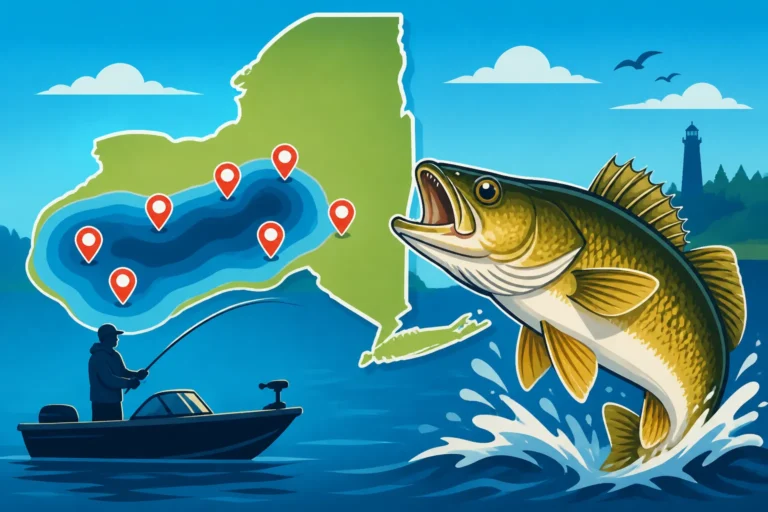
Finding those truly productive fishing spots on a new or unfamiliar body of water can feel like searching for a needle in a haystack, especially when dealing with a sprawling, diverse system like Sandy Pond. You might drive for hours, scout endless shorelines, or motor around aimlessly, only to end up with a few bites and a lot of frustration. This guide is here to cut through that uncertainty, providing you with a detailed breakdown of the top fishing spots on Sandy Pond, New York, for both shore anglers and boaters, along with insights into what you can expect to catch.
Understanding Sandy Pond's Unique Allure for Anglers
Sandy Pond, nestled on the eastern shore of Lake Ontario in Oswego County, isn't just another body of water; it's a unique coastal embayment that boasts an incredibly diverse fishery. What makes it so special is its connection to Lake Ontario through a dredged channel, allowing fish to migrate freely between the two. This connection, combined with its relatively shallow depths and abundant weed beds, creates a prime habitat for a wide array of species, offering something for every type of angler.
The pond itself is quite shallow, averaging around 5-7 feet in most areas, though some channels and deeper pockets exist. This shallow nature means that water temperatures can change rapidly, and weed growth is prolific throughout the warmer months. These dense weed beds, while sometimes challenging to navigate, are actually fish magnets, providing cover, food, and ambush points for predatory species. Understanding this unique ecosystem is key to unlocking its fishing potential, whether you're casting from shore or cruising in a boat. Many anglers find success here by adapting their techniques to the heavy cover and varying water levels.
Beyond its fishery, Sandy Pond offers a classic "upstate New York" feel, drawing families and serious anglers alike. The relaxed atmosphere and natural beauty make it a fantastic destination for a fishing getaway, often less crowded than the bustling Lake Ontario ports but still offering exceptional action. It's a place where you can truly immerse yourself in the angling experience, away from the hustle and bustle.
Premier Shore Fishing Locations on Sandy Pond
For those who prefer to keep their feet on solid ground or don't have access to a boat, Sandy Pond still offers some fantastic opportunities. Shore fishing requires a bit more scouting and often involves targeting specific access points that provide suitable casting lanes and proximity to fish-holding structure.
South Pond Public Access
The South Pond area is a popular choice for shore anglers, particularly those targeting panfish and bass. You'll find public access points and often a boat launch here, which can double as a prime casting location, especially early mornings or late evenings when boat traffic is minimal. The transition areas where the launch meets the main pond, often featuring rock or riprap, can hold baitfish, which in turn attract larger predators.
When fishing from the south pond access, look for any noticeable changes in the bottom contour or vegetation. Often, a small point or a deeper drop-off near the shore can be a hotspot. Soft plastics, spinnerbaits, and even simple live bait rigs (like a worm under a bobber) can be incredibly effective here for species like yellow perch and crappie. For bass, try casting creature baits into the denser weed lines nearby. This spot is also usually quite accessible for beginners or those fishing with kids, making it a great family-friendly option.
Sandy Island Beach State Park
While primarily a swimming and beach destination, Sandy Island Beach State Park offers excellent shore fishing opportunities, particularly along its more secluded edges or where the beach transitions into marshy areas. The park is located on the barrier dune that separates Sandy Pond from Lake Ontario, so you have access to both the pond side and the lake side. The pond side, with its calmer waters and abundant vegetation, is more conducive to traditional freshwater fishing.
Focus your efforts on the fringes of the dense aquatic vegetation, casting into pockets or along the edges. Topwater lures can be exciting here for largemouth bass during low-light conditions, while weedless jigs and Texas-rigged worms are excellent choices for probing the cover during the day. Don't overlook the potential for northern pike in these areas; they love to ambush prey from thick cover. Before you head out, it's always wise to check the New York Fishing Regulations Explained to ensure you're in compliance with any specific rules for this area.
Top Spots for Boat Anglers on Sandy Pond
Having a boat on Sandy Pond truly opens up a world of possibilities, allowing you to access the vast weed flats, deeper channels, and secluded bays that hold trophy fish. The pond's relatively calm waters generally make it suitable for smaller boats, kayaks, and canoes, but always be mindful of wind conditions, as it can get choppy.
The Connection to Lake Ontario (The Inlet)
The channel that connects Sandy Pond to Lake Ontario is a dynamic hotspot, especially during periods of fish migration. This area is a bottleneck for fish moving between the lake and the pond, making it a prime location for targeting walleye, northern pike, and even occasional salmon or steelhead, particularly in the spring and fall. The current here can be significant, so adjusting your tactics accordingly is crucial.
Anglers often drift or slowly troll through this channel, using crankbaits or jigs that can get down to the bottom. Walleye are frequently found here, often hugging the deeper contours. If you're wondering Walleye Daily Limit in New York, remember to consult the current DEC regulations. The rocky bottom and irregular structure of the channel also provide excellent ambush points for pike. Even if you don't have a boat, walking access to parts of the channel is sometimes available, but boaters get the distinct advantage of covering more water and working the deeper sections effectively.
Extensive Weed Flats and Channels
The majority of Sandy Pond is covered in extensive weed flats, and these are not to be feared but embraced. These underwater jungles are the primary habitat for largemouth bass, northern pike, and a plethora of panfish. Within these flats, you’ll find subtle depth changes, small open pockets, and boat channels that act as highways for fish movement. Using a good depth finder can help you pinpoint these hidden gems within the vast green expanse.
For bass, target the edges of the densest weeds, or cast into any visible openings. Frogs, senkos, and swim jigs are deadly in these environments. Northern pike will often sit in wait in the thicker cover, ready to ambush a passing spoon or spinnerbait. For panfish, a simple bobber and worm or a small jig tipped with a soft plastic can yield a steady bite. Remember to use weedless presentations to minimize snags. The challenge of navigating and fishing these weeds is part of the Sandy Pond experience, and mastering it can lead to some truly memorable catches. You might find our guide on How to Fish for Largemouth Bass in Weeds particularly useful here.
North Pond Bays and Marshy Areas
The northern sections of Sandy Pond feature numerous shallow bays and marshy inlets that are often overlooked but can be incredibly productive, especially during the spawn or when targeting species that prefer very shallow, protected waters. These areas typically have softer bottoms, lily pads, and emergent vegetation, creating a different kind of habitat than the main weed flats.
These secluded spots are perfect for stealthy approaches with a kayak or canoe. Casting topwater poppers or hollow-bodied frogs over the lily pads can result in explosive strikes from largemouth bass. You'll also find plenty of panfish here, including bluegill and pumpkinseed sunfish, which are perfect targets for light tackle. These areas also tend to warm up faster in the spring, drawing fish in early. If you're looking for an expert opinion or want to explore these less-frequented spots with a local, consider checking FishingBooker for guides operating in the Sandy Pond region; they often know these hidden gems intimately.
Target Species and Best Techniques for Sandy Pond
Sandy Pond is a multi-species angler's dream, offering a chance to catch a variety of freshwater favorites. Knowing what to target and how to approach each species will greatly increase your success.
Largemouth Bass
Largemouth bass are arguably the most popular target on Sandy Pond, and for good reason—they thrive in its weedy, shallow environment. You'll find them almost everywhere, from the densest weed beds to lily pad fields and even along the rocky shorelines near public access points.
- Techniques: Flipping and pitching jigs or Texas-rigged soft plastics (like creature baits or worms) into heavy cover is highly effective. Topwater lures such as frogs, poppers, and buzzbaits shine during low-light conditions or over matted vegetation. Spinnerbaits and chatterbaits are excellent for working the edges of weed lines.
- Best Time: Early morning, late evening, and overcast days are generally best. They are active throughout the warmer months, from late spring through early fall.
Northern Pike
These toothy predators are abundant in Sandy Pond, and their aggressive nature makes for exciting fishing. They love to ambush prey from thick cover, so target areas with dense weeds or submerged timber.
- Techniques: Casting large spoons, inline spinners, and shallow-diving crankbaits along weed edges or through open pockets can trigger strikes. Live bait, such as large minnows fished under a bobber, is also very effective.
- Best Time: Pike are often active throughout the day, but especially during cooler periods or overcast skies. They can be caught year-round, including through the ice in winter. If you're planning an ice fishing trip, our guide to Ice Fishing in New York: A Complete Guide can help you prepare.
Walleye
While less prevalent than bass or pike within the pond itself, walleye are definitely present, particularly in the deeper channels and near the Lake Ontario inlet. They are often targeted during low-light conditions.
- Techniques: Trolling or drifting with deep-diving crankbaits or jigging with soft plastics along the bottom of the inlet channel or other deeper areas are common methods. Many anglers find success at night.
- Best Time: Dusk, dawn, and nighttime are prime times for walleye. Spring and fall migrations through the inlet are particularly productive.
Panfish (Yellow Perch, Bluegill, Crappie)
Sandy Pond is a fantastic panfish fishery, perfect for casual anglers or those introducing kids to fishing. Yellow perch, bluegill, and crappie are plentiful and can provide consistent action.
- Techniques: Simple rigs with small hooks, light line, and live bait (worms, minnows) under a bobber are highly effective. Small jigs tipped with soft plastics or tiny grub tails also work wonders. Focus on weed edges, docks, and sheltered coves. For specific details on species like the Yellow Perch in New York, check out our dedicated guide.
- Best Time: Panfish are active throughout the day, especially in warmer water. They're a great year-round target.
Here’s a quick overview of some top spots and their main targets:
| Fishing Spot | Primary Target Species | Best Fishing Techniques | Access Type |
|---|---|---|---|
| South Pond Public Access | Largemouth Bass, Yellow Perch, Crappie | Soft Plastics, Spinnerbaits, Worm & Bobber, Small Jigs | Shore, Boat |
| Sandy Island Beach State Park (Pond Side) | Largemouth Bass, Northern Pike, Sunfish | Topwater Lures, Weedless Jigs, Spoons, Worm & Bobber | Shore |
| Lake Ontario Inlet Channel | Walleye, Northern Pike, Bass, Trout/Salmon | Deep-diving Crankbaits, Jigs, Drifting Live Bait | Boat (Primary) |
| Extensive Weed Flats | Largemouth Bass, Northern Pike, Panfish | Frogs, Senkos, Swim Jigs, Spoons, Inline Spinners | Boat |
| North Pond Bays & Marshy Areas | Largemouth Bass, Sunfish, Northern Pike | Topwater Poppers, Hollow Frogs, Small Jigs, Worms | Boat (Kayak/Canoe) |
If you're still feeling a bit overwhelmed by the vastness of Sandy Pond, or simply prefer to learn from a seasoned local, remember that FishingBooker is a great resource for finding experienced local fishing guides who specialize in these waters. They can provide invaluable insight and put you directly on the fish. For a broader look at fishing throughout the region, checking out New York Fishing Seasons Explained will give you an idea of peak times for various species, whether you're on Sandy Pond or venturing further afield.
Navigating Sandy Pond: Tips and Considerations
Sandy Pond, while generally friendly to anglers, does have some specific considerations that can make your trip more successful and safe. Being prepared for its unique characteristics will help ensure a smooth and productive day on the water.
Boat Navigation and Water Depths
For boaters, understanding the pond's shallow nature is paramount. Much of Sandy Pond averages 5-7 feet, but there are numerous areas that are even shallower, sometimes just a few feet deep, especially away from the main dredged channels. Running aground is a real possibility if you're not careful.
- Proceed with caution: Always use a depth finder and GPS, and pay close attention to navigation markers if they are present. Many boaters opt for a trolling motor to navigate the weedier, shallower sections, reserving their main engine for the deeper channels or the run to and from the Lake Ontario inlet.
- Weed Fouling: Propellers can easily get tangled in the dense aquatic vegetation. Consider using a weedless prop if available, or be prepared to frequently clear your prop. Trolling motors are generally more efficient at cutting through lighter weeds.
- Wakes: Be mindful of your wake, especially in the shallower bays and when passing other anglers. Sandy Pond is often frequented by smaller boats, kayaks, and canoes, and excessive wakes can be both annoying and dangerous.
Best Times to Fish and Seasonal Considerations
Like any body of water, Sandy Pond has its peak seasons and times of day, though it can be fished successfully year-round.
- Spring (April-May): As water temperatures rise, fish become very active. Largemouth bass move into shallower bays for spawning, and northern pike are also highly active. This is often a great time for panfish as well.
- Summer (June-August): Fishing remains excellent, especially in the early morning and late evening. The dense weed growth provides ample cover. Midday heat can slow the bite, but targeting shaded areas or deep weed pockets can still produce.
- Fall (September-November): Many species feed heavily in preparation for winter. Walleye and pike activity picks up, and bass can be very aggressive as they chase baitfish. This is a favorite time for many local anglers.
- Winter (December-March): Sandy Pond freezes over, offering fantastic ice fishing opportunities for walleye, northern pike, and a variety of panfish. Always check ice conditions before venturing out.
Essential Gear and Local Knowledge
Having the right gear and tapping into local expertise can significantly enhance your Sandy Pond fishing experience.
- Rods and Reels: Medium to medium-heavy rods with spinning or baitcasting reels are versatile for bass and pike. For panfish, ultralight setups are ideal.
- Line: Braided line is often preferred for fishing heavy cover due to its strength and sensitivity, especially when flipping or punching through weeds. Pair it with a fluorocarbon leader.
- Lures: A diverse selection of weedless soft plastics, topwater frogs, spinnerbaits, spoons, and various jigs will cover most situations. Don't forget live bait like worms or minnows, which can be universally effective.
- Local Bait Shops: These are goldmines for local knowledge. Stop by one of the bait shops in Mexico or Pulaski (like Lighthouse Lanes or Portly's Bait & Tackle) before you head out. They can give you up-to-the-minute reports on what's biting, where, and what baits are working. They often have specific local regulations posted as well. If you're visiting from out of state, you might also be interested in Fishing License Requirements for Out-of-State Visitors to New York.
Remember, a little preparation goes a long way. Checking the weather, understanding the water conditions, and having a game plan based on these top spots will set you up for success on beautiful Sandy Pond. For those new to the area, or even those who just want to make the most of their trip, leveraging a service like FishingBooker to connect with a seasoned local guide can provide an invaluable head start, often leading to fish and insights you wouldn't find on your own. For general advice on casting your first line in New York, consider reading Best Fishing Spots for Beginners in New York.
Disclaimer
Please note that fishing regulations, conditions, and fish populations can change. Always consult the latest New York State Department of Environmental Conservation (DEC) fishing regulations before heading out. Safety should always be your top priority on the water.