New York State Record Striped Bass Weight
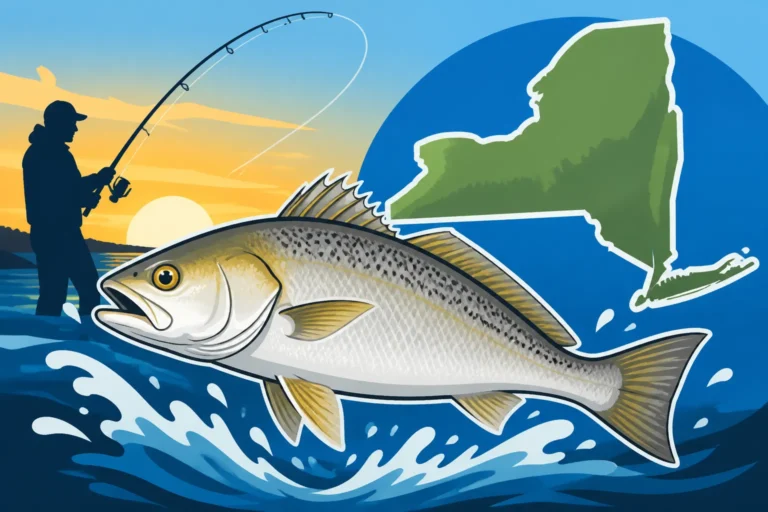
There’s nothing quite like the dream of landing a monster fish, and in New York, for many anglers, that dream often involves the mighty striped bass. You hear whispers of colossal stripers caught in far-off corners of the state, but how big do they really get? This guide will dive deep into the legendary New York State record striped bass, exploring the quest for such giants, where they're found, and what it takes to even dream of challenging that monumental catch.
The Allure of the State Record Striped Bass
For countless anglers, the striped bass isn't just another fish; it's a true icon of New York's waters. From the bustling shores of Long Island to the vast stretches of the Hudson River, these powerful predators captivate our imaginations and challenge our skills like few other species. The idea of hooking into a fish that could rewrite the record books is a powerful motivator, driving many to spend countless hours on the water.
Why Stripers Hold a Special Place
Striped bass, often affectionately called "stripers," are revered for their strength, fighting spirit, and sheer size potential. They are a keystone species, vital to the ecological balance of our coastal and estuarine environments. For anglers, the sheer thrill of a striper hitting your line, feeling that powerful tug, and the ensuing battle of wits and strength is an experience that keeps us coming back season after season. They're a symbol of resilience and the wildness that still thrives in our busy state. To learn more about this incredible fish, check out our guide on Striped Bass in New York.
There's a deep connection many of us feel to the striped bass, perhaps because they migrate vast distances, connecting different parts of our state's waterways. They're smart, they're wary, and they grow to incredible sizes, making every encounter feel special. Whether you're a seasoned veteran casting from the surf or a newcomer trying your luck from a boat, the chance to tangle with a genuinely large striper is a pursuit that transcends simple sport. It becomes a passion.
The Thrill of the Chase
The pursuit of a trophy striped bass is as much about the journey as it is about the catch. It involves early mornings, late nights, braving all kinds of weather, and constantly learning about tides, bait, and structure. There’s a certain respect that develops for these magnificent creatures, and the dedication required to target larger specimens truly sets trophy anglers apart. Many days will pass with nothing but small fish or even skunks, but the memory of that one explosive strike, that one line-peeling run, keeps the hope alive.
The anticipation when fishing in known big-fish waters is palpable. Every cast holds the potential for that dream strike. You might spend hours patiently working a lure or waiting for a bait to be picked up, all while picturing a truly enormous striper lurking in the depths. This persistent effort and the mental game involved make the eventual success, even if it's "just" a personal best, incredibly rewarding. It's a testament to patience, knowledge, and a little bit of luck.
The Official New York State Record Striped Bass
So, what about the undisputed champion? The fish that stands as the benchmark for all other New York stripers? While specific weights can fluctuate as records are occasionally broken, the New York State record for striped bass represents an absolutely monumental catch, a testament to the immense size these fish can attain in our rich waters.
The Unofficial King of New York Waters
The current official New York State record striped bass is an absolutely massive specimen, weighing in at an incredibly impressive number of pounds – often somewhere in the upper 60s to low 70-pound range. This fish wasn't just big; it was a true giant, a once-in-a-lifetime catch that probably tested the angler's gear and resolve to their absolute limits. It's the kind of fish that stories are made of, passed down from generation to generation among those who ply the local waters.
Imagine the thrill of that moment, the line screaming off the reel, the rod bent double, and the sheer power on the other end. This record-breaking striper would have been an old, wise fish, having navigated the currents and avoided countless perils throughout its long Striped Bass Lifespan Explained. Such a fish is not merely a number on a scale but a living legend, embodying the wild spirit of New York's marine environment. For the most up-to-date and exact figures, anglers should always consult the official New York State Department of Environmental Conservation (DEC) website.
How Records Are Verified
Catching a potential state record is only half the battle; getting it officially recognized requires adherence to strict guidelines. It’s not enough to simply say you caught a huge fish. Anglers must follow a precise protocol to ensure the catch is legitimate and can be formally entered into the record books. This process maintains the integrity of all state records and ensures that every recognized achievement is truly outstanding.
Typically, a potential record fish must be weighed on a certified scale, usually at a licensed marina or tackle shop that has scales inspected for accuracy. Witnesses are often required, and photographs documenting the catch, including clear measurements, are essential. The angler usually has to fill out detailed paperwork, providing information about the tackle used, the location, and the circumstances of the catch. This rigorous verification process is crucial because it gives credibility to the record and prevents any doubt about its authenticity. It’s a painstaking process, but absolutely necessary to immortalize such an incredible accomplishment. You can find general information on fish verification and regulations in our New York Fishing Regulations Explained article.
Here's a look at how a record striped bass might compare to a more common, but still respectable, large catch:
| Feature | State Record Striped Bass (Estimate) | Large Common Catch (Example) |
|---|---|---|
| Weight | Upper 60s to low 70s pounds (or more) | 30-50 pounds |
| Length | Well over 50 inches | 40-50 inches |
| Girth | Extremely thick, barrel-like | Substantial, but less extreme |
| Age | Likely 20+ years old | 10-15 years old |
| Rarity | Extremely rare, once-in-a-lifetime | Rare, but achievable with skill & luck |
| Location | Hudson River, Long Island Sound, ocean fronts | Wide range of popular striper spots |
| Effort Required | Monumental dedication, skill, and fortune | Significant skill and persistent effort |
Chasing the Dream: How Record Stripers Are Caught
So, if you’re dreaming of catching a striper that could rival the state record, what does it take? It's a combination of knowledge, persistence, the right gear, and a healthy dose of luck. These aren't fish you stumble upon every day; they are typically targeted by dedicated anglers who understand their habits and habitats.
Prime Locations for Trophy Stripers
New York offers several legendary locations known for producing colossal striped bass. The Hudson River is a freshwater-brackish powerhouse, especially during the spring spawning run, when giant breeders push far upstream. These are often the biggest fish in the system, focused on their reproductive cycle, and present a unique opportunity. Anglers targeting these giants often focus on deep holes, eddies, and structure where these fish stage. Our guide to Fishing the Hudson River in New York: Where to Go has more details on this incredible fishery.
Along the coast, Long Island Sound and the open ocean beaches of Montauk are also prime hunting grounds. Here, stripers feed heavily on vast schools of baitfish, growing to immense sizes. Surfcasters in particular often brave rough conditions, casting enormous plugs or heavy baits into the churning surf, hoping for that one epic strike. Deep channels, jetties, and rocky outcrops that hold bait are key areas to focus on. You can explore these waters further in our comprehensive guide to Fishing Long Island Sound in New York: A Complete Guide.
Top Baits and Techniques
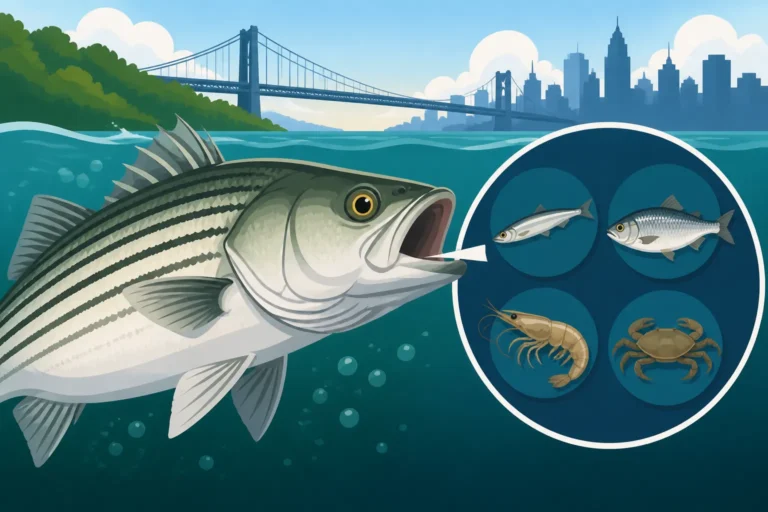
When targeting record-class stripers, anglers often gravitate towards large baits and robust techniques. Live bait, especially large bunker (menhaden), eels, or mackerel, are incredibly effective. These baits mimic the natural forage of giant stripers and appeal to their predatory instincts. Anglers might fish these baits on heavy-duty circle hook rigs, allowing the fish to swallow the bait before the hook sets safely in the corner of its mouth, which is also a Striped Bass Circle Hook Requirement. Using How to Use Circle Hooks for Striped Bass properly is crucial for both success and fish conservation.
Artificial lures can also fool giants. Large swimbaits, hefty plugs, and specialized surfcasting lures designed to imitate big baitfish are popular choices. The technique often involves hours of repetitive casting and retrieving, covering water, or patiently waiting for a tide change in a known hotspot. It's less about quantity and more about targeting that one specific, enormous fish. You can find a detailed breakdown of what these giants prefer in Best Bait for Striped Bass.
Essential Gear for Battle
Landing a striper of record proportions demands serious tackle. This isn't the time for your lightweight trout setup! You'll need heavy-action rods, capable of handling powerful runs and lifting substantial weight. Think heavy-duty surf rods, powerful boat rods, or specialized casting rods with significant backbone. These rods are often quite long to aid in casting distance or to provide leverage during a prolonged fight.
Matching reels are essential, too. Large, robust spinning reels or conventional reels with powerful drag systems and ample line capacity are a must. Spooling up with strong, high-quality braided line, often in the 50-80 pound test range, is common, as it offers incredible strength and sensitivity. You'll also need heavy leaders, strong swivels, and durable hooks that can stand up to the immense power of a record-class fish. Many anglers source these specialized components from reputable online retailers like Amazon, ensuring they have the highest quality gear for such an important endeavor. Don't forget a sturdy landing net or a reliable gaff, and always have a measuring tape and camera ready – you never know when your moment might arrive! Searching for "heavy duty striper gear" on Amazon will give you a good idea of what serious anglers are using.
Beyond the Record: Striped Bass Conservation
While the pursuit of a record is exhilarating, it's vital to remember the broader context of striped bass populations. These fish face various challenges, and responsible angling plays a crucial role in their long-term health and abundance. Being mindful of regulations and practicing good conservation habits ensures that future generations can also chase the dream of a trophy striper.
The Importance of Catch and Release
For many trophy anglers, especially those targeting truly massive striped bass, catch and release is not just a practice; it’s a philosophy. These enormous fish are often the oldest and most prolific spawners in the population. Removing them from the ecosystem can have a disproportionately negative impact on future generations. Releasing these giants allows them to continue their reproductive cycle, contributing to the species' sustainability.
When practicing catch and release, handle the fish carefully. Minimize its time out of the water, support its body weight, and revive it gently before letting it go. Using circle hooks, as mentioned earlier, is a fantastic way to ensure the fish is hooked in the mouth, minimizing gut-hooking and increasing its chances of survival. These simple steps ensure that the thrill of your catch doesn't come at the expense of the fish's future. Our article on New York Fishing Season Dates and Catch Limits outlines the regulations you need to know.
Protecting the Future of Striped Bass
Striped bass populations are dynamic, influenced by environmental factors, fishing pressure, and baitfish availability. Anglers have a responsibility to stay informed about current regulations, which are designed to protect the species and promote healthy stocks. This includes understanding slot limits, bag limits, and seasonal closures. Every angler's actions contribute to the collective health of the fishery.
Beyond simply following the rules, consider advocating for habitat protection, supporting scientific research, and educating fellow anglers about sustainable practices. Organizations dedicated to marine conservation often provide valuable information and opportunities to get involved. By working together, we can ensure that New York's waters continue to be home to magnificent striped bass for many years to come. Ultimately, the biggest trophy isn't just the one you catch, but the healthy, thriving fishery you help to sustain. Remember, the goal is to enjoy the resource responsibly, ensuring there are plenty of Fish Species You Can Catch in New York for everyone. If you're looking for specific gear that promotes catch-and-release, like de-hookers or measuring boards, a quick search on Amazon can provide many options.
Disclaimer
This article is for general informational purposes only and does not constitute professional advice. Laws, prices and regulations vary by location and change over time. Consult a qualified professional for guidance on your specific situation.