Average Landlocked Salmon Size on the Finger Lakes
As a seasoned angler and New York fishing enthusiast, I know the burning question that often comes to mind when you're dreaming of a day on the Finger Lakes: "How big do those landlocked salmon actually get?" It's a completely valid thought – we all want to know if we're chasing minnows or monsters! This guide is going to dive deep into what you can realistically expect from landlocked salmon in these beautiful New York waters, covering everything from average sizes to the thrill of a true trophy catch.
The Allure of Landlocked Salmon in New York's Finger Lakes
There's something truly magical about the Finger Lakes, isn't there? Those long, deep, clear bodies of water cutting through the landscape are not just picturesque; they're also prime real estate for some incredible fishing. And when it comes to a challenging, hard-fighting, and absolutely gorgeous fish, the landlocked salmon stands out. Many anglers head to these waters specifically for the chance to hook into one of these silver rockets.
A Legacy of Silver and Sport
It might surprise some, but landlocked salmon aren't native to the Finger Lakes. Their presence is a testament to dedicated stocking efforts by the New York Department of Environmental Conservation (DEC) over many years. Originally, true Atlantic salmon were landlocked in some lakes naturally, but the Finger Lakes populations we enjoy today are largely thanks to strategic stocking programs designed to create a vibrant sport fishery. These efforts started decades ago, introducing strains of salmon that thrive in the deep, cold waters of these unique lakes. The goal was, and remains, to provide exciting opportunities for anglers seeking a powerful, acrobatic game fish.
It's a success story in New York's fisheries management, really. Imagine the foresight it took to introduce and cultivate a species that would integrate so well into these ecosystems, providing so much enjoyment to countless anglers. The DEC works tirelessly, often coordinating with hatcheries, to ensure that healthy numbers of these salmon are released annually, sustaining the fishery for everyone. This continuous effort is crucial, as landlocked salmon typically don't reproduce effectively enough in most Finger Lakes to maintain their populations without human intervention. So, every time you catch one of these magnificent fish, you're experiencing the fruits of careful planning and conservation.
This commitment to stocking means that the populations are generally robust, and you have a consistent chance at encountering these fish. Of course, fishing success always depends on myriad factors like weather, angler skill, and a bit of luck, but knowing that the fish are there in good numbers is half the battle won. The legacy built over the years ensures that the Finger Lakes remain a premier destination for those looking to experience the thrill of landlocked salmon fishing.
The Ideal Habitat of the Finger Lakes
So, what makes the Finger Lakes such a perfect home for these landlocked salmon? It all boils down to geology and geography. These lakes are deep, glacially carved troughs, meaning they maintain cold water temperatures year-round, especially in their lower depths. This is absolutely critical for salmon, which are cold-water fish. They need that deep, cool refuge during the warmer summer months when surface waters heat up. Without it, they simply couldn't survive. Lakes like Seneca, Cayuga, and Skaneateles, with their impressive depths, are textbook examples of ideal salmon habitat.
Beyond temperature, the lakes offer an ample supply of forage. Landlocked salmon are opportunistic predators, and their diet in the Finger Lakes largely consists of baitfish like alewives and smelt. These small, schooling fish provide the necessary energy and nutrition for salmon to grow to impressive sizes. The abundance of these prey species directly correlates with the health and size of the salmon population. If the baitfish population is booming, you can bet the salmon will be fatter and healthier.
The sheer size of these lakes also plays a role. With miles of open water, salmon have plenty of room to roam and hunt, reducing competition for food and habitat in many cases. This vastness, combined with clean, well-oxygenated water, creates an environment where these fish can truly thrive. It's not just a place for them to survive; it's a place for them to flourish, developing that incredible strength and fighting spirit that makes them such a prized catch. Understanding this unique combination of depth, cold water, and abundant prey is key to appreciating why the Finger Lakes are such a special place for these fish.
What Makes a Salmon Thrive Here?
The prosperity of landlocked salmon in the Finger Lakes is a complex interplay of environmental conditions, management practices, and biological factors. First and foremost, water quality is paramount. The Finger Lakes are generally known for their clean, clear waters, which are vital for the health of both the salmon and their primary food sources. Pollution or significant changes in water chemistry can drastically impact the entire food web, and thus the salmon population. The ongoing efforts by local communities and the DEC to maintain the pristine nature of these lakes are fundamental to the fishery's success.
Secondly, a robust and consistent food supply, primarily alewives and rainbow smelt, is non-negotiable for large, healthy salmon. These baitfish are high in fat and protein, fueling the rapid growth of juvenile salmon and sustaining the larger adults. Any fluctuation in these forage bases, whether due to environmental shifts or disease, can have a direct impact on the average size and overall condition of the salmon. It's a delicate balance; too many predators can deplete the forage, but too few means smaller, less healthy salmon. This dynamic is constantly monitored by fishery biologists to ensure sustainability.
Finally, genetics and age contribute significantly to the size of individual salmon. While stocking ensures genetic diversity, some fish naturally grow faster and larger than others. Older salmon, having survived more seasons and had more time to feed, will generally be the largest specimens. However, fishing pressure and natural mortality also limit how many fish reach truly ancient, massive sizes. Effective regulations, like those discussed in New York Freshwater Fishing Rules, aim to protect a good portion of the fish, allowing them to grow and contribute to the fishery for longer. It's a testament to the comprehensive approach that New York takes to ensure its incredible fishing opportunities remain vibrant.
What to Expect: Average Sizes and Beyond
Alright, let's get down to brass tacks: what kind of size should you actually expect when you hook into a landlocked salmon in the Finger Lakes? It's the question every angler wants answered, and it's important to set realistic expectations. While stories of giants abound, the average catch will fall into a predictable range.
The Typical Catch: Length and Weight Guidelines
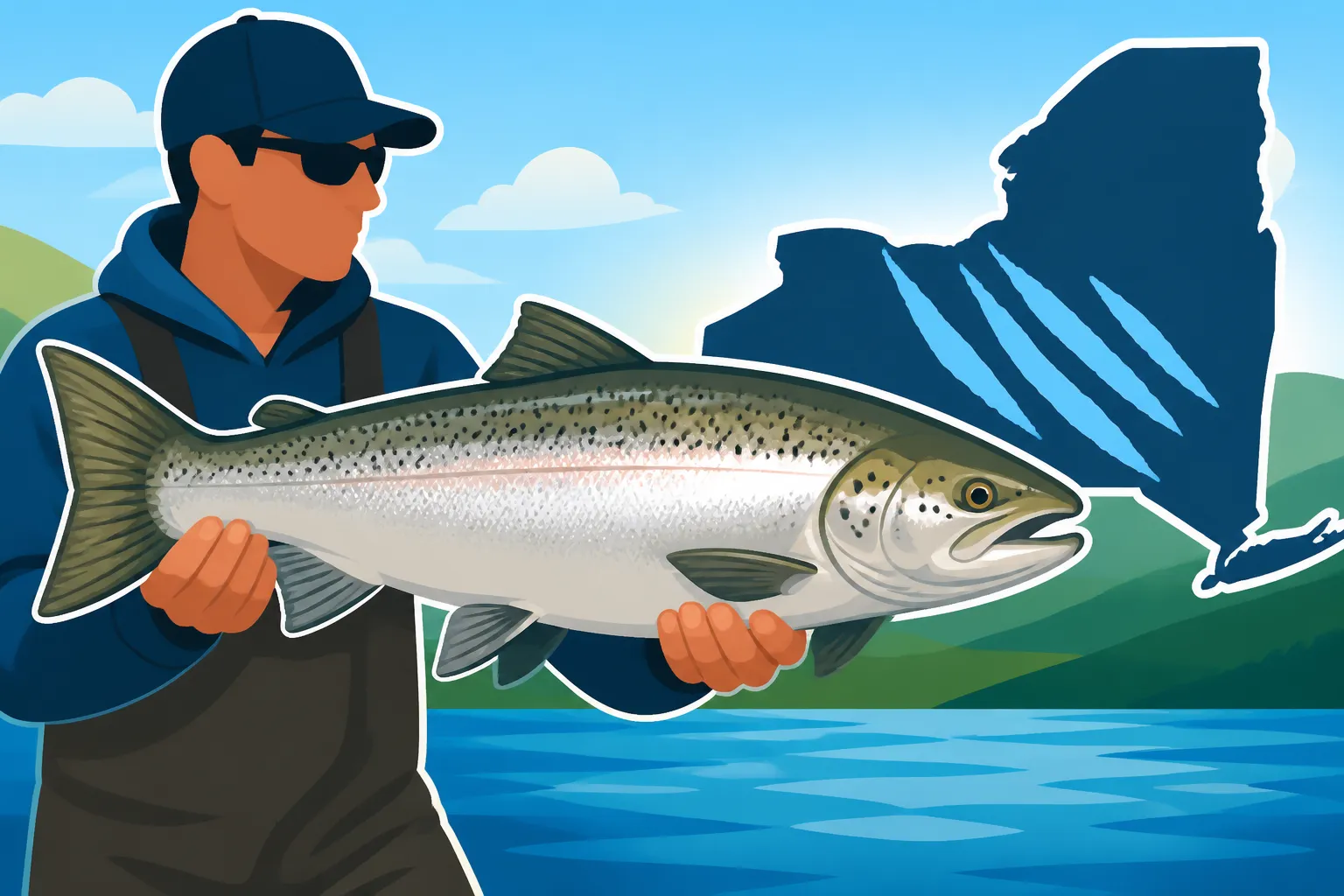
For most anglers casting lines in the Finger Lakes, a typical landlocked salmon will fall into the range of 18 to 25 inches in length. When it comes to weight, you're generally looking at fish weighing anywhere from 2 to 5 pounds. These are healthy, strong fish that put up an incredible fight, often leaping clear out of the water, making every catch a memorable experience regardless of its exact size. Don't underestimate a 2-pound landlocked salmon; they fight like they're twice their size!
Of course, these are averages, and individual fish can vary. A younger, recently stocked salmon might be on the smaller end, perhaps closer to 16-17 inches and a pound or two. Conversely, a salmon that has had a few good years to feed and grow could easily push past the 25-inch mark and weigh in at 6 or 7 pounds. The key is to understand that a majority of the fish you'll encounter will be within that 18-25 inch window, providing consistent action for those who know how to target them. It's a fantastic size for sport, offering both a challenge and a rewarding experience.
It's also worth noting that the condition of the fish can impact their weight relative to their length. A "football" shaped salmon, thick and robust, will naturally weigh more than a leaner fish of the same length. This often reflects the availability of food and the overall health of the lake's ecosystem that year. When you pull in a stout, silvery salmon from the depths, you know it's been living the good life. This consistency in average size is what makes the Finger Lakes such a reliable destination for landlocked salmon fishing; you're rarely going home disappointed with tiny fish.
Chasing Giants: When "Average" Just Won't Do
While the average catch is certainly respectable, there's always that dream of a true trophy landlocked salmon. For many Finger Lakes anglers, a "trophy" fish typically begins at 8 pounds and can extend upwards of 12-15 pounds or more. In terms of length, these giants often measure 28 inches and beyond, pushing towards the 30-inch mark or even exceeding it. These are truly impressive specimens that represent years of growth, successful hunting, and a bit of luck to avoid anglers and natural predators.
Catching one of these monsters is a rare and exhilarating event. They are not an everyday occurrence, and anglers who consistently land them usually possess a deep understanding of the lakes, the salmon's behavior, and employ specialized techniques. These fish are often older, wiser, and incredibly powerful, leading to epic battles that can test an angler's tackle and resolve. The sheer power of a 10-pound landlocked salmon ripping line off your reel is something you don't soon forget.
The hunt for a trophy salmon often involves targeting specific areas during certain times of the year, usually when they are most active or staging for spawning. Anglers might spend countless hours trolling vast expanses of water, often at specific depths, in hopes of encountering one of these elusive giants. When that rod finally bends over and the reel starts screaming, you know you've connected with something special. It's the kind of catch that becomes the centerpiece of your fishing stories for years to come, a testament to patience, skill, and a little bit of angling destiny.
Regional Differences: Size by Lake and Season
It's important to remember that "the Finger Lakes" isn't a single, uniform body of water. Each lake has its own unique characteristics, and these can subtly influence the average size of landlocked salmon found within. For instance, some lakes might have a more abundant or protein-rich forage base, leading to slightly larger average sizes. Other lakes might experience higher fishing pressure, which could mean fewer older, larger fish simply because more are being caught. Generally, Seneca and Cayuga lakes, being the largest and deepest, tend to hold a strong reputation for producing impressive salmon.
Beyond individual lake characteristics, the time of year plays a significant role in what size of fish you're likely to encounter, and even where they are in the water column. In the spring, after ice-out, salmon can be found closer to the surface and in shallower waters, feeding actively after the long winter. As the water warms in summer, they retreat to the cooler, deeper parts of the lake. During these periods, they might be harder to find, but when you do, they are often well-fed and robust.
The fall spawning runs are another prime time for larger fish. While landlocked salmon in the Finger Lakes don't typically have viable natural reproduction in the streams, they still follow their instincts to migrate. During these runs, often in the tributaries or near creek mouths, you can encounter some of the biggest, most colorful fish of the year. These fish are at their peak physical condition and can be incredibly aggressive. Understanding these seasonal movements and feeding patterns, which you can learn more about in New York Fishing Seasons Explained or Best Time of Year to Fish in New York, is crucial for any angler hoping to consistently hook into quality fish, whether it's the average size or a true lunker.
Mastering the Hunt for Larger Finger Lakes Landlocks
If your goal is to move beyond the average and start consistently targeting those larger landlocked salmon, it requires a shift in mindset and approach. It's not just about luck; it's about strategy, specialized gear, and a deep understanding of these magnificent fish.
Gear Up for Success: Tools and Tactics
When you're serious about catching bigger landlocked salmon, your gear selection becomes crucial. You're no longer just casually casting a spinner from shore; you're likely investing in more specialized equipment. Trolling is arguably the most effective method for targeting these deep-dwelling fish, especially in the vastness of the Finger Lakes. This means a good quality boat with a reliable motor, a fish finder (or sonar unit) to locate baitfish and thermoclines, and downriggers to get your lures to precise depths. Don't forget, these fish hit hard, so robust trolling rods and reels spooled with quality line are essential. Many anglers prefer braided line for its strength and sensitivity, often with a fluorocarbon leader for stealth.
Lure selection is another critical component. Landlocked salmon are attracted to a variety of presentations, but spoons, stickbaits, and even flies trolled behind flashers or dodgers are popular choices. The color and action of your lure can make a huge difference, often depending on water clarity, light conditions, and what the salmon are currently feeding on. It pays to have a diverse tackle box and be willing to experiment. Checking out online retailers like Amazon can be a great way to browse a wide array of specialized spoons, stickbaits, and other tackle specifically designed for salmon fishing, often at competitive prices. You might also want to explore the various techniques like those detailed in Trolling Techniques for New York's Lakes to truly hone your approach.
Beyond the boat and tackle, paying attention to details like leader strength, hook sharpness, and drag settings on your reel can make or break landing a big fish. A powerful run from a large salmon can quickly snap a weak line or pull a dull hook. Regularly checking and replacing your terminal tackle is just good practice. Furthermore, understanding your sonar is key. Learning to interpret those arches and schools of baitfish will dramatically increase your chances of putting your lure right in front of a hungry salmon. It's a blend of science, art, and experience that helps you tip the odds in your favor for those larger, more elusive fish.
Deciphering the Dinner Menu: Forage and Presentation
To catch bigger salmon, you need to think like a bigger salmon. And what do big salmon think about? Food, of course! Understanding their primary forage in the Finger Lakes – mainly alewives and rainbow smelt – is paramount. These baitfish drive the salmon's movements and feeding patterns. If you can locate the schools of baitfish, you're likely to find the salmon nearby. Your fish finder becomes your best friend in this regard, helping you identify these crucial congregations.
Once you know what they're eating, the next step is to "match the hatch," so to speak, with your lures. This doesn't necessarily mean using an exact replica, but rather choosing lures that mimic the size, shape, and even color patterns of their natural prey. For example, if you're seeing a lot of small, silvery alewives on your sonar, a slim, silver spoon or stickbait could be deadly effective. If smelt are present, a lure with a slightly different profile or a more iridescent flash might be the ticket. Varying your lure depth and speed until you find what triggers a bite is a common strategy.
Beyond mimicking the prey, consider the time of day and water conditions. In low light conditions, brighter or more erratic lures might stand out better, while on bright, sunny days, more subtle, natural presentations could be more effective. The goal is to present your lure in a way that makes it irresistible to a hungry salmon. This continuous process of observation, adaptation, and experimentation with your presentations is what separates the consistently successful anglers from those who just get lucky once in a while. The more you learn about the salmon's diet and habits, the better equipped you'll be to entice those larger specimens.
Responsible Angling for Future Generations
Catching a trophy landlocked salmon is an incredible feat, but it comes with a responsibility to the resource. Practicing responsible angling ensures that these magnificent fish populations remain healthy for future generations of anglers. One of the most important practices, especially when targeting larger fish that may be critical to the breeding stock, is catch-and-release. While landlocked salmon don't naturally reproduce well in the Finger Lakes, releasing healthy fish, especially the biggest ones, helps maintain genetic diversity and contributes to the overall robust health of the stocked population.
When practicing catch-and-release, handle the fish with extreme care. Minimize its time out of the water, use wet hands or gloves to protect its slime coat, and consider using barbless hooks to make removal easier and reduce injury. If possible, keep the fish in the water while unhooking and taking a quick photo. Always allow the fish ample time to recover before releasing it, supporting it gently in the water until it swims away under its own power. These simple steps can significantly increase a fish's survival rate.
Furthermore, it's absolutely crucial to stay informed about and adhere to all current New York Fishing Regulations Explained. This includes understanding length limits, daily creel limits, and any special regulations specific to the Finger Lake you are fishing. Regulations are designed by fishery biologists to manage populations sustainably and ensure a balanced ecosystem. Knowing these rules, such as those that might apply to a New York Fishing License Guide, is not just about avoiding penalties; it's about being a steward of the fishery. By being responsible, every angler contributes to the continued success and enjoyment of landlocked salmon fishing in New York's incredible Finger Lakes.
Real Stories and Realistic Expectations on the Water
Fishing, at its heart, is about the experience. While we all love the idea of catching a monster, it's important to keep expectations grounded and embrace every moment on the water. The Finger Lakes offer so much more than just the size of the fish you catch.
Tales from the Lake: Angler Reports and Community Insights
Walk into any tackle shop near the Finger Lakes, or spend some time on online fishing forums, and you'll quickly gather a wealth of "angler reports" and community insights. These stories are invaluable for painting a realistic picture of what's being caught. You'll hear proud tales of double-digit landlocks, but more often, you'll hear about productive days with several salmon in that 2-to-5-pound range. These reports often highlight trends: which lakes are hot, what lures are working, and what depths the fish are holding at. They're a pulse on the fishery, reflecting the day-to-day reality of chasing these elusive fish.
What you'll consistently find is that success isn't always measured in pounds and inches alone. Many reports emphasize the sheer beauty of the Finger Lakes environment, the peacefulness of being on the water, and the camaraderie among fellow anglers. Someone might share a story about a tough day with only one fish, but that one fish put up an incredible fight, making the whole trip worthwhile. It’s also common to hear about the learning curve involved in targeting landlocked salmon; these aren't always easy fish to fool, and every trip offers a chance to refine your techniques and learn something new.
These community narratives are also a great place to pick up tips and tricks from experienced locals. They might share insights on particular seasonal patterns or subtle nuances of a specific lake that can give you an edge. Many anglers are generous with their knowledge, understanding that a healthy, vibrant fishing community benefits everyone. Just remember to take specific claims about "secret spots" with a grain of salt, but general patterns and shared experiences are often highly reliable. Tapping into this collective wisdom can be almost as rewarding as the fishing itself, giving you a sense of belonging in the Finger Lakes angling community.
The Unforgettable Fight: Beyond the Tape Measure
Honestly, when a landlocked salmon hits your line, whether it's 3 pounds or 10, the first thought isn't usually about its precise dimensions. It's about the sheer, unadulterated power and speed. These fish are renowned for their incredible fighting ability. They make blistering runs, stripping line off your reel at an alarming rate, and often launch themselves into the air with spectacular leaps. It's this acrobatic display and relentless struggle that truly defines the experience of catching a Finger Lakes landlocked salmon.
You might be battling a 4-pound fish that feels like a 10-pounder because of its tenacity. The thrill of feeling that powerful tug, the scream of the drag, and the sight of a silver missile breaking the surface is what keeps anglers coming back, time and again. It's an adrenaline rush that few other freshwater fish can match. The satisfaction of successfully landing one after a spirited fight often overshadows any concerns about whether it broke a personal best or met a specific weight target.
Ultimately, the true value of a fishing trip isn't solely in the numbers on a scale. It's in the memories you create, the challenges you overcome, and the connection you feel to nature. The beauty of the Finger Lakes, the crisp air, the anticipation of a bite, and the exhilarating fight of a landlocked salmon all combine to create an unforgettable experience. Whether you're a seasoned veteran or just starting out, that moment of connection with a fighting fish is pure magic. You can read more about what makes these fish special in What a Landlocked Salmon Is.
Embracing the Experience: Enjoying the Finger Lakes Journey
Fishing for landlocked salmon in the Finger Lakes is a journey, not just a destination. It’s about the early morning mist rising off the water, the stunning vistas as the sun climbs higher, and the quiet contemplation that only being on the water can provide. While we all hope for that trophy fish, it's crucial to embrace the entire experience. Not every trip will result in a cooler full of fish, and certainly not every outing will yield a record-breaker. That's fishing, and that's perfectly okay.
The true joy often lies in the process: the planning, the preparation, the anticipation, and the moments shared with friends or family on the boat. It’s about learning the nuances of the lake, understanding the weather patterns, and continually refining your techniques. Even on slower days, there's always something to be gained – a new insight, a beautiful sunset, or simply the peace of being surrounded by nature. The Finger Lakes themselves are a spectacle, offering breathtaking scenery and a serene escape from the everyday hustle.
So, while understanding the average size of landlocked salmon is definitely helpful for setting your expectations, try not to let it be the sole measure of your success. Focus on the thrill of the hunt, the beauty of the surroundings, and the incredible fight these fish offer. Every landlocked salmon caught in the Finger Lakes is a testament to the health of these magnificent waters and the dedicated efforts to maintain their exceptional fisheries. Go out there, enjoy the journey, and create some unforgettable memories.
Landlocked Salmon Size Expectations in Key Finger Lakes
Here's a general guide to help set your expectations for landlocked salmon in some of the prominent Finger Lakes. Remember, these are averages, and individual results will vary based on many factors.
| Finger Lake | Typical Length (Inches) | Typical Weight (Pounds) | Trophy Potential (Length/Weight) | Primary Forage |
|---|---|---|---|---|
| Seneca Lake | 18 – 26 | 2 – 6 | 28"+ / 8-15 lbs+ | Alewives, Smelt |
| Cayuga Lake | 18 – 25 | 2 – 5 | 28"+ / 8-12 lbs+ | Alewives, Smelt |
| Skaneateles Lake | 17 – 24 | 2 – 4 | 26"+ / 6-10 lbs+ | Alewives, Rainbow Smelt |
| Owasco Lake | 17 – 23 | 1.5 – 4 | 25"+ / 5-8 lbs+ | Alewives, Rainbow Smelt |
Disclaimer
This article is for general informational purposes only and does not constitute professional advice. Laws, prices and regulations vary by location and change over time. Consult a qualified professional for guidance on your specific situation.