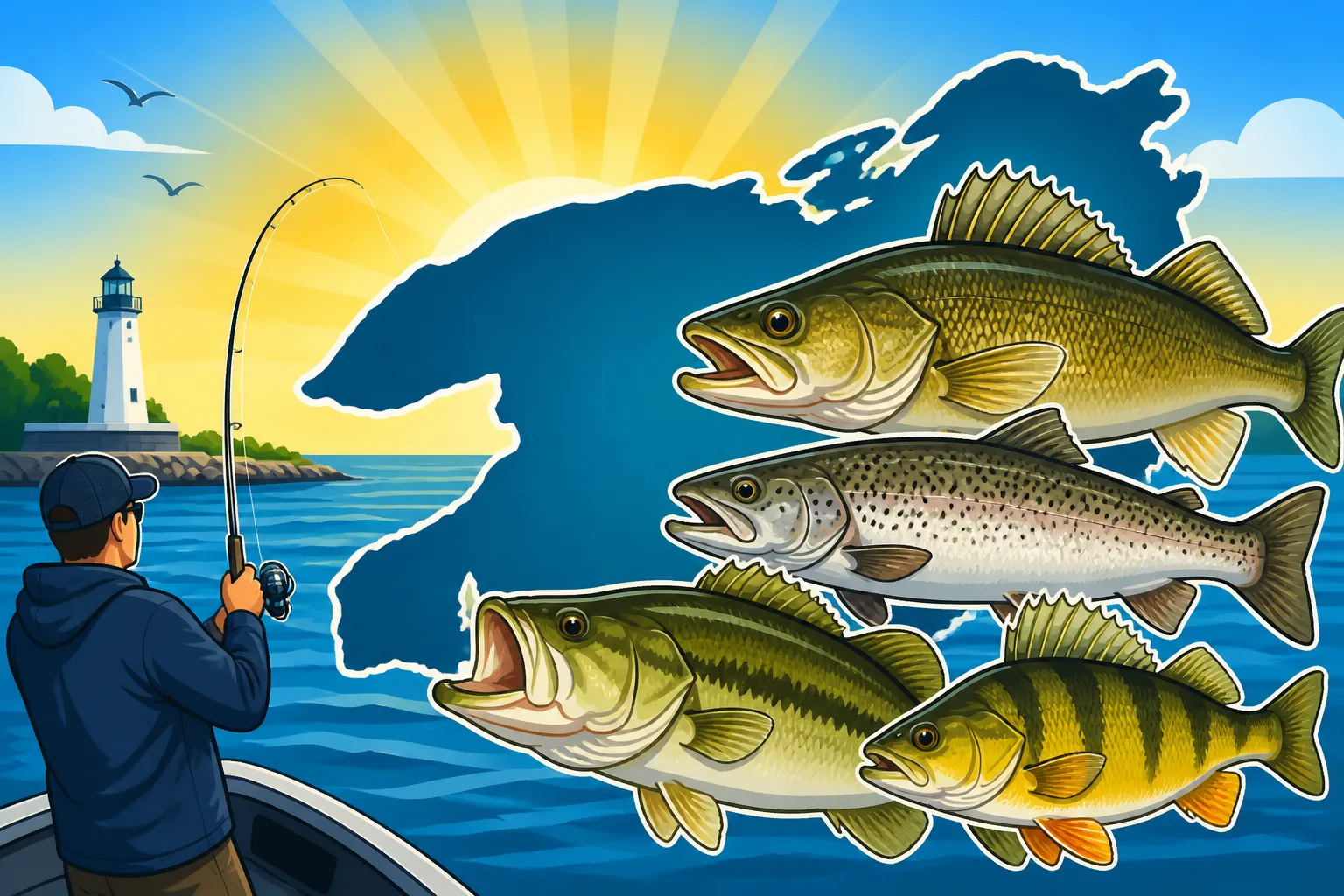
Best Eating Fish From Lake Ontario
There's nothing quite like the satisfaction of reeling in a beautiful fish from the expansive waters of Lake Ontario, but once you've landed it, a common question pops up: "Is this good to eat, and how should I prepare it?" It's a valid concern, especially with all the talk about different fish species and consumption guidelines over the years. This guide is here to cut through the confusion and highlight the best eating fish Lake Ontario has to offer, along with practical tips for getting them from the hook to your dinner plate, ensuring a delicious and safe meal.
The Appeal of Lake Ontario's Bounty: More Than Just the Fight
Lake Ontario is a true gem in New York State, offering incredible fishing opportunities for a diverse range of species. While the thrill of the fight is undeniable, many anglers are also keen to bring home a tasty meal. And let me tell you, this lake delivers! From powerful salmon to delicate perch, there's a culinary delight waiting for every palate. Understanding what makes each species special for eating can really enhance your entire fishing experience.
Chinook and Coho Salmon: The King and the Silver
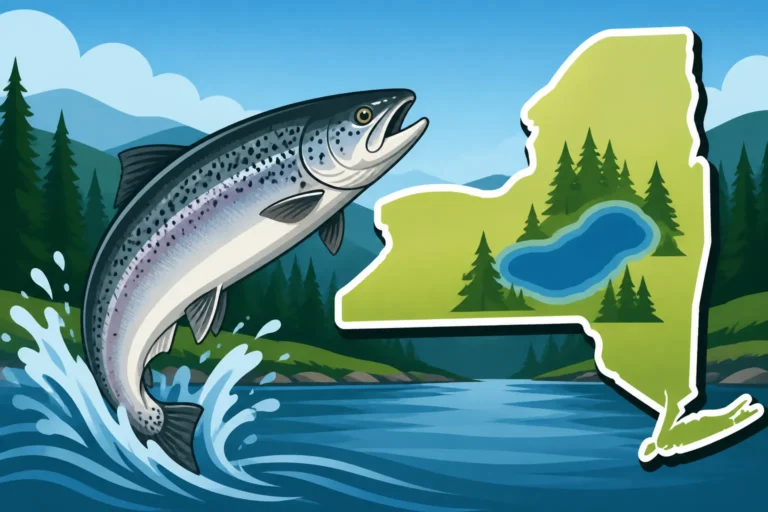
When most folks think about delicious eating fish from Lake Ontario, salmon are usually at the top of the list, and for good reason! Both Chinook and Coho salmon offer a fantastic culinary experience, though they have their subtle differences.
Chinook salmon, often called "Kings," are celebrated for their rich, buttery flavor and firm, flaky, orange-red flesh. They're often quite oily, which means they hold up beautifully to grilling, baking, or even smoking. The oil content also provides a wealth of Omega-3 fatty acids, making them a healthy choice. Many anglers feel that early season Chinooks, before they start their spawning run, tend to have the richest flavor and best texture. As they get closer to spawning, their flesh can become a bit softer and lighter in color, but they're still perfectly edible. If you're looking to target these magnificent fish, our guide on How to Fish for Salmon in New York offers some excellent tips.
Coho salmon, or "Silvers," are generally smaller than Chinooks but are highly prized for their milder flavor and more delicate texture. Their flesh is typically a vibrant orange-red, similar to Chinook, but with a slightly less oily profile. This makes them incredibly versatile for cooking. They pan-fry wonderfully, and their subtle taste means they pair well with a wide variety of herbs and sauces without being overwhelmed. Both salmon species from Lake Ontario are truly a treat, and understanding their individual characteristics can help you decide how best to prepare them for your table. For more on these impressive fish, check out Chinook Salmon in New York.
Steelhead and Brown Trout: Diverse Delicacies
Beyond the salmon, Lake Ontario also provides some phenomenal trout fishing, and these species are equally fantastic to eat. Steelhead and Brown Trout, while related, offer different dining experiences.
Steelhead, which are migratory rainbow trout, are known for their firm, pinkish-orange flesh and mild, clean taste. They are often less oily than Chinook salmon, making them a favorite for those who prefer a lighter fish. Their diet in the open waters of Lake Ontario, consisting mainly of baitfish, contributes to their excellent flavor profile. Steelhead are incredibly versatile; they can be grilled, baked, pan-fried, or even broiled. The freshness of a Lake Ontario steelhead caught on a crisp fall or spring morning is an experience unto itself, and you'll find plenty of excitement chasing them. Our guide on Steelhead Trout in New York delves deeper into these remarkable fish.
Brown Trout are another highly sought-after species, particularly for their delicious flavor. Their flesh can range from white to pinkish-orange, depending on their diet. Lake-dwelling brown trout, which feed on baitfish, tend to have richer, more flavorful flesh. They offer a slightly firmer texture than steelhead but are still wonderfully flaky when cooked. Many anglers consider a freshly caught brown trout from Lake Ontario to be one of the finest freshwater fish for eating. Whether you choose to bake it whole with herbs or fillet and pan-fry it, you're in for a culinary delight. Learning about New York's Most Popular Freshwater Fish will give you a broader appreciation for these species.
Beyond the "Big Three": Other Delicious Catches
While salmon, steelhead, and brown trout often steal the spotlight, Lake Ontario harbors other fantastic eating fish that deserve your attention. Sometimes, these lesser-known culinary gems can be even more rewarding, especially if you're looking for something different or easier to catch from shore.
Lake Trout: A Deepwater Treat
Lake Trout are the true natives of Lake Ontario's deep, cold waters, and they offer a unique eating experience. Their flesh is typically white, sometimes with a pinkish hue, and can be quite rich and oily, especially in larger, older fish. This oiliness can be a double-edged sword: it means great flavor and moisture, but also that proper preparation is key. Many folks prefer to catch and consume smaller, younger lake trout, as their flesh tends to be less oily and more delicate.
The flavor of lake trout is distinct – some describe it as hearty and savory. Because of their richness, they stand up well to strong seasonings and are excellent smoked, baked, or broiled. If you're not a fan of overly "fishy" tastes, trimming off the darker red fat lines along the fillet can make a big difference. When preparing a larger lake trout, consider smoking it to transform its richness into a wonderfully savory delicacy. Our article on Lake Trout in New York offers more insights into this fascinating species.
Yellow Perch and Walleye: Pan-Frying Favorites
For many anglers, especially those who enjoy a more relaxed day of fishing from shore or a smaller boat, yellow perch and walleye are the absolute gold standard for eating. These fish consistently deliver delicate, white, flaky fillets that are simply outstanding.
Yellow perch are a universal favorite. Their fillets are small, boneless, and have a incredibly mild, sweet flavor. They are the quintessential pan-frying fish, perfect for a quick and easy meal. A light breading and a few minutes in a hot pan are all it takes to turn these humble fish into a gourmet experience. They're often caught in good numbers, making them a fantastic choice for feeding a family or a group of friends. There's a reason why so many people rave about "perch fries" – the experience of catching a bucketful and then having a fresh fish feast is truly special. For more about these delightful fish, check out Yellow Perch in New York.
Walleye are another phenomenal eating fish, highly prized for their firm, white, almost translucent fillets that cook up incredibly flaky and moist. Their flavor is mild and sweet, with no strong "fishy" taste, making them appealing even to those who aren't usually big fish eaters. Walleye are incredibly versatile and can be baked, broiled, grilled, or, like perch, pan-fried to perfection. Many consider walleye to be one of the best-tasting freshwater fish available. Targeting walleye in Lake Ontario requires a bit of strategy, but the reward is a truly delicious meal. If you're thinking about chasing them, our guide on Walleye in New York can help you get started. Even though the article talks about Lake Erie, many techniques for walleye can cross over, so How to Fish for Walleye on New York's Lake Erie could still be helpful!
Navigating Consumption Advisories and Best Practices
When enjoying the delicious bounty of Lake Ontario, it's completely normal to have questions about safety, especially regarding consumption advisories. These guidelines are put in place to ensure your health and well-being, and understanding them is crucial for responsible angling. It's not about scaring you away from eating your catch, but rather empowering you to make informed choices.
Understanding the "Why": PCB and Mercury Concerns
You've probably heard talk about PCBs and mercury in fish, and these concerns are precisely why consumption advisories exist. Historically, industrial activities led to the release of certain chemicals, like PCBs (polychlorinated biphenyls), into our waterways, including the Great Lakes. These chemicals accumulate in the environment and, subsequently, in fish over their lifespan. Mercury is another naturally occurring element that can be released through human activities and also bioaccumulates in fish.
It's important to remember that these advisories are based on long-term consumption patterns, not usually on a single meal. They often recommend limits on how much and how often certain types or sizes of fish should be eaten, particularly for vulnerable populations like pregnant women, nursing mothers, and young children. Generally, larger, older, and fattier fish tend to accumulate higher levels of these compounds. This is why you'll often see recommendations to consume smaller, younger fish and to trim away fatty parts when preparing them. It's a pragmatic approach to enjoy the resource safely. For a more detailed breakdown of these important guidelines, our article on New York Fish Consumption Advisories Explained is a must-read.
General Guidelines for Safer Consumption
Navigating consumption advisories can feel a bit overwhelming at first, but adopting a few best practices can help you enjoy your Lake Ontario catch with greater peace of mind. The New York State Department of Environmental Conservation (DEC) provides regular updates to these advisories, and while I can't give you current numbers, the general principles remain consistent. Always remember to check the latest official information before you head out.
One key piece of advice often found in advisories is about trimming fat. PCBs, for example, tend to accumulate in the fatty tissues of fish. By carefully trimming away the skin and any visible fatty portions (like the belly flap or the dark lateral line) before cooking, you can significantly reduce your exposure. For cooking, methods like baking, broiling, or grilling that allow fat to drain away are generally preferred over frying, which can seal fats into the fish.
Here are some general tips to consider:
- Size Matters: Opt for smaller, younger fish of a given species, as they typically have lower contaminant levels.
- Trim the Fat: Before cooking, remove the skin and any dark meat or visible fat along the lateral line.
- Cooking Methods: Choose cooking methods that allow fat to drain off, such as grilling, broiling, or baking on a rack.
- Variety is Key: Don't eat the same type of fish from the same location every single time. Mixing it up helps reduce potential exposure to any one contaminant.
- Stay Informed: Always refer to the latest New York State Department of Health (DOH) fish consumption advisories.
For instance, if you're preparing a larger salmon or lake trout, a good, sharp filleting knife is indispensable for cleanly removing the skin and fat. You can find a wide selection of quality filleting knives on Amazon that will make this task much easier. After filleting, a thorough rinse and pat dry, followed by mindful trimming, will set you up for a safer and more enjoyable meal.
Maximizing Flavor: From Lake to Table
Catching a beautiful fish is only half the battle; getting it to your table in peak deliciousness requires proper handling and preparation. A fresh catch, handled poorly, can quickly lose its appeal, while even a modest fish, treated with care, can become an unforgettable meal.
Proper Handling and Storage Post-Catch
The moment a fish comes out of the water, the clock starts ticking on its freshness and flavor. Immediate and proper handling is paramount.
First and foremost, bleeding your fish immediately after landing it can drastically improve its flavor and appearance. A quick cut to the gills allows the blood to pump out, which reduces the "fishy" taste and results in cleaner, whiter fillets. Once bled, get that fish on ice as quickly as possible. A good cooler packed with plenty of ice is non-negotiable. The colder you keep the fish, the slower the spoilage process. Aim to keep the fish completely surrounded by ice, not just on top. Many anglers even carry a large bag of ice bought from a local convenience store or grocery, or even from Amazon if they want a specialty cooler or ice packs.
When you get home, it's time for filleting. If you're new to it, there are countless tutorials available, and a good fish preparation guide or even a cookbook, easily found on Amazon, can walk you through the process. The cleaner the fillet, the better the final product. Remove all skin, bones, and any dark red meat or fat. This not only enhances flavor but also ties back to the consumption advisories we discussed earlier.
For storage, if you're not eating it right away, vacuum sealing is your best friend. It removes air, which is the enemy of fresh fish, preventing freezer burn and extending its shelf life significantly. You can find excellent vacuum sealers on Amazon, and they are a worthwhile investment for any angler who plans to enjoy their catch over time. Otherwise, wrap fillets tightly in plastic wrap and then freezer paper or heavy-duty freezer bags, squeezing out as much air as possible before freezing.
| Fish Species | Taste Profile | Texture | Best Preparation Methods | Consumption Notes (General) |
|---|---|---|---|---|
| Chinook Salmon | Rich, buttery, full-flavored | Firm, flaky, oily | Grilling, Baking, Smoking, Broiling | Trim fat, check advisories for larger fish |
| Coho Salmon | Mild, delicate, clean | Medium-firm, flaky | Pan-frying, Baking, Grilling, Broiling | Generally good, trim visible fat |
| Steelhead Trout | Mild, clean, subtly sweet | Firm, flaky | Pan-frying, Grilling, Baking, Broiling | Excellent choice, moderate advisories |
| Brown Trout | Mild to rich, savory (diet dependent) | Firm, flaky | Baking, Pan-frying, Grilling (especially smaller) | Generally good, trim visible fat |
| Lake Trout | Hearty, rich, sometimes robust | Firm, oily | Smoking, Baking, Broiling | Smaller fish preferred, trim fat carefully |
| Yellow Perch | Very mild, sweet | Delicate, flaky | Pan-frying (classic!), Baking, Frying | Excellent choice, usually minimal advisories |
| Walleye | Mild, sweet, pristine | Firm, white, flaky | Pan-frying, Baking, Broiling, Grilling | Excellent choice, moderate advisories |
Simple & Delicious Preparation Methods
Now for the fun part – cooking your catch! One of the beautiful things about fresh Lake Ontario fish is that it often doesn't need much fuss. Simple preparations often allow the natural flavors to shine.
For the salmon and trout species, baking and grilling are fantastic. A simple seasoning of salt, pepper, a squeeze of fresh lemon, and a pat of butter or a drizzle of olive oil is often all you need. Place salmon fillets skin-side down on a cedar plank for grilling, or wrap them in foil with some fresh dill and bake until flaky. Broiling also works wonders, giving the top a nice crust.
Yellow perch and walleye are truly pan-frying superstars. Their delicate fillets shine with a light breading (cornmeal or panko breadcrumbs work wonderfully) and a quick sizzle in hot butter or oil. They cook up fast, so be careful not to overcook them! A side of rice pilaf or roasted vegetables, and you've got a meal that tastes like pure satisfaction.
Don't forget the power of fresh herbs! Dill, parsley, and chives all complement fish beautifully. And for those who love a little kick, a sprinkle of paprika or a dash of cayenne can elevate the flavors. Remember, the goal is to enhance, not overpower, the natural deliciousness of your Lake Ontario catch. Enjoy your meal!
Disclaimer
This article is for general informational purposes only and does not constitute professional advice. Laws, prices and regulations vary by location and change over time. Consult a qualified professional for guidance on your specific situation.