What to Wear on a New York Lake Ontario Charter
Stepping onto a charter boat on Lake Ontario for a day of fishing is an incredibly exciting prospect, but if you've never experienced the mighty Great Lakes, you might be wondering, "What on earth do I wear?" The biggest frustration for many anglers is being caught unprepared by the lake's famously unpredictable weather, which can quickly turn a dream trip into a chilly, uncomfortable ordeal. This guide is here to walk you through exactly what to wear, from head to toe, ensuring you stay warm, dry, and focused on landing that trophy fish, no matter what Mother Nature throws your way.
Understanding Lake Ontario's Unpredictable Nature
When you envision a day on the water, you might picture calm seas and sunshine. While those days certainly happen on Lake Ontario, relying solely on that image can lead to a very cold reality. This massive body of water has a mind of its own, creating microclimates and weather patterns that can change in a heartbeat. Being prepared for anything is not just a suggestion; it's a necessity for enjoying your charter experience to the fullest.
Seasonal Weather Shifts and Their Impact
Lake Ontario doesn't just have four seasons; it has four fishing seasons, and each one demands a different approach to your wardrobe. The difference between shore temperatures and offshore conditions can be dramatic, often feeling 10-20 degrees cooler on the open water, especially with the added wind chill.
In spring, when the salmon and trout action starts to heat up, the air temperature might feel mild on land, but out on the lake, it's often cold, damp, and windy. Think chilling winds, possible rain, and even lingering cold snaps. You might start your day bundled up, shedding layers as the sun climbs, only to need them again if a cloud bank rolls in or the boat speeds up to a new spot. Expect conditions to be dynamic, and never underestimate the cold power of the lake in April or May. This is often when you're targeting big spring salmon or pre-spawn brown trout.
Summer brings warmer temperatures, of course, but don't let that fool you into thinking it's always T-shirt weather offshore. Mornings can still be quite cool, especially when the boat is moving. The sun can be intense, leading to sunburn if you're not protected, but sudden squalls or afternoon thunderstorms are also common. You could be sweating one moment and shivering from a brief downpour or strong wind gust the next. Even on a perfectly sunny day, a brisk run across the waves can kick up a lot of spray, leaving you soaked if you're not wearing the right gear. Remember that water temperatures are still much cooler than the air.
By fall, especially from late September through November, the weather swings become even more pronounced. This is prime time for big king salmon and steelhead, but it's also when Lake Ontario can get truly nasty. Strong winds can whip up significant waves, making for a bumpy, wet ride. Rain is common, and air temperatures drop considerably. You'll need serious protection against cold, wind, and rain if you want to stand a chance of enjoying these often epic fishing days. Dressing warmly and staying dry is paramount, as hypothermia can become a real concern on extended trips. Many anglers target Chinook Salmon in New York or Steelhead Trout in New York during this time.
The "Lake Effect" and Microclimates
The sheer size of Lake Ontario means it acts as its own weather modifier, creating phenomena known as "lake effect" conditions and distinct microclimates. What you see happening on shore is often not what's happening a few miles out on the water.
For instance, a seemingly calm, sunny morning in Oswego or Olcott can transform once you clear the harbor. The cool lake water can create fog, especially in spring and early summer, or it can draw in colder air, making the wind feel much sharper. This is the "lake effect" in action – where the lake's temperature influences the air directly above it, leading to localized weather patterns that aren't always captured by a general regional forecast.
This is why checking a marine forecast is absolutely critical before any Lake Ontario charter. Marine forecasts provide details on wave height, wind speed and direction, and specific offshore conditions, which are far more relevant than a land-based forecast. A general weather app on your phone might say "partly cloudy, 65 degrees," but the marine forecast might warn of "15-20 knot winds with 3-5 foot waves," which changes your clothing strategy entirely. Always consult your captain or check a reliable marine weather source the day before and the morning of your trip. Don't rely on guesswork when it comes to How Weather Affects Fishing in New York.
The Essential Layering System for Comfort and Safety
The secret to staying comfortable on a Lake Ontario charter lies in mastering the art of layering. You're not just putting on clothes; you're building a personal climate control system. This approach allows you to adapt quickly to changing conditions, adding or removing garments to regulate your body temperature and stay dry, which is the ultimate key to warmth and comfort on the water.
The Base Layer: Wicking Away Moisture
Your base layer is the foundation of your entire outfit, and it's perhaps the most critical component for maintaining comfort. Its primary job is to wick moisture (sweat) away from your skin, keeping you dry. Why is this so important? Because wet skin loses heat much faster than dry skin. Even if it's cold, you'll be moving, reeling in fish, and potentially getting a workout, which means you'll sweat.
Never, ever wear cotton as a base layer on a fishing trip. Cotton absorbs moisture and holds onto it, staying wet and clammy against your skin. This will make you feel cold and miserable, even if you have warm layers over it. It's truly a common frustration to see someone show up in jeans and a cotton sweatshirt, only to be shivering by midday.
Instead, opt for materials like merino wool or synthetic fabrics (polyester, polypropylene). Merino wool is excellent because it's soft, naturally odor-resistant, and provides warmth even when damp. Synthetic fabrics are also fantastic at wicking, dry quickly, and are often more budget-friendly. Choose a lightweight or mid-weight base layer depending on the expected temperatures. For instance, if you're out in early spring targeting Lake Ontario salmon fishing charters in New York, a mid-weight wool base layer might be perfect. In a hypothetical scenario, imagine battling a feisty salmon for twenty minutes; you'll work up a sweat. If your base layer is cotton, that sweat stays put, and once the excitement fades and the cold wind hits, you'll feel an intense chill. A wicking base layer, however, moves that moisture away, allowing it to evaporate from outer layers, keeping you much drier and warmer.
The Mid-Layer: Insulating for Warmth
Once your base layer is sorted, the mid-layer comes into play, providing the crucial insulation you need to stay warm. This layer is all about trapping warm air close to your body. Think of it like a personal sleeping bag.
Again, natural fibers like fleece or down alternatives are excellent choices. A good quality fleece jacket or vest works wonders because it's lightweight, breathable, and provides significant warmth. You might even opt for multiple thinner mid-layers rather than one bulky one, giving you more flexibility to adjust your warmth. For example, on a chilly fall morning, you might wear a thin synthetic long-sleeve shirt (base), a medium-weight fleece vest (first mid-layer), and then a thicker fleece jacket (second mid-layer). As the day warms up, or if you're actively fighting a fish, you can easily shed the jacket or the vest.
The beauty of multiple mid-layers is the ability to fine-tune your comfort. If you're trolling, you might need more insulation because you're less active. If the captain has found a hot spot and you're constantly reeling in, you might find yourself warming up quickly and needing to peel off a layer to avoid overheating and sweating excessively. Imagine standing at the transom, bracing against a stiff wind during a productive afternoon bite – you'll appreciate those insulating layers keeping you cozy.
The Outer Layer: Protecting Against the Elements
Your outer layer, often called a shell, is your first and last line of defense against the wind, rain, and spray that Lake Ontario can dish out. This is where you absolutely do not want to skimp on quality. This layer needs to be both waterproof and windproof.
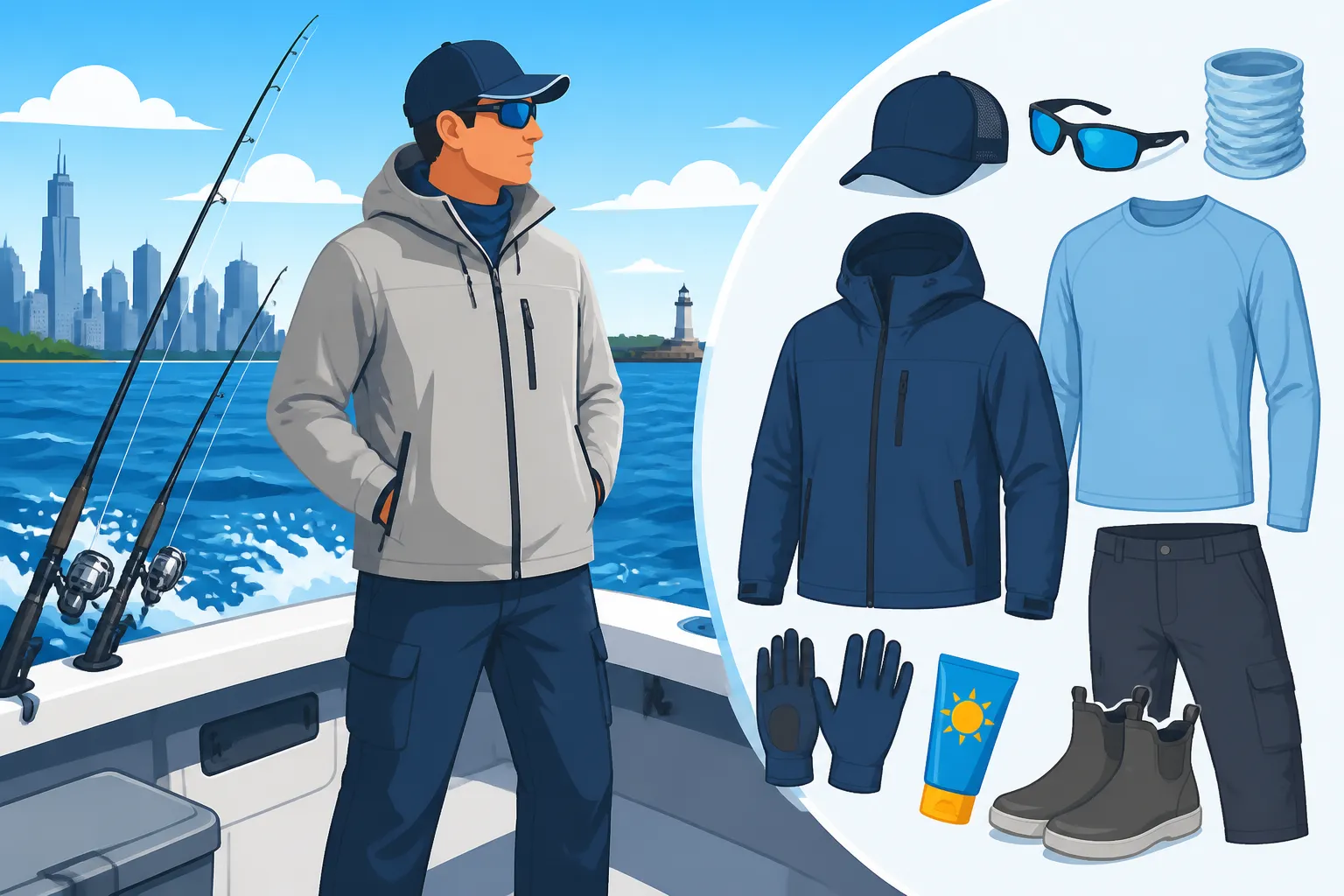
A good quality fishing jacket and bibs (or pants) made from durable, waterproof, and breathable materials are an investment that pays off exponentially. Look for features like sealed seams, adjustable cuffs, and a good hood that can be cinched down. Being truly waterproof means water won't penetrate, even in a heavy downpour or when waves are splashing over the bow. Being windproof prevents that chilling wind from cutting through your layers and stripping away your warmth.
Breathability is also key. While you want to keep external moisture out, you also want internal moisture (sweat vapor) to escape, preventing that clammy feeling inside your rain gear. GORE-TEX or similar proprietary waterproof/breathable membranes are excellent for this.
Consider a hypothetical situation: You're halfway through your trip, a squall rolls in unexpectedly, bringing heavy rain and increased chop. If your outer layer isn't up to snuff, you'll be soaked to the bone in minutes, making the rest of your trip miserable, if not dangerous. With a high-quality rain suit, you can stay completely dry underneath, allowing your base and mid-layers to continue doing their job. Don't leave home without proper rain gear; it's as essential as your fishing rods. Many outfitters and platforms like FishingBooker will emphasize this point when discussing What to Bring on a New York Fishing Charter.
Head-to-Toe Gear: Don't Forget the Details
While the layering system forms the core of your comfort, paying attention to the details – what goes on your feet, hands, and head – can make or break your experience. These often-overlooked items provide crucial protection against the elements and enhance your overall enjoyment.
Footwear: Grip, Warmth, and Water Resistance
Your feet are often the first to get cold and wet on a boat, and if your feet are miserable, the rest of you won't be far behind. Choosing the right footwear is paramount for both comfort and safety.
Firstly, your boots or shoes must have non-marking soles. This is a courtesy to the boat owner and prevents unsightly scuffs on the deck. Beyond that, prioritize waterproofness and warmth. Rubber boots or specialized neoprene fishing boots are excellent choices, especially for spring and fall when temperatures are cooler and the deck is likely to be wet from spray or rain. Even in summer, a good pair of waterproof deck shoes can protect your feet from splashes and keep them dry.
Underneath your waterproof footwear, wear warm, wicking socks, similar to your base layer. Merino wool or synthetic blend socks will keep your feet warm even if they get a little damp, and they'll prevent blisters. Avoid cotton socks at all costs, as they'll just become cold, soggy sponges. Imagine the boat hitting a large wave, sending spray over the bow, or stepping into a puddle of fish slime and water on the deck. Good waterproof boots with non-slip soles will keep you upright and dry. You need excellent traction on a potentially slippery deck, especially when the fish are jumping and the adrenaline is high.
Headwear and Hand Protection
These small items offer significant protection and can dramatically improve your comfort, often in ways you don't anticipate.
Headwear serves multiple purposes. In colder weather, a warm beanie or a fleece-lined hat is essential to prevent heat loss, as a significant amount of body heat escapes through your head. A hat with a brim (like a baseball cap or a wide-brimmed fishing hat) is crucial for sun protection, shielding your face and neck from harmful UV rays, and reducing glare off the water, helping you spot subtle bites or structure. If the wind is really howling, a neck gaiter or balaclava can provide extra protection for your face and neck against the biting cold.
Gloves are another often-forgotten item. In cold weather, fleece or insulated waterproof gloves keep your hands warm and functional. You'll be tying knots, handling fishing rods, and touching cold, wet surfaces. Dexterity is important, so some anglers prefer fingerless gloves or convertible mittens that allow their fingertips to be exposed when needed. In warmer weather, sun gloves (thin, breathable gloves that protect the back of your hands from UV radiation) are a smart choice to prevent sunburn, especially when you're gripping a rod all day. Plus, gloves offer a bit of protection when handling toothy fish or leader lines. Think of how quickly your hands can get numb and clumsy in a cold wind; a good pair of gloves makes all the difference for things like baiting a hook or adjusting your drag.
Eye Protection and Other Crucial Accessories
These seemingly minor details can greatly enhance your safety and enjoyment on the water.
Polarized sunglasses are non-negotiable for a Lake Ontario fishing trip. They do more than just protect your eyes from the sun's harmful UV rays; they cut through the glare on the water's surface, allowing you to see deeper into the water. This can be invaluable for spotting structure, following your line, or even seeing fish in shallower areas. More importantly, they provide crucial protection against stray hooks, flying weights, or even unexpected splashes that could irritate or injure your eyes. Imagine the sun reflecting blindingly off the vast expanse of Lake Ontario; polarized lenses make it possible to see clearly and reduce eye strain over a long day.
Don't forget sunscreen (even on cloudy days, UV rays penetrate) and lip balm with SPF. The combination of sun, wind, and water can be brutal on exposed skin. A small, waterproof dry bag is also a wise investment for your phone, wallet, keys, and any other electronics you bring aboard. Keep it stowed securely to prevent anything important from getting splashed or falling overboard. Lastly, if you have any personal medications, ensure they are in a waterproof container and easily accessible. A first-aid kit is generally provided by the charter, but having your personal essentials handy is always a good idea.
Practical Considerations and Packing Tips
Getting ready for your Lake Ontario charter involves more than just throwing clothes into a bag. A thoughtful approach to packing and understanding what to expect can significantly improve your experience. It's about being prepared, but also smart about what you carry.
Checking the Forecast, Then Packing Extra
We've touched on this before, but it bears repeating: always, always check the marine forecast for your specific area of Lake Ontario. A general city forecast won't give you the wind, wave, and offshore temperature information you need. Look for forecasts from reliable sources that specialize in marine conditions. This will give you the best idea of what to expect, but remember the lake's unpredictable nature.
Even with the best forecast, the rule of thumb is to pack more layers than you think you'll need. You can always take off a jacket or shed a mid-layer if you get too warm. It's much harder to conjure warmth out of thin air if you've under-dressed. A good strategy is to have a small, easily accessible bag (like a waterproof backpack or duffel) where you can stash extra layers. This way, if the temperature drops suddenly, or a squall blows through, you're not rummaging through a large suitcase. Many experienced anglers keep a dedicated "boat bag" with these essentials ready to go. Think of it this way: better to have an extra fleece in your bag and not need it, than to shiver for hours wishing you had brought one. This philosophy will save you from discomfort on those days when the weather just won't cooperate.
What Your Charter Might Provide (and What They Won't)
When booking your trip, it's always a good idea to clarify what your New York Fishing Charters and Guides will provide. Generally, charter boats are required to have life vests for all passengers, and they will typically provide all the necessary fishing gear, including rods, reels, tackle, and bait. This takes a lot of the guesswork out of what you need to bring for the actual fishing itself.
However, do not assume your charter will provide personal rain gear, extra warm clothing, or appropriate footwear. While some highly specialized charters might have a spare rain jacket or two, it's rare to find a boat fully stocked with clothing for all passengers in various sizes. This is your responsibility. Before your trip, especially if you've booked through a service like FishingBooker, make sure to read the charter description thoroughly or, even better, call your captain directly. This simple conversation can prevent misunderstandings and ensure you have everything you need. Ask about their policy on coolers for your catch, drinks, and snacks, as well as any specific recommendations for the day's forecast. It's worth checking out New York Fishing License Guide to ensure you have that covered, as captains don't provide personal fishing licenses.
| Item Category | Essential Item | Why It's Needed | Notes |
|---|---|---|---|
| Base Layer | Wicking long-sleeve shirt and bottoms | Keeps skin dry by moving sweat away | Avoid cotton; choose synthetic or merino wool |
| Mid-Layer | Fleece jacket or vest, synthetic insulated top | Provides insulation, traps warmth | Allows for warmth adjustment; pack multiple thinner layers |
| Outer Layer | Waterproof & windproof jacket and bibs/pants | Blocks wind, rain, and boat spray | High-quality breathable material (e.g., GORE-TEX) is best |
| Footwear | Waterproof boots with non-marking soles | Keeps feet dry, provides traction on wet decks | Rubber or neoprene boots are ideal; wear good socks |
| Socks | Wool or synthetic thermal socks | Keeps feet warm even if slightly damp, prevents blisters | Avoid cotton; bring an extra pair |
| Headwear | Warm beanie/fleece hat and/or brimmed cap | Prevents heat loss, sun protection, reduces glare | Brimmed hat for sun, warm hat for cold/wind |
| Hands | Waterproof/insulated gloves or sun gloves | Warmth, protection from elements/hooks, sun protection | Consider fingerless or convertible options for dexterity |
| Eyes | Polarized sunglasses | Reduces glare, improves visibility, protects eyes from hooks | Essential for comfort and safety |
| Skin Care | Sunscreen, SPF lip balm | Protects against sun and windburn | Apply liberally and reapply throughout the day |
| Storage | Small waterproof dry bag | Keeps phone, wallet, keys dry and secure | Useful for personal items, often not provided by charter |
Dressing for Different Fishing Styles on Lake Ontario
The type of fishing you'll be doing on Lake Ontario can also influence your clothing choices. While the core layering principles remain the same, you might adjust the amount of insulation or the emphasis on certain features based on your activity level.
If you're primarily trolling for salmon and trout, which is very common on Lake Ontario, your activity level will be relatively low. You'll spend a lot of time sitting or standing, waiting for the rods to go off. This means you'll need more insulation and warmth, as you won't be generating much body heat through strenuous movement. A heavier mid-layer and excellent windproof outer layers are crucial. Think about packing an extra vest or a thicker fleece. You'll be exposed to the elements for extended periods, so staying warm and dry is absolutely key. Check out Trolling Techniques for New York's Lakes for more on this common method.
On the other hand, if your charter plans involve more active styles like drifting, jigging, or even some casting (perhaps targeting lake trout or bass in specific areas), you'll be moving more. This increased activity generates more body heat, so you'll want layers that are easier to shed if you start to overheat, and possibly more breathable mid and outer layers to manage internal moisture. You still need waterproof and windproof protection, but you might opt for a slightly lighter mid-layer that allows for better freedom of movement. For example, a lighter fleece under your rain jacket would be ideal if you expect to be actively jigging for lake trout for hours. No matter the technique, having versatile layers means you can quickly adapt as the fishing action heats up or cools down.
Disclaimer
This article is for general informational purposes only and does not constitute professional advice. Laws, prices and regulations vary by location and change over time. Consult a qualified professional for guidance on your specific situation.