What Happens If a Charter Is Canceled for Weather?
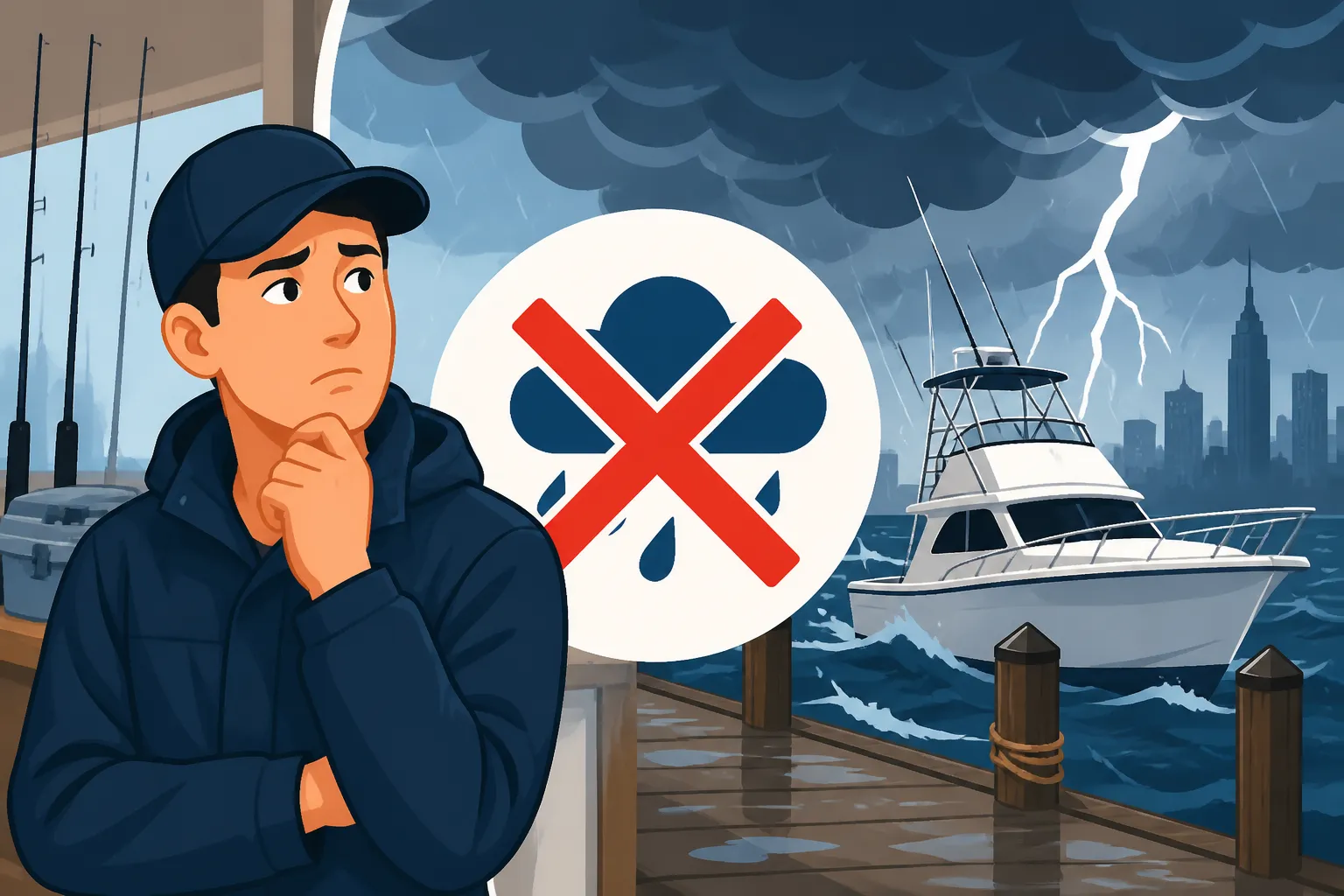
There's nothing quite like the excitement of planning a New York fishing charter, picturing that trophy salmon on Lake Ontario or a hard-fighting striped bass on the Hudson. But then, the dreaded phone call or text comes: "Your charter is canceled due to weather." It's a gut-wrenching feeling, isn't it? All that anticipation, suddenly dashed by Mother Nature's unpredictable mood. This guide is here to walk you through exactly what happens when a fishing charter gets called off because of the weather, what your rights and options are, and how to navigate those often frustrating situations so you can get back on the water with peace of mind.
Understanding Weather-Related Cancellations
When you book a fishing charter, you're not just reserving a boat; you're also putting your trust in a professional captain whose primary responsibility is your safety. New York's waters, from the vast expanses of the Great Lakes to the intricate network of rivers and the open ocean of Long Island Sound, can be incredibly diverse and equally unpredictable. What might seem like a calm day on land can quickly turn into dangerous conditions on the water.
Safety First: Captain's Discretion
Let's be real: no one wants their trip canceled, especially if you've driven hours or taken time off work. But it's crucial to understand that the captain’s decision to cancel a trip due to weather is almost always rooted in safety. They are experts on the water, intimately familiar with how their vessel handles different conditions, and they know the specific risks posed by various weather patterns. High winds can create white caps that make navigation difficult and dangerous, especially for smaller boats. Lightning storms are an obvious threat, and dense fog can reduce visibility to near zero, increasing the risk of collision.
Imagine being out on Lake Ontario when an unexpected squall rolls in. What seemed like a gentle chop can transform into six-foot waves in minutes, making it impossible to stand, let alone fish safely. Or picture navigating the busy waters of Long Island Sound in thick fog, unable to see other vessels. A responsible captain will always err on the side of caution. Their license, reputation, and most importantly, your well-being, depend on it. It’s never a decision made lightly, and it's almost certainly not because they don't want to fish.
It's important to remember that this "captain's discretion" is a standard clause in almost all charter agreements. It grants them the final say on whether conditions are safe enough to depart or continue fishing. Respecting this decision is paramount, even if the sky above your hotel looks perfectly blue. The conditions miles offshore or on a large, open lake can be vastly different.
Types of Weather That Lead to Cancellations
While everyone immediately thinks of a torrential downpour, many other weather factors are far more likely to trigger a cancellation. High winds are probably the number one culprit. Strong gusts, especially sustained winds over 15-20 knots, can whip up significant waves, making it incredibly uncomfortable and dangerous to be on the water. These aren't just for offshore trips; even large bays and rivers can become very rough.
Thunderstorms and lightning are another major concern. Being in an open boat, potentially with tall fishing rods acting as lightning rods, is an incredibly risky place to be during an electrical storm. Captains will often monitor radar closely and cancel or postpone trips if thunderstorms are in the forecast for their fishing grounds. Dense fog, particularly in maritime areas like the coast of Long Island or the lower Hudson River, can also lead to cancellations if visibility becomes too low for safe navigation. While heavy rain alone usually won't cancel a trip (anglers are often prepared for a little wet weather!), extreme downpours that significantly reduce visibility or combine with other hazardous conditions might. New York Fishing Seasons Explained can give you an idea of typical weather patterns.
Communication: When and How You'll Be Notified
Good communication is the hallmark of a professional charter operation. Typically, your captain will be monitoring weather forecasts for several days leading up to your scheduled trip. If it looks like there's a strong possibility of a weather-related cancellation, they'll usually reach out to you proactively. This notification might come anywhere from 24 to 48 hours in advance, giving you some time to adjust your plans. For more marginal weather, or rapidly changing conditions, the call might come closer to the departure time, sometimes even early that morning.
Most captains will reach out via phone call, text message, or email. If you've booked through a platform like FishingBooker, the captain might communicate directly with you, or the platform might help facilitate the message. It's always a good idea to ensure the charter has your current contact information, including a phone number you'll have with you on the day of the trip. If you haven't heard from your captain within 24 hours of your trip and the forecast looks iffy, don't hesitate to reach out to them directly. It shows you're engaged and allows them to provide you with the most up-to-date information.
Your Options When a Charter is Canceled
So, the bad news has come – your fishing trip is off due to weather. Now what? Understanding your options is key to turning a disappointment into a workable solution. Reputable New York fishing charters will have clear policies in place to handle these situations, usually offering a choice between rescheduling or a refund.
Rescheduling Your Trip
For many anglers, rescheduling is the preferred option. It means you still get your fishing adventure, just at a different time. When a captain cancels due to weather, they are almost always willing to work with you to find a new date. The challenge, however, can be coordinating schedules, especially if you're visiting from out of town or have limited availability. If you've booked through a platform like FishingBooker, they often have tools to help you communicate and find new dates that work for both you and the captain.
Being flexible is your best asset here. If your original trip was scheduled during a peak Best Time of Year to Fish in New York, new openings might be scarce, so having several alternative dates in mind can really help. Don't be afraid to suggest weekdays if your schedule allows, as these often have more availability than weekends. Sometimes, if the captain is fully booked for the immediate future, they might offer a future credit that you can use at your leisure, often valid for a full season or even longer. This is a great way to maintain that connection with a captain you trust, ensuring you get on the water with them eventually.
Refund Policies: Deposits and Full Payments
When a captain cancels a charter due to unsafe weather conditions, a full refund of any deposit or payment you've made is almost universally standard practice for legitimate operations. This is a critical point of protection for anglers. You should never be out of pocket because the weather prevented the charter from operating safely. Be wary of any charter that tries to keep your money or charge a cancellation fee when they are the one calling off the trip due to weather.
The process for receiving a refund should be straightforward. If you paid directly to the captain, they will typically process the refund back to your original payment method. If you booked through a third-party service, they will usually handle the refund according to their policies. Make sure to clarify how long the refund might take to process, as it can sometimes vary depending on banks and payment processors. Always keep records of your booking, payments, and any communication about the cancellation and refund. If you're looking into New York Fishing Charter Costs, remember that the initial payment should be fully refundable under these circumstances.
Voucher or Credit Options
While a direct refund is often preferred, some charters might offer you a voucher or credit for a future trip as an alternative. This can be a good option if you know you'll be able to return to New York to fish with that specific captain later in the season or the following year. It's a way to maintain your booking without the hassle of rebooking from scratch, and it helps the captain retain your business.
Before accepting a voucher or credit, make sure you understand the terms. Are there any expiration dates? Can it be transferred to another person if you're unable to use it? Can it be applied to any trip, or is it specific to the type of trip you originally booked (e.g., a Lake Ontario Fishing Charters in New York trip vs. a Long Island Fishing Charters trip)? Generally, these credits are quite flexible when issued due to a weather cancellation, but it never hurts to ask for clarification. If you're unsure about your future availability, or you simply need the money back, it's perfectly reasonable to request a full refund instead of a credit.
| Cancellation Reason | Typical Outcome for Angler | Who Initiates Cancellation |
|---|---|---|
| Unsafe Weather | Full Refund or Reschedule | Captain |
| Angler Illness | Policy Varies (often no refund, may reschedule with fee) | Angler |
| Angler No-Show | No Refund, full payment typically forfeited | Angler |
| Mechanical Issue | Full Refund or Reschedule | Captain |
| Double Booking | Full Refund or Reschedule | Captain |
Navigating the Process and What to Ask
Dealing with a canceled fishing trip can be a letdown, but a little preparation and clear communication can make the process much smoother. Knowing what to ask before you book and how to respond if a cancellation occurs will save you a lot of headache.
Key Questions to Ask Before Booking
Before you even hand over a deposit, it's incredibly smart to have a clear understanding of the charter's weather policy. Don't assume anything. When you're making inquiries about New York Fishing Charters and Guides, openly ask: "What is your weather cancellation policy?" Specifically, inquire about:
- Who makes the final call on weather? (It should always be the captain for safety reasons).
- What are my options if the captain cancels due to weather? (Full refund, reschedule, credit).
- How far in advance will I typically be notified of a weather cancellation?
- Is there any flexibility if the weather looks bad but the captain still plans to go? (Some captains might offer an option to reschedule if you are uncomfortable, but this is less common and often comes with conditions.)
Getting this information upfront can help you make an informed decision when choosing a charter. Reputable services, including those listed on platforms like FishingBooker, usually have these policies clearly stated. This transparency is a good indicator of a professional operation. How to Choose a New York Fishing Charter involves asking these crucial questions.
What to Do When a Cancellation Happens
When you get that dreaded call or message, your first reaction might be disappointment, but try to remain calm and polite. Remember, the captain is usually just as disappointed, if not more so, as it means lost income for them. Respond promptly and politely to acknowledge the cancellation.
Here's a step-by-step approach:
- Confirm the Reason: Ensure the cancellation is indeed due to weather.
- Express Flexibility: If rescheduling is your preference, have some alternative dates in mind to propose. This shows you're eager to still make the trip happen.
- Clarify Refund/Reschedule: Confirm whether you'll be rescheduling or receiving a refund. Ask for specifics on the refund process (how long, to which account) or the rescheduling process (how they'll coordinate new dates).
- Keep Records: Save any messages or emails about the cancellation. This paper trail is invaluable if any misunderstandings arise later.
- Be Understanding: Acknowledge that the captain's decision is for safety. A good relationship with a charter captain can lead to future great trips.
Disputes and What to Consider
Most weather-related cancellations are handled smoothly, but occasionally, disputes can arise. This typically happens if there’s a disagreement over whether the weather was truly unsafe, or if a charter refuses to offer a full refund for a captain-initiated cancellation.
If you find yourself in a dispute:
- Review the Cancellation Policies for New York Fishing Charters: Refer back to the terms you agreed upon when booking. Was the policy clearly stated?
- Communicate Clearly: Try to resolve the issue directly and calmly with the captain. Clearly state your understanding of the policy and your requested resolution.
- Involve the Booking Platform: If you booked through a service like FishingBooker, they often provide a mediation service. They can act as a neutral third party to help resolve disagreements, as they have a vested interest in maintaining customer satisfaction and the reputation of their listed charters.
- Understand Your Rights: While less common for simple weather cancellations, if a charter truly refuses a legitimate refund, consumer protection laws may apply. However, this is usually a last resort.
The best way to avoid disputes is to do your homework before booking and choose a charter with a strong reputation and transparent policies. Look for reviews that specifically mention how a charter handles cancellations.
Preventative Measures and Planning Ahead
While you can't control the weather, you can certainly take steps to minimize the impact of a weather-related charter cancellation on your New York fishing adventure. Smart planning can transform potential frustration into a minor inconvenience.
Checking Forecasts and Being Prepared
Being an informed angler means being aware of the weather. Don't just rely on a generic weather app; for fishing, particularly on large bodies of water like the Great Lakes or Long Island Sound, you need to consult marine forecasts. NOAA (National Oceanic and Atmospheric Administration) provides detailed marine weather forecasts that include wind speed and direction, wave heights, and special weather advisories crucial for boaters. Checking these a few days, and then again the day before, can give you a realistic expectation of conditions.
Remember, forecasts can change. What looks good on Monday for a Saturday trip might be completely different by Friday. Don't make assumptions, and be prepared for the possibility of a change of plans. If you're traveling a long distance, it’s always wise to have a backup plan for activities in case your fishing trip gets called off. Perhaps there's a local museum, a scenic drive, or even an indoor aquarium you can visit. Thinking ahead can soften the blow of a cancellation and ensure your trip isn't a total wash.
Flexible Travel Plans
If fishing is the primary purpose of your trip to New York and you're traveling from afar, consider building some flexibility into your itinerary. Booking a multi-day trip, or at least having a buffer day, allows for easier rescheduling. For example, if you've planned a Lake Erie Fishing Charters in New York trip for Tuesday but it gets canceled, having Wednesday or Thursday open means you might still get on the water without having to completely abandon your plans. This is especially true for highly sought-after species or during peak seasons.
Another strategy is to book several shorter trips over a few days rather than one marathon trip. This diversifies your risk. If one short trip gets canceled, you might still get out on another. While it might mean a slightly higher overall cost, it offers a better chance of successful fishing outings. Also, consider if booking during the shoulder seasons (late spring, early fall) might offer slightly less crowded charter availability, making rescheduling easier than during the peak summer rush.
Choosing Reputable Charters and Booking Platforms
One of the most effective ways to mitigate the stress of weather cancellations is to book with a reputable charter from the outset. Look for captains with strong positive reviews, especially those that specifically mention their communication and fairness when dealing with cancellations. A charter that has been in business for many years and has a solid reputation is less likely to surprise you with unfair policies.
Using established booking platforms can also provide an added layer of security. Services like FishingBooker often vet their captains and enforce standardized cancellation policies, making it easier for you to understand your options. They also provide a centralized communication hub and can assist in mediating any disputes that might arise, ensuring both anglers and captains are treated fairly. Remember that your New York Fishing License Guide is often required even on a charter boat, so make sure you're properly licensed regardless of the weather. Ultimately, informed choices lead to better experiences, even when Mother Nature decides to throw a wrench in your plans.
Disclaimer
This article is for general informational purposes only and does not constitute professional advice. Laws, prices and regulations vary by location and change over time. Consult a qualified professional for guidance on your specific situation.