Do Kids Under 16 Need a Fishing License in New York?
It’s a common question that pops up every spring when families start thinking about hitting the water: "Do I need to buy a fishing license for my child?" The confusion is understandable, especially with all the different rules and regulations out there for New York anglers. This guide is here to clear up exactly when and if the young aspiring anglers in your life need to carry a fishing license in the Empire State, ensuring your next family fishing trip is stress-free and legal.
The Simple Answer for Young Anglers in New York
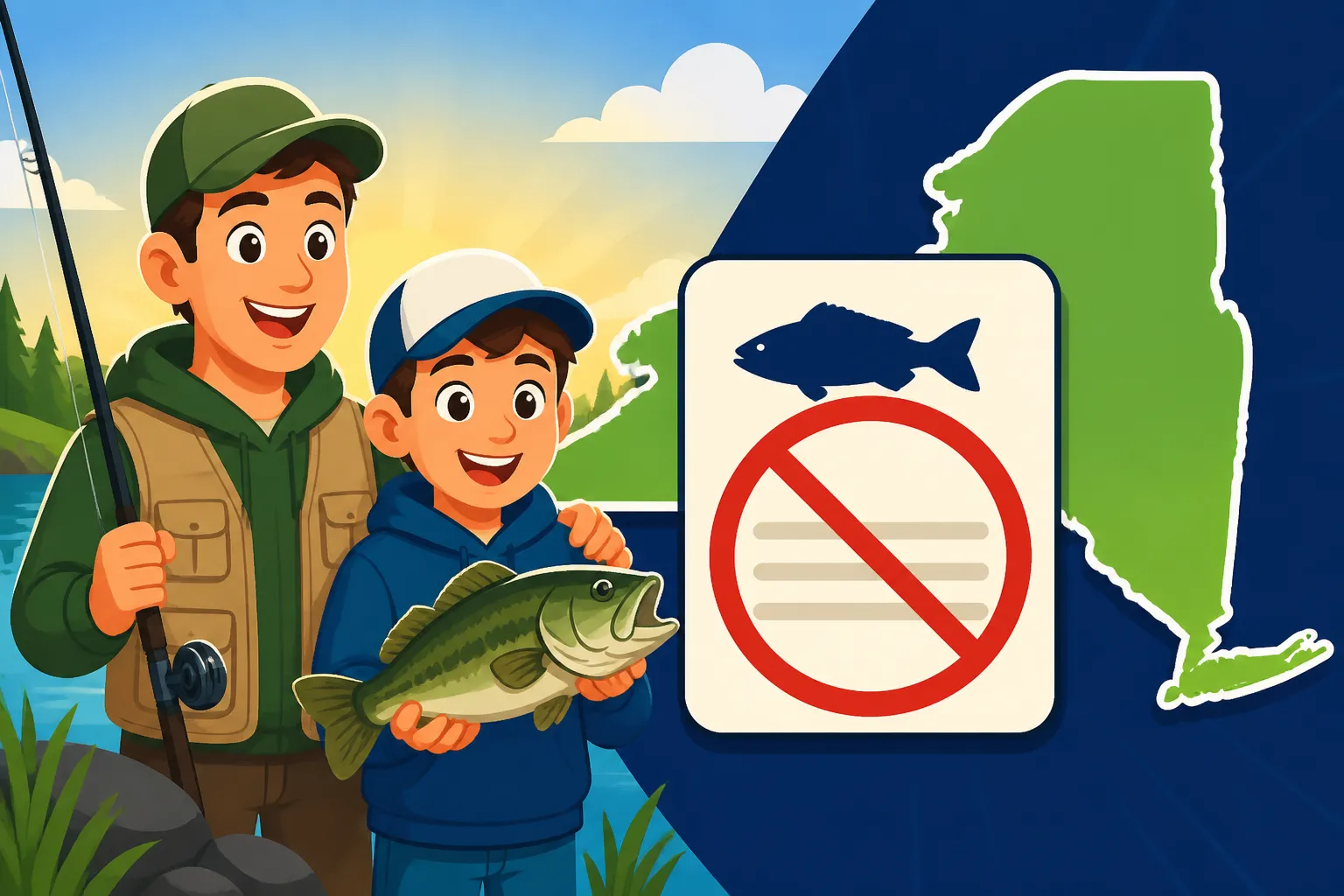
It’s fantastic news for families looking to get their kids into fishing: generally speaking, children under the age of 16 do NOT need a fishing license to fish in New York State. This is a wonderfully thoughtful regulation put in place by the New York State Department of Environmental Conservation (DEC) to encourage youth participation in outdoor activities and foster a love for angling from a young age. They want to remove as many barriers as possible for kids to experience the joy of fishing, and avoiding the need for a license is a big one. It's truly an effort to make fishing accessible and enjoyable for everyone in the family, regardless of how new they are to the sport.
New York's Age Cutoff for Fishing Licenses
Let's get into the specifics of that age cutoff, because "under 16" isn't always as clear as it sounds to everyone. In New York, if your child has not yet celebrated their 16th birthday, they are exempt from the freshwater fishing license requirement. This means a 15-year-old is good to go, but the day they turn 16, they'll need to secure their own license if they plan to continue fishing in freshwater. This consistent rule applies across the board for most recreational freshwater fishing in New York. The idea here is to nurture that early interest without burdening parents with extra paperwork or fees, making it easy to bring the whole family along. For a more detailed look at the specific age criteria, you might find our article on New York Fishing License Age Cutoff Explained particularly helpful.
This age rule is a critical piece of information for parents, grandparents, and guardians planning fishing outings with younger family members. Imagine the excitement of a child reeling in their first perch or bluegill without any worry about whether they’re following the rules correctly. This policy helps make those cherished memories possible. It's about letting kids be kids and fall in love with the sport naturally.
The Rationale Behind Youth Exemptions
The DEC's decision to exempt young anglers from license requirements isn't arbitrary; it's a strategic move to secure the future of fishing and conservation. When children are introduced to fishing at a young age, they develop an appreciation for aquatic ecosystems, responsible angling practices, and the importance of preserving natural resources. This early exposure can lead to a lifelong passion for the sport, ensuring that future generations will also support conservation efforts through license purchases and active participation. It's an investment in the next generation of stewards for New York's beautiful waters, ensuring the continued health of our lakes, rivers, and streams.
Beyond the altruistic goal of conservation, there's a practical side. Requiring licenses for very young children would likely deter families, adding an unnecessary hurdle to what should be a simple, joyful activity. By making it accessible for kids, New York hopes to create more anglers, which in turn means more people supporting fishing license revenues down the line when those kids turn 16 and purchase their own. It's a win-win for both families and the environment, encouraging participation and future stewardship without imposing unnecessary barriers on newcomers.
Navigating Freshwater vs. Saltwater for Young Anglers
While the "under 16" rule is generally true, New York fishing has two main categories: freshwater and saltwater. It's important to understand if there are any subtle differences for youth anglers in these distinct environments, as the state treats them a little differently for adults, and sometimes, for kids too. The distinction can sometimes trip people up, so let's clarify.
Freshwater Fishing: No License Needed for Kids
For freshwater fishing in New York, the rule is straightforward and consistent: if your child is under 16, they do not need a license. This applies whether you're casting lines in the serene Adirondack lakes, exploring the productive Finger Lakes, or trying your luck in one of New York's many rivers and streams. This means your youngster can freely target trout, bass, panfish, pike, or any other freshwater species without needing that annual permit. This simplifies things immensely for family outings to local ponds or rivers, truly making fishing an accessible activity for all children. You can learn more about the specific species you might encounter in our guide to Fish Species You Can Catch in New York.
The exemption covers all freshwater species, from the smallest bluegill in a farm pond to a potential trophy bass in Lake Ontario. This universal application helps eliminate confusion. You don't have to worry about differing age limits based on the species or the specific body of water, which is a relief for busy parents. Just remember that while your child doesn't need a license, you, as an adult, almost certainly will. For a deeper dive into the specific requirements for adult freshwater anglers, you can check out our guide on New York Freshwater Fishing Rules.
Saltwater Fishing: The Marine Fishing Registry for Everyone
Now, saltwater fishing in New York has a slightly different approach, even though the "under 16" license exemption still largely holds true. For saltwater fishing, New York requires anglers to register with the Recreational Marine Fishing Registry. The good news is that this registry is absolutely free! However, unlike the freshwater license, everyone, regardless of age, who fishes in the marine district or its adjacent waters (like the Hudson River south of the Tappan Zee Bridge) needs to be registered.
This means that even if your child is 5, 10, or 15 years old, they technically need to be registered with the Marine Fishing Registry if they are fishing in saltwater areas such as Long Island Sound, Great South Bay, or coastal ocean waters. It’s a simple, quick process to sign up online through the DEC website, and as mentioned, it costs nothing. This registry helps the DEC gather crucial data on fishing effort, which is vital for managing marine fisheries sustainably. It's not a license in the traditional sense, but rather a way to track participants and ensure compliance for all anglers. You can find more details on how to register and what areas it covers in our New York Saltwater Fishing Registration Guide. Don't let this minor distinction deter you; getting your child registered takes mere minutes and ensures compliance while enjoying New York's incredible coastal fisheries.
Here’s a quick overview to help clarify the requirements for young anglers in New York:
| Age of Angler | Freshwater Fishing License Required? | Marine Fishing Registry Required? |
|---|---|---|
| Under 16 | No | Yes (Free Registration) |
| 16 and Older | Yes | Yes (Free Registration) |
Beyond the License: Essential Considerations for Young Anglers
While the license situation is fairly relaxed for kids, there are still plenty of other important regulations and practices to keep in mind to ensure a safe, fun, and legal fishing trip. A license isn't the only rule of the water! Knowing these additional rules and best practices will make your outing much more enjoyable and responsible.
Catch and Release Practices and Limits
Even without a license, young anglers are still subject to all the same fishing regulations as adults regarding catch limits, minimum/maximum size limits, and open seasons for specific fish species. It's crucial that an accompanying adult is familiar with the New York Fishing Season Dates and Catch Limits for the waters they are fishing. For example, if your 10-year-old catches a largemouth bass that's under the legal size, it must be released, just as an adult would release it. Teaching kids about these rules early on instills responsible angling ethics, which is a vital part of being a good steward of our natural resources.
Proper catch-and-release techniques are especially important when fishing with children. Showing them how to handle a fish gently, remove the hook quickly, and release it back into the water unharmed is a powerful lesson in conservation. You can find detailed advice on Catch-and-Release Handling Rules to ensure your young angler learns the best practices. This is where patience and proper teaching from an adult really make a difference. It’s not just about catching fish; it’s about respecting them and their environment, ensuring that these resources are available for future generations to enjoy.
Understanding Special Regulations
New York State has many waters designated as "special regulations" areas. These might include specific streams with artificial lures only, catch-and-release only sections, or unique season dates. These special rules apply to everyone fishing those waters, regardless of age or license status. Before heading out, it's always wise to check the current New York DEC Fishing Regulations Guide for the specific body of water you plan to visit. While your child might not need a license, they absolutely need to abide by the local rules.
This is particularly true for popular trout streams in the Catskills or specific sections of major rivers like the Salmon River. The rules might dictate tackle, bait, or even the time of year certain sections are open. A quick glance at the guide can prevent an accidental violation and ensure a smooth day on the water. It’s a good habit to get into for all anglers, no matter their age, to make sure you're always fishing within the legal parameters and contributing to responsible fisheries management.
Safety First on the Water
While not a regulation in the same vein as licenses or catch limits, safety is paramount when fishing with children. Always ensure kids are wearing properly fitted life jackets, especially near or on the water. Teach them about casting safely, handling hooks, and being aware of their surroundings. This might seem obvious, but sometimes the excitement of fishing can overshadow basic safety protocols. Investing in a good quality life jacket for each child is non-negotiable, and it's always a good idea to supervise them closely, especially around slippery banks or moving water.
Beyond personal safety, teach children to respect the environment. This includes packing out all trash, being mindful of wildlife, and not disturbing sensitive habitats. Instilling these values early on will not only make them better anglers but also better environmental stewards for life. A durable fishing vest with plenty of pockets for snacks, sunscreen, and a small first-aid kit can be a great investment, easily found on platforms like Amazon, making it easier to carry essentials and keep hands free.
When Young Anglers Turn 16: Preparing for a Licensed Future
That magical age of 16 rolls around quickly, and suddenly, your once license-exempt angler will need to step up and get their own New York fishing license. This transition is a great opportunity to teach them about civic responsibility and contributing to conservation, moving them from a participant to a contributor to the sport they've grown to love.
The Transition to Needing a License
The day a young angler turns 16, they are officially considered an adult in the eyes of the New York DEC for freshwater fishing license purposes. This means that if they want to continue casting lines in freshwater, they will need to purchase a valid New York fishing license. It's a rite of passage for many young outdoor enthusiasts, signaling their full entry into the angling community. This is a perfect moment to discuss the importance of these licenses: how the funds generated from sales directly support fish stocking programs, habitat restoration, fisheries research, and public access to fishing spots throughout the state. It's a tangible way for them to understand their role in protecting the sport they love.
The good news is that getting a license is straightforward. They can purchase one online through the DEC website, over the phone, or in person at various license vendors, including many sporting goods stores like Dick's Sporting Goods or even some Walmart locations. For a comprehensive overview of the process and available options, our guide on How to Get a Fishing License in New York will walk them through everything they need to know, making the transition seamless.
Exploring License Options and Costs
Once they hit 16, young adults will have several fishing license options to consider. The most common is the annual freshwater fishing license, which provides year-round access to New York's incredible freshwater fisheries. There are also shorter-term options like a 1-day or 7-day license, which might be suitable for someone who only plans a few outings a year. These shorter-term licenses can be a good way to test the waters, so to speak, if they're not sure how much they'll be fishing in a given year. They offer flexibility for those whose fishing habits might still be evolving.
The costs vary depending on residency and the duration of the license. New York residents generally pay less than non-residents, which is standard practice across most states. For a detailed breakdown of all the pricing and different types of licenses available, including annual, 1-day, and combination hunting and fishing licenses, you can refer to our article on New York Fishing License Costs and Options. This information will help them choose the best option that fits their fishing habits and budget. It’s also a chance to compare, for instance, a New York Resident Annual Fishing License Cost 2026 with a shorter-term option, emphasizing smart decision-making.
Encouraging Continued Participation
Making the transition to a licensed angler positive is key to fostering a lifelong passion. Consider celebrating their 16th birthday with their first fishing license, perhaps paired with some new gear. A new tackle box or a fresh set of lures, maybe a cool new hat or even a fishing book found on Amazon, can make the licensing process feel less like a chore and more like an exciting step forward in their fishing journey. Remind them that every license purchased contributes directly to improving fishing opportunities for everyone, from stocking programs to access improvements.
Even as they become licensed, continue to share fishing experiences with them. Join them on trips, explore new fishing spots, and keep learning together. The joy of fishing isn't just in the catch, but in the shared moments and the appreciation for the outdoors. New York offers so many incredible places to fish; perhaps explore Best Fishing Spots in New York for new ideas or even consider taking them on a trip to learn How to Fish With Kids in New York for some new techniques. The goal is to keep that spark of interest alive and growing, turning them into passionate, responsible anglers for years to come.
Frequently Asked Questions About Youth Fishing Licenses
It’s completely normal to have lingering questions about fishing regulations, especially when kids are involved. Let’s tackle some of the most common queries we hear from parents and guardians, aiming to provide even more clarity. Knowing these answers can help avoid any last-minute confusion on your next fishing adventure.
What About Free Fishing Days?
New York State occasionally offers "Free Fishing Days" throughout the year, typically timed around holidays or special events. On these designated days, anyone, regardless of age, can fish New York's freshwater without needing a fishing license. These days are a fantastic opportunity for families, especially those with kids who are just getting into fishing or who are right on the cusp of needing a license, to enjoy the sport without any financial commitment or regulatory hurdle for adults. It's a perfect stress-free introduction to the joys of angling for the whole family.
However, even on Free Fishing Days, all other fishing regulations — like catch limits, size limits, and open/closed seasons — still apply. And remember, the Marine Fishing Registry is still required for saltwater fishing, even on free fishing days, though it's free to sign up. Keep an eye on the official DEC website or our New York Free Fishing Days Calendar to know when these special opportunities arise. They're perfect for a spontaneous family outing and a great way to experience fishing in New York.
Does the Rule Apply to Out-of-State Kids?
Yes, the "under 16, no license needed" rule applies universally to all children fishing in New York, whether they are residents or non-residents. So, if you're visiting New York with your family from, say, Pennsylvania or New Jersey, your kids under 16 can fish freshwater without a New York fishing license, just like a local child. This is a great perk for visiting families and simplifies trip planning significantly, allowing more families to enjoy New York's diverse fisheries. For information on adult out-of-state visitors, see Fishing License Requirements for Out-of-State Visitors to New York.
However, just like New York resident kids, if your out-of-state child is fishing in New York's marine waters, they will still need to be registered with the free Recreational Marine Fishing Registry. The age exemption for freshwater licenses is designed to encourage all youth to participate, not just those from within the state borders. You don't need to worry about different rules for different states when it comes to the kids' freshwater licenses; it's a consistent benefit for all young anglers.
What If My Child is Almost 16?
If your child is, for example, 15 years and 11 months old, they do not need a fishing license. They are exempt until their 16th birthday. The rule is strictly "under 16." The moment they turn 16, they are then required to have a license. There isn't a grace period or a "close enough" clause; it's a hard cutoff date based on their actual birthday. This is why understanding the exact phrasing "under 16" is so important. For more clarity on this, our guide titled How Old Do You Have to Be to Need a Fishing License? provides additional context.
It's a good idea to start the conversation about obtaining a license a few months before their 16th birthday. This gives them time to understand the process, choose the right license, and feel empowered by this new responsibility. You can even make it a fun learning experience, walking them through the DEC website or taking them to a local sporting goods store to pick out their first official license. It truly marks a new stage in their fishing journey, transitioning them into fully licensed and responsible anglers.
Disclaimer
Please note that fishing regulations can change. While we strive to provide the most up-to-date and accurate information, it is always your responsibility to consult the official New York State Department of Environmental Conservation (DEC) regulations guide before heading out on the water. This article is for informational purposes only and should not be considered legal advice.