Fishing New York’s St. Lawrence River and Thousand Islands
The majestic St. Lawrence River, particularly the captivating stretch known as the Thousand Islands, presents a unique challenge and an unparalleled reward for anglers. It's easy to feel overwhelmed by its sheer size, the intricate maze of islands, and the diverse array of fish species calling these waters home. You might wonder where to even begin, what gear to pack, or how to navigate the specific rules that apply to this international waterway. This comprehensive guide will equip you with all the essential knowledge to unlock the incredible fishing potential of New York's St. Lawrence River and Thousand Islands, ensuring your next trip is both successful and unforgettable.
The Unique Appeal of the St. Lawrence River and Thousand Islands
Imagine a place where the fresh waters of the Great Lakes meet the vastness of a legendary river, dotted with more than 1,800 islands, each with its own story. That's the St. Lawrence River and the Thousand Islands region – a truly special part of New York State that beckons anglers from around the globe. It’s not just about the fishing; it’s about the entire immersive experience in a breathtaking natural wonderland.
A Landscape Defined by Water and History
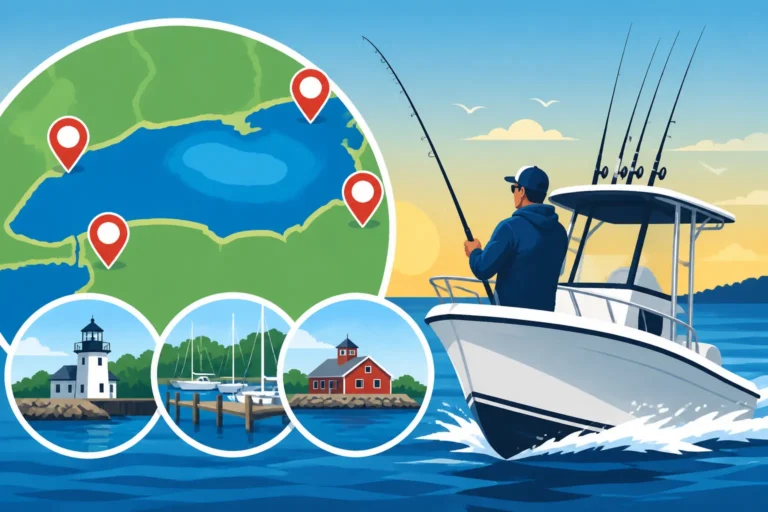
The St. Lawrence River, forming a significant portion of the border between New York and Ontario, Canada, is an incredible waterway that connects Lake Ontario to the Atlantic Ocean. The Thousand Islands region, stretching roughly 50 miles from Kingston, Ontario, to Brockville, Ontario, and extending into New York State around towns like Clayton and Alexandria Bay, is its undisputed crown jewel. Here, the river widens considerably, becoming a labyrinth of granite outcroppings, lush green islands ranging from tiny patches of rock to large landmasses, and an intricate network of channels, bays, and shoals.
This isn't just a pretty backdrop; this unique geography creates an incredibly rich and diverse aquatic ecosystem. The constant flow of the river, combined with the varying depths, rocky structures, and numerous sheltered bays, provides an ideal environment for a multitude of fish species. Historically, this area has been a vital trade route and a summer playground for the wealthy, leaving behind a legacy of grand estates and iconic landmarks like Boldt Castle on Heart Island, adding a touch of romance and intrigue to your fishing adventures. Every turn in the river offers a new vista, a new current seam, or a new piece of structure to explore.
A World-Class Fishery for Diverse Species
What truly sets the St. Lawrence River and Thousand Islands apart for anglers is the incredible variety and quality of its sportfish. This region isn't just known for one or two species; it's renowned as a multi-species mecca. Whether you're a dedicated trophy hunter or a family looking for a fun day on the water, there's something here for everyone.
The river is particularly famous for its smallmouth bass, often considered some of the hardest-fighting freshwater fish. Anglers flock here to tangle with these "bronze bombers" that thrive among the rocky islands and current-swept shoals. But the true giants of the river are the muskellunge, or "muskie" – elusive, powerful predators that can grow to truly epic proportions. The St. Lawrence River has a well-deserved reputation as one of the best muskie fisheries in the world, drawing dedicated muskie hunters hoping for that fish of a lifetime. Beyond these headliners, the river also boasts robust populations of walleye, northern pike, and a plethora of panfish like yellow perch and crappie, offering consistent action and delicious table fare. The clean, well-oxygenated water, combined with an abundant forage base of baitfish, crayfish, and insects, fuels this thriving fishery, making it a bucket-list destination for serious anglers.
Understanding the Target Species and Their Seasons
To truly conquer the St. Lawrence River and Thousand Islands, you need to understand the behavior of its most prominent inhabitants. Each species has its preferred habitats, seasonal movements, and go-to feeding patterns. Knowing these nuances will dramatically increase your chances of success, transforming a hopeful cast into a thrilling battle.
Smallmouth Bass: The River's Bronze Fighters
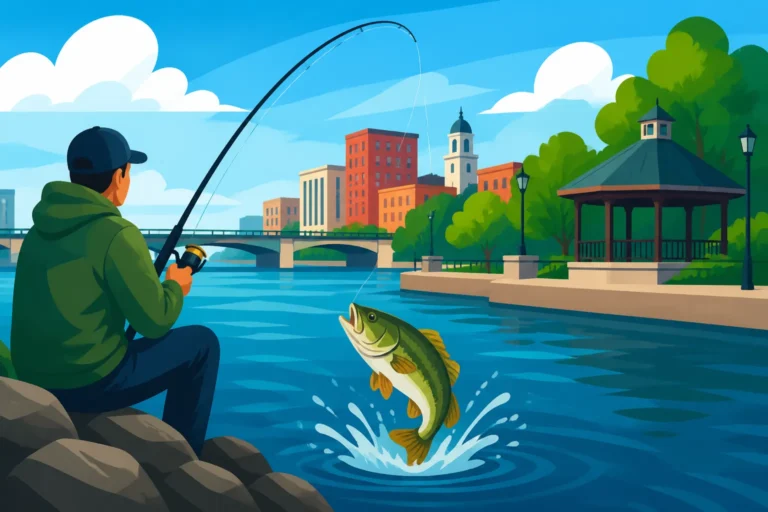
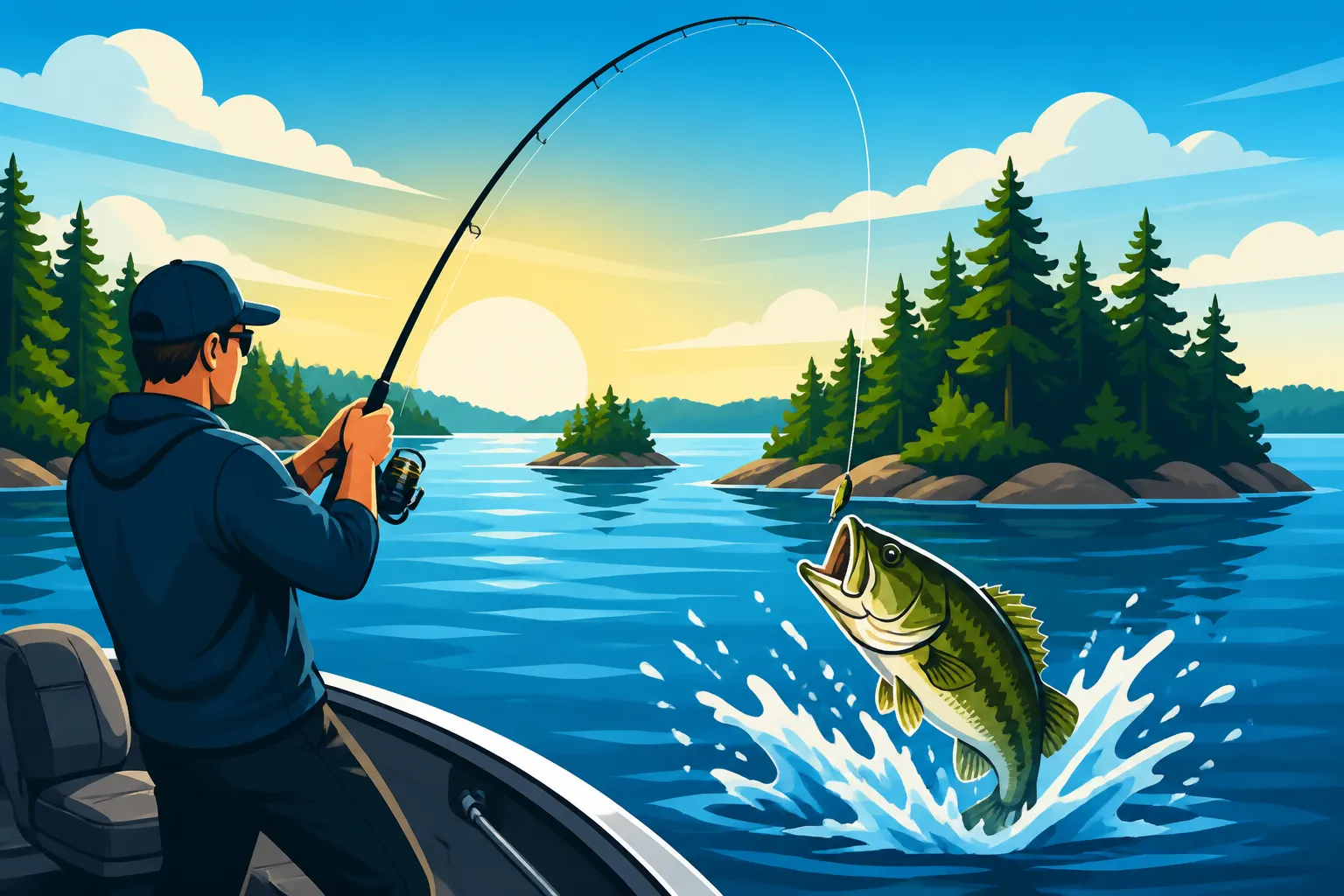
Smallmouth bass are, without a doubt, one of the most exciting fish to pursue in the St. Lawrence River. Known for their acrobatic jumps and relentless tugs, they are a favorite among both seasoned pros and casual anglers. The river's abundant rocky structure and strong currents make it an ideal smallmouth habitat, leading to impressive populations and large average sizes.
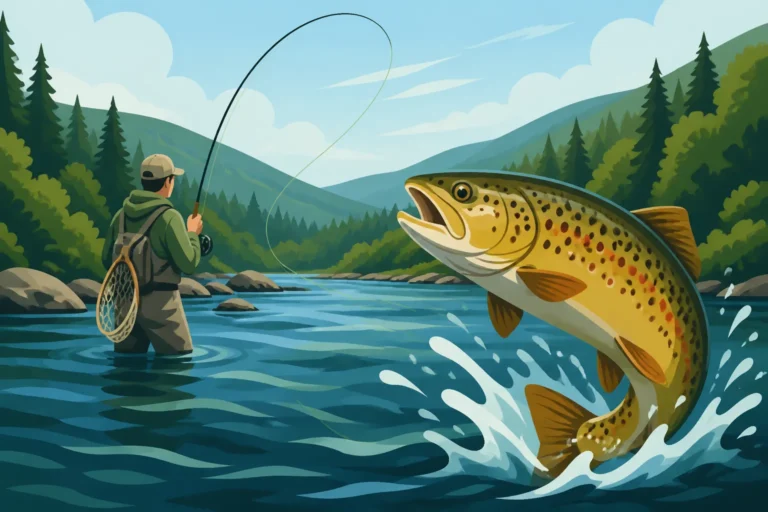
The smallmouth bass season generally opens in New York in mid-June, after their spawning period, and extends through November. However, the prime time for targeting these aggressive fish really kicks off in late spring as water temperatures rise, continuing strong through the summer, and experiencing a spectacular resurgence in the early fall. In late spring and early summer, smallmouth are often found shallower, recovering from the spawn and actively feeding. As summer progresses, they tend to move deeper, seeking cooler water and congregating around offshore structures. Fall sees them moving back shallower to feed aggressively before winter. They absolutely thrive on rocky shoals, current seams where faster water meets slower eddies, sharp drop-offs, and around any submerged structures like old docks, rock piles, or transition areas between rock and weeds. If you're looking for an excellent resource to learn more about these fish, check out our guide on the Best Smallmouth Bass Lakes in New York. A classic scenario involves drifting a tube jig or a drop shot rig along a rocky drop-off near an island like Wellesley Island, feeling for that distinctive tap-tap-thump as a smallmouth inhales your bait.
Muskellunge: The Apex Predator
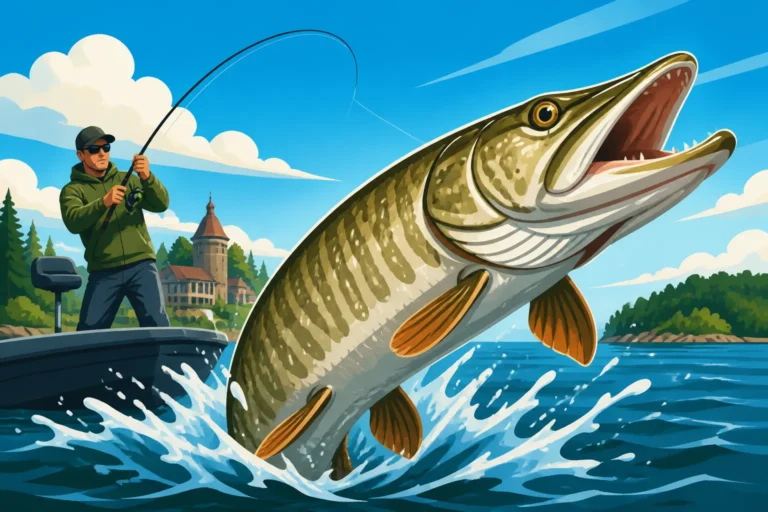
For many, the St. Lawrence River is muskie fishing. These magnificent, elusive fish are often called "the fish of 10,000 casts," a testament to their challenging nature, but the St. Lawrence regularly defies that moniker for persistent anglers. Landing one of these toothy leviathans is a true triumph, and the river consistently produces some of the biggest muskie anywhere.
Muskellunge season in New York typically opens around mid-June and remains open through November. While muskie can be caught throughout this period, the peak trophy season for many dedicated anglers is in the fall, from late September through November, when these massive fish feed voraciously to build up fat reserves for winter. During this time, they become more active and are often found in specific areas. Muskie in the St. Lawrence will frequent weed edges, especially those bordering deeper water, shallow bays with plenty of forage, and current breaks where they can ambush prey without expending too much energy. They'll also hold near deep structure, suspended over drop-offs or lurking around prominent points. If you're planning a trip specifically for these giants, you might want to read our detailed guide on Muskellunge Fishing in New York's Thousand Islands. A prime muskie hunting scenario involves methodically casting large bucktails or jerkbaits along the weed lines of a secluded bay near Clayton, constantly reminding yourself to perform the "figure eight" boat-side maneuver, just in case a monster follows your lure all the way to the boat.
Walleye, Pike, and Panfish: Abundant Opportunities
While smallmouth and muskie often steal the spotlight, the St. Lawrence River offers fantastic fishing for several other popular species, providing diverse angling experiences and often more consistent action.
Walleye are highly sought after for their delicate, flaky white meat and their preference for low-light conditions. They are abundant in many parts of the St. Lawrence, especially in areas with gravelly bottoms and moderate current. Walleye are often found deeper during the day, moving shallower at dusk and dawn to feed. Popular techniques include jigging with soft plastics, trolling crankbaits, or drifting worm harnesses (like a Lindy Rig or a Bottom Bouncer). Evening and night fishing can be particularly productive for these light-sensitive fish, especially around distinct submerged structures or current edges. If you're curious about the limits, check out our guide on the Walleye Daily Limit in New York.
Northern Pike are another aggressive predator that thrives in the St. Lawrence, often inhabiting weedier bays and shallower areas. They are known for their explosive strikes and formidable teeth. Pike can be targeted with a variety of lures, including spoons, spinnerbaits, and larger swimbaits. They provide excellent action, particularly for those looking for a strong fight without the same level of dedication required for muskie.
For families or anglers seeking less intense but still rewarding fishing, the St. Lawrence is teeming with panfish like yellow perch, rock bass, and black crappie. These species are often found in large schools, making them relatively easy to locate and catch, perfect for introducing kids to fishing. Simple techniques like fishing with a bobber and a worm, small jigs, or tiny spinners will yield plenty of action, especially in sheltered bays and around docks. These species are a fantastic option when you want consistent bites and delicious fresh fish for dinner.
Navigating the Waters: Key Fishing Hotspots
The St. Lawrence River and Thousand Islands region is vast, with countless islands, channels, and bays. Knowing where to focus your efforts is crucial. While local knowledge is always king, understanding the general characteristics of different areas can point you toward your next great catch.
The Heart of the Thousand Islands: Clayton to Alexandria Bay
This central section of the Thousand Islands, roughly stretching from the historic fishing town of Clayton to the vibrant tourist hub of Alexandria Bay, is often considered the epicenter of the region's diverse fishery. This area is characterized by a dense concentration of islands, both large and small, creating an incredibly complex underwater topography.
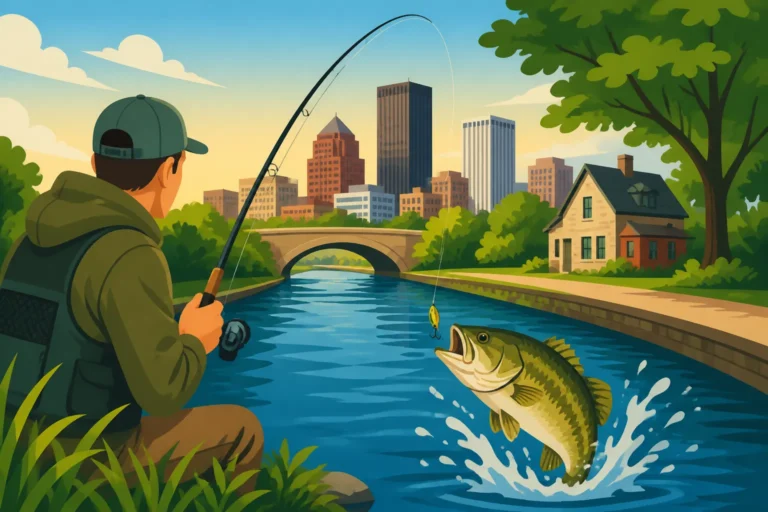
Here, you'll find an abundance of rocky shoals, sharp drop-offs, and intricate current seams – all prime real estate for smallmouth bass. Islands like Grass Island, Grindstone Island, and Carlton Island, along with the numerous nameless outcroppings, create current breaks and feeding lanes where smallmouth congregate. Drifting tube jigs or working topwater lures around these rocky structures can be incredibly productive, especially during low light conditions. If you're focusing on largemouth bass, which also exist in good numbers, look for the shallower, weedier bays found within the larger islands, such as those around Wellesley Island. For more specific information on fishing around that area, check out our piece on Wellesley Island Largemouth Bass Fishing in New York.
For muskie anglers, this region is also highly regarded. Many of the deep, clear channels and the edges of expansive weed beds tucked away in larger bays hold these giants. Targeting muskie here often involves trolling large crankbaits or casting bucktails along contours and breaks. Clayton, in particular, is synonymous with muskie fishing, and you'll find numerous guides and resources dedicated to chasing these beasts from this quaint town. Don't forget to look into Clayton New York Muskie Fishing for even more detailed local insights. Boat launches are plentiful in both Clayton and Alexandria Bay, making access convenient, but be prepared for moderate to heavy boat traffic, especially during peak summer weekends.
Upriver and Downriver Zones
While the central Thousand Islands gets a lot of attention, the sections of the St. Lawrence River both upriver and downriver offer different characteristics and unique fishing opportunities. Understanding these variations can help you broaden your angling horizons.
The upriver zones, particularly west of Cape Vincent and stretching towards Lake Ontario, or further east towards Ogdensburg and Massena, often present a wider expanse of river and sometimes different current patterns. Closer to Lake Ontario, the influence of the Great Lake can sometimes bring in salmonids or offer different dynamics for smallmouth bass that spend part of their lives in the lake. Further east, the river can become broader and shallower in sections, with expansive flats and deeper channels. These areas might offer different habitat for species like northern pike and walleye, which prefer less turbulent waters or specific current breaks. Access points in towns like Cape Vincent, Ogdensburg, and Massena offer different launching options, and these stretches often see less recreational boat traffic than the bustling Thousand Islands, providing a more serene angling experience.
Conversely, the downriver stretches, as the St. Lawrence continues its journey eastward, gradually change in character, often becoming narrower and deeper in some spots before opening up again. These areas can present unique challenges and opportunities, depending on the specific hydrographic features. It's always a good idea to consult local charts and fishing reports for these specific sections, as fish movements and concentrations can differ significantly from the Thousand Islands proper. The key is to recognize that the "St. Lawrence River" is not monolithic; it's a dynamic system with distinct zones, each with its own charm and fishing potential.
Tributaries and Bays: Hidden Gems
Beyond the main stem of the St. Lawrence, the countless tributaries, back bays, and smaller connecting lakes offer incredible, sometimes overlooked, fishing opportunities. These "hidden gems" can provide a different kind of angling experience, often more sheltered from the river's main current and boat traffic.
One prominent example is Black Lake, often referred to as the "Lake of the Woods" of New York. While technically a distinct lake, it's connected to the St. Lawrence and offers exceptional fishing for largemouth and smallmouth bass, northern pike, crappie, and monster channel catfish. Its shallow, weedy nature contrasts sharply with the deep, rocky main river, providing different habitat and requiring different techniques. Similarly, large bays like Chaumont Bay, just off the main river near Cape Vincent, offer expansive shallow and weedy areas that are perfect for largemouth bass, pike, and panfish. These bays often warm up faster in the spring, drawing fish in early, and can hold significant numbers of fish during the hot summer months due to abundant cover and forage.
Exploring these smaller bodies of water and bays can be incredibly rewarding. They often provide excellent opportunities for shore anglers or those in smaller boats, canoes, or kayaks. The fishing pressure can be lighter, and the chance to discover a secluded spot teeming with active fish is a thrilling part of the St. Lawrence experience. Always be mindful of local regulations that might differ slightly for these connecting waters, and remember that navigational charts are your best friend when exploring these intricate, often shallower, areas.
Essential Gear and Techniques for St. Lawrence Success
Fishing the St. Lawrence River effectively requires a thoughtful approach to gear and a willingness to adapt your techniques. This isn't a one-size-fits-all fishery; the demands of chasing a giant muskie are vastly different from those of enticing a wary smallmouth or jigging for walleye. Having the right tools for the job can make all the difference between a frustrating day and a memorable one.
Rods, Reels, and Line for River Angling
Choosing the correct rod, reel, and line setup is fundamental to success on the St. Lawrence, especially given the range of species you might target.
For smallmouth bass, a medium-light to medium power spinning rod, typically 6'6" to 7' in length, is ideal. Look for a rod with a fast or extra-fast action to provide the sensitivity needed to detect subtle bites and the backbone to handle strong runs in current. Pair this with a reliable spinning reel in the 2500-3000 size range. Spool it with 8-15 lb braided line for its sensitivity and casting distance, attaching a 6-10 lb fluorocarbon leader for stealth and abrasion resistance against rocks. This setup allows for precision casting of lighter baits and the ability to fight a hard-charging smallmouth in strong currents.
When muskellunge are your target, you'll need to upgrade significantly. Muskie fishing demands heavy-duty conventional (baitcasting) gear. A rod between 8 and 9 feet in length, with a heavy or extra-heavy power and a moderate-fast action, is necessary to cast large lures and absorb the shock of a muskie's strike. Match this with a robust baitcasting reel designed for large lures and heavy line, capable of holding 80-100 lb braided line. A heavy-duty fluorocarbon or steel leader is absolutely mandatory to prevent bite-offs from their razor-sharp teeth. This gear is built for power and endurance, essential for battling these freshwater giants.
For walleye and northern pike, a versatile medium-heavy power casting or spinning rod (7-7'6") will serve you well. A 3000-4000 series spinning reel or a robust baitcasting reel spooled with 15-20 lb braid (with a fluorocarbon leader for walleye, or a wire leader for pike) provides a good balance of strength and sensitivity for jigging, trolling, or casting larger baits. This setup offers the flexibility to target multiple species without needing to swap out entire combos constantly.
Lures, Baits, and Tackle Box Essentials
Your tackle box for the St. Lawrence needs to be well-stocked and diverse, reflecting the varied species and conditions you'll encounter.
For smallmouth bass, include a variety of tube jigs (green pumpkin, smoke, watermelon), drop shot weights and hooks, small swimbaits, jerkbaits (Rapala X-Raps), and topwater poppers or walking baits (Heddon Zara Spook) for those exciting surface bites. Spinnerbaits and crankbaits that dive to various depths are also crucial for covering water.
Muskie lures are in a league of their own – typically large and expensive. Essential muskie baits include oversized bucktails (Mepps Musky Killer, Musky Mayhem Tackle Cowgirl), large jerkbaits (Rapala X-Rap Peto, Salmo Slider), glide baits, and deep-diving crankbaits for trolling. Don't forget a strong pair of jaw spreaders and long-nose pliers for safe hook removal, and a large landing net designed for muskie.
Walleye anglers should carry an assortment of jig heads (1/4 to 1 oz) paired with soft plastics (grubs, paddle tails), blade baits, and bottom bouncer rigs with crawler harnesses for drifting or slow trolling. Crankbaits like Rapala Shad Raps or Berkley Flicker Shads in various sizes and colors are also highly effective for trolling. Live bait, particularly nightcrawlers and minnows, can also be deadly for walleye.
For northern pike, stock up on inline spinners, spoons (Daredevle, Johnson Silver Minnow), and larger spinnerbaits. These are aggressive fish that often respond well to flashy, erratic presentations. A variety of panfish jigs, small spinners, and live worms or minnows will cover your bases for yellow perch and crappie.
Mastering River Fishing Techniques
Fishing a large, current-driven river like the St. Lawrence requires a set of distinct techniques beyond stillwater angling. Understanding how to work with the current, rather than against it, is paramount.
Drifting and anchoring are common for targeting smallmouth and walleye. For smallmouth, many anglers will drift quietly over rocky shoals and ledges, casting soft plastics or drop shots ahead of the boat and letting the current present the bait naturally. When you find a productive spot, anchoring strategically upstream of the structure allows for precise casting into the fish-holding zone. For walleye, drifting with a crawler harness or jig can cover expansive flats.
Casting to shorelines and current seams is effective for both bass and pike. Look for points, eddies behind islands, and areas where the main current meets slower water – these are natural ambush points. Fan casting these areas with crankbaits, spinnerbaits, or topwater lures can quickly locate active fish.
Trolling is a highly effective method for covering water, especially when targeting muskie or walleye in deeper sections. For muskie, long-lining large crankbaits at specific depths and speeds can trigger strikes from suspended fish. Walleye anglers often troll with crankbaits or worm harnesses along contours or over flats to intercept schools of fish.
Finally, the importance of electronics cannot be overstated on the St. Lawrence. A good depth finder with side imaging or down imaging will help you identify submerged structures, rocky ledges, and even baitfish schools that hold gamefish. GPS navigation is absolutely essential in the Thousand Islands, where countless islands and channels can disorient even experienced boaters. Mark your waypoints for productive spots, hazards, and safe passages. Learning how to read your fish finder effectively for New York lakes will provide a significant advantage.
Regulations, Licenses, and Responsible Angling
Before you even think about putting a line in the water on the St. Lawrence River, it's absolutely critical to understand the rules of engagement. New York State has specific fishing regulations that are enforced, and ignoring them can lead to fines and a ruined day on the water. Beyond compliance, practicing responsible angling is key to preserving this incredible fishery for generations to come.
Understanding New York State Fishing Regulations
The New York State Department of Environmental Conservation (NYSDEC) sets the rules for fishing in all freshwater bodies, including the St. Lawrence River. These regulations cover everything from seasons, size limits, and creel (bag) limits for different species to bait restrictions and specific gear requirements. It's incredibly important to note that regulations can, and often do, vary by water body and by species. The St. Lawrence River, due to its unique status as a border water, sometimes has specific rules that differ from other parts of New York.
For instance, the minimum size limit for smallmouth bass on the St. Lawrence might be different from a lake in the Adirondacks, or the season for walleye could have distinct opening and closing dates. There are also specific rules regarding the use of live bait, especially when it comes to preventing the spread of invasive species. Before any trip, always consult the most current official New York State Fishing Regulations Guide. You can find this online on the NYSDEC website or pick up a physical copy wherever fishing licenses are sold. If you're looking for a broad overview of regulations, our guide, New York Fishing Regulations Explained, is a great starting point, but always double-check the specifics for the St. Lawrence. Pay close attention to any special regulations for trophy species like muskie, which often have generous minimum size limits to protect larger, spawning fish.
Obtaining Your Fishing License
Unless you fall into a very specific exemption category, every angler aged 16 and older needs a valid New York State fishing license to fish the St. Lawrence River. This isn't just a suggestion; it's a legal requirement. Getting caught without one can result in significant fines and potentially confiscation of your gear.
Fortunately, obtaining a fishing license in New York is straightforward. You can purchase one online directly through the NYSDEC website, which is often the most convenient option. Many sporting goods stores (like Dick's Sporting Goods or even Walmart), bait shops, and town or county clerk offices also serve as license vendors. You'll have several options, including annual licenses, 7-day, or 1-day permits, allowing you to choose what best fits your trip duration. Non-residents will pay a higher fee than residents, but the process is the same. For a detailed breakdown of costs and options, you can refer to our guides like How to Get a Fishing License in New York or New York Fishing License Costs and Options. Remember, once you have your license, you must carry proof of it with you while fishing – a digital copy on your phone is usually acceptable, but having a printed copy is a good backup.
Conservation and Boating Safety on the St. Lawrence
Responsible angling goes beyond just following the rules; it means actively participating in the conservation of the fishery and ensuring your safety and the safety of others on the water.
Conservation is paramount, especially for trophy species like muskie. Catch and release practices are highly encouraged for these fish, as their populations are slower to recover. If you do catch a muskie, minimize its time out of the water, support its body horizontally, and use appropriate tools for hook removal. For all species, practice proper fish handling – wet your hands before touching fish, handle them gently, and ensure they are revived before release. Avoiding the spread of aquatic invasive species is also critical; "Clean, Drain, Dry" your boat, trailer, and gear after every outing to prevent transporting unwanted hitchhikers.
Boating safety on the St. Lawrence River cannot be overstressed. This is a large, active waterway with significant commercial and recreational traffic, strong currents, and numerous hazards. Always wear a life jacket, especially when underway or in smaller craft. Understand and obey all navigation rules, buoy markers, and speed limits. Be acutely aware of changing weather conditions, as the river can become rough quickly. Carry all required safety equipment, including a first aid kit, signaling devices, and a reliable communication method. Many areas of the Thousand Islands feature shallow shoals and hidden rocks that can quickly damage a prop or hull, so always use up-to-date navigational charts and proceed with caution in unfamiliar waters. Respect private property by avoiding trespassing, and always dispose of all trash properly, leaving no trace of your visit behind.
Planning Your St. Lawrence River Fishing Trip
A successful fishing trip to the St. Lawrence River and Thousand Islands doesn't just happen; it's the result of careful planning. From choosing where to stay to deciding whether to hire a guide, a little foresight goes a long way in ensuring your adventure is enjoyable and productive.
Choosing Your Base Camp
The Thousand Islands region offers several fantastic towns that serve as excellent base camps for your fishing excursions. Each has its own character and amenities, so your choice might depend on your preference for bustling activity versus quiet relaxation.
Clayton, New York, is often considered the heart of the New York Thousand Islands for anglers. It's a charming, historic village with a strong fishing heritage, offering numerous marinas, bait and tackle shops, and a good selection of restaurants and accommodations. It's also home to the Thousand Islands Museum, which celebrates the region's rich history. From Clayton, you have direct access to some of the most productive muskie and smallmouth bass waters.
Alexandria Bay, New York, is another popular choice, known for its vibrant atmosphere and proximity to iconic attractions like Boldt Castle. It offers a wider array of hotels, resorts, and dining options, along with plenty of boat launches. While it can be busier with tourist traffic, it provides excellent access to the central island chain.
Further west, Cape Vincent, New York, offers a quieter, more laid-back experience closer to the mouth of the St. Lawrence River where it meets Lake Ontario. It's a great choice for those looking to explore different sections of the river. To the east, towns like Ogdensburg and Massena provide access to the broader, often less crowded, stretches of the river, which can be excellent for walleye, northern pike, and even some unique fishing experiences. When selecting your base, consider proximity to your preferred fishing grounds, the availability of boat ramps or dockage if you're bringing your own vessel, and the types of accommodations that suit your budget and style. Many towns also offer vacation rentals that can be ideal for families or groups of anglers.
Hiring a Local Fishing Guide or Charter
For many anglers, especially first-timers to the St. Lawrence or those specifically targeting challenging species like muskie, hiring a local fishing guide or charter is an investment that pays dividends.
The benefits are numerous. A good guide brings invaluable local knowledge of the river's intricate channels, current patterns, and the seasonal movements of fish. They know the hotspots, the secret spots, and what techniques are working right now. They also come equipped with all the necessary specialized gear, from the right rods and reels to a diverse array of lures, saving you the expense and hassle of acquiring costly equipment, particularly for muskie fishing. Most importantly, a guide significantly increases your chances of success, helping you maximize your limited fishing time. They handle the navigation, the boat operations, and often the fish cleaning, allowing you to focus purely on the fishing experience.
When choosing a guide, look for those with a strong reputation and positive reviews. Platforms like FishingBooker can be an excellent resource for finding reputable fishing guides and charters in the Thousand Islands and other parts of New York, allowing you to compare options and read past customer experiences. Ask about their experience with your target species, what's included in the price, and their cancellation policy. For more guidance on this, our general guide to New York Fishing Charters and Guides is a helpful resource. If you're specifically eyeing a muskie trip, you might find our information on What St. Lawrence River Muskie Guides Charge useful for budgeting. While an upfront cost, a guide can transform a potentially frustrating trip into an unforgettable success.
Essential Non-Fishing Gear
Beyond your rods, reels, and tackle, a successful and comfortable St. Lawrence River trip requires some other essential items. The weather on such a large waterway can be unpredictable, and being prepared for anything will make your experience much more enjoyable.
First and foremost, navigation tools are crucial. Even if you're with a guide, having your own knowledge of the area is smart. Up-to-date nautical charts of the St. Lawrence River and a reliable GPS device (or a good mapping app on your phone/tablet) are essential for understanding depths, identifying hazards, and marking productive fishing spots. Next, think about personal comfort and safety. Quality rain gear is non-negotiable, as even a sunny forecast can turn to scattered showers. Sun protection – hats, polarized sunglasses, and broad-spectrum sunscreen – is vital, as reflections off the water can intensify UV exposure. Layered clothing is always a good idea, allowing you to adapt to changing temperatures throughout the day.
Don't forget a well-stocked first-aid kit for minor cuts or emergencies. A cooler filled with plenty of water, snacks, and any preferred beverages will keep you hydrated and energized. If you plan on keeping fish, ensure your cooler is large enough and packed with ice. A camera, whether a dedicated waterproof action camera or your phone, is a must to capture the stunning scenery and any trophy catches. Finally, make sure you have a valid form of identification, especially if you plan on crossing into Canadian waters (even temporarily, on some tours or guides, although direct fishing across the border usually requires a separate Canadian license). Being prepared for all contingencies will allow you to relax and fully immerse yourself in the magic of fishing the St. Lawrence.
Beyond the Fish: Experiencing the Thousand Islands
While fishing is undoubtedly the main draw, the St. Lawrence River and Thousand Islands region offers so much more than just what's beneath the surface. Taking time to explore the iconic attractions, savor local flavors, and simply soak in the breathtaking beauty will enrich your trip and create memories that extend far beyond your catches.
Iconic Attractions and Sightseeing
The Thousand Islands are steeped in history and natural splendor, with several must-see landmarks that are easily accessible from various towns. Foremost among them is Boldt Castle, a magnificent turn-of-the-century Rhineland castle on Heart Island, built by millionaire George C. Boldt for his wife. Exploring its opulent rooms, secret passages, and beautifully manicured grounds is like stepping back in time and offers incredible photographic opportunities.
Another architectural marvel is Singer Castle on Dark Island, a fortress-like structure that resembles a medieval castle. It's unique for its hidden passages and rich history, often accessible via guided tours. For a different perspective, consider visiting Rock Island Lighthouse State Park, one of the oldest lighthouses on the St. Lawrence, offering panoramic views and a glimpse into maritime history.
If you don't have your own boat or want a more relaxed way to see the sights, various boat tours operate out of Clayton and Alexandria Bay. Companies like Uncle Sam Boat Tours offer narrated excursions that navigate through the heart of the Thousand Islands, passing by the castles, grand estates, and explaining the rich history and legends of the region. These tours are a fantastic way to appreciate the unique geography and the sheer number of islands, even if you’re spending most of your trip with a fishing rod in hand.
Local Cuisine and Culture
The Thousand Islands region offers a delightful blend of small-town charm and a distinct local culture, especially when it comes to food. No visit is complete without sampling some of the regional specialties and experiencing the friendly atmosphere of the river towns.
Of course, you can't talk about the Thousand Islands without mentioning 1000 Islands dressing. While its exact origin is debated, it's widely believed to have been invented right here in the region. Many local restaurants will offer their own homemade versions, often a step above the bottled varieties you find in supermarkets. Beyond the famous dressing, the area's restaurants offer everything from casual pub fare to fine dining, with a strong emphasis on fresh, locally sourced ingredients. You'll find plenty of opportunities to enjoy fresh fish, often prepared simply to highlight its natural flavors.
Beyond dining, take some time to explore the local shops and art galleries in towns like Clayton and Alexandria Bay. You'll find unique gifts, local crafts, and often artwork inspired by the stunning river landscape. The communities also host various festivals and events throughout the year, especially in the summer and fall, celebrating everything from local seafood to antique boat shows. These events offer a wonderful chance to mingle with locals, learn more about the region's heritage, and enjoy some lively entertainment, adding another layer to your fishing adventure.
Photography and Memories
The St. Lawrence River and Thousand Islands region is a photographer's paradise. Whether you're an amateur with a smartphone or a seasoned pro with a DSLR, the opportunities to capture stunning images are endless. The interplay of water, sky, granite islands, and lush greenery creates constantly changing vistas that are simply breathtaking.
Encourage yourself to take breaks from fishing to simply appreciate the beauty around you. Capture the sunrise over a misty bay, the intricate details of a historic boathouse, the reflections of the sky on the calm morning water, or the vibrant hues of a sunset over the river. Your catches, of course, are also prime photo subjects. Practice safe handling techniques to get that perfect hero shot with your trophy fish before a healthy release. These photographs will serve as wonderful reminders of your incredible trip long after you've returned home. Beyond pictures, consider keeping a journal to jot down the day's experiences, the stories you hear, and the sensations of being on the water. These personal reflections, combined with your photos, will create a rich tapestry of memories that truly capture the essence of your St. Lawrence River fishing adventure.
| Fish Species | Primary Season | Typical Habitat | Common Techniques |
|---|---|---|---|
| Smallmouth Bass | Late Spring – Early Fall | Rocky shoals, current seams, drop-offs | Drop shot, tube jigs, crankbaits, topwater |
| Muskellunge | Late Spring – Late Fall | Weed edges, shallow bays, deep structure | Large bucktails, jerkbaits, glide baits, trolling |
| Walleye | Spring – Fall | Gravel flats, current breaks, submerged humps | Jigging, worm harnesses, trolling crankbaits |
| Northern Pike | Spring – Fall | Weedy bays, shallow cover, current breaks | Spoons, spinnerbaits, larger swimbaits |
| Yellow Perch | Year-round | Weedy bays, docks, moderate depths | Small jigs, live bait (worms/minnows), bobber fishing |
| Black Crappie | Spring – Fall | Submerged brush, docks, slack water bays | Small jigs, minnows, bobber fishing |
Disclaimer
Please note that fishing regulations, seasons, and license requirements are subject to change by the New York State Department of Environmental Conservation (NYSDEC). While this guide provides comprehensive information, it is crucial to always consult the most current official NYSDEC fishing regulations before heading out on the water. This content is for informational purposes only and does not constitute legal advice.