Canandaigua Lake Fishing Guide, New York
There’s a unique blend of excitement and bewilderment that hits you when you consider fishing a new body of water, especially one as magnificent and sprawling as Canandaigua Lake in New York. You’re probably wondering where to even begin, what fish you can expect to tangle with, and what gear you truly need to make the most of your day on the water. This comprehensive guide will unravel the mysteries of Canandaigua Lake, equipping you with the knowledge to turn those fishing dreams into a reel-y good time.
Unveiling the Charm and Challenges of Canandaigua Lake Fishing
Canandaigua Lake, one of New York’s stunning Finger Lakes, is a true gem. Its deep, clear waters offer an incredible fishery, but that same depth and clarity can make it feel a bit intimidating if you’re not sure how to approach it. Don't worry, we're going to break down what makes this lake so special and how to tackle its unique fishing landscape.
Why Canandaigua Stands Out and What Makes it Tricky
As the fourth largest of the Finger Lakes, Canandaigua stretches over 15 miles long and boasts depths exceeding 270 feet. This impressive size contributes to its distinct character: it’s known for its incredibly clear water, fed by numerous small tributaries and underground springs. This clarity is fantastic for spotting structures on a calm day, but it also means fish can be a bit more wary, especially in shallower waters. They have a wider field of vision, and your presentation needs to be on point.
The sheer depth is another major factor. While it provides excellent cold-water habitat for species like lake trout and salmon year-round, it also means these fish can be challenging to locate if you don't have the right equipment or understanding of their seasonal movements. Without a boat equipped with a good fish finder and downriggers, accessing those deep-water giants can be incredibly difficult. Shore fishing here is wonderful for certain species, but it's a different game entirely than targeting the deep-dwelling predators. Furthermore, because it's such a popular destination for recreation, especially during the warmer months, you might find certain areas bustling with pleasure boats, which can sometimes impact the fishing experience.
Key Fish Species to Target
Canandaigua Lake is a diverse fishery, offering something for almost every angler. Understanding what you're likely to encounter helps in planning your trip and choosing your techniques.
- Lake Trout: These are the kings of Canandaigua’s deep, cold waters. They are often found suspended over deep channels or near humps and drop-offs. Catching a large lake trout here is a significant achievement, and many anglers specifically target them with heavy gear and deep-trolling setups. They put up a formidable fight, characterized by deep, powerful runs.
- Brown Trout: While typically found in shallower waters than lake trout, brown trout in Canandaigua can still grow to impressive sizes. They often patrol the thermocline (the layer where warm surface water meets colder deep water) during warmer months and move closer to shore in spring and fall. These fish are renowned for their aggressive strikes and acrobatic fights.
- Rainbow Trout: Known for their beautiful coloring and spirited fights, rainbow trout are another popular cold-water species. They are often found in similar habitats to brown trout and are frequently stocked by the New York State Department of Environmental Conservation (DEC) to enhance the fishery.
- Landlocked Salmon: These are essentially Atlantic salmon that have adapted to live their entire lives in freshwater lakes. Canandaigua Lake boasts a healthy population of landlocked salmon, offering an exciting challenge for anglers. They are fast, powerful, and will test your tackle. You can find more details on A Guide to New York's Salmon Species.
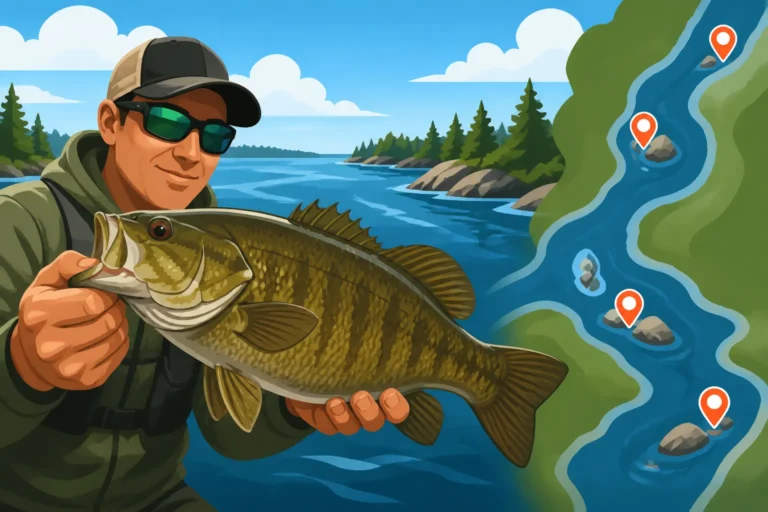
- Smallmouth Bass: Known for their incredible fighting ability, smallmouth bass thrive in Canandaigua's clear, rocky environments. They often congregate around drop-offs, submerged rock piles, and points. When you hook into a Canandaigua bronzeback, prepare for a fantastic battle. For more on these powerful fighters, check out our guide on New York's Bass Species Explained.
- Largemouth Bass: While less prevalent than smallmouths due to the lake's cold, clear nature, largemouth bass can still be found in the shallower, weedy bays and around docks, particularly in the northern end of the lake. They prefer warmer water and more cover.
- Yellow Perch: A popular panfish, yellow perch are abundant throughout the lake and make for excellent table fare. They are often found in schools, especially around weed beds and drop-offs, making them a great target for family fishing or a relaxing afternoon.
- Chain Pickerel & Panfish: Other species like chain pickerel can be found in shallower, weedy areas, while various sunfish and bluegill provide fun action for younger anglers or those simply looking to bend a rod.
Essential Gear and Techniques for Canandaigua Lake Success
Given the diverse fishery and the unique characteristics of Canandaigua Lake, having the right gear and knowing how to use it effectively will significantly increase your chances of success. It's not just about having a rod; it's about having the right rod for the job.
Rods, Reels, and Line for Deep-Water and Shore Angling
Your equipment setup will largely depend on what species you're targeting and how you plan to fish.
- For Trolling (Trout & Salmon): If you're serious about targeting those deep-dwelling lake trout, brown trout, or landlocked salmon, a boat equipped for trolling is almost essential. You'll need medium-heavy to heavy action trolling rods, typically 7 to 9 feet in length, paired with conventional reels spooled with 20-30 lb braided line. This braid has low stretch, which is crucial for detecting subtle bites at deep depths, and its thinner diameter cuts through the water better. Many anglers run fluorocarbon leaders (10-15 lb test) at the business end for invisibility. Downriggers are practically a must-have for getting your lures down to the precise depths where these fish are holding, often in the 60-100+ foot range during summer. Dipsy divers or lead core line can also be effective for reaching intermediate depths without downriggers.
- For Jigging (Lake Trout): When lake trout are holding on specific structures or humps, vertical jigging can be incredibly effective. For this, a medium-heavy spinning or casting rod, about 6'6" to 7' long, with a fast action tip is ideal. Pair it with a high-quality spinning or baitcasting reel capable of handling heavy jigging. Spool with 15-20 lb braided line, again with a fluorocarbon leader (10-15 lb). The sensitivity of braid helps you feel the often-light strikes of deepwater lakers.
- For Bass (Smallmouth & Largemouth): For smallmouth bass, a medium to medium-heavy spinning rod (6'6" to 7'3") with a fast action is versatile. Spool with 8-12 lb fluorocarbon or braided line with a fluorocarbon leader. This setup allows for casting a wide array of lures, from tubes and dropshots to jerkbaits and crankbaits. For largemouth in weedier areas, a slightly heavier medium-heavy casting rod (7' to 7'6") with 15-20 lb fluorocarbon or braid is better for pulling fish out of cover.
- For Panfish (Yellow Perch, Bluegill): For shore anglers or those looking for lighter action, a light to medium-light spinning rod (5'6" to 6'6") paired with a small spinning reel spooled with 4-6 lb monofilament or fluorocarbon line is perfect. This sensitive setup is great for feeling those subtle nibbles.
Proven Lures, Baits, and Strategies
Knowing what the fish eat and how to present it is key. Canandaigua Lake offers a variety of successful options.
- Trolling for Trout and Salmon:
- Spoons: Classic trolling spoons like Suttons, Northern Kings, and Michigan Stinger spoons in various sizes and colors are incredibly effective. Natural baitfish patterns (silver, blue/silver, black/silver) are always a good starting point, but don't shy away from brighter colors like orange or chartreuse, especially in lower light. For deep trolling, consider larger spoons. You can learn more about general Trolling Techniques for New York's Lakes.
- Stickbaits/Plugs: Long, slender stickbaits such as Rapalas (J-11 or J-13), Renosky's, and other minnow-imitating plugs are excellent, particularly when fish are feeding on alewives or smelt. These can be trolled directly or off lead core line or downriggers.
- Flasher/Fly Combos: For an extra enticing presentation, especially for salmon and large trout, a flasher or dodger followed by a small fly (often tied with Mylar or tinsel) can be deadly. The flasher creates attraction, and the fly imitates a wounded baitfish.
- Jigging for Lake Trout:
- Vertical Jigs: Heavy spoons like the Swedish Pimple, Hopkins, or Do-Jiggers, often tipped with a piece of bait (like a minnow head or a gulp minnow imitation), are fantastic. Drop them to the bottom, reel up a few feet, and jig with sharp lifts and drops, mimicking a dying baitfish.
- Tube Jigs: White, smoke, or pearl-colored tube jigs, especially larger 4-5 inch sizes, can also be effective when jigged aggressively near the bottom.
- Bass Fishing (Smallmouth & Largemouth):
- Soft Plastics: For smallmouth, tube jigs, drop shots rigged with senkos or worms, and finesse worms are incredibly productive. Work them slowly along rocky bottoms or drop-offs.
- Crankbaits & Jerkbaits: For aggressive smallmouth or largemouth, lipless crankbaits, diving crankbaits, and jerkbaits that mimic baitfish are excellent choices, especially around points and submerged structure.
- Topwater: In low light conditions or around weed edges, topwater lures like poppers, walking baits, or hollow-body frogs can produce explosive strikes from largemouth and even aggressive smallmouth.
- Live Bait: Live minnows (shiners, fatheads) can be irresistible to both bass and perch, especially when fishing from shore or anchored in a boat. Worms are always a reliable choice for panfish.
When it comes to strategy, remember the clarity of Canandaigua's water. Lighter lines, natural colors, and subtle presentations often outperform heavy, flashy tackle. During summer, the deep thermocline is where the trout and salmon will be, requiring you to get your baits down. In spring and fall, these fish, along with bass, will move shallower, offering more opportunities for traditional casting and even shore-based angling.
| Species | Typical Location (Summer) | Primary Technique | Recommended Lures/Bait |
|---|---|---|---|
| Lake Trout | Deep open water, humps, drop-offs (60-120 ft) | Trolling, Vertical Jigging | Large Spoons, Stickbaits, Heavy Jigs (tipped with bait) |
| Brown Trout | Thermocline, near drop-offs (30-70 ft) | Trolling, Casting | Spoons, Stickbaits, Live Minnows |
| Rainbow Trout | Thermocline, near drop-offs (30-60 ft) | Trolling, Casting | Spoons, Stickbaits, Small Crankbaits |
| Landlocked Salmon | Open water, often shallower than Lakers (30-80 ft) | Trolling, Casting | Spoons, Stickbaits (alewife patterns) |
| Smallmouth Bass | Rocky points, submerged structure (10-40 ft) | Drop-shot, Tubes, Jerkbaits, Live Minnows | Soft Plastics, Jerkbaits, Small Crankbaits |
| Largemouth Bass | Weedy bays, docks (5-15 ft) | Jigs, Topwater, Crankbaits | Spinnerbaits, Frogs, Soft Plastics |
| Yellow Perch | Weed lines, shallow flats (5-25 ft) | Bobber fishing, Light Jigging | Worms, Small Minnows, Tiny Jigs |
Navigating Canandaigua Lake: Access, Hotspots, and Regulations
Understanding where you can launch, what areas tend to be productive, and, crucially, what rules you need to follow is paramount for a successful and legal fishing trip on Canandaigua Lake.
Public Access Points and Boat Launches
Canandaigua Lake offers several public access points for both boaters and shore anglers, ensuring that everyone has a chance to enjoy its waters.
- Canandaigua Lake State Marine Park: Located right in the city of Canandaigua at the northern end of the lake, this park offers excellent boat launch facilities. It’s a popular spot, especially during peak season, so be prepared for potential waits. This launch provides easy access to the deeper waters of the main lake. It also has a long pier, which is a fantastic spot for shore anglers to target panfish, perch, and even occasional bass or trout in the cooler months.
- Woodville Boat Launch: Situated on the southeast side of the lake, the Woodville launch provides another great option for boaters. It’s typically a bit less crowded than the Marine Park and offers access to a different section of the lake with its own unique structures and depths.
- Onanda Park: Located on the western shore, Onanda Park also offers a public boat launch. Beyond the launch, the park provides opportunities for shore fishing from its banks and public areas, often yielding good results for panfish and bass.
- Other Shore Access: The city of Canandaigua has various public access points and parks along its northern shoreline where you can cast a line. Exploring these areas can often reveal overlooked spots, especially for those targeting panfish or early/late season bass. Always be mindful of private property signs and local ordinances.
Prime Fishing Locations and Times
While fish move and conditions change, there are certainly some areas and times that consistently produce good results on Canandaigua Lake.
- Deep Water for Trout and Salmon: For lake trout and landlocked salmon, the deep, central basin of the lake is your primary target. Look for subtle changes in depth, submerged humps, and the edges of steep drop-offs using your sonar. During the summer, these fish will be concentrated in the cooler, oxygenated waters of the thermocline. Pay attention to the deep water from the Marine Park south towards the mid-lake. Also, don't overlook areas where there's significant depth change near shore, such as the mouths of tributary streams, even if the fish are holding deeper.
- Shallow Water & Structure for Bass and Panfish:
- Northern End: The northern end of Canandaigua Lake, particularly the areas around the city of Canandaigua, tends to have more docks, shallower flats, and some weed growth, making it prime territory for largemouth bass and various panfish. The main city pier is a renowned spot for perch and sunfish.
- Rocky Shorelines and Points: For smallmouth bass, concentrate your efforts along the numerous rocky shorelines and points found throughout the lake. Look for submerged rock piles, boulders, and steep drop-offs. These areas provide both cover and ambush points for smallmouth.
- Tributaries: While Canandaigua isn't as famous for tributary runs as some other Finger Lakes, the mouths of inflowing streams can be hotspots, especially during spring and fall, as fish gather near these cooler, oxygenated waters. Always check local regulations, as some stream sections may have specific rules or closures.
- Best Times to Fish: As with most fisheries, early morning and late evening typically offer the best bite. The lower light conditions make fish feel more secure and active. Overcast days can extend this prime bite throughout the day. Seasonally, spring and fall are often considered the most productive times for a wider variety of species, as fish are more active in shallower water. However, deep-water trolling for lake trout can be excellent all summer long, provided you can find them in the depths. You can explore Best Time of Year to Fish in New York for more general insights.
Understanding Canandaigua-Specific Regulations
Fishing in New York State requires adherence to specific regulations, and Canandaigua Lake, like other Finger Lakes, has its own nuances. Always consult the most current New York State DEC Fishing Regulations Guide before heading out.
- Fishing License: First and foremost, anyone aged 16 or older needs a valid New York State fishing license. There are different options for residents and non-residents. You can find out more by checking out our New York Fishing License Guide or Do I Need a Fishing License to Fish in New York?
- Lake Trout, Brown Trout, Rainbow Trout, Landlocked Salmon: Canandaigua Lake is part of the "Finger Lakes and Tributaries" special regulations category. This means there are specific season dates, minimum size limits, and daily creel limits that often differ from statewide general regulations. For instance, there are typically restrictions on the number of trout or salmon you can keep, and specific size limits to protect larger fish. It's common to see a combined daily limit for these species. Be sure to check the current guide for precise numbers, such as How Many Trout Can You Keep Per Day in New York? and any New York Catch-and-Release Trout Fishing Rules.
- Bass (Largemouth & Smallmouth): Bass fishing also has specific season dates (often a catch-and-release only period followed by a harvest season), as well as minimum size and daily creel limits. These are generally consistent across the Finger Lakes but can vary by region.
- Other Species: For panfish like yellow perch, sunfish, and crappie, the regulations are typically more lenient, often with generous daily limits and no size restrictions, but it’s always wise to confirm.
- Prohibited Species: Be aware of any protected or invasive species you might encounter. If you accidentally catch a protected species, handle it carefully and release it immediately. If you catch an invasive species, the DEC often advises against releasing it back into the water.
- Live Bait: There are rules regarding the use and transport of live bait, especially to prevent the spread of invasive species. Always use bait legally acquired and never transfer bait between different water bodies.
The New York State DEC website is the ultimate authority for current regulations. You can often pick up a printed copy of the guide at bait shops, sporting goods stores, or DEC offices. This knowledge is crucial for a responsible and enjoyable fishing experience. If you’re ever unsure, err on the side of caution or ask a local DEC officer.
Planning Your Canandaigua Lake Fishing Adventure
A successful fishing trip involves more than just casting a line; it’s about strategic planning, understanding the seasons, and making informed decisions, even down to whether you hire a professional.
When to Visit for Optimal Fishing
Canandaigua Lake offers angling opportunities year-round, but the optimal time for specific species varies considerably.
- Spring (April – May): This is a fantastic time for trout and salmon. As the ice recedes (Canandaigua doesn't always fully freeze over, but ice fishing is possible in shallower bays if it does), these cold-water species will be found closer to the surface and nearer to shore. Trolling with spoons and stickbaits is highly effective, and shore fishing can yield good results for brown and rainbow trout. Smallmouth bass also become active as water temperatures rise, often found around rocky points and drop-offs.
- Early Summer (June): The bass season usually opens around mid-June, making this a prime time for targeting both smallmouth and largemouth. Smallmouth will be found on spawning beds or cruising rocky areas. Lake trout and salmon will start to descend into deeper, cooler waters, necessitating trolling with downriggers.
- Mid-Summer (July – August): While the lake can get busy with recreational boaters, deep-water trolling for lake trout and landlocked salmon remains excellent. These fish will be tightly bound to the thermocline, often 60-100 feet down. Bass fishing during this period requires targeting them in early morning, late evening, or by focusing on deep cover and weed lines. Panfish remain active in shallower, vegetated areas.
- Fall (September – November): Many anglers consider fall to be one of the best times to fish Canandaigua. The lake's surface temperatures cool, and trout and salmon once again move shallower, feeding aggressively before winter. This is a prime time for casting and trolling for browns, rainbows, and landlocks. Smallmouth bass also stage in transition areas, feeding heavily, providing some of the best action of the year. The vibrant fall foliage around the lake makes for a breathtaking backdrop.
- Winter (December – March): While not as renowned for consistent freezing as some shallower lakes, Canandaigua Lake can offer ice fishing opportunities in its shallower bays during particularly cold winters. When safe ice forms, anglers target yellow perch, chain pickerel, and sometimes even smaller lake trout. Always prioritize safety and check ice conditions meticulously before venturing out. Remember to consult our guide on New York Ice Fishing Rules if you plan to hit the hardwater.
Hiring a Local Guide or Charter
For a body of water as vast and intricate as Canandaigua Lake, especially if you're new to the area or targeting specific deep-water species, hiring a local fishing guide or charter can be an invaluable investment.
- Local Knowledge: A good guide possesses intimate knowledge of the lake, including current fish patterns, hotspots, and the most effective techniques for the day's conditions. They know where the fish are holding and what they're biting on, saving you countless hours of searching.
- Specialized Equipment: Many charters come fully equipped with high-end boats, fish finders, downriggers, and all the specialized tackle needed for deep-water trolling for trout and salmon. This means you don't need to invest in expensive gear for a one-off trip.
- Learning Opportunity: Fishing with a guide is an excellent way to learn new techniques, understand fish behavior, and gain insights into navigating a large lake safely. Many guides are happy to teach you the ropes.
- Increased Success: Simply put, a guide dramatically increases your chances of catching fish, particularly trophy specimens. They live and breathe Canandaigua Lake fishing.
- Finding a Guide: Platforms like FishingBooker can be an excellent resource for finding reputable local guides and charters specializing in Canandaigua Lake. You can read reviews, compare prices, and see what species they target, making it easy to find the perfect fit for your trip. For more general advice on finding the right fit, you can check out our article on New York's Finger Lakes Fishing Guides.
Respecting the Lake and Its Environment
Canandaigua Lake is a precious natural resource, and it’s up to all of us to ensure its health and beauty for future generations.
- Leave No Trace: Always pack out everything you pack in. This includes all fishing line, bait containers, and any other trash. Leave the shoreline and the water cleaner than you found it.
- Handle Fish with Care: If you're practicing catch and release, especially for trout and salmon which are sensitive, handle fish gently and release them quickly. Minimize their time out of water, use wet hands to avoid removing their protective slime coat, and consider using barbless hooks to facilitate easier release. Understanding proper Catch-and-Release Handling Rules is crucial.
- Prevent Invasive Species: Be diligent about cleaning, draining, and drying your boat and gear every time you move between different bodies of water. This helps prevent the spread of aquatic invasive species, which can devastate native ecosystems.
- Observe Regulations: Adhering to all New York State and Canandaigua Lake-specific fishing regulations is not just about avoiding fines; it's about contributing to sustainable fisheries management. These rules are designed to protect fish populations and ensure healthy angling opportunities for years to come.
By following these guidelines and planning your trip thoughtfully, your Canandaigua Lake fishing adventure is bound to be a memorable one. Tight lines!
Disclaimer
The information provided in this guide is for general informational purposes only and is based on publicly available data and common fishing practices. Fishing regulations, fish populations, and environmental conditions can change frequently. Always consult the official New York State Department of Environmental Conservation (DEC) website or their current fishing regulations guide for the most up-to-date and accurate information regarding licenses, seasons, size limits, and creel limits before you fish. The author and publisher are not responsible for any inaccuracies or outdated information. Fishing inherently carries risks; always prioritize safety and adhere to all local laws and regulations.