Best Finger Lake for Trout Fishing
For many New York anglers, the allure of the Finger Lakes is undeniable, but figuring out which one truly delivers the best trout fishing experience can feel like a riddle. With eleven distinct lakes, each with its own character and hidden gems, it's easy to get overwhelmed trying to pinpoint the ultimate destination for chasing these elusive, hard-fighting fish. This comprehensive guide is here to cut through the confusion, helping you understand the unique trout populations in these iconic bodies of water and which lakes consistently offer the most rewarding opportunities for anglers like us.
Understanding the Finger Lakes for Trout
The Finger Lakes region is a jewel in New York State's crown, renowned not just for its stunning natural beauty, but also for its exceptional fishing opportunities. These long, narrow lakes, carved by glaciers, boast incredible depths and cold, oxygen-rich waters that are absolutely ideal for various trout species. However, not all Finger Lakes are created equal when it comes to trout, and understanding their unique characteristics is key to maximizing your success.
The sheer size and depth of these lakes create a complex ecosystem where different trout species thrive based on their preferences for temperature, forage, and habitat. From the deepest abyss of Seneca Lake to the more moderate depths of lakes like Owasco or Skaneateles, the underwater topography dictates which trout species will be most prevalent and how you'll need to approach your fishing strategy. For a more general overview of fishing in this region, check out our Fishing New York's Finger Lakes: A Complete Guide.
Lake Trout vs. Brown Trout vs. Rainbow Trout in the Finger Lakes
When we talk about trout fishing in the Finger Lakes, we're primarily focused on three main species: Lake Trout, Brown Trout, and Rainbow Trout (often referred to as steelhead when they migrate from the Great Lakes, though the Finger Lakes have landlocked populations too). Each of these species offers a distinct challenge and requires different approaches.
Lake Trout, or "Lakers" as they're affectionately known, are the true kings of the deep, cold waters. They are native to the Finger Lakes and thrive in the profound depths, especially during the warmer months when surface waters become too warm. These fish can grow to impressive sizes, offering a truly powerful fight. You'll find them holding near thermoclines, often gorging on alewives and other baitfish. If you're wondering more about these deepwater dwellers, take a look at our guide on Lake Trout in New York.
Brown Trout, on the other hand, are an introduced species that have adapted incredibly well to the Finger Lakes system. While they also appreciate cool water, they tend to utilize a wider range of depths and are often found closer to shore or around structure, especially in spring and fall. These fish are notorious for their elusive nature and often require a stealthier approach. They're strong fighters and a prize for any angler. We have a detailed guide on Brown Trout in New York if you want to learn more.
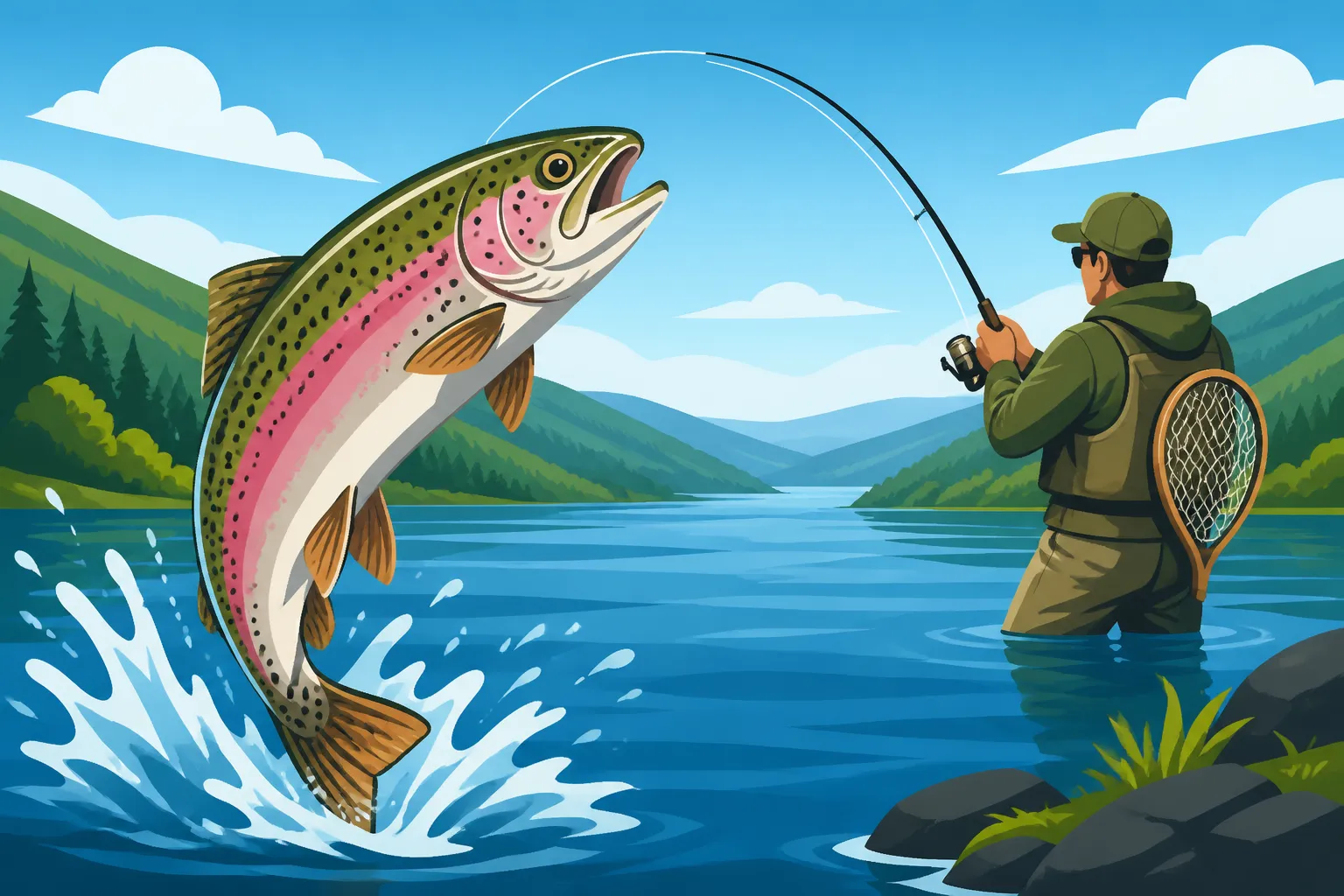
Rainbow Trout, including their landlocked cousins, are perhaps the most acrobatic of the bunch. Known for their spectacular aerial displays once hooked, Rainbows provide an exhilarating fishing experience. In the Finger Lakes, you'll find them cruising shallower waters, especially in spring and near tributary mouths, though they will also head to deeper, cooler waters as summer progresses. Their vibrant colors and spirited fight make them a favorite among many. If you're curious about these stunning fish, read our guide on Rainbow Trout in New York.
The Impact of Depth and Water Temperature on Trout Habitats
The deep, glacial origins of the Finger Lakes are precisely what makes them such fantastic trout habitats. Unlike shallower lakes that might warm up too much in summer, these lakes maintain cold, oxygenated water even at great depths, providing a year-round refuge for trout.
Water temperature is the single most critical factor influencing trout distribution. Lake Trout, for example, prefer water temperatures in the 40s and low 50s Fahrenheit. During summer, this means they'll retreat to the deepest sections of the lake where these temperatures persist, often congregating around sunken islands, deep points, and along the steep drop-offs. Anglers targeting them must employ techniques that get their lures down to these extreme depths. Understanding these nuances is crucial for success, and resources like FishingBooker can help you find guides who specialize in these deepwater tactics.
Brown and Rainbow Trout are a bit more tolerant of warmer temperatures but still prefer cooler water, generally in the 50s and low 60s. This means that in spring and fall, when surface waters cool, these fish become much more accessible to shore anglers or those fishing shallower depths. During summer, they'll also seek out deeper water or congregate near cold water inflows from tributaries. Knowing the thermocline – the layer where water temperature changes rapidly – is vital, as this is often where trout will stack up to feed. These temperature variations dictate not just where the fish are, but also what they're actively feeding on.
Top Contenders for Trout Fishing in the Finger Lakes
When it comes down to which Finger Lake truly stands out for trout fishing, it's not a single answer, but rather a nuanced selection based on your target species and preferred fishing style. However, a few lakes consistently rise to the top for their abundant populations and trophy potential across the different trout varieties.
Seneca Lake: The Deep-Water Lake Trout Haven
Seneca Lake holds the title as the deepest of the Finger Lakes, plunging to over 600 feet in places, and it's this incredible depth that makes it a phenomenal fishery for Lake Trout. Its sheer volume of cold, oxygen-rich water provides an ideal environment for Lakers to grow to impressive sizes, with fish in the 10-20 pound range being relatively common, and true giants lurking in its depths.
Anglers venturing onto Seneca Lake with the goal of landing a trophy Lake Trout will primarily employ methods like downrigging, wire-line trolling, and jigging. The key is getting your presentation down to where these fish are holding, often 80 to 200 feet deep, especially during the warmer months. Flashers, spoons, and cut bait are popular choices. The challenge and reward of battling a large Seneca Lake Laker make it a pilgrimage for many serious trout anglers. If you're planning a trip there, our New York's Seneca Lake Fishing Guide provides more in-depth information. For specific techniques for deepwater Lake Trout in summer, you might also find our article on How to Fish Deep Water Lake Trout in Summer on New York's Finger Lakes helpful.
While Lake Trout dominate, Seneca Lake also holds strong populations of Brown Trout and Rainbow Trout, particularly in the spring and fall when they cruise shallower waters near tributaries or shoreline structures. These fish provide excellent opportunities for casting spoons, stickbaits, or even fly fishing in the right conditions.
Cayuga Lake: A Versatile Fishery for All Trout Species
Cayuga Lake, the longest of the Finger Lakes and second deepest, offers a remarkably diverse trout fishery, appealing to anglers who appreciate variety. While it boasts a robust Lake Trout population similar to Seneca, Cayuga is perhaps best known for its exceptional Brown Trout and Rainbow Trout opportunities, especially during the colder seasons.
The lake’s extensive shoreline, numerous creeks, and varied underwater structure provide ample habitat for all three major trout species. In early spring and late fall, the shallower northern and southern ends of Cayuga Lake, along with its many tributaries, become hotspots for cruising Brown and Rainbow Trout. Shore fishing with lures or bait can be highly productive during these times. As temperatures rise, these fish move deeper, but still remain accessible to trollers and those fishing near drop-offs.
For those targeting Lake Trout, Cayuga delivers consistent action, often with a slightly higher average size than some of the smaller lakes. Trolling spoons, flasher-fly combinations, or even deep-diving crankbaits are effective methods. Many local guides listed on platforms like FishingBooker specialize in unlocking Cayuga Lake's diverse trout potential, whether you're after a lunker Laker or a spirited Brown. Check out our comprehensive New York's Cayuga Lake Fishing Guide for more localized tips and insights.
Keuka Lake: Often Overlooked, Always Rewarding
Keuka Lake, with its unique Y-shape, might not be as widely publicized for its trout fishing as Seneca or Cayuga, but it is a consistent producer and a favorite among many seasoned Finger Lakes anglers. It offers a fantastic balance of all three trout species and can be less crowded, providing a more serene angling experience.
Keuka's maximum depth of 183 feet means its thermocline is often more compressed, making it somewhat easier to locate trout than in the deeper lakes. Lake Trout here are abundant and provide excellent action, particularly through trolling and jigging. The average size is healthy, with plenty of fish in the 5-10 pound range. Many anglers find success using similar techniques as on Seneca, just often at slightly shallower depths.
The lake also supports strong populations of Brown Trout and Rainbow Trout, especially in the spring and fall. Tributaries like Cold Brook and the Branchport Creek draw fish in, and shoreline casting with stickbaits or spoons can be very productive. Keuka's numerous bays and points also offer excellent structure for these shallower-dwelling trout. If you're looking for a slightly different Finger Lakes experience with consistent trout action, explore our New York's Keuka Lake Fishing Guide for more details. Its unique shape and diverse habitat make it a truly rewarding destination.
Practical Tips for Finger Lakes Trout Anglers
Successfully targeting trout in the Finger Lakes requires more than just knowing where the fish are; it demands an understanding of their behavior, the right gear, and an adaptability to changing conditions. These coldwater warriors can be finicky, but with the right approach, you can greatly increase your chances of a memorable day on the water.
One of the most crucial aspects is staying informed about local conditions and regulations. The New York State Department of Environmental Conservation (DEC) provides invaluable resources, including stocking reports and specific regulations for each water body. Make sure you're up-to-date on New York Fishing Season Dates and Catch Limits before you head out.
Essential Gear and Techniques for Finger Lakes Trout
The gear you bring will largely depend on the trout species you’re targeting and the time of year. For the deep-water realm of Lake Trout, heavy-duty trolling setups are essential.
For Lake Trout:
- Rods & Reels: You'll want stout downrigger rods (7-9 feet, medium-heavy to heavy action) paired with large capacity baitcasting or conventional reels spooled with at least 20-30 lb monofilament or braid, often with a fluorocarbon leader.
- Terminal Tackle: Downriggers are non-negotiable for getting spoons, flasher-fly combinations, or large stickbaits down to 80-200 feet. Wire line setups or leadcore can also be effective for specific depths. Heavy jigs (1-3 oz) are great for vertical jigging over deep structure.
- Lures: Popular choices include large flutter spoons (like Sutton, Northern King, or Michigan Stinger), dodger/flasher and fly combinations (e.g., A-Tom-Mik flies), and deep-diving crankbaits. For jigging, white tube jigs or blade baits can be deadly.
For Brown and Rainbow Trout:
- Rods & Reels: Lighter setups are generally preferred. Spinning rods (6.5-7.5 feet, medium-light to medium action) paired with 2500-3000 series spinning reels spooled with 6-10 lb fluorocarbon or monofilament are versatile for casting lures or drifting bait.
- Terminal Tackle: A simple snap swivel for spoons or stickbaits, or a slip sinker rig for drifting bait (like shiners or worms).
- Lures: Cast spoons (Little Cleos, Daredevils), stickbaits (Rapala, Yo-Zuri), small crankbaits, or inline spinners are highly effective. For fly fishing, streamers, nymphs, and sometimes dry flies will work depending on conditions. For a more general guide on how to approach these fish, consider reading our advice on How to Trout Fish in New York.
Having a good fish finder is also incredibly helpful for locating baitfish schools, understanding bottom contours, and identifying the thermocline where trout are likely to be holding.
Navigating Seasons and Conditions for Optimal Success
The Finger Lakes offer year-round trout fishing opportunities, but success rates and methods change dramatically with the seasons.
- Spring (April-May): This is prime time for shore and shallow-water trolling for Brown and Rainbow Trout. As ice recedes, these fish become highly active and move into shallower water to feed on baitfish and insects. Tributary mouths are particularly productive. Lake Trout are also more accessible in shallower water before the summer heat drives them deep.
- Summer (June-August): Deep-water Lake Trout fishing is the main event. Anglers must target the thermocline using downriggers and heavy tackle. Early mornings and late evenings can still yield some Brown and Rainbows in deeper, cooler areas or near cold water inflows. This is when platforms like FishingBooker really shine, connecting you with captains who have the specialized gear and knowledge for deepwater trolling.
- Fall (September-November): Another fantastic season for all trout species. Brown and Rainbow Trout become very active again, moving shallower for pre-spawn feeding. Lake Trout remain strong in deeper waters but may also move up as the lake cools. The fall foliage provides a stunning backdrop to incredible fishing.
- Winter (December-March): When safe ice forms, ice fishing for Lake Trout, Brown Trout, and Rainbow Trout becomes a popular pursuit. Jigging spoons and tip-ups rigged with live minnows are effective. Always prioritize safety and check ice conditions meticulously, or consider an ice fishing guide. For more about this exciting winter activity, consider our guide on Ice Fishing in New York: A Complete Guide.
Weather conditions also play a significant role. Overcast days and stable barometric pressure can often improve trout feeding activity. A little wind can also be beneficial, creating current and concentrating baitfish. Always be prepared for rapidly changing weather on these large bodies of water.
Comparing Finger Lakes for Trout Fishing
To give you a clearer picture, here's a quick comparison of the top Finger Lakes for trout fishing. This table highlights their primary species, typical depths, and common fishing methods, helping you decide which lake might best suit your angling adventure.
| Lake Name | Primary Trout Species | Average Depth (feet) | Maximum Depth (feet) | Key Fishing Methods (Summer) | Special Notes |
|---|---|---|---|---|---|
| Seneca Lake | Lake Trout (dominant), Brown Trout, Rainbow Trout | 291 | 618 | Deep trolling, jigging | Deepest lake, trophy Lakers, excellent visibility |
| Cayuga Lake | Lake Trout, Brown Trout, Rainbow Trout | 179 | 435 | Deep trolling, casting, jigging | Longest lake, diverse fishery, good for all species |
| Keuka Lake | Lake Trout, Brown Trout, Rainbow Trout | 87 | 183 | Trolling, casting, jigging | Unique Y-shape, consistent action, less crowded |
| Owasco Lake | Lake Trout, Brown Trout, Rainbow Trout | 95 | 177 | Trolling, casting | Strong brown trout fishery |
| Skaneateles Lake | Lake Trout, Rainbow Trout (dominant), Brown Trout | 145 | 315 | Trolling, casting | Pristine water, focus on Rainbows, strict regs |
This table serves as a quick reference, but remember that conditions and fish behavior can vary greatly day by day. Local bait shops are often the best source for up-to-the-minute reports.
Ultimately, deciding which is the "best" Finger Lake for trout fishing really depends on what you're hoping to achieve. If landing a true giant Lake Trout is your dream, Seneca Lake offers unmatched opportunities due to its immense depth and cold-water habitat. For those seeking a versatile experience with a good chance at all three major trout species – Brown, Rainbow, and Lake Trout – Cayuga Lake stands out for its diverse environment and extensive waters. And if you prefer a slightly less pressured but still highly productive option, Keuka Lake consistently delivers with healthy populations across the board. Whichever you choose, the Finger Lakes are a phenomenal destination for any trout enthusiast.
Disclaimer
Fishing conditions and regulations in New York can change. Always consult the official New York State Department of Environmental Conservation (DEC) website for the most current rules, seasons, and licensing requirements before planning your fishing trip. This guide is for informational purposes only and should not be considered a substitute for official regulations.