Best Time to Fish for Walleye on New York’s Oneida Lake
Trying to figure out the absolute best time to catch walleye on Oneida Lake can feel like chasing a phantom. You hear stories about incredible hauls, but then you go out and strike out, leaving you wondering if you missed the magical window. This comprehensive guide is here to demystify Oneida Lake's walleye patterns, breaking down the prime seasons, daily windows, and environmental cues to significantly boost your chances of a successful outing.
Understanding Walleye Behavior on Oneida Lake: The Seasonal Dance
Oneida Lake is a phenomenal walleye fishery, known for its healthy population of these toothy predators. But like any fish, walleye behavior on Oneida is heavily dictated by the seasons and environmental conditions. They're cold-blooded creatures, meaning their metabolism and activity levels are directly tied to water temperature. Understanding their annual cycle is the first step to knowing when and where to find them.
Spring's Awakening: Post-Spawn Hunger
As the ice retreats and Oneida Lake's waters begin to warm in early spring, walleye instincts shift towards spawning. Once the spawn is complete, typically from late March through April, these fish become incredibly hungry. They've expended a massive amount of energy, and their focus turns to replenishing those reserves. This post-spawn period is often one of the most exciting times to target them. They'll be on the move, transitioning from deeper spawning grounds to shallower feeding areas, making them more accessible to anglers. The warming water also kickstarts the metabolism of baitfish, creating a buffet that walleye are eager to exploit.
Summer's Deep Dive: Adapting to Warmth
As spring transitions into the warmth of summer, Oneida Lake's water temperatures continue to rise. Walleye, preferring cooler water, tend to move out of the shallows and into deeper, cooler sections of the lake. They'll often relate to structure like humps, drop-offs, and weed edges where they can ambush baitfish while staying comfortable. This doesn't mean summer fishing is bad; it just means you need to adjust your tactics and search deeper. While the early morning and late evening bites remain strong, you'll find them holding in specific thermal refuges during the heat of the day. Many anglers shift to trolling techniques during this period to cover more water and find those elusive deeper schools.
Fall's Feast: Preparing for Winter
When autumn arrives and the lake water begins to cool again, a "second season" for walleye often kicks into high gear. This is a crucial time for walleye to pack on weight before the long, lean winter months. They become incredibly active, often moving back into shallower feeding flats or staging around tributary mouths as baitfish gather. This fall feeding frenzy can offer some of the most aggressive bites of the year, particularly as the water temperature dips into the 50s and low 60s Fahrenheit. Don't overlook the fall; it's a fantastic time for trophy-sized walleye on Oneida Lake, as explained in our guide to New York Walleye Season Dates.
Winter's Chill: Ice Fishing Opportunities
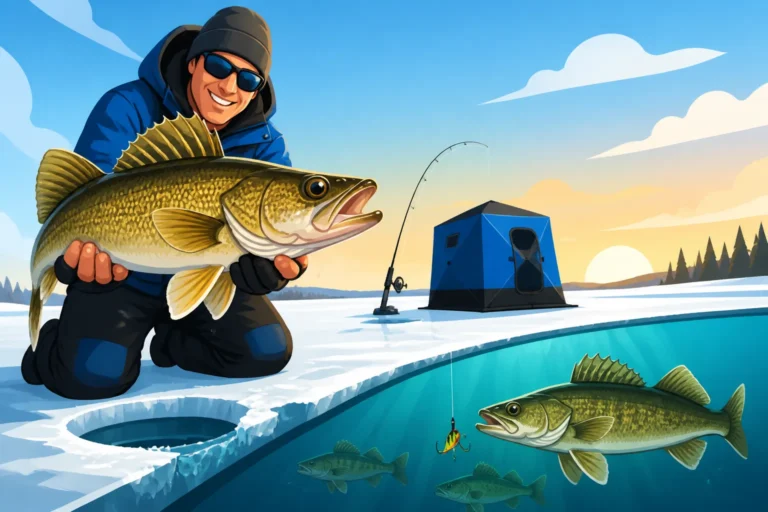
And then there's winter! Oneida Lake is a renowned ice fishing destination, and walleye are a primary target once the ice is safe. While their metabolism slows, they still need to feed. They'll often congregate in specific areas, making them predictable if you know where to look. Ice fishing for walleye often involves jigging or using tip-ups with live bait. It's a different kind of fishing, requiring specialized gear and a good understanding of ice safety, but the rewards can be incredible. Many anglers brave the cold for the chance at a fresh walleye dinner. Be sure to check out our tips on How to Ice Fish for Walleye in New York.
Spring and Early Summer: Prime Walleye Action
Hands down, for many anglers, spring and early summer on Oneida Lake represent the absolute prime window for walleye fishing. The fish are active, often relatively shallow, and aggressively feeding. If you're looking for consistent action and a good chance at keeper-sized fish, this is your time.
Targeting Shallow Spawning Areas
Immediately following the spawn, walleye on Oneida will still be found in areas adjacent to their spawning grounds, which are typically rocky shoals and gravel bottoms. As the water warms, they'll quickly spread out into shallower flats, weed edges, and points where baitfish are abundant. Think of depths from 5 to 15 feet as a starting point. Areas with submerged vegetation or transitions from hard bottom to soft are particularly productive. These fish are not only recovering from spawning but also taking advantage of the emerging insect hatches and schooling baitfish in the warmer, nutrient-rich shallow water. Focus on areas with good cover or ambush points.
For targeting these spring walleye, boat control is key. Drifting with the wind over vast flats, or slowly trolling contour lines can put your baits in front of more fish. If you mark fish on your electronics, don't be afraid to drop anchor and thoroughly work the area. Many anglers find success using a combination of vertical jigging and casting to cover different depths and retrieve speeds.
Lure Selection and Presentation
When it comes to lures for spring and early summer walleye on Oneida, you have a fantastic array of options, and you can find a huge selection of effective choices on Amazon.
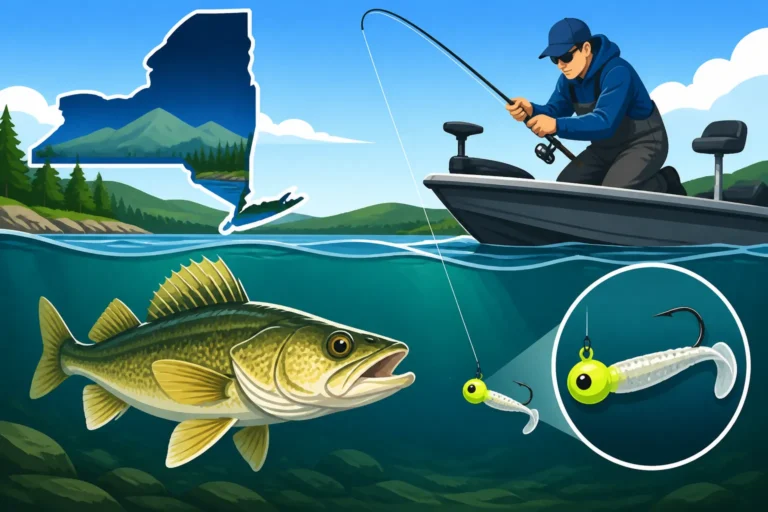
- Jigs: These are absolute workhorses. A 1/8 to 1/4 ounce jig head tipped with a live minnow, a soft plastic swimbait, or a twister tail grub can be deadly. Vary your retrieve from a slow drag along the bottom to a more aggressive hop-and-drop. Colors like chartreuse, white, and natural minnow patterns are consistently effective. If you're jigging, let the jig hit bottom, give it a sharp hop, and let it fall on a semi-slack line – many bites occur on the fall.
- Blade Baits: These vibrating lures, often resembling small baitfish, are fantastic for covering water and triggering strikes from active fish. They cast well and can be vertically jigged or retrieved with a lift-and-drop motion.
- Stickbaits and Crankbaits: Trolling or casting lipped crankbaits that dive to the appropriate depth can be incredibly productive, especially when walleye are spread out. Choose shallow-running models for springtime flats and deeper divers as the fish transition. Natural colors like silver, perch, and firetiger are popular choices. Ensure your crankbaits are running true; a bent eyelet can significantly affect their action.
- Live Bait Rigs: Nothing beats live bait for walleye sometimes. A simple slip-sinker rig with a lively shiner, fathead minnow, or nightcrawler can be irresistible. Fish these slowly along the bottom, either by drifting or slowly trolling. The scent and natural action of live bait often entice finicky walleye when artificials fail. You can purchase specific walleye rigging kits on Amazon that include all the necessary components.
Remember to vary your presentation until you find what the walleye are keying in on. Sometimes a slow, methodical retrieve is best, other times a more aggressive twitch or snap will trigger a strike. It's all about experimentation on the water.
Mid-Summer and Fall: Adjusting Your Strategy
As Oneida Lake transitions from the vibrant activity of early summer to the cooler, more stable conditions of mid-summer and eventually the energetic fall, your walleye tactics need to evolve. The fish are still there, but their locations and feeding patterns shift significantly.
Locating Walleye in Deeper Water
Once the surface temperatures of Oneida Lake reach their peak in mid-summer, walleye will seek refuge in deeper, cooler water. This often means finding them on or near the main lake basin's humps, deep points, rock piles, and distinct drop-offs. Areas where the lake bottom transitions from a hard substrate to soft muck can also be productive, as these areas often hold invertebrate life that attracts baitfish. Depths from 20 to 40 feet are not uncommon during the summer doldrums. A good fish finder is an invaluable tool here, helping you locate schools of baitfish and the walleye lurking beneath. Many excellent and user-friendly models are readily available on Amazon.
When targeting these deeper summer walleye, precision is key. Use your electronics to mark specific structure or schools of fish, and then position your boat to present your baits effectively. Pay close attention to subtle changes in bottom composition or depth that might indicate a walleye holding area. As fall approaches and the water cools, walleye might start venturing back into shallower areas, especially during low-light conditions, before retreating to deeper haunts during the brighter parts of the day. This is often triggered by the "fall turnover" when the lake's water column mixes, distributing oxygen and nutrients more evenly.
Trolling and Drifting Techniques
For covering large expanses of Oneida Lake's deeper waters during summer and fall, trolling is often the most efficient method.
- Trolling Crankbaits: Long-billed crankbaits that can reach depths of 20-30 feet or more are excellent for summer walleye. Use lead core line or snap weights to get your lures even deeper. Experiment with different colors and sizes until you find what the walleye are reacting to. Chartreuse, blue/chrome, and perch patterns are perennial favorites. Maintain a consistent speed, typically between 1.5 and 2.5 mph, to give your lures their intended action.
- Bottom Bouncing with Crawler Harnesses: This is a classic walleye technique that's incredibly effective, especially when fish are relating to the bottom. A bottom bouncer rig, which consists of a lead weight designed to drag along the bottom without snagging, is paired with a spinner rig (often called a "crawler harness") adorned with beads and a blade, tipped with a live nightcrawler. The spinner creates flash and vibration, while the nightcrawler provides irresistible scent and action. Slowly troll or drift these rigs along contour lines or over structure.
- Drifting Jigs or Live Bait Rigs: If you find a concentrated school of walleye, drifting jigs tipped with minnows or soft plastics, or a simple live bait rig with a minnow or leech, can be very effective. Use enough weight to maintain bottom contact, but not so much that it hinders the natural presentation. Let the wind and currents do some of the work, slowly presenting your bait. For more specific advice, our article on How to Jig for Walleye provides excellent insights.
Always pay attention to your rod tip for the tell-tale "thump" of a walleye bite, which can sometimes be very subtle, especially when fish are lethargic in warmer water or colder fall temperatures.
Winter Wonderland: Ice Fishing for Oneida Walleye
When Oneida Lake freezes solid, a whole new world of walleye fishing opens up for the dedicated angler. Ice fishing for walleye is a beloved tradition in New York, and Oneida Lake is one of the premier destinations.
Safe Ice and Essential Gear
First and foremost, safety is paramount when ice fishing. Always check ice conditions and never venture out alone, especially early or late in the season. A minimum of 4 inches of clear, solid ice is generally recommended for foot travel, and more for ATVs or snowmobiles. Carry safety equipment like ice picks, a spud bar (to test ice thickness), and a throw rope.
Once you're confident in the ice, the right gear makes all the difference for Oneida walleye. You'll need an ice auger (manual or powered), an ice fishing rod and reel (shorter rods are better in a shanty or out in the open), and warm clothing layers. A portable ice shanty can offer much-needed protection from the wind and cold. Many ice fishing essentials, from augers to portable shelters, can be found with quick delivery on Amazon. For comprehensive safety guidelines and gear recommendations, our New York Ice Fishing Rules article is a must-read.
Jigging and Tip-Up Strategies
Walleye on Oneida Lake under the ice are often found in areas that were productive during late fall: deeper flats, drop-offs, and humps where they can relate to the bottom and ambush baitfish.
- Jigging: This is an active and exciting way to catch walleye through the ice. Small jigging spoons, often tipped with a piece of minnow or a plastic grub, are very effective. The key is to impart action – a series of lifts and drops, varying the height and speed, followed by a pause. Many bites occur during the pause or on the fall. Walleye can be finicky in cold water, so experiment with jigging cadence until you find what triggers a strike. A sensitive ice rod will help you detect those subtle bites.
- Tip-Ups: Tip-ups are passive fishing devices that allow you to cover multiple holes and use live bait. Set your tip-ups with a lively shiner or minnow hooked lightly through the back, positioned just off the bottom or suspended at a specific depth where you've marked fish. When a walleye takes the bait, the flag on the tip-up pops up, signaling a bite. It's a fantastic way to increase your chances, especially when fish are spread out or less active. Just remember to check your state regulations on the number of lines allowed per angler.
When ice fishing for walleye, stealth can be important. Avoid making excessive noise on the ice, as vibrations can spook fish. Use a flasher or an ice fishing sonar to mark fish and monitor their reactions to your lures. Sometimes, a slight change in jigging depth or a longer pause is all it takes to turn a looker into a taker.
Key Environmental Factors and Daily Timing
Beyond the seasons, daily factors like light levels, weather, and even the moon can influence when Oneida Lake walleye decide to bite. Being aware of these elements can give you a significant edge.
Light, Wind, and Water Clarity
Walleye are known for their light-sensitive eyes, which are adapted for low-light conditions. This biological trait heavily influences their feeding patterns.
- Light Levels: This is perhaps the most critical factor. Walleye's excellent low-light vision gives them an advantage over their prey during twilight hours. This means dawn and dusk are almost always prime times for walleye fishing, regardless of the season. On cloudy days, or when the water is stained, walleye may be active throughout the day, as the reduced light penetration creates an extended "low-light" environment for them. Conversely, on bright, sunny days with clear water, they'll typically retreat to deeper, darker water or dense cover during midday.
- Wind: A moderate chop on the water surface, caused by wind, can be a walleye angler's best friend. The ripples break up light penetration, disorients baitfish, and creates current, all of which can increase walleye feeding activity. A strong, sustained wind can make boat control difficult, but a gentle breeze creating a "walleye chop" is often ideal. On calm, slick days, walleye tend to be more skittish and harder to approach in shallower water.
- Water Clarity: Oneida Lake's water clarity can vary. In general, walleye prefer water that is slightly stained or has a moderate amount of turbidity. This gives them cover and enhances their low-light hunting advantage. Extremely clear water can make them wary, pushing them deeper or into heavier cover. Very muddy water, however, can reduce visibility for both predator and prey, making fishing more challenging. Adjust your lure colors and sizes accordingly: brighter, larger lures in stained water; more natural, subtle presentations in clear water.
Best Times of Day for a Bite
Given their light sensitivity, the absolute best times to fish for walleye on Oneida Lake usually align with low-light periods.
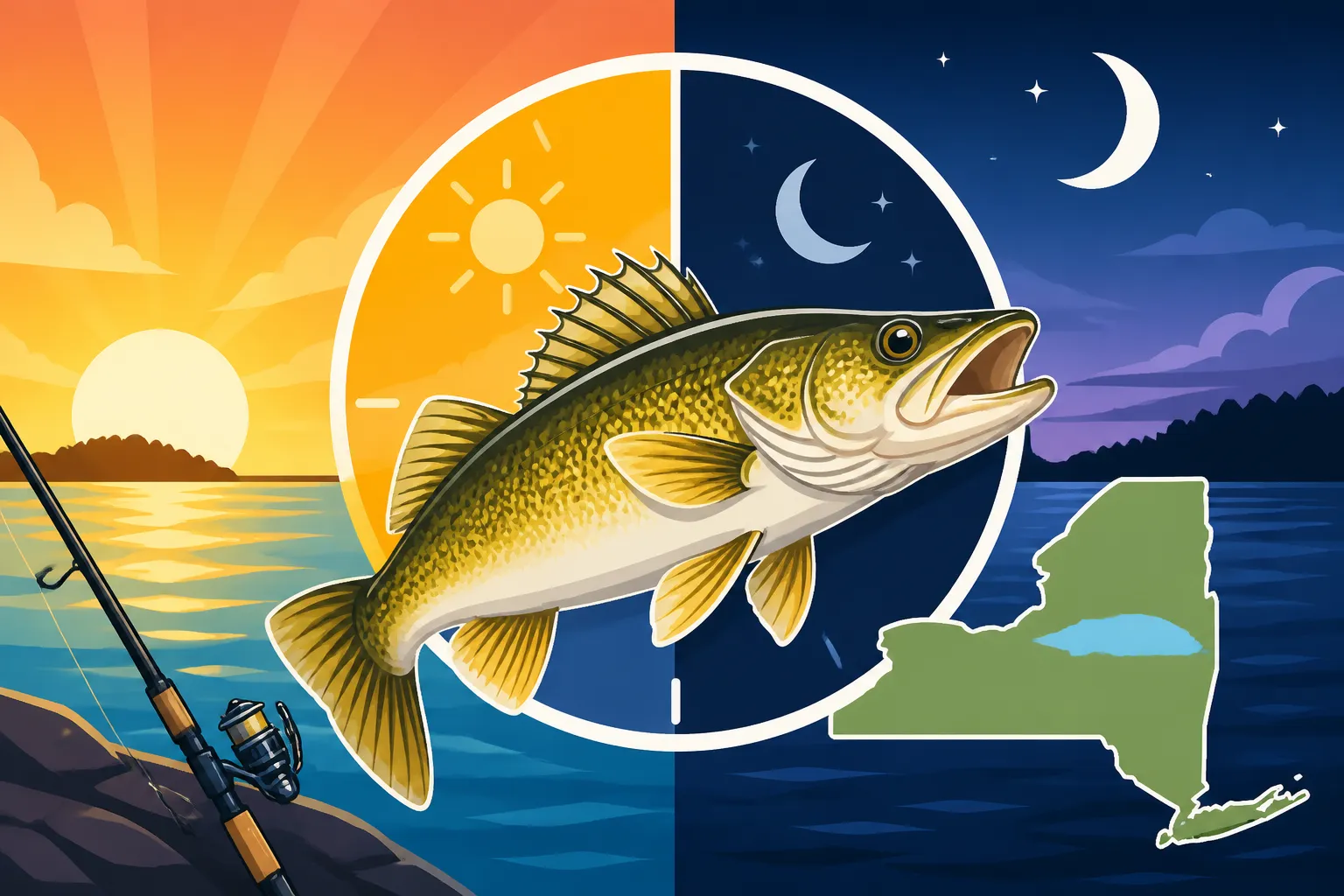
- Dawn and Dusk: These are classic walleye hours. As the sun rises or sets, walleye move from their deeper resting areas or cover into shallower feeding flats and structures to ambush unsuspecting baitfish. Plan your trips to coincide with these windows, especially if you're targeting fish in moderate depths or near the shore.
- Night Fishing: Don't discount night fishing for walleye on Oneida Lake, particularly during the warmer summer months. Walleye become even bolder under the cover of darkness. Trolling crankbaits or casting stickbaits that create a strong silhouette or vibration can be incredibly effective. Make sure you have appropriate lighting and safety gear if you venture out after dark.
- Overcast Days: As mentioned, heavy cloud cover can extend the prime bite throughout the day, essentially simulating low-light conditions. These are excellent days to be on the water, even during midday, as walleye might be actively feeding in areas they'd normally avoid when the sun is bright.
- Before a Storm Front: Often, fish will go on a feeding frenzy just before a major weather system moves in, especially if it brings changes in barometric pressure. Walleye are no exception. Keep an eye on the forecast, and if it's safe to be on the water, fishing a few hours before a front can be very productive.
By understanding these daily and environmental influences, you can refine your fishing schedule and techniques, turning a good day on Oneida Lake into a great one. While there's never a guaranteed "best time," combining seasonal knowledge with daily factors will undoubtedly improve your walleye success. For more general advice on daily timing, our guide Best Time of Day to Fish in New York offers additional perspectives.
Here's a quick overview of Walleye fishing on Oneida Lake by season:
| Season | General Walleye Location | Preferred Depths | Effective Techniques | Lure/Bait Suggestions |
|---|---|---|---|---|
| Early Spring | Shallow flats, rocky shoals | 5-15 feet | Jigging, casting stickbaits | Minnow-tipped jigs, blade baits, suspending stickbaits |
| Late Spring | Weed edges, drop-offs, points | 10-20 feet | Casting jigs, shallow crankbaits | Soft plastics, swimbaits, lipped crankbaits |
| Summer | Deep humps, main lake basin structure | 20-40+ feet | Trolling crankbaits, bottom bouncing | Deep-diving crankbaits, crawler harnesses |
| Fall | Flats, tributary mouths, deep structure | 15-30 feet (variable) | Trolling, jigging, live bait rigs | Jigging spoons, minnows, crankbaits |
| Winter (Ice) | Deep flats, edges of structure | 15-35 feet | Vertical jigging, tip-ups | Jigging spoons, live minnows |
For those looking to explore more specific areas of the lake, checking out a detailed Oneida Lake Walleye Fishing Guide or information on the Best Walleye Fishing Spots in New York can further pinpoint your efforts. Remember, a successful day fishing is not just about catching fish, but also enjoying the incredible beauty and challenge that Oneida Lake offers.
Disclaimer
This article is for general informational purposes only and does not constitute professional advice. Laws, prices and regulations vary by location and change over time. Consult a qualified professional for guidance on your specific situation.