Fish Species You Can Catch in New York
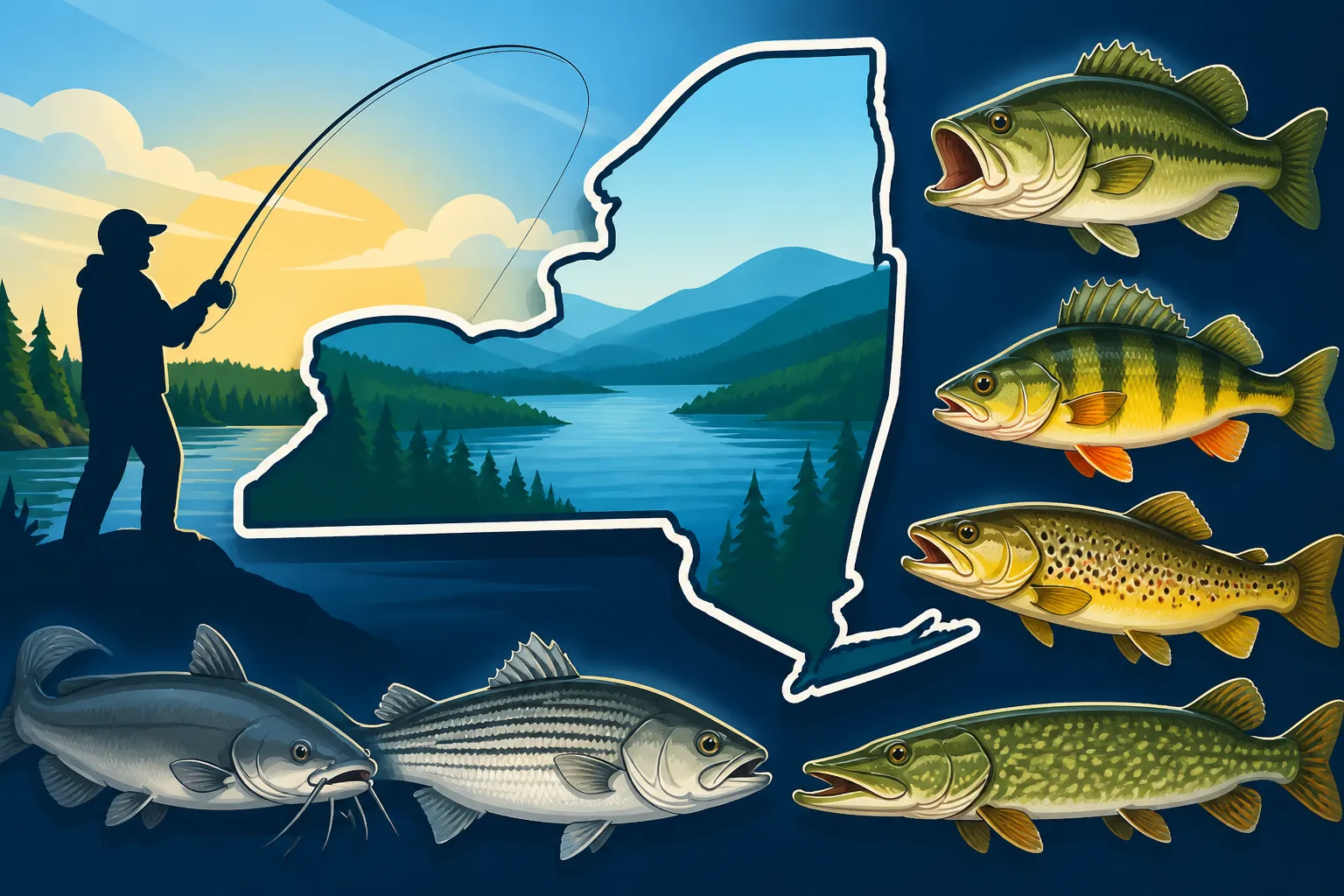
Stepping onto the shores or into the boats of New York, it's easy to feel a mix of excitement and overwhelm when you think about the sheer variety of fish swimming beneath the surface. From the vast Great Lakes to our smallest trout streams, the Hudson River's tidal waters to the Atlantic's crashing waves, knowing what finned friends you might encounter can feel like a guessing game. This guide is here to untangle that mystery, giving you a comprehensive look at the incredible fish species you can catch right here in New York State.
New York's Freshwater Marvels: The Bass Family
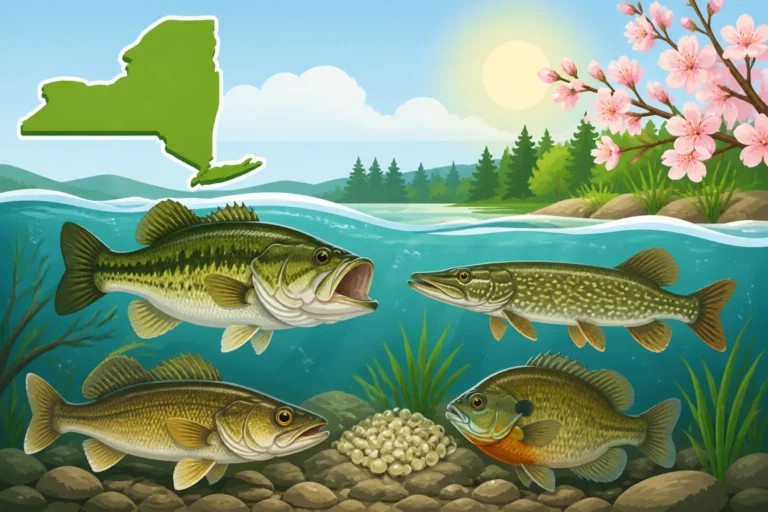
When we talk about freshwater fishing in New York, it's almost impossible not to start with bass. These feisty fighters are a staple for anglers across the state, providing thrilling battles and making for truly memorable days on the water. Whether you're casting topwater lures at sunrise or working jigs along rocky drop-offs, bass are often the target, and for good reason!
Largemouth Bass: The Green Demon of the Weeds
The largemouth bass is probably what most folks picture when they think of freshwater bass. Known for their deep green color, mottled patterns, and that tell-tale large mouth extending beyond the eye, these fish are ambush predators that love to hide in cover. You'll find them lurking in submerged vegetation, around fallen logs, under lily pads, and near docks, especially in the warmer, shallower waters of ponds, lakes, and slower-moving rivers across New York.
They're incredibly popular because they fight hard and are usually willing to strike a wide array of baits. Think about those explosive topwater strikes at dawn or dusk – there's nothing quite like it! Targeting largemouth often involves patience and careful presentation, pitching jigs or soft plastics right into the thickest cover where these fish feel safe and ready to pounce on unsuspecting prey.
One of the great joys of largemouth fishing is the variety of techniques you can use. From Texas-rigged worms and spinnerbaits to crankbaits and frogs danced across the surface, there's a lure for every situation and every angler's preference. Just be mindful of their preferred habitat and remember that a quiet approach often yields the best results when you're trying to coax one of these wary fish out from their hiding spots.
Smallmouth Bass: The Bronze Gladiator of Clear Water
Switch gears from the weedy shallows, and you'll often find yourself in smallmouth bass territory. These magnificent fish, identifiable by their bronze-brown coloration and smaller mouth that typically doesn't extend past the eye, prefer cooler, clearer, and rockier waters. They thrive in the deeper sections of many of New York's larger lakes, such as the Finger Lakes and the Great Lakes, as well as the currents of many rivers like the St. Lawrence and Niagara.
Smallmouth bass are known for their incredible fighting spirit, often making acrobatic leaps out of the water once hooked. They're powerful fish that use current and structure to their advantage, making for an exhilarating fight that can really test your angling skills. Targeting them often involves presentations that mimic crayfish or small baitfish, such as tube jigs, drop shots, and crankbaits worked along rocky bottoms, shoals, and points.
If you're looking for an unforgettable fishing experience, chasing smallmouth bass on a clear, breezy day can be just the ticket. Their willingness to chase down baits and their aggressive strikes make them a favorite among many experienced anglers. Be sure to check out our guide on New York's Bass Species Explained to learn even more about these fantastic fish.
The Elusive and Powerful: Pike and Muskie Species
When it comes to apex predators in New York's freshwater systems, the pike and muskellunge families stand tall. These long, toothy, and incredibly powerful fish are often the stuff of angler legends, known for their ambush tactics and the sheer size they can attain. Catching one is often considered a lifetime achievement for many, and the chase itself is an adventure.
Northern Pike: The Water Wolf
Northern pike are unmistakable with their elongated, torpedo-shaped bodies, duck-bill snouts, and rows of razor-sharp teeth. Their coloration is typically a dark green back fading to a lighter belly, adorned with bean-shaped spots or streaks. You'll find them widespread throughout New York's freshwater lakes, ponds, and slower rivers, particularly where there's ample aquatic vegetation for them to hide in.
These fish are aggressive, opportunistic predators, often lying in wait in weed beds or under overhanging branches, ready to dart out and ambush anything that swims by. They're a thrilling catch because of their explosive strikes and powerful runs. Many anglers target them with large spoons, spinnerbaits, or even live baitfish, knowing that a pike strike can often feel like your rod is being ripped right out of your hands!
While they can grow quite large, even smaller pike put up a fantastic fight. Just remember to handle them with extreme care due to those teeth; a good pair of long-nosed pliers and a jaw spreader are your best friends when landing one. They are a significant part of the ecosystem and offer a unique challenge for those looking to tangle with something truly wild.
Muskellunge and Tiger Muskie: Giants of the Deep
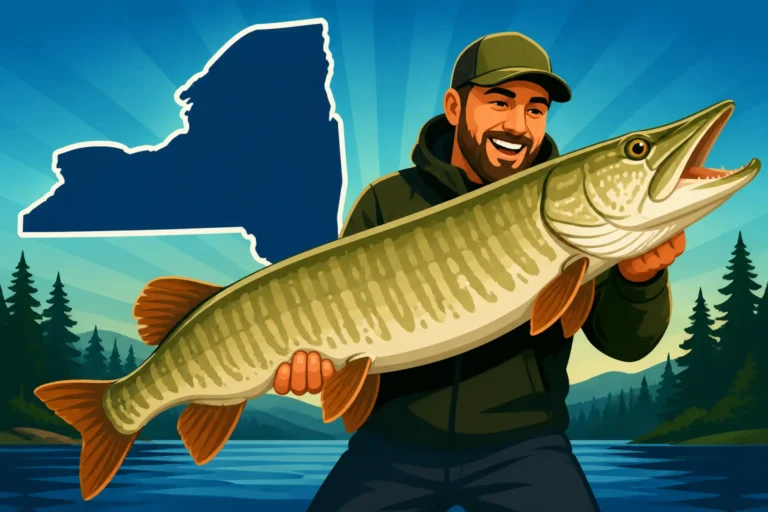
The muskellunge, often simply called "muskie," is the ultimate trophy fish for many New York anglers. These magnificent fish can grow to truly enormous sizes, boasting long, slender bodies, powerful tails, and those characteristic sharp teeth. They are native to some of New York's premier waters, including the St. Lawrence River, Chautauqua Lake, and parts of the Allegheny River system.
Catching a muskie is often described as "the fish of 10,000 casts," and while that might be a slight exaggeration, it speaks to the challenge and dedication required. They are elusive, intelligent predators that demand respect and specialized tactics, often involving massive lures or large live baits. The sheer power and raw aggression of a hooked muskie are legendary, making every encounter an unforgettable one. Our guide on New York's Muskellunge Minimum Size Limit provides more detail on regulations.
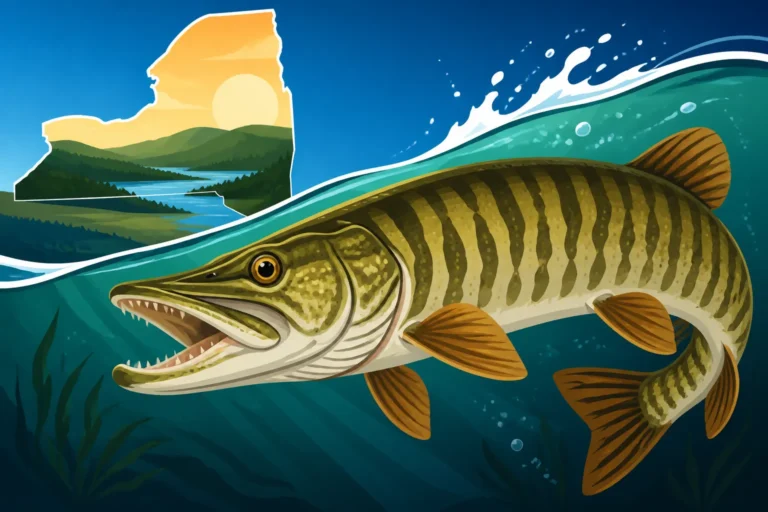
Adding to the excitement is the tiger muskie, a sterile hybrid of a northern pike and a muskellunge. These fish exhibit distinct tiger-like stripes and share characteristics of both parents, often growing very large and fighting with incredible ferocity. They are stocked in various New York waters, providing another incredible trophy opportunity for dedicated anglers. Both species require heavy tackle and a strong resolve, but the reward of landing one of these freshwater leviathans is unmatched.
Coldwater Gems: Trout and Salmon of New York
For many, the thought of New York fishing immediately conjures images of pristine, coldwater streams and lakes, teeming with trout and salmon. These species are not just beautiful to look at; they represent a pinnacle of freshwater angling, demanding skill, patience, and a deep understanding of their unique behaviors and habitats.
Brown Trout: The Wary European Import
Originally from Europe, the brown trout has found a thriving home in many of New York's rivers, streams, and larger lakes. Identifiable by their often golden-brown coloration with dark spots surrounded by lighter halos, sometimes featuring red spots, they are renowned for their wariness and cunning. Anglers often refer to them as intelligent fish, capable of discerning subtle differences in presentation.
Brown trout prefer cooler water temperatures and can tolerate a slightly wider range than brook trout, making them suitable for many varied habitats. They are often targeted by fly fishermen with delicate presentations of dry flies, nymphs, and streamers, but they'll also readily strike spinners, spoons, and live bait. Catching a large, wild brown trout is a true testament to an angler's skill and often involves stealthy approaches and precise casts.
You'll find fantastic brown trout fishing in famous Catskill rivers like the Beaverkill and Willowemoc, as well as numerous streams flowing into the Great Lakes and Finger Lakes. Their ability to grow to impressive sizes in productive waters, combined with their challenging nature, makes them a perennial favorite. For more in-depth information, you can explore A Guide to New York's Trout Species.
Rainbow Trout and Steelhead: The Silver Leapers
Rainbow trout are perhaps one of the most widely recognized trout species, named for the iridescent, pinkish-red stripe running along their sides. They are native to western North America but have been widely introduced throughout New York, thriving in many lakes and streams. They are known for their strong, acrobatic fights, often leaping clear of the water when hooked.
A special kind of rainbow trout, the steelhead, is an anadromous (or lake-run in New York's case) form that spends part of its life in larger bodies of water, like Lake Ontario and Lake Erie, before migrating into tributaries to spawn. These silver-sided powerhouses are revered by anglers for their incredible strength and endurance. The fall, winter, and spring steelhead runs in the tributaries of the Great Lakes are legendary, drawing anglers from all over.
Fishing for steelhead requires specialized techniques, often involving drifting egg sacs, beads, or small flies in swift currents. It's a challenging but deeply rewarding experience, connecting you with some of the most powerful freshwater fish in the state. Learning about How to Fish for Steelhead in New York will give you a leg up on these amazing fish.
Brook Trout: New York's State Fish
The brook trout holds a special place in the hearts of New York anglers, not just because it's our official state fish, but because it represents the wild, untamed beauty of our most pristine waters. These exquisitely colored fish boast worm-like markings (vermiculations) on their backs, red spots with blue halos on their sides, and striking white leading edges on their lower fins.
Brook trout thrive in cold, clean, highly oxygenated waters, often found in the headwaters of streams, remote ponds, and high-altitude lakes, especially within the Adirondack and Catskill regions. They are extremely sensitive to water quality, making their presence an indicator of a healthy ecosystem. While they don't typically grow as large as browns or rainbows, their vibrant beauty and the wild settings they inhabit make every catch a treasure.
Anglers often pursue brook trout with light tackle, small spinners, or traditional fly patterns like dry flies and small nymphs. It's an experience that's as much about the journey into nature as it is about the fish itself. Respect for their delicate habitat is paramount when fishing for these native beauties.
Lake Trout: Deepwater Giants
Lake trout are the largest native trout species in New York, inhabiting the deep, cold waters of large lakes like the Finger Lakes (Seneca, Cayuga, Keuka), Lake George, and the Great Lakes (Ontario and Erie). These fish are characterized by their dark grey or greenish bodies covered in light spots, a deeply forked tail, and often an impressive size.
As their name suggests, lake trout spend most of their lives in the deeper, cooler parts of lakes, often requiring specialized techniques like downrigging or deep jigging to reach them. They are slow-growing and long-lived, providing a challenge for anglers looking for a truly substantial fish. Catching a trophy lake trout involves patience and understanding the nuances of deepwater fishing.
While challenging, the reward of bringing a powerful lake trout to the surface, especially from the clear, cold depths of a Finger Lake, is a remarkable achievement. They are a testament to the incredible aquatic diversity hidden beneath the surface of New York's biggest waters.
Chinook and Coho Salmon: Kings of the Great Lakes
While not native to New York's freshwater, Chinook and Coho salmon have established robust populations in Lake Ontario and Lake Erie, thanks to extensive stocking programs. These Pacific salmon species provide a world-class angling experience, particularly during their spectacular migratory runs into tributary rivers in the fall.
Chinook salmon, often called "Kings," are the largest of the Pacific salmon, growing to immense sizes and fighting with incredible power. Coho salmon, or "Silvers," are smaller but no less feisty, known for their aggressive strikes and aerial acrobatics. Both species are a major draw for charter captains and recreational anglers alike, offering fantastic open-water trolling opportunities in the lakes and thrilling river fishing during the runs.
Targeting these salmon involves heavy tackle, often spoons, flies, or egg imitations. The sheer adrenaline of hooking a powerful salmon in the vast waters of Lake Ontario is something every angler should experience. If you're looking to target them, be sure to study How to Fish for Salmon in New York to prepare for these incredible battles. Along with these, some New York waters also hold landlocked Atlantic salmon, which are another spectacular coldwater catch, though less widespread than their Pacific cousins.
Panfish Paradise: Accessible Angling for Everyone
Sometimes, the most enjoyable fishing isn't about chasing giant trophies but about the sheer fun and accessibility of catching willing biters. That's where panfish come in. These smaller, often brightly colored species are abundant, cooperative, and perfect for beginners, kids, or anyone looking for a relaxing day on the water. They're often found in nearly every body of freshwater across New York, making them incredibly popular.
Yellow Perch: The Striped Delicacy
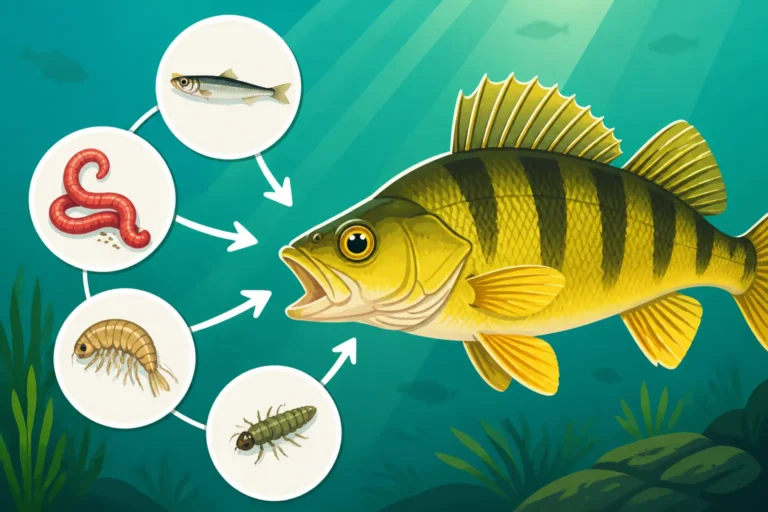
Yellow perch are easily recognizable by their distinctive vertical black stripes on a yellowish-golden body, along with bright orange lower fins. They are schooling fish, meaning where you find one, you're likely to find many more. Perch are incredibly popular for their delicious, flaky white meat, making them a favorite table fare for many New York families.
You'll find yellow perch in most freshwater lakes, ponds, and slower rivers throughout the state. They are particularly abundant in the Finger Lakes and the Great Lakes, where they form the backbone of a major fishery. They're not picky eaters, often falling for small minnows, worms, grubs, or small jigs and spinners.
Perch fishing is often a social affair, especially during the ice fishing season when anglers gather in shanties on frozen lakes, dropping lines for these tasty fish. Their consistent biting action makes them fantastic targets for kids and new anglers, offering plenty of excitement without requiring specialized gear. New York's Panfish Species Explained offers more insights into these common catches.
Bluegill and Sunfish: Bright Spots in Any Pond
Bluegill, a type of sunfish, are common sights in New York's warmer freshwater ponds, lakes, and calm river sections. They're characterized by their deep, plate-like bodies, often with vibrant blues, greens, and oranges, and a distinctive dark "ear flap" on their gill cover. Along with other sunfish species like pumpkinseed and green sunfish, they are eager biters and a joy to catch.
These prolific fish are perfect for introducing new anglers to the sport. They readily strike small worms, grubs, crickets, or tiny artificial lures like micro-jigs and flies. You can often spot their spawning beds in shallow areas during late spring and early summer, where males guard their nests aggressively, making them even easier to catch.
While they don't grow large, the vibrant colors and spirited tug of a bluegill on light tackle can bring a smile to anyone's face. They are truly the ambassadors of casual fishing, providing endless opportunities for fun and connection with nature in almost any local water body.
Crappie: The Slabs of Structure
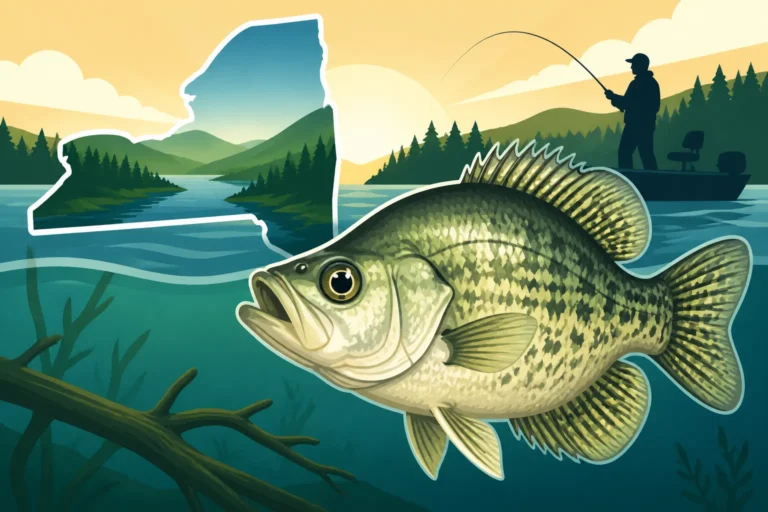
Both black crappie and white crappie are found in New York, though black crappie are generally more widespread. These schooling fish have silvery, disc-shaped bodies, with black crappie having irregular splotches and white crappie having more distinct vertical bands. They are highly sought after for their delicate white meat and their tendency to congregate in large numbers around submerged structure.
Crappie love to hang around brush piles, fallen trees, docks, bridge pilings, and weed edges in lakes, ponds, and slow-moving rivers. They are often targeted with small jigs tipped with minnows, plastics, or simply live minnows fished under a bobber. When you find a school of crappie, you can often enjoy fast and furious action, catching one after another.
Crappie fishing is a fantastic way to fill a cooler, and their schooling behavior means once you locate them, the fun often lasts for a while. They're especially popular in spring and fall, but keen anglers can find them year-round, even through the ice.
Bottom Dwellers and River Giants: Catfish and Carp
Beyond the more commonly targeted game fish and panfish, New York's waters also hold some impressive bottom-dwelling species that offer unique angling challenges and opportunities. These fish might not always get the same glamour as a muskie or a salmon, but they provide exciting fights and are widely distributed across the state.
Channel Catfish: Whiskered Warriors
The channel catfish is New York's most abundant and widespread catfish species, known for its sleek, scaleless body, deeply forked tail, and distinctive barbels or "whiskers" around its mouth. They range in color from olive to bluish-gray and can grow to very respectable sizes, offering a powerful fight on the end of your line.
You can find channel catfish in many of New York's larger rivers, such as the Hudson, Mohawk, and St. Lawrence, as well as the Great Lakes and many large impoundments. They are primarily bottom feeders, relying on their keen sense of smell to locate food. Anglers typically target them with smelly baits like chicken livers, nightcrawlers, cut bait, or commercial stink baits.
Catfish are often most active at night, making for a unique after-dark angling experience under the stars. They put up a strong, dogged fight, pulling hard and refusing to give up, which makes them a favorite among those who enjoy heavy tackle and patient fishing. Plus, many find them to be excellent eating!
Common Carp: The Golden Ghosts
Common carp are powerful, robust fish native to Europe and Asia but now found throughout many of New York's freshwater systems. They are recognizable by their large, golden scales, two pairs of barbels on their upper jaw, and often deep, muscular bodies. While sometimes overlooked, carp are incredibly strong fighters and can grow to truly enormous sizes, making them a popular target for a dedicated niche of anglers.
You'll find carp in almost any pond, lake, or slow-moving river, often in shallower, warmer, and sometimes murkier waters. They are omnivorous bottom feeders, sifting through substrate for insects, crustaceans, and plant matter. Anglers often target them with baits like corn, bread, dough balls, or specialized carp baits, often fished with European-style methods that involve delicate bite indicators.
Landing a large carp is an experience in pure power, as these fish are incredibly strong and will make long, sustained runs. They may not be the prettiest fish to everyone, but their fighting ability is undeniable, and they provide an exciting challenge for those who appreciate their unique qualities.
Saltwater Thrills: Coastal Species of New York
New York isn't just about freshwater; our extensive coastline, including Long Island Sound, the Atlantic Ocean, and the lower Hudson River, offers incredible saltwater fishing opportunities. From hard-fighting game fish to delicious table fare, the marine waters teem with a diverse array of species that draw anglers from all walks of life. Remember, saltwater fishing in New York often requires registration with the Recreational Marine Fishing Registry, even if it's free. Our New York Saltwater Fishing Registration Guide has all the details.
Striped Bass: The Iconic Coastal Fighter
The striped bass is arguably the most iconic saltwater game fish in New York. These beautiful fish boast a silvery body with seven or eight prominent dark horizontal stripes running from gill plate to tail. They are anadromous, meaning they spend most of their lives in saltwater but migrate into freshwater rivers, like the Hudson River, to spawn.
Striped bass are voracious predators, feeding on a wide variety of baitfish, squid, and crustaceans. Anglers pursue them using a multitude of techniques, including surfcasting from beaches and jetties, trolling from boats, casting artificial lures, and live lining baitfish. Their powerful runs and aggressive strikes make them a thrilling catch, whether you're targeting schoolies or aiming for a trophy "cow" bass.
The spring and fall migrations of striped bass along the coast and into the Hudson River are legendary, offering some of the most exciting fishing of the year. Due to conservation efforts, specific slot limits and regulations are often in place, so always check the latest New York Striped Bass Length Requirements.
Bluefish: The Choppers of the Coast
If you're looking for an aggressive, hard-fighting fish that's abundant in New York's coastal waters, look no further than the bluefish. These torpedo-shaped predators are known for their incredibly sharp teeth and their tendency to tear through schools of baitfish with a reckless abandon that lives up to their "chopper" nickname.
Bluefish are found throughout Long Island Sound and the Atlantic Ocean, often in large schools, particularly during the warmer months. They'll readily strike a variety of lures, from metal spoons and poppers to artificial swimming plugs. When you hook a bluefish, be prepared for a strong, uncompromising fight, often accompanied by leaps and headshakes.
While their teeth demand caution when unhooking, bluefish provide incredible action and are a blast to catch. They're a favorite among many New York saltwater anglers for their sheer ferocity and the excitement they bring to a fishing trip.
Fluke (Summer Flounder): The Flatfish Favorite
Fluke, also known as summer flounder, are one of New York's most popular bottom-dwelling species. These camouflaged flatfish lie in wait on the seafloor, ambushing baitfish and crustaceans. They are distinguishable by their eyes, which are typically on the left side of their head when viewed from above, and their ability to change color to match their surroundings.
You'll find fluke throughout New York's inshore and nearshore saltwater, including bays, estuaries, and along sandy bottoms in Long Island Sound and the ocean. Anglers commonly target them by drifting baits or bucktail jigs tipped with squid or baitfish across the bottom. The "thump" of a fluke strike can be subtle, but their strong headshakes once hooked make for an exciting retrieve.
Fluke are highly prized for their delicious, delicate white meat, making them a top target for recreational anglers looking to fill their coolers. The season and size limits are closely managed, so checking current regulations is always a smart move before heading out.
Tautog (Blackfish) and Porgy (Scup): Reef and Wreck Dwellers
For those who enjoy fishing over rocky structure, reefs, and wrecks, tautog (often called blackfish) and porgy (also known as scup) are prime targets. Tautog are notoriously strong and cunning fish, known for their powerful pull and their preference for crustacean baits like green crabs and hermit crabs. They have a dark, mottled coloration and can be challenging to hook due to their soft bites and tendency to dive into structure.
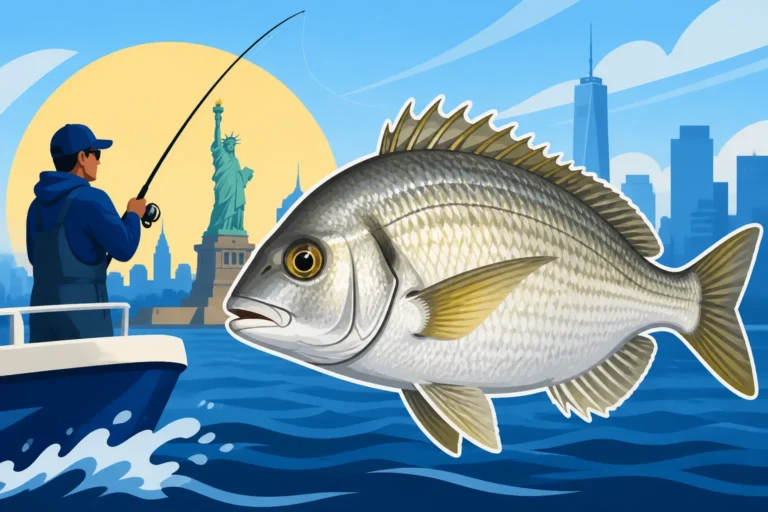
Porgy, on the other hand, are silvery, disc-shaped fish with large eyes and a relatively small mouth. They are aggressive feeders, often found in large schools over rocky bottoms, wrecks, and mussel beds. They readily take small pieces of clam, squid, or worms, and while not huge, they offer consistent action and are excellent eating. Both species are found in New York's coastal waters, particularly around Long Island and the areas closer to New York City.
These species provide different types of challenges and rewards. Tautog offer a test of skill and patience, while porgy provide fast-paced action. Both are valuable components of New York's rich saltwater fishery.
Winter Flounder and Weakfish: Seasonal Delights
New York's saltwater environment also offers seasonal opportunities for other cherished species. Winter flounder, another flatfish, are distinct from fluke with their eyes typically on the right side of their head and a generally darker, more uniformly colored body. They are a cold-water species, moving into shallower bays and estuaries during the colder months, where anglers target them with small worms or clam bits fished on the bottom.
Weakfish, named for their delicate mouth structure rather than their fighting ability, are sleek, silvery-gold fish with small spots and distinctive canine teeth. They are often found in bays and estuaries, particularly during warmer months, feeding on baitfish and shrimp. Anglers target them with soft plastics, jigs, and small live baits. They are known for their beautiful iridescent colors and the distinct "croaking" sound they can make.
Both winter flounder and weakfish add to the seasonal diversity of New York's coastal fishing, providing unique experiences and delicious catches for those who know when and where to find them.
Uncommon Catches and Protected Species
Beyond the mainstays, New York's waters occasionally yield some less common or unique catches, and it's also vital to be aware of species that are protected or subject to special regulations. Understanding these helps ensure responsible angling and preserves the diversity of our aquatic environments. For instance, sometimes you might encounter species like the Bowfin or Longnose Gar, which are ancient, predatory fish with unique appearances and powerful fights. They're not always targeted, but they're certainly memorable if you hook into one.
Sturgeon: Ancient Giants of the Hudson
One of New York's most fascinating and ancient fish species is the Atlantic sturgeon, a true living fossil. These massive, prehistoric-looking fish can grow to incredible lengths, living for many decades. They have rows of bony plates (scutes) instead of scales, and a long, pointed snout with barbels near their mouth, which they use to detect food on the river bottom.
In New York, Atlantic sturgeon are primarily found in the Hudson River, where they are an iconic species. However, it's crucial to understand that Atlantic sturgeon are a federally protected species. They cannot be fished for, harvested, or even targeted. If you accidentally catch one, it must be immediately released unharmed, with minimal handling. Witnessing a sturgeon breach the surface of the Hudson is a rare and awe-inspiring sight, a reminder of the river's rich natural heritage.
Being aware of protected species like the Atlantic sturgeon is a fundamental part of being a responsible angler in New York. Always consult the latest New York Fishing Regulations Explained or the DEC's fishing guide to ensure you're compliant and doing your part to protect these vulnerable populations.
Invasive Species: Understanding the Impact
While many fish are native treasures, New York also faces challenges from invasive species. These are fish introduced from other regions that can outcompete native species for food and habitat, disrupt ecosystems, and sometimes even carry diseases. Examples include the round goby, which has significantly impacted the Great Lakes ecosystem, and various carp species, some of which are more problematic than the common carp.
As an angler, understanding invasive species is critical. If you catch an invasive fish, it's generally best not to release it back into the water (check specific regulations for guidance). More importantly, practices like cleaning your boat and gear, and never transporting live bait from one body of water to another, are essential to prevent the spread of these harmful species. Educational resources, often found on government wildlife websites or through local fishing clubs, can provide valuable information on identification and prevention.
Being aware of both the species you can catch and the species you shouldn't (or need to manage carefully) is part of the ongoing learning process that makes fishing so engaging. You can often find helpful field guides on sites like Amazon that cover both native and invasive species in your region.
Understanding New York's Fish Diversity and Conservation
New York's rich array of fish species isn't just a happy accident; it's the result of diverse habitats, dedicated conservation efforts, and the inherent resilience of nature. For anglers, appreciating this diversity means more than just knowing what's biting; it means understanding the ecosystems that support these fish and how we can all contribute to their future.
Why Diversity Matters to Anglers
Imagine a world where every lake held only one type of fish, or every river looked the same. It would be a pretty dull fishing landscape, wouldn't it? The incredible variety of fish species in New York, from the tiny brook trout in mountain streams to the massive lake sturgeon in the Hudson, ensures that there's always something new to learn, a different challenge to tackle, and a unique environment to explore. This diversity is what makes New York such a phenomenal fishing destination.
This vast array means that regardless of your skill level, preferred fishing method, or the type of experience you're seeking, New York has a fishing opportunity for you. Whether you're chasing trophy muskellunge, enjoying a leisurely day catching panfish with family, or embarking on a serious quest for Great Lakes salmon, the options are almost limitless. It also means that even if one fishery is slow, there's likely another productive species to target nearby, ensuring more consistent success and enjoyment. You might find a good "Fish ID" book on Amazon to help you keep track of all the different species!
The Role of Conservation and Regulations
The health of New York's fish populations doesn't happen by chance. It's a direct result of ongoing conservation efforts by state agencies, non-profit organizations, and responsible anglers. These efforts include habitat restoration, water quality monitoring, stocking programs, and, crucially, fishing regulations. These regulations are designed to manage fish populations sustainably, ensuring that future generations can enjoy the same incredible fishing opportunities we do today.
Understanding and adhering to regulations regarding season dates, catch limits, size limits, and gear restrictions for each species is not just about avoiding fines; it's about being a good steward of our natural resources. For instance, a slot limit for striped bass isn't arbitrary; it's scientifically designed to protect certain age classes of fish crucial for reproduction. Similarly, closed seasons for spawning trout protect vulnerable populations during their most critical time. Familiarize yourself with the New York Fishing Season Dates and Catch Limits to ensure you're always fishing responsibly.
Learning More About New York's Fish
The journey of learning about New York's fish species is a continuous and rewarding one. There are countless resources available to help you deepen your knowledge. Local bait and tackle shops are often treasure troves of information, with experienced anglers eager to share their insights. Online communities and forums dedicated to New York fishing can connect you with fellow enthusiasts.
State wildlife agencies provide comprehensive guides and educational materials, often detailing species identification, habitats, and current regulations. Field guides, whether traditional books or digital apps, are invaluable tools for identifying fish on the water. Many excellent resources are available on Amazon for New York-specific fishing guides or general freshwater and saltwater fish identification. The more you learn, the more you appreciate the intricate world beneath the surface and the more successful and responsible an angler you become.
Here's a quick overview of some common New York fish species:
| Species Group | Typical Habitat | Key Characteristics | Common Angling Method |
|---|---|---|---|
| Bass | Lakes, ponds, rivers (weeds, structure, rocks) | Largemouth: large mouth, green; Smallmouth: small mouth, bronze | Lures, plastics, live bait |
| Pike/Muskie | Lakes, slow rivers (weed beds, cover) | Long, toothy, ambush predators, large sizes | Large lures, live bait |
| Trout | Cold, clear streams & lakes (riffles, pools) | Spots, vibrant colors, active fighters | Flies, spinners, worms |
| Salmon | Great Lakes, tributaries (deep, cold water) | Silvery, powerful, migratory | Trolling, drift fishing, lures |
| Panfish | Almost all freshwaters (shallows, structure) | Small, abundant, eager biters | Small jigs, worms, minnows |
| Catfish/Carp | Rivers, lakes (bottom, muddy water) | Whiskers, strong, bottom feeders | Stink bait, corn, dough balls |
| Striped Bass | Coastal, estuaries, Hudson River (structure) | Silvery, distinct stripes, powerful fighting | Lures, live bait, surfcasting |
| Bluefish | Coastal, Long Island Sound (open water) | Tooth-filled mouth, aggressive, fast | Metal lures, poppers, chunk bait |
| Fluke | Coastal (sandy bottoms, bays, estuaries) | Flat, camouflaged, eyes on left side | Drifting, bucktails with bait |
This article is for general informational purposes only and does not constitute professional advice. Laws, prices and regulations vary by location and change over time. Consult a qualified professional for guidance on your specific situation.