New York’s Most Popular Freshwater Fish
Navigating the incredible diversity of New York's freshwater fisheries can feel a bit overwhelming, especially when you're trying to figure out which species are the most sought-after or even just what's biting where. It's easy to get lost in a sea of regulations and local lore. But don't you worry, because this comprehensive guide is designed to cut through the confusion and introduce you to the most popular freshwater fish species that call New York home, offering insights into why anglers love chasing them.
Trout and Salmon: Coldwater Kings of New York's Waters
When many New York anglers think of pristine waters and challenging fights, their minds immediately turn to trout and salmon. These coldwater species are iconic, drawing enthusiasts from all over to the state's countless streams, rivers, and deep lakes. Their beauty, fighting prowess, and often delectable taste make them perennial favorites, embodying the spirit of freshwater fishing in the Empire State.
Brook Trout: New York's Native Gem
The brook trout holds a special place in the hearts of New York anglers – it's actually the official state fish! These exquisite fish are instantly recognizable by their worm-like markings (vermiform patterns) on a dark, olive-green back, speckled sides, and striking red spots with blue halos. They thrive in the coldest, clearest, and most oxygenated waters, often found in the secluded streams and ponds of the Adirondacks and Catskills.
Chasing brook trout often means venturing into truly wild and untouched parts of New York. You'll find yourself hiking through dense forests, navigating rocky terrain, and fishing small, intimate brooks with light tackle. Fly fishing with small dry flies or nymphs is a classic approach, but spin anglers can also have success with tiny spinners or worms. The thrill isn't just in the catch, but in the entire experience of seeking out these native beauties in their pristine environments. Just remember to check local regulations carefully, as some brook trout fisheries are managed for catch-and-release only or have special gear restrictions to protect their populations. For a broader look at trout species, you might find A Guide to New York's Trout Species helpful.
Brown Trout: The Adaptable European Import
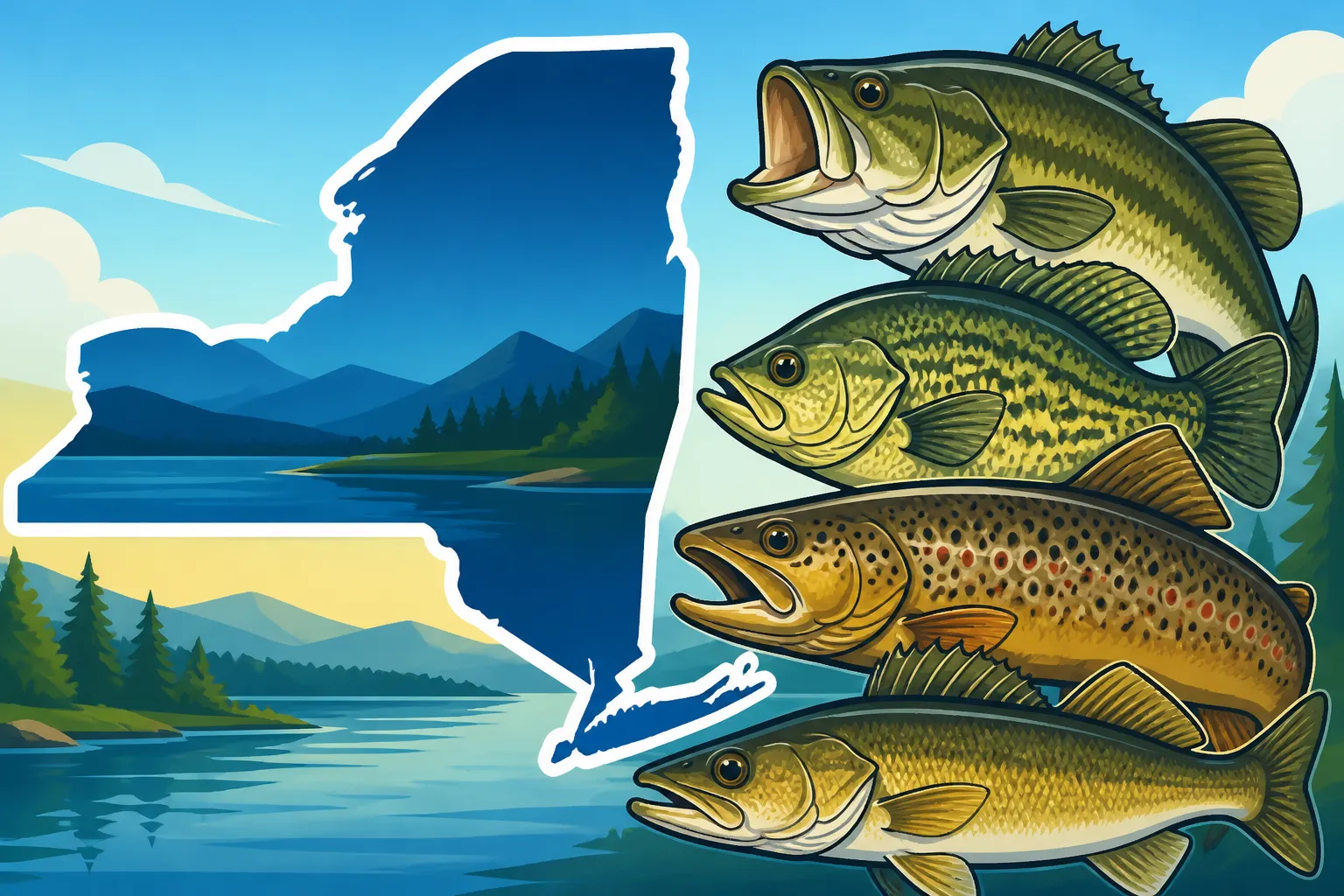
While not native, brown trout have firmly established themselves in New York's waters and are incredibly popular for their size, resilience, and challenging nature. Originally from Europe, these trout are distinguished by their golden-brown bodies, adorned with dark spots often surrounded by lighter halos, sometimes with red spots mixed in. They're far more tolerant of warmer water temperatures and slightly less pristine conditions than brook trout, making them widespread across many of New York's rivers, streams, and lakes.
Brown trout are famous for their wary nature and strong fighting ability, especially as they grow larger. They can reach impressive sizes in places like the Salmon River tributaries or the larger Finger Lakes, providing truly memorable battles. Anglers target them with a variety of methods, from delicate fly fishing with nymphs and streamers to casting spoons, crankbaits, or even still fishing with bait like minnows or nightcrawlers. Many anglers seek out a comprehensive guide to trout fishing; you can find more information in How to Trout Fish in New York.
Rainbow Trout and Steelhead: High-Flying Fighters
Rainbow trout are another beloved species in New York, instantly identifiable by the iridescent pink or red band running along their sides, especially prominent during spawning. These beautiful fish are known for their acrobatic jumps and hard runs when hooked, making them a favorite among sport anglers. They are widely stocked throughout the state, populating many lakes and streams, but it's their anadromous form – steelhead – that truly captures the imagination of many.
Steelhead are essentially rainbow trout that migrate to the Great Lakes or Lake Champlain to grow large before returning to tributary rivers to spawn. New York's Great Lakes tributaries, like the Salmon River, become world-renowned destinations during their fall and spring runs. Anglers brave cold weather and swift currents, drifting egg sacs, beads, or flies to entice these chrome-bright giants. The fight of a fresh steelhead is legendary, often involving multiple aerial displays and powerful runs that test both angler and tackle. You can often find specialized gear for these adventures, and many turn to platforms like Amazon to stock up on their favorite brands of line or specific steelhead flies.
Lake Trout: Deepwater Giants
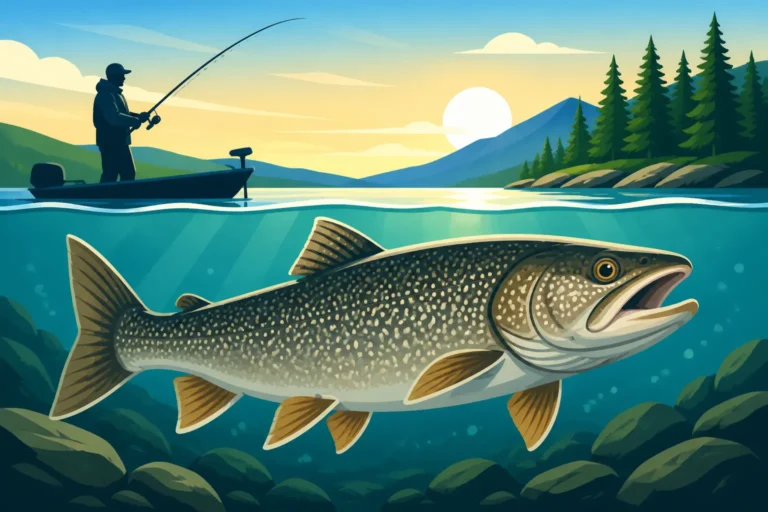
For those who enjoy the challenge of deepwater fishing, the lake trout is New York's undisputed champion. These large, long-lived members of the char family are native to the colder, deeper lakes of the state, including the Finger Lakes, Lake George, and the Great Lakes. They have a dark, often spotted body, and a distinctly forked tail, signaling their powerful swimming ability.
Targeting lake trout typically involves specialized techniques like downrigging or deep jigging, often from a boat equipped with sonar to locate their preferred depths. They are predatory fish, feeding on baitfish like smelt and alewives, so large spoons, stickbaits, or even live bait presented deep are effective. Landing a big lake trout from the depths is a true test of strength and patience, offering a sustained, heavy fight rather than the flashy jumps of their rainbow cousins. Knowing the patterns of these fish can greatly increase your success, and checking the Best Time of Year to Fish in New York can help plan your trips.
Landlocked Salmon: The Inland Leapers
While most salmon are anadromous, spending part of their life in the ocean, New York is home to a fantastic fishery for landlocked salmon. These fish are essentially Atlantic salmon that have adapted to live their entire lives in freshwater. They are sleek, silvery, and renowned for their incredible aerial acrobatics when hooked, often making multiple spectacular jumps during a fight.
You'll find landlocked salmon in some of New York's larger, colder lakes, such as Lake Champlain, the Finger Lakes, and a few Adirondack lakes. They thrive in these deep, clear waters, preying on baitfish like smelt. Anglers often troll for them with spoons or stickbaits, mimicking their natural prey, or cast flies during their spawning runs in tributary rivers. The experience of hooking into a landlocked salmon is thrilling, a pure rush of adrenaline as the fish explodes from the water.
Bass: Warmwater Warriors of Lakes and Rivers
When it comes to sheer popularity and widespread availability, bass fishing holds a premier spot in New York. Both largemouth and smallmouth bass are incredibly abundant throughout the state's diverse warmwater habitats, offering exciting fishing for anglers of all skill levels. They're aggressive, strong fighters, and eager to strike a wide variety of lures, making them an ideal target for sportfishing. New York's Bass Species Explained is a great resource if you're keen to learn more.
Largemouth Bass: The Classic Green Sunfish
The largemouth bass is probably what most people picture when they think of bass fishing. Easily identified by its lower jaw extending past the eye and a dark, horizontal stripe along its green body, the largemouth is a master of ambush. They thrive in warmer, weed-choked lakes, ponds, and slow-moving rivers, preferring cover like lily pads, submerged timber, and dense aquatic vegetation.
Fishing for largemouth bass is a true delight because of their aggressive nature and willingness to hit a huge array of lures. Topwater baits like frogs and poppers create explosive strikes, while soft plastics, spinnerbaits, and crankbaits are incredibly effective when fished near cover. Many anglers spend hours meticulously casting into tight spots, hoping to pull a bucketmouth out from under a mat of weeds. The thrill of a largemouth blow-up on a topwater lure is something every angler should experience, and you can find an endless variety of these specialized lures from online retailers, including Amazon.
Smallmouth Bass: The River and Lake Fighters
If the largemouth is the king of the weeds, the smallmouth bass is the champion of rocky points, clear water, and river currents. These bronzeback beauties are characterized by their smaller mouth (the jaw doesn't extend beyond the eye) and vertical bars or blotches on a bronze-colored body. They prefer cooler, clearer waters than largemouth, often found in large lakes like Erie and Ontario, the St. Lawrence River, and many of New York's fast-flowing rivers.
Smallmouth bass are known for their incredibly tenacious fight, often making long runs and powerful dives. When you hook a good one in a river current, it feels like you've snagged a freight train! They readily strike tube jigs, crankbaits, jerkbaits, and even fly-fishing streamers. Targeting smallmouth often involves searching for rocky structures, current seams, and drop-offs. The sheer strength and endurance of a smallmouth, especially in moving water, make it one of New York's most respected freshwater game fish. Delving into Largemouth Bass in New York and Smallmouth Bass in New York will provide even deeper insights into these fascinating fish.
Walleye and Pike: Tooth-Filled Predators
For anglers seeking a more predatory challenge, New York's waters offer fantastic opportunities to target walleye, northern pike, and muskellunge. These fish are known for their sharp teeth, impressive size potential, and often stealthy hunting tactics.
Walleye: The Golden-Eyed Delicacy
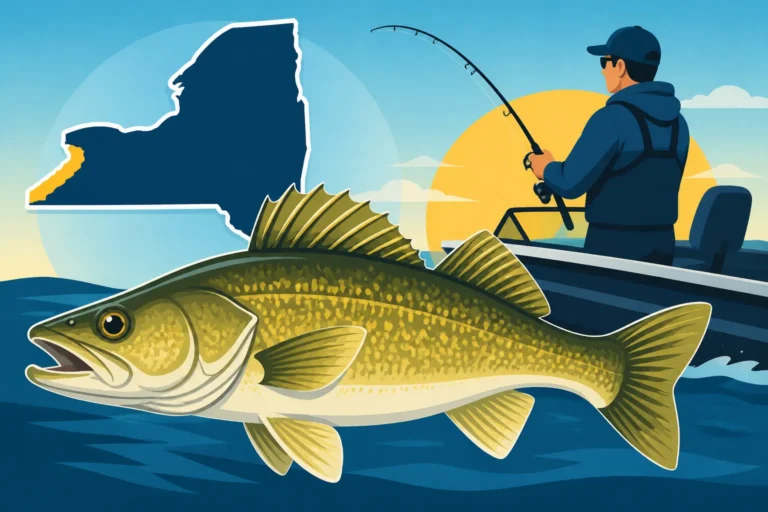
The walleye is perhaps New York's most prized freshwater fish for its delicious, flaky white meat. These fish are easily identified by their large, opaque eyes (hence "walleye") and a sleek, olive-gold body. They prefer cool, deep, somewhat turbid waters and are often found near rocky bottoms, humps, and ledges in lakes like Oneida, Erie, and Chautauqua, as well as several large rivers.
Walleye are primarily nocturnal feeders, often biting best at dawn, dusk, or even throughout the night. They are sensitive to light, so cloudy days can also be productive. Anglers use various techniques, including jigging with minnows or soft plastics, trolling with crankbaits or worm harnesses, and drift fishing. Locating schools of walleye with sonar is often key to success. The reward for figuring out their patterns is not just a hard-fighting fish, but one that makes for an absolutely superb meal. If you're serious about walleye, check out Walleye in New York for specific tips and locations.
Northern Pike: The Water Wolf
The northern pike is an unmistakable freshwater predator, often called the "water wolf" due to its elongated, torpedo-shaped body, duck-bill snout full of razor-sharp teeth, and greenish, mottled camouflage. They are widespread across New York, inhabiting a variety of lakes, ponds, and slow-moving rivers, often found lurking in weed beds or near submerged structure, waiting to ambush unsuspecting prey.
Pike are aggressive and opportunistic feeders, striking large spoons, spinnerbaits, and jerkbaits with ferocity. They offer thrilling, tackle-busting fights and can grow to considerable sizes, with fish over 40 inches possible in many New York waters. While some anglers target them for sport, they can also be a challenging table fare due to their bony structure, though many enjoy their firm white meat. Just be sure to bring a sturdy pair of pliers and a jaw spreader when handling these toothy critters!
Muskellunge: The Fish of 10,000 Casts
For the ultimate freshwater challenge in New York, many anglers set their sights on the muskellunge, or "muskie." This apex predator is legendary for its massive size, elusive nature, and explosive strikes. Muskies are long, cylindrical fish with sharp teeth, and are distinguished from northern pike by the lack of scales on the lower half of their gill plate and the presence of dark markings on a lighter background (whereas pike have light markings on a dark background). New York has a fantastic muskie fishery, particularly in the St. Lawrence River and Chautauqua Lake.
Chasing muskies is often described as the "fish of 10,000 casts" for good reason – they are notoriously difficult to catch. Anglers often spend entire days, or even weeks, casting enormous lures or trolling giant baits, all for a single, heart-stopping strike. When a muskie hits, it's an unforgettable experience, often involving powerful runs and head shakes that can quickly snap lines or straighten hooks. Many muskie anglers practice catch-and-release to preserve these incredible trophy fish. The sheer dedication and patience required, combined with the immense reward of landing one, make muskies one of New York's most popular, albeit challenging, game fish.
Panfish: Fun for Everyone
Sometimes, you don't need to chase a trophy. Sometimes, you just want to catch fish, and lots of them! That's where New York's abundant panfish species come in. These smaller, prolific fish are perfect for beginners, kids, or anyone looking for a relaxing day on the water with consistent action. They are found almost everywhere and are often excellent table fare.
Yellow Perch: The Striped Delicacy
Yellow perch are a true staple of New York's freshwater fishing scene, easily recognized by their distinctive vertical black stripes on a golden-yellow body. They are found in nearly every lake, pond, and slow-moving river across the state, often congregating in schools, which means where you catch one, you're likely to catch more!
Perch are eager biters and will readily take small worms, minnows, grubs, or tiny jigs and spinners. They're particularly popular among ice anglers, who brave the winter chill to drop lines through holes in the ice. The fight of a perch, while not as dramatic as a bass or trout, is still feisty on light tackle. Beyond the fun of catching them, yellow perch are absolutely delicious, with firm, white, flaky meat that's perfect for frying. They're a favorite for family fishing outings and a consistent source of culinary delight. Read more about them in Yellow Perch in New York.
Crappie: Speckled Schoolers
Both black and white crappie are popular panfish in New York, known for their disc-shaped, silvery bodies speckled with black markings (more pronounced and scattered on black crappie, more organized in vertical bars on white crappie). They are found in many of the state's warmer lakes, ponds, and slower river sections, often preferring areas with submerged timber, brush piles, or docks.
Crappie are schooling fish, and like perch, finding one usually means finding many. They are particularly active during spring spawning season, when they move into shallower water, making them easier to target. Anglers often use ultra-light tackle, fishing small jigs, minnows, or plastic baits under a bobber. The delicate bite of a crappie can be subtle, but their numbers and tasty flesh make them a highly sought-after species. They offer a fantastic opportunity for anglers to hone their finesse fishing skills. To learn more about these fish, check out Crappie in New York.
Bluegill and Sunfish: Ubiquitous and Energetic
Bluegill and other sunfish species (like pumpkinseed and green sunfish) are truly the backbone of beginner fishing in New York. These brightly colored, disc-shaped fish are found in virtually every warmwater body imaginable, from small farm ponds to large lakes and rivers. They're easily identifiable by their often iridescent colors, prominent dorsal fin, and often a spot on their gill cover (the "ear flap").
Bluegill are famous for their aggressive nature despite their small size. They will hit almost anything dropped in front of them, from tiny pieces of worm or corn to miniature jigs and flies. They provide endless entertainment for kids and adults alike, pulling hard on light tackle and offering continuous action. While small, a stringer full of bluegill or sunfish can make a surprisingly good meal, especially pan-fried. They are the perfect entry point into the world of fishing, teaching patience, casting skills, and the joy of a bending rod. Learning about Bluegill and Sunfish in New York will provide additional tips for catching these widespread species.
Catfish and Carp: Hard Fighters of the Depths
While perhaps not as glamorous as trout or bass for some, New York's catfish and carp populations offer unique and often powerful fishing experiences. These bottom-dwelling fish can grow to impressive sizes and provide incredible fights, making them popular targets for dedicated anglers seeking a different kind of challenge.
Channel Catfish: Whiskered Wonders
The channel catfish is New York's most common and widely distributed catfish species. These sleek, whiskered fish have a forked tail and range in color from olive to bluish-gray, often with small spots when younger. They thrive in warmer, often turbid waters of large rivers and lakes across the state, preferring deeper holes, channels, and areas with submerged structure.
Channel cats are primarily scavengers but will readily take a variety of baits. Stinky baits, cut bait, worms, and even prepared dough baits are all effective. They often bite best at night, when they're actively cruising the bottom for food. When hooked, channel catfish put up a surprisingly strong fight, often making powerful, deep runs. Many anglers specifically target them for their firm, white meat, which is excellent table fare. For those looking for a different kind of fight and a tasty reward, channel catfish are a fantastic option. You can learn more about them in Channel Catfish in New York.
Common Carp: Freshwater Brawlers
The common carp, while often overlooked or even disdained by some anglers, is a highly popular target for others in New York due to its widespread availability and incredible fighting power. These large, brassy-colored fish are instantly recognizable by their thick, scaled bodies, two pairs of barbels around their mouth, and thick, powerful tails. They inhabit virtually all of New York's warmwater lakes, ponds, and slow-moving rivers, particularly those with soft bottoms and abundant vegetation.
Carp are primarily bottom feeders, sifting through mud and detritus for insects, worms, and plant matter. Anglers targeting carp often use specialized techniques, such as fishing with dough balls, corn, or boilies, often with heavy tackle to withstand their powerful runs. When hooked, a large carp can lead to an epic battle, making long, sustained runs that test the drag on any reel. Many carp anglers practice catch-and-release, valuing these fish purely for the sporting challenge they provide. They are often active throughout the year and provide a consistent opportunity for a hard fight.
Other Notable Freshwater Fish Species in New York
Beyond these most popular targets, New York's freshwater systems are teeming with other fascinating and catchable species that contribute to the state's rich angling tapestry. While perhaps not as universally sought-after, they each hold a special place for different types of anglers.
Pickerel: Smaller, Toothier Cousins
Chain pickerel are common throughout New York's weed-choked ponds and slower streams, often mistaken for juvenile pike. They have a distinctive chain-like pattern on their sides and, like pike, a mouth full of sharp teeth. They're aggressive ambush predators and will readily strike small spoons, spinners, or baitfish. While smaller than pike, they offer a fun, feisty fight on light tackle, especially in areas where other predators are less common.
They're often an incidental catch for bass anglers, but some specifically target them for their willingness to bite and their scrappy attitude. Just like their pike cousins, handling pickerel requires care due to those sharp teeth! You might even find specialized fish grippers on Amazon to help you safely handle these smaller toothy critters.
Bowfin and Gar: Ancient and Elusive
New York also hosts some truly ancient and unique fish species, like the bowfin and longnose gar. Bowfin are robust, olive-colored fish with a long dorsal fin and a distinctive "eye spot" at the base of their tail. They are powerful, aggressive predators found in warm, weedy backwaters, and are known for their strong fights and ability to breathe air. Gar, particularly longnose gar, are unmistakable with their incredibly long, needle-like snouts filled with tiny, sharp teeth and their armored, prehistoric appearance. They inhabit slow-moving rivers and lakes and are often seen basking near the surface.
While not typically sought for table fare, both bowfin and gar offer an incredibly unique angling experience for those who appreciate the unusual. They require specialized techniques, often involving strong lines and specific presentations, but landing one is a memorable encounter with a piece of living history.
Comparison of Popular New York Freshwater Fish Species
To give you a quick overview, here's a table summarizing some key characteristics of New York's most popular freshwater fish:
| Species | Typical Habitat | Average Size (Weight) | Primary Fishing Methods | Why Anglers Love Them |
|---|---|---|---|---|
| Brook Trout | Cold, clear, pristine streams & ponds | 0.5 – 2 lbs | Fly fishing (dry flies, nymphs), tiny spinners | Native beauty, wilderness experience |
| Brown Trout | Streams, rivers, larger lakes (tolerant) | 1 – 5 lbs (can be much larger) | Fly fishing (streamers), spoons, crankbaits, bait | Wary, strong fighters, good size potential |
| Rainbow Trout | Stocked lakes & streams, Great Lakes tributaries | 1 – 5 lbs (steelhead much larger) | Spinners, bait, fly fishing (egg patterns, nymphs) | Acrobatic fights, widespread availability |
| Lake Trout | Deep, cold, oxygenated lakes | 3 – 15 lbs (can be much larger) | Deep jigging, downrigging, trolling | Deepwater challenge, trophy potential |
| Landlocked Salmon | Large, cold lakes (Champlain, Finger Lakes) | 2 – 8 lbs | Trolling (spoons, stickbaits), fly fishing | Spectacular jumps, challenging fights |
| Largemouth Bass | Warm, weedy lakes, ponds, slow rivers | 1 – 4 lbs (can be much larger) | Topwater, soft plastics, spinnerbaits | Aggressive strikes, widespread fun |
| Smallmouth Bass | Cool, clear lakes (rocky), swift rivers | 1 – 4 lbs (can be much larger) | Jigs, crankbaits, tubes, fly fishing | Tenacious fights, powerful runs |
| Walleye | Cool, deep lakes (rocky), large rivers | 1 – 5 lbs (can be much larger) | Jigging, trolling, drift fishing | Excellent table fare, nocturnal challenge |
| Northern Pike | Weedy lakes, ponds, slow rivers | 2 – 10 lbs (trophies over 20 lbs) | Large spoons, spinnerbaits, jerkbaits | Aggressive strikes, powerful fights |
| Muskellunge | Large lakes, St. Lawrence River (weedy/rocky) | 10 – 40 lbs (trophies over 50 lbs) | Giant lures, trolling, live bait | Ultimate challenge, trophy of a lifetime |
| Yellow Perch | Nearly all freshwaters (lakes, ponds, rivers) | 0.25 – 1 lb | Worms, minnows, tiny jigs/spinners | Abundant, great for kids, delicious |
| Crappie | Warm lakes, ponds (brushy areas) | 0.5 – 1.5 lbs | Small jigs, minnows, plastic baits | Schooling fish, excellent table fare |
| Bluegill/Sunfish | Ponds, lakes, slow rivers (virtually everywhere) | 0.25 – 0.5 lbs | Worms, corn, tiny jigs, flies | Eager biters, abundant, perfect for beginners |
| Channel Catfish | Warm, turbid lakes & large rivers (deep holes) | 2 – 10 lbs (can be much larger) | Stinky baits, cut bait, worms | Strong fights, good table fare, night fishing |
| Common Carp | All warm freshwaters (soft bottoms, vegetation) | 5 – 20 lbs (can be much larger) | Dough balls, corn, boilies, worms | Incredibly strong fights, widespread |
Understanding New York's Freshwater Fishing Rules
While this guide focuses on the incredible fish you can target, it's absolutely crucial to remember that New York has a detailed set of regulations designed to protect these precious resources. Ignorance of the law is never an excuse, and a little preparation can save you a lot of hassle and potential fines.
Every angler aged 16 and older needs a valid New York State fishing license to fish in freshwater. There are different types of licenses – annual, weekly, and daily – catering to both residents and non-residents. Make sure you have the right one for your situation. You can often purchase these online through the DEC website or at various license vendors, including many sporting goods stores. Not only do you need a license, but understanding specific rules like minimum size limits, daily creel limits (how many fish you can keep), and season dates for each species is paramount. These rules can vary significantly not only by species but also by specific water body. For example, the bass season dates on Lake Erie might be different from those on a small pond in the Catskills. Similarly, trout limits can change depending on whether you're in a general regulation area or a specially managed stream.
It's also important to be aware of regulations concerning bait, tackle, and even the number of lines you can legally use. Some waters may have artificial lures only restrictions, while others might prohibit the use of certain types of live bait to prevent the spread of invasive species. The New York State Department of Environmental Conservation (DEC) publishes a comprehensive fishing regulations guide annually, which is your best friend when planning a trip. Always consult the most current guide before you head out. You can find more information about these crucial rules in New York Freshwater Fishing Rules to help you stay compliant and protect our fisheries for future generations.
Preserving Our Fisheries: Responsible Angling
As a veteran lifestyle blogger and an avid angler myself, I can't stress enough the importance of responsible fishing practices. New York's freshwater fisheries are a treasure, and it's up to all of us to ensure they remain healthy and productive for years to come.
One of the most impactful things you can do is practice proper catch-and-release techniques when you're not keeping fish. This means handling fish gently, minimizing their time out of water, using wet hands to avoid removing their protective slime coat, and utilizing appropriate tools like de-hookers. For toothy fish like pike or muskie, a jaw spreader and long-nosed pliers are essential for safe removal of hooks. Choosing barbless hooks, or at least pinching down the barbs on your hooks, can also greatly reduce harm to fish you intend to release.
Beyond catch-and-release, it's vital to be mindful of water quality and the environment. Always pack out what you pack in – dispose of all trash, including discarded fishing line, responsibly. Never introduce invasive species by transporting baitfish or aquatic plants between water bodies. Report any suspected poaching or environmental violations to the DEC. By following these simple guidelines, we can all contribute to the long-term health and enjoyment of New York's magnificent freshwater fishing opportunities. Let's make sure our kids and grandkids can experience the same joy of chasing these incredible fish that we do.
Disclaimer
This article is for general informational purposes only and does not constitute professional advice. Laws, prices and regulations vary by location and change over time. Consult a qualified professional for guidance on your specific situation.