Landlocked Atlantic Salmon in New York
There’s a special kind of angler who loves the chase for a truly magnificent sportfish, something that tests their skills and rewards them with an unforgettable battle. While many New York waters offer fantastic fishing, few experiences compare to hooking into a hard-fighting landlocked Atlantic salmon. If you've ever dreamt of battling a powerful, acrobatic fish in some of the state's most scenic waters, but weren't sure where to start or what these elusive fish are all about, then this comprehensive guide is for you. We're going to dive deep into everything you need to know about pursuing landlocked Atlantic salmon here in New York.
What Exactly Are Landlocked Atlantic Salmon?
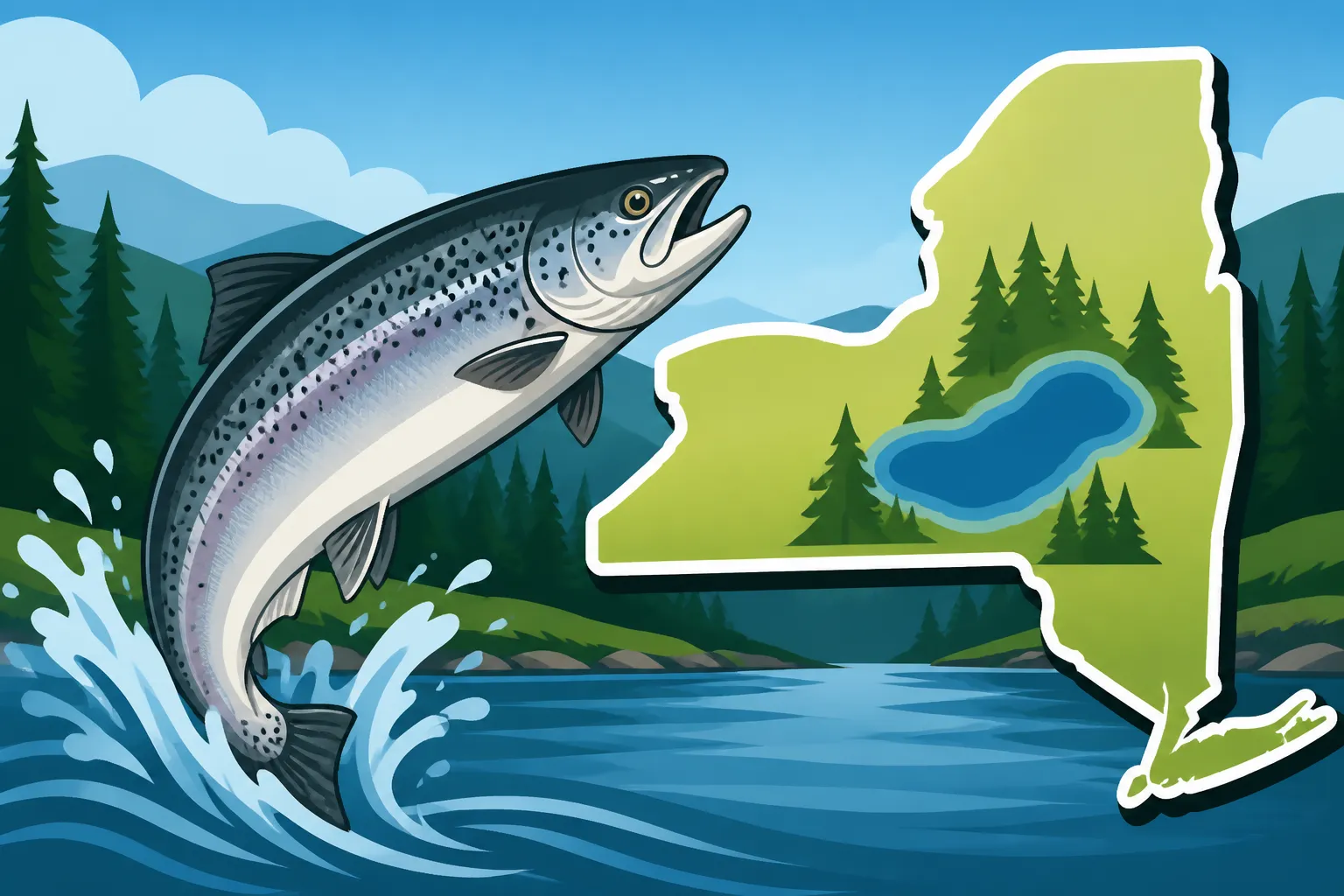
When you hear "salmon," your mind might jump to massive fish making epic ocean runs, but here in New York, we have a unique and equally thrilling cousin: the landlocked Atlantic salmon. These aren't just any fish; they're a testament to nature's adaptability and an incredible sportfish that truly embodies the wild spirit of our waters. Understanding their origins is key to appreciating what makes them so special.
The Ancestry and Adaptation of Landlocked Salmon
Imagine a fish that, thousands of years ago, had ancestors that routinely traveled from freshwater rivers out into the vast Atlantic Ocean, only to return to spawn. That's the lineage of the Atlantic salmon. However, as the last ice age receded, massive geological shifts and changes in sea levels literally trapped some populations of these salmon in freshwater lakes and rivers, cut off from their migratory routes to the ocean. Over countless generations, these isolated populations adapted to a purely freshwater existence, evolving into what we now know as landlocked Atlantic salmon. They retained many of the characteristics of their sea-run relatives – the sleek, powerful body, the aggressive feeding habits, and that incredible fighting spirit – but they now complete their entire life cycle within a lake system.
This adaptation means they rely entirely on the freshwater ecosystem for survival, from hatching in cool, oxygen-rich tributaries to growing large in deep, cold lakes. It’s a fascinating story of evolution, and it makes every landlocked salmon you encounter a living piece of natural history. They might not see the ocean, but they still carry the legacy of their ocean-faring ancestors in their genes and their powerful runs.
Physical Characteristics and Identification
Identifying a landlocked Atlantic salmon out on the water can be an exciting moment, especially if you're accustomed to other New York salmonids. Generally, they have a slender, torpedo-shaped body, perfectly built for speed and acrobatic leaps. Their coloration can vary slightly depending on the lake they inhabit and their diet, but typically, they have a silver-blue back fading to silvery sides and a white belly. You’ll often notice small, dark X-shaped spots on their upper flanks and back, though these spots are usually fewer and less pronounced than those found on a brown trout. Their tail fin is typically broad and deeply forked, indicating their power and speed.
One key identifier to distinguish them from other trout and salmon species in New York is their lack of spots on the tail fin and typically a more pronounced upper jaw that extends beyond the eye when closed. Compare them to a lake trout, which might have more worm-like markings, or a rainbow trout, often sporting a distinct pink or red band. When you catch one, take a moment to admire its beauty – its streamlined form is a testament to its prowess as a freshwater predator.
Where to Find Landlocked Atlantic Salmon in New York
New York is blessed with incredible angling opportunities, and for those chasing landlocked Atlantic salmon, some specific regions stand out as true gems. These aren't fish you'll find just anywhere; they thrive in particular environments that offer the cold, clean, deep water they require. Knowing where to focus your efforts dramatically increases your chances of success.
Premier Finger Lakes Destinations
Without a doubt, the Finger Lakes region is the undisputed king for landlocked Atlantic salmon fishing in New York. These deep, glacially carved lakes provide the perfect habitat: cold, oxygen-rich water throughout the year, abundant forage fish like alewives, and suitable tributaries for natural reproduction or stocking efforts.
- Cayuga Lake: As one of the largest and deepest of the Finger Lakes, Cayuga Lake is a consistent producer of landlocked salmon. The northern end, particularly around the city of Ithaca, often sees fish moving into shallower waters during cooler periods, while during the summer, they retreat to the deep, cold thermocline. Many anglers find success trolling its vast expanses. For more specific insights, check out our New York's Cayuga Lake Fishing Guide.
- Seneca Lake: Neighboring Cayuga, Seneca Lake shares many of the same characteristics that make it prime salmon territory. It's the deepest of the Finger Lakes, providing ample cold-water refuge for salmon even in the warmest months. Trolling is a popular method here too, especially with downriggers to reach the depths where these fish feed. You can explore more about this magnificent fishery in our New York's Seneca Lake Fishing Guide.
- Owasco Lake: While perhaps not as renowned as Cayuga or Seneca for its sheer size, Owasco Lake offers excellent landlocked salmon fishing, often with a slightly more intimate feel. Its clear waters and strong populations make it a favorite among local anglers. These lakes, among others in the region, are carefully managed through stocking programs, ensuring a healthy and vibrant fishery for generations to come.
These lakes are not just great fishing spots; they're also incredibly beautiful, offering stunning scenery that makes every fishing trip an escape into nature. When planning your trip, remember to consult a New York Fishing License Guide to ensure you're properly equipped before casting a line.
Other Stocked Waters and Key Considerations
While the Finger Lakes are the marquee destinations, you might also find opportunities to catch landlocked Atlantic salmon in other select waters across New York State. These often include specific reservoirs or lakes that are part of dedicated stocking programs, designed to create unique sport fisheries. These waters typically mimic the deep, cold, and clear conditions that salmon require, often with a good forage base of baitfish.
For instance, some of the larger Adirondack lakes might occasionally be stocked, or certain municipal reservoirs could hold populations. However, these are often more localized and might not offer the same consistent opportunities as the Finger Lakes. It's always a good idea to check the latest stocking reports and local regulations from the New York Department of Environmental Conservation (DEC) for specific information on these waters. Remember that salmon are extremely sensitive to water temperature and oxygen levels. In the warmer months, they will always seek out the deepest, coldest parts of the lake. This means that if you're fishing a shallower body of water, their active feeding window might be very short, typically restricted to early mornings, late evenings, or cooler overcast days. Understanding these environmental factors is crucial to success beyond the most famous salmon lakes.
The Best Times and Techniques for Catching Them
Chasing landlocked Atlantic salmon is an art form, demanding patience, skill, and a good understanding of their behavior throughout the year. These fish are known for their powerful runs and incredible aerial displays, making them a truly exhilarating catch. To consistently find success, you need to adapt your strategies to the seasons and understand the specific gear that gives you an edge.
Seasonal Strategies for Success
Like many cold-water species, landlocked Atlantic salmon change their behavior and location with the seasons, largely dictated by water temperature and the availability of their primary food sources.
- Spring (Ice-out to Early June): This is often considered prime time. As the ice melts and lake temperatures are still cool (around 40-50°F), salmon are often found near the surface and in shallower areas, actively feeding on baitfish that are also moving into these zones. Trolling stickbaits, spoons, or even fly fishing streamers near the surface can be incredibly effective. They'll also follow bait into tributaries as the water warms, offering some exciting opportunities for shore anglers. This is a fantastic time for aggressive strikes and spectacular fights.
- Summer (June to September): As surface waters warm, landlocked salmon retreat to the deep, cold thermocline, typically 40-70 feet down or even deeper, where water temperatures remain in their preferred range (50-65°F). This means techniques like downrigging become essential. You’ll be targeting suspended fish over deep water, often near drop-offs, underwater points, or vast open areas where baitfish congregate. Small spoons, flasher-fly combinations, and deep-diving crankbaits are go-to choices. Early mornings and late evenings can sometimes bring them shallower, but generally, deep trolling is the name of the game. For general guidance on seasonal timing, check out Best Time of Year to Fish in New York.
- Fall (September to November): This is another incredible period for landlocked salmon. As lake temperatures begin to cool again, the salmon become more active, moving back into shallower waters and often congregating near river mouths and tributaries for spawning. They become extremely aggressive as they prepare for the spawn, hitting a variety of lures. Trolling shallow-running stickbaits, casting spoons, or even fly fishing at river mouths can be highly productive. This is a time when trophy fish are often caught.
- Winter (Ice Fishing): While less common than for other species, landlocked salmon can be caught through the ice on some New York lakes where ice fishing is prevalent and the salmon populations are robust. This is a more specialized pursuit, often involving jigging with flashy spoons or deadsticking with bait in deeper water, typically near known structures or drop-offs. Always prioritize safety and check ice conditions thoroughly if you attempt this.
Recommended Gear and Lures
Having the right tackle is paramount when pursuing landlocked Atlantic salmon, as they are powerful fish that can test your equipment to its limits.
- Rods and Reels: For trolling, a medium-heavy rod around 7-9 feet with a fast action is ideal, paired with a reliable line counter reel spooled with 15-20 lb monofilament or braided line. The line counter is crucial for replicating successful depths. For casting or fly fishing in tributaries, a medium-action spinning rod (6'6" to 7'6") with 8-12 lb test, or a 6-8 weight fly rod with a strong leader, will serve you well.
- Lures and Baits:
- Spoons: These are perhaps the most versatile and effective lures for landlocked salmon. Brands like Amazon offers a wide variety of spoons, from traditional EGBs and Little Cleos to specialized trolling spoons that imitate alewives or smelt. Experiment with different sizes and colors (silver, blue/silver, green/silver, orange/gold are popular).
- Stickbaits: Long, slender minnow imitations, both floating and diving versions, are excellent, especially in spring and fall when fish are shallower. Rapala, Storm, and other brands make great options.
- Flasher/Fly Combinations: For deeper trolling, particularly in summer, a flasher or dodger followed by a small, tied fly (often a tinsel fly or peanut fly) can be incredibly effective at attracting salmon.
- Live Bait: While artificials dominate, live smelt or alewives (where legal and available) can be deadly, fished under a float or trolled slowly on a weight system. Always check New York Freshwater Fishing Rules regarding bait restrictions.
- Trolling Equipment: Downriggers are indispensable for summer fishing, allowing you to precisely target depths. Planer boards can help spread out your lines and cover more water. Remember that Trolling Techniques for New York's Lakes can be refined with practice, but having the right tools is the first step.
- Net and Release Tools: A large, rubberized landing net is crucial to safely land these active fish, especially if you plan to release them. Long-nose pliers are also a must for hook removal.
| Season | Primary Location | Recommended Techniques | Go-To Lures/Bait |
|---|---|---|---|
| Spring | Near surface, shallow bays, tributary mouths | Trolling, Casting, Fly Fishing | Stickbaits, Small Spoons, Streamers, Live Bait |
| Summer | Deep thermocline (40-70+ ft), open water | Downrigger Trolling | Spoons, Flasher/Fly Combos, Deep Diving Crankbaits |
| Fall | Near surface, tributary mouths, spawning areas | Trolling, Casting, Fly Fishing | Stickbaits, Larger Spoons, Egg Patterns (near spawn) |
| Winter | Deep water (ice fishing), structures, drop-offs | Jigging, Deadsticking | Flashy Spoons, Live/Dead Bait (where permitted) |
Regulations and Conservation Efforts
Fishing for landlocked Atlantic salmon in New York is a privilege, and it comes with the responsibility of understanding and adhering to the regulations designed to protect these incredible fish and their habitats. The state's Department of Environmental Conservation (DEC) works tirelessly to manage these fisheries, ensuring future generations can enjoy the same thrilling experiences.
Understanding New York's Salmon Regulations
Navigating fishing regulations can sometimes feel like a chore, but it's absolutely vital for responsible angling and preserving the resource. When targeting landlocked Atlantic salmon, you must always consult the most current New York State fishing regulations guide, specifically the sections pertaining to trout and salmon. These guides detail crucial information such as:
- Size Limits: There will be a minimum legal length for salmon that you can keep. Fish caught under this size must be immediately and carefully released. This helps ensure that fish have a chance to mature and spawn, contributing to the population.
- Creel Limits (Daily Bag Limits): This refers to the maximum number of fish you are allowed to keep in a single day. These limits are set to prevent overfishing and maintain healthy stock levels.
- Season Dates: Landlocked salmon seasons can vary by water body and might have specific opening and closing dates, or even specific catch-and-release only periods. It's crucial to know if the water you're fishing is open for salmon retention.
- Special Regulations: Many specific lakes or rivers will have "Special Regulations" that supersede the general statewide rules. For instance, a particular Finger Lake might have a unique minimum size or bag limit for landlocked salmon compared to another water body. Always look for these specific rules for your chosen fishing spot.
Before you even step foot on the water, make sure your New York Fishing License Guide is current and you've familiarized yourself with the New York Fishing Season Dates and Catch Limits. Fishing without a license or violating regulations can lead to significant fines and penalties, and more importantly, it harms the very fishery we all love.
The Role of Stocking and Habitat Protection
The vibrant landlocked Atlantic salmon fisheries in New York don't just happen by accident; they are the result of extensive and ongoing conservation and management efforts by the DEC. A significant part of this effort involves strategic stocking programs. Many of the Finger Lakes, for example, receive regular plantings of juvenile landlocked salmon. These fish are raised in state hatcheries and then released into suitable waters to supplement natural reproduction and maintain robust angling opportunities. This is particularly important because natural reproduction of landlocked salmon can be limited in some areas due to habitat degradation or lack of ideal spawning grounds.
Beyond stocking, protecting their habitat is paramount. Landlocked salmon require cold, clean, and well-oxygenated water to thrive. This means efforts to prevent pollution, control invasive species, and maintain healthy riparian zones around tributaries are critical. Protecting these environments ensures that not only do the stocked fish have a healthy place to grow, but any natural populations can also continue to contribute to the fishery. When you're out fishing, remember to practice "leave no trace" principles, dispose of your trash properly, and avoid disturbing sensitive areas, especially during spawning periods. By understanding and respecting these conservation efforts, anglers become partners in preserving New York's incredible salmon resources.
Why Landlocked Salmon are a Top Sportfish in New York
There's a reason seasoned anglers sing the praises of landlocked Atlantic salmon. They represent a pinnacle of freshwater sportfishing, combining striking beauty with an intense challenge that few other species can match. If you're looking for an unforgettable angling experience, these fish definitely deliver.
The Thrill of the Fight
Let's be honest, we all love a good fight on the end of our line, and landlocked Atlantic salmon provide some of the most exhilarating battles in New York's freshwater systems. When a salmon strikes, it's often with a jarring force that sends adrenaline coursing through you. Unlike some fish that simply pull hard, landlocked salmon are known for their incredible acrobatics. They'll often make spectacular, high-flying jumps, shaking their heads violently in an attempt to dislodge the hook. This isn't a passive tug-of-war; it's an active, dynamic struggle that requires quick reflexes, smooth reel operation, and a bit of luck.
Their runs are powerful and sustained, often peeling line off your reel at an alarming rate. You'll need a reel with a smooth drag and a rod with enough backbone to turn their heads when necessary. Each fight is a unique dance between angler and fish, a testament to the salmon's strength and wild spirit. Successfully landing a landlocked salmon after a fierce battle is a truly rewarding experience, one that cements its status as a premier sportfish. When you're ready for a serious challenge, a landlocked salmon will be waiting.
Culinary Appeal and Handling Your Catch
Beyond the fight, many anglers appreciate landlocked Atlantic salmon for their table fare. They are widely regarded as a delicious eating fish, offering a rich, distinctive flavor and firm, flaky, often reddish-orange flesh. The quality of the meat is often compared to their sea-run cousins, making them a highly prized catch for the dinner plate. Just like with wild trout or other salmonids, their taste can vary slightly depending on their diet and the specific lake they come from, but generally, they are excellent baked, grilled, smoked, or pan-fried.
If you choose to keep your catch, proper handling is crucial to preserve the quality of the meat. Bleed the fish immediately after landing by severing the gills, and then place it on ice or in a cooler filled with an ice-slurry. This rapid cooling helps prevent spoilage and ensures the best flavor. However, if you're not planning to keep a fish, or if it's undersized, practicing careful catch and release is paramount. Handle the fish as little as possible, keep it in the water, use a rubberized net, and remove the hook quickly with pliers. If possible, avoid touching the fish's gills or eyes. Allowing these magnificent fish to swim away healthy ensures that the fishery remains strong for everyone. You can learn more about general fish species and their characteristics in our guide, Fish Species You Can Catch in New York.
This article is for general informational purposes only and does not constitute professional advice. Laws, prices and regulations vary by location and change over time. Consult a qualified professional for guidance on your specific situation.