Best Line Weight for New York Freshwater Fishing
One of the trickiest dilemmas for any angler, whether you're a seasoned pro or just starting out, is figuring out the right fishing line. It feels like a small detail, but the truth is, the line you choose can make or break your day on the water. From snap-offs that haunt your dreams to fish feeling your presence and refusing to bite, the wrong line weight for New York's diverse freshwater fisheries can lead to a lot of frustration. This guide is here to untangle that confusion, helping you understand how to pick the best line weight for your target species and fishing style right here in the Empire State.
Understanding the Foundation: Line Types and Their Characteristics
Before we even dive into specific weights, it's crucial to understand the main types of fishing line available. Each has its own strengths and weaknesses, and knowing these will help you make more informed decisions when pairing them with your fishing adventures across New York. You'll often find anglers debating the merits of one over the other, but truly, they all have their place in a well-equipped tackle box.
Monofilament Line: The All-Around Workhorse
Monofilament, often just called "mono," is probably what comes to mind when most people think of fishing line. It’s made from a single strand of nylon, making it affordable, easy to tie knots with, and widely available. For many years, it was the only real choice, and it continues to be a favorite for its versatility. Its forgiving nature makes it an excellent choice for beginners and experienced anglers alike, particularly when chasing a variety of fish in various conditions.
One of mono's defining characteristics is its stretch. This can be a huge benefit, acting as a shock absorber when a big fish suddenly surges, preventing hooks from tearing out of softer mouths. However, that same stretch can make it less sensitive, meaning you might not feel those subtle bites as readily. It also has a tendency to float, which is great for topwater lures but can be a drawback when you want your bait to sink quickly. Mono is also more visible in water compared to other options, which can sometimes spook wary fish in clear conditions. Despite these points, for general purpose fishing, from panfish in a local pond to smallmouth bass in a clear Adirondack lake, mono remains a reliable and cost-effective option. You can always find a wide array of options on Amazon, making it easy to restock your spools.
Fluorocarbon Line: The Nearly Invisible Specialist
Fluorocarbon line burst onto the scene promising stealth and sensitivity, and it largely delivers. The key advantage of fluorocarbon is its refractive index, which is very similar to water. This means it's incredibly difficult for fish to see underwater, making it a go-to for clear water situations or when targeting notoriously skittish species. Imagine sight fishing for a wary brown trout in a crystal-clear Catskills stream; a nearly invisible line can be the difference between a catch and a long, frustrating day.
Beyond stealth, fluorocarbon is also much more abrasion-resistant than mono, which is a big plus when fishing around rocky bottoms, submerged timber, or heavy cover—all common scenarios in many New York waterways, like fishing for bass in the thick weeds of Oneida Lake. It has very little stretch, offering superior sensitivity to detect light bites and providing a solid feel for what your lure is doing. The downside is that it's generally stiffer and more expensive than monofilament, and some anglers find it a bit more challenging to tie knots that hold perfectly. Fluorocarbon also sinks, which can be an advantage for getting baits down quickly, but a disadvantage for topwater presentations.
Braided Line: The Powerhouse
Braided line is constructed from multiple strands of synthetic fibers woven together, creating an incredibly strong line with virtually no stretch. This lack of stretch provides unparalleled sensitivity, allowing you to feel every bump, tap, and subtle change in bottom composition. If you're struggling to detect light bites, especially when fishing deeper water or at a distance, braid can be a game-changer. It also boasts exceptional strength-to-diameter ratio, meaning you can use a much thinner line for a given breaking strength compared to mono or fluoro. This allows for longer casts and cuts through water with less resistance.
Braid's abrasion resistance is excellent, though it can fray if repeatedly dragged over sharp objects. Its main "drawback" for some freshwater applications is its high visibility in the water. To counter this, many anglers use a fluorocarbon leader (a short section of fluoro tied to the end of the braid) to provide the stealth needed near the lure. Braid is a fantastic choice for fishing heavy cover, jigging, or situations where maximum sensitivity and brute strength are required, like when you're trying to pull a trophy largemouth out of dense lily pads in a Finger Lake. You'll often find a wide selection of braided lines, from various brands and strengths, available on Amazon.
Matching Line Weight to New York Freshwater Species
Choosing the right line weight is less about a universal "best" and more about matching the line to the specific fish you're targeting, the environment you're fishing in, and the techniques you're using. New York offers an incredible variety of freshwater fishing, from tiny brook trout streams to vast Great Lakes tributaries, each demanding a thoughtful approach to line selection.
Panfish and Smaller Trout: Light and Lively
For smaller species like bluegill, sunfish, perch, and brook trout, lighter line weights are typically the way to go. These fish often have keen eyesight, and heavy line can easily spook them, especially in clear water. Their mouths are also quite delicate, so a lighter line, paired with a sensitive rod, prevents you from overpowering them and tearing the hook out.
- Line Weight Recommendation: 2-6 pound test.
- Why it works: This range provides enough strength for these smaller fish while maintaining excellent presentation and sensitivity. For brook trout in particular, where streams are often crystal clear and the fish are wary, Best Brook Trout Ponds in New York's Adirondacks often calls for the lightest possible line to avoid spooking them.
- Line Type Considerations: Monofilament is a fantastic, forgiving choice here, especially for kids or beginners. Fluorocarbon leaders can be a game-changer for exceptionally clear water or highly pressured fish. Braided line, while offering sensitivity, is usually overkill unless you're trying to achieve extreme casting distance with tiny lures, and then you'd definitely want a fluoro leader.
Bass (Largemouth and Smallmouth): Versatility is Key
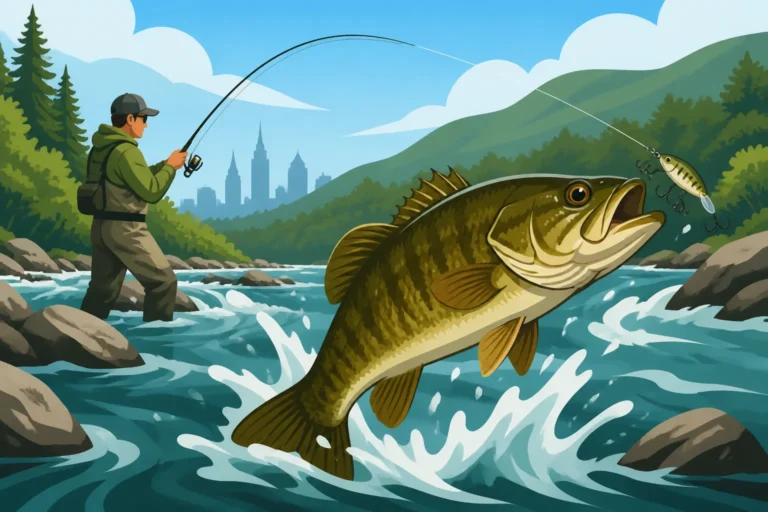
New York is a phenomenal bass fishing state, from the smallmouth in the St. Lawrence River to the largemouth in the countless lakes and ponds. Bass fishing often requires a versatile approach to line weight, as conditions and techniques vary wildly.
- Line Weight Recommendation: 8-20 pound test (or 20-50 pound braid).
- Why it works:
- Largemouth Bass: When fishing for largemouth in heavy cover—think lily pads, thick weeds, or dense brush—you'll want a heavier line, perhaps 12-17 pound fluorocarbon or 30-50 pound braided line. The strength helps you pull fish out of cover and resists abrasion. For techniques like flipping and pitching, the heavier braid is almost a necessity. If you're fishing more open water with crankbaits or spinnerbaits, 10-14 pound monofilament or fluorocarbon works well. How to Fish for Largemouth Bass in Weeds would undoubtedly recommend heavier line to prevent break-offs.
- Smallmouth Bass: Often found in clearer, rockier environments like the Finger Lakes or the St. Lawrence River, smallmouth can be very sensitive to line visibility. 8-12 pound fluorocarbon is an excellent all-around choice for its stealth and abrasion resistance. When using finesse techniques like drop-shotting or Ned rigs, 6-8 pound fluorocarbon or 10-20 pound braid with a 6-10 pound fluorocarbon leader will maximize sensitivity and presentation. The goal is often to fool a very smart fish.
- Line Type Considerations: Fluorocarbon excels for its stealth and sensitivity, particularly for smallmouth. Braided line offers superior strength and hook-setting power in heavy cover, usually with a fluorocarbon leader. Monofilament is a good option for topwater lures (as it floats) or reaction baits where some stretch is desirable.
Walleye and Northern Pike: Toughness and Detection
Walleye and northern pike are popular targets across New York, from Lake Erie to Oneida Lake, and both require lines that can handle their sharp teeth and often tough-fighting nature. Walleye fishing, in particular, demands sensitivity to detect their notoriously subtle bites.
- Line Weight Recommendation: 8-15 pound test (mono/fluoro) or 15-30 pound braid.
- Why it works:
- Walleye: For jigging or slip-bobber fishing, 8-10 pound fluorocarbon or 10-20 pound braid with a short fluorocarbon leader provides the sensitivity needed to feel light takes. When trolling crankbaits or bottom bouncers, 10-15 pound monofilament is often preferred for its stretch, which helps absorb shock from strikes and reduces hook pull-outs, especially when using planer boards. Oneida Lake Walleye Fishing Guide would likely delve into various techniques and the corresponding line choices.
- Northern Pike: Pike are aggressive predators with incredibly sharp teeth. While they're often found in weedy areas, the primary concern is preventing them from biting through your line. For this reason, a wire or heavy fluorocarbon leader is almost mandatory. For the main line, 12-15 pound monofilament or fluorocarbon, or 20-30 pound braid, provides the necessary strength. You can find robust wire leaders and heavy fluorocarbon options on Amazon to protect your line from those razor-sharp teeth.
- Line Type Considerations: Braid with a leader is excellent for walleye due to its sensitivity. Fluorocarbon is good for both due to abrasion resistance. Monofilament works for trolling or where a bit of stretch is beneficial. Always, always use a bite-proof leader for pike.
Salmon and Steelhead: Power and Precision
Targeting salmon and steelhead in New York's Great Lakes tributaries, like the Salmon River or the Oswego River, is a thrilling experience that demands strong, reliable line. These fish are powerful fighters, known for long runs and acrobatic jumps, often in strong currents.
- Line Weight Recommendation: 8-12 pound test (for lighter presentations) to 15-25 pound test (for heavy flows and larger fish) for main lines; 6-10 pound fluorocarbon for leaders.
- Why it works: When targeting steelhead or salmon, a popular technique involves drifting egg sacs or beads, often with lighter leaders to ensure natural presentation. For the main line on a spinning reel, 10-15 pound monofilament or 15-20 pound braided line (with a fluorocarbon leader) is common. The braid offers incredible sensitivity for detecting light takes in current, and the power to control a strong fish. For the leader, 6-10 pound fluorocarbon is crucial for stealth in the often clear, cold water. How to Fish for Steelhead in New York covers many scenarios where a robust main line paired with a supple, stealthy leader is paramount.
- Line Type Considerations: Braided main line with a fluorocarbon leader is a very popular and effective combination for sensitivity and strength. Monofilament can also be used as a main line, particularly for drift fishing, offering some stretch to cushion violent strikes. Heavier fluorocarbon for leaders can also be used if the water is murky or the fish are less pressured.
Considering Water Conditions and Environmental Factors
It's not just the fish that dictates your line choice; the environment you're fishing in plays an equally critical role. New York's freshwater landscapes are incredibly varied, and a line that excels in one spot might be a liability in another.
Clear Water vs. Stained/Turbid Water
The clarity of the water is perhaps the most significant environmental factor influencing line visibility and, therefore, your success.
- Clear Water: In pristine Adirondack lakes, spring-fed streams, or the clear depths of the Finger Lakes, fish have excellent visibility. Here, stealth is paramount. This is where fluorocarbon shines, either as a main line or as a leader paired with braid. Using the lightest line weight possible for your target species, within reason, will always give you an advantage. For example, Fishing the Delaware River in New York would often recommend a very light, almost invisible setup for the wary trout found there.
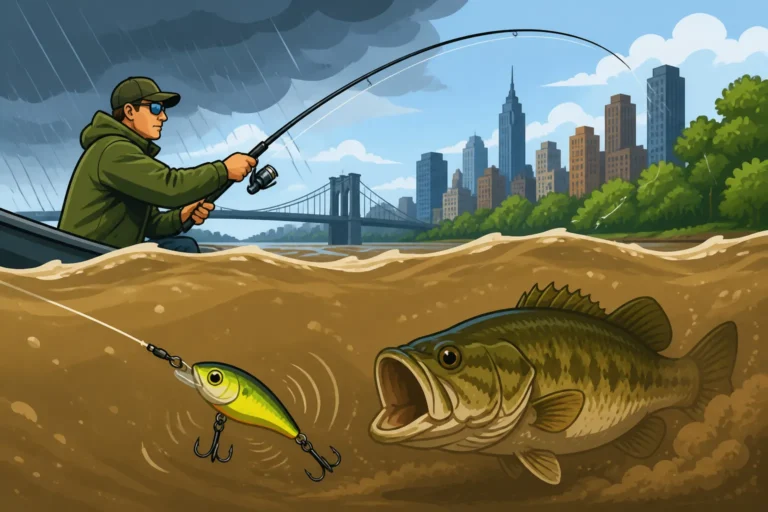
- Stained/Turbid Water: When fishing after a heavy rain, in agricultural runoff areas, or in naturally darker, murkier lakes and rivers, fish rely less on sight and more on other senses. In these conditions, line visibility is less of a concern. You can often get away with heavier monofilament or braided line without a leader. The focus shifts to abrasion resistance, strength to get fish out of cover, and sensitivity to feel bites that might be less aggressive in lower light.
Heavy Cover vs. Open Water
The structure (or lack thereof) in your fishing spot directly impacts the abrasion resistance and strength you'll need from your line.
- Heavy Cover: Many of New York's best fishing spots, especially for species like largemouth bass, involve navigating dense vegetation, fallen trees, rock piles, or docks. If you're flipping jigs into thick lily pads or casting crankbaits around submerged timber, your line will constantly be rubbing against abrasive surfaces. This is where high abrasion resistance is crucial. Braided line, often 30-50 pound test, is the king of heavy cover due to its brute strength and ability to slice through weeds. Fluorocarbon (12-20 pound test) is also a strong contender due to its excellent abrasion resistance, though it doesn't have the cutting power of braid. Using lines like these helps prevent frustrating break-offs and ensures you can land that big fish buried deep in the cover.
- Open Water: When you're trolling open water for lake trout on Seneca Lake or casting to schooling smallmouth on Lake Erie, your line isn't likely to encounter many abrasive obstacles. Here, you can prioritize other factors like stealth, casting distance, or lure presentation. Lighter monofilament or fluorocarbon (6-12 pound test) or lighter braid (10-20 pound test) without a heavy leader can be ideal, allowing for longer casts and more natural lure action.
Current and Depth
The movement and depth of water also play a role in line selection.
- Strong Current: In rivers like the Salmon River or the Niagara River, strong currents can create a lot of drag on your line, making it harder to get your bait down or to feel bites. Thinner diameter lines, like braided line, cut through the water more efficiently, reducing drag and improving feel. When fishing for Steelhead Trout in New York, especially in tributaries with strong flow, minimizing line drag is key to a natural presentation.
- Deep Water: When fishing deep lakes for lake trout or walleye, getting your bait to the bottom quickly and maintaining contact can be challenging. Monofilament's tendency to float and its stretch can make it less ideal for deep presentations. Fluorocarbon sinks faster than mono, and braided line, with its minimal stretch and thin diameter, offers the best contact with your lure in deep water, allowing for greater sensitivity to detect those deep-water bites.
Practical Tips for Choosing and Using Fishing Line
Beyond the technical specifications, there are several practical considerations that can simplify your line choice and improve your overall fishing experience in New York. Remember, the goal is to make fishing enjoyable, not a chore!
Don't Overlook the Leader
The concept of a leader is essential for modern freshwater fishing. A leader is a short section of line (typically 18 inches to several feet long) tied to the end of your main line, and then your lure or hook is tied to the leader. This technique allows you to combine the best properties of different line types.
- Braid to Fluorocarbon: This is a hugely popular combination. You get the casting distance, strength, and sensitivity of a braided main line, paired with the near invisibility and abrasion resistance of a fluorocarbon leader right at the business end. This setup is incredibly versatile for bass, walleye, and even trout in many New York scenarios. You can easily find various strengths of fluorocarbon leader material on Amazon.
- Mono to Fluorocarbon: Sometimes, anglers will use a monofilament main line and add a fluorocarbon leader for improved stealth near the lure, especially in clear water where mono might be too visible.
- Wire Leaders: For toothy critters like northern pike or muskellunge, a steel or heavy fluorocarbon (80lb+) leader is non-negotiable. Without it, your line will be severed in an instant.
Learning a few reliable knots for connecting different line types, like the FG knot or the Alberto knot, will serve you well. Don't be intimidated; a little practice goes a long way.
Consider Your Rod and Reel
Your fishing line is part of a system, and it needs to be compatible with your rod and reel.
- Rod Action and Power: A very light, fast-action rod for panfish might feel completely dead with heavy, stiff line. Conversely, a heavy-action rod designed for pulling bass out of thick cover won't perform optimally with ultra-light line. Match the line weight to the recommended ratings on your rod.
- Reel Capacity: Ensure the line weight you choose doesn't overfill your reel spool or, conversely, leave it underfilled. Heavier lines have a thicker diameter, meaning less will fit on your spool. Consult your reel's specifications, which usually list recommended line capacities for different pound tests. When in doubt, a slightly thinner diameter line will give you more backing and casting distance.
- Line Memory: Monofilament, especially heavier test, can develop "memory" and spring off the spool, causing tangles. This is more common with older or cheaper mono. Fluorocarbon can also be stiff. Braided line typically has very little memory, making it a joy to cast.
Fresh Line is Happy Line
Fishing line degrades over time from UV exposure, abrasion, and stress. Old, brittle line is a recipe for lost fish and frustration.
- Replace Annually: For most active anglers, replacing your main line annually is a good practice. If you fish heavily, you might do it more often. Leaders should be checked and replaced frequently, especially after encountering snags or landing fish.
- Check for Nicks and Frays: Before each outing, run your fingers over the last few feet of your line, feeling for any nicks, kinks, or abrasions. If you find any, cut back a few feet and re-tie your leader or lure. This simple habit can save you from a heartbreaking break-off.
- Spool Correctly: Incorrectly spooling line onto your reel can lead to tangles, twists, and poor casting. Always follow the manufacturer's directions, ensuring the line comes off the filler spool in the same direction it goes onto your reel spool.
Choosing the right line weight for your freshwater fishing adventures in New York doesn't have to be a mystery. By understanding the properties of different line types and considering your target species, fishing environment, and techniques, you'll be well on your way to more successful and enjoyable days on the water. Whether you're chasing New York's Most Popular Freshwater Fish or trying your hand at How to Fly Fish in New York, the right line is your critical connection to the fish, making every hook-up more confident and every fight more manageable.
Line Type Comparison Table
To help you visualize the differences, here's a quick comparison of the three main line types:
| Feature | Monofilament (Mono) | Fluorocarbon (Fluoro) | Braided Line (Braid) |
|---|---|---|---|
| Material | Single strand of nylon | Single strand of fluoropolymer | Woven synthetic fibers |
| Visibility | Medium to High | Low (nearly invisible) | High (opaque) |
| Stretch | High | Very Low | None (or extremely low) |
| Sensitivity | Low to Medium | High | Excellent (highest) |
| Abrasion Res. | Medium | High | High (but can fray) |
| Knot Strength | Excellent (easy to tie) | Good (can be stiff) | Excellent (can slip if not tight) |
| Buoyancy | Floats | Sinks | Floats |
| Cost | Low | Medium to High | High |
| Typical Uses | All-around, topwater, trolling | Clear water, finesse, leaders | Heavy cover, jigging, long casts |
Remember, this table provides general characteristics. The specific performance can vary slightly between different brands and line qualities, many of which you can research and compare on Amazon.
Disclaimer
This article is for general informational purposes only and does not constitute professional advice. Laws, prices and regulations vary by location and change over time. Consult a qualified professional for guidance on your specific situation.