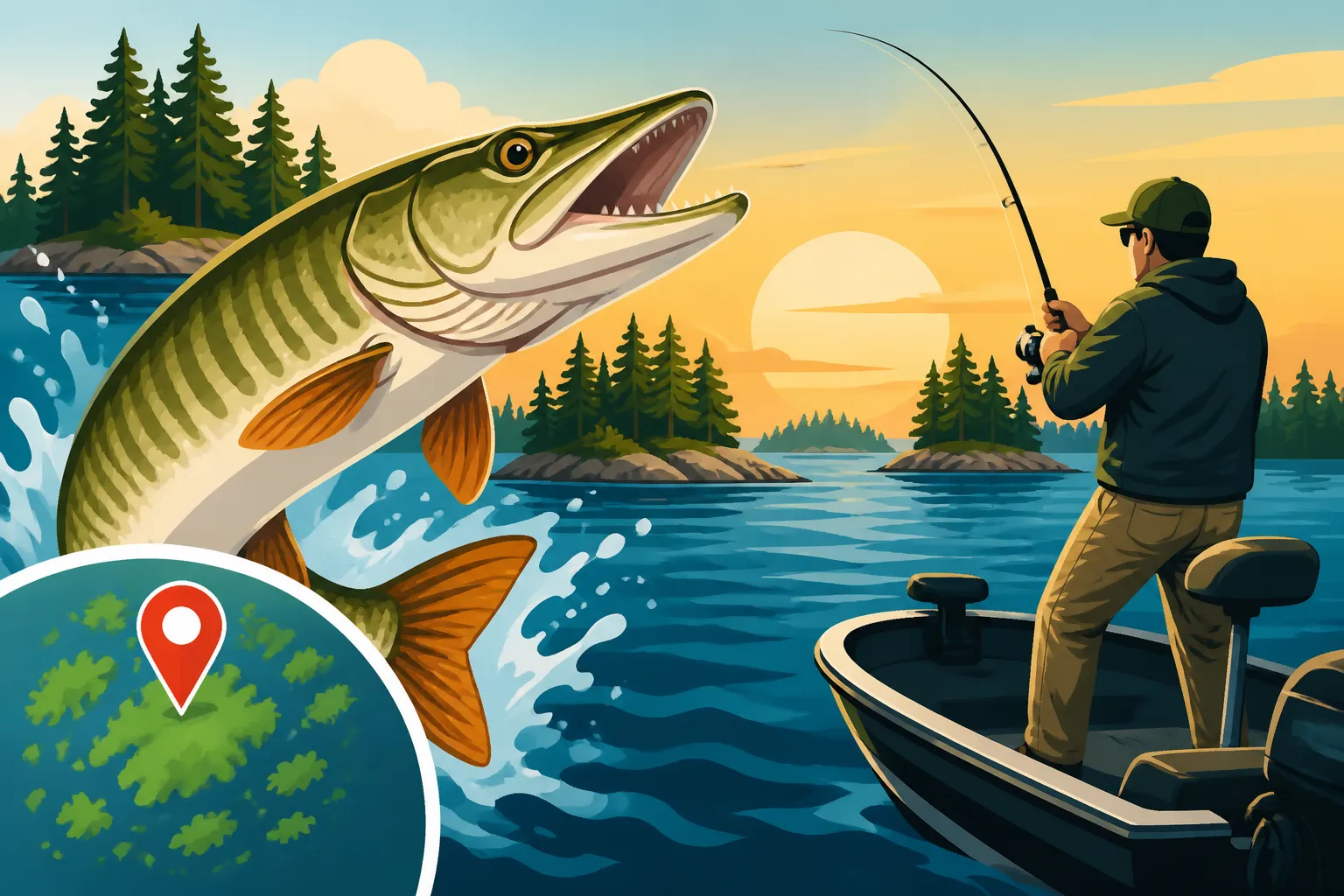
Where to Fish for Muskellunge in the Thousand Islands
For anglers dreaming of locking horns with a true freshwater titan, the sheer immensity of the Thousand Islands region can feel overwhelming. You know the muskellunge are there, lurking in those legendary waters, but pinpointing where to start your hunt for these elusive giants can be a real head-scratcher. This comprehensive guide will help demystify the vastness of the St. Lawrence River and its islands, zeroing in on the prime locations and strategies to help you connect with a trophy muskie.
Understanding the Thousand Islands Muskie Domain
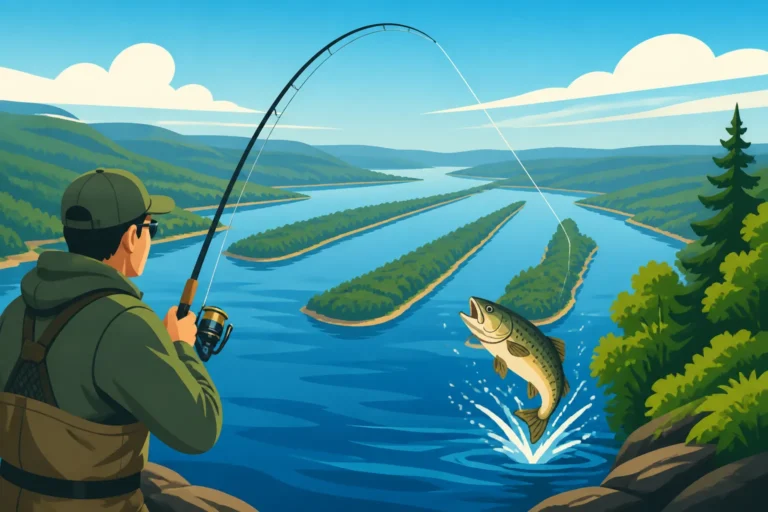
The Thousand Islands region, straddling the border between New York and Ontario, is a muskie angler's paradise, but its sheer size is often the first hurdle. It's not just a river; it's a complex network of islands, shoals, bays, and channels, all of which contribute to creating the perfect habitat for muskellunge. These fish, often called "the fish of 10,000 casts," thrive in this diverse environment, utilizing its structure for ambush points and its abundant forage for growth.
The St. Lawrence River as a Muskie Mecca
The St. Lawrence River itself is the lifeblood of this incredible fishery. From its outflow from Lake Ontario, flowing northeastward through the Thousand Islands archipelago, it presents a dynamic system of water currents, depths, and bottom structures that are perfectly suited for muskies. The river's cooler, oxygen-rich waters and diverse prey base—including perch, suckers, and ciscos—support a healthy and often large muskie population. When you're considering Fishing New York's St. Lawrence River and Thousand Islands, remember that the river's character changes, offering different challenges and opportunities from section to section.
Many anglers are drawn to the St. Lawrence because it holds not only impressive numbers of muskies but also some truly colossal specimens. This isn't just local legend; the river is famous for producing some of the largest muskellunge ever caught, including the current World Record Catch-and-Release Muskie Caught on the St. Lawrence River. The intricate network of bays and channels provides countless ambush points, making observation of current breaks and weed edges absolutely crucial for success.
Key Habitat Features for Muskellunge
Muskies are ambush predators, meaning they love to hide and wait for their prey. This behavioral trait dictates where you should focus your efforts. Look for distinct changes in the environment that offer cover and congregation points for baitfish.
- Weed Beds and Edges: Expansive weed beds, especially those with deeper water nearby, are muskie magnets. These provide excellent camouflage for the muskie and a feeding ground for their prey. The edges of these weed beds, where they meet deeper channels or sharp drop-offs, are particularly productive. These transition zones act as highways for baitfish and prime hunting grounds for muskies. Think about areas with coontail, milfoil, or cabbage weeds; they offer dense cover that muskies appreciate.
- Rocky Shoals and Reefs: Submerged rock piles, reefs, and rocky shorelines create current breaks and attract baitfish, which in turn attract muskies. These areas are especially good during colder water periods or when muskies are less focused on dense vegetation. The irregular structure provides current seams and eddies where muskies can rest and ambush. Consider areas where the current flows over these structures, creating oxygenated water and concentrated food sources.
- Deep Channels and Drop-offs: While muskies often hang out near structure, they are also found in deeper water, especially during the heat of summer or the transition seasons. Main river channels with sharp drop-offs are important travel corridors and holding areas. Large muskies often suspend in these deeper zones, rising to strike when a tempting meal passes overhead. A good depth finder becomes your best friend in these situations.
Top Muskellunge Fishing Spots in the Thousand Islands
Navigating the Thousand Islands for muskies means understanding the specific characteristics of different stretches of water. While the entire region holds potential, some areas are consistently more productive due to their unique features and the historical presence of trophy fish.
Around Clayton and Cape Vincent
The waters surrounding Clayton, New York, are legendary for muskie fishing. This area, often considered the heart of the Thousand Islands, offers a diverse range of habitats, from shallow weedy bays to deep river channels.
- Grindstone Island: This large island is a prime muskie territory. Its many bays, such as Cranberry Creek and Blind Bay, are excellent for casting or trolling along weed edges. The points and rocky shores surrounding Grindstone also hold fish, especially where they drop off into deeper water. Local guides often frequent these areas.
- Fisher's Landing to Wellesley Island: This stretch includes numerous smaller islands and extensive shoals. The current here can be significant, so understanding how muskies use current breaks is vital. Focus on areas with current-swept rocky bottoms and nearby deeper pockets. The larger islands like Wellesley, with their diverse structure, also offer fantastic opportunities. Many local captains listed on platforms like FishingBooker specialize in guiding these specific productive zones.
- Cape Vincent Shores: Located at the headwaters of the St. Lawrence River where it flows out of Lake Ontario, Cape Vincent offers unique conditions. The deep, clear waters here are often productive, especially for trolling large baits. Look for current breaks, submerged reefs, and transition zones where Lake Ontario's waters meet the river's flow.
Alex Bay and the Upper River
Further upstream, towards Alexandria Bay, the river continues to offer incredible muskie habitat, with a slightly different character than the lower river.
- Heart Island and Dark Island: These iconic locations aren't just tourist attractions; the waters around them are prime muskie grounds. The dramatic castle structures provide unique shorelines and submerged features that attract baitfish and, consequently, muskies. Trolling around the deeper edges and points of these islands can be very effective.
- Goose Bay and Eel Bay: These larger, shallower bays are often rich with weeds and offer excellent casting opportunities, particularly during periods when muskies are feeding actively in shallower water. These bays are known for their abundant forage and can hold very large fish. Patience and thorough coverage of these weedy expanses are key.
- Main Channel Runs: Throughout the upper river, pay close attention to the main shipping channel and its immediate edges. Large muskies often patrol these deeper avenues, especially when they are transitioning between feeding areas or seeking cooler water. Trolling parallel to the channel edges, especially near any submerged structure or point, can produce strikes from truly massive fish. Always be aware of vessel traffic in these areas.
The New York-Ontario Border Waters
While we're focusing on the New York side, it's important to acknowledge that the St. Lawrence is a shared resource. Many of the most productive areas for muskie fishing are right on the international border or easily accessible from either side.
- Wolfe Island: Though primarily on the Canadian side, its proximity to Cape Vincent means the surrounding waters are part of the same incredible fishery. The deep trenches and diverse shorelines around Wolfe Island are well-known muskie producers. Anglers often move between these waters depending on conditions and regulations, though you'll need to be mindful of New York Fishing Regulations Explained and potential Canadian licensing requirements.
- Areas Near Kingston (Canadian Side): Just north of the New York border, the waters around Kingston, Ontario, are also renowned for their muskie populations. This further emphasizes the continuous nature of the muskie habitat throughout the entire St. Lawrence River system. Many guides, whether based in New York or Ontario, often fish both sides depending on where the bite is best, making it easy to find a reputable service on FishingBooker that understands the cross-border opportunities.
Essential Techniques and Best Times for Thousand Islands Muskie
Muskie fishing isn't just about finding the right spot; it's also about employing the right techniques at the right time. These fish can be incredibly finicky, and success often comes down to meticulous preparation and a persistent approach.
Top Techniques for Targeting Muskies
The methods you choose will often depend on the specific conditions and the type of water you're fishing. It's smart to be versatile.
- Trolling: This is arguably the most popular and effective method for covering large areas, especially in the vastness of the St. Lawrence. Trolling allows you to present large baits at specific depths and speeds for extended periods. Focus on trolling along weed edges, rocky drop-offs, and main river channels. Large crankbaits, spoons, and dive-and-rise lures are staples. Different speeds and lure presentations can entice strikes from wary muskies. You'll often see anglers using planer boards to spread out their lines and cover more water.
- Casting: For more targeted approaches in and around specific structures like weed beds, rocky points, or submerged timber, casting is the way to go. Big bucktails, spinnerbaits, jerkbaits, and glide baits are fantastic for casting. The key is making repeated, precise casts to likely ambush points. Don't forget the "figure-eight" maneuver at the boat side – many strikes occur as the lure is about to leave the water. Mastering How to Figure-Eight a Muskie Boatside can significantly increase your hook-up rate.
- Jigging: While less common than trolling or casting, heavy jigging spoons or large soft plastics can be effective when muskies are holding tight to deep structure, like submerged humps or channel edges. This technique often requires good electronics to locate fish and precise boat positioning.
When to Hunt for Muskellunge
Muskies can be caught throughout the open water season, but certain times of the year offer better odds for consistent action and trophy fish.
- Early Summer (June-July): As water temperatures rise, muskies become more active and often move into shallower, weedier bays to feed on abundant baitfish. This is a great time for casting bucktails and topwater lures. The New York Muskellunge Season Dates typically open around mid-June in the St. Lawrence, perfectly aligning with this active period.
- Late Summer/Early Fall (August-September): This is often considered the prime time for trophy muskies. As waters begin to cool slightly, muskies become incredibly aggressive, trying to pack on weight before winter. They might be found deeper during the day but will often move shallower during low light conditions. Trolling large baits or casting big jerkbaits around deeper weed lines and rocky structures can be very productive. This period often aligns with the Best Season for Muskellunge Fishing in New York.
- Late Fall (October-November): Many die-hard muskie anglers swear by the late fall bite. As water temperatures drop dramatically, muskies move into deep channels and rocky haunts, feeding heavily before winter. This is a time for slow trolling large baits or using heavy jigging presentations. Patience is key, but the rewards can be enormous, often yielding the largest fish of the year.
Seasonal Muskie Location and Strategy
| Season | Typical Water Temperature | Preferred Habitat | Recommended Techniques | Key Forage |
|---|---|---|---|---|
| Early Summer | 65-75°F (18-24°C) | Shallow weedy bays, weed edges, points | Casting (bucktails, topwater) | Perch, suckers, smaller fish |
| Late Summer | 70-80°F (21-27°C) | Deeper weed lines, rocky humps, channel edges | Trolling (crankbaits), Casting | Larger baitfish, ciscoes |
| Early Fall | 55-65°F (13-18°C) | Mid-depth structure, rocky reefs, channel breaks | Trolling (large baits), Casting | Abundant large baitfish |
| Late Fall | 40-55°F (4-13°C) | Deep channels, rocky structures, sharp drop-offs | Slow Trolling (large baits), Jigging | Ciscoes, whitefish, large suckers |
Preparing for Your Thousand Islands Muskie Hunt
Chasing muskies in the Thousand Islands requires not just knowledge but also the right gear and a responsible approach. These fish are powerful, and handling them correctly ensures their survival for future generations of anglers.
Essential Gear and Lures
Muskie fishing isn't for the faint of heart, or for light tackle. You need robust equipment to stand a chance against these freshwater giants.
- Rods and Reels: Opt for heavy-action baitcasting rods, typically 7'6" to 9' long, designed for casting large, heavy lures. Pair these with high-capacity baitcasting reels capable of holding 65-100 lb braided line. A good quality drag system is non-negotiable.
- Line and Leaders: Braided line in the 65-100 lb test range is standard for its strength and no-stretch properties. Crucially, you'll need heavy-duty fluorocarbon or wire leaders (at least 100-200 lb test) to prevent bite-offs from their razor-sharp teeth. Never skimp on leader quality.
- Lures: Muskies are attracted to big, flashy, and erratic presentations. A varied tackle box is key.
- Bucktails: These are classic muskie killers, especially in retrieve speeds. Consider different blade sizes and colors.
- Crankbaits: Large diving crankbaits are excellent for trolling at various depths.
- Jerkbaits/Glide Baits: These lures require angler manipulation to create enticing, erratic movements that often trigger strikes.
- Topwater: For thrilling surface strikes in calmer, shallower water, topwater lures like walk-the-dog baits or large prop baits are exhilarating.
- For a deeper dive into specific options, check out guides on Best Muskellunge Lures.
- Landing Gear: A large, sturdy muskie-specific net (with a rubberized mesh to protect the fish) is essential for landing these fish safely. Long-nosed pliers or jaw spreaders and bolt cutters (for cutting hooks if necessary) are also crucial for quick, safe hook removal.
Understanding Regulations and Conservation
The Thousand Islands muskie fishery is a precious resource, and adherence to regulations and responsible angling practices is vital for its long-term health.
- New York Regulations: Always check the latest New York State Department of Environmental Conservation (DEC) regulations before you head out. These cover everything from season dates and minimum size limits to daily creel limits. For the Thousand Islands, the New York Muskellunge Minimum Size Limit is notably generous, often 40 inches or more, reflecting the trophy potential of the fishery. Catch-and-release is strongly encouraged, especially for larger breeding-size fish.
- Catch and Release Practices: Due to their size and fighting power, muskies can be easily injured during handling. Minimizing their time out of the water is paramount. Use the large net to keep them in the water while unhooking, or at least support their full body weight horizontally if removed for a quick photo. Avoid holding them vertically by the jaw. Knowing How to Fish for Muskellunge also includes knowing how to release them properly.
- Respecting the Environment: The Thousand Islands is a beautiful and delicate ecosystem. Practice "leave no trace" principles: take out everything you bring in, avoid disturbing wildlife, and be mindful of your boat wake, especially around shorelines and smaller islands.
Consider a Local Guide
For many, especially those new to the vastness of the Thousand Islands or muskie fishing in general, hiring a local guide is an invaluable investment.
- Expert Knowledge: A reputable guide will have intimate knowledge of the current conditions, recent fish patterns, and specific productive spots. They'll know precisely What Muskellunge Eat at certain times of the year and how to best present your lure.
- Specialized Gear: Guides come equipped with top-of-the-line gear, often including specialized electronics and a boat rigged specifically for muskie fishing. This saves you the expense and hassle of acquiring it all yourself.
- Safety and Efficiency: Local guides prioritize your safety on the water and maximize your fishing time, getting you to the best spots efficiently. Platforms like FishingBooker can connect you with experienced, licensed captains who specialize in Thousand Islands muskies, ensuring you're in good hands. They often know the best times to target the New York state record muskellunge contenders.
A trip to the Thousand Islands to fish for muskies is more than just a fishing trip; it's an adventure into one of North America's premier freshwater fisheries. With the right knowledge, preparation, and a healthy dose of patience, you might just find yourself staring down the toothy grin of a true St. Lawrence River giant.
Disclaimer
Fishing regulations, season dates, and license requirements can change. Always consult the most current New York State Department of Environmental Conservation (DEC) regulations before planning any fishing trip. The information provided here is for general guidance and educational purposes only.