Channel Catfish in New York
Many anglers, especially those new to New York's incredibly diverse waters, might not immediately think of catfish when planning a fishing trip here. It’s a common misconception that our state is just about trout, salmon, and bass. But let me tell you, the channel catfish is a fantastic, often overlooked species that provides incredible sport, especially for those who love a good fight, and delicious table fare. This comprehensive guide will dive deep into everything you need to know about targeting channel catfish across the Empire State, from identifying them to finding their favorite haunts, the best ways to catch them, and even how to prepare them for a meal.
Understanding the Channel Catfish in New York
Before we cast a line, it's always a good idea to get to know our target species. Channel catfish are not only widespread but also robust, offering a unique fishing experience that's different from chasing a wily trout or a hard-fighting smallmouth. They are survivors, thriving in a variety of conditions, which makes them accessible to anglers almost everywhere in New York.
Identifying a Channel Catfish
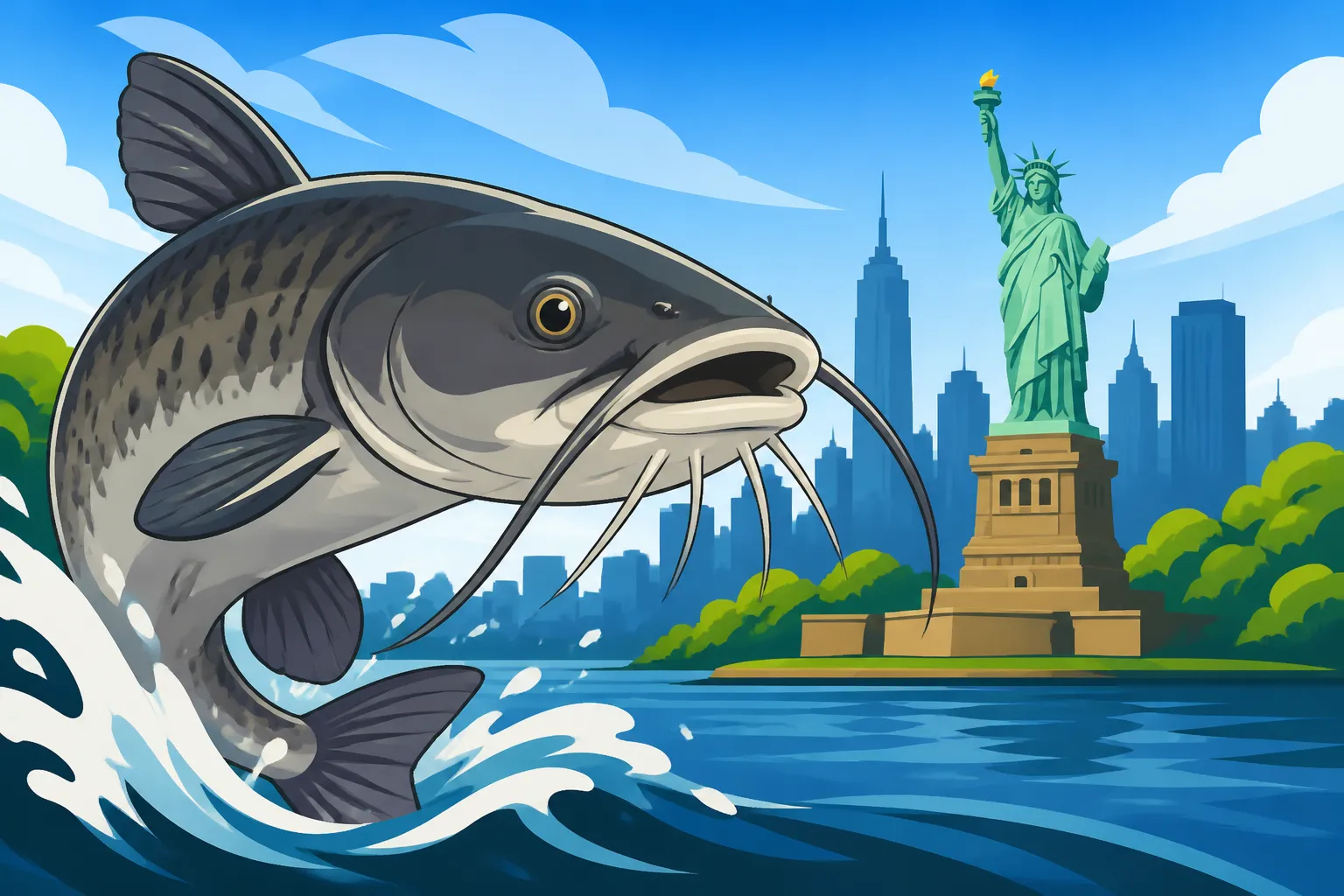
So, you've got a fish on the line, and it feels like a truck. How do you know it's a channel catfish and not one of its bullhead cousins? Channel cats have a few distinct features that set them apart. The most obvious is their deeply forked tail, a bit like a swallow's tail. This is a key differentiator from the bullhead species, which have rounded or only slightly notched tails. Their bodies are typically slender and sleek, giving them that powerful, hydrodynamic shape that translates into strong runs when hooked.
Coloration can vary quite a bit depending on the water quality and the fish's diet, but generally, they'll be olive-brown to slate-gray on top, fading to silvery-white on their belly. Younger channel cats often have scattered dark spots on their sides, which tend to fade as they get older and bigger. Don't forget those prominent whiskers, or "barbels," around their mouth – that's where they get the "cat" in catfish, of course! They use these sensitive barbels to locate food in murky waters or low light conditions. Knowing these features helps you accurately identify your catch, which is important for adhering to regulations and understanding the species better.
Preferred Habitats and Behavior
Channel catfish are incredibly adaptable, which is why you can find them in so many different bodies of water across New York. They generally prefer larger rivers and lakes with moderate to slow currents and soft bottoms, where they can root around for food. Think about those areas with silty, muddy, or sandy substrates, often near deeper channels, submerged timber, or rocky structures. These spots provide both cover from predators and ambush points for their prey.
They are primarily bottom feeders and opportunistic omnivores, meaning they'll eat just about anything they can find. Their diet consists of insects, crustaceans, small fish, frogs, and even plant matter. This diverse diet is what makes them so much fun to fish for, as they can be enticed by a wide range of baits. While they are often associated with warm water, they can tolerate cooler temperatures, although their activity levels will certainly slow down in colder months. Understanding their preference for warmer, slower water helps you pinpoint where they'll be most active and willing to bite. Many of New York's larger bodies of water, which are also home to species like bass and walleye, also hold healthy populations of channel catfish, contributing to New York's Most Popular Freshwater Fish.
Size and Growth Potential in New York
One of the truly exciting aspects of fishing for channel catfish in New York is their potential for impressive size. While you'll certainly catch plenty of "eater" size fish in the 2-5 pound range, channel catfish in the Empire State can grow much larger, providing a thrilling challenge for any angler. It's not uncommon to hear tales of, or even personally land, fish weighing 10, 15, or even 20 pounds or more, especially in some of our larger rivers and lakes.
These larger fish are typically older and have had access to abundant food sources and favorable conditions. While they may not reach the gargantuan sizes of some flathead or blue catfish found in other states, a 20-pound New York channel cat is a formidable opponent that will test your tackle and your patience. The potential for a trophy-sized channel catfish adds an extra layer of excitement to every outing, keeping you on your toes and always wondering what might bite next.
Where to Find Channel Catfish in New York
New York offers a plethora of opportunities for channel catfish anglers, from major rivers to expansive lakes and even some surprising urban fisheries. Knowing where to focus your efforts can drastically improve your chances of success. It’s all about understanding the type of water they prefer and where they’re likely to congregate.
Key Lakes and Rivers for Catfish
When it comes to prime channel catfish real estate in New York, a few waterways immediately come to mind. The Hudson River is arguably one of the best, especially in its tidal sections. Here, the catfish grow large and are abundant, thriving in the nutrient-rich, often turbid waters. Further north, the St. Lawrence River and the Thousand Islands region also boast excellent catfish populations, with plenty of deep channels, current breaks, and rocky structures for them to hide. These are vast waters, so focusing on tributaries, baymouths, and deeper holes adjacent to flats will often pay off.
The Finger Lakes, while renowned for trout and bass, also hold good numbers of channel catfish, particularly in the warmer, shallower ends of lakes like Cayuga and Oneida. Oneida Lake Walleye Fishing Guide might focus on walleye, but don't overlook its catfish potential! Similarly, Lake Champlain (on the border with Vermont), Lake Erie, and Lake Ontario offer significant catfish opportunities, especially in their shallower bays and river mouths. Even smaller lakes and large ponds across the state can surprise you with healthy catfish populations, particularly those with a good mix of shallow, weedy areas and deeper channels.
Hot Spots and Prime Conditions
Within these larger bodies of water, channel catfish tend to gravitate towards specific types of locations. Look for areas with a slower current, like eddies behind islands, points, or bridge pilings in rivers. In lakes, focus on gradual drop-offs, the mouths of feeder creeks, and areas with submerged timber, rock piles, or dense weed beds that create cover and attract baitfish. Deeper holes, especially those adjacent to shallower feeding flats, are also prime targets, particularly during the day when catfish might retreat to cooler, darker water.
When is the best time to target them? Channel catfish are notoriously active during low light conditions – that means dawn, dusk, and especially throughout the night. Their keen sense of smell and barbels give them a distinct advantage in the dark, making night fishing an incredibly productive strategy. As for seasonal conditions, they are most active when the water temperatures are warm, typically from late spring through early fall. A warm, humid evening after a summer rain can often trigger an incredible catfish bite, as the rain can wash new food sources into the water and stir up the bottom.
Urban Fishing for Channel Catfish
You might be surprised to learn that you don't always need to venture deep into the wilderness to find excellent channel catfish fishing in New York. Several urban and suburban waterways offer fantastic opportunities, bringing the thrill of the catch much closer to home. Rivers like the Hudson, even within the metro-north region, can be incredibly productive. Best Fishing Spots Near New York City often include piers and access points on the Hudson where catfish are regularly caught.
Many city and county parks maintain ponds and lakes that are stocked or naturally hold channel catfish. These spots are fantastic for beginners, families, or anyone looking for a convenient fishing trip. These urban fisheries often have easy access, paved paths, and sometimes even amenities like restrooms and picnic areas. Just be sure to check local regulations for specific park rules and always practice responsible angling. The key in urban environments, as in the wild, is to look for structure – docks, bridge abutments, deeper holes, or areas with current breaks. These spots can concentrate fish and make them easier to locate, providing a surprisingly rewarding experience without a long drive.
Best Techniques for Catching Channel Catfish
Catching channel catfish is not overly complicated, but a few tried-and-true techniques and baits will significantly increase your success. They aren't usually picky eaters, which is good news, but presenting your bait effectively makes all the difference.
Top Baits and Lures for Catfish
When it comes to channel catfish, scent is king. Their highly developed sense of smell is their primary tool for finding food, especially in murky water or at night. This is why natural, smelly baits are almost always the most effective.
- Cut Bait: This is perhaps the most popular and effective bait for larger channel catfish. Using chunks of oily baitfish like bunker, shad, or even smaller sunfish (where legal) can create a potent scent trail that catfish simply can't resist. Cut bait mimics wounded prey, signaling an easy meal.
- Chicken Livers: A classic for a reason! The rich, bloody scent of chicken livers is a known catfish magnet. They can be a bit messy to handle and keep on the hook, but their effectiveness is undeniable. Many anglers use small mesh bags or specialized bait holders to keep them secure.
- Nightcrawlers/Worms: Good old earthworms are universally effective, especially for smaller channel cats and bullheads, but larger ones will certainly take them too. A wad of nightcrawlers on a hook presents a tempting, wiggling target.
- Prepared Stink Baits/Dough Baits: There are countless commercially available catfish baits designed to emit powerful scents. These come in various forms, from dips to pre-formed nuggets. Brands often have their own secret formulas, and it's worth experimenting to see what works best in your local waters. You can often find these specialized bait holders or a wide array of prepared baits on Amazon or at your local tackle shop.
- Hot Dogs: Believe it or not, plain old hot dogs, cut into chunks, are a surprisingly effective and very accessible bait, especially for casual fishing trips or when fishing with kids. Marinating them in garlic powder or Kool-Aid (yes, really!) can sometimes give them an extra edge.
While catfish are primarily drawn to scent, don't completely rule out artificial lures in certain situations. Soft plastics that imitate worms or small fish, especially those infused with scent, can sometimes tempt an aggressive catfish, though they are generally less effective than natural baits.
Essential Rigs and Tackle
Keeping your setup simple and robust is key to landing a channel catfish. They're strong fighters, so you need gear that can handle the abuse.
- Rods and Reels: A medium to medium-heavy action spinning or baitcasting rod, typically 6 to 8 feet long, paired with a reel spooled with 10-20 pound test monofilament or braided line, is a good all-around choice. If you're targeting truly monster cats, you might want to bump up to heavier line and a more powerful rod.
- Hooks: Circle hooks are highly recommended, especially when bait fishing, as they dramatically reduce gut hooking, making catch-and-release much safer for the fish. Sizes typically range from 2/0 to 6/0, depending on the bait size and the target fish size. Read up on How to Use Circle Hooks for Striped Bass for similar principles that apply to catfish. J-hooks are also effective, but require quicker hooksets to avoid deep hooking.
- Sinkers: You'll need enough weight to get your bait to the bottom and keep it there, especially in current. Egg sinkers, pyramid sinkers, or flat bell sinkers are common choices, ranging from 1/2 ounce to several ounces.
- Rigs:
- Carolina Rig (Slider Rig): This is a go-to for many catfish anglers. Thread an egg sinker onto your main line, then tie on a swivel. Attach a leader (12-24 inches) to the other end of the swivel, and finally your hook. This allows the fish to pick up the bait without feeling the weight of the sinker immediately.
- Three-Way Swivel Rig: Great for fishing in current. Tie your main line to one eye of a three-way swivel, a short leader (6-12 inches) with a sinker to another eye, and a longer leader (12-36 inches) with your hook and bait to the third. This keeps your bait suspended just off the bottom in the current.
- Slip Bobber Rig: While not strictly a bottom rig, a slip bobber can be effective when catfish are suspended or feeding just off the bottom, especially in calmer waters or over submerged structure. It allows you to present bait at a precise depth.
Don't forget accessories like a good pair of pliers for hook removal, a sturdy landing net, and a cooler with ice if you plan on keeping your catch. For those hard-to-find items, or if you prefer the convenience of home delivery, checking online retailers like Amazon for specialized catfish gear can be a real time-saver.
Night Fishing and Seasonal Tactics
As mentioned, channel catfish are most active when the sun goes down. Their superior senses give them an advantage in low light, making night fishing incredibly productive. When fishing at night, consider bringing headlamps or lanterns (with insect repellent!), glow sticks for your rod tips, and be extra careful navigating. Fish known catfish haunts and focus on the same baits and rigs you'd use during the day, just in the dark. The calm of the night often brings out the biggest and most aggressive fish. Best Time of Day to Fish in New York covers this concept for other species too, but it's especially true for catfish.
Seasonally, your tactics might shift slightly. In spring, as water temperatures rise, catfish become more active and will often move into shallower areas, especially mud flats or creek mouths, to feed. During the heat of summer, they might retreat to deeper, cooler waters during the day, only to move shallow at night. In fall, as water cools, they'll often consolidate in deeper holes or channels before becoming less active in winter. Rules on Using Live Bait in New York are also important to check, especially if using any small fish as cut bait or live bait, as regulations can vary.
New York Regulations for Channel Catfish
Adhering to fishing regulations is crucial for ensuring sustainable fish populations and avoiding legal trouble. While channel catfish are generally abundant, it's always smart to know the specific rules for the waters you're fishing in New York. The New York State Department of Environmental Conservation (DEC) provides comprehensive guidelines for all species.
General Regulations and Seasons
Unlike some other popular game fish in New York, channel catfish generally do not have a closed season. This means you can pursue them year-round, which is fantastic news for dedicated anglers! This year-round access makes them a reliable target when other species might be out of season or harder to catch. However, it's vital to remember that while the general rule is open season, specific bodies of water might have special regulations that supersede the statewide rules.
Always consult the most current New York DEC Fishing Regulations Guide before heading out. This guide, available online and at many license vendors, will detail any exceptions or unique rules for particular lakes, rivers, or zones. For a general overview of the rules that apply to most freshwater bodies, you can also check out New York Freshwater Fishing Rules. Being informed is the best way to enjoy your fishing trip without any worries.
Catch Limits and Size Restrictions
While there isn't a closed season for channel catfish in most New York waters, there are typically daily creel (catch) limits and sometimes minimum size restrictions. These limits are in place to manage the population and ensure there are plenty of fish for future generations. For example, a common statewide regulation might allow a certain number of channel catfish per day, with a minimum size limit.
It's common to see a daily limit of 15 channel catfish per person, with no minimum size limit, but this can change and often does in special regulation waters. Some specific lakes or rivers, particularly those managed for trophy catfish, might have stricter limits or even a slot limit, where you can only keep fish within a certain size range. This is why it's so important to have the latest DEC guide with you. Don't just assume the rules are the same everywhere; a quick check can save you from a fine. Ignorance of the law is not a valid defense, as they say! For broader understanding of the legal landscape, consider exploring New York Fishing Regulations Explained.
Cooking and Eating Channel Catfish
One of the great joys of catching channel catfish, beyond the fight, is that they are absolutely delicious! They offer firm, white, flaky meat with a mild flavor, especially when properly handled. If you’re looking for Best-Tasting Fish Species From New York Waters, channel catfish should definitely be on your list.
Cleaning and Filleting Your Catch
Proper cleaning is essential to maximize the flavor and quality of your catfish. Catfish have tough, scaleless skin, which requires a different approach than scaling and filleting a trout or bass.
- Bleed the Fish (Optional but Recommended): Immediately after catching, if you plan to keep the fish, cut one of the gill arches. This bleeds the fish out quickly, which some anglers believe results in better-tasting meat. Place it on ice immediately.
- Skinning: This is the most crucial step. You can use a specialized catfish skinning pliers or a sharp knife. Make an incision around the head just behind the pectoral fins, being careful not to cut too deep into the meat. Then, using pliers or your hands, grab a corner of the skin and pull it off like a glove. It might take a bit of force, but it comes off quite cleanly once you get the knack.
- Filleting: Once skinned, you can fillet the fish as you would any other. Run your knife down the backbone from head to tail, then carefully separate the fillet from the rib cage. You'll typically get two boneless fillets from each fish. Remove any dark red meat along the lateral line, as this can sometimes impart a stronger, "muddy" flavor.
Practice makes perfect with skinning, so don't get discouraged if your first few attempts aren't pristine. The goal is clean, white meat ready for the pan.
Simple and Delicious Recipes
Channel catfish fillets are incredibly versatile and can be cooked in numerous ways. Here are a couple of popular and simple methods:
- Classic Fried Catfish: This is probably the most iconic way to enjoy catfish.
- Ingredients: Catfish fillets, cornmeal, flour, your favorite seasoning blend (salt, pepper, paprika, garlic powder), and cooking oil (peanut or vegetable oil is great for frying).
- Instructions: Pat the fillets dry. Mix cornmeal, flour, and seasonings in a shallow dish. Dredge the fillets thoroughly in the mixture, ensuring they are fully coated. Heat oil in a deep skillet or fryer to about 350-375°F (175-190°C). Fry the fillets for 3-5 minutes per side, or until golden brown and flaky. Serve with tartar sauce, coleslaw, and hushpuppies.
- Baked Lemon-Herb Catfish: For a lighter, healthier option, baking is fantastic.
- Ingredients: Catfish fillets, lemon juice, olive oil, fresh herbs (dill, parsley, thyme), salt, and pepper.
- Instructions: Preheat oven to 400°F (200°C). Place fillets on a lightly oiled baking sheet. Drizzle with olive oil and lemon juice. Season generously with salt, pepper, and your chopped fresh herbs. Bake for 12-18 minutes, or until the fish flakes easily with a fork. This method really lets the mild flavor of the catfish shine.
No matter how you cook them, fresh channel catfish are a true culinary delight, proving that New York's fishing bounty extends far beyond its more famous game fish.
Ensuring Safe Consumption
While channel catfish are generally safe and delicious to eat, it's always wise to be aware of any local fish consumption advisories. Like many freshwater species, catfish can sometimes accumulate contaminants from their environment. The New York State Department of Health (DOH) issues advisories for specific water bodies regarding fish consumption, particularly for sensitive populations like pregnant women, nursing mothers, and young children.
These advisories typically recommend limiting consumption of certain species from specific waters. For instance, larger, older fish tend to have higher contaminant levels than smaller, younger ones. Checking the DOH website or the latest DEC fishing guide will provide you with the most up-to-date information for your specific fishing location. Generally, if you're eating moderate amounts of smaller, legally-caught fish from diverse water bodies, you're likely fine, but always be informed.
Disclaimer
This article is for general informational purposes only and does not constitute professional advice. Laws, prices and regulations vary by location and change over time. Consult a qualified professional for guidance on your specific situation.