New York’s Biggest Muskellunge Ever Caught
Every angler who dreams of truly legendary catches in New York waters has probably heard whispers, or perhaps even roaring tales, of the state's most colossal fish. The pursuit of a giant muskellunge is more than just a hobby; it's an obsession for many, and knowing the monumental size of the state record catch fuels that fire. This guide will dive deep into the story of New York's biggest muskellunge ever caught, exploring the fish, the angler, and what it takes to chase such an incredible trophy.
The Legendary Catch: Art Lawton and the Record Muskie
The story of New York's biggest muskellunge isn't just a record in a book; it's a testament to patience, skill, and a bit of good old-fashioned luck. For generations of New York anglers, the name Art Lawton has been synonymous with the pinnacle of muskie fishing achievement, a benchmark that continues to inspire.
The Story of the Catch
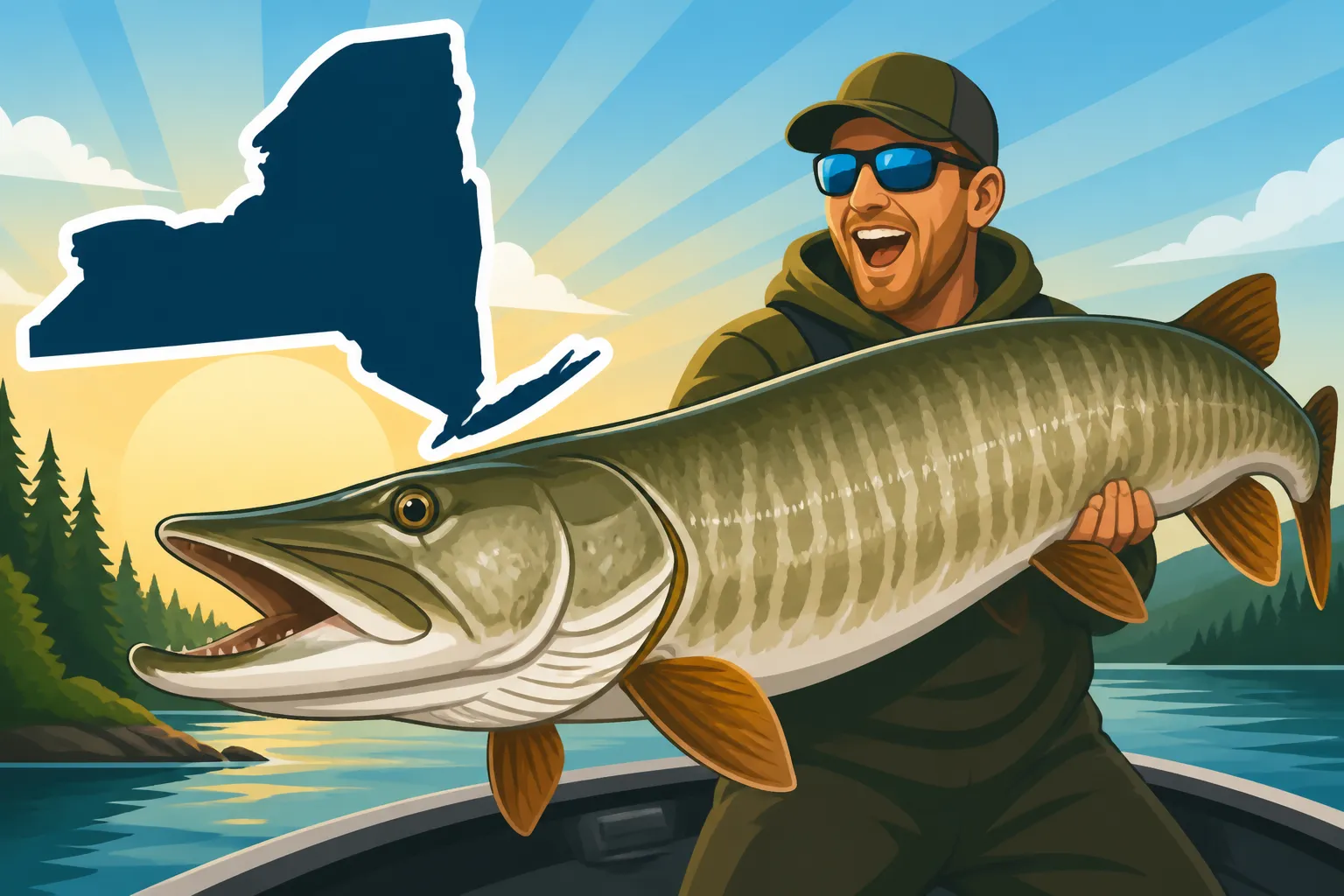
Picture this: it's September of 1957, on the serene yet formidable St. Lawrence River, near the Thousand Islands. Art Lawton, a seasoned angler who knew these waters like the back of his hand, was out doing what he loved. He wasn't necessarily looking to set a world record, but as many dedicated muskie hunters know, you always have to be prepared for the unexpected. What he hooked that day was a fish of epic proportions, a true leviathan lurking in the depths. The battle was undoubtedly one for the ages, a test of both angler and tackle against the raw power of one of freshwater's most formidable predators. When he finally brought it to the boat, the sheer size of the muskie left no doubt that it was something extraordinary. This wasn't just another fish; it was a living legend.
The Fish's Dimensions and Details
The muskellunge Art Lawton landed weighed in at an astounding 69 pounds, 15 ounces. Can you even imagine the sight of a fish pushing 70 pounds? Its length stretched to a remarkable 64 and a half inches, and its girth was a staggering 31 inches. These numbers tell only part of the story; to truly appreciate the magnitude of this catch, one has to consider the strength and ferocity inherent in a fish of that size. It wasn't just a heavy fish; it was a perfectly proportioned, apex predator at the peak of its powers. This monumental fish stands as a testament to the potential of New York's waters. It's truly incredible to think about the age of such a creature, having survived and grown to such an immense size over many years. This specific catch is often mentioned when people discuss New York State Muskellunge Record: 69 Pounds, 15 Ounces.
Why This Record Endures
Decades have passed since Art Lawton's incredible catch, yet it remains the state record, a testament to the rarity and difficulty of landing such a magnificent specimen. Many anglers have come close, and stories abound of other immense muskies caught and released, perhaps even larger, but Lawton's officially weighed and verified catch holds the top spot. The record endures not just because of its weight, but because it symbolizes the ultimate challenge in freshwater fishing. It speaks to the mystery of deep waters and the thrill of the hunt. Every time a serious muskie angler casts a line in the St. Lawrence, there's a silent hope, a flicker of ambition, that they might just encounter another one of these giants.
The Fish Itself: What Makes a Muskie So Special?
Muskellunge, often affectionately called "muskies" or "the fish of 10,000 casts," are truly unique creatures. They are the undisputed kings of many freshwater systems, especially in New York. Understanding their biology helps us appreciate why catching a record-breaker is such a monumental feat.
Muskellunge Characteristics
Muskies (scientifically Esox masquinongy) are easily identifiable by their elongated, cylindrical bodies, flattened heads, and duckbill-shaped snouts. Their coloration typically ranges from light silver, brown, or green with darker vertical bars, spots, or blotches, which vary greatly depending on their habitat and individual genetics. What truly sets them apart is their incredible dental array—rows of razor-sharp teeth designed for ambushing and holding onto prey. These fish are built for speed and power, capable of explosive strikes that can shock even the most prepared angler. They are often confused with their close relatives, the northern pike, but there are distinct differences in their scale patterns and cheek pore counts that Muskellunge vs Northern Pike: Key Differences can help you discern.
Diet and Habitat of Giant Muskies
Giant muskies are opportunistic ambush predators. Their diet consists almost exclusively of other fish, often large ones, but they aren't above consuming frogs, ducklings, or even small mammals if the opportunity arises. They are incredibly efficient hunters, using their camouflage to blend into their surroundings before launching a lightning-fast attack. These behemoths prefer clear, cool waters, often found near weed beds, submerged timber, rock structures, and along drop-offs where they can lie in wait. In New York, the deep, diverse structure of the St. Lawrence River and parts of the Great Lakes system provide ideal conditions for muskies to grow to immense sizes, offering both abundant forage and prime ambush points. They are generally solitary creatures, staking out territories and defending them against rivals, which contributes to their reputation as elusive targets.
Where Do Giants Lurk? Top Muskie Waters in New York
New York State is incredibly diverse, offering anglers a plethora of fishing opportunities, but when it comes to trophy muskellunge, certain waters stand head and shoulders above the rest. These are the places where the dream of a record-breaker feels most tangible.
St. Lawrence River: A Muskie Mecca
It's no accident that the state record muskie came from the St. Lawrence River. This immense waterway, particularly the Thousand Islands region, is globally renowned as a premier muskie fishery. The sheer size of the river, its complex underwater structure, and its abundant forage base—including massive schools of baitfish—create the perfect environment for muskies to thrive and reach gargantuan sizes. Anglers here often employ heavy-duty gear and specialized techniques, like casting massive bucktails or trolling large crankbaits, specifically designed to entice these river monsters. Navigating these waters effectively often means relying on experienced New York's St. Lawrence River Muskie Guides who know the subtle currents and prime ambush points. Whether you're casting from a boat or exploring the vast network of bays and islands, the St. Lawrence offers unparalleled opportunities for a truly memorable muskie encounter. You can learn more about fishing this fantastic area in Fishing New York's St. Lawrence River and Thousand Islands.
Other Noteworthy New York Muskie Waters
While the St. Lawrence is the reigning champion, New York has other waters where big muskies are regularly caught, offering diverse fishing experiences. Chautauqua Lake in Western New York is another legendary muskie destination, known for both its sheer numbers and the potential for trophy-sized fish. Its fertile waters and varied depths support a healthy muskie population. The Great Lakes, particularly the eastern basin of Lake Erie and parts of Lake Ontario, also hold robust muskie populations, with some truly massive fish being reported. These are vast, challenging waters, requiring dedication and specialized tactics, but the rewards can be incredible. Then there are the smaller, often overlooked waters, which might not produce the same numbers but occasionally yield an unexpected giant, proving that a record could theoretically come from almost anywhere a muskie can sustain itself. Always check local regulations, as New York Muskellunge Minimum Size Limit can vary by water body.
The Hunt for Trophy Muskie: Techniques and Gear
Chasing a trophy muskie isn't like your average fishing trip. It demands specialized gear, a deep understanding of muskie behavior, and an almost superhuman level of patience and persistence.
Gear for Giant Muskies
When you're targeting a fish that could potentially be 50-70 pounds and over 60 inches long, your gear simply has to be up to the task. Light tackle just won't cut it.
| Gear Type | Description & Considerations |
|---|---|
| Rods | Heavy-action baitcasting rods, typically 8 to 10 feet long. These rods need serious backbone to cast heavy lures all day and handle the immense power of a fighting muskie. Look for models designed specifically for muskie or big game fishing. |
| Reels | High-quality baitcasting reels with a strong drag system and high line capacity. A good retrieve ratio helps when working large baits. Durability is key, as these reels will endure a lot of stress. |
| Line | Braided line is almost universally preferred for muskie fishing due to its incredible strength, minimal stretch, and resistance to abrasion. You'll want heavy test, often 80-100 pound test, to handle the powerful runs and prevent break-offs on sharp teeth or submerged structure. |
| Leaders | Crucial for preventing bite-offs. Heavy-duty fluorocarbon (100-200 lb test) or wire leaders are a must. They should be long enough to protect your main line from the muskie's teeth, typically 12-24 inches. |
| Lures & Baits | This is where muskie fishing gets exciting! Large bucktails, massive crankbaits (some over a foot long!), topwater lures, jerkbaits, and swimbaits are all common. Color and retrieve speed often depend on water clarity, time of day, and muskie mood. You might find a wider selection of heavy-duty bucktails on Amazon, for instance, than at your local bait shop. |
| Landing Net | A large, muskie-specific landing net with a long handle and a wide, deep hoop is essential. The net should have knotless, rubberized mesh to protect the fish's slime coat, especially if you plan to release it. Trying to net a monster muskie with a bass net is a recipe for disaster and can injure the fish. |
| Jaw Spreaders & Pliers | Absolutely vital for safe handling and hook removal. Muskie teeth are no joke. Long-nosed pliers or specialized hook removers allow you to reach deep-set hooks, and jaw spreaders keep the fish's mouth open for safe access. |
| Cut-Resistant Gloves | A good idea for protecting your hands when handling a large, thrashing fish. |
Anglers often turn to online retailers like Amazon to find specialized muskie rods, reels, and a vast array of unique lures that might not be available everywhere. When preparing for a trip targeting these giants, make sure every piece of your equipment is in top condition; a single weak link can cost you the fish of a lifetime.
Effective Techniques for Big Fish
Catching a muskie of any size is challenging, but targeting a true trophy requires finesse, patience, and often, brute force. One of the most common and effective techniques is casting large, heavy lures, such as bucktails, in areas where muskies are known to lurk. This is a physically demanding method, requiring hundreds, sometimes thousands, of casts in a single day. The retrieve is critical; many anglers utilize a "figure-eight" motion at the side of the boat before lifting the lure out of the water, as muskies often follow a lure right to the boat before striking. You can find more details on this in How to Figure-Eight a Muskie Boatside.
Trolling is another highly effective technique, particularly in larger bodies of water like the St. Lawrence or Lake Erie. This involves pulling large crankbaits or other lures behind a slow-moving boat, covering vast expanses of water and allowing the lure to run at specific depths where muskies might be holding. This method is often preferred for locating fish in new areas or when muskies are scattered. Live bait, particularly large suckers, can also be a potent weapon, though specific regulations on live bait usage vary, so always check the New York Fishing Regulations Explained. Regardless of the technique, the key to success is persistence, understanding muskie behavior, and being ready to strike at a moment's notice. For more technique-specific advice, look into How to Fish for Muskellunge and Best Lures for Muskellunge.
Beyond the Record: Muskie Conservation and Future Giants
While the thrill of chasing a record is undeniable, the true spirit of muskie fishing today often revolves around conservation. These magnificent fish are too valuable to only be caught once.
Catch and Release Practices
Modern muskie fishing, especially for trophy-sized fish, is overwhelmingly focused on catch and release. Anglers understand that these fish take a very long time to grow to impressive sizes, and releasing them ensures the continuation of healthy populations and the potential for future generations to experience the same excitement. Proper handling is paramount for released fish. This includes minimizing their time out of water, supporting their body weight horizontally, and using appropriate tools for hook removal. After a long fight, a muskie can be exhausted, so sometimes it's necessary to hold the fish gently in the water, allowing it to recover and swim off under its own power. Education on responsible catch and release practices is vital to maintain New York's incredible muskie fisheries. This commitment ensures that the legacy of giants continues.
Protecting New York's Muskie Population
New York State, through the Department of Environmental Conservation (DEC), actively manages its muskellunge populations through stocking programs, habitat protection, and strict fishing regulations. These efforts are crucial, as muskies have specific habitat requirements and are susceptible to environmental changes. By protecting spawning grounds, managing water quality, and enforcing size and creel limits, the DEC aims to ensure that muskies continue to thrive. Anglers also play a crucial role by reporting illegal fishing activities and participating in volunteer efforts to improve fish habitats. The pursuit of the next record muskie depends entirely on the health of the overall muskie population, making conservation a shared responsibility between state agencies and the angling community. Looking into New York Fishing Regulations Explained can provide more insight into these protective measures.
Chasing History: What It Takes to Catch a Giant Muskie
Catching a muskie the size of Art Lawton's isn't just about showing up at the right spot with the right gear; it's a culmination of a particular mindset, relentless effort, and an enduring passion.
The Mindset of a Trophy Angler
To consistently pursue trophy muskies, you need a special kind of mental toughness. It's often called "the fish of 10,000 casts" for a reason. There will be days, even weeks, where you cast tirelessly without a single follow, let alone a strike. This kind of fishing demands unwavering optimism, a deep belief that the next cast could be the one, and the resilience to shake off disappointment. Trophy anglers study their quarry, spending countless hours researching patterns, understanding seasonal movements, and dissecting bite windows. They embrace the challenge, knowing that every empty cast is a learning experience, bringing them closer to that elusive giant. This dedication is what separates those who simply fish from those who truly hunt for legendary fish.
Patience and Persistence
If there are two words that define trophy muskie fishing, they are patience and persistence. You can have the best gear from Amazon, the perfect boat, and be on the most productive water, but without these two virtues, success will be fleeting. A single day targeting muskies can mean hours of repetitive casting, often in challenging weather conditions, with no immediate reward. But it's in those moments of persistence, when fatigue sets in and doubt whispers, that the true angler pushes through. The payoff for such patience can be instantaneous and utterly exhilarating: the sudden appearance of a giant shadow, a jarring strike that almost rips the rod from your hands, and the ensuing battle of a lifetime. It’s this combination of effort and the potential for an explosive, unforgettable experience that keeps muskie anglers coming back, forever hoping to replicate, or even surpass, the legendary catch of Art Lawton. You might want to consider Best Season for Muskellunge Fishing in New York to optimize your chances, but even then, patience is key.
Disclaimer
This article is for general informational purposes only and does not constitute professional advice. Laws, prices and regulations vary by location and change over time. Consult a qualified professional for guidance on your specific situation.